

As we explore the pillars of healthy aging, two elements that are often overlooked yet powerful are humor and laughter. For seniors, especially those in senior living communities, maintaining a joyful and stress-free lifestyle is vital for overall well-being. Laughter and humor not only brighten the day but also offer proven benefits for mental health, physical health, and longevity.
Whether it’s a shared joke during daily life activities or bursts of laughter daily during a hilarious movie night, the role of humor and laughter in senior living cannot be overstated. This blog post examines how incorporating humor and laughter can enhance the quality of life for seniors, promote social engagement, alleviate stress and anxiety, and support holistic aging.
Laughter as Medicine: Backed by Science

The phrase “laughter is the best medicine” isn’t just a catchy saying—it’s supported by science. Laughter helps release endorphins, the body’s natural feel-good chemicals, which promote a sense of well-being and can even temporarily relieve pain. These health benefits that laughter offers extend beyond just mental relief; they also positively affect physical health.
Regular laughter has been shown to improve immune function, increase pain tolerance, reduce inflammation, and enhance cardiovascular health. For seniors dealing with chronic illnesses or emotional stress, regular laughter helps maintain resilience and optimism.
Humor and Mental Health in Senior Living Communities

One of the most powerful ways to boost mental health among seniors is through shared humor. In senior living communities, where loneliness and isolation can sometimes be a concern, group activities involving laughter can provide much-needed emotional relief.
Programs that include comedy shows, improv sessions, or storytelling games bring people together and create bonding experiences. These moments of humor and laughter each day lighten the mood, break the monotony of routine, and inject fun into daily life.
Moreover, reducing stress and anxiety is crucial in elder care. Chronic stress not only impacts mental and physical health, but it also speeds up the aging process. Laughter disrupts the stress cycle, helping to stabilize mood and foster emotional balance.
Social Connection Through Humor
Laughter is a profoundly social behavior. It builds connections and bridges generational and cultural gaps. In senior living communities, shared laughter helps build a sense of community that feels safe, inclusive, and welcoming.
Social isolation is a significant issue affecting many older adults, especially after retirement or the loss of a spouse. When seniors laugh together, it fosters a sense of belonging. Humor and laughter not only make interactions more enjoyable but also deepen friendships and reduce feelings of loneliness.

Furthermore, caregivers and staff can also benefit from and participate in humor. A workplace infused with lightheartedness tends to have lower stress levels and better communication. Incorporating humor and laughter into caregiver training and daily routines enhances the caregiving environment for everyone involved.
At Indy In-Home Care, we recognize that emotional well-being is just as important as physical health. That’s why we strive to integrate moments of joy, fun, and humor into our in-home care routines, helping our seniors feel truly seen, heard, and uplifted.
Laughter’s Role in Daily Life for Seniors

Adding humor and amusement to seniors’ daily lives doesn’t have to be a big deal. Watching a hilarious movie, reading amusing stories, playing games, or recalling funny things that have happened in the past are all easy and enjoyable ways to spend time.
Even things like funny art or comic strips that don’t require any action might make you feel better and bring a smile to your face. These activities provide fun and surprise to seniors’ daily lives, making them look forward to the simple things.
It’s also crucial to remember that laughing every day isn’t simply about telling jokes. It’s about finding happiness in the everyday, seeing the humorous side of things, and choosing to be positive rather than negative.
Physical Health Benefits of Laughter for Seniors
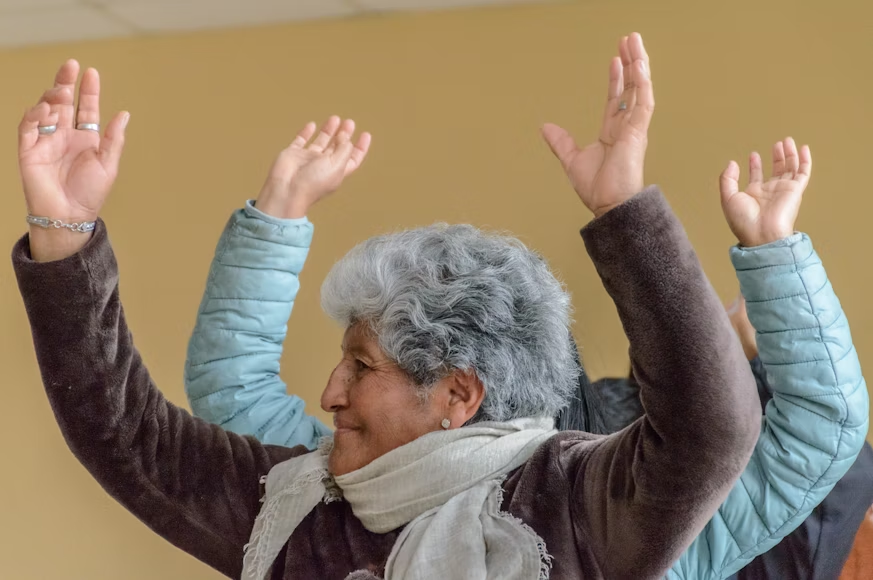
Laughter is good for more than just making you feel better. It works out your body a little by raising your heart rate, improving your oxygen intake, and increasing blood flow. This is particularly helpful for older individuals who may have difficulty moving around.
Engaging in humor can also promote better sleep, lower blood pressure, and reduce the need for certain medications. These health benefits of laughter align perfectly with the goals of healthy aging: maintaining independence, preventing illness, and enhancing overall vitality.
Regular engagement with humor and laughter contributes to a more active, longer life. And since laughter is contagious, its benefits often ripple out to caregivers, visitors, and staff within a senior living community.
Reducing Stress and Anxiety with Laughter
Stress anxiety is not limited to any age group, but it can take a heavier toll on seniors due to changes in health, mobility, and personal relationships. Fortunately, laughter acts as an instant stress reliever.
A good laugh lowers the levels of cortisol (the stress hormone) and increases serotonin and dopamine, which promote relaxation. These neurochemical changes can last for up to 45 minutes after laughing.
So, reducing stress and anxiety through laughter is more than temporary—it builds mental resilience and trains the body to recover quickly from tension. Whether it’s a lighthearted conversation or a moment of shared silliness, laughter daily is a critical component of emotional self-care in senior living communities.
Humor as a Tool for Caregivers
Caregivers often face immense stress and emotional burnout. But humor, when used sensitively and appropriately, can be a valuable caregiving tool. It lightens difficult conversations, redirects focus during agitation, and builds rapport with the seniors they care for.

In living communities, staff who incorporate humor and laughter into their daily interactions often find it easier to navigate challenging behaviors or emotional outbursts. It creates a relaxed atmosphere where both seniors and caregivers feel more at ease.
Additionally, incorporating humor and laughter into activities such as memory care, physical therapy, or meals can transform routine tasks into engaging and enjoyable experiences. Humor can be particularly effective in connecting with seniors who have dementia or Alzheimer’s, helping them feel more present and joyful.
Building a Culture of Humor in Senior Living Communities
Leadership is the first step in creating a culture that welcomes and encourages laughter. Directors of senior living communities can integrate humor into the care mission, whether through program planning, interior design (think bright and playful décor), or by hiring entertainers and comedians for events.
Staff should also be trained to recognize the fine line between healthy humor and humor that may come off as dismissive or disrespectful. When done with empathy and understanding, humor and laughter become a powerful force for unity and well-being.
Celebrating birthdays with personalized roasts, having talent shows, or even organizing improv nights are just a few ways to spark humor and great laughter. These moments become cherished memories, enriching senior living and fostering a sense of community spirit.
A Daily Dose of Joy: Laughter as Preventive Care
If a pill could provide all the benefits of laughter—better mood, lower blood pressure, enhanced immunity, improved social connection, and decreased pain—we would consider it a miraculous drug. Yet, this remedy is already available and entirely natural.
For those seeking ways to support healthy aging, laughter daily offers a low-cost, high-impact solution. It’s not a luxury; it’s a necessity.
Indy In-Home Care continues to promote joy and engagement in caregiving by training its staff to use compassionate communication infused with laughter, transforming everyday moments into opportunities for emotional connection and healing.
Conclusion
Getting older doesn’t mean you have to stop being happy. If anything, it gives you a chance to chuckle without worrying about work or other responsibilities. In elder living, comedy brings people together, makes them feel better, and improves their health in general.
We can improve seniors’ daily lives, strengthen communities, and unlock the true power of healthy aging by embracing humor and laughter. Laughter is more than simply a reaction; it’s a cure for stress and anxiety and a way to improve mental health.
Let’s create room for silliness, then. Let’s tell more jokes, exchange humorous stories, and look for the hilarious parts of everyday life. Because laughing every day is good for you, and when laughter is a big part of life in senior living, the golden years really shine.