

Family caregiving involves managing numerous tasks that can quickly become overwhelming. AI tools offer practical support by automating routine duties, organizing schedules, and providing real-time assistance, allowing caregivers to focus more on meaningful moments. These technologies help reduce stress, improve efficiency, and support seniors’ independence, making daily caregiving more manageable.
AI-powered systems, including voice assistants and remote monitoring devices, can simplify communication and enhance safety for those under care. Services like Indy In-HomeCare integrate these innovations to provide tailored support, ensuring caregivers and seniors benefit from smarter, data-driven solutions.
By leveraging AI, family caregivers can better navigate healthcare decisions, coordinate care plans, and track essential information such as finances and medications. This approach improves outcomes and frees up valuable time, offering caregivers a much-needed reprieve.
Key Benefits of AI Tools for Family Caregivers

AI tools provide specific advantages that help family caregivers manage the demands of caregiving. These technologies ease physical and mental tasks, support better care for older adults, and offer emotional assistance.
Reducing Caregiver Stress and Burnout
AI tools take over routine or time-consuming tasks such as medication reminders, appointment scheduling, and health monitoring. This automation frees caregivers from constant vigilance and reduces the risk of burnout.
By tracking vital signs and daily activities through sensors and apps, AI can alert caregivers to potential health issues early. This proactive approach lowers anxiety for caregivers worried about missed changes in their loved one’s condition.
AI also supports task organization with digital assistants that handle research, record-keeping, and communication. These functions cut down on administrative burdens, allowing caregivers to focus more on direct care and less on logistics.
Improving Care for Older Adults

Artificial intelligence enhances care quality by offering personalized health insights and managing medication schedules accurately. These AI systems analyze data to detect patterns, helping caregivers adjust care plans promptly.
Remote monitoring tools use AI to ensure safety, notifying caregivers if an older adult falls or wanders. This technology supports independence while maintaining a high standard of safety.
AI-driven decision support also assists caregivers in recognizing symptoms and making informed choices. It complements, rather than replaces, human judgment, ensuring that older adults receive tailored and timely care.
Supporting Emotional Well-Being and Companionship

AI tools can provide companionship through interactive chatbots and voice assistants, offering social interaction for those who may feel isolated. These tools help reduce loneliness in older adults by engaging them in conversation and activities.
AI can track caregivers’ mood and stress levels using data inputs and provide reminders for self-care moments. Some AI apps suggest mental health exercises or connect caregivers to support networks.
This dual emotional support helps maintain mental health for caregivers and their loved ones, contributing to a more sustainable caregiving environment.
Types of AI-Powered Technology Simplifying Caregiving
AI-powered technology offers specific solutions that address critical caregiving tasks. These tools support health monitoring, help manage medication and appointments, and provide social interaction through virtual assistants and robotic companions. Together, they reduce caregiver workload and improve care quality.
AI for Health Monitoring and Alerts

Using wearable devices and smart sensors, AI tools can continuously track older adults’ vital signs and daily activity patterns. These systems detect abnormal changes such as irregular heart rates, falls, or sudden immobility and instantly alert caregivers or medical professionals. This real-time monitoring helps prevent emergencies and supports timely interventions.
Many platforms use machine learning to adapt alerts based on individual health trends, reducing false alarms. This adaptability enhances caregiver confidence by focusing attention when truly necessary. AI-driven monitoring improves safety while allowing seniors greater independence.
Medication and Appointment Management Solutions

Artificial intelligence assists caregivers by organizing medication schedules, sending reminders, and tracking adherence. Applications often integrate with bright pill dispensers that release the right dose at the correct time, minimizing errors. These features alleviate the caregiver’s burden of remembering complex regimens.
Appointment management tools with AI offer scheduling, reminders, and notifications for doctor visits or therapy sessions. They help coordinate care among family members and healthcare providers to avoid missed appointments. Such systems improve consistency in care routines and reduce stress for caregivers and patients.
Virtual Assistants and Robotic Companions
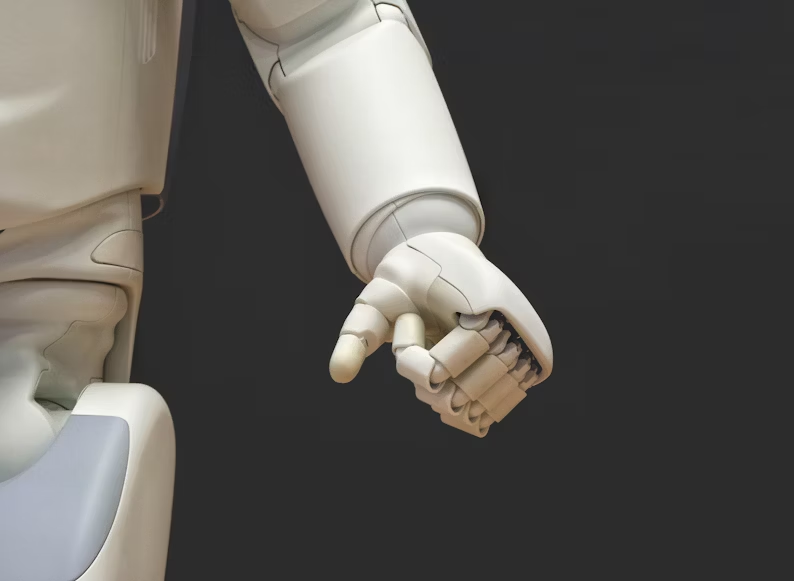
I-powered virtual assistants support communication through speech recognition and natural language processing, enabling older adults with barriers to express their needs easily. These assistants can also handle simple tasks like making calls or setting reminders.
Like those developed by Intuition Robotics, robotic companions provide social interaction and emotional support. They respond to conversation, encouraging engagement and reducing loneliness. This benefits the care recipient and allows caregivers to take necessary breaks with peace of mind.
These technologies combine innovation and empathy, enhancing daily life for older adults while making caregiving more manageable.
Practical Applications of AI Tools in Everyday Care

AI tools assist family caregivers by streamlining routine caregiving duties, improving communication, and creating meaningful interactions. These technologies help manage logistics, exchange critical information, and free up caregivers’ time with older adults.
Coordinating Transportation and Daily Tasks
AI-powered scheduling apps organize transportation for medical appointments, errands, and social activities. They can sync calendars, send reminders, and optimize routes to reduce travel time.
Voice-activated assistants enable caregivers to create task lists and set alerts without interrupting their workflow. Some AI systems monitor medication schedules and alert caregivers if doses are missed.
By automating these chores, caregivers can better manage their time and reduce stress, ensuring older adults receive reliable daily support.
Facilitating Communication and Information Sharing
AI tools help caregivers communicate with healthcare providers by summarizing medical updates and tracking health metrics. Secure platforms allow families and care teams to share notes and coordinate care plans efficiently.
Translation features in AI software break down language barriers during virtual visits or appointment scheduling. AI chatbots can answer common health-related questions, providing quick guidance when immediate professional help isn’t needed.
Improved information flow minimizes misunderstandings and helps caregivers respond quickly to changes in an older adult’s condition.
Enhancing Quality Time for Families

By reducing administrative burdens, AI enables caregivers to dedicate more time to meaningful interactions with their loved ones.
Entertainment and engagement tools, such as AI-driven music playlists or memory games, are tailored to individual preferences and cognitive needs. These technologies support emotional well-being and stimulate mental activity.
AI also assists in monitoring safety without constant supervision, allowing families to relax knowing their older adults are secure while they focus on companionship.
Challenges and Considerations When Using AI as a Family Caregiver

Using AI in caregiving introduces practical and ethical issues requiring careful attention. These include securing sensitive information and maintaining personal relationships amid technological support. Addressing these concerns is essential for effective and responsible caregiver assistance.
Privacy and Data Security
AI tools for family caregiving often collect detailed health and personal data. Protecting this information is critical to prevent unauthorized access or misuse.
Caregivers must evaluate how AI systems handle data storage, encryption, and sharing. They should look for tools that comply with healthcare privacy regulations like HIPAA. Transparent data policies and user control over information sharing increase trust.
A lack of security can lead to breaches, exposing vulnerable individuals’ identities and medical conditions. It also risks caregivers’ personal information. Regular updates and strong authentication methods are necessary to safeguard these platforms.
Balancing Technology with Human Interaction
While AI can automate routine tasks and provide reminders, caregiving remains personal. Overreliance on AI may reduce meaningful human contact, which affects emotional support.
Caregivers should ensure AI tools complement rather than replace face-to-face care. They can use AI for monitoring or scheduling, freeing time for direct interaction. This balance helps maintain empathy and responsiveness.
Ignoring this balance risks isolating care recipients and increasing caregiver stress. Human judgment remains essential in interpreting AI-driven insights and responding to complex behaviors or emergencies.
Frequently Asked Questions
AI tools help manage caregiving by automating routine tasks, monitoring health, and organizing information. They offer various applications designed to enhance caregiver efficiency while maintaining privacy and addressing potential challenges in use.
How can AI tools assist in the daily management of caregiving tasks?
AI tools provide reminders for medications and appointments, track health changes, and handle scheduling. They reduce repetitive duties, allowing caregivers to focus on personal and emotional support.
What types of AI applications are currently available to support family caregivers?
Available applications include health record organizers, voice-activated assistants, medication trackers, and emotional support chatbots. These tools are designed to improve communication, safety, and caregiving effectiveness.
Are there privacy concerns associated with using AI for caregiving purposes?
Yes, managing sensitive health data requires secure platforms. Family caregivers should use AI tools that comply with data protection regulations and provide strong encryption.
How do AI tools contribute to improved health monitoring for family members under care?
AI analyzes health patterns to detect early signs of issues, offers alerts for abnormal activity, and supports remote monitoring. This helps prevent emergencies and ensures timely interventions.
What challenges might caregivers face when integrating AI technologies into their routines?
Challenges include learning new systems, managing technology costs, and ensuring reliable internet access. Resistance to change and data privacy worries may also affect adoption.
What are the best practices for family caregivers to effectively use AI in providing care?
Caregivers should select user-friendly tools, verify security features, and gradually integrate AI into daily tasks. Continuous evaluation and training help maximize benefits while maintaining human judgment.