

Psoriasis is a chronic skin condition that affects millions of Americans, with seniors in Indiana being particularly vulnerable. This autoimmune disease causes the rapid buildup of skin cells, resulting in red, itchy, and scaly plaques. For older adults, managing psoriasis can be especially challenging because aging skin, changes in mobility, and multiple medications increase the complexity of care. Family caregivers in Indiana play a crucial role in helping seniors manage psoriasis, from ensuring proper skin care to supporting medication adherence and emotional well-being.
Understanding Psoriasis in Seniors

Psoriasis is more than just a skin condition—it is an autoimmune disease where the immune system triggers an overproduction of skin cells. This leads to thick, inflamed plaques that are often itchy and uncomfortable. Seniors may notice flare-ups on the scalp, elbows, knees, or other areas, though elderly-onset psoriasis can sometimes present differently. Sometimes, skin may appear purple, grey, or brown, especially in people with darker skin tones.
Older adults are also at an increased risk for psoriatic arthritis, which causes joint pain, stiffness, and swelling. Approximately 30% of those with psoriasis develop psoriatic arthritis, and the risk rises with age. Recognizing early symptoms is critical for seniors to prevent permanent joint damage and maintain mobility.
Common Challenges in Managing Psoriasis for Seniors
Managing psoriasis in older adults involves navigating several age-related challenges:
- Thinner Skin: Aging skin is more delicate, which can make stronger topical treatments cause bruising or irritation.
- Medication Risks: Oral or injectable medications may interact with treatments for chronic conditions like diabetes or hypertension. Seniors in Indiana often have multiple prescriptions, making medication adherence crucial.
- Mobility Limitations: Difficulty bending or reaching certain areas can challenge applying creams or foams.
- Emotional Impact: Psoriasis flare-ups can affect self-esteem, leading to isolation. Seniors may avoid social settings due to embarrassment over visible lesions.
Family caregivers who understand these challenges can significantly improve a senior’s quality of life by providing practical assistance and emotional support.
The Role of Family Caregivers in Indiana

Family caregivers in Indiana are essential for seniors managing psoriasis. They help monitor flare-ups, ensure medication adherence, and guide daily skin care routines. Key responsibilities include:
- Monitoring Symptoms and Triggers: Psoriasis flare-ups can be triggered by stress, skin injuries, infections, or weather changes. Caregivers can keep a symptom journal to track patterns and identify triggers.
- Supporting Daily Skin Care: Gentle cleansing and regular moisturization are critical. Using fragrance-free products and a humidifier during dry Indiana winters can help prevent skin irritation.
- Assisting with Bathing: Short, lukewarm baths with soothing additives like oatmeal or Epsom salts can reduce irritation.
- Medication Support: Caregivers can help seniors apply topical medications correctly and ensure oral or injectable prescriptions are taken as directed.
- Advocating for Care: Accompanying seniors to appointments ensures clear communication with dermatologists and helps adjust treatments as needed.
- Providing Emotional Support: Psoriasis can be emotionally taxing. Encouraging participation in support groups, offering reassurance, and normalizing the condition help seniors maintain a positive outlook.
At Indy In-Home Care, our caregivers understand the unique needs of seniors with psoriasis. We provide personalized support for daily tasks, medication management, and emotional well-being, helping families in Indiana maintain a high quality of life.
Skin Care Tips for Seniors with Psoriasis
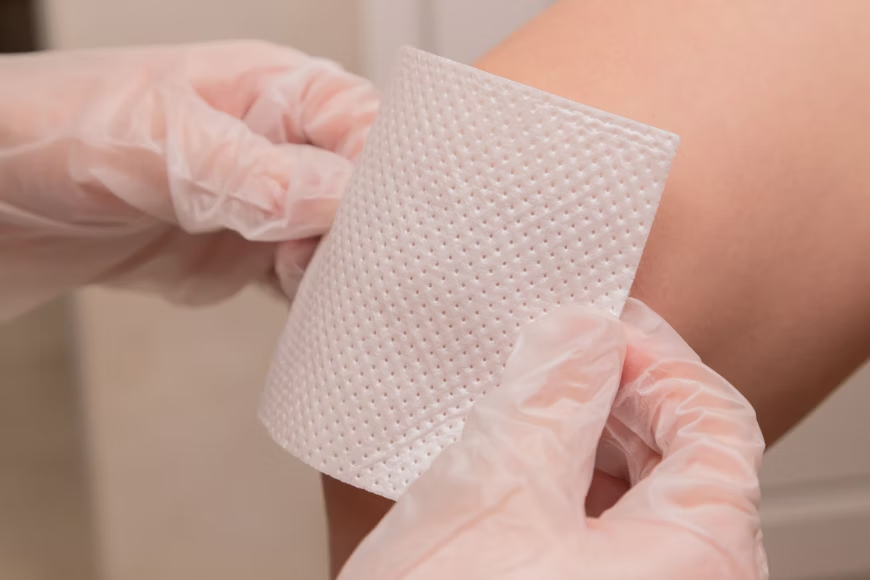
Effective skin care is one of the most critical aspects of managing psoriasis. Seniors should focus on gentle, consistent routines that reduce irritation and prevent flare-ups:
- Moisturize Frequently: Use thick, fragrance-free creams or ointments.
- Avoid Hot Showers: Hot water can strip natural oils from the skin. Lukewarm water is best.
- Gentle Cleansers: Avoid soaps with harsh chemicals that can trigger irritation.
- Protect the Skin: Wear soft clothing and avoid scratching plaques to prevent further damage.
- Monitor Environmental Triggers: Weather, humidity, and temperature changes can trigger flare-ups.
Family caregivers can assist seniors with applying moisturizers or medicated creams, especially if dexterity is limited. This ensures proper medication adherence and reduces the risk of complications.
Medications for Psoriasis in Seniors
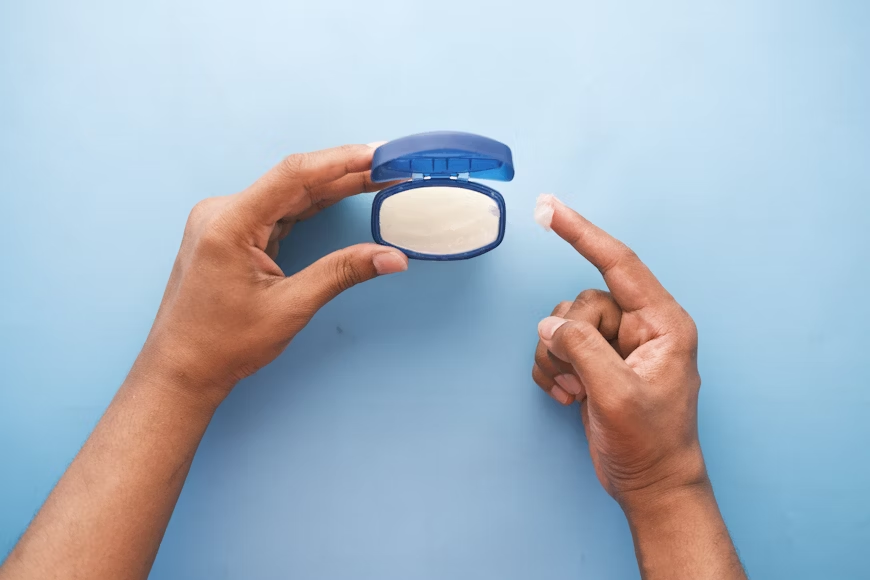
There are various treatments for psoriasis, including topical creams, oral medications, and biologics. Seniors in Indiana often need additional guidance to manage these therapies safely:
- Topical Treatments: Corticosteroids, coal tar, and vitamin D analogs help reduce inflammation and slow skin cell growth.
- Oral Medications: Methotrexate, cyclosporine, and retinoids may be used for moderate to severe cases but require monitoring for side effects.
- Biologic Therapies: Injectable medications target specific immune pathways and are usually prescribed for more severe cases.
Caregivers should ensure medication adherence and help seniors track dosing schedules to prevent missed treatments. Proper adherence can reduce the frequency and severity of flare-ups.
Emotional Support and Mental Health

Psoriasis is not just a physical condition—it also impacts mental health. Seniors with visible plaques may experience embarrassment, anxiety, or social withdrawal. Family caregivers and support networks can provide crucial emotional support:
- Encourage Participation in Support Groups: In-person and virtual support groups are available in Indiana and nationwide. These groups connect seniors with others experiencing similar challenges, offering camaraderie and guidance.
- Normalize the Condition: Help seniors understand that psoriasis is common and manageable.
- Promote Social Engagement: Encourage activities that boost confidence and reduce isolation.
Research shows that emotional support for psoriasis patients can improve adherence to treatment plans and overall quality of life.
Psoriasis Resources for Seniors in Indiana

Indiana offers several valuable resources for seniors and caregivers managing psoriasis:
- The Dermatology Center of Indiana: With multiple locations, including Plainfield and Zionsville, this center specializes in psoriasis treatment.
- Northwest Indiana Dermatology: Offers care in Munster, Dyer, and Valparaiso.
- National Psoriasis Foundation (NPF): Provides a “One to One” mentorship program and a Patient Navigation Center for nationwide support.
- Always Best Care Senior Services: Offers in-home care assistance, ensuring medication adherence and daily support for seniors during flare-ups.
- Virtual Support Groups: Platforms like NPF and the Arthritis Foundation offer online groups, ideal for seniors with mobility limitations or those preferring privacy.
By leveraging these resources, family caregivers in Indiana can help seniors stay informed, maintain their skin health, and manage psoriasis more effectively.
Managing Psoriasis Flare-Ups
Flare-ups are a common challenge for seniors, requiring proactive strategies:
- Identify Triggers: Track diet, stress, weather, and medications to anticipate flare-ups.
- Follow a Consistent Routine: Daily skin care, regular moisturizing, and medication adherence help reduce severity.
- Seek Timely Medical Advice: Early intervention can prevent flare-ups from worsening.
- Provide Comfort Measures: Soothing baths, topical treatments, and maintaining hydration can ease discomfort.
Family caregivers attentive to these details can significantly improve a senior’s ability to manage psoriasis independently.
Psoriasis Facts Seniors Should Know
- Psoriasis is an autoimmune disease that accelerates skin cell growth.
- Aging can affect how treatments work and increase the risk of side effects.
- Psoriatic arthritis is a common complication in seniors.
- Emotional well-being is crucial for managing flare-ups.
- Family caregivers play an essential role in ensuring proper care and support.
Understanding these psoriasis facts for seniors equips caregivers to make informed decisions about treatment, daily routines, and emotional support.
The Importance of Family Caregivers
Family caregivers are the cornerstone of psoriasis management for seniors in Indiana. Their involvement includes:
- Monitoring Skin Health: Identifying early signs of flare-ups or complications.
- Assisting with Treatments: Ensuring proper application of medications and adherence to prescribed plans.
- Emotional Support: Helping seniors cope with embarrassment, stress, or social isolation.
- Education and Advocacy: Learning about psoriasis triggers, treatment options, and attending medical appointments.
At Indy In-Home Care, our caregivers are trained to assist seniors with all aspects of psoriasis care, including daily routines, medication management, and providing emotional support that psoriasis patients need to thrive.
Virtual and Local Support Groups
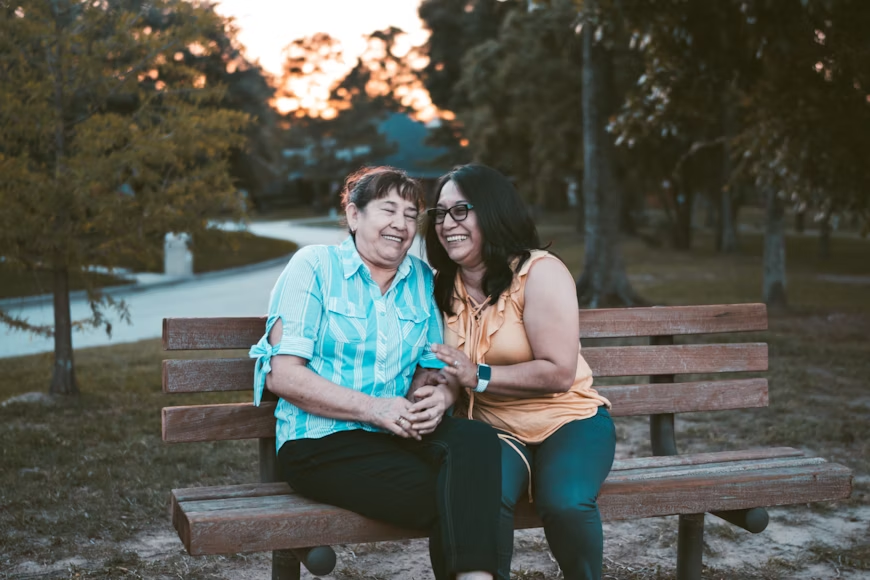
Support networks are invaluable for seniors living with psoriasis and their caregivers. Options include:
- Virtual Support Groups: These allow seniors to connect safely from home, which is ideal for those with limited mobility or who prefer private settings.
- Local Indiana Groups: The Arthritis Foundation and NPF offer in-person events where seniors and family caregivers can learn about managing psoriasis and psoriatic arthritis.
- Peer Mentorship: Programs connecting seniors with experienced peers provide guidance, advice, and emotional support.
These resources ensure seniors are not navigating psoriasis alone, and family caregivers receive guidance on best practices.
Adapting Care as Seniors Age
Managing psoriasis involves adapting to age-related changes. Aging affects skin thickness, joint mobility, and tolerance to medications. Care plans must be tailored to each senior’s abilities and health status. Family caregivers can help seniors adjust their routines, identify triggers, and modify daily practices to maintain comfort and prevent flare-ups.
Conclusion
Psoriasis in seniors is a complex condition that requires a multifaceted approach. Family caregivers in Indiana are crucial in monitoring symptoms, supporting medication adherence, maintaining skin care routines, and offering emotional support. Utilizing local and virtual resources, understanding psoriasis facts for seniors, and adapting care to age-related challenges can significantly improve quality of life.
At Indy In-Home Care, we provide dedicated support for seniors and their families, ensuring daily care, medication management, and emotional well-being. By partnering with knowledgeable caregivers, seniors in Indiana can better manage psoriasis, reduce flare-ups, and enjoy a healthier, more comfortable life.