

Communication challenges become more common as people age, often due to conditions like hearing loss, stroke, Parkinson’s disease, or Alzheimer’s. These difficulties can frustrate seniors and their families, making everyday interactions hard to navigate. Effective communication with seniors experiencing speech challenges requires respect, patience, and supportive strategies tailored to their needs.
Understanding the underlying causes of speech difficulties helps caregivers and loved ones respond with empathy and clarity. Keeping conversations focused, allowing extra time for responses, and avoiding finishing sentences for the senior can improve mutual understanding. Speech therapy also plays a vital role in maintaining and enhancing communication abilities.
Seniors benefit from consistent support and deliberate efforts to include them in conversations. When caregivers adopt these approaches, they help preserve the dignity and connection essential to quality of life.
Understanding Speech Challenges and Their Impact
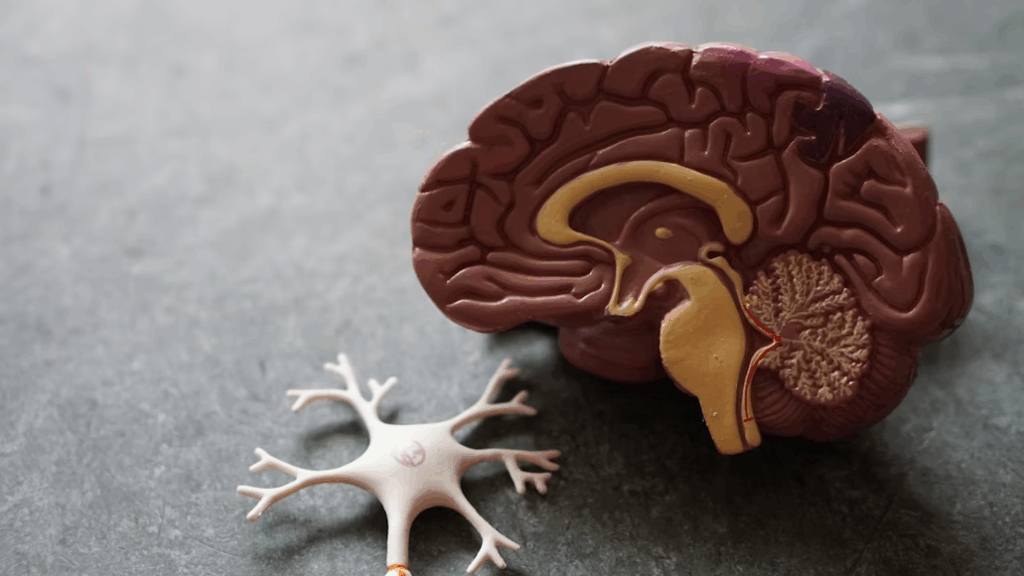
Speech difficulties in seniors vary in type and severity, often affecting communication and daily interactions. These challenges result from various factors, including physical health and cognitive changes. The effects frequently extend beyond speech, influencing social connections and overall well-being.
Types of Speech Challenges in Seniors

Seniors may face various speech challenges such as dysarthria, aphasia, and apraxia. Dysarthria involves muscle weakness affecting clear speech. Aphasia impairs the ability to understand or produce language, often due to stroke or brain injury. Apraxia is a motor planning issue that disrupts speech coordination.
Other issues include voice changes and stuttering. Hearing loss can compound these problems by reducing feedback during conversations. These varied challenges require tailored approaches in therapy to address individual needs.
How Speech Challenges Affect Daily Life

Speech issues can lead to frustration and social withdrawal in seniors. Difficulty expressing thoughts or understanding others may cause social isolation, reducing opportunities for engagement with family and friends.
Such barriers affect quality of life by limiting participation in activities and increasing feelings of loneliness. Speech challenges may also interfere with basic tasks like phone conversations or seeking help during emergencies, creating dependence on caregivers.
Contributing Factors Including Age-Related Changes

Age-related changes in the brain and body contribute significantly to speech difficulties. Cognitive decline, including memory loss and reduced attention, impairs verbal skills like word-finding and sentence formation.
Physical factors like weakened respiratory muscles or oral motor control also affect speech clarity. Medical conditions common in older adults, such as Parkinson’s disease, Alzheimer’s disease, or strokes, further exacerbate communication problems.
These combined factors create complex challenges that speech therapy aims to address through targeted exercises and support.
Practical Strategies and Support for Communication
Supporting seniors who face speech challenges requires targeted communication skills, professional intervention, and emotional encouragement. Clear speech, assistive tools, and social engagement are key elements that contribute to stronger, more effective interactions.
Communication Skills to Improve Speech Clarity
Improving speech clarity involves specific techniques that build on vocal strength and articulation. Seniors benefit from exercises focusing on controlled breathing, slow speech pace, and deliberate pronunciation. These strategies reduce mumbling or slurring by encouraging clear enunciation of sounds and syllables.
Active communication partners’ listening is equally important. Pausing to allow seniors time to express themselves, avoiding interruptions, and confirming understanding through paraphrasing help reduce frustration and promote more effective conversations. Simple communication adjustments, like facing the speaker and maintaining eye contact, also enhance clarity.
Role of Speech Therapy and Early Intervention
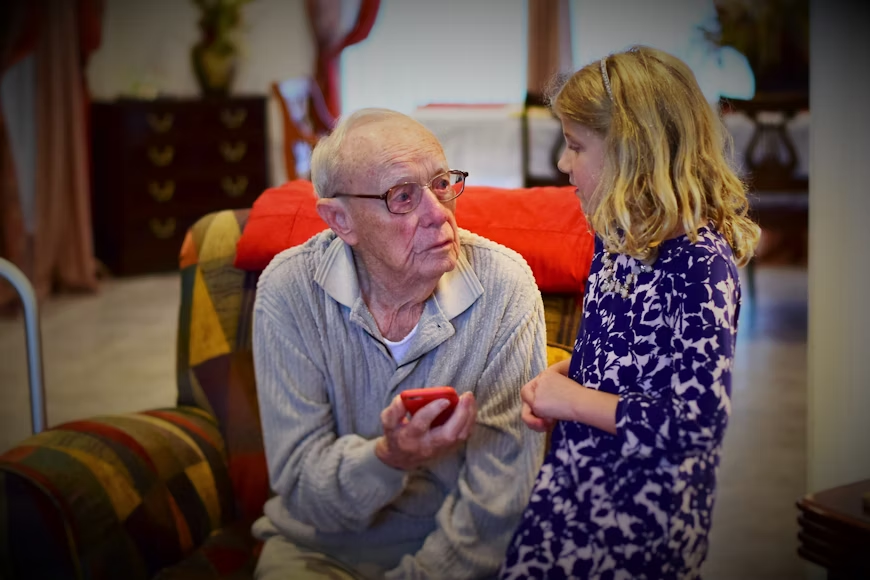
Speech therapy plays a critical role in addressing communication difficulties in seniors. Speech therapists create personalized treatment plans focusing on specific goals such as improving articulation, voice strength, and cognitive-linguistic abilities. Early intervention is crucial to maximize recovery, especially after strokes or neurological events.
Therapy may include exercises to strengthen speech muscles, memory and attention activities, and swallowing safety techniques. Regular sessions monitored by a speech therapist ensure progress is tracked and adjusted as needed to build lasting communication skills and maintain independence.
Utilizing Visual Aids and Assistive Devices
Visual aids and assistive devices provide practical support to enhance communication. Tools like picture boards, written prompts, and communication apps guide seniors when verbal expression is challenging. These aids reduce misunderstandings and help convey basic needs or complex thoughts.
Assistive devices, such as amplified phones or speech-generating devices, improve accessibility in daily interactions. Customized to individual needs, these technologies enable seniors to participate more fully in conversations and social activities, fostering greater connection and confidence.
Providing Emotional Support and Encouraging Social Interaction
Emotional support is essential to help seniors cope with the frustration and isolation accompanying speech difficulties. Encouragement from caregivers and peers fosters a positive environment where seniors feel valued and motivated to communicate.
Social interaction through group activities or conversation enhances emotional well-being and cognitive health. Supportive communication also means patience, empathy, and recognizing efforts rather than focusing solely on speech imperfections. This approach helps maintain seniors’ self-esteem and willingness to engage.
Conclusion
Supporting seniors with speech challenges requires a balance of patience, empathy, and practical strategies. By combining clear communication techniques, professional therapy, and emotional encouragement, families and caregivers can create an environment where seniors feel understood and included. Tools such as visual aids and assistive devices further enhance independence, while ongoing social interaction helps preserve dignity and quality of life.
For families seeking personalized support, Indy In-Homecare provides compassionate caregivers who understand the importance of meaningful communication in daily living. With the right resources and guidance, seniors can continue to express themselves, stay engaged, and enjoy a stronger sense of connection. When challenges arise, Indy In-Homecare is there to help ensure that every conversation counts.