

Getting dressed each morning might seem like a simple task for most adults. But for older adults, helping seniors get dressed can bring challenges far beyond choosing what to wear. For many, it’s not just about putting on clothing — it’s about retaining independence, preserving dignity, and expressing identity. When aging brings physical limitations or health conditions that make movement difficult, getting dressed can become a daily hurdle that impacts confidence, mood, and quality of life.
This is where the importance of caregiver assistance and compassionate understanding truly shines. Helping seniors get dressed isn’t only about providing help; it’s about encouraging their independence, allowing them to make choices, and remembering that patience is key in every step of the process.
Why Getting Dressed Matters So Much for Older Adults
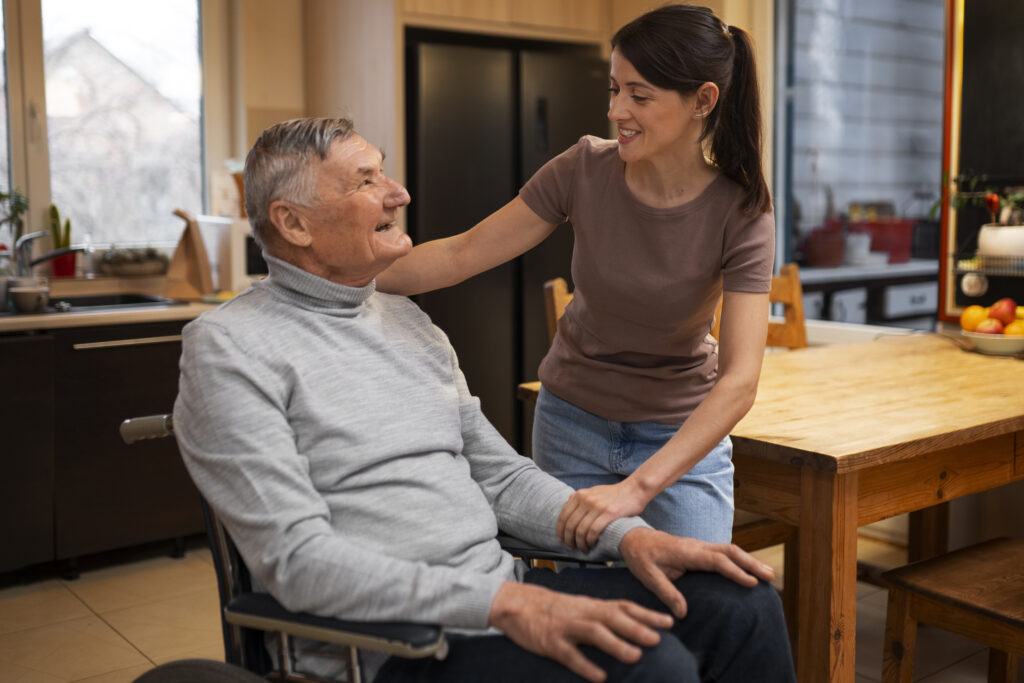
For an older adult, clothing isn’t merely functional — it represents self-expression, comfort, and control. Many older adults have a routine they’ve followed for decades. They have favorite outfits, preferred colors, and a particular way of folding or arranging clothing. When aging or illness disrupts this routine, it can make them feel dependent or helpless.
Getting dressed helps maintain a sense of normalcy and autonomy. Choosing one’s outfit and getting ready independently offers a powerful emotional boost. It reinforces identity, encourages confidence, and makes the individual feel respected.
Unfortunately, as older adults face physical limitations such as arthritis, Parkinson’s disease, or balance issues, the act of dressing can become more complex. Buttons, zippers, and tight clothing can be frustrating. That’s when caregiver assistance plays a crucial role — but it must be done thoughtfully.
Balancing Assistance and Independence
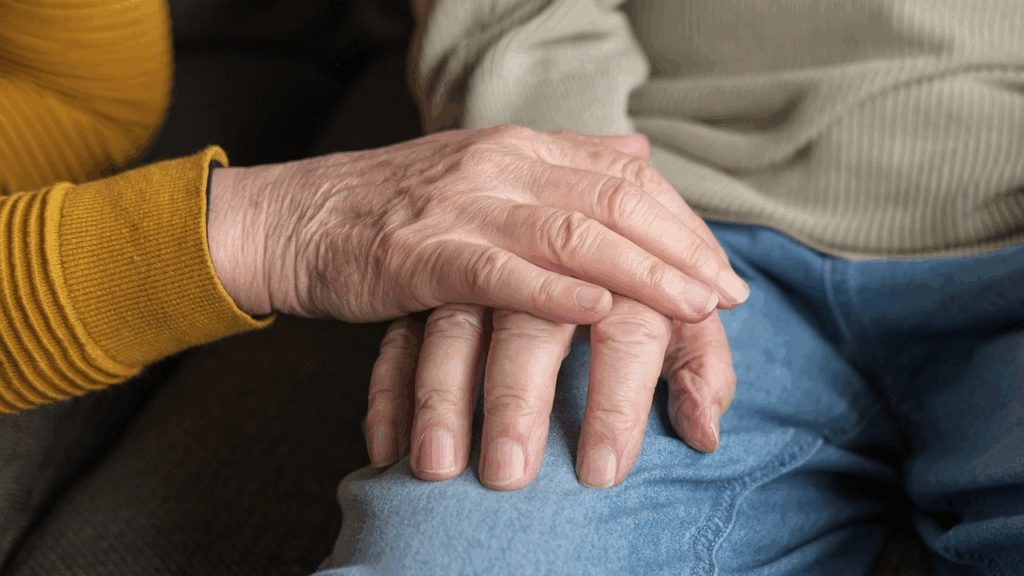
One of the caregivers’ most significant challenges is knowing how much assistance an older adult needs. Offering too much help can make them feel incapable, while providing too little can lead to frustration or injury. The goal is to find the right balance between assistance and independence.
Encouraging participation in dressing, even if it takes longer, promotes confidence. Allow the senior to handle parts of the process they can manage — such as selecting clothing, buttoning a shirt, or putting on accessories. Then, step in gently to help with the more difficult parts.
Remember: patience is key. Older adults may take longer to get dressed, and that’s okay. The process is just as important as the outcome.
Clothing Choices: Comfort, Safety, and Dignity

When selecting clothing for older adults, comfort should always come first — but it shouldn’t mean compromising on style or dignity. Adaptive clothing is an excellent choice that combines comfort and practicality. These garments are designed to make getting dressed easier while maintaining a normal appearance.
For example:
- Velcro fasteners instead of buttons or zippers.
- Elastic waistbands for more effortless mobility.
- Open-back shirts or dresses that can be put on without lifting arms.
- Non-slip shoes or socks to prevent falls.
These alternatives allow seniors to continue dressing themselves, which helps them retain independence and reduces frustration.
At the same time, let them have a say in what they wear. Allowing them to choose their clothing supports self-expression. Whether it’s a favorite sweater or a particular scarf, these small choices bring joy and a sense of control.
The Emotional Aspect of Getting Dressed
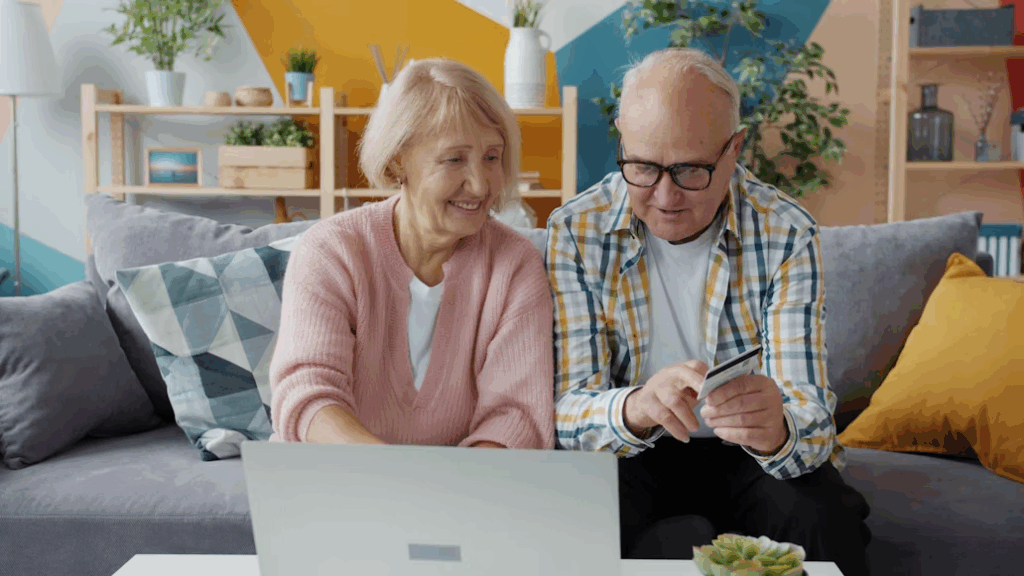
Being dressed and ready for the day has emotional and psychological benefits for many older adults. Staying in pajamas can create feelings of lethargy or even depression, especially in those who are retired or homebound.
On the other hand, getting dressed every morning, sitting at the table, or even enjoying a cup of tea while feeling neat and put together boosts motivation and mental well-being. It helps distinguish between “rest time” and “activity time,” giving structure to the day.
When caregivers assist with dressing, they are not only helping with physical needs but also reinforcing emotional support. A warm smile, gentle tone, and patience can make all the difference.
Helping Seniors Get Dressed with Dignity
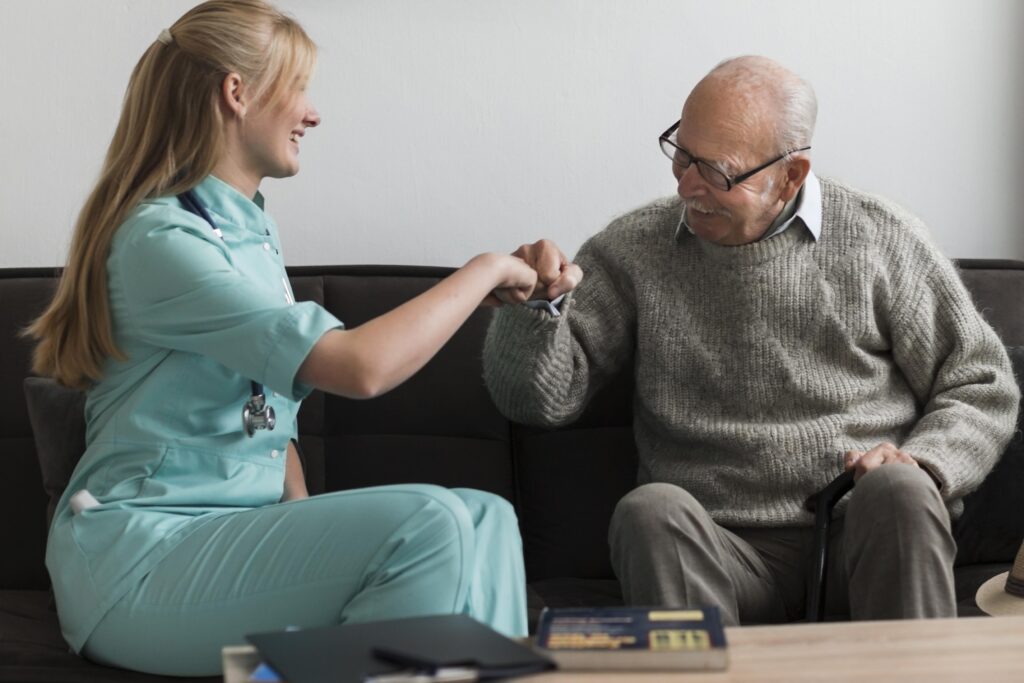
Maintaining dignity during dressing assistance is crucial. Older adults often feel vulnerable when they need help with personal tasks. To make the experience comfortable:
- Always ask permission before starting.
- Provide privacy — close doors or cover exposed areas with a towel or blanket.
- Explain each step of what you’re doing.
- Encourage participation whenever possible.
These small gestures go a long way toward preserving trust and comfort.
Sometimes, caregiver assistance can mean simply being nearby to offer balance support or encouragement rather than hands-on help. Giving the senior control over what they can manage helps them retain confidence and pride.
Creating a Comfortable Dressing Environment
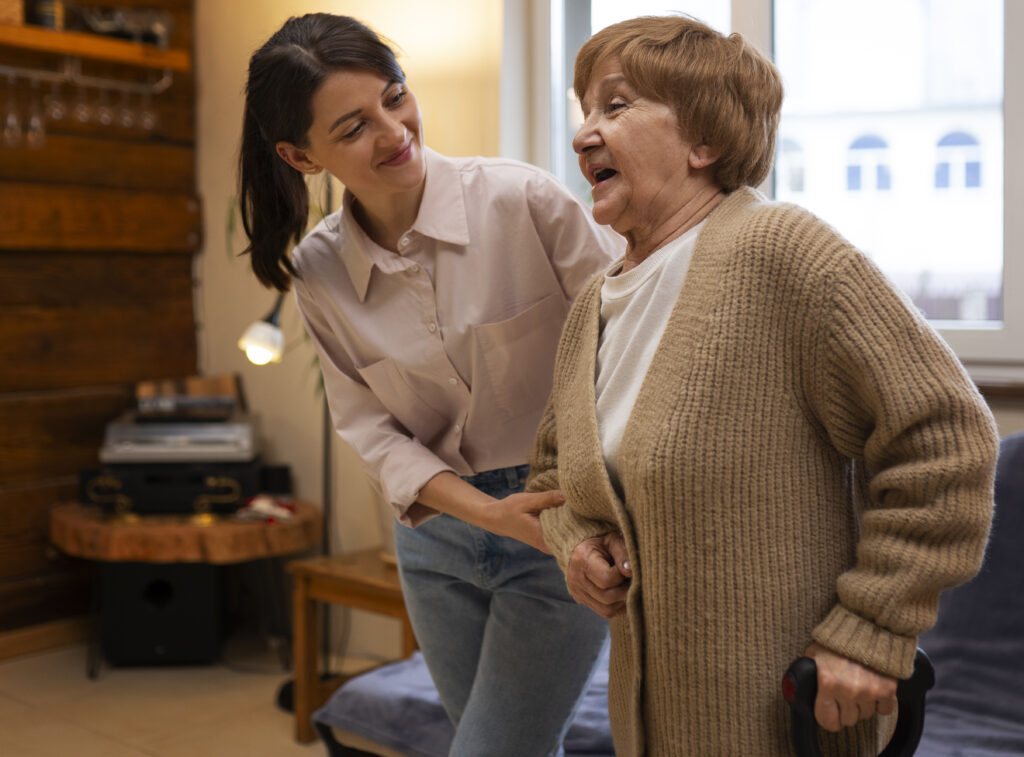
The dressing environment also plays a significant role. Make sure the room is warm, well-lit, and organized. Keep frequently worn items within easy reach to prevent strain or falls. A sturdy chair or bench near the table can provide balance support while putting on socks or shoes.
For older adults who experience fatigue, it can help to break the process into steps — perhaps getting dressed after breakfast instead of first thing in the morning. Flexibility and understanding are essential.
The Role of Caregivers: Patience and Encouragement

For caregivers, helping seniors get dressed is not just a task — it’s a moment to connect. Every interaction provides an opportunity to build trust and share warmth. When done with empathy, dressing assistance becomes a chance to strengthen the caregiver–senior bond.
Caregivers should remember that patience is key. Rushing or showing frustration can make seniors anxious or resistant. Instead, focus on encouragement:
- Praise their efforts.
- Acknowledge their preferences.
- Make the moment lighthearted — play soft music or chat about the day.
Even something as simple as complimenting their outfit or hairstyle can lift their spirits and make the process enjoyable.
Clothing Versus Comfort: What Really Matters
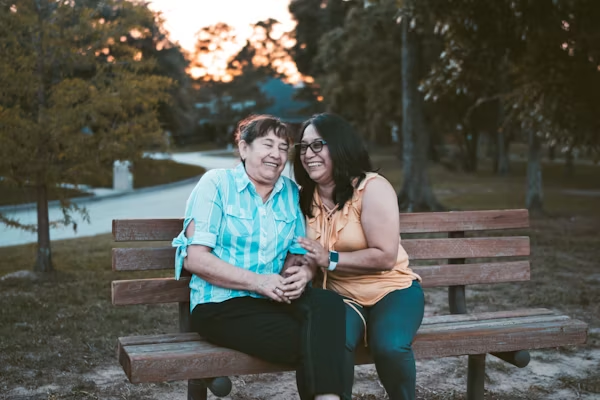
Many families struggle with the dilemma of clothing versus comfort. While style and appearance remain essential for self-esteem, comfort often becomes the priority for older adults. Fortunately, the two don’t have to conflict.
Today, many brands create adaptive wear that looks stylish but feels comfortable. Encourage seniors to pick outfits that make them feel confident but are easy to wear. Remember, allowing them to choose empowers them to express personality while reducing dependency.
Encouraging Independence Step by Step
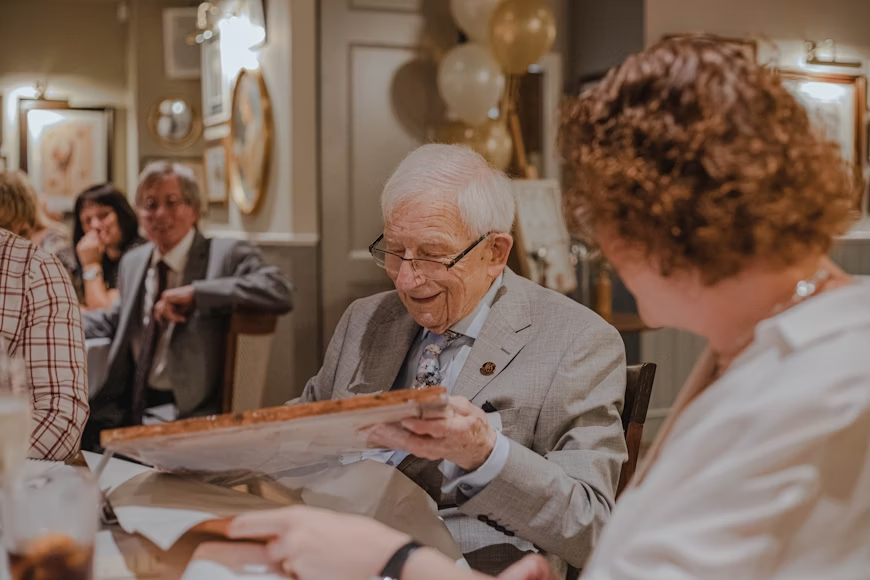
Helping seniors retain independence doesn’t mean leaving them to struggle. It means supporting them in ways that make the process safe, manageable, and satisfying.
Here are some strategies:
- Lay clothes in order — underwear, pants, shirt, sweater — to simplify decision-making.
- Use visual cues or color coding for those with memory loss or dementia.
- Provide supportive tools, like long-handled shoehorns or button hooks.
- Encourage sitting while dressing to prevent falls.
- Celebrate small victories like putting on a sock or managing a zipper independently.
Every small success helps boost confidence and motivation.
Building Trust Through Routine
Older adults thrive on consistency. Establishing a regular dressing routine helps them feel more comfortable and less anxious. Set a similar time each day for getting dressed, perhaps after breakfast or before an activity.
Caregivers can make the experience enjoyable by keeping things calm and respectful. Adding small rituals — such as choosing an outfit together or chatting about favorite memories — helps create a sense of partnership rather than dependency.
This level of care and compassion is something that Indy In-Homecare values deeply. Their caregivers are trained to assist with daily living activities and promote independence and emotional well-being in every task, from dressing to dining.
Helping Seniors Who Resist Getting Dressed
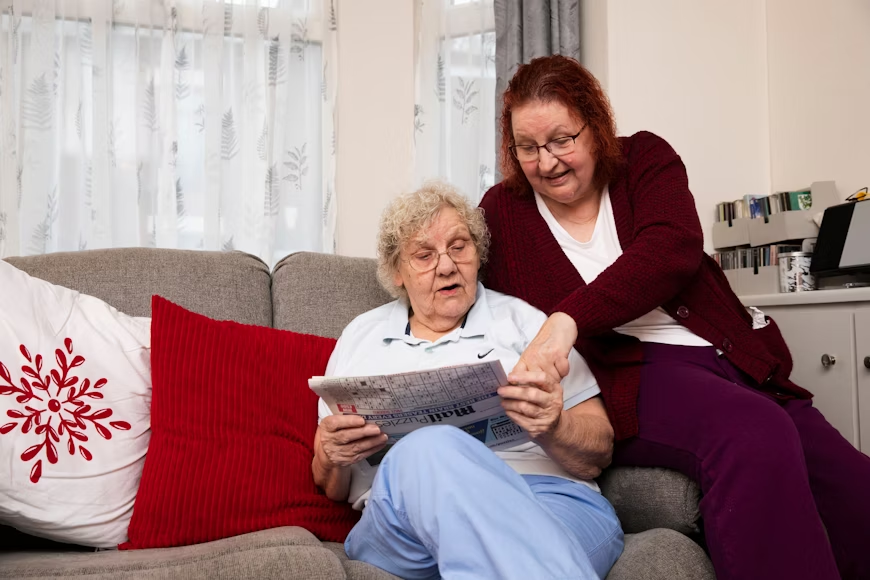
Sometimes, older adults may resist getting dressed — especially those with dementia or depression. Resistance often stems from confusion, fear, or discomfort.
Here’s how caregivers can respond:
- Stay calm and reassuring. Never argue or rush them.
- Offer limited choices. Instead of asking, “What do you want to wear?” ask, “Would you like the blue shirt or the green one?”
- Check for discomfort. They may be cold, tired, or in pain.
- Make it routine. Familiarity helps reduce anxiety.
Again, patience is key. Consistency and kindness work better than pressure or persuasion.
The Role of Family in Promoting Independence
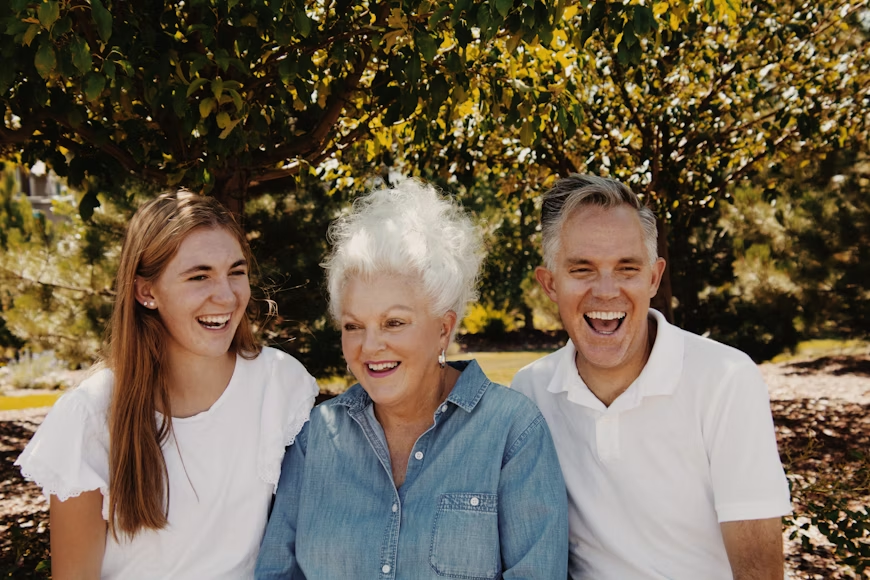
Family members also play an essential role. Simple gestures, such as complimenting how your loved one looks or helping them choose outfits for special occasions, reinforce their sense of inclusion and self-worth.
If your loved one receives professional caregiving support, communicate with the caregiver about preferences, routines, and favorite clothing. This ensures continuity and respect for their habits.
Families that partner with services like Indy In-Homecare can rest assured knowing their loved one’s dignity and independence are always prioritized — even in something as personal as getting dressed each morning.
The Beauty of Choice: Allowing Seniors to Lead
Perhaps the most empowering part of helping seniors get dressed is allowing them to choose. Choice gives older adults a sense of control that can often be lost in aging.
Encourage them to pick clothes that reflect their style and comfort. If coordination becomes difficult, simplify options by offering pre-selected outfits that still give them final say. Even small decisions — like which shoes to wear or what scarf to use — can make a meaningful difference.
By combining assistance for older adults with genuine respect for their preferences, caregivers create an environment that uplifts and empowers.
Final Thoughts
Helping an older adult get dressed isn’t just part of daily care — it’s a moment of connection, respect, and shared humanity. It’s about balancing caregiver assistance with encouragement, allowing choice, and always remembering that patience is key.
Each morning offers an opportunity to help an older person begin their day with confidence, dignity, and a smile. Whether it’s a favorite sweater, a neatly buttoned shirt, or just feeling comfortable at the table with family, these moments matter deeply.
Through compassion, understanding, and thoughtful support, we can make getting dressed a source of joy rather than frustration — helping seniors retain independence and feel valued at every stage.