
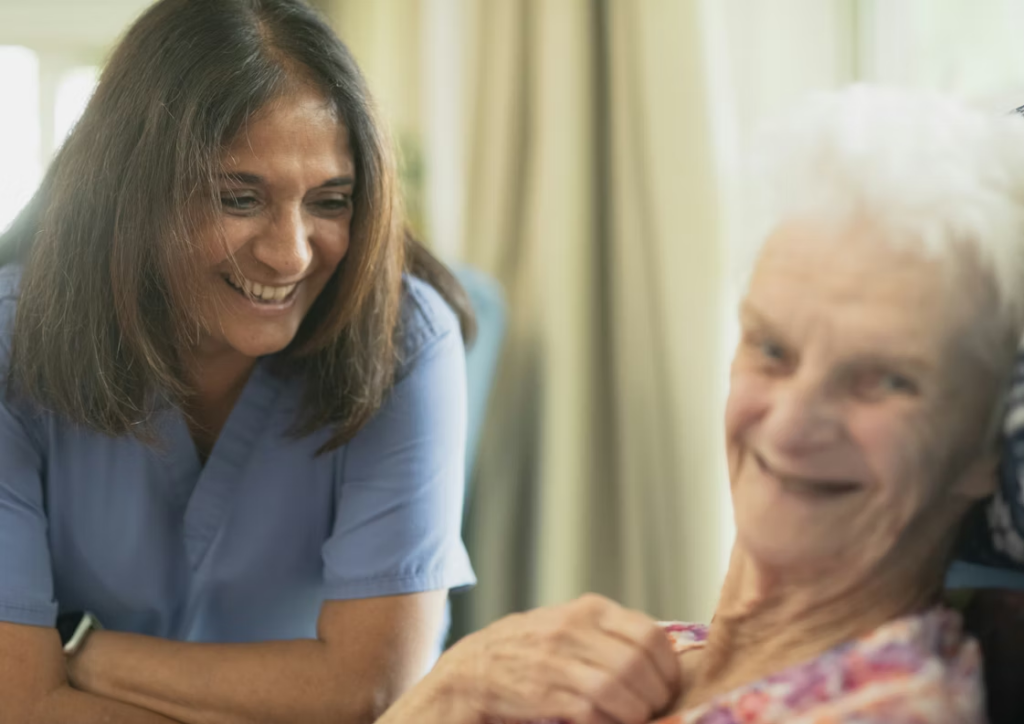
Hospice nursing is one of the most rewarding—and emotionally demanding—specialties within the nursing profession. Specializing in end-of-life care, hospice nurses play a crucial role in providing comfort, dignity, and clinical support to patients approaching the final stages of life. This career path requires not just clinical expertise, but also compassion, resilience, and strong communication skills.
In this comprehensive guide, we’ll explore the educational pathways, licensing requirements, clinical experience, certifications, and state-specific regulations in Indiana that define what it takes to become a hospice nurse. Whether you’re a student considering a nursing career or a working RN exploring hospice care, this article breaks down each step clearly and thoroughly.
What Is a Hospice Nurse?
A hospice nurse is a licensed nursing professional who delivers specialized care to terminally ill patients—typically those with a life expectancy of six months or less. The focus of hospice nursing is not curative treatment, but rather comfort care, symptom management, emotional support, and improving quality of life for both the patient and their family. Hospice nurses may work in private homes, hospice facilities, nursing homes, or hospitals.
Their duties often include pain and symptom assessment, medication administration, patient and family education, psychosocial support, and coordination with the broader hospice team. Hospice nursing differs from other specialties because it emphasizes holistic care, combining clinical skills with emotional and ethical sensitivity.
Educational Foundations: Degree Requirements
Earn a Nursing Degree
The first major requirement for any hospice nurse is to earn a nursing degree. There are several educational pathways:
- Associate Degree in Nursing (ADN): Typically a two-year program offered at community colleges. Graduates are eligible to take the NCLEX-RN exam and become licensed Registered Nurses (RNs).
- Bachelor of Science in Nursing (BSN): A four-year degree that offers deeper training in leadership, research, and clinical decision-making. Many hospice employers prefer or require a BSN due to the complexity of hospice care.
- Master’s Degree in Nursing (MSN): Optional for advanced practice roles, teaching, or leadership positions, but not required for entry-level hospice nursing.
Most hospice nurses begin with either an ADN or BSN, then pursue additional training or certification once they’re practicing.
Licensing: NCLEX-RN and State Requirements
Pass the NCLEX-RN Exam
After completing an accredited nursing program, aspiring hospice nurses must pass the National Council Licensure Examination for Registered Nurses (NCLEX-RN). This exam tests essential clinical knowledge and is required for RN licensure nationwide.
Obtain State Licensure in Indiana
To practice as a hospice nurse in Indiana, you must have an active Registered Nurse (RN) license issued by the Indiana State Board of Nursing. This involves:
- Submitting a license application to the board
- Passing a background check
- Showing proof of education and NCLEX-RN results
- Paying applicable fees
Your license must remain current and in good standing, and you’ll be required to complete continuing education for renewal.
Hospice employers in Indiana will verify your license and may also check your standing on the Indiana Aides Registry if you supervise aides or assistants.
Experience: Gaining Clinical Skills
Build Nursing Experience
While you can legally become a hospice nurse once you are licensed, most hospice employers prefer nurses with clinical experience in areas such as:
- Medical-surgical nursing
- Oncology
- Geriatrics
- Critical care
- Home health care
This experience helps nurses develop strong assessment skills, effective pain management techniques, and comfort with complex clinical scenarios—skills that are essential in hospice settings. Many hospice roles require at least 1–2 years of experience in these areas before hiring.
Experience in hands-on patient care also builds confidence for working independently in patient homes or community settings where hospice nurses often serve as the primary clinical caregiver.
Certifications: Optional but Valuable Credentials
Hospice and Palliative Care Certification
Although certification is not mandatory to work as a hospice nurse, earning specialty credentials enhances your expertise and job prospects. The most recognized certification is:
- Certified Hospice and Palliative Nurse (CHPN) offered by the Hospice and Palliative Credentialing Center (HPCC).
To qualify for the CHPN credential, candidates must:
- Hold a current, unrestricted RN license
- Have a minimum of 500 hours of hospice or palliative nursing experience in the past 12 months, or 1,000 hours in the past 24 months
- Pass the CHPN examination
Certification demonstrates your commitment to this specialty and can make you a more competitive applicant for advanced hospice roles.
CPR and Specialized Training
Hospice nurses are typically required to maintain CPR (Basic Life Support) certification and may pursue additional workshops or training in:
- Pain and symptom management
- End-of-life communication
- Grief counseling
- Ethical and legal aspects of patient care
These ongoing educational activities support professional growth and quality care delivery.
Indiana-Specific Regulations and Hospice Agency Standards
In addition to individual nurse requirements, hospice care in Indiana is governed by state regulations that affect how hospice services are delivered:
Hospice Agency Licensing
The Indiana Department of Health (IDOH) licenses hospice agencies to ensure they meet quality and safety standards. Licensed agencies must provide interdisciplinary services including nursing, physician oversight, social work, counseling, and therapy services.
Interdisciplinary Team Requirements
Indiana hospice providers are required to have an interdisciplinary team that typically includes:
- Licensed Registered Nurses
- Physicians
- Social Workers
- Bereavement Counselors
- Certified Nurse Aides or Qualified Medication Aides (as needed)
Hospice nurses often serve as key members of this team, coordinating care plans and communicating patient needs across disciplines.
Duties and Responsibilities of a Hospice Nurse

A hospice nurse’s role extends beyond clinical tasks. Typical responsibilities include:
Clinical Care
- Assessing patient symptoms and changes in condition
- Administering medications for pain and symptom control
- Monitoring vital signs and clinical status
Patient and Family Support
- Preparing families for what to expect at end of life
- Providing emotional support and education
- Assisting with advanced care planning
Care Coordination
- Developing and updating individualized care plans
- Communicating with physicians and the hospice team
- Coordinating services with community providers
These responsibilities require a balance of clinical expertise and empathetic communication. Hospice nurses often support families during emotionally challenging moments, which demands both medical proficiency and interpersonal strength.
Soft Skills and Personal Qualities That Matter
In addition to formal requirements, successful hospice nurses tend to share certain traits:
- Compassion and empathy: essential for building trust with patients and families
- Emotional resilience: necessary for coping with grief and loss
- Excellent communication: vital for education, collaboration, and advocacy
- Critical thinking: required for rapid clinical decision-making
These attributes are often what distinguish highly effective hospice nurses from their peers.
Career Outlook and Advancement
Hospice nursing offers a meaningful career with opportunities for growth. Entry-level hospice nurses can advance into leadership roles, education, or specialization in areas like pain management or palliative care. Some choose to pursue advanced degrees (MSN, DNP) to become clinical nurse leaders, educators, or advanced practice nurses focused on palliative care.
Working with reputable providers like Indy In-Homecare can support ongoing professional development, mentorship, and exposure to a wider range of hospice care practices, helping nurses expand their skills and confidence in this field.
Conclusion
Becoming a hospice nurse requires education, commitment, hands-on experience, and a deep sense of compassion. While the formal steps—earning a nursing degree, obtaining licensure, and gaining clinical experience—are foundational, the heart of hospice nursing lies in supporting patients and families through life’s most profound transitions.
Whether you’re just starting your nursing education or contemplating a specialty shift, understanding these requirements and expectations in Indiana will help you plan your path with clarity and confidence.
Hospice nursing is more than a job—it’s a vocation that combines clinical excellence with human connection at life’s most intimate moments.