
As people age, their bodies respond differently to stress. Headaches in seniors are a common yet often misunderstood condition due to their different responses to stress, illness, and medications. While some headaches are harmless, others may indicate deeper medical concerns. Our medical concerns. The good news? With the proper support through home health, therapy, and house calls, seniors can find safe, effective relief in the comfort of their homes.
This guide explores the causes of headaches in aging adults and how modern home health approaches help patients manage symptoms, especially with the rising demand for in-home care in Indiana.
Understanding Headaches in Seniors
Why Are Headaches More Complex in Seniors?

Older adults often deal with multiple chronic illnesses, take several medications daily, and are more prone to sensory changes, all of which increase their risk of headaches. A home health provider is key in evaluating symptoms early and coordinating therapy or outpatient services when needed. Oms early and coordinate therapy or outpatient services when required.
Common triggers include:
- Medication side effects
- Dehydration
- Eye strain or vision changes
- Poor posture or spinal degeneration
- Mental health concerns
- High blood pressure
A trusted caregiver or visiting nurse trained in home health services is often the first to notice changes that lead to this “polypharmacy treatment.
Top Causes of Headaches in Seniors at Home

- Medication Reactions
Many seniors take multiple prescriptions daily. This “polypharmacy” increases the risk of drug interactions, especially those that:
- Alter blood vessel dilation
- Affects the central nervous system
- Causes withdrawal or rebound headaches
Home health professionals routinely review medications during house calls or therapy check-ins to ensure seniors stay safe.
- Dehydration at Home
Seniors may avoid drinking water due to mobility or incontine. A home health aide ensures that seniors remain consistently hydrated and encourages them to consume fluid-rich foods to prevent dehydration-related headaches. Ues fluid-rich foods to prevent dehydration-related headaches.
- Vision Changes
Eye strain, untreated glaucoma, or outdated glasses can cause:
- Tension headaches
- Difficulty with light sensitivity
- Fatigue-related discomfort
Outpatient eye exams combined with home health follow-ups can prevent recurring symptoms.
- High Blood Pressure
When not managed correctly, high blood pressure can be a problem. Pressure can trigger:
- Occipital headaches (back of the head)
- Sudden dizziness
- Vision loss
Home health nurses monitor vital signs during house calls, ensuring early intervention.
- Cervical Spine Degeneration
Many older adults develop arthritis or posture issues. Poor alignment causes strain on neck muscles, leading to:
- Chronic tension headaches
- Stiffness and reduced mobility
- Pain exacerbated by physical activity
Therapy at home, including physical and occupational techniques, helps seniors regain comfort and minimize pressure points.
- Emotional Health
Loneliness, grief, or depression in seniors can manifest as pPhysical pain, which can include persistent headaches, is often experienced by seniors. Fortunately, many home health teams provide mental health support and relaxation therapy techniques. Port and relaxation therapy techniques.
Types of Headaches Seniors Experience
Understanding headache types helps with early identification and targeted treatment at home.
Tension-Type Headaches
- Dull, bilateral pressure
- Often stress-related
- Responsive to rest and hydration
Migraines
- One-sided throbbing
- Nausea or light sensitivity
- Often misdiagnosed in older adults
Cluster Headaches
- Sharp pain behind one eye
- Teariness or nasal congestion
- Intense and cyclical
Secondary Headaches
- Caused by underlying conditions like infections or tumors.
- Sudden or progressively worsening
- Require immediate medical attention
With trained eyes on daily symptoms, home health professionals help differentiate between benign and urgent headaches.
When to Call a Provider or Request a House Call
Certain red flags demand immediate care:
- Sudden, severe headache
- Fever or stiff neck
- Neurological changes (speech, vision, balance)
- Post-fall headache
- New pattern of persistent pain
Seniors often hesitate to report symptoms. House calls from home health teams help detect these signs before complications arise.
How Home Health Supports Headache Relief
Home health care empowers families to manage senior headaches confidently, from therapy to regular nurse visits.
Medication Monitoring
- Ensure adherence
- Prevent harmful drug interactions.
- Track response to treatment
Therapy at Home
- Strengthening neck muscles
- Improving posture
- Teaching stretches and relaxation
Hydration and Nutrition Oversight
- Prevent dehydration headaches.
- Identify food triggers (e.g., caffeine, cheese).
- Encourage small, frequent meals.
Mental Health Interventions
- Incorporate talk therapy.
- Introduce mindfulness or music therapy.
- Encourage journaling or guided meditation.
Chronic Condition Monitoring
- Check blood pressure.
- Manage diabetes or arthritis.
- Alert families to concerning patterns.
The Role of In-Home Caregivers
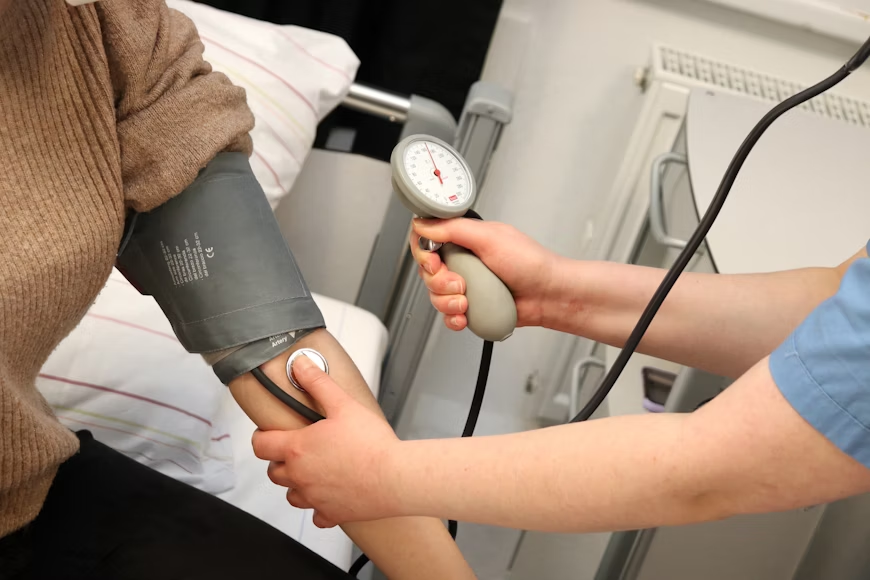
Home caregivers serve as both support and surveillance. They track changes, offer comfort, and relay vital updates to care teams. At Indy In-Home Care in Indiana, our trained caregivers work hand-in-hand with families to:
- Encourage daily hydration.
- Help seniors rest in dark, quiet rooms.
- Limit screen time and reduce sensory triggers.
- Monitor mood and sleep quality.
- Apply cold compresses or aromatherapy when needed.
This proactive approach reduces emergency visits and builds long-term well-being.
Simple In-Home Headache Relief Techniques

Even without medical intervention, comfort can begin at home.
Aromatherapy
- Peppermint or lavender oil reduces tension.
- Apply to a temple. Apply the oil to your temples or diffuse it in your living space.
Heat/Cold Packs
- Cold compress for migraines
- Warm towel for neck stiffness
Massage or Gentle Touch
- Scalp and neck massage can release tension.
- In-home therapists or caregivers can assist.
Hydration Routines
- Lemon water, herbal tea, or electrolyte drinks
- Use hydration tracking apps or caregiver reminders.
Outpatient Services and Medicare-Supported Home Health
Seniors eligible for Medicare may receive:
- Skilled nurse visits
- In-home therapy
- Pain and medication management
- Chronic condition oversight
Some providers now offer house calls, eliminating the need to travel for primary care. This allows patients to receive timely treatment and headache relief right where they’re safest and most comfortable.
Supporting the Whole Household
Headaches don’t just affect seniors—they stress entire households. Family members often worry about missing signs or making the wrong decisions. That’s why partnering with a professional home health team, like Indy In-Home Care in Indiana, helps create clarity, structure, and peace of mind.
Whether it’s managing tension, improving hydration, or identifying mood-related triggers.
Conclusion
Headaches in seniors are more than just discomfort—they’re signals. With support from licensed professionals through home health, therapy, and regular house calls, families can ensure early detection and effective care.
In-home support teams assist with medication management, mental health care, and personalized routines that ease symptoms and stress. Whether it’s high blood pressure, dehydration, or emotional strain, relief is possible—especially with trusted services like Indy In-Home Care in Indiana by your side.