
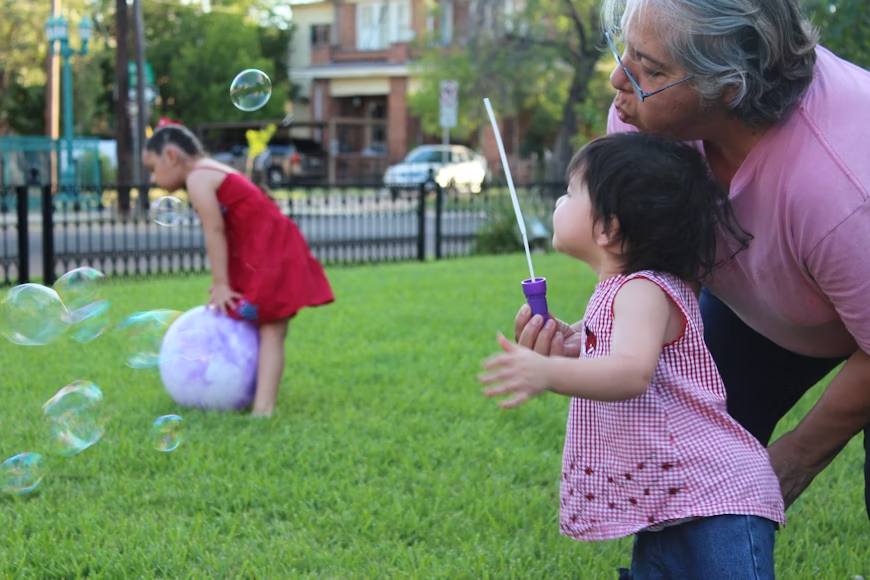
In a rapidly evolving society where technology often defines human interaction, the connection between younger and older generations has become increasingly strained. However, the need to strengthen intergenerational bonds is more essential than ever. Intergenerational activities are purposeful ways of bringing seniors and younger generations together in meaningful and beneficial relationships. These activities not only provide quality time for family members of different ages, but they also create learning opportunities that transcend generations.
Whether it’s sharing a book, enjoying a day trip, or engaging in educational conversations, the bridge between seniors and younger individuals can be built on shared experiences and mutual respect. In this article, we explore intergenerational activities that help narrow the gap between seniors and younger generations, and we will also highlight how services like Indy In-Homecare play a role in encouraging these vital connections.
The Importance of Intergenerational Activities
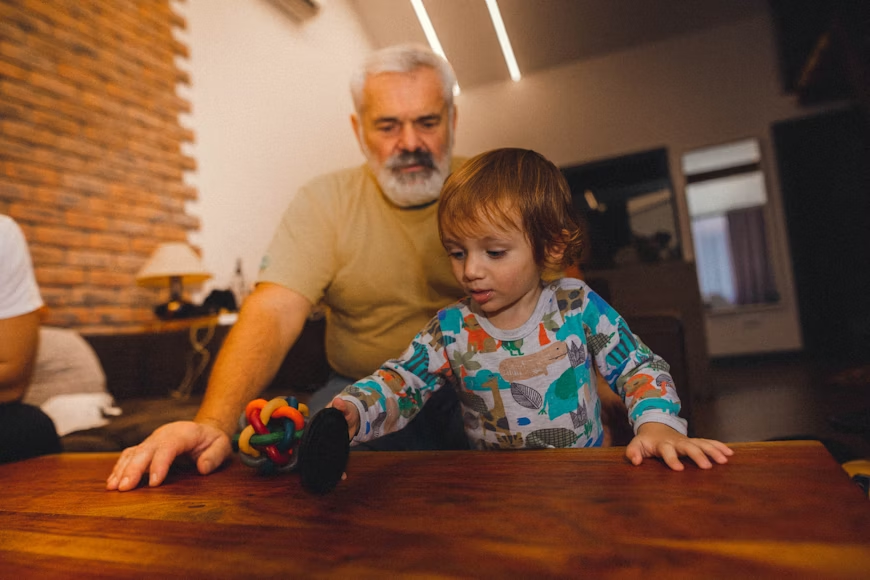
Intergenerational activities serve as a remedy to the increasing isolation experienced by many seniors today. As people approach retirement age, they often encounter changes in routine, social interaction, and engagement. Conversely, younger individuals live in a fast-paced digital world where face-to-face relationships are less emphasized.
Bringing younger generations and seniors together can:
- Improve emotional well-being for both groups
- Promote empathy, patience, and understanding
- Encourage younger individuals to learn from the wisdom of elders
- Provide seniors with a sense of purpose and community
By creating intergenerational touchpoints, society benefits from a holistic transfer of knowledge, culture, and humanity.
Different Ways to Promote Intergenerational Engagement
Book Clubs Across Generations
Reading and discussing a book together can spark meaningful conversations. Choose a book that resonates with both younger and older people of all ages. Consider topics like family values, history, or personal growth. Encouraging both age groups to choose book interests ensures inclusivity and engagement.
Whether it’s a fiction story or a memoir, book discussions can reveal different life perspectives and values. For example, a grandfather helping his grandson understand a historical event from personal experience can add depth and emotional resonance to the book’s narrative.
Quality Time Through Family Game Nights
Organizing family game nights that involve both seniors and younger generations creates quality time that strengthens bonds. Board games, card games, and puzzles provide a relaxing and fun atmosphere where both age groups can engage equally.
The key is to select activities that are not overly complex for seniors younger or too simplistic for younger individuals. Games that require teamwork also promote collaboration and teach valuable lessons about communication and patience.
Shared Day Trips and Cultural Outings
A day trip to a museum, park, or historical landmark allows seniors and younger generations to connect while exploring something new together. These outings offer opportunities to share stories, reflect on life experiences, and make new memories.
A grandfather helping his grandson understand a piece of art or architecture promotes education and strengthens emotional ties. Planning such intergenerational activities helps both age groups appreciate diverse experiences.
Storytelling and Oral History Projects
One of the most impactful intergenerational experiences is storytelling. Seniors possess a lifetime of stories that can enrich the understanding of younger generations. Moreover, encouraging younger individuals to document these stories can become a collaborative book project or even a family heritage album.
This form of bonding not only helps younger individuals appreciate their roots but also instills pride and purpose in seniors, knowing that their experiences are valued.
Sharing technology and learning together
Many younger generations are digital natives, while seniors may struggle with the rapid pace of modern technology. Creating a space where younger people can help seniors learn to use smartphones, tablets, or even social media is a wonderful intergenerational activity.
In return, seniors can teach younger generations about life skills, traditional values, and hands-on crafts. This mutual exchange creates a balanced dynamic of learning and teaching, breaking down generational stereotypes.
Cooking Together Across Generations
Cooking or baking traditional family recipes can be a joyful experience for both seniors and younger members. It’s a fun activity that includes sensory engagement, storytelling, and cooperation.
A grandfather’s generation helping with old techniques or secrets passed down through generations gives context to the meal. Meanwhile, younger generations can introduce modern or healthier twists to the dish, encouraging creativity.
Arts and Crafts Projects
Creative activities such as painting, knitting, or building models can serve as therapeutic pastimes for both seniors and the younger generation. These intergenerational activities allow each person to express themselves while working toward a common goal.
Incorporating themes related to shared values or family history into these art projects can turn a simple hobby into a meaningful legacy-building experience.
Gardening and Outdoor Fun
Nature provides a neutral and calming environment that welcomes all ages. Gardening is an excellent way to teach patience, environmental awareness, and sustainability. Younger generations, particularly those with grandfather figures, often enjoy planting seeds and watching them grow, which symbolizes the growth of their relationship.
It’s also a subtle way to include physical activity for seniors, which benefits their health, while offering younger individuals a break from screen time.
The Role of Indy In-Homecare in Encouraging Intergenerational Engagement
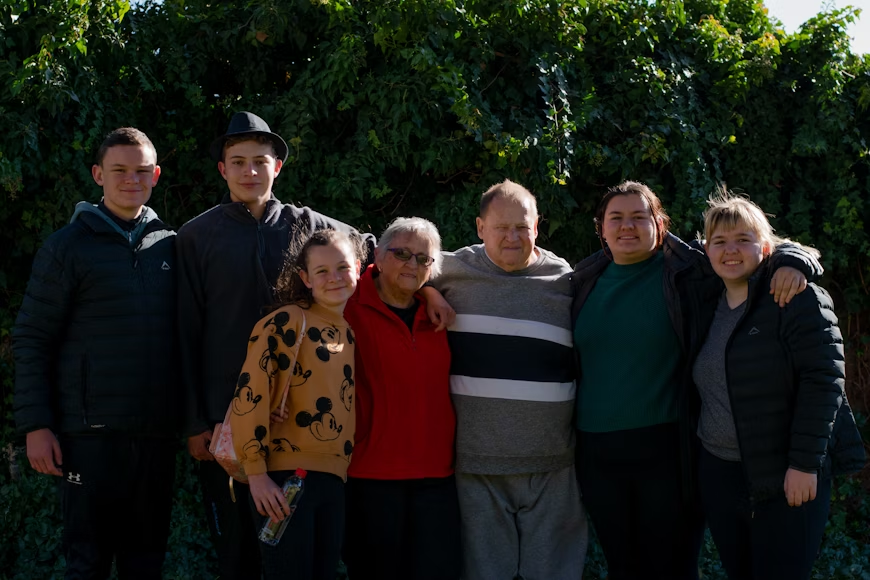
Indy In-Homecare recognizes the importance of maintaining emotional and social well-being across generations. By offering flexible caregiving services that consider the needs of both seniors and younger generations, the organization encourages intergenerational bonding within the home.
Caregivers are trained to facilitate activities that involve family members of all ages, whether it’s helping to choose book topics, organizing group day trips, or simply ensuring that seniors feel energized to participate in family life.
Overcoming Challenges in Intergenerational Relationships
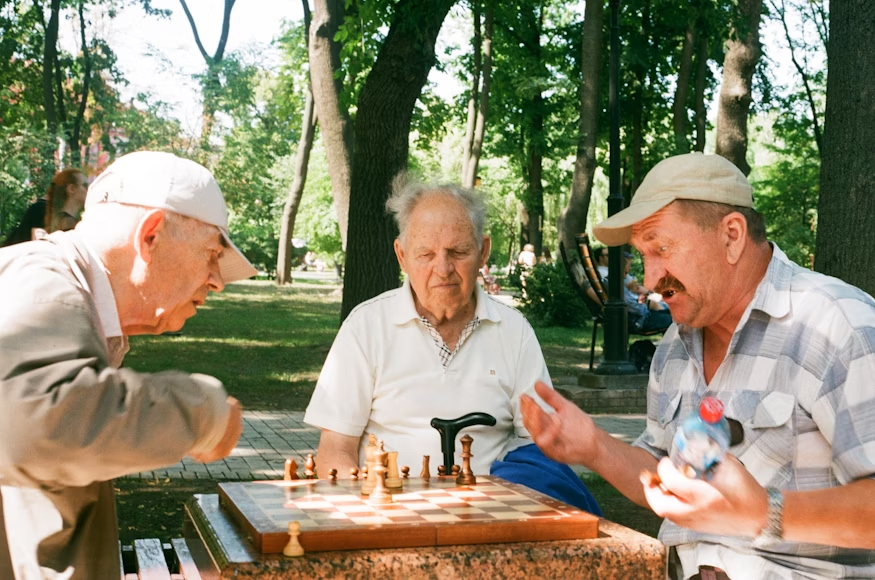
While the benefits are numerous, bridging the gap between seniors and younger generations comes with challenges, including:
- Communication barriers
- Differences in values and life perspectives
- Health and mobility limitations in seniors
- Technological gaps
- Lack of shared interests
These hurdles can be addressed with patience, understanding, and intentional planning. Encouraging both groups to choose book interests, hobbies, or mutual activities can foster interest from both sides.
A Global Perspective: World Retirement Age and Cultural Shifts

In many parts of the world, the retirement age is shifting as people live longer, healthier lives. This change affects the traditional roles of seniors within the family and society. Trends in retirement age around the world suggest that older adults are remaining active contributors in both professional and social domains.
Countries that promote intergenerational activities at policy levels, such as school programs where seniors mentor students or community centers that host intergenerational activities, often see higher social cohesion.
Creating Intergenerational Connections at Home
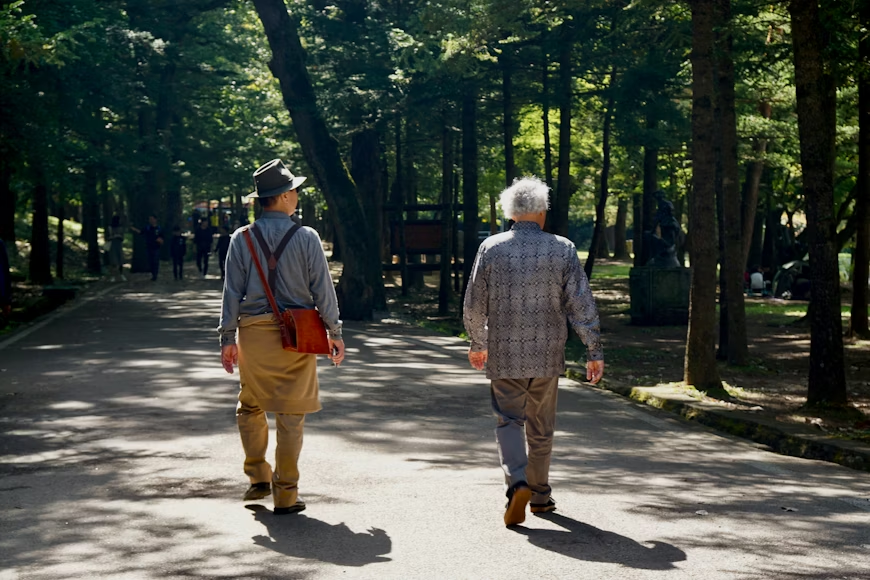
You don’t need a formal program to promote intergenerational connections. Here are some easy ways to incorporate these relationships into your daily routine:
- Set aside a weekly quality time session for shared activities.
- Encourage younger individuals to interview or film seniors sharing life advice.
- Work together to choose book readings with alternating selections.
- Plan a joint scrapbook project chronicling family memories.
- Involve both groups in volunteering opportunities.
These small, consistent efforts can result in powerful emotional bonds.
The Long-Term Benefits of Intergenerational Engagement

Building connections between seniors and younger generations is more than just a feel-good activity—it creates long-term benefits for everyone involved. Research has shown that intergenerational relationships can:
- Reduce loneliness and depression in seniors
- Improve academic and emotional development in younger generations
- Preserve cultural heritage and stories
- Build stronger families and communities
- Encourage lifelong learning and adaptability
With the support of community resources and organizations like Indy In-Homecare, these positive outcomes can be accessible and sustainable.
Conclusion
The gap between seniors and younger generations is not insurmountable. Furthermore, with intentional effort shared experiences, and mutual respect, intergenerational activities can become the cornerstone of a more compassionate and cohesive society.
Whether you’re planning a day trip, picking a book, or simply spending quality time as a family, remember that each moment shared between generations is a step toward understanding and unity. Embrace the power of intergenerational connection—because the best future is one that we build together, across ages, stories, and hearts.