
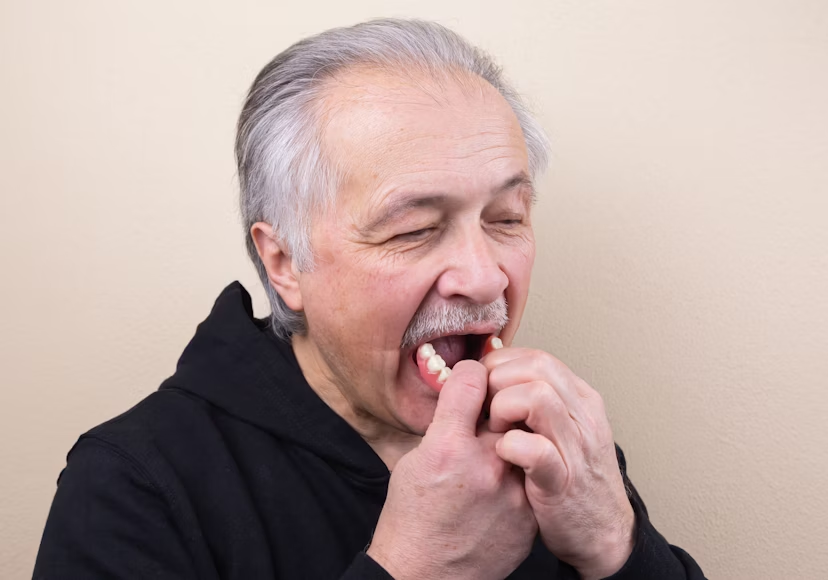
As we age, maintaining good health becomes increasingly important, and one area that is often overlooked in older adults is oral health. The connection between oral health and overall health is profound, particularly among seniors, who are more susceptible to various health issues related to poor oral hygiene. For older individuals, dental care is more than just a matter of a bright smile—it’s a vital part of sustaining a high-quality life and avoiding serious conditions.
This comprehensive guide explores how oral health affects older adults, gum disease and poor oral health risks, and the importance of regular dental visits. Whether you’re a caregiver, a family member, or a senior yourself, understanding these issues can empower better decision-making and promote healthier, longer lives.
The Overlooked Connection Between Oral and Overall Health

For seniors, maintaining oral health is not just about dental aesthetics. Poor oral hygiene can lead to systemic disease, affecting the heart, lungs, and even the brain. In fact, oral health issues can result in bacteria from the mouth entering the bloodstream through the gums, increasing the risk of heart disease, diabetes, and other conditions.
Research shows that untreated dental health problems can directly impact the health and quality of life, particularly for older adults. Poor oral habits, such as infrequent brushing or skipping regular dental checkups, can exacerbate gum disease, leading to more serious complications over time.
Common Oral Health Issues in Older Adults
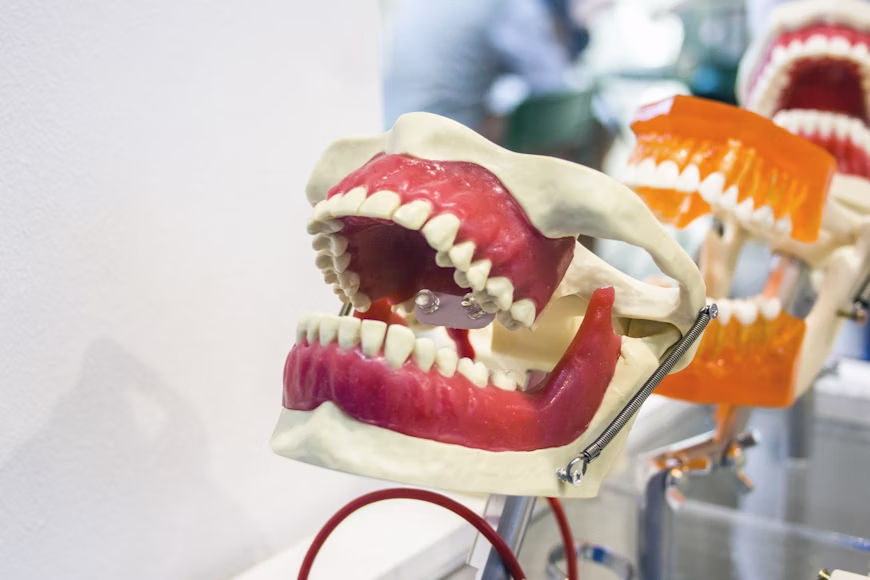
Several oral health issues disproportionately affect seniors. These include:
- Gum Disease
Also known as periodontal disease, this is one of the most common oral health issues facing older adults. Gum disease starts with plaque buildup and can lead to bleeding gums, infections, tooth loss, and even allow harmful bacteria to enter the bloodstream through the gums.
- Tooth Decay
While often thought of as a childhood concern, tooth decay remains prevalent in older populations. Dry mouth—a common side effect of medications—reduces saliva production, making the mouth more susceptible to bacteria and disease.
- Oral Cancer
Seniors are at a higher risk of developing oral cancers. Early detection through regular dental visits is critical to effective treatment.
- Poor Oral Hygiene
Poor oral hygiene can stem from cognitive decline, arthritis, or lack of access to dental care, making it harder for older adults to brush or floss effectively.
How Oral Health Affects Quality of Life

Maintaining oral health is directly tied to a person’s ability to eat, speak, and socialize confidently. Seniors experiencing dental problems may avoid certain foods, leading to nutritional deficiencies. Difficulty speaking or fear of bad breath can cause social withdrawal, impacting mental well-being and overall happiness.
A poor oral state can be emotionally distressing and physically limiting, ultimately lowering the health quality of life of older adults. Addressing these issues through proactive care helps maintain dignity, confidence, and overall wellness.
The Importance of Regular Dental Visits
Regular dental visits are crucial for seniors to detect oral health issues early. Professional cleanings, X-rays, and evaluations ensure that any developing issues—from gum disease to oral cancers—are caught and treated in time.
Unfortunately, many older adults forego dental care due to financial limitations, lack of transportation, or simply not realizing its importance. Yet, skipping these visits increases the risk of poor oral health and the subsequent decline in overall health.
Consequences of Poor Oral Health in Seniors

- Heart Disease and Diabetes
Bacteria from untreated gum disease can enter the bloodstream through the gums, potentially leading to heart disease, diabetes, and other chronic conditions. Inflammation in the mouth can trigger systemic inflammation, worsening existing health issues.
- Respiratory Infections
Poor oral hygiene can result in inhaling bacteria, leading to infections such as pneumonia—particularly dangerous for older individuals with weakened immune systems.
- Digestive Problems
Missing or painful teeth can make chewing difficult, affecting digestion and reducing nutrient intake, which further deteriorates overall health.
Prioritizing Oral Health: A Preventive Care Strategy

Promoting good oral health in seniors requires a proactive and preventive approach. Families and caregivers should take steps to ensure consistent hygiene habits and access to dental services.
Daily Care Routine
- Brushing twice daily with fluoride toothpaste
- Flossing or using interdental brushes
- Using antiseptic mouthwash to reduce bacteria
- Staying hydrated to combat dry mouth
Professional Support
- Scheduling regular dental checkups
- Working with dental hygienists who specialize in older adults
- Getting dentures cleaned and checked frequently
Diet and Nutrition
- Eating a balanced diet to support dental health
- Avoiding sugary or acidic foods that increase tooth decay
- Including fibrous fruits and vegetables to naturally clean teeth
Oral Health and Chronic Conditions

For seniors already managing chronic illnesses like heart disease or diabetes, prioritizing oral health becomes even more essential. These conditions can worsen with poor oral hygiene, and the medications used may dry out the mouth or increase susceptibility to infection.
By addressing oral health proactively, we can reduce the impact of other health issues, improving the overall quality of life and reducing healthcare costs in the long term.
Oral Health Seniors Care Tips

- In-Home Care Support
Services like Indy In-Homecare provide valuable assistance to seniors, especially those with mobility or cognitive challenges. Trained caregivers can help with daily hygiene tasks, medication reminders, and escorting clients to dental appointments, ensuring consistent attention to oral health.
- Educating Families
Families should be aware of the signs of oral health issues in their aging loved ones. These signs include:
- Persistent bad breath
- Bleeding or swollen gums
- Difficulty chewing or speaking
- Loose teeth or dentures
Education leads to early intervention and better health outcomes.
Cost-Effective Oral Health Programs for Seniors
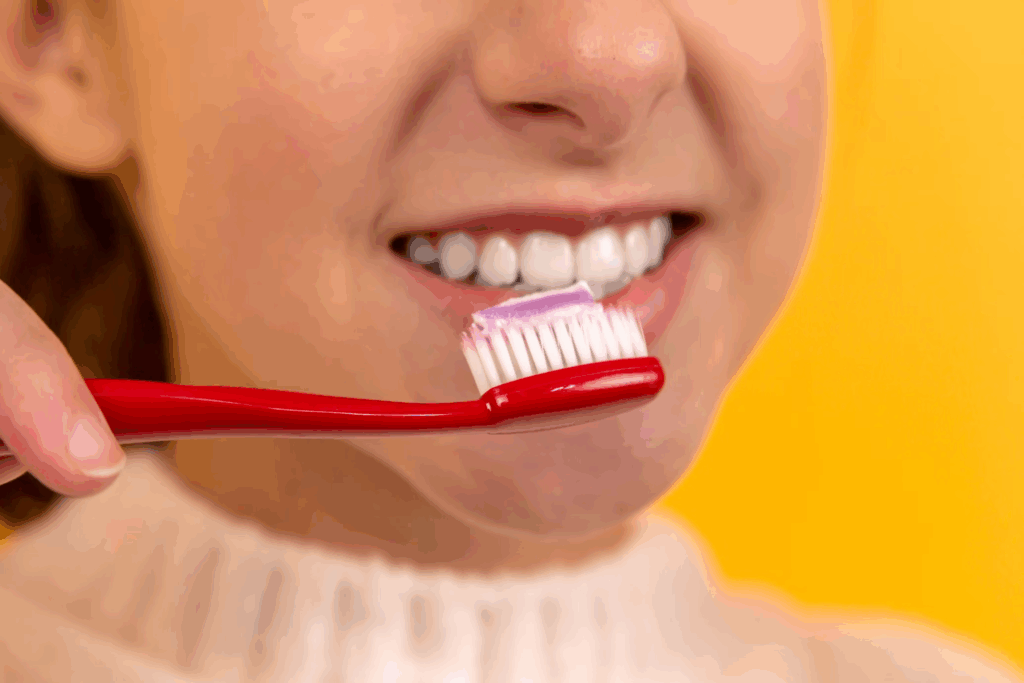
Many community clinics and dental schools offer discounted or free dental care for seniors. Medicare typically doesn’t cover dental, so finding local support services or insurance alternatives is essential. Nonprofit organizations can help older adults access care, ensuring that regular dental visits are not a financial burden.
Indy In-Homecare partners with several community resources to help families find affordable solutions for dental health services. Through coordination with local providers, older adults get the care they need without compromising on quality.
The Role of Caregivers in Oral Health Management

Caregivers play a vital role in prioritizing oral health for older adults. Beyond assisting with brushing and flossing, they can monitor for symptoms of disease, schedule regular dental visits, and ensure proper follow-up after treatments. They also act as advocates—making sure that dental health remains a priority in every care plan.
A good caregiver understands the link between oral health and overall health, striving to preserve the dignity and well-being of the people they support. Their consistent efforts can make a significant difference in preventing oral health issues and improving quality of life.
Overcoming Challenges to Better Oral Health
Despite the importance, barriers to proper oral care in seniors are common:
- Mobility issues that make visiting a dentist difficult
- Cognitive decline, which affects self-care habits
- Lack of awareness about the connection between oral and overall health
The solution lies in community support, increased awareness, and in-home care services that focus on holistic well-being.
Conclusion: A Call to Prioritize Oral Health for Older Adults
Prioritizing oral health is one of the most impactful yet underappreciated actions we can take to support the well-being of seniors. Strong dental care practices matter deeply, from preventing gum disease and avoiding systemic health issues to improving quality of life and dignity.
Whether you’re a family member, a caregiver, or a healthcare provider, now is the time to act. Implement consistent routines, encourage regular dental visits, and educate those around you on how oral health directly affects the overall health of older adults.
Remember, the mouth is a gateway to the body—and caring for it is caring for the whole person.