How families think about care for seniors and individuals with health challenges has changed drastically in recent years. Traditional care models often focused on responding to problems after they occurred, but today’s innovations allow caregivers to take a proactive approach. Families can achieve true peace of mind through predictive technology, monitoring systems, and connected care while ensuring their loved ones stay safe at home.
Modern home care services are no longer just about physical assistance—they are about prevention, early detection, and creating a safety net that prevents emergencies before they happen. Whether it’s fall detection, identifying the early signs of illness, or sending real-time alerts to caregivers, predictive solutions are revolutionizing senior care.
Why Predictive Monitoring Matters in Home Care

At the heart of this transformation is predictive monitoring. Instead of waiting for a medical event or accident to occur, predictive home care systems analyze data patterns to anticipate potential risks. This helps caregivers intervene early, long before a minor issue becomes an emergency.
Families and home care agencies alike are turning to these solutions because:
- Predictive technology prevents unnecessary hospitalizations.
- Technology prevents emergencies by detecting changes in mobility, heart rate, or other health signals.
- Care predictive monitoring supports independence by letting seniors remain safely at home.
These innovations don’t replace caregivers but enhance their ability to provide high-quality care. This is the future of compassionate home care for families seeking both safety and independence.
Fall Detection: Protecting Seniors at Home

Falls remain one of the most significant risks for older adults. Every year, millions of seniors suffer serious injuries due to unexpected falls at home. Fortunately, fall detection systems now provide a critical layer of protection.
By combining real-time monitoring with predictive insights, these tools alert caregivers immediately when a fall is detected—or even when unusual movement patterns suggest a fall risk is developing. For example, if an individual starts walking more slowly or showing signs of imbalance, predictive monitoring systems can notify caregivers before a serious accident occurs.
This approach is more than an emergency response; it’s about creating peace for families who want assurance that their loved ones are safe 24/7.
Connected Care: A Smarter, Safer Home

Connected care integrates different technologies into a single ecosystem. Imagine a home where health monitors, mobility sensors, and predictive technology tools communicate. This is no longer a futuristic dream—it’s today’s reality.
A connected home care environment ensures that:
- Health metrics are tracked in real time.
- Early alerts caregivers when something is wrong.
- Loved ones remain independent but always protected.
For example, predictive monitoring systems may combine data from sleep trackers, motion sensors, and medical devices to build a complete picture of well-being. This helps caregivers make informed decisions without constantly hovering over the individual, preserving dignity and independence.
Early Detection: Preventing Emergencies Before They Happen
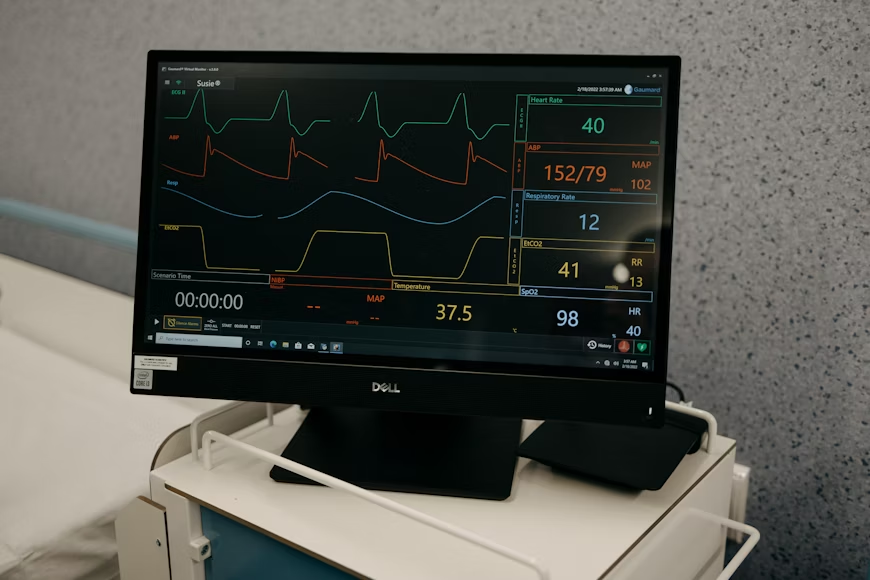
One of the most significant advantages of predictive home care is its ability to identify the early signs of illness. Small health changes, such as irregular sleeping, subtle shifts in walking, or slight appetite loss, often precede major medical events. Unfortunately, without technology, these signs are easy to miss.
With predictive monitoring, caregivers gain insights that would otherwise be invisible. For example:
- Predictive technology prevents complications by recognizing unusual patterns.
- Systems send early alerts to caregivers so they can intervene before the condition worsens.
- Families enjoy peace of mind knowing sudden emergencies won’t blindside them.
This proactive model isn’t just convenient—it saves lives.
The Role of Caregivers in Predictive Home Care
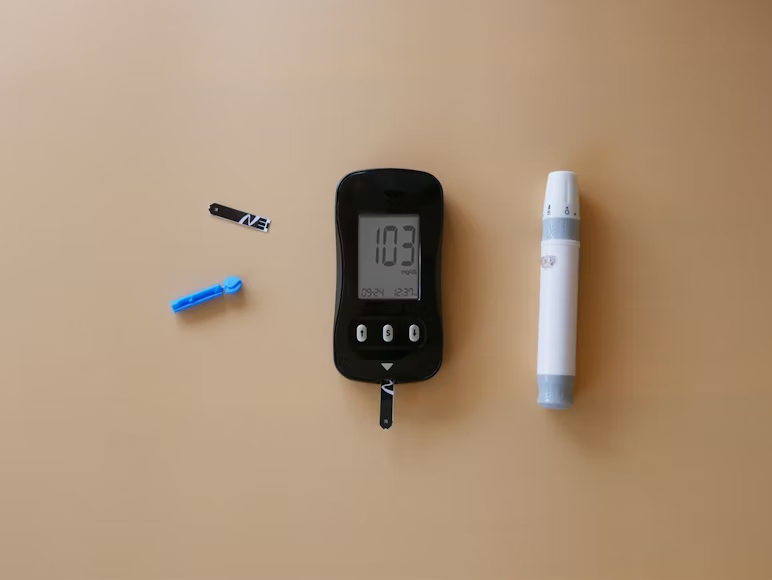
While technology is powerful, it works best in partnership with skilled caregivers. No monitoring system can replace caregivers’ empathy, judgment, and personal connection. Instead, these tools empower caregivers to do their jobs more effectively.
Early alerts for caregivers mean that caregivers receive accurate data-driven notifications instead of guessing when help is needed. This ensures their time and attention are directed precisely where they’re needed most.
By blending compassion with technology, families get the best of both worlds: human touch supported by scientific precision.
How Predictive Technology Prevents Emergencies

Emergencies like strokes, heart attacks, and falls don’t usually happen without warning. The challenge is that the warning signs can be subtle and difficult to detect without constant observation.
Predictive technology prevents these situations by:
- Collecting health data from home care agencies or wearable devices.
- Running predictive models to identify risks.
- Delivering real-time alerts when intervention is necessary.
This reduces the burden on families and minimizes costly hospital visits. Over time, it transforms home care services into a proactive safety net rather than a reactive response system.
Real Time Insights: The Power of Immediate Action
One of the most valuable features of predictive monitoring systems is their ability to operate in real time. Traditional care often involves check-ins at specific times, leaving gaps in monitoring. With predictive solutions, every second counts, and every data point is analyzed.
Immediate response times mean:
- Care services can deploy faster help during emergencies.
- Caregivers are always informed about their loved one’s condition.
- Families gain confidence that their home is truly safe.
This is especially critical for senior care, where even a few minutes can distinguish between a full recovery and a long-term complication.
Home Care Services and Agencies Embracing Predictive Tools

The rise of home care agencies adopting predictive technology demonstrates a significant shift in the industry. No longer limited to basic assistance with meals, bathing, and transportation, agencies now offer advanced monitoring solutions as part of their standard care services.
Families looking for home care services today increasingly ask about:
- Predictive home care options.
- Integration of fall detection systems.
- Availability of predictive monitoring systems.
By offering these solutions, agencies build trust, attract more clients, and—most importantly—keep seniors safe.
Peace of Mind for Families
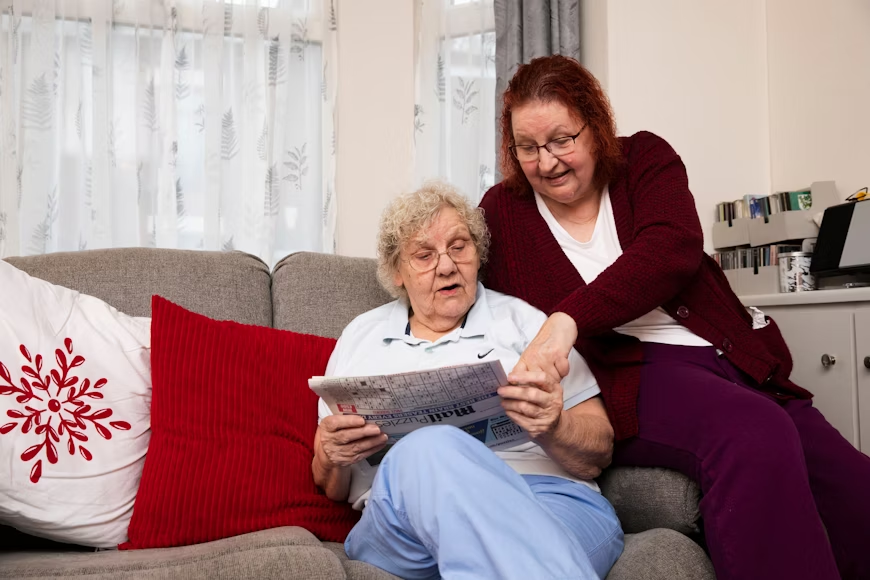
Ultimately, the goal of predictive solutions in home care is simple: giving families peace. Knowing that technology is working 24/7 behind the scenes to detect issues brings reassurance that loved ones are always protected.
For families who live far away, this is especially valuable. They may not be able to provide constant care, but they can rely on connected care systems and professional caregivers supported by technology.
Indy In-Homecare: A Trusted Partner in Predictive Home Care
At Indy In-Homecare, we understand how critical safety and independence are for families. By blending compassionate caregivers with predictive monitoring and connected care tools, we deliver a level of security that goes beyond traditional home care services.
Our approach ensures that every family can achieve true peace, knowing that predictive technology prevents emergencies and supports independence. With our expertise, seniors enjoy the comfort of staying at home while benefiting from advanced protection.
Whether it’s fall detection, real-time monitoring, or identifying early signs of illness, Indy In-Homecare is committed to providing the best possible care experience.
Looking Ahead: The Future of Predictive Home Care
The future of care is not about replacing humans with machines—it’s about empowering caregivers with more innovative tools. Over the coming years, we can expect predictive monitoring systems to become more advanced, detecting even more subtle health indicators and integrating seamlessly into everyday life.
Families will no longer have to choose between independence and safety. With predictive home care, they can enjoy both. By embracing predictive technology, home care agencies will set new standards for quality and reliability in care services.
Conclusion
The evolution of home care services from reactive support to predictive home care marks one of the most critical shifts in modern healthcare. With innovations like fall detection, predictive monitoring systems, and connected care, seniors can now access safer, smarter, and more compassionate solutions.
Families gain peace of mind, caregivers receive actionable insights, and individuals can live independently without fear of unexpected emergencies.
As the industry continues to evolve, businesses like Indy In-Homecare will play a vital role in combining human compassion with cutting-edge technology. By working together, we can ensure that the future of senior care is both proactive and deeply personal.