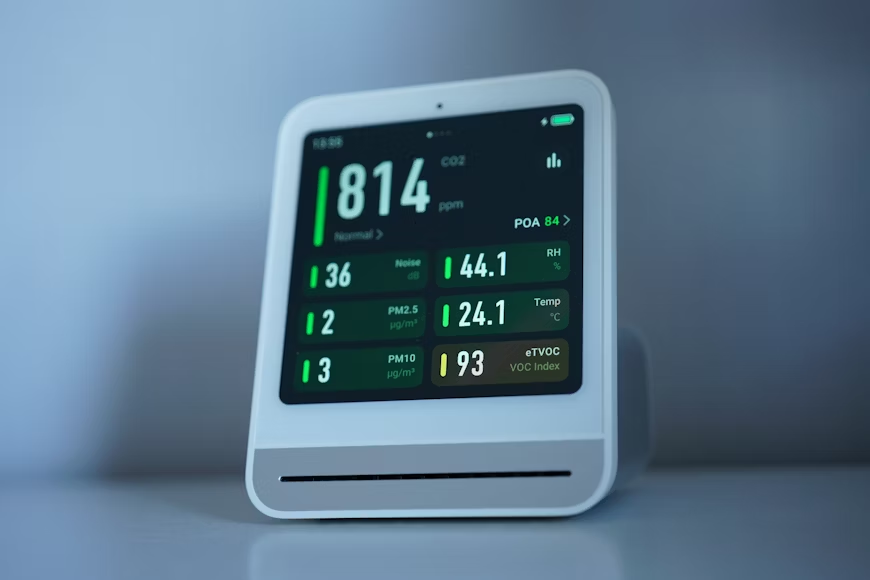
Recently, remote patient monitoring (RPM) has emerged as one of the most impactful advancements in the field of healthcare. By enabling physicians and caregivers to monitor patients outside traditional clinical settings, RPM transforms care delivery, especially for those managing chronic diseases, recovering post-surgery, or aging in place.
With innovative devices, wearable technologies, and secure data systems, RPM empowers patients remotely and enables medical professionals to take proactive actions based on real-time health insights. For families and healthcare providers alike, this increases convenience and enhances outcomes. Businesses like Indy In-Home Care are embracing these tools to provide more effective and personalized care for older adults and those with complex medical needs.
What is Remote Patient Monitoring?
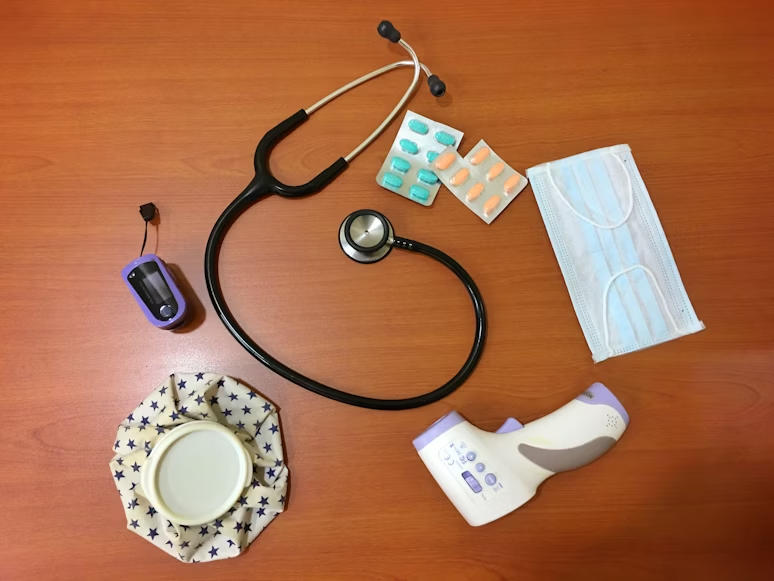
Remote patient monitoring refers to using digital technologies to collect medical and health data from individuals in one location and electronically transmit it to healthcare providers in a different location. It includes devices like:
- Blood pressure monitors
- Glucometers
- Pulse oximeters
- Wearable devices that track heart rate, activity levels, or sleep
Depending on the patient’s condition, these tools can collect and monitor valuable data continuously or intermittently. Monitoring aims to detect problems early, adjust treatment plans proactively, and avoid hospitalizations or emergency care.
How Remote Patient Monitoring Works: The Technology Behind It
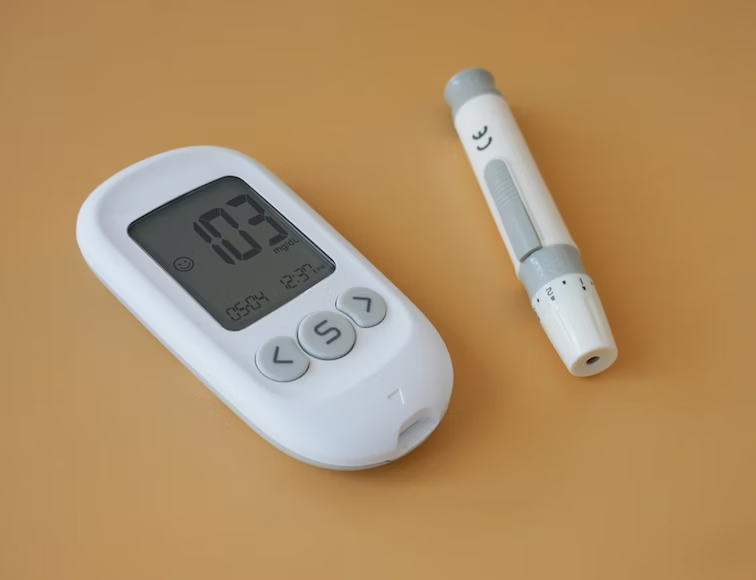
At the core of remote patient monitoring is a suite of digital devices like monitors, oximeters, glucometers, and smart sensors. These devices collect specific health data, such as:
- Blood glucose levels for diabetic patients
- Blood pressure for hypertensive patients
- Oxygen saturation levels are monitored for patients with respiratory conditions.
These readings are transmitted to a healthcare provider’s dashboard via secure internet channels. Physicians, nurses, or care coordinators analyze the information, often with the help of AI-assisted platforms, and respond accordingly.
Monitoring RPM becomes especially valuable for managing chronic diseases such as:
- Diabetes
- Congestive heart failure
- Chronic obstructive pulmonary disease (COPD)
- Hypertension
In these cases, continuous patient monitoring significantly reduces risk and keeps patients stable from the comfort of their homes.
Benefits of Remote Patient Monitoring for Patients
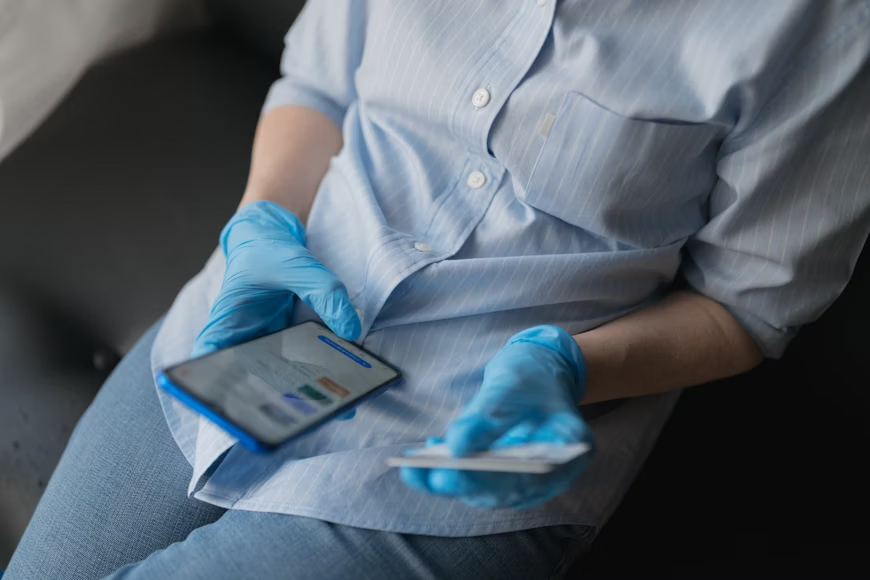
- Enhanced Convenience and Comfort
RPM allows patients to stay in their homes while receiving high-quality care. This is especially crucial for individuals with mobility limitations, elderly care needs, or transportation challenges.
- Improved Health Outcomes
Early intervention is possible when patients remotely transmit real-time data to healthcare providers. For example, a spike in blood pressure can be flagged immediately, leading to prompt action and preventing potential complications.
- Reduced Hospital Readmissions
Studies have shown that remote patient monitoring significantly lowers the chances of hospital readmission, particularly for chronic disease management.
- Empowerment and engagement
By using wearable fitness trackers or smart glucose meters, patients become more aware of their condition and are often more motivated to follow treatment plans.
Benefits for Healthcare Providers
RPM not only benefits patients but also creates operational efficiencies for healthcare providers. Some of the significant advantages include:
- Monitoring patients more frequently without in-person visits
- Prioritizing critical cases by viewing health trends in real time
- Providing data-driven insights that support evidence-based care
- This technology helps reduce the workload on hospital systems and emergency rooms.
For home care agencies like Indy In-Home Care, this technology bridges the gap between in-home support and clinical oversight, creating a more seamless experience for patients and their families.
Use Cases of Remote Patient Monitoring
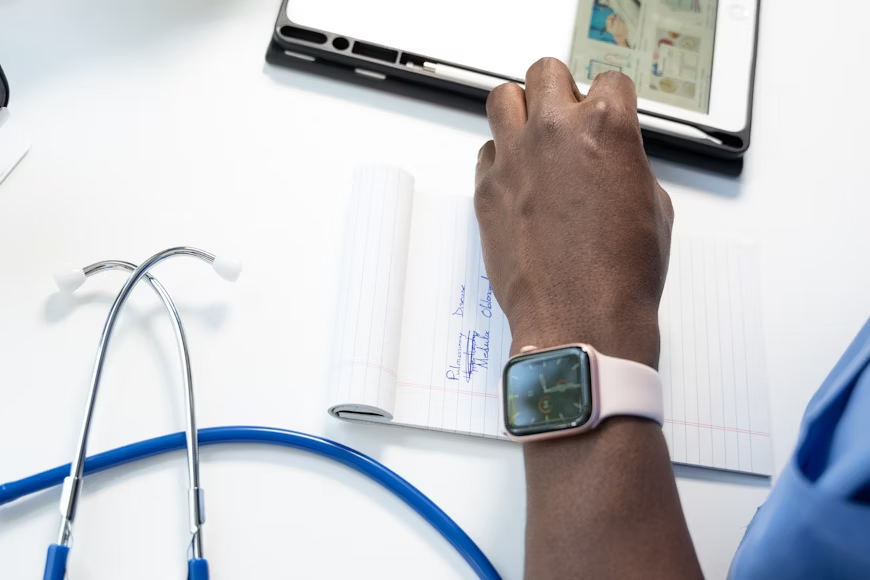
- Chronic Disease Management
For individuals dealing with long-term diseases, RPM is a lifeline. Continuous patient monitoring RPM makes it easier to manage:
- Hypertension
- Diabetes
- Heart failure
- Asthma
RPM ensures accurate tracking and adjustment of treatment protocols.
Post-Operative Recovery
After surgery, remote monitoring devices help patients recover safely at home, tracking vitals and signs of infection or complications.
Maternal and Fetal Monitoring
In obstetrics, ensuring maternal-fetal health remotely has become increasingly feasible. Smart fetal monitors and blood pressure cuffs can be used at home, especially for high-risk pregnancies.
Geriatric and Palliative Care
Empowering elderly care is one of the most impactful RPM applications. Digital devices such as smart pillboxes, fall detectors, and oximeters actively supervise the health of aging adults, allowing them to maintain their independence for longer.
RPM Devices: Tools That Make It Happen
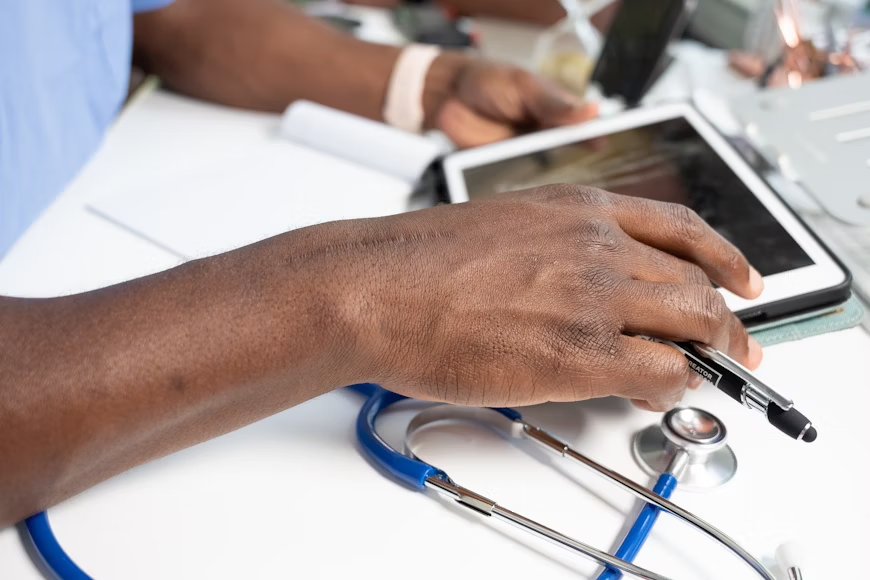
- Wearable Devices
Fitness trackers and smartwatches are popular examples. They monitor activity, sleep, and heart rate, helping detect irregularities.
- Monitors, Oximeters, Glucometers
These specialized devices allow for real-time tracking of key health indicators. For instance, a continuous glucose monitor alerts the patient and the doctor if sugar levels go out of range.
- Remote Monitoring Devices
Smart scales, connected thermometers, and home ECG devices extend RPM into even more dimensions of care.
RPM in Action: Transforming Healthcare
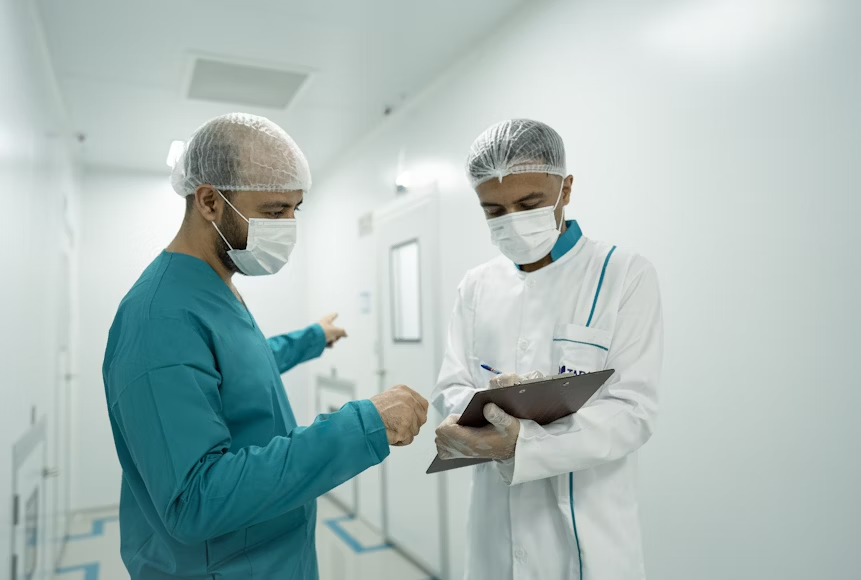
Let’s examine how RPM is transforming healthcare with real-world examples:
- A patient with congestive heart failure receives daily monitoring via a digital weight scale and blood pressure cuff. When sudden weight gain is detected, indicating fluid retention, the physician adjusts medication immediately, preventing hospitalization.
- A diabetic patient uses a glucometer that uploads data to a mobile app and shares it with their doctor. When blood sugar trends start to rise, dietary counseling is provided before a crisis occurs.
- An older adult recovering from knee surgery wears a smart tracker that monitors her mobility. When it detects a fall, her care team is alerted immediately.
Each case illustrates how remote patient monitoring provides both safety and independence.
Is Remote Patient Monitoring Effective?
Absolutely. RPM is clinically validated and gaining strong support from patients and providers alike.
- RPM is quite helpful in reducing ER visits and hospital admissions.
- Studies show improved medication adherence and health literacy.
- It increases satisfaction among patients and monitoring staff.
The Centers for Medicare & Medicaid Services (CMS) now reimburses providers for remote patient monitoring services, further validating its role in modern healthcare.
Challenges and Considerations
Like any innovation, RPM has hurdles:
- Data Security
Transmission of sensitive patient data requires robust encryption and HIPAA compliance.
- Digital Literacy
Not all patients, especially older adults, may be comfortable using technology. That’s where trained caregivers play a vital role.
- Device Compatibility
Standardizing remote monitoring devices and ensuring their integration with electronic health records (EHRs) can be complex.
- Cost and accessibility
While RPM can effectively manage different diseases, some devices may be expensive or not fully covered by insurance.
The Future of Remote Patient Monitoring
The growth of remote patient monitoring shows no sign of slowing. With the expansion of 5G networks, AI algorithms, and IoT connectivity, the next generation of RPM will offer even more predictive insights and real-time responsiveness.
RPM has the potential to expand beyond traditional use cases, ranging from early cancer detection to mental health tracking. RPM will likely be the foundation of future hybrid care models, wherein in-person visits and virtual check-ins work together for effective care delivery.
Conclusion
Remote patient monitoring significantly transforms modern medicine. It provides safer, more personalized, and more efficient care for patients, particularly those with chronic diseases or mobility limitations. RPM enables proactive, not reactive, monitoring by leveraging smart trackers, wearable devices, and connected health platforms.
Leading home healthcare providers like Indy In-Home Care are incorporating RPM into their services to enhance the quality of at-home support. Whether it’s monitoring RPM for elderly adults, ensuring maternal fetal well-being, or managing chronic conditions, RPM is reshaping what it means to deliver quality care.
As this technology continues to evolve, it’s clear that remote patient monitoring is not just a trend—it’s the future of healthcare.