
American Heart Month & Heart Health Awareness

Every February, the United States recognizes American Heart Month, a nationwide campaign dedicated to raising awareness about heart disease prevention, cardiovascular health, and heart-healthy living. If you live in Indiana and care for aging parents or loved ones, this month serves as an important reminder: heart disease remains the leading cause of death in America. At Indy In-Homecare, we see firsthand how heart health impacts seniors and families across Indiana. February is not just about wearing red—it’s about education, prevention, and taking real steps toward protecting the heart. The History and Background of American Heart Month American Heart Month was first proclaimed in 1964 by President Lyndon B. Johnson, who had personally experienced a heart attack. Since then, February has become a national observance supported by organizations like the American Heart Association and the Centers for Disease Control and Prevention. One of the most recognized campaigns during this month is Go Red for Women, which highlights the unique symptoms and risks of heart disease in women. Why February? While heart disease awareness is important year-round, February provides a focused time to: Why Heart Disease Is a Serious Concern in Indiana Heart disease affects millions of Americans each year, and Indiana has seen its share of cardiovascular health challenges. Key risk factors include: For seniors, the risk increases significantly. That’s why heart health for seniors should be a top priority during American Heart Month. Top Heart Health Statistics You Should Know Understanding the numbers makes the message clear: These statistics highlight why preventive care, especially for older adults, is essential. Recognizing Heart Disease Symptoms Knowing the early signs of heart disease can save lives. Common Heart Attack Symptoms: Stroke Warning Signs (FAST Method): Women and seniors may experience more subtle symptoms, which makes awareness during American Heart Month even more critical. Heart-Healthy Lifestyle Tips for February (and Beyond) American Heart Month encourages simple, daily changes that make a big difference. 1. Monitor Blood Pressure Regularly High blood pressure is known as the “silent killer.” Routine monitoring helps prevent complications like heart attacks and strokes. 2. Eat a Heart-Healthy Diet Focus on: Reduce processed foods, added sugars, and excessive salt intake. 3. Stay Physically Active Even moderate activity like walking 30 minutes a day can: 4. Manage Stress Chronic stress can increase heart disease risk. Meditation, prayer, social engagement, and relaxation techniques can help maintain cardiovascular health. 5. Quit Smoking Smoking damages blood vessels and increases heart attack risk significantly. The Importance of In-Home Care for Heart Health For many seniors in Indiana, managing heart conditions can be overwhelming. Medication schedules, dietary needs, and doctor appointments require consistent attention. This is where professional caregivers make a difference. At Indy In-Homecare, we support seniors with: Having trusted in-home support can significantly improve quality of life and reduce hospital readmissions for heart-related conditions. Heart Disease Prevention for Seniors Aging in Place Many older adults prefer aging in place, staying in the comfort of their own homes. However, heart conditions can complicate independent living. In-home care services in Indiana can help seniors: During American Heart Month, families should evaluate whether their loved ones have adequate support for heart health management. American Heart Month Activities You Can Participate In Looking for ways to get involved this February? Even small actions create long-term cardiovascular benefits. The Connection Between Home Care and Heart Health Heart disease management is not just about doctor visits—it’s about daily habits. Seniors recovering from heart surgery, heart attacks, or living with congestive heart failure often need ongoing support. Quality in-home care helps by: For Indiana families, partnering with reliable caregivers during American Heart Month is a proactive step toward heart disease prevention. Why February Is the Perfect Time to Take Action American Heart Month serves as a yearly reminder that heart health cannot be ignored. Prevention is always more effective—and less costly—than emergency treatment. Ask yourself: If the answer to any of these questions is uncertain, February is the ideal time to create a heart health plan. Final Thoughts: Protecting Hearts Across Indiana American Heart Month is more than a calendar observance—it’s a call to action. By focusing on heart disease prevention, cardiovascular health education, and heart-healthy living, families can significantly reduce risks. Whether it’s encouraging better nutrition, scheduling screenings, or ensuring seniors have daily support, every step matters. This February, take the opportunity to prioritize heart health—for yourself and for those you love. ❤️
Creating a Senior-Friendly Kitchen: Tips by #1 At-Home Care in Indianapolis
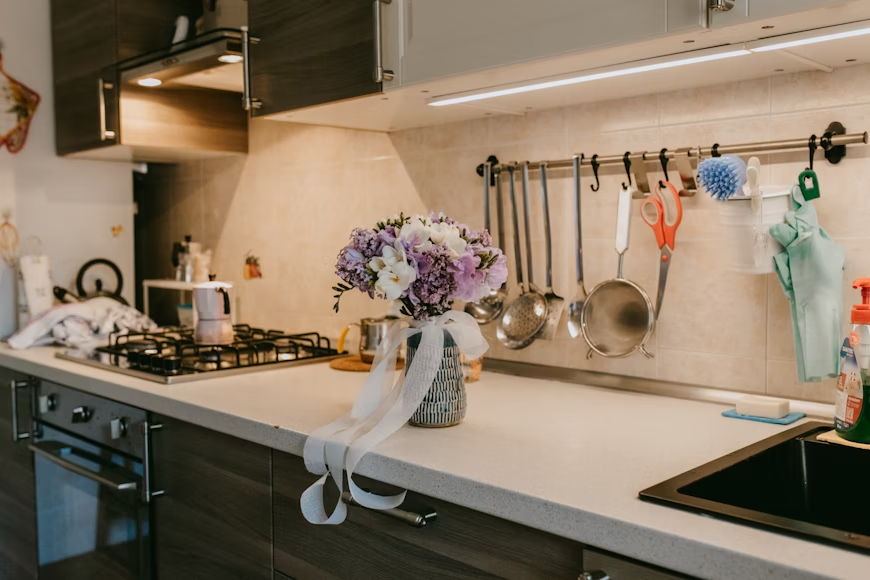
A kitchen is more than just a cooking space—it’s the warm, welcoming heart of a home. However, for seniors, it can also become a place full of challenges if not properly designed. As we age, everyday kitchen tasks—like reaching cabinets, handling appliances, or walking across slippery floors—can become difficult or even dangerous. That’s why designing a senior-friendly kitchen is vital for those who want to age safely and comfortably in their homes. This guide will explore practical ways to create a senior-friendly kitchen that ensures your loved ones’ safety, comfort, and independence. Whether you’re exploring home care in Indianapolis, making minor upgrades, or planning a complete kitchen renovation, these expert tips from the #1 at-home care professionals will help you create a kitchen space that is genuinely supportive, stylish, and safe. Why Senior-Friendly Kitchens Matter? The kitchen has always been the gathering place of every home—a space where meals, memories, and laughter are shared. However, it can become one of the most hazardous rooms for seniors. Slippery floors, poor lighting, hard-to-reach cabinets, and outdated appliances can increase the risk of injury or strain. A senior-friendly kitchen doesn’t just reduce these risks; it also empowers older adults to continue cooking and moving around independently. Features like non-slip flooring, easy-to-grip cabinet handles, and accessible appliances make everyday life easier. Home care Indianapolis professionals emphasize that the goal is not to change how seniors live entirely but to make minor, smart modifications that support their comfort and dignity. Even simple adjustments can transform the kitchen into a space that promotes confidence, safety, and joy. Understanding the Needs of Seniors at Home Common Kitchen Challenges for Aging Adults As we age, our physical capabilities naturally change. Tasks that once felt effortless can become uncomfortable or risky. For instance, bending to reach pots stored in low cabinets can strain the back and knees, while opening tight knobs can cause pain for those with arthritis. Uneven surfaces or slippery tiles can also lead to dangerous slips and falls. Another common issue is visual impairment. Many seniors experience reduced depth perception and contrast sensitivity, which makes it harder to spot spills, edges, or uneven flooring. When combined with inadequate lighting, these factors create a recipe for accidents. Indy In-Home Care experts often note that the kitchen should be accessible and emotionally comforting. A safe space doesn’t have to feel sterile—it can be warm, inviting, and full of personality while prioritizing safety and usability. How Simple Modifications Improve Safety You don’t need a complete renovation to create a safer kitchen. Simple, cost-effective upgrades can have a significant impact. For example: These small steps can dramatically improve safety and usability while helping seniors maintain their independence in the kitchen they love. Essential Kitchen Modifications for Seniors Non-Slip Flooring and Slip Prevention Falls are one of the most common causes of injury among seniors, and the kitchen—with its spills and slick surfaces—is a high-risk area. To help reduce slip flooring risks, install non-slip flooring materials like rubber, cork, or textured vinyl. These surfaces provide traction and are soft underfoot, which cushions impact if a fall does occur. Another helpful feature is anti-fatigue mats near the sink or stove. These reduce pressure on the feet and joints while standing. Make sure mats are non-slip and lay flat to avoid tripping hazards. Keeping the kitchen dry and clutter-free also plays a significant role in fall prevention. Clean up spills immediately, and consider having home care Indianapolis staff or family members assist with daily cleaning and maintenance to ensure a safe, tidy environment. Senior-Friendly Cabinets and Easy Storage Cabinet accessibility is key in a senior-friendly kitchen. Traditional high cabinets or deep lower drawers can be difficult to use. Opt for slide-out shelves and pull-down racks that bring items within easy reach. Also, avoid traditional knobs—they can cause pain for seniors with arthritis or reduced grip strength. Instead, use large D-shaped handles or lever pulls that are easy to grasp. This simple change can reduce hand strain and make daily kitchen use more comfortable. Labeling shelves and organizing essentials by frequency of use also helps seniors find what they need quickly. Everyday items should be stored between waist and shoulder height to minimize bending or stretching. Accessible, Safe Appliances Appliances should combine convenience with safety. Choose models with front-mounted controls so seniors don’t have to reach across hot surfaces. Wall ovens installed at waist height, side-by-side refrigerators, and dishwashers with pull-out drawers are ideal. Opt for smart appliances with automatic shut-off features or voice control options when possible. These can prevent accidents caused by forgotten burners or timers. Indy In-Home Care, a trusted name in senior home care in Indianapolis, recommends appliances with simple controls, large text, and easy-to-read displays to enhance usability. A well-chosen appliance setup doesn’t just make life easier—it gives seniors the confidence to cook safely and enjoy their kitchen again. Design and Layout Tips for Comfort and Independence Proper Lighting and Color Contrast Lighting can make or break a kitchen’s safety. Seniors often struggle with reduced vision, making it essential to have bright, layered lighting throughout the space. Combine overhead lights, under-cabinet LEDs, and task lighting to eliminate shadows and improve visibility. Color contrast is another subtle yet powerful design element. Use light-colored counters with dark cabinets or vice versa to help distinguish surfaces easily. These small visual cues can prevent spills, confusion, and accidents. Ergonomic Layout and Counter Heights An ergonomic kitchen layout helps seniors move freely and comfortably. Ensure enough open space to accommodate walkers or wheelchairs—ideally at least 42 inches between counters. Consider lowering work surfaces or adding a seated prep area so seniors can cook while seated, reducing fatigue. Grouping appliances and utensils based on function can minimize unnecessary movement. For instance, keep pots near the stove, cutting boards near the sink, and frequently used tools within easy reach. The goal is to simplify every step of the cooking process. Reducing Strain on Hands and Joints Arthritis and joint stiffness are common concerns among seniors.