
Transportation Assistance for Seniors in Indiana
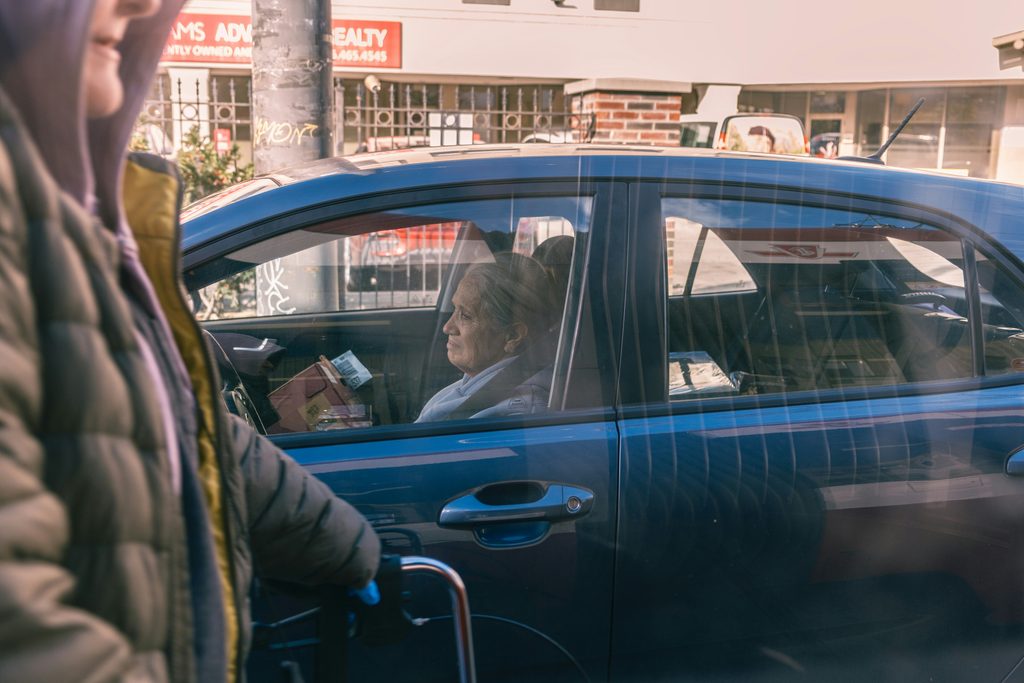
For many older adults, the last drive is remembered as the moment a door quietly closed. It meant the spontaneous trip to the hardware store, the Sunday ride to see a sister in Greenwood, and the freedom to leave the house without asking anyone for anything. When an elderly parent stopped driving, whether by choice, on a doctor’s advice, or after a frightening close call, what they lose is rarely just transportation. They lose a piece of their identity, their privacy, and the quiet confidence of running their own life. If you are an adult child in Carmel, Fishers, Noblesville, Zionsville, Greenwood, or anywhere across Indianapolis, you may be watching this unfold while torn between safety and respect. That tension is normal, and it can be resolved with care. Retiring from driving should never mean retiring from life. True independence isn’t about driving; it’s about having reliable, dignified access to the places and people that matter. The Emotional Reality: When an Elderly Parent Stops Driving Transportation assistance for seniors is personalized, hands-on support that gets an older adult to medical appointments, grocery stores, faith services, and social outings safely and with dignity. Unlike a simple ride, it includes door-through-door help, a trained companion, and reliable routines, so an aging parent can stay independent without driving. Before solutions, it helps to understand what your parent may be feeling. Driving cessation often moves through emotional stages that look a lot like grief: The National Institute on Aging explains that vision, hearing, reflexes, and thinking can change with age, and it offers guidance on transitioning away from driving. What it can’t capture is how personal that change feels at the kitchen table. The danger that follows is subtle: isolation. Homebound parents begin to miss medical appointments, put off grocery runs, and drop out of the senior club or Bible study they loved. Without regular outings, days blur together, and researchers link prolonged social isolation to depression and cognitive decline. The “cognitive fog” families notice is sometimes the result of a smaller world, not just aging. Moving Beyond Rideshares: Why Traditional Transit Often Falls Short It’s tempting to say, “Just use Uber.” For a confident, tech-savvy senior on a good day, that can work. For many others, it quietly fails in three ways. Digital hurdles: Requesting a ride means downloading an app, entering payment details, and reading a small touchscreen. For a parent with arthritis, low vision, or early memory changes, one confusing screen can end the whole outing. No physical support: Standard rides are curb-to-curb. Nobody helps with a heavy winter coat, steadies a walker on the way down an icy porch step, or walks your parent through the clinic door to the front desk. In an Indiana January, that gap matters. An unvetted stranger: A rideshare driver is rarely trained in senior care, may not recognize the signs of confusion or a fall risk, and won’t stay if your parent is disoriented at the destination. Parents also tend to hide their difficulties from strangers, so problems go unreported. A ride gets a person from A to B. Senior transportation done well makes sure they arrive safely, do what they came to do, and get home again. The 4 Pillars of Comprehensive Senior Transportation Assistance Hands-on errand assistance goes well beyond a ride. With dedicated companion and transportation care, a trusted caregiver becomes an extension of your family, supporting four parts of daily life. Pillar 1: Caregiver appointment assistance. The caregiver arrives early, helps your parent dress and gather insurance cards and medication lists, and drives safely to the appointment. If your parent wants, they take notes in the waiting room and share what the doctor said with the family accurately, so nothing is lost in translation. Pillar 2: Help with senior errands and daily needs. A grocery trip becomes a social outing. Your caregiver navigates the aisles with your parent, reaches high shelves, carries heavy bags, and unpacks the pantry safely, so no one strains a back or trips over a bag on the kitchen floor. The same applies to pharmacy pickups, banking, and the post office. Pillar 3: Social and faith community connections. Standing weekly plans keep a life full: Sunday services, lunch with a friend, the neighborhood library, a regular coffee in town. Routine gives your parent something to look forward to and a reason to get dressed. Pillar 4: Restoring spontaneity. This is the pillar most services forget. Many seniors miss the unplanned afternoon drive through the old neighborhood, a scenic park, or past the house they raised their children in. A companion who has time, and no meter running, can bring that pleasure back. Together, these pillars shift the story from “I can’t go anywhere” to “I have somewhere to be.” Transportation Options Compared Every option has a place. This table shows where each one helps and where it leaves gaps. Transportation Option Level of Physical Assistance Reliability & Comfort Best Suited For Key Limitations Commercial Rideshare (Uber/Lyft) Minimal; curb-to-curb, no hands-on help On demand, but driver and vehicle vary; app required Independent, tech-comfortable seniors on short trips No senior-care training; no help inside buildings; payment and app barriers Municipal Senior Shuttles / Paratransit Low to moderate; driver may assist at the curb or door Low-cost and dependable, but fixed schedules and advance booking Regular, planned trips for eligible riders Limited service areas and hours; shared rides; little flexibility for errands Informal Family Chaperoning High, from someone who knows your parent Familiar and loving, but depends on your work and family schedule Occasional appointments and special occasions Caregiver burnout; missed work; strained relationships In-Home Companion Care (e.g., Indy In-Homecare) High; door-through-door, with mobility and errand support Consistent, scheduled, and personalized Seniors needing regular appointments, errands, and social outings Paid service; best planned around a weekly routine Most families end up with a blend: paratransit for a standing trip, family for holidays, and a companion caregiver for everything that needs a steady hand. How to Talk About Retiring
Senior Cognitive Care at Home in Central Indiana

Every October, World Teachers’ Day invites us to thank the people who shaped how we think. In the U.S., National Teacher Day does the same each spring. UNESCO’s World Teachers’ Day centers on the idea that learning is a lifelong human pursuit and that wisdom flows between generations. If you’re an adult child in Carmel, Greenwood, or Indianapolis, it’s worth remembering that your parent was probably someone’s teacher. They may have been a formal one, like a classroom teacher or a shop foreman training apprentices. More likely they were an informal one, like the mother who taught you to balance a checkbook or the father who showed you how to read a engine. Great teachers never stop teaching, and curious minds never stop learning. Yet learning often quietly stops after retirement. Picture a retired machinist, nurse, or school principal who now spends eight hours a day in front of daytime television. The house is safe and the meals are made, but the mind is idle. Compare that with a parent who spends the same morning recording the story of their first job, debating a chess opening, or following a lecture series on Midwestern history and then explaining it to a visitor. Mental stimulation is preventive care, not a luxury. With the right support, an aging parent’s home can become a studio, a library, and a workshop rather than a waiting room. This guide explains why that matters and offers dignified, practical ways to make it happen. The Science of the Aging Brain: Why Learning Protects Independence Quick answer: Daily cognitive stimulation helps homebound seniors because the brain stays adaptable throughout life. Neuroplasticity—the brain’s ability to form and strengthen neural connections—responds to new learning, conversation, and problem-solving. Regular mental engagement builds cognitive reserve, which may help older adults maintain memory, focus, and independence longer, especially when it’s paired with social contact. Two concepts explain most of what families need to know. Neuroplasticity is the brain’s capacity to reorganize itself by building and strengthening connections between neurons. For a long time, people assumed this flexibility belonged to childhood. We now understand that older brains keep adapting, especially when they’re challenged by something new and meaningful. Cognitive reserve is the brain’s resilience, the cushion that helps it keep working well even as age-related changes occur. Education, stimulating work, social relationships, and mentally active leisure are all associated with building that reserve. The National Institute on Aging discusses how staying mentally and socially active is part of a brain-healthy lifestyle for older adults, alongside physical activity, healthy eating, and good sleep. Researchers at Harvard Health Publishing have likewise written about how social engagement and intellectual curiosity are connected to healthier aging brains. No activity guarantees protection against dementia, and it would be dishonest to promise otherwise. But the pattern is consistent: engaged minds tend to stay more resilient. The opposite pattern is just as clear. Isolation tends to accelerate what families describe as “mental fog.” When days lack conversation, novelty, and purpose, attention dulls, motivation fades, and withdrawal deepens. That withdrawal is easy to mistake for “just getting older” when it’s often a sign of an unmet need. Structured mental stimulation activities for seniors do the reverse. They exercise executive function, which covers planning, organizing, shifting attention, and solving problems. These are the very skills that keep a person managing medications, handling household decisions, and living independently. For homebound seniors especially, protecting these skills is protecting their ability to age in place. Moving Past Childish “Busy Work”: Meaningful Mental Stimulation Activities Your parent has managed budgets, raised children, built careers, and survived decades of change. Coloring books and simplistic worksheets can feel like an insult. Real engagement draws on the adult they are. Here are four categories worth exploring. Oral History and Biography: Let Them Be the Teacher Recording a life story is one of the richest forms of mental exercise, because it combines memory retrieval, sequencing, and narrative skill. A companion can interview your parent about childhood on an Indiana farm, a military posting, the first day at a career, or the origins of a family recipe. Audio recordings, a handwritten memoir, or a labeled photo album all work. The result is a legacy your family will treasure, and the senior is the expert in the room. Adult Intellectual Pursuits Many universities and museums offer free online lectures. Audiobooks, podcasts, and documentaries provide material to discuss afterward. Reading the morning news together and debating a local issue or a new development in science keeps reasoning sharp. The goal is not to quiz your parent but to share ideas with them. Strategy and Pattern Work Go beyond the basic crossword. Chess, bridge, cribbage, and tile games like Mahjong or Rummikub demand planning, pattern recognition, and working memory. For senior memory stimulation games with a personal touch, a companion can build custom trivia around your parent’s favorite decade, such as the music, cars, or neighborhood landmarks they remember best. Familiar topics invite confident participation, which matters for willingness to engage. Tactile and Creative Problem-Solving Hands-on projects engage the brain differently. Consider: The best activities share three traits: they’re meaningful to your parent, they offer a manageable challenge, and they involve another person. The Caregiver as a Learning Partner: How Companion Care Fits In Many families picture in-home care as help with chores. Practical help matters, but the deeper value of in-home companion care in Central Indiana is the conversational spark. A good companion is a curious partner and intellectual co-explorer, not a babysitter. That spark makes brain-health routines sustainable. Left alone, even well-intentioned plans, like the puzzle book on the table or the chess set in the closet, tend to gather dust. A companion turns intention into habit by asking an interesting question over breakfast, setting out the Rummikub tiles, or remembering that your father wanted to learn about the Indianapolis 500’s early history. That’s companion care for brain health in practice. Non-medical senior engagement services also help with preventing senior isolation at home
Long-Distance Caregiving in Indiana: A Practical Guide

It’s Sunday evening. You’ve just hung up after a twenty-minute call with Mom, and she said everything is fine. She always says everything is fine. But you can’t shake that cough you heard in the background. Was it worse than last week? You wonder whether Dad is actually taking his blood thinners, and why the house sounded so unusually quiet behind her voice. You’re in Chicago, or Austin, or Tampa, or Seattle. Your parents are in Carmel, Greenwood, Avon, or somewhere on the east side of Indianapolis. And you are doing what millions of adult children do: reading between the lines of a weekly FaceTime call, keeping your phone on loud, and quietly dreading the call that comes at 2 a.m. and sends you racing to the airport. Here is the truth we want you to hold onto: long-distance care is not about doing everything yourself across state lines. It is about building an accountable, trustworthy local care team on the ground, and giving yourself a clear, sustainable role within it. This blueprint walks through how to do exactly that. What Is Long-Distance Caregiving—and What Makes It Unique? Long-distance caregiving is the practice of managing an aging parent’s health, safety, and daily needs from another city or state. It rests on four foundations: organized medical and legal records, trusted local contacts, periodic in-person home assessments, and a professional care team that reports back, so distance doesn’t create blind spots. That definition sounds tidy. Living it is not. Caring for parents from another state comes with challenges that local caregivers rarely face: Information asymmetry: Your parents are often protecting you. Many older adults downplay symptoms, skip mentioning a fall, or say they’re managing because they don’t want to be a burden or hear the dreaded phrase, “Maybe it’s time for some help.” You get the edited version of their week. Emergency logistics: When a fall, infection, or hospital stay happens, you can’t simply drive over. You’re booking flights, rearranging work, finding a pet sitter, and making decisions with incomplete information, all while your parent is frightened. The cost of showing up: Last-minute flights, hotels, rental cars, and unpaid time off add up quickly. Many families find that the money and energy spent on emergency trips would have been better invested in prevention. Guilt and strain: The Family Caregiver Alliance has long recognized that the emotional toll of caregiving, including guilt, anxiety, and exhaustion, doesn’t disappear with distance. If anything, feeling responsible for a situation you can’t see makes it heavier. Sharing the load with others is one of the most effective ways to manage that stress. The good news is that the National Institute on Aging offers practical guidance built around the same idea: get organized, learn what help exists locally, and plan for emergencies before they happen. The pillars below turn that guidance into a workable system for families with parents in Central Indiana. The 4 Essential Pillars of Remote Care Coordination Think of these pillars as a structure that holds up even when you’re 400 miles away. Once they’re in place, you can build customized family care plans around your parents’ actual needs rather than guesses made from a screen. Pillar 1: The Digital Medical and Legal Hub If you do only one thing this month, do this. Create a single, secure, shared place (a password-protected cloud folder works well) where the essentials live: AARP’s Caregiving Resource Center offers checklists for organizing exactly these health directives and legal records. And because laws and forms change, it’s wise to have an Indiana elder law attorney review your documents. This post is general guidance, not legal advice. Pillar 2: Trusted Local Eyes and Ears You need people near your parents who notice things. Think of the neighbor who sees the newspapers piling up, the friend from church who drops off a casserole, or the retired couple across the street who wave every morning. Give these people your phone number and a simple invitation: “If anything ever seems off, would you call me?” Keep the ask small. You’re not turning friends into caregivers; you’re making it easy and welcome for them to speak up. It also helps to tap public resources. Indiana’s Family and Social Services Administration Division of Aging oversees the state’s Area Agencies on Aging and community living programs. Your parents’ local Area Agency on Aging can point you toward home-delivered meals, transportation options, caregiver support programs, and benefits screening. Pillar 3: Home Safety and Environmental Audits A FaceTime call shows you your mother’s face. It doesn’t show you the throw rug by the bathroom or the expired milk in the fridge. Use every visit to do a focused, friendly walkthrough: Take notes and photos. Patterns matter far more than any single snapshot. Pillar 4: Professional Home Care Oversight Friends and neighbors are wonderful, but they can’t provide structured, accountable support. This is where a professional caregiver on a consistent schedule changes everything. Instead of guessing, you receive regular reports on how your parent ate, moved, slept, and felt, from someone trained to notice small changes before they become emergencies. That’s the role of comprehensive in-home care services in Indianapolis: help with meals, bathing and dressing, light housekeeping, medication reminders, transportation, and companionship, delivered by a familiar face your parent comes to trust. For you, it means someone is physically there on the days you can’t be. A Note on Memory Changes If your parent is showing signs of memory loss, such as repeating questions, getting lost on familiar routes, leaving the stove on, or struggling with medications, remote safety becomes more urgent. Phone calls can hide cognitive decline for a long time because people often cover well in short conversations. In these situations, specialized dementia and memory care support provides caregivers trained in routines, redirection, wandering prevention, and the patience this condition demands. Early involvement also protects your parent’s dignity and your own peace of mind. Practical Tool: Remote Coordination vs. Local Execution One of the biggest sources
What Is a Backup Care Plan, and Who Helps When the Family Caregiver Gets Sick?

It’s Sunday evening. You’ve spent the day juggling Mom’s pills, her lunch, and her afternoon walk, and then your own body gives out. Maybe it’s a 102°F fever, a positive flu test, or a bout of food poisoning that has you on the bathroom floor. Before the thermometer even finishes beeping, one thought cuts through everything else: Who is going to help Mom out of bed tomorrow at 7 AM? If you’re living this moment, or dreading it, take a breath. Your illness is not a failure of dedication. Every caregiver gets sick eventually, and a plan made in advance is what keeps that from becoming a crisis. This guide covers what a backup care plan is, what goes into one, who can realistically step in, and how families across Central Indiana set up backup care for elderly parents before they need it. What Is a Family Caregiver Contingency Plan? A family caregiver contingency plan is a written, shared document that names who will provide care if the primary caregiver becomes ill or unavailable. It includes medical details, daily routines, safety instructions, key contacts, and a pre-arranged professional care option, so a substitute can step in safely within hours instead of scrambling. Without a plan, a caregiver’s illness looks like this: it’s 2 AM, you’re feverish, and you’re calling relatives who don’t pick up. You search “emergency caregiver replacement” on your phone, and then you try to explain your mother’s medications from memory while shaking with chills. Decisions made in that state are rushed, and they’re often the ones families regret. With a plan, you make one call. The information is already written down, the people involved already know their roles, and a trained replacement already knows your family exists. The Three Levels of Caregiver Emergencies Not every emergency is the same size, so a good plan covers three scenarios: Why Caregivers Put Off Their Own Health Family caregivers often ignore their own symptoms. The Family Caregiver Alliance has long documented that people providing intensive care face higher risks of exhaustion, depression, and chronic health problems. Many hit a wall suddenly instead of gradually. The CDC’s caregiving resources note that caregivers often delay or skip their own medical care because of their responsibilities, which lets treatable conditions get worse. So the guilt you feel about being sick is common, and so is the instinct to push through. A backup plan gives you permission to rest, and that protects your parent as much as it protects you. The 4 Critical Pillars of an Emergency Backup File Compile this information before anyone steps into the home. A substitute caregiver, whether a sibling or a professional, can only be as good as the information you give them. AARP’s caregiving guidance recommends keeping medical and emergency information organized and easy to find, and we suggest building the file around four pillars. 1. Medical and Medication Cheat Sheet 2. Mobility and Safety Protocols 3. Daily Rhythm and Behavioral Anchors This pillar matters most for continuity. Mom will cooperate more readily with a stranger who knows she takes her coffee with two sugars and likes the radio on at 3 PM. 4. House Logistics and Key Contacts Keep one printed copy in a folder on the kitchen counter and one digital copy shared with a sibling or trusted relative. A file nobody can find at 6 AM doesn’t help anyone. Who Can Step In? Evaluating Your Options When you can’t cover the shift, realistically three groups can help. Here’s how they compare: Care Option Response Time Skill & Safety Level Best Suited For Limitations Secondary Family / Neighbors Often same day, if available Varies widely; usually no formal training Very short gaps; companionship and meal drop-offs Work and family conflicts; no training in safe lifting or dementia care; relationship strain Independent Freelance Hires Days, after searching and vetting Unverified unless you check it yourself Families with time to screen candidates in advance You become the employer; you handle background checks, taxes, and liability; no backup if they cancel Licensed Home Care Agency (Short-Notice) Often within hours to a day, depending on availability Screened, trained, and supervised caregivers Illness, surgery recovery, and any situation needing reliable skilled help Cost; works best when the family has set up a profile in advance Neighbors and relatives often care deeply, but caring and being prepared are different things. A well-meaning neighbor who has never helped someone transfer from bed to wheelchair can injure your parent, or themselves, in seconds. Dementia adds another layer: someone who doesn’t recognize sundowning behavior or know how to redirect agitation can turn a hard evening into a frightening one. Informal help is valuable as a supplement, but it shouldn’t be your only backup. How Professional Temporary Caregiver Support Works Many families hesitate to call an agency. The most common worry is, “Can someone really learn Mom’s routine on short notice?” They can, because experienced agencies are built for this. A typical process looks like this: Depending on what’s needed, our team can provide short-notice respite and temporary care for a few days or several weeks, while you recover. Day to day, caregivers can also cover the tasks that keep your parent safe and comfortable, such as bathing, dressing, toileting, meals, and mobility help, through comprehensive in-home personal care. If your parent resists the idea, start with a short visit while you’re still well. Familiarity makes a later emergency far less frightening. Securing Short-Notice Home Care in Indianapolis and Central Indiana If you live in Marion, Hamilton, Hendricks, or Johnson County, you already know how much distance and traffic can affect a care plan. A caregiver who lives across the metro area may not reach Fishers, Carmel, Avon, or Greenwood quickly on a snowy morning. That’s why local matters. The best time to arrange short-notice home care in Indianapolis is before you need it. At Indy In-Homecare, we work with families proactively to keep an on-file care profile: your parent’s routines, medical notes, preferences, and
In-Home Care Indiana: Rural vs. Urban Challenges We Solve

Rural Indiana families face longer caregiver commute times, fewer nearby agency options, and thinner Medicaid waiver networks, while urban families in Indianapolis, Fort Wayne, or South Bend deal with higher demand, longer waitlists for popular agencies, and traffic-related scheduling gaps. The right home care agency solves both problems with flexible staffing models, local caregiver recruitment, and route-based scheduling — not a one-size-fits-all approach. Why Location Changes Everything About Home Care in Indiana? Indiana is a state of contrasts. Indianapolis, Fort Wayne, Evansville, and South Bend anchor dense urban corridors, while more than a third of the state’s counties are classified as rural. That split matters enormously when a family starts searching for in-home care in Indiana — because the challenges of finding, scheduling, and paying for care are genuinely different depending on which side of that line a loved one lives on. Indiana’s senior population is growing fast. The state is projected to add nearly 290,000 residents age 65 and older between 2020 and 2035, with seniors eventually making up roughly one-fifth of the population. That growth is happening in small towns and big cities alike — but the infrastructure to support it isn’t distributed evenly. Below, we break down what makes rural and urban home care different in Indiana, and how a well-run home care agency adapts to solve the specific problems each setting creates. The Unique Challenges of Rural Home Care in Indiana 1. Caregiver Shortages Hit Rural Counties Hardest The home care industry nationally is dealing with a well-documented workforce shortage, but rural Indiana feels it more acutely. Fewer caregivers live in small towns, and agencies often can’t justify sending staff 30–45 minutes outside a service hub for a single client. This leaves rural families with fewer choices and, sometimes, inconsistent caregiver assignments. How we solve it: We recruit caregivers from the communities we serve — not just from a central office — and build routes that cluster clients geographically so drive time doesn’t eat into care time. 2. Longer Travel Times Mean Less Flexibility In a city, a caregiver might serve three clients within a five-mile radius in a single shift. In rural Indiana, that same caregiver might spend an hour driving between just two visits. This makes last-minute schedule changes, emergency coverage, and same-day requests much harder to fill. How we solve it: We build buffer time and backup caregiver coverage directly into rural scheduling, rather than treating it as an afterthought. 3. Limited Access to Medical and Support Services Nearby Rural counties often have fewer nearby pharmacies, clinics, and specialists, which means home caregivers frequently take on a bigger coordination role — arranging transportation, managing prescription pickups, and communicating with far-off medical providers. How we solve it: Our caregivers are trained to serve as a communication bridge between rural clients and their medical teams, including coordinating transportation for appointments. 4. Thinner Broadband and Telehealth Access Telehealth has become a major supplement to in-home care, but rural broadband gaps in parts of Indiana can make video visits unreliable, leaving in-person caregiver support even more essential. 5. Social Isolation Is More Common Nationally, roughly one in three older adults reports feeling isolated at least some of the time. In rural areas — where the nearest neighbor might be a mile away — that isolation risk is amplified. In-home caregivers often become a senior’s primary regular social contact. The Unique Challenges of Urban Home Care in Indiana 1. High Demand Creates Waitlists In Indianapolis and other urban centers, popular home care agencies can book up quickly, especially for specific shift types (overnight, weekend, or live-in care). Families sometimes wait weeks for their preferred caregiver match. How we solve it: We maintain a larger, more flexible caregiver bench in urban areas specifically to reduce wait times for new clients. 2. Traffic and Parking Complicate Scheduling A caregiver’s 20-minute drive on paper can become 45 minutes during Indianapolis rush hour, and finding parking near an apartment complex or condo building adds friction city rural areas simply don’t have. How we solve it: Urban routes are scheduled with realistic traffic-adjusted windows, not straight-line distance estimates. 3. More Competition, More Noise Urban families often have a dozen or more agencies to choose from, which is good for options but can make it genuinely hard to compare quality, vet credentials, and know who to trust. How we solve it: We keep our licensing, caregiver background checks, and care plans transparent and easy to verify up front. 4. Higher Cost of Living Can Affect Caregiver Retention Urban caregivers often juggle higher rent and cost-of-living pressures, which can affect turnover if wages aren’t competitive — directly impacting the consistency of care a family experiences. 5. Diverse Household Situations Urban Indiana households are more likely to include multigenerational living, language diversity, and varied cultural care preferences, all of which require more individualized care planning than a standard model allows. Rural vs. Urban Home Care in Indiana: Side-by-Side Comparison Factor Rural Indiana Urban Indiana Caregiver availability Limited, longer recruitment radius Larger pool, faster matching Typical travel time between clients 30–60+ minutes 10–25 minutes (traffic-dependent) Wait time for a new client match Can be longer due to staffing scarcity Can be longer due to high demand Access to nearby medical services Often limited Generally strong Social isolation risk Higher Lower, but still present Number of agency choices Few Many Broadband/telehealth reliability Inconsistent in parts of the state Generally strong What Doesn’t Change: The Core Needs of Every Indiana Family Regardless of zip code, every family searching for home care in Indiana is really asking the same three questions: A good home care agency answers all three questions the same way in Terre Haute as it does in downtown Indianapolis — through licensed caregivers, dependable scheduling systems, and transparent guidance on cost and funding options like Indiana’s Health and Wellness Waiver, PathWays for Aging, and Structured Family Caregiving. Frequently Asked Questions Is home care more expensive in rural or urban Indiana? Pricing is fairly consistent statewide, with
Senior Hydration: How Daily Caregiver Visits Help

When families start researching in-home senior care, they usually picture the basics: medication reminders, fall prevention, help getting dressed. What often gets overlooked is one of the simplest but most powerful parts of a caregiver’s day — making sure a senior stays properly hydrated while also staying mentally and socially engaged. At Indy In-Homecare, we’ve learned that these two goals aren’t separate boxes to check. They’re deeply connected. A senior who is well-hydrated thinks more clearly, feels steadier on their feet, and has more energy to enjoy the people and activities around them. A senior who is engaged and happy is also more likely to eat well, drink well, and stay active. This article walks through exactly how a well-run daily caregiver visit brings both of these priorities together — and why that combination matters so much for long-term independence. Why Senior Hydration Checks Are a Top Priority in Home Care? Dehydration is one of the leading, and most preventable, causes of hospital visits among older adults. It’s also one of the easiest things to miss if no one is paying close attention. A few reasons seniors are especially vulnerable: This is why senior hydration checks are treated as a core clinical task during every home visit, not an afterthought. Trained caregivers are watching for early warning signs, including: What the Caregiver Notices What It Could Signal Dry lips or mouth Reduced saliva, which can affect safe swallowing Dark or concentrated urine Increased risk of urinary tract infections Sudden tiredness or dizziness Higher fall risk Unusual confusion or foggy thinking Symptoms that can mimic or worsen dementia Catching these signals early — instead of after a hospital visit — is one of the most valuable things elderly care at home provides. Why “Keeping Days Interesting” Is Just as Important as Physical Care Good hydration and medication management keep the body stable. But a senior who spends their day alone, without conversation or purposeful activity, is at real risk for cognitive decline and low mood. That’s why companion care for seniors is built into every visit, not offered as a separate add-on. The goal isn’t to “fill time.” It’s to keep the brain active and give the day a sense of rhythm and meaning. This usually falls into three categories: Seniors who get this kind of regular mental and social stimulation tend to hold onto independence longer and report a better overall quality of life. The Real Skill: Blending Hydration and Engagement Into One Visit Here’s where experienced home care really shows its value. Instead of treating hydration monitoring as a clinical checklist and companion activities as a separate event, a skilled caregiver weaves them together throughout the visit. A typical afternoon might look like this: 1. A Social Tea or Infused-Water Ritual (first 20 minutes) Rather than simply handing over a glass of water, the caregiver turns hydration into a small social ritual — a warm herbal tea or fruit-infused water, shared together with easy conversation. It feels like a moment of connection, not a task. 2. A Hydrating Snack Project (next 30–40 minutes) Preparing something like watermelon slices, a cucumber salad, or homemade fruit pops together gives the senior a light, hands-on activity that also happens to boost fluid intake — without the monotony of “just drink more water.” 3. Games and Puzzles With Built-In Fluid Breaks (final 30 minutes) During natural pauses in a board game or puzzle, the caregiver gently prompts another sip of water or tea. It’s low-pressure, doesn’t feel clinical, and keeps hydration consistent throughout the visit. This approach is at the center of how Indy In-Homecare designs every care plan — not as isolated tasks, but as one seamless, dignified experience. How Indy In-Homecare Builds a Personalized Plan Every senior is different, so a generic checklist doesn’t cut it. When our team sits down with a family, we build a plan around two connected profiles: The Hydration Profile: looks at medical history (like diuretic use or heart conditions), physical ability to safely hold a cup or swallow, and personal drink preferences. The Enrichment Profile: looks at cognitive baseline, mobility, and — most importantly — what brought that person joy throughout their life. A retired teacher might love word games. A lifelong gardener might light up over a small herb planter. A former engineer might enjoy a hands-on puzzle. From there, we match activities to the senior’s natural energy peaks during the day, so hydration and engagement happen when they’re most alert and most receptive — not on a rigid, one-size-fits-all schedule. The Takeaway A single, well-structured daily visit does more than most families realize. It protects against a silent but serious risk — dehydration — while giving a senior’s day real structure, connection, and joy. That combination is exactly what turns a house into a safe, engaging place to live independently. At Indy In-Homecare, this integrated approach — pairing clinical attentiveness with genuine human connection — is at the heart of every care plan we build. If you’re exploring in-home care options for a loved one, we’re happy to walk through what a personalized hydration and enrichment plan could look like for your family. Frequently Asked Questions How much water should a senior drink each day? Fluid needs vary by weight, medications, and health conditions, so it’s best determined with input from a doctor or home care provider rather than a fixed number. A caregiver trained in senior hydration monitoring can track intake and flag concerns early. What are early warning signs of dehydration in older adults? Common signs include dry lips, dark urine, sudden fatigue, dizziness, and unexpected confusion. Because these symptoms can resemble normal aging or early dementia, having a trained caregiver present to notice patterns is valuable. What kind of activities help keep seniors mentally engaged? Activities that reflect personal history and current ability work best — this can include puzzles, music, storytelling, light gardening, or simple crafts. The most effective plans are personalized rather than generic. Does companion care
Indiana Weather Safety for Seniors: Winter & Summer Guide

Indiana weather safety for seniors has never been more important. Indiana’s climate is as unpredictable as it is extreme. From bitter polar vortex winters that plunge temperatures well below zero to sweltering summer heat waves pushing triple digits, the Hoosier State presents serious weather-related health risks — especially for older adults. If you have a senior loved one living at home in Indianapolis or anywhere across Indiana, understanding these seasonal dangers and knowing how to prepare can be life-saving. In this guide, we cover the most critical Indiana weather safety tips for seniors, including how to protect elderly loved ones during both winter cold snaps and summer heat waves, and the role professional in-home care plays in keeping seniors safe year-round. Why Indiana Weather Is Especially Dangerous for Seniors Indiana sits at a geographic crossroads where Arctic air masses, Gulf moisture, and Great Plains wind systems collide — making for dramatic and rapid weather changes. For seniors aged 65 and older, these shifts pose compounding health risks: According to the CDC, extreme heat is the leading weather-related cause of death in the U.S., and cold weather contributes to hundreds of thousands of hospitalizations each year. Indiana seniors are among the most at-risk populations. Indiana Winter Weather Safety for Seniors Understanding Indiana’s Winter Threats Indiana winters are no joke. Cities like Indianapolis, Fort Wayne, and South Bend regularly experience: Top Winter Safety Risks for the Elderly 1. Hypothermia: Hypothermia occurs when the body’s core temperature drops below 95°F. Seniors can develop hypothermia even indoors if the home is inadequately heated. Warning signs include uncontrollable shivering, slurred speech, drowsiness, and confusion. If a senior shows these signs, call 911 immediately. 2. Frostbite: Any exposed skin can develop frostbite within minutes during extreme Indiana wind chill events. Fingers, toes, ears, and the nose are most vulnerable. Seniors with poor circulation or diabetes face even greater risk. 3. Winter Falls: Falls are the number one cause of injury in adults over 65, and icy Indiana sidewalks dramatically increase this risk. Hip fractures from winter falls can lead to a cascade of health complications, including pneumonia and long-term mobility loss. 4. Carbon Monoxide Poisoning: When seniors seal up their homes and run heating systems constantly, improperly maintained furnaces, generators, or gas stoves can produce deadly carbon monoxide. This is a hidden winter danger in Indiana homes. 5. Seasonal Affective Disorder (SAD): Long Indiana winters with limited sunlight can trigger or worsen depression and cognitive decline in older adults. Mental health is just as important as physical safety. Winter Safety Checklist for Indiana Seniors Home Preparation: Personal Safety: Medical Preparedness: Indiana Summer Weather Safety for Seniors Understanding Indiana’s Summer Heat Threats Indiana summers can be brutally hot and humid. Indianapolis averages around 20 days per year above 90°F, and heat index values regularly exceed 100°F when humidity is factored in. For seniors, this is a genuine medical emergency risk. Indiana has experienced deadly heat waves — most notably during the July 1995 Chicago heat disaster, which swept into Indiana and killed hundreds across the Midwest. Climate trends suggest these events will become more frequent and more severe in coming decades. Top Summer Safety Risks for the Elderly 1. Heat Stroke: Heat stroke is a life-threatening emergency where the body’s temperature rises above 104°F and the cooling mechanism fails. Unlike heat exhaustion, heat stroke requires immediate 911 response. Warning signs include hot, dry skin (no sweating), rapid pulse, confusion, and loss of consciousness. 2. Heat Exhaustion: Less severe than heat stroke but still dangerous, heat exhaustion presents as heavy sweating, weakness, cold and pale skin, a fast and weak pulse, nausea, and possible fainting. Move the person to a cool place and hydrate immediately. 3. Dehydration: Seniors have a diminished thirst sensation, meaning they often become dangerously dehydrated before they even feel thirsty. Indiana’s humid summer days accelerate fluid loss, and certain medications (diuretics, laxatives) compound this risk dramatically. 4. Air Quality and Ozone: Hot Indiana summers frequently trigger Air Quality Action Days, where ground-level ozone reaches levels hazardous to seniors with asthma, COPD, or heart disease. Outdoor activity on these days should be minimized. 5. Power Outage Risk: Summer thunderstorms, tornadoes, and high heat loads on the electrical grid can cause extended power outages — cutting off air conditioning and putting seniors at extreme risk of heat-related illness within hours. Summer Safety Checklist for Indiana Seniors Home Preparation: Personal Safety: Medical Preparedness: The Role of In-Home Care in Seasonal Senior Safety One of the most powerful tools in protecting Indiana seniors from weather extremes is consistent human connection and professional oversight. Indy In-Homecare provides comprehensive in-home care services designed specifically to keep seniors safe, healthy, and comfortable through every season. How Professional Caregivers Help in Winter A trained caregiver from Indy In-Homecare can: Professional in-home care is often the deciding factor between a senior thriving through winter independently or suffering a preventable cold-weather emergency. How Professional Caregivers Help in Summer During Indiana’s intense summer months, Indy In-Homecare caregivers can: When family members cannot be there every day, a trusted in-home care partner provides peace of mind that someone is watching for weather-related warning signs around the clock. Emergency Resources for Indiana Seniors Every senior and family caregiver in Indiana should have these resources on hand: Creating a Year-Round Weather Safety Plan for Indiana Seniors Reacting to weather emergencies is not enough — Indiana families need a proactive senior safety plan that covers all four seasons. Here’s a simple framework: Final Thoughts: Indiana Seniors Deserve Year-Round Protection Indiana’s weather is both beautiful and unforgiving. The same state that brings golden fall foliage and magnificent spring storms can also deliver polar vortex cold and heat dome emergencies that put senior lives at genuine risk. Preparation, awareness, and consistent support are the three pillars of senior weather safety in Indiana. Whether you are a family caregiver looking for guidance or a senior planning independently, the time to prepare is before the weather turns — not after. And when
How Much Does In-Home Care Cost in 2026?

More than 10,000 Americans turn 65 every day — and roughly 70% of them will eventually need some form of long-term care. As families navigate this reality, in-home care has become one of the most sought-after options, offering seniors the ability to age in place with dignity and independence. But here’s what catches many families off guard: in-home care is not cheap, and costs vary dramatically by location. According to A Place for Mom’s 2026 Costs of Long-Term Care and Senior Living Report, the national median hourly rate hit $34 — a 3% increase from the prior year — with some states charging nearly double what others do. Nearly one in three families ends up spending more than anticipated on home care, often because care decisions are made quickly following a health crisis, hospital discharge, or sudden decline in condition. Planning ahead is everything. This guide breaks down what in-home care costs in every region of the country, what factors drive those prices, how to pay for it, and what families in Indiana should know about local rates. What Is In-Home Care? (And What It Covers) Before diving into costs, it’s important to understand the two main categories of in-home care, as they differ significantly in price: 1. Non-Medical Home Care (Personal Care / Companion Care) 2. Home Health Care (Skilled/Medical Care) Most families budget for non-medical home care. Skilled home health care costs significantly more — typically $85–$120 per hour — but is sometimes partially covered by Medicare for qualifying conditions. National Overview: In-Home Care Costs in 2026 Care Schedule Weekly Hours Estimated Monthly Cost Part-time 10 hrs/week ~$1,472/month Moderate 20 hrs/week ~$2,944/month Full-time 40 hrs/week ~$5,888/month Live-in / 24-7 care 168 hrs/week $10,000–$21,840+/month Monthly estimates use the formula: hourly rate × weekly hours × 4.33 weeks per month. The national median monthly cost — across all schedules — sits at approximately $5,148 per month in 2026 when accounting for typical care arrangements. State-by-State In-Home Care Cost Breakdown (2026) Costs are driven primarily by geography, labor markets, and state regulations — not necessarily the quality of care. Surprisingly, typically high-cost states like California and New York don’t rank among the most expensive for home care. Most Expensive States for In-Home Care State Median Hourly Rate South Dakota $44/hour Vermont $43/hour Montana $42/hour Minnesota $41/hour Washington $40/hour Alaska $39/hour Oregon $38/hour North Dakota $38/hour Mid-Range States for In-Home Care State Median Hourly Rate California $34–$36/hour New York $33–$35/hour Illinois $32–$34/hour Texas $30–$32/hour Florida $30/hour Colorado $33/hour Ohio $30/hour Michigan $30/hour Indiana $31/hour Most Affordable States for In-Home Care State Median Hourly Rate Mississippi $25/hour Alabama $26/hour Louisiana $26/hour West Virginia $28/hour Arkansas $28/hour South Carolina $28/hour Georgia $29/hour Tennessee $29/hour Regional Breakdown: What to Expect by Area Northeast States like Maine, New Hampshire, Connecticut, and Massachusetts range from $35–$42/hour. The region’s strong labor protections and high cost of living push rates above the national median. Useful resource: AARP’s Home Care Cost Calculator can help Northeast families project total annual costs. Southeast Florida is a notable outlier at $30/hour — below the national median despite being a major retirement destination. Competition among agencies in high-senior-density areas keeps prices in check. Mississippi, Alabama, and Louisiana remain the most affordable states in the nation. Midwest The Midwest is a mixed bag. Minnesota sits near $41/hour due to labor shortages, while Indiana, Ohio, and Michigan cluster around $30–$31/hour — making the region relatively affordable for quality care. Mountain West / Pacific Northwest This region is among the most expensive. Washington, Oregon, Montana, and Colorado all exceed the national median significantly. Strong caregiver minimum wage laws and sparse rural populations are key cost drivers. Resource: Genworth Cost of Care Survey provides detailed city-level data updated annually. In-Home Care Costs in Indiana (2026) Indiana sits at a comfortable mid-range nationally, making it more accessible for families than many other states — while still maintaining a strong standard of professional care. Indiana Care Metric 2026 Figure Statewide average hourly rate ~$31/hour Indianapolis average $31–$40/hour Monthly cost (20 hrs/week) ~$2,686–$3,464 Monthly cost (40 hrs/week) ~$5,373–$6,928 Adult day health care (monthly) ~$1,733/month City-level variation within Indiana is meaningful. Rates in Terre Haute can reach $38/hour for specialized care, while Evansville, Kokomo, and smaller cities tend to run below the state average. Local Expert Spotlight: For families throughout central Indiana, Indy In-Home Care offers personalized care plans with transparent, competitive pricing for seniors who want to remain safely at home. Whether you need a few hours of companion care per week or a comprehensive daily care schedule, working with a licensed local agency ensures caregiver accountability, 24/7 support, and proper insurance coverage. Indiana’s Medicaid program — Indiana CHOICE (Community and Home Options to Institutional Care for the Elderly and Disabled) — provides home and community-based waiver services that can significantly offset private pay costs for qualifying seniors. Families should apply early, as waitlists can be long. What Factors Affect In-Home Care Costs? 1. Geographic Location Location is the single biggest variable. Urban vs. rural within a state also matters — city agencies often have more competition, while rural areas face caregiver shortages. 2. Level of Care Required Companion care (errands, companionship) is less expensive than personal care (bathing, dressing), which is less expensive than skilled nursing (wound care, injections). The complexity of the senior’s condition is a primary pricing factor. 3. Hours and Schedule Overnight care, weekend shifts, and holiday care typically carry premium rates. Live-in care is billed differently than hourly care and can sometimes be more cost-effective for seniors needing round-the-clock assistance. 4. Agency vs. Private Hire Licensed home care agencies charge more than independent caregivers, but include background checks, caregiver replacement, liability insurance, workers’ compensation, and 24/7 administrative support. Private hire is cheaper upfront but carries significant legal and liability risk. 5. Specialized Care Needs Conditions like dementia, Parkinson’s disease, ALS, or traumatic brain injury require caregivers with specialized training, which commands higher hourly rates. Memory care-trained companions often cost 15–25% more than standard companions. 6.
In-Homecare in Indiana: What Families Need to Know Before Choosing a Caregiver

When a loved one starts needing a little extra help around the house — whether it’s getting dressed in the morning, managing medications, or just having someone nearby for safety — families in Indiana are often caught off guard. The conversation about in-home care can feel overwhelming, emotional, and confusing all at once. Where do you even begin? The good news is that Indiana has a growing network of dedicated home care providers who genuinely make a difference in the lives of seniors and individuals with disabilities. Understanding your options is the first step toward making the best decision for your family. What Is In-Homecare and Who Needs It? In-home care refers to a range of supportive services delivered right inside a person’s own home. Rather than transitioning to a nursing facility or assisted living community, individuals receive personalized assistance while staying in the familiar environment they love. In Indiana, the need for in-home care services is growing fast. According to the U.S. Census Bureau, nearly 17% of Indiana’s population is 65 or older — and that number is climbing every year. Many of these seniors want to age in place, and with the right support, most of them can. In-home care typically falls into two broad categories: Non-medical personal care: covers daily living activities like bathing, grooming, dressing, meal preparation, light housekeeping, and transportation to appointments. A personal care aide works closely with the client to maintain their independence and dignity. Companion care: focuses more on emotional well-being — providing conversation, social engagement, help with hobbies, and simple reminders for medications or appointments. For seniors who live alone, this kind of human connection is often just as important as physical assistance. Signs It Might Be Time to Consider Home Care It’s not always easy to recognize when a family member needs help. People are proud, and the last thing most seniors want is to feel like a burden. Still, there are real warning signs that shouldn’t be ignored: If you’ve noticed any of these patterns during visits, it doesn’t mean something is catastrophically wrong — it means your loved one may benefit from a few extra hours of support each week. Many families in Indiana start with just a few visits before gradually increasing care as needs change. Why In-Home Care Is Often Better Than a Nursing Facility This is a question families wrestle with all the time. And while every situation is different, research consistently shows that most seniors recover faster, feel happier, and experience better overall health outcomes when they remain at home. Here’s why in-home care in Indiana tends to be such a strong option: It’s personal: In a facility, your loved one is one of many residents. With in-home care, the caregiver’s full attention is on them. That one-on-one relationship builds real trust over time. It preserves independence: Being at home means setting your own schedule, eating what you want, watching your favorite shows, and spending time with your pet. Small things add up to a much higher quality of life. It’s often more affordable: The average cost of a semi-private nursing home room in Indiana runs well over $80,000 per year. In contrast, in-home care services are typically billed by the hour, giving families flexibility and much lower overall costs — especially when only a few hours of daily support are needed. Family stays involved: When care happens at home, family members can visit freely, stay informed, and remain active participants in their loved one’s life. That’s harder to maintain in an institutional setting. How to Choose the Right Home Care Provider in Indiana Not all home care agencies are created equal. Here are the most important factors to evaluate when comparing providers: Licensing and compliance: In Indiana, home health agencies that provide skilled nursing must be licensed by the Indiana State Department of Health. For non-medical personal care, requirements vary, but reputable agencies maintain proper certifications and carry liability insurance. Caregiver screening: Ask specifically how caregivers are vetted. Background checks, reference verification, and ongoing training are non-negotiable. You’re inviting someone into a family member’s home — the screening process should reflect that level of trust. Consistency of care: Frequent caregiver turnover is one of the biggest complaints families have with larger national agencies. Your loved one should see familiar, reliable faces — not a revolving door of strangers. Flexible scheduling: Care needs don’t fit neatly into a 9-to-5 window. Look for providers who can accommodate mornings, evenings, weekends, and even live-in arrangements when necessary. Communication: A good agency keeps families informed. Regular updates, open lines of communication, and a clear plan of care make a real difference — especially when medical or behavioral needs evolve. This is exactly the kind of thoughtful, family-first approach that Indy In-Homecare brings to clients across Indiana. Rather than treating home care as a transaction, the focus is on building genuine relationships between caregivers and the individuals they serve — so seniors can stay safely at home without sacrificing the things that matter most to them. Understanding Indiana’s Home Care Funding Options One of the most common concerns families raise is cost. The good news is that several funding options exist to help cover in-home care expenses in Indiana: Medicaid HCBS Waivers: Indiana’s Medicaid Home and Community Based Services (HCBS) waivers help eligible seniors and adults with disabilities pay for personal care and companion services at home. The Aged and Disabled (A&D) Waiver is the most commonly used program for elderly Hoosiers. Medicare: Traditional Medicare covers skilled nursing and therapy services at home (home health care) following a hospitalization, but it does not cover non-medical personal care or companion services on an ongoing basis. Veterans Benefits: Indiana veterans may qualify for the VA’s Aid & Attendance benefit, which can provide significant financial assistance for in-home care. Long-term care insurance: If your family member purchased a long-term care policy years ago, now may be the time to review it. Many policies cover personal care aide services. Private pay: Many
In-Homecare Support for Seniors After Hospital Discharge: A Complete Guide

Hospital discharge can be a critical moment for seniors and their families. After days or even weeks in the hospital, older adults often return home still recovering from illness, injury, or surgery. While doctors may declare a patient stable enough to leave the hospital, the healing process is far from over. Without proper support, seniors face a higher risk of complications, medication errors, or hospital readmission. This is where professional in-homecare services become essential. Quality in-home care for seniors ensures that older adults receive the assistance they need while remaining comfortable in their own homes. Families increasingly rely on home care services, post-hospital care, and senior caregiving support to help loved ones recover safely and regain independence. In this article, we will explore how professional in-homecare supports seniors after hospital discharge, the benefits it offers, and why many families choose home healthcare services in Indiana to ensure a smooth recovery. Understanding the Challenges Seniors Face After Hospital Discharge Leaving the hospital does not mean a senior is fully recovered. Many older adults face several challenges during the post-hospital recovery period, including: For seniors living alone, these challenges can be overwhelming. Without proper post-hospital home care, simple tasks like preparing meals, bathing, or remembering medications can become difficult. Studies show that seniors without adequate support after discharge have a higher likelihood of hospital readmissions, which can negatively affect long-term health outcomes. This is why professional in-home care for seniors plays a crucial role in helping older adults transition safely from hospital to home. The Importance of Post-Hospital Home Care for Seniors Post-hospital home care services focus on helping seniors recover safely in a familiar environment. Professional caregivers provide personalized assistance that addresses both medical and non-medical needs. Instead of moving to a rehabilitation facility or nursing home, many seniors prefer aging in place with the help of trained caregivers. Benefits of post-hospital in-homecare services include: With the right home health support, seniors can regain independence while staying safe and comfortable at home. Medication Management and Health Monitoring One of the most critical aspects of post-hospital care for seniors is medication management. After discharge, seniors may be prescribed multiple medications with different schedules and instructions. Professional caregivers help by: Medication errors are a common cause of hospital readmissions among seniors. Having a trained caregiver present greatly reduces this risk. Additionally, caregivers monitor vital signs, observe changes in health conditions, and ensure that seniors follow the recovery plan recommended by their doctors. Assistance with Daily Activities After a hospital stay, many seniors struggle with activities of daily living (ADLs) such as bathing, dressing, grooming, and mobility. Professional in-home caregivers assist with: These services allow seniors to maintain dignity and independence while recovering safely at home. Families searching for reliable senior home care services in Indiana often turn to experienced providers like Indy In-Homecare, which offers compassionate assistance tailored to each individual’s recovery needs. Fall Prevention and Home Safety Falls are one of the biggest health risks for seniors, especially after hospitalization when mobility may be limited. Professional home care providers help reduce fall risks by: These safety measures significantly reduce the chances of injuries that could lead to another hospital visit. Creating a safe home environment is a vital part of post-hospital recovery for seniors. Emotional Support and Companionship Hospital stays can be emotionally draining. Many seniors experience feelings of anxiety, loneliness, or depression after returning home. Professional caregivers provide valuable companionship and emotional support, which helps seniors stay positive and motivated during recovery. Companionship services may include: Emotional well-being is closely connected to physical healing, and compassionate caregivers play an important role in supporting both. Support with Medical Appointments and Therapy After hospital discharge, seniors often have several follow-up appointments, physical therapy sessions, or rehabilitation programs. Caregivers assist by: This coordination ensures that seniors stay on track with their recovery plans. Many families rely on trusted providers such as Indy In-Homecare to help manage these responsibilities and ensure seniors receive consistent support during the healing process. Nutrition and Meal Preparation Proper nutrition is essential for post-surgery recovery and illness recovery. However, many seniors find it difficult to prepare healthy meals while recovering. Caregivers help by: Balanced nutrition helps improve energy levels, supports immune function, and speeds up recovery. Personalized Care Plans for Every Senior Every senior has unique health needs after leaving the hospital. Professional in-homecare services create customized care plans designed around each individual’s medical condition, lifestyle, and recovery goals. Personalized care may include: With tailored support, seniors receive exactly the level of care they need to recover safely and comfortably. Families across Indiana trust experienced providers like Indy In-Homecare to deliver compassionate, personalized care that helps seniors regain independence and maintain a high quality of life. Why Families Choose Professional In-Homecare After Hospital Discharge The demand for professional home care services for seniors continues to grow as more families recognize the benefits of in-home recovery. Key reasons families choose in-homecare support include: With trained caregivers providing daily assistance, families gain peace of mind knowing their loved ones are safe and supported. Final Thoughts Recovering after a hospital stay can be challenging for seniors, but the right support can make all the difference. Professional in-homecare services provide essential assistance that helps older adults heal safely, maintain independence, and avoid unnecessary hospital readmissions. From medication management and mobility assistance to companionship and fall prevention, in-home caregivers play a vital role in supporting seniors during the recovery process. For families seeking reliable home care services in Indiana, professional providers like Indy In-Homecare offer compassionate care designed to help seniors transition smoothly from hospital to home while maintaining comfort, dignity, and quality of life.