
Care Begins with Clean Hands: What National Handwashing Awareness Week Means for In-Home Care
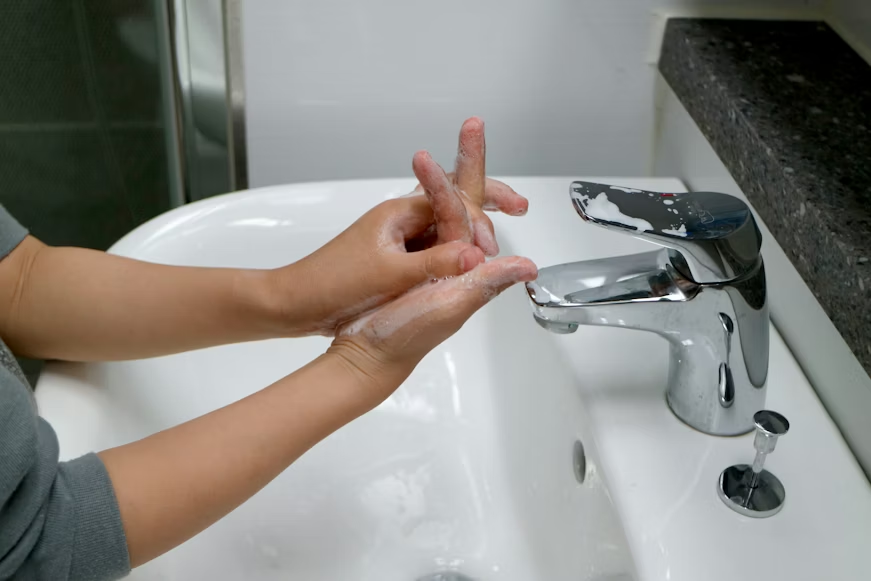
Every year, National Handwashing Awareness Week reminds families, caregivers, and healthcare professionals that preventing illness often begins with a straightforward act: washing our hands. In the world of in-home care, where seniors, adults with disabilities, and medically fragile individuals depend on safe daily support, proper hand hygiene becomes even more critical. Clean hands reduce infections, protect vulnerable clients, and create healthier home environments. Why Handwashing Is Essential in In-Home Care? Handwashing is widely recognized as the most effective, low-cost method of preventing the spread of infections. The Centers for Disease Control and Prevention (CDC) reports that: For aging adults or individuals with weakened immune systems, a simple respiratory or stomach infection can lead to dehydration, hospitalization, and serious complications. That’s why caregivers must treat handwashing as an essential part of the care routine—not a simple step, but a life-preserving one. Common Illnesses Prevented by Proper Handwashing Consistent handwashing can dramatically reduce the spread of: Respiratory Infections Flu, RSV, pneumonia, and common colds often spread through droplets left on surfaces and hands. Gastrointestinal Infections Bacteria and viruses, such as norovirus, are highly contagious and commonly transmitted through touch. Skin and Soft Tissue Infections Handwashing reduces the spread of harmful bacteria, such as Staphylococcus aureus. Eye Infections Touching the face with unwashed hands increases the risk of conjunctivitis. COVID-19 and Other Viral Illnesses Although airborne, many viruses still spread through contaminated hands and surfaces. How Caregivers Can Practice Proper Hand Hygiene? Caregivers should wash their hands: The rule is simple: When in doubt, wash your hands. CDC-Approved Handwashing Steps For handwashing to be effective, it must follow the recommended 20-second cleaning technique: When water is unavailable, use 60%–70% alcohol-based hand sanitizer as a temporary solution. Helping Seniors Maintain Hand Hygiene Many seniors face challenges such as arthritis, mobility limitations, or memory issues. Caregivers can support them by: Simple modifications can help clients maintain independence while staying safe. Building a Clean and Safe Home Environment Good hygiene extends beyond handwashing. Caregivers should also: 🧼Disinfect High-Touch Surfaces Light switches, remote controls, faucets, doorknobs, and handrails. 🧴Keep Hygiene Supplies Stocked Soap, paper towels, sanitizer, wipes, and gloves. 🚪Encourage Visitors to Wash Hands Especially during flu season or after being outdoors. 🩺Follow Proper Care Protocols Clean hands before any care activity to prevent the spread of germs. How Professional Caregivers Strengthen Home Hygiene? Highly trained caregivers understand that clean hands lay the foundation for safety. Their daily routines—meal preparation, medication reminders, mobility assistance, and companionship—require strict attention to infection control. Professional care teams like those at Indy In-Homecare are educated in sanitation practices to ensure every home environment stays safe, healthy, and protected. Additionally, Indy In-Homecare emphasizes ongoing caregiver education, ensuring that hand hygiene protocols are updated in line with CDC and healthcare guidelines. This commitment ensures families receive reliable, safe, and high-quality support every day. Final Thoughts National Handwashing Awareness Week serves as a powerful reminder that even the smallest daily actions can create safer, healthier homes. For seniors and individuals receiving in-home care, proper hand hygiene isn’t optional—it is essential. Care truly begins with clean hands. By prioritizing handwashing, caregivers protect loved ones, prevent illness, and contribute to a healthier community.