
Low Vision Care for Seniors in Indiana: Support for Safety and Independence
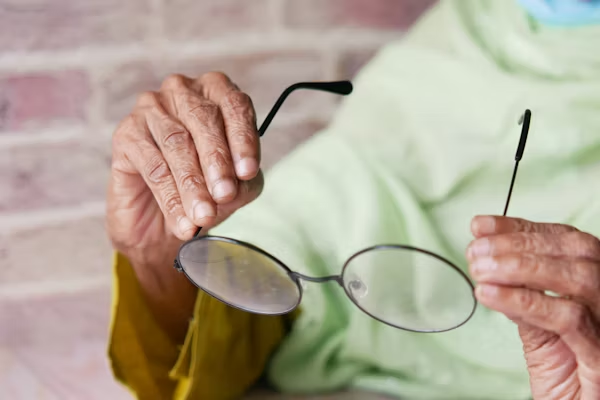
Seniors with low vision face unique challenges that impact their daily routines and overall safety at home. Managing tasks like cooking, navigating their living spaces, and reading labels becomes more difficult, increasing the risk of accidents and loss of independence. In-home care in Indiana offers specialized support tailored to these needs, helping seniors maintain their safety and autonomy. In-home caregivers use strategies such as home modifications, assistive devices, and clear communication to create a safer environment where seniors feel confident and supported. These tailored services empower older adults to live more independently while reducing the risk of falls and other injuries common among those with vision impairments. By combining the expertise of professional caregivers with personalized attention, families in Indiana can ensure their loved ones receive the care necessary to thrive despite vision loss. This approach also provides emotional support and companionship, both vital to well-being. For more on this topic, see how in-home care helps seniors with vision loss in Indiana. Understanding Low Vision in Seniors Low vision in older adults often results from specific eye conditions that progressively affect sight. This impairment can significantly alter how seniors perform daily activities and influence their overall quality of life. Identifying the causes, impacts, and signs is essential for timely support and care. Common Causes of Vision Loss in Older Adults Several eye diseases are the primary contributors to vision loss among seniors. Cataracts cause clouding of the eye’s lens, leading to blurry or dim vision that worsens over time. Glaucoma involves increased pressure inside the eye, which damages the optic nerve and can lead to irreversible vision loss if left untreated. Macular degeneration affects the central part of the retina, impairing the ability to read, recognize faces, and see fine details. Diabetic retinopathy results from diabetes-related damage to retinal blood vessels, causing fluctuating and often deteriorating vision. Regular eye exams can detect these conditions early, allowing for treatments that may slow progression. Impact of Visual Impairment on Daily Life Vision impairment significantly affects seniors’ ability to perform everyday tasks safely and independently. Activities such as reading, cooking, and managing medications become challenging or hazardous. Reduced sight also increases the risk of falls and accidents within the home. Social engagement suffers when seniors struggle to recognize faces or navigate unfamiliar environments. This can lead to isolation and emotional distress. Maintaining independence often depends on adapting living spaces and routines to accommodate shifting vision needs, using tools like magnifiers, high-contrast labels, and improved lighting. Recognizing Signs and Symptoms of Low Vision Early identification of low vision is critical to effectively managing the condition. Seniors may report difficulty reading small print or recognizing faces, even with glasses. They might experience frequent headaches, eye strain, or trouble adjusting to changes in light. Other symptoms include blurred or distorted vision, loss of peripheral sight, and increased sensitivity to glare. Family members and caregivers should watch for behaviors like reluctance to move around independently or sudden withdrawal from activities. Prompt professional evaluation helps determine specific causes and the best course of action. For more detailed information on managing vision loss and improving safety, see how in-home care supports seniors with low vision in Indiana. Key Challenges for Seniors with Low Vision Low vision in older adults creates distinct difficulties that affect daily routines, emotional well-being, and overall life satisfaction. Addressing these challenges requires a clear understanding of how vision loss affects safety, social engagement, and everyday activities. Reduced Independence and Safety risks Seniors with low vision often face increased risks of falls and accidents at home due to difficulty navigating unfamiliar or cluttered spaces. Tasks such as cooking, medication management, or using household appliances become more hazardous without clear visual cues. Reduced ability to read labels, medication instructions, or warning signs can further compromise safety. This loss of independence may lead to reliance on caregivers or family members for routine tasks, affecting their self-confidence. Home modifications like improved lighting, contrasting colors on important objects, and organizing spaces to minimize obstacles can help maintain safety. In-home care services in Indiana often focus on creating secure environments for seniors, supporting their ability to live independently as much as possible. Emotional and Social Implications Vision loss impacts emotional health by increasing feelings of isolation and depression among seniors. Difficulty recognizing faces, reading social cues, or engaging in hobbies can lead to withdrawal from social activities. Without sufficient emotional support, older adults may experience frustration or anxiety related to their decreasing abilities. This can affect motivation to participate in community events or maintain relationships. In-home caregivers provide companionship and help with accessing social opportunities to reduce loneliness. Emotional support tailored to vision-related challenges helps preserve dignity and promotes mental well-being. Barriers to Quality of Life Low vision can substantially limit engagement in meaningful activities that contribute to quality of life, such as reading, crafts, or watching television. Loss of these interests decreases mental stimulation and life satisfaction. Inability to perform everyday tasks independently also affects nutrition, hygiene, and mobility, compounding health issues. Seniors may struggle to adapt without specialized tools or training. Providing aids like magnifiers, talking devices, and tailored activities can improve function. In-home care programs in Indiana frequently emphasize empowering seniors with low vision to maximize their abilities and maintain a fulfilling lifestyle. Regular consultations with vision specialists also support sustained quality of life through adaptive strategies. Role of In-Home Care in Indiana In-home care services provide seniors with low vision with the support they need to maintain safety and independence at home. These services focus on personalized assistance tailored to each individual’s daily challenges and preferences. Benefits of In-Home Care for Low Vision In-home care helps reduce risks associated with vision loss, such as falls and medication errors. Caregivers assist with tasks like meal preparation, housekeeping, and safe navigation around the home. This personalized help ensures seniors maintain autonomy without compromising their safety. Emotional support and companionship also improve mental well-being, which is crucial for low-vision seniors who may experience isolation. Access to transportation and errand assistance enables continued engagement