
Indiana Weather Safety for Seniors: Winter & Summer Guide
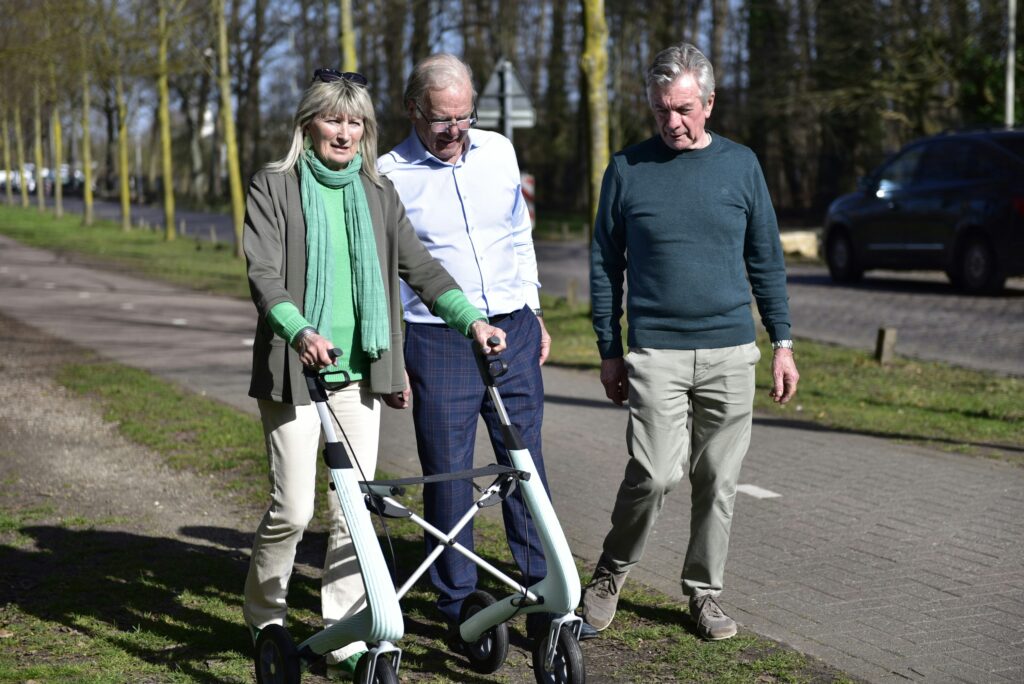
Indiana weather safety for seniors has never been more important. Indiana’s climate is as unpredictable as it is extreme. From bitter polar vortex winters that plunge temperatures well below zero to sweltering summer heat waves pushing triple digits, the Hoosier State presents serious weather-related health risks — especially for older adults. If you have a senior loved one living at home in Indianapolis or anywhere across Indiana, understanding these seasonal dangers and knowing how to prepare can be life-saving. In this guide, we cover the most critical Indiana weather safety tips for seniors, including how to protect elderly loved ones during both winter cold snaps and summer heat waves, and the role professional in-home care plays in keeping seniors safe year-round. Why Indiana Weather Is Especially Dangerous for Seniors Indiana sits at a geographic crossroads where Arctic air masses, Gulf moisture, and Great Plains wind systems collide — making for dramatic and rapid weather changes. For seniors aged 65 and older, these shifts pose compounding health risks: According to the CDC, extreme heat is the leading weather-related cause of death in the U.S., and cold weather contributes to hundreds of thousands of hospitalizations each year. Indiana seniors are among the most at-risk populations. Indiana Winter Weather Safety for Seniors Understanding Indiana’s Winter Threats Indiana winters are no joke. Cities like Indianapolis, Fort Wayne, and South Bend regularly experience: Top Winter Safety Risks for the Elderly 1. Hypothermia: Hypothermia occurs when the body’s core temperature drops below 95°F. Seniors can develop hypothermia even indoors if the home is inadequately heated. Warning signs include uncontrollable shivering, slurred speech, drowsiness, and confusion. If a senior shows these signs, call 911 immediately. 2. Frostbite: Any exposed skin can develop frostbite within minutes during extreme Indiana wind chill events. Fingers, toes, ears, and the nose are most vulnerable. Seniors with poor circulation or diabetes face even greater risk. 3. Winter Falls: Falls are the number one cause of injury in adults over 65, and icy Indiana sidewalks dramatically increase this risk. Hip fractures from winter falls can lead to a cascade of health complications, including pneumonia and long-term mobility loss. 4. Carbon Monoxide Poisoning: When seniors seal up their homes and run heating systems constantly, improperly maintained furnaces, generators, or gas stoves can produce deadly carbon monoxide. This is a hidden winter danger in Indiana homes. 5. Seasonal Affective Disorder (SAD): Long Indiana winters with limited sunlight can trigger or worsen depression and cognitive decline in older adults. Mental health is just as important as physical safety. Winter Safety Checklist for Indiana Seniors Home Preparation: Personal Safety: Medical Preparedness: Indiana Summer Weather Safety for Seniors Understanding Indiana’s Summer Heat Threats Indiana summers can be brutally hot and humid. Indianapolis averages around 20 days per year above 90°F, and heat index values regularly exceed 100°F when humidity is factored in. For seniors, this is a genuine medical emergency risk. Indiana has experienced deadly heat waves — most notably during the July 1995 Chicago heat disaster, which swept into Indiana and killed hundreds across the Midwest. Climate trends suggest these events will become more frequent and more severe in coming decades. Top Summer Safety Risks for the Elderly 1. Heat Stroke: Heat stroke is a life-threatening emergency where the body’s temperature rises above 104°F and the cooling mechanism fails. Unlike heat exhaustion, heat stroke requires immediate 911 response. Warning signs include hot, dry skin (no sweating), rapid pulse, confusion, and loss of consciousness. 2. Heat Exhaustion: Less severe than heat stroke but still dangerous, heat exhaustion presents as heavy sweating, weakness, cold and pale skin, a fast and weak pulse, nausea, and possible fainting. Move the person to a cool place and hydrate immediately. 3. Dehydration: Seniors have a diminished thirst sensation, meaning they often become dangerously dehydrated before they even feel thirsty. Indiana’s humid summer days accelerate fluid loss, and certain medications (diuretics, laxatives) compound this risk dramatically. 4. Air Quality and Ozone: Hot Indiana summers frequently trigger Air Quality Action Days, where ground-level ozone reaches levels hazardous to seniors with asthma, COPD, or heart disease. Outdoor activity on these days should be minimized. 5. Power Outage Risk: Summer thunderstorms, tornadoes, and high heat loads on the electrical grid can cause extended power outages — cutting off air conditioning and putting seniors at extreme risk of heat-related illness within hours. Summer Safety Checklist for Indiana Seniors Home Preparation: Personal Safety: Medical Preparedness: The Role of In-Home Care in Seasonal Senior Safety One of the most powerful tools in protecting Indiana seniors from weather extremes is consistent human connection and professional oversight. Indy In-Homecare provides comprehensive in-home care services designed specifically to keep seniors safe, healthy, and comfortable through every season. How Professional Caregivers Help in Winter A trained caregiver from Indy In-Homecare can: Professional in-home care is often the deciding factor between a senior thriving through winter independently or suffering a preventable cold-weather emergency. How Professional Caregivers Help in Summer During Indiana’s intense summer months, Indy In-Homecare caregivers can: When family members cannot be there every day, a trusted in-home care partner provides peace of mind that someone is watching for weather-related warning signs around the clock. Emergency Resources for Indiana Seniors Every senior and family caregiver in Indiana should have these resources on hand: Creating a Year-Round Weather Safety Plan for Indiana Seniors Reacting to weather emergencies is not enough — Indiana families need a proactive senior safety plan that covers all four seasons. Here’s a simple framework: Final Thoughts: Indiana Seniors Deserve Year-Round Protection Indiana’s weather is both beautiful and unforgiving. The same state that brings golden fall foliage and magnificent spring storms can also deliver polar vortex cold and heat dome emergencies that put senior lives at genuine risk. Preparation, awareness, and consistent support are the three pillars of senior weather safety in Indiana. Whether you are a family caregiver looking for guidance or a senior planning independently, the time to prepare is before the weather turns — not after. And when
How Much Does In-Home Care Cost in 2026?

More than 10,000 Americans turn 65 every day — and roughly 70% of them will eventually need some form of long-term care. As families navigate this reality, in-home care has become one of the most sought-after options, offering seniors the ability to age in place with dignity and independence. But here’s what catches many families off guard: in-home care is not cheap, and costs vary dramatically by location. According to A Place for Mom’s 2026 Costs of Long-Term Care and Senior Living Report, the national median hourly rate hit $34 — a 3% increase from the prior year — with some states charging nearly double what others do. Nearly one in three families ends up spending more than anticipated on home care, often because care decisions are made quickly following a health crisis, hospital discharge, or sudden decline in condition. Planning ahead is everything. This guide breaks down what in-home care costs in every region of the country, what factors drive those prices, how to pay for it, and what families in Indiana should know about local rates. What Is In-Home Care? (And What It Covers) Before diving into costs, it’s important to understand the two main categories of in-home care, as they differ significantly in price: 1. Non-Medical Home Care (Personal Care / Companion Care) 2. Home Health Care (Skilled/Medical Care) Most families budget for non-medical home care. Skilled home health care costs significantly more — typically $85–$120 per hour — but is sometimes partially covered by Medicare for qualifying conditions. National Overview: In-Home Care Costs in 2026 Care Schedule Weekly Hours Estimated Monthly Cost Part-time 10 hrs/week ~$1,472/month Moderate 20 hrs/week ~$2,944/month Full-time 40 hrs/week ~$5,888/month Live-in / 24-7 care 168 hrs/week $10,000–$21,840+/month Monthly estimates use the formula: hourly rate × weekly hours × 4.33 weeks per month. The national median monthly cost — across all schedules — sits at approximately $5,148 per month in 2026 when accounting for typical care arrangements. State-by-State In-Home Care Cost Breakdown (2026) Costs are driven primarily by geography, labor markets, and state regulations — not necessarily the quality of care. Surprisingly, typically high-cost states like California and New York don’t rank among the most expensive for home care. Most Expensive States for In-Home Care State Median Hourly Rate South Dakota $44/hour Vermont $43/hour Montana $42/hour Minnesota $41/hour Washington $40/hour Alaska $39/hour Oregon $38/hour North Dakota $38/hour Mid-Range States for In-Home Care State Median Hourly Rate California $34–$36/hour New York $33–$35/hour Illinois $32–$34/hour Texas $30–$32/hour Florida $30/hour Colorado $33/hour Ohio $30/hour Michigan $30/hour Indiana $31/hour Most Affordable States for In-Home Care State Median Hourly Rate Mississippi $25/hour Alabama $26/hour Louisiana $26/hour West Virginia $28/hour Arkansas $28/hour South Carolina $28/hour Georgia $29/hour Tennessee $29/hour Regional Breakdown: What to Expect by Area Northeast States like Maine, New Hampshire, Connecticut, and Massachusetts range from $35–$42/hour. The region’s strong labor protections and high cost of living push rates above the national median. Useful resource: AARP’s Home Care Cost Calculator can help Northeast families project total annual costs. Southeast Florida is a notable outlier at $30/hour — below the national median despite being a major retirement destination. Competition among agencies in high-senior-density areas keeps prices in check. Mississippi, Alabama, and Louisiana remain the most affordable states in the nation. Midwest The Midwest is a mixed bag. Minnesota sits near $41/hour due to labor shortages, while Indiana, Ohio, and Michigan cluster around $30–$31/hour — making the region relatively affordable for quality care. Mountain West / Pacific Northwest This region is among the most expensive. Washington, Oregon, Montana, and Colorado all exceed the national median significantly. Strong caregiver minimum wage laws and sparse rural populations are key cost drivers. Resource: Genworth Cost of Care Survey provides detailed city-level data updated annually. In-Home Care Costs in Indiana (2026) Indiana sits at a comfortable mid-range nationally, making it more accessible for families than many other states — while still maintaining a strong standard of professional care. Indiana Care Metric 2026 Figure Statewide average hourly rate ~$31/hour Indianapolis average $31–$40/hour Monthly cost (20 hrs/week) ~$2,686–$3,464 Monthly cost (40 hrs/week) ~$5,373–$6,928 Adult day health care (monthly) ~$1,733/month City-level variation within Indiana is meaningful. Rates in Terre Haute can reach $38/hour for specialized care, while Evansville, Kokomo, and smaller cities tend to run below the state average. Local Expert Spotlight: For families throughout central Indiana, Indy In-Home Care offers personalized care plans with transparent, competitive pricing for seniors who want to remain safely at home. Whether you need a few hours of companion care per week or a comprehensive daily care schedule, working with a licensed local agency ensures caregiver accountability, 24/7 support, and proper insurance coverage. Indiana’s Medicaid program — Indiana CHOICE (Community and Home Options to Institutional Care for the Elderly and Disabled) — provides home and community-based waiver services that can significantly offset private pay costs for qualifying seniors. Families should apply early, as waitlists can be long. What Factors Affect In-Home Care Costs? 1. Geographic Location Location is the single biggest variable. Urban vs. rural within a state also matters — city agencies often have more competition, while rural areas face caregiver shortages. 2. Level of Care Required Companion care (errands, companionship) is less expensive than personal care (bathing, dressing), which is less expensive than skilled nursing (wound care, injections). The complexity of the senior’s condition is a primary pricing factor. 3. Hours and Schedule Overnight care, weekend shifts, and holiday care typically carry premium rates. Live-in care is billed differently than hourly care and can sometimes be more cost-effective for seniors needing round-the-clock assistance. 4. Agency vs. Private Hire Licensed home care agencies charge more than independent caregivers, but include background checks, caregiver replacement, liability insurance, workers’ compensation, and 24/7 administrative support. Private hire is cheaper upfront but carries significant legal and liability risk. 5. Specialized Care Needs Conditions like dementia, Parkinson’s disease, ALS, or traumatic brain injury require caregivers with specialized training, which commands higher hourly rates. Memory care-trained companions often cost 15–25% more than standard companions. 6.