
In-Home Care in Indiana: Why More Families Are Choosing Care That Comes Home
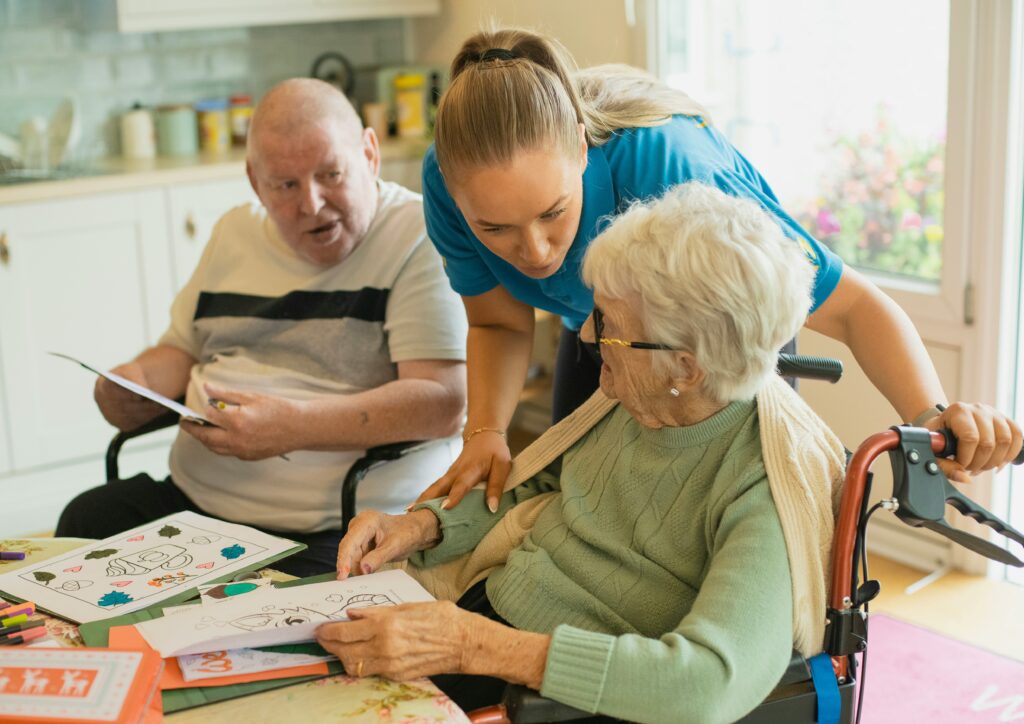
The demand for in-home care in Indiana has never been higher—and the reason is simple. Families want their loved ones to age with dignity, independence, and safety in the place they cherish most: home. Across Indiana, the senior population is rising rapidly. According to the U.S. Census Bureau, adults age 65 and older are one of the fastest-growing age groups nationwide. In Indiana specifically, nearly 1 in 5 residents will be over age 65 within the next few years, creating a significant need for reliable senior support services. For many families, the solution is clear: personalized, compassionate in-home care in Indiana. The Growing Need for In-Home Care in Indiana Indiana’s aging trend is not slowing down. Even more telling? Research consistently shows that over 90% of seniors prefer aging in place rather than moving into nursing facilities. This overwhelming preference is why in-home care in Indiana continues to expand as a trusted and practical solution. Why Seniors Prefer Aging at Home Home is more than a building. It’s routine, memories, comfort, and independence. Choosing in-home care in Indiana allows seniors to: Studies show that seniors receiving structured home care often experience better medication management and improved overall well-being compared to those without support. The Hidden Cost of Family Caregiving Indiana families are stepping up in big numbers. According to AARP, approximately 790,000 family caregivers in Indiana provide hundreds of millions of hours of unpaid care each year, valued at over $10 billion annually. While this dedication is admirable, it can also lead to: Professional in-home care in Indiana doesn’t replace family love—it strengthens it by easing the burden. Health Conditions Driving the Demand Chronic conditions are a major factor in the need for care. Having trained caregivers available at home improves safety, reduces fall risks, and ensures early detection of health changes. At Indy In-Home Care, care plans are built around these realities—providing both preventive support and hands-on assistance tailored to each individual’s needs. Comparing In-Home Care in Indiana to Facility Care When families evaluate options, cost and comfort are major considerations. Cost Perspective Comfort Perspective In-home care offers: For seniors who do not require 24/7 skilled nursing supervision, in-home care in Indiana is often the ideal balance between safety and freedom. What Services Are Included? Quality in-home care in Indiana can include: ✔ Personal hygiene assistance✔ Medication reminders✔ Meal preparation✔ Light housekeeping✔ Mobility and fall prevention✔ Transportation to appointments✔ Companionship and social engagement At Indy In-Home Care, every service plan is customized because no two families are alike. Some clients need only a few hours per week, while others require more consistent daily support. The Emotional Impact of Staying Home Statistics show seniors who remain in familiar environments often experience: The psychological benefit of aging at home is difficult to measure in numbers—but families see the difference immediately. That’s the heart behind professional in-home care in Indiana—preserving not just health, but happiness. The Future of Senior Care in Indiana Indiana’s senior population will continue to grow for the next two decades. As healthcare evolves, home-based support is expected to expand even further. Experts predict: The future of elder care isn’t institutional—it’s individualized. And that’s exactly why families across the state are choosing Indy In-Home Care for compassionate, reliable support delivered right where it matters most. Final Thoughts The numbers don’t lie. Indiana’s population is aging rapidly. Most seniors want to remain at home. Families are stretched thin trying to manage caregiving responsibilities alone. That’s why In-Home Care in Indiana is more than a service—it’s a solution built on dignity, independence, and peace of mind. When care comes home, comfort stays.
American Heart Month & Heart Health Awareness

Every February, the United States recognizes American Heart Month, a nationwide campaign dedicated to raising awareness about heart disease prevention, cardiovascular health, and heart-healthy living. If you live in Indiana and care for aging parents or loved ones, this month serves as an important reminder: heart disease remains the leading cause of death in America. At Indy In-Homecare, we see firsthand how heart health impacts seniors and families across Indiana. February is not just about wearing red—it’s about education, prevention, and taking real steps toward protecting the heart. The History and Background of American Heart Month American Heart Month was first proclaimed in 1964 by President Lyndon B. Johnson, who had personally experienced a heart attack. Since then, February has become a national observance supported by organizations like the American Heart Association and the Centers for Disease Control and Prevention. One of the most recognized campaigns during this month is Go Red for Women, which highlights the unique symptoms and risks of heart disease in women. Why February? While heart disease awareness is important year-round, February provides a focused time to: Why Heart Disease Is a Serious Concern in Indiana Heart disease affects millions of Americans each year, and Indiana has seen its share of cardiovascular health challenges. Key risk factors include: For seniors, the risk increases significantly. That’s why heart health for seniors should be a top priority during American Heart Month. Top Heart Health Statistics You Should Know Understanding the numbers makes the message clear: These statistics highlight why preventive care, especially for older adults, is essential. Recognizing Heart Disease Symptoms Knowing the early signs of heart disease can save lives. Common Heart Attack Symptoms: Stroke Warning Signs (FAST Method): Women and seniors may experience more subtle symptoms, which makes awareness during American Heart Month even more critical. Heart-Healthy Lifestyle Tips for February (and Beyond) American Heart Month encourages simple, daily changes that make a big difference. 1. Monitor Blood Pressure Regularly High blood pressure is known as the “silent killer.” Routine monitoring helps prevent complications like heart attacks and strokes. 2. Eat a Heart-Healthy Diet Focus on: Reduce processed foods, added sugars, and excessive salt intake. 3. Stay Physically Active Even moderate activity like walking 30 minutes a day can: 4. Manage Stress Chronic stress can increase heart disease risk. Meditation, prayer, social engagement, and relaxation techniques can help maintain cardiovascular health. 5. Quit Smoking Smoking damages blood vessels and increases heart attack risk significantly. The Importance of In-Home Care for Heart Health For many seniors in Indiana, managing heart conditions can be overwhelming. Medication schedules, dietary needs, and doctor appointments require consistent attention. This is where professional caregivers make a difference. At Indy In-Homecare, we support seniors with: Having trusted in-home support can significantly improve quality of life and reduce hospital readmissions for heart-related conditions. Heart Disease Prevention for Seniors Aging in Place Many older adults prefer aging in place, staying in the comfort of their own homes. However, heart conditions can complicate independent living. In-home care services in Indiana can help seniors: During American Heart Month, families should evaluate whether their loved ones have adequate support for heart health management. American Heart Month Activities You Can Participate In Looking for ways to get involved this February? Even small actions create long-term cardiovascular benefits. The Connection Between Home Care and Heart Health Heart disease management is not just about doctor visits—it’s about daily habits. Seniors recovering from heart surgery, heart attacks, or living with congestive heart failure often need ongoing support. Quality in-home care helps by: For Indiana families, partnering with reliable caregivers during American Heart Month is a proactive step toward heart disease prevention. Why February Is the Perfect Time to Take Action American Heart Month serves as a yearly reminder that heart health cannot be ignored. Prevention is always more effective—and less costly—than emergency treatment. Ask yourself: If the answer to any of these questions is uncertain, February is the ideal time to create a heart health plan. Final Thoughts: Protecting Hearts Across Indiana American Heart Month is more than a calendar observance—it’s a call to action. By focusing on heart disease prevention, cardiovascular health education, and heart-healthy living, families can significantly reduce risks. Whether it’s encouraging better nutrition, scheduling screenings, or ensuring seniors have daily support, every step matters. This February, take the opportunity to prioritize heart health—for yourself and for those you love. ❤️
Essential Legal Documents for Seniors in Indiana

Let’s talk about something most families avoid until it’s urgent—legal documents. No one likes thinking about incapacity, medical emergencies, or end-of-life decisions. But here’s the truth: having the right legal documents in place isn’t about expecting the worst. It’s about creating peace mind for yourself and your family. If you’re planning on aging place in Indiana, preparation is everything. Aging place means staying in the comfort of your own home instead of moving to a facility. But aging place also requires careful planning, especially when it comes to legal documents, medical information access, and decision-making authority. Without the proper legal documents, families can face delays, court involvement, or confusion about loved wishes. And during stressful medical moments, the last thing anyone wants is paperwork chaos. That’s why seniors working with trusted local providers like Indy In-Homecare are encouraged to organize essential documents early. Whether coordinating care, sharing medical information, or ensuring a smooth transition during emergencies, having everything prepared makes caregiving simpler and less stressful. In this guide, we’ll walk through the five legal documents every senior should have, especially if aging place in Indiana. These documents protect your finances, your medical power, your loved wishes, and ultimately your peace mind. Let’s break it down clearly and simply. Understanding the Importance of Legal Documents for Seniors Legal documents are not just for the wealthy. They’re for anyone who wants control. Control over healthcare, control over finances, control over who speaks for you if you cannot. When seniors don’t have updated legal documents, families often struggle. Imagine trying to access medical information without a HIPAA release. Or attempting to pay bills without a power attorney. It can quickly turn into a legal maze. How Legal Documents Protect Your Loved Wishes Your loved wishes matter. But if they’re not written down in legally valid documents, they can easily be misunderstood or challenged. For example: Without proper legal documents, state law steps in. And state law doesn’t know your personal preferences. By creating a power attorney, medical power attorney, and proper release authorization, you clearly define who acts on your behalf. This protects your loved wishes and prevents family disputes. Why Aging Place Requires Proper Planning Aging place often involves coordination between caregivers, doctors, and family members. Organizations like Indy In-Homecare frequently work alongside families to ensure seniors remain safe and comfortable at home. But without: Care coordination becomes difficult. Having these legal documents in place ensures that when support is needed, decisions can be made quickly and respectfully. That’s the foundation of peace mind. 1. Last Will and Testament A Last Will and Testament is one of the most recognized legal documents—but it’s often misunderstood. A will primarily handles what happens after you pass away. It outlines how your assets are distributed and ensures your loved wishes are honored. How a Will Protects Loved Wishes Your will answers key questions: Without a will in Indiana, intestate laws decide for you. That may not reflect your loved wishes at all. A properly drafted will ensures: It also names an executor—the person responsible for handling your affairs. Avoiding Probate Stress in Indiana Probate can be time-consuming and public. While some assets may still go through probate, a clear will minimizes confusion. Families who lack organized legal documents often experience: Preparation prevents these headaches. Common Mistakes Seniors Make with Legal Documents Many seniors: Regular reviews ensure your legal documents stay aligned with your current life situation. 2. Durable Power Attorney A Durable Power Attorney—often referred to simply as power attorney—is one of the most important legal documents for seniors. This document allows someone you trust to manage financial matters if you’re unable to do so. What Is a Power Attorney and Why It Matters A power attorney grants authority to: The “durable” part means it remains effective even if you become incapacitated. Without a power attorney, families may need court-appointed guardianship. That’s costly and stressful. Financial Protection Through Power Attorney When seniors are aging place, financial continuity is crucial. Bills must be paid. Care services must be coordinated. If you’re working with Indy In-Homecare, having a durable power attorney ensures seamless billing and financial coordination. No delays. No court involvement. Just smooth support. Choosing the Right Agent for Power Attorney Choose someone: You may also name a backup agent. This role carries serious responsibility, so thoughtful selection is key. 3. Medical Power Attorney A medical power attorney gives someone authority to make healthcare decisions on your behalf. It’s different from financial power attorney. It focuses solely on medical power. What Is a Medical Power and How It Works Medical power allows your chosen agent to: Without a medical power attorney, doctors may be limited in what medical information they can share—even with close family. Medical Power Attorney vs. Living Will A medical power attorney appoints a person. A living will outlines treatment preferences. Both are important. Medical power ensures someone can interpret and apply your loved wishes in real time. Ensuring Medical Information Access with HIPAA Release Even with medical power, a HIPAA release is critical. This legal document allows healthcare providers to share medical information with designated individuals. Without a HIPAA release: A simple release authorization can prevent enormous stress. 4. HIPAA Release and Release Authorization Privacy laws protect your medical information—but they can unintentionally block loved ones from helping. A HIPAA release gives permission for medical information to be shared. Why HIPAA Release Is Critical for Families Imagine a hospital calling but refusing to provide updates because no HIPAA release exists. It happens more often than people realize. A proper release authorization ensures: How Release Authorization Protects Medical Information A release authorization clearly lists: This protects your privacy while empowering trusted individuals. When Village Caregiving Teams Need Proper Documentation Village caregiving often involves a team approach—family, nurses, aides, and care coordinators. When seniors receive support from providers like Indy In-Homecare, having proper medical power attorney and HIPAA release documentation ensures smooth collaboration. Village caregiving works best when everyone communicates openly and legally.
Simple and Natural Anxiety Relief for Seniors Living at Home
Anxiety is one of the most common nuisances seniors face, often affecting sleep, emotional balance, and daily activities overall. Many older adults want relief but don’t need complicated programs or medication to feel calmer. With simple mindfulness practices and the support that caregivers help provide, seniors can improve their quality of life at home in just minutes a day. These natural methods—breathing exercises, meditation, yoga, and relaxation techniques—can help older adults stay grounded, confident, and emotionally steady. Why Seniors Experience Anxiety? According to the National Council on Aging, anxiety affects a large number of older adults and can become a nuisance for seniors, disrupting sleep, mood, and daily routines. Concerns about health changes, shifting independence, and life transitions can cause emotional strain. But aging doesn’t define golden years—what matters is how we support well-being. The good news is that natural mindfulness practices have proven benefits, reducing stress, improving sleep, and fostering more peaceful daily activities overall. Even just a few minutes a day can yield meaningful results. Mindfulness: A Simple Way to Feel Calmer Mindfulness isn’t about perfection—it’s about paying attention to the present moment. Seniors don’t need hours of practice; even just a few minutes a day can create emotional relief. With mindfulness, older adults can: This approach makes the golden years good by helping seniors stay mentally and emotionally supported at home. Caregivers help reinforce mindfulness by reminding loved ones to pause, breathe, and relax throughout the day. At Indy In-Homecare, caregivers help seniors practice grounding techniques safely and comfortably. Breathing Exercises for Stress Relief Breathing is one of the fastest, easiest ways to reduce anxiety. Slow and steady breathing activates the body’s calming response, helping the mind settle. Seniors can try: Repeating this cycle, even for just a few minutes, can relieve tension and support better emotional control. These exercises can be done anytime—before bed, in the morning, or whenever anxiety appears. Meditation at Home Meditation helps reduce stress by quieting mental noise. It allows older adults to observe thoughts without reacting emotionally. Seniors don’t need perfect silence or advanced training to start—a comfortable chair, soft lighting, and a few minutes of attention are enough. Daily meditation may also: With guidance from family or caregivers, meditation can become a sustainable wellness habit. At Indy In-Homecare, caregivers help seniors build personalized routines that fit their needs and comfort levels. Yoga for Strength, Balance, and Peace Yoga seniors programs are increasingly popular because they offer physical and emotional benefits. Gentle movements can: Yoga also pairs perfectly with breathing and mindfulness routines. Seniors who integrate yoga into their day often feel calmer and more connected to their bodies. Many exercises can be done in a chair, so mobility limitations aren’t a barrier. This is another example of how aging doesn’t define golden—what counts is finding support and habits that nurture body and mind. Improving Sleep Naturally One major challenge in older adulthood is sleep disruption. Anxiety can cause: When sleep becomes disruptive daily, it can affect mood, memory, and the ability to complete daily sleep activities. Meditation and slow breathing before bed can ease the mind, leading to deeper rest and fewer nighttime interruptions. Mindfulness practices can reduce the nuisance of seniors disrupting sleep and help restore calm transitions into bedtime. Mindfulness with Caregiver Support While some seniors enjoy practicing mindfulness independently, others feel more confident with guidance. Caregivers help with: Support from loved ones reinforces motivation and consistency. At Indy In-Homecare, caregivers help seniors integrate wellness tools that align with their personal needs, lifestyle, and comfort levels. A More Peaceful Life Is Within Reach Older adults don’t need complicated systems or expensive equipment. Even just minutes a day of: It can significantly reduce anxiety and improve emotional health at home. Mindfulness helps remind seniors that golden years are good and meaningful—filled with opportunities to find peace, balance, and daily joy. With patience, practice, and proper support, seniors can feel calmer, better rested, and more in control of daily activities—one mindful moment at a time.
Honoring Veterans with Dedicated In-Home Care: Support, Service & the Sacrifice of Our Heroes

Veterans are among the most respected members of our society—heroes whose commitment, sacrifice, and lives have shaped the freedoms we enjoy today. As they age, many veterans require compassionate in-home care that supports independence, strengthens emotional well-being, and improves their daily quality of life. Today, in-home services are among the most effective ways to support veterans, providing them with the personalized assistance and comfort they deserve. According to the U.S. Census Bureau, there are 16.2 million veterans in the United States, and nearly 50% are age 65 or older. Additionally, 3.8 million veterans live with a service-connected disability, making specialized in-home support essential. As the veteran population ages, the need for accessible, professional, and reliable in-home care continues to grow. This is where providers like Indy In-Homecare make a meaningful difference, offering personalized care that meets veterans in the place they feel safest—their home. Why In-Home Care Is Essential for Veterans? Personalized Daily Support Veterans often require personal care such as bathing, grooming, dressing, mobility assistance, and meal preparation. In-home caregivers deliver these services with respect and dignity, allowing veterans to remain independent. Specialized Assistance for Service-Related Conditions Whether a veteran is managing chronic pain, limited mobility, traumatic injuries, or post-service disabilities, professional home care provides tailored support. In-home care plans ensure that their unique needs are consistently addressed. Emotional & Mental Health Support Over 11% of veterans experience PTSD, and many face loneliness or isolation. In-home caregivers offer steady companionship and emotional support, helping veterans stay connected and engaged in life. Honoring Heroes Through Daily In-Home Assistance Providing home care is a powerful way of honoring heroes who dedicated their lives to national service. In-home caregivers work one-on-one with veterans, offering the stability and routine they need to thrive. Through support, encouragement, and reliable daily assistance, caregivers help veterans achieve: Whether the goal is long-term care or short-term recovery, in-home care empowers veterans to live life on their own terms. Veterans Day & The Importance of Continuous Care Every year, Veterans Day reminds us to celebrate the lives of protected brave men who defended our nation. It’s a time when communities gather to honor veterans, care veterans day activities take place, and families reflect on the freedoms we enjoy. But the need for care doesn’t end when the holiday does. Veterans deserve year-round recognition—not only through ceremonies, but through reliable home care veterans services that acknowledge their sacrifices daily. Many veterans rely on in-home care to stay safe, healthy, and engaged in meaningful routines. Thanks to organizations like Indy In-Homecare, veterans can today enjoy freedoms made possible by their own sacrifice. Through ongoing care, we help ensure the freedoms protected by the brave actions of our service members remain valued. How In-Home Care Helps Veterans Live Safely at Home? Independence & Comfort More than 77% of older adults prefer to age at home. Veterans especially value their independence, and in-home care allows them to stay where they feel most comfortable. Professional Medical Coordination Many veterans require specialized medical attention. Professional home care helps manage chronic illnesses, medication routines, recovery care, and health monitoring—right from the comfort of home. Help with Everyday Living From transportation to grocery shopping to household tasks, in-home caregivers provide essential daily support that helps ensure a safe and stable lifestyle. Tailored Care for Every Situation Whether it’s short-term recovery or lifelong support, in-home care adapts to the veteran’s changing needs. This flexibility ensures long-term safety and satisfaction. With dedicated assistance from Indy In-Homecare, veterans receive dependable attention that honors their contributions and supports their well-being. Conclusion: Continuing the Sacrifice Through Compassionate Care Veterans gave their strength, service, and courage to protect our nation. The best way we can give back is by offering high-quality in-home care that respects their independence and honors their legacy. Through personalized care plans, daily living support, emotional companionship, and professional in-home assistance, we help veterans maintain dignity and comfort—ensuring their sacrificed lives—qualities continue to inspire future generations. In-home care is more than a service; it is a meaningful way to help live, respect service, and honor the heroes who protected us.
Low Vision Care for Seniors in Indiana: Support for Safety and Independence

Seniors with low vision face unique challenges that impact their daily routines and overall safety at home. Managing tasks like cooking, navigating their living spaces, and reading labels becomes more difficult, increasing the risk of accidents and loss of independence. In-home care in Indiana offers specialized support tailored to these needs, helping seniors maintain their safety and autonomy. In-home caregivers use strategies such as home modifications, assistive devices, and clear communication to create a safer environment where seniors feel confident and supported. These tailored services empower older adults to live more independently while reducing the risk of falls and other injuries common among those with vision impairments. By combining the expertise of professional caregivers with personalized attention, families in Indiana can ensure their loved ones receive the care necessary to thrive despite vision loss. This approach also provides emotional support and companionship, both vital to well-being. For more on this topic, see how in-home care helps seniors with vision loss in Indiana. Understanding Low Vision in Seniors Low vision in older adults often results from specific eye conditions that progressively affect sight. This impairment can significantly alter how seniors perform daily activities and influence their overall quality of life. Identifying the causes, impacts, and signs is essential for timely support and care. Common Causes of Vision Loss in Older Adults Several eye diseases are the primary contributors to vision loss among seniors. Cataracts cause clouding of the eye’s lens, leading to blurry or dim vision that worsens over time. Glaucoma involves increased pressure inside the eye, which damages the optic nerve and can lead to irreversible vision loss if left untreated. Macular degeneration affects the central part of the retina, impairing the ability to read, recognize faces, and see fine details. Diabetic retinopathy results from diabetes-related damage to retinal blood vessels, causing fluctuating and often deteriorating vision. Regular eye exams can detect these conditions early, allowing for treatments that may slow progression. Impact of Visual Impairment on Daily Life Vision impairment significantly affects seniors’ ability to perform everyday tasks safely and independently. Activities such as reading, cooking, and managing medications become challenging or hazardous. Reduced sight also increases the risk of falls and accidents within the home. Social engagement suffers when seniors struggle to recognize faces or navigate unfamiliar environments. This can lead to isolation and emotional distress. Maintaining independence often depends on adapting living spaces and routines to accommodate shifting vision needs, using tools like magnifiers, high-contrast labels, and improved lighting. Recognizing Signs and Symptoms of Low Vision Early identification of low vision is critical to effectively managing the condition. Seniors may report difficulty reading small print or recognizing faces, even with glasses. They might experience frequent headaches, eye strain, or trouble adjusting to changes in light. Other symptoms include blurred or distorted vision, loss of peripheral sight, and increased sensitivity to glare. Family members and caregivers should watch for behaviors like reluctance to move around independently or sudden withdrawal from activities. Prompt professional evaluation helps determine specific causes and the best course of action. For more detailed information on managing vision loss and improving safety, see how in-home care supports seniors with low vision in Indiana. Key Challenges for Seniors with Low Vision Low vision in older adults creates distinct difficulties that affect daily routines, emotional well-being, and overall life satisfaction. Addressing these challenges requires a clear understanding of how vision loss affects safety, social engagement, and everyday activities. Reduced Independence and Safety risks Seniors with low vision often face increased risks of falls and accidents at home due to difficulty navigating unfamiliar or cluttered spaces. Tasks such as cooking, medication management, or using household appliances become more hazardous without clear visual cues. Reduced ability to read labels, medication instructions, or warning signs can further compromise safety. This loss of independence may lead to reliance on caregivers or family members for routine tasks, affecting their self-confidence. Home modifications like improved lighting, contrasting colors on important objects, and organizing spaces to minimize obstacles can help maintain safety. In-home care services in Indiana often focus on creating secure environments for seniors, supporting their ability to live independently as much as possible. Emotional and Social Implications Vision loss impacts emotional health by increasing feelings of isolation and depression among seniors. Difficulty recognizing faces, reading social cues, or engaging in hobbies can lead to withdrawal from social activities. Without sufficient emotional support, older adults may experience frustration or anxiety related to their decreasing abilities. This can affect motivation to participate in community events or maintain relationships. In-home caregivers provide companionship and help with accessing social opportunities to reduce loneliness. Emotional support tailored to vision-related challenges helps preserve dignity and promotes mental well-being. Barriers to Quality of Life Low vision can substantially limit engagement in meaningful activities that contribute to quality of life, such as reading, crafts, or watching television. Loss of these interests decreases mental stimulation and life satisfaction. Inability to perform everyday tasks independently also affects nutrition, hygiene, and mobility, compounding health issues. Seniors may struggle to adapt without specialized tools or training. Providing aids like magnifiers, talking devices, and tailored activities can improve function. In-home care programs in Indiana frequently emphasize empowering seniors with low vision to maximize their abilities and maintain a fulfilling lifestyle. Regular consultations with vision specialists also support sustained quality of life through adaptive strategies. Role of In-Home Care in Indiana In-home care services provide seniors with low vision with the support they need to maintain safety and independence at home. These services focus on personalized assistance tailored to each individual’s daily challenges and preferences. Benefits of In-Home Care for Low Vision In-home care helps reduce risks associated with vision loss, such as falls and medication errors. Caregivers assist with tasks like meal preparation, housekeeping, and safe navigation around the home. This personalized help ensures seniors maintain autonomy without compromising their safety. Emotional support and companionship also improve mental well-being, which is crucial for low-vision seniors who may experience isolation. Access to transportation and errand assistance enables continued engagement
Older Adults: Top 5 Tools to Manage Finances
Managing finances can become challenging as we grow older. For many seniors and older adults, understanding where money goes each month and how to plan for future needs is not always easy—especially with technology and costs changing rapidly. That’s where the right tools and smart tips for managing finances can make life simpler, safer, and more secure. This guide highlights the best money management apps, online tools to help older adults manage finances, and practical ways to reduce costs and prevent financial abuse. Whether you’re a senior, caregiver, or family member, these insights can help ensure financial stability and confidence in every stage of life. Why Financial Management Is Crucial for Seniors? As seniors transition into retirement, regular income streams may decline while expenses like healthcare, medication, and senior housing increase. Without a proper budget, it’s easy for older adults to feel overwhelmed. Managing finances effectively helps control living expenses, avoid debt, and protect savings from fraud or mismanagement. Maintaining financial independence also preserves dignity. When older adults manage finances successfully, they remain in charge of their choices—planning for travel, medical care, or simply enjoying daily life. Common Financial Challenges Older Adults Face Understanding financial challenges is the first step toward overcoming them. Here are some of the most common difficulties faced by elderly persons: Fortunately, modern tools and technology can help older adults take control of their finances safely and effectively. Top 5 Tools to Help Older Adults Manage Finances Finding the right financial tools can transform how older adults manage money. Below are five excellent, senior-friendly money management apps and platforms that make managing finances at home easier and safer. Empower (formerly Personal Capital) Best for: Retirement planning and overall financial tracking Empower offers a free dashboard that connects all your accounts—checking, savings, investments, and retirement—so you can view your total finances in one place. It tracks spending habits, budget categories, and net worth, helping seniors plan for the long term. Why seniors use it: Empower is perfect for older adults who want to monitor their savings and ensure their retirement income covers their living expenses. You Need a Budget (YNAB) Best for: Hands-on budgeting and expense control YNAB focuses on giving every dollar a purpose. It teaches practical budget-simple habits that work well for seniors who are managing fixed incomes. The app connects to bank accounts, helps adults manage finances, and prevents overspending by showing exactly where each cent goes. Why seniors use it: YNAB can help older adults manage finances home by providing a daily structure and helping them stay mindful about spending habits. EverSafe Best for: Protecting against financial abuse and fraud EverSafe is specifically designed to help older adults by monitoring bank accounts, credit cards, and investments for suspicious activity. It detects unusual transactions, missing deposits, or sudden spending changes—and sends alerts to trusted family members. Why seniors use it: This tool offers peace of mind as a digital safeguard—ensuring an older adult’s hard-earned money remains secure. Rocket Money (formerly Truebill) Best for: Cutting unnecessary expenses and saving on bills Rocket Money identifies recurring subscriptions and negotiates lower bills. It’s one of the best tools to help older adults reduce living expenses without a complex setup. Seniors can cancel unwanted services, lower insurance premiums, and track their monthly budget in one app. Why seniors use it: For seniors trying to stretch their retirement funds, Rocket Money is a practical, stress-free solution. True Link Financial Best for: Safe, controlled spending with family oversight Actual Link offers a prepaid Visa card and digital account designed specifically for older adults. Caregivers can set spending limits, block specific merchants, and view transactions in real-time—ideal for those who want independence with a layer of security. Why seniors use it: Actual Link is excellent for families or caregivers who want to help older adults manage funds safely while maintaining trust and transparency. How to Use Financial Tools Effectively Having great apps and platforms is one thing, but knowing how to use them is key. Here are a few practical tips managing finances at home with these tools: By combining technology and awareness, older adults can achieve balance, control, and peace of mind in their financial journey. Tips for Managing Finances at Home Even with technology, traditional finance habits still matter. Here are essential strategies to complement your digital tools: Create and Maintain a Simple Budget A budget simple helps you track money easily. Write down all income sources and fixed costs such as rent, groceries, or senior housing. Set aside a small portion for medical emergencies. Regular updates ensure your finances stay on track. Manage Spending Habits Regularly check where the money goes. Many seniors find that small recurring costs—like streaming services or memberships—quietly add up. Reviewing them monthly helps prevent waste and improve savings. Protect Yourself from Financial Abuse Never share passwords or banking information over phone or email. Enable two-factor authentication on all online accounts and stay cautious of offers that sound “too good to be true.” Apps like EverSafe make this easier. Seek Help When Needed Sometimes, professional assistance is invaluable. Organizations like Indy In-Homecare can guide older adults manage finances home, connecting them to trustworthy services and programs that simplify daily life and financial responsibilities. How Caregivers Can Help Older Adults Manage Finances Family members or caregivers can help bridge the gap between technology and daily needs. Supporting older adults finances doesn’t mean taking control—it means empowering them. Ways caregivers can assist: Professional caregivers from Indy In-Homecare also extend support beyond medical assistance—helping seniors use trusted tools and maintain financial confidence at home. Reducing Living Expenses Without Compromising Quality Keeping living expenses under control doesn’t mean cutting joy out of life. Here’s how older adults manage savings more efficiently: These small actions and effective tools can significantly reduce living expenses without sacrificing comfort. Practical Steps for Safe Financial Management To wrap all these strategies together, here’s a step-by-step guide for managing finances home safely: Final Thoughts Financial management for seniors isn’t about mastering every new
Wound Care in Indiana: Expert In-Home Healing Support

Wound care is one of patient recovery’s most delicate and vital aspects. Whether caused by surgery, chronic illness, pressure injuries, or trauma, wounds require consistent monitoring, medical precision, and compassionate care. For many families in Indiana, in-home specialized wound care has become a preferred and effective alternative to hospital stays — offering professional medical support right at home. In-homecare providers deliver personalized wound management that accelerates recovery, improves comfort, reduces infection risk, and enhances the patient’s overall quality of life. This post explores how specialized wound care in Indiana’s homecare settings transforms healing journeys across the state. Understanding Specialized Wound Care Specialized wound care goes far beyond simple dressing changes. It involves medical expertise in assessing, cleaning, and managing complex wounds — such as diabetic ulcers, pressure sores, surgical incisions, and traumatic injuries. The process often includes: By understanding the type and severity of a wound, caregivers can design individualized care plans tailored to the patient’s unique medical needs. Why In-Homecare Matters in Wound Healing? Recovering at home provides emotional comfort and reduces exposure to hospital-based infections. However, wound management requires technical skill and vigilance — which is where professional In-home care services come in. Trained caregivers and licensed nurses bring hospital-grade care to patients’ homes, combining clinical expertise with compassionate attention. They ensure that wound treatment protocols are followed precisely while offering emotional reassurance and daily support. Key Benefits of In-Home Wound Care Faster Recovery: Home environments promote relaxation, reducing stress hormones that can slow healing. Infection Control: With strict hygiene practices and sterile supplies, caregivers reduce the risk of wound infections. Personalized Treatment: Every patient receives customized care, including wound dressing schedules, mobility support, and nutrition plans. Cost-Effective Healing: In-homecare eliminates extended hospital stays, reducing medical expenses while maintaining high-quality treatment. Convenience for Families: Loved ones can participate in care routines and monitor progress closely. Types of Wounds That Require Specialized Care Not all wounds are alike. Some require specialized medical attention to prevent complications. Typical cases where in-home wound care becomes essential include: Surgical Wounds Post-surgical incisions require sterile dressing changes and close monitoring for signs of infection. Homecare nurses ensure timely cleaning, dressing, and evaluation to prevent delayed healing or reopening of the wound. Pressure Ulcers (Bedsores) Patients who are bedridden or have limited mobility are prone to pressure ulcers. In-home caregivers reposition patients regularly, use pressure-relieving mattresses, and keep the skin dry and protected. Diabetic Ulcers People with diabetes often experience poor circulation, making wounds slow to heal. Specialized care focuses on wound cleaning, infection control, and blood sugar management to promote tissue regeneration. Traumatic and Burn Wounds Injuries or burns need consistent cleaning, pain management, and moisture-balancing dressings. Homecare professionals provide gentle handling and emotional support during recovery. Venous or Arterial Ulcers These wounds are linked to circulatory disorders. Care involves compression therapy, wound monitoring, and doctor coordination for ongoing treatment. Advanced Wound Care Techniques Used in Homecare Modern wound care has evolved significantly. Indiana’s in-homecare services now integrate advanced medical techniques for better healing outcomes. These include: Negative Pressure Wound Therapy (NPWT) Also known as wound vac therapy, this method uses controlled suction to remove fluids and promote tissue growth. It’s especially effective for deep or chronic wounds. Debridement The removal of dead tissue helps new, healthy tissue to form. Skilled nurses perform this carefully to minimize discomfort and encourage faster healing. Moist Wound Healing Specialized dressings maintain a moist environment, which speeds cell regeneration and reduces scarring. Infection Control Measures Antibiotic ointments, sterile dressings, and strict hygiene protocols minimize bacterial growth and complications. Nutritional Support Caregivers encourage protein-rich diets, hydration, and vitamin supplementation to aid natural wound healing. The Role of Caregivers and Nurses in Specialized Wound Care In-home care isn’t just about medical attention but human connection and understanding. Caregivers play multiple roles during wound recovery: This collaborative approach ensures that the patient receives comprehensive, consistent support. When to Consider In-Home Specialized Wound Care? Families should consider professional wound care at home when: Early intervention by trained professionals can prevent complications and ensure better recovery outcomes. How In-Home Wound Care Improves Quality of Life? Beyond physical healing, specialized wound care has profound emotional and psychological benefits. Being treated at home restores patients’ dignity, independence, and peace. Improved Mental Health Homecare reduces stress and depression linked to extended hospital stays. Familiar surroundings foster a sense of safety and optimism. Enhanced Family Involvement Loved ones become active participants in the recovery journey, strengthening emotional bonds. Greater Comfort and Privacy Receiving care at home eliminates the discomfort of clinical environments while maintaining high standards of hygiene and professionalism. The Importance of Consistency in Wound Care Consistency is key to recovery. Irregular wound cleaning or improper dressing techniques can lead to infections or tissue breakdown. Homecare professionals follow strict schedules and protocols, ensuring each step — from cleaning to redressing — is done with precision and care. They also track progress through regular documentation and share updates with physicians to adjust treatment plans as needed. Specialized Training and Certification in Wound Care In Indiana, professional caregivers who handle wound care often undergo specialized training. Certifications such as Wound Care Certified (WCC) or Certified Wound Specialist (CWS) indicate advanced knowledge in tissue repair, infection prevention, and clinical wound management. These professionals can safely handle even the most complex wound cases within a home environment. How Indy In-Homecare Supports Specialized Wound Care in Indiana? Indy In-Homecare stands among Indiana’s trusted providers of compassionate, professional homecare. Their dedicated team of caregivers and nurses is trained in advanced wound management — ensuring patients receive medical attention, warmth, empathy, and encouragement. By bringing hospital-level expertise into the comfort of your home, Indy In-Homecare helps patients heal safely while maintaining dignity and independence. Conclusion Specialized wound care requires both medical precision and human understanding. In-homecare in Indiana bridges the gap between professional treatment and personal comfort — ensuring patients recover fully and confidently in their own space. Through skilled caregivers, advanced techniques, and compassionate service, families can trust that their
Creating a Senior-Friendly Kitchen: Tips by #1 At-Home Care in Indianapolis
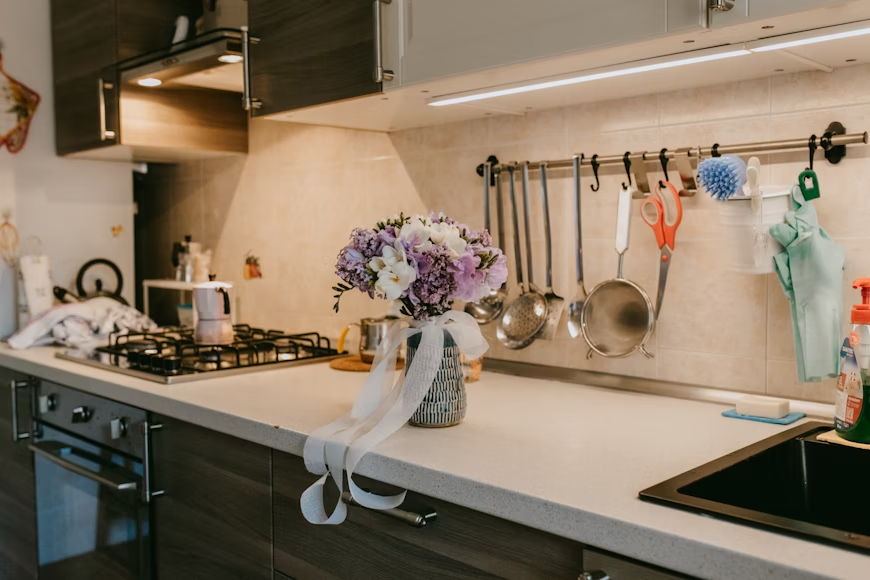
A kitchen is more than just a cooking space—it’s the warm, welcoming heart of a home. However, for seniors, it can also become a place full of challenges if not properly designed. As we age, everyday kitchen tasks—like reaching cabinets, handling appliances, or walking across slippery floors—can become difficult or even dangerous. That’s why designing a senior-friendly kitchen is vital for those who want to age safely and comfortably in their homes. This guide will explore practical ways to create a senior-friendly kitchen that ensures your loved ones’ safety, comfort, and independence. Whether you’re exploring home care in Indianapolis, making minor upgrades, or planning a complete kitchen renovation, these expert tips from the #1 at-home care professionals will help you create a kitchen space that is genuinely supportive, stylish, and safe. Why Senior-Friendly Kitchens Matter? The kitchen has always been the gathering place of every home—a space where meals, memories, and laughter are shared. However, it can become one of the most hazardous rooms for seniors. Slippery floors, poor lighting, hard-to-reach cabinets, and outdated appliances can increase the risk of injury or strain. A senior-friendly kitchen doesn’t just reduce these risks; it also empowers older adults to continue cooking and moving around independently. Features like non-slip flooring, easy-to-grip cabinet handles, and accessible appliances make everyday life easier. Home care Indianapolis professionals emphasize that the goal is not to change how seniors live entirely but to make minor, smart modifications that support their comfort and dignity. Even simple adjustments can transform the kitchen into a space that promotes confidence, safety, and joy. Understanding the Needs of Seniors at Home Common Kitchen Challenges for Aging Adults As we age, our physical capabilities naturally change. Tasks that once felt effortless can become uncomfortable or risky. For instance, bending to reach pots stored in low cabinets can strain the back and knees, while opening tight knobs can cause pain for those with arthritis. Uneven surfaces or slippery tiles can also lead to dangerous slips and falls. Another common issue is visual impairment. Many seniors experience reduced depth perception and contrast sensitivity, which makes it harder to spot spills, edges, or uneven flooring. When combined with inadequate lighting, these factors create a recipe for accidents. Indy In-Home Care experts often note that the kitchen should be accessible and emotionally comforting. A safe space doesn’t have to feel sterile—it can be warm, inviting, and full of personality while prioritizing safety and usability. How Simple Modifications Improve Safety You don’t need a complete renovation to create a safer kitchen. Simple, cost-effective upgrades can have a significant impact. For example: These small steps can dramatically improve safety and usability while helping seniors maintain their independence in the kitchen they love. Essential Kitchen Modifications for Seniors Non-Slip Flooring and Slip Prevention Falls are one of the most common causes of injury among seniors, and the kitchen—with its spills and slick surfaces—is a high-risk area. To help reduce slip flooring risks, install non-slip flooring materials like rubber, cork, or textured vinyl. These surfaces provide traction and are soft underfoot, which cushions impact if a fall does occur. Another helpful feature is anti-fatigue mats near the sink or stove. These reduce pressure on the feet and joints while standing. Make sure mats are non-slip and lay flat to avoid tripping hazards. Keeping the kitchen dry and clutter-free also plays a significant role in fall prevention. Clean up spills immediately, and consider having home care Indianapolis staff or family members assist with daily cleaning and maintenance to ensure a safe, tidy environment. Senior-Friendly Cabinets and Easy Storage Cabinet accessibility is key in a senior-friendly kitchen. Traditional high cabinets or deep lower drawers can be difficult to use. Opt for slide-out shelves and pull-down racks that bring items within easy reach. Also, avoid traditional knobs—they can cause pain for seniors with arthritis or reduced grip strength. Instead, use large D-shaped handles or lever pulls that are easy to grasp. This simple change can reduce hand strain and make daily kitchen use more comfortable. Labeling shelves and organizing essentials by frequency of use also helps seniors find what they need quickly. Everyday items should be stored between waist and shoulder height to minimize bending or stretching. Accessible, Safe Appliances Appliances should combine convenience with safety. Choose models with front-mounted controls so seniors don’t have to reach across hot surfaces. Wall ovens installed at waist height, side-by-side refrigerators, and dishwashers with pull-out drawers are ideal. Opt for smart appliances with automatic shut-off features or voice control options when possible. These can prevent accidents caused by forgotten burners or timers. Indy In-Home Care, a trusted name in senior home care in Indianapolis, recommends appliances with simple controls, large text, and easy-to-read displays to enhance usability. A well-chosen appliance setup doesn’t just make life easier—it gives seniors the confidence to cook safely and enjoy their kitchen again. Design and Layout Tips for Comfort and Independence Proper Lighting and Color Contrast Lighting can make or break a kitchen’s safety. Seniors often struggle with reduced vision, making it essential to have bright, layered lighting throughout the space. Combine overhead lights, under-cabinet LEDs, and task lighting to eliminate shadows and improve visibility. Color contrast is another subtle yet powerful design element. Use light-colored counters with dark cabinets or vice versa to help distinguish surfaces easily. These small visual cues can prevent spills, confusion, and accidents. Ergonomic Layout and Counter Heights An ergonomic kitchen layout helps seniors move freely and comfortably. Ensure enough open space to accommodate walkers or wheelchairs—ideally at least 42 inches between counters. Consider lowering work surfaces or adding a seated prep area so seniors can cook while seated, reducing fatigue. Grouping appliances and utensils based on function can minimize unnecessary movement. For instance, keep pots near the stove, cutting boards near the sink, and frequently used tools within easy reach. The goal is to simplify every step of the cooking process. Reducing Strain on Hands and Joints Arthritis and joint stiffness are common concerns among seniors.
Senior Nutrition and Meal Preparation in Central Indiana

Good nutrition is one of the most powerful tools for living a long, active, and joyful life—especially for seniors. As we age, our bodies change, and so do our nutritional needs. Eating well can boost energy, strengthen immunity, and improve mental clarity, but maintaining a balanced diet and proper senior nutrition can become more difficult with time. That’s where compassionate home care comes in. In Central Indiana, senior home care services are stepping up to ensure older adults receive the assistance and nourishment they need to thrive. Companies like Indy In-Homecare are helping families provide balanced meals, meal preparation assistance, and expert nutritional support—right from the comfort of home. This article explores the importance of senior nutrition, the role of home care in maintaining health, and how balanced meal planning can enhance quality of life for seniors across Central Indiana. Why Nutrition Becomes More Important with Age? As people age, their metabolism slows, muscle mass decreases, and nutrient absorption weakens. What once was a simple meal can now impact energy, mood, and independence. Proper nutrition helps prevent chronic illnesses like heart disease, diabetes, and osteoporosis. Seniors often face unique challenges, including: Aging bodies require nutrient-rich meals, not just calories. Each bite should count—providing essential vitamins, minerals, protein, and hydration to keep the body functioning at its best. That’s why having a home care provider in Central Indiana who understands these nutritional needs can make a life-changing difference. Understanding the Nutritional Needs of Seniors Balanced nutrition is all about variety and moderation. Seniors need more nutrients per calorie, meaning every meal should include foods that pack a powerful punch in small portions. Here are key nutrients every senior should include in their diet: Nutrient Why It’s Important Sources Protein Maintains muscle mass and strength Eggs, poultry, beans, fish Calcium & Vitamin D Keeps bones strong and prevents fractures Milk, yogurt, leafy greens Fiber Aids digestion and heart health Whole grains, vegetables, legumes Omega-3 Fatty Acids Supports brain and heart health Salmon, walnuts, flaxseed Vitamin B12 Promotes nerve and blood health Eggs, dairy, fortified cereals Potassium Helps control blood pressure Bananas, potatoes, spinach Hydration is another often-overlooked aspect of nutrition. Seniors tend to drink less water, increasing the risk of dehydration. Including soups, smoothies, and fruits with high water content can help maintain fluid balance. Balanced Meals: The Foundation of Senior Wellness A balanced meal should include all major food groups in appropriate portions. Caregivers and family members can follow the “half-plate rule”: Healthy fats from olive oil, nuts, and avocados support heart and brain health. Avoiding excess sodium, sugars, and processed foods can help prevent high blood pressure and diabetes. Consistency is key—regular meal times and portion control help maintain energy levels and digestive comfort throughout the day. The Role of Home Care in Supporting Senior Nutrition Home care is more than assistance—it’s personalized wellness support. Seniors who receive help at home can maintain independence while ensuring their nutritional needs are met. Professional caregivers in Central Indiana home care services often assist with: For example, a caregiver might prepare a high-protein breakfast smoothie with yogurt, oats, and fruit for seniors who struggle with chewing. Or they might create soft, comforting soups packed with vegetables and lean meat for easy digestion. By integrating nutrition into everyday routines, home care transforms mealtimes into wellness, comfort, and connection opportunities. Meal Preparation Tips for Seniors and Caregivers Meal preparation can be enjoyable when approached creatively and thoughtfully. Here are a few practical tips to make meals more nutritious and appealing: Simplify Cooking Use easy-to-follow recipes that don’t require too many ingredients. Meals like vegetable soups, one-pan stir-fries, and baked casseroles are nutritious and simple. Include Soft Foods For seniors with dental issues, soft foods like smoothies, pureed vegetables, or oatmeal can provide nutrients without discomfort. Add Color to the Plate A colorful plate often means a variety of nutrients. Add red peppers, green spinach, orange carrots, and purple berries to make meals appealing and healthy. Plan Ahead Preparing meals in advance ensures consistency and reduces daily stress. Freezing small portions of soups or stews can provide quick, healthy options anytime. Flavor Naturally Use herbs and spices instead of salt to enhance flavor. Garlic, basil, cinnamon, and turmeric can make meals taste rich without raising sodium levels. Soups and Smoothies: Nutrition Made Easy Soups and smoothies are ideal for seniors who face challenges with chewing, swallowing, or reduced appetite. They’re easy to digest, versatile, and can be customized to meet specific health needs. They also help seniors stay hydrated, especially during hot Indiana summers or in cases where drinking plain water is difficult. A warm soup in the evening or a cool smoothie in the morning can make all the difference in maintaining nutritional balance. Balanced Meal Plans for Seniors Creating a consistent, varied meal plan helps seniors meet their daily nutritional requirements. Here’s a simple sample day plan for balanced nutrition: Breakfast: Lunch: Snack: Dinner: Hydration Tip: Encourage at least 6–8 cups of fluids daily, including herbal teas, water, and soups. Expert Nutritional Support Through Home Care Proper nutrition isn’t just about knowing what to eat—it’s about having the right support system to maintain those habits. Home care professionals are vital in ensuring seniors get balanced meals daily. Caregivers who provide expert nutritional support go beyond preparing meals—they observe eating patterns, encourage hydration, and notice changes in appetite or energy levels. This allows for early detection of potential health issues and ensures personalized attention. At Indy In-Homecare, caregivers are trained to combine compassion with nutritional expertise. Their goal is to empower seniors to live independently while receiving the necessary nourishment and emotional support. It’s not just about cooking—it’s about caring through nutrition. The Connection Between Nutrition and Mental Wellness Food doesn’t just fuel the body—it affects the mind. Proper senior nutrition provides essential nutrients like omega-3 fatty acids and B vitamins, which support brain function and may reduce symptoms of depression, anxiety, and cognitive decline. A well-balanced diet plays a crucial role in maintaining