
Home Care Agency Indianapolis: How to Schedule Caregiver Visits

Direct Answer: Scheduling caregiver visits with a home care agency in Indianapolis usually involves four steps. First, an initial in-home assessment evaluates your loved one’s care needs. Next, the agency builds a customized visit schedule, whether hourly, overnight, or 24/7. Then you’re matched with a compatible caregiver and backup coverage. Finally, ongoing communication keeps the plan adjustable. Most Indianapolis home care agencies, including Indy In Homecare, can begin visits within 24–72 hours of the initial assessment. Schedules can flex around hospital discharges, family caregiver burnout, or short-term respite needs. Why Flexible Caregiver Scheduling Matters for Families in Indianapolis If you’re an adult child juggling a full-time job, your own kids, and now the growing needs of an aging parent, you already know something important. Caregiving doesn’t follow a 9-to-5 clock. Families across Marion County face this reality every day. Rigid scheduling only adds stress to an already difficult situation. A few of the most common challenges families in Indianapolis run into: This is exactly why home care agency Indianapolis scheduling caregiver visits processes need to be flexible and responsive. They should be built around your family’s real life, not a one-size-fits-all template. How to Schedule Caregiver Visits with a Home Care Agency in Indianapolis (Step-by-Step) Step 1: Initial Assessment & Care Need Evaluation Every reputable home care agency starts with an in-home or phone consultation. This conversation covers your loved one’s medical history, mobility level, cognitive status, daily routines, and safety concerns. The assessment usually maps directly to guidelines set by Indiana’s aging and health authorities. That helps ensure the resulting care plan is both appropriate and compliant with state expectations for home-based care. This is also the stage where family caregivers should be transparent about their own availability and limitations. That honesty directly shapes the schedule built in Step 2. Step 2: Customizing the Visit Schedule (Mornings, Evenings, Weekends, Respite) Once needs are identified, the agency works with your family to design a visit cadence that actually fits your life. This might mean: A strong flexible home care schedule Indianapolis provider offers is one that can pivot week-to-week. It shouldn’t lock you into a static contract. Step 3: Caregiver Matching & Backup Coverage Protocols Scheduling isn’t just about time slots. It’s about the right person showing up. Agencies should match caregivers based on personality fit, specialized skills, and language or cultural preferences. Relevant skills might include dementia care, mobility support, or post-surgical recovery. Just as important, ask what happens if your assigned caregiver calls in sick. A trustworthy agency maintains backup coverage protocols so a visit is never simply skipped. This is a core trust marker families should verify before signing on. At Indy In Homecare, backup coverage is built directly into every family’s care plan. That means a scheduling gap never has to mean a missed visit. Step 4: Real-Time Schedule Adjustments and Communication Life changes, and your care schedule should be able to change with it. Look for agencies that offer a family portal, dedicated care coordinator, or direct phone line. That way, you can request schedule changes, log concerns, or add urgent visits without waiting days for a callback. This ongoing communication loop is what separates a merely adequate provider from one families genuinely trust with their loved one’s daily care. Breakdown of Caregiver Scheduling Options Different situations call for different levels of coverage. Here’s how the most common senior care visits Indianapolis IN families request typically compare: Care Type Typical Hours Best For Scheduling Flexibility Hourly / Part-Time Care 2–8 hours per visit Medication reminders, light housekeeping, companionship, transportation to appointments High — can be scheduled daily, a few times a week, or as-needed Respite Care 4 hours to multi-day Giving family caregivers a break; vacations, illness, emergencies High — short notice bookings often available Overnight Care 8–12 hours (evening to morning) Fall risk monitoring, nighttime toileting assistance, dementia-related wandering Moderate — usually scheduled recurring, with adjustments allowed 24/7 In-Home Care Round-the-clock, rotating caregiver shifts Post-hospital recovery, advanced dementia, high fall risk, end-of-life comfort care Structured — built on a fixed shift rotation with built-in backup coverage For families managing complex or unpredictable needs, 24/7 in-home senior care Marion County coverage offers the most continuous safety net. Hourly and respite options give families more day-to-day flexibility at a lower cost. Local Resources for Indianapolis Seniors & Caregivers Beyond choosing a home care agency, Indianapolis families have access to several trustworthy public and community resources worth bookmarking: Reviewing these resources alongside your conversations with a home care provider gives your family a fuller picture. You’ll get a clearer sense of what quality, compliant in-home care should look like in Indiana. Frequently Asked Questions About In-Home Caregiver Scheduling in Indianapolis How quickly can a home care agency start caregiver visits in Indianapolis? Most agencies can begin services within 24 to 72 hours of completing the initial assessment. Same-day or next-day starts are sometimes possible for urgent situations like hospital discharges. Can I change my caregiver’s schedule if my parent’s needs change? Yes. A quality home care agency should allow ongoing adjustments to visit frequency, duration, and timing. This usually happens through a care coordinator or family communication portal. What’s the difference between respite care and regular hourly care visits? Respite care is typically short-term. It’s designed to give family caregivers a break. Regular hourly visits, by contrast, are an ongoing part of a consistent weekly care schedule. Is 24/7 in-home care available for seniors in Marion County? Yes. Many Indianapolis-area agencies offer round-the-clock care using rotating caregiver shifts. This is especially common for seniors recovering from hospitalization or managing advanced dementia. Conclusion & Next Steps Scheduling in-home caregiver visits doesn’t have to feel overwhelming, even when your family’s situation feels urgent or uncertain. The right agency can guide you through the whole process, from that first assessment through ongoing schedule adjustments. Together, you can build a care plan that genuinely fits your loved one’s needs and your family’s real-life schedule. If you’re ready to explore flexible,
Indiana Weather Safety for Seniors: Winter & Summer Guide

Indiana weather safety for seniors has never been more important. Indiana’s climate is as unpredictable as it is extreme. From bitter polar vortex winters that plunge temperatures well below zero to sweltering summer heat waves pushing triple digits, the Hoosier State presents serious weather-related health risks — especially for older adults. If you have a senior loved one living at home in Indianapolis or anywhere across Indiana, understanding these seasonal dangers and knowing how to prepare can be life-saving. In this guide, we cover the most critical Indiana weather safety tips for seniors, including how to protect elderly loved ones during both winter cold snaps and summer heat waves, and the role professional in-home care plays in keeping seniors safe year-round. Why Indiana Weather Is Especially Dangerous for Seniors Indiana sits at a geographic crossroads where Arctic air masses, Gulf moisture, and Great Plains wind systems collide — making for dramatic and rapid weather changes. For seniors aged 65 and older, these shifts pose compounding health risks: According to the CDC, extreme heat is the leading weather-related cause of death in the U.S., and cold weather contributes to hundreds of thousands of hospitalizations each year. Indiana seniors are among the most at-risk populations. Indiana Winter Weather Safety for Seniors Understanding Indiana’s Winter Threats Indiana winters are no joke. Cities like Indianapolis, Fort Wayne, and South Bend regularly experience: Top Winter Safety Risks for the Elderly 1. Hypothermia: Hypothermia occurs when the body’s core temperature drops below 95°F. Seniors can develop hypothermia even indoors if the home is inadequately heated. Warning signs include uncontrollable shivering, slurred speech, drowsiness, and confusion. If a senior shows these signs, call 911 immediately. 2. Frostbite: Any exposed skin can develop frostbite within minutes during extreme Indiana wind chill events. Fingers, toes, ears, and the nose are most vulnerable. Seniors with poor circulation or diabetes face even greater risk. 3. Winter Falls: Falls are the number one cause of injury in adults over 65, and icy Indiana sidewalks dramatically increase this risk. Hip fractures from winter falls can lead to a cascade of health complications, including pneumonia and long-term mobility loss. 4. Carbon Monoxide Poisoning: When seniors seal up their homes and run heating systems constantly, improperly maintained furnaces, generators, or gas stoves can produce deadly carbon monoxide. This is a hidden winter danger in Indiana homes. 5. Seasonal Affective Disorder (SAD): Long Indiana winters with limited sunlight can trigger or worsen depression and cognitive decline in older adults. Mental health is just as important as physical safety. Winter Safety Checklist for Indiana Seniors Home Preparation: Personal Safety: Medical Preparedness: Indiana Summer Weather Safety for Seniors Understanding Indiana’s Summer Heat Threats Indiana summers can be brutally hot and humid. Indianapolis averages around 20 days per year above 90°F, and heat index values regularly exceed 100°F when humidity is factored in. For seniors, this is a genuine medical emergency risk. Indiana has experienced deadly heat waves — most notably during the July 1995 Chicago heat disaster, which swept into Indiana and killed hundreds across the Midwest. Climate trends suggest these events will become more frequent and more severe in coming decades. Top Summer Safety Risks for the Elderly 1. Heat Stroke: Heat stroke is a life-threatening emergency where the body’s temperature rises above 104°F and the cooling mechanism fails. Unlike heat exhaustion, heat stroke requires immediate 911 response. Warning signs include hot, dry skin (no sweating), rapid pulse, confusion, and loss of consciousness. 2. Heat Exhaustion: Less severe than heat stroke but still dangerous, heat exhaustion presents as heavy sweating, weakness, cold and pale skin, a fast and weak pulse, nausea, and possible fainting. Move the person to a cool place and hydrate immediately. 3. Dehydration: Seniors have a diminished thirst sensation, meaning they often become dangerously dehydrated before they even feel thirsty. Indiana’s humid summer days accelerate fluid loss, and certain medications (diuretics, laxatives) compound this risk dramatically. 4. Air Quality and Ozone: Hot Indiana summers frequently trigger Air Quality Action Days, where ground-level ozone reaches levels hazardous to seniors with asthma, COPD, or heart disease. Outdoor activity on these days should be minimized. 5. Power Outage Risk: Summer thunderstorms, tornadoes, and high heat loads on the electrical grid can cause extended power outages — cutting off air conditioning and putting seniors at extreme risk of heat-related illness within hours. Summer Safety Checklist for Indiana Seniors Home Preparation: Personal Safety: Medical Preparedness: The Role of In-Home Care in Seasonal Senior Safety One of the most powerful tools in protecting Indiana seniors from weather extremes is consistent human connection and professional oversight. Indy In-Homecare provides comprehensive in-home care services designed specifically to keep seniors safe, healthy, and comfortable through every season. How Professional Caregivers Help in Winter A trained caregiver from Indy In-Homecare can: Professional in-home care is often the deciding factor between a senior thriving through winter independently or suffering a preventable cold-weather emergency. How Professional Caregivers Help in Summer During Indiana’s intense summer months, Indy In-Homecare caregivers can: When family members cannot be there every day, a trusted in-home care partner provides peace of mind that someone is watching for weather-related warning signs around the clock. Emergency Resources for Indiana Seniors Every senior and family caregiver in Indiana should have these resources on hand: Creating a Year-Round Weather Safety Plan for Indiana Seniors Reacting to weather emergencies is not enough — Indiana families need a proactive senior safety plan that covers all four seasons. Here’s a simple framework: Final Thoughts: Indiana Seniors Deserve Year-Round Protection Indiana’s weather is both beautiful and unforgiving. The same state that brings golden fall foliage and magnificent spring storms can also deliver polar vortex cold and heat dome emergencies that put senior lives at genuine risk. Preparation, awareness, and consistent support are the three pillars of senior weather safety in Indiana. Whether you are a family caregiver looking for guidance or a senior planning independently, the time to prepare is before the weather turns — not after. And when
In-Homecare in Indiana: What Families Need to Know Before Choosing a Caregiver

When a loved one starts needing a little extra help around the house — whether it’s getting dressed in the morning, managing medications, or just having someone nearby for safety — families in Indiana are often caught off guard. The conversation about in-home care can feel overwhelming, emotional, and confusing all at once. Where do you even begin? The good news is that Indiana has a growing network of dedicated home care providers who genuinely make a difference in the lives of seniors and individuals with disabilities. Understanding your options is the first step toward making the best decision for your family. What Is In-Homecare and Who Needs It? In-home care refers to a range of supportive services delivered right inside a person’s own home. Rather than transitioning to a nursing facility or assisted living community, individuals receive personalized assistance while staying in the familiar environment they love. In Indiana, the need for in-home care services is growing fast. According to the U.S. Census Bureau, nearly 17% of Indiana’s population is 65 or older — and that number is climbing every year. Many of these seniors want to age in place, and with the right support, most of them can. In-home care typically falls into two broad categories: Non-medical personal care: covers daily living activities like bathing, grooming, dressing, meal preparation, light housekeeping, and transportation to appointments. A personal care aide works closely with the client to maintain their independence and dignity. Companion care: focuses more on emotional well-being — providing conversation, social engagement, help with hobbies, and simple reminders for medications or appointments. For seniors who live alone, this kind of human connection is often just as important as physical assistance. Signs It Might Be Time to Consider Home Care It’s not always easy to recognize when a family member needs help. People are proud, and the last thing most seniors want is to feel like a burden. Still, there are real warning signs that shouldn’t be ignored: If you’ve noticed any of these patterns during visits, it doesn’t mean something is catastrophically wrong — it means your loved one may benefit from a few extra hours of support each week. Many families in Indiana start with just a few visits before gradually increasing care as needs change. Why In-Home Care Is Often Better Than a Nursing Facility This is a question families wrestle with all the time. And while every situation is different, research consistently shows that most seniors recover faster, feel happier, and experience better overall health outcomes when they remain at home. Here’s why in-home care in Indiana tends to be such a strong option: It’s personal: In a facility, your loved one is one of many residents. With in-home care, the caregiver’s full attention is on them. That one-on-one relationship builds real trust over time. It preserves independence: Being at home means setting your own schedule, eating what you want, watching your favorite shows, and spending time with your pet. Small things add up to a much higher quality of life. It’s often more affordable: The average cost of a semi-private nursing home room in Indiana runs well over $80,000 per year. In contrast, in-home care services are typically billed by the hour, giving families flexibility and much lower overall costs — especially when only a few hours of daily support are needed. Family stays involved: When care happens at home, family members can visit freely, stay informed, and remain active participants in their loved one’s life. That’s harder to maintain in an institutional setting. How to Choose the Right Home Care Provider in Indiana Not all home care agencies are created equal. Here are the most important factors to evaluate when comparing providers: Licensing and compliance: In Indiana, home health agencies that provide skilled nursing must be licensed by the Indiana State Department of Health. For non-medical personal care, requirements vary, but reputable agencies maintain proper certifications and carry liability insurance. Caregiver screening: Ask specifically how caregivers are vetted. Background checks, reference verification, and ongoing training are non-negotiable. You’re inviting someone into a family member’s home — the screening process should reflect that level of trust. Consistency of care: Frequent caregiver turnover is one of the biggest complaints families have with larger national agencies. Your loved one should see familiar, reliable faces — not a revolving door of strangers. Flexible scheduling: Care needs don’t fit neatly into a 9-to-5 window. Look for providers who can accommodate mornings, evenings, weekends, and even live-in arrangements when necessary. Communication: A good agency keeps families informed. Regular updates, open lines of communication, and a clear plan of care make a real difference — especially when medical or behavioral needs evolve. This is exactly the kind of thoughtful, family-first approach that Indy In-Homecare brings to clients across Indiana. Rather than treating home care as a transaction, the focus is on building genuine relationships between caregivers and the individuals they serve — so seniors can stay safely at home without sacrificing the things that matter most to them. Understanding Indiana’s Home Care Funding Options One of the most common concerns families raise is cost. The good news is that several funding options exist to help cover in-home care expenses in Indiana: Medicaid HCBS Waivers: Indiana’s Medicaid Home and Community Based Services (HCBS) waivers help eligible seniors and adults with disabilities pay for personal care and companion services at home. The Aged and Disabled (A&D) Waiver is the most commonly used program for elderly Hoosiers. Medicare: Traditional Medicare covers skilled nursing and therapy services at home (home health care) following a hospitalization, but it does not cover non-medical personal care or companion services on an ongoing basis. Veterans Benefits: Indiana veterans may qualify for the VA’s Aid & Attendance benefit, which can provide significant financial assistance for in-home care. Long-term care insurance: If your family member purchased a long-term care policy years ago, now may be the time to review it. Many policies cover personal care aide services. Private pay: Many
What to Expect After Hip Replacement Surgery at Home

Welcome back home! If you or a loved one has just walked through the front door after a total hip replacement, you are probably feeling a massive wave of relief—and maybe a little bit of anxiety. Healing in your own familiar space is always the best feeling, but adjusting to your temporary physical limitations takes patience. At Indy In-Homecare, we know that the first few weeks are crucial for a smooth recovery. Knowing exactly what is normal and what to prepare for can take the stress out of the healing process. Here is a realistic, step-by-step guide on what to expect as you recover from hip replacement surgery right from the comfort of your own living room. The First Few Days: Prioritize Rest and Pain Management When you first arrive home, your primary job is simply to rest. Your body has been through a major procedure, and you will likely feel wiped out. Weeks 1 to 4: Building Strength and Independence As you move out of the first week, you will start to notice small, encouraging improvements every single day. Adapting Your Environment for Safety A safe home is the foundation of a good recovery. You will be moving a bit slower, and your balance will be off, so preventing falls is your number one priority. The “Don’ts” of Hip Recovery Your surgeon will likely give you a strict list of “hip precautions” to prevent your new joint from popping out of place while the soft tissues heal. For the first 6 to 8 weeks, strictly avoid: Knowing When to Call the Doctor While most recoveries go very smoothly, it is important to listen to your body and watch for warning signs. Call your doctor immediately if you experience: Patience is Your Best Medicine Healing is a marathon, not a sprint. There will be days when you feel incredibly strong, and days when you feel totally exhausted. Give yourself some grace and allow your body the time it needs to heal properly. Take it one day at a time, celebrate the small victories, and don’t hesitate to lean on your family or caregivers for support. From all of us at Indy In-Homecare, we wish you a safe, comfortable, and speedy recovery!
Early Signs of Dementia Families Often Miss

You’ve probably noticed something feels a little off with a parent or grandparent lately — but you can’t quite put your finger on it. Maybe they repeated a story twice over dinner. Maybe they seemed confused driving home from a place they’ve visited for decades. You told yourself it was just “getting older.” But what if it wasn’t? The early signs of dementia rarely announce themselves loudly. They creep in quietly, disguised as stress, distraction, or simply aging. And for families across Indiana, missing those early signals can mean losing precious time to plan, connect, and get help. 📋 In This Article What Is Dementia, Really? Dementia is not a single disease — it’s an umbrella term covering a range of symptoms that affect memory, thinking, behavior, and the ability to perform everyday tasks. Alzheimer’s disease is the most common form, accounting for 60–80% of cases, but other types include vascular dementia, Lewy body dementia, and frontotemporal dementia. According to the Alzheimer’s Association, more than 6 million Americans are living with Alzheimer’s today — and that number is expected to nearly double by 2050. In Indiana alone, an estimated 110,000 people are living with Alzheimer’s dementia. Here’s the thing most people don’t realize: symptoms can begin 10–20 years before a formal diagnosis. That’s why knowing the early signs isn’t just helpful — it can be life-changing. 10 Early Signs Families Often Miss These aren’t the obvious signs you might expect. They’re the subtle ones — the ones that are easy to explain away or chalk up to a bad week. Pay attention to patterns over time, not isolated incidents. SIGN 01 Struggling to Follow a Familiar Recipe Your mom has made her famous pot roast every Thanksgiving for thirty years. Now she seems confused about the order of steps or forgets ingredients she always used. Difficulty planning and completing familiar multi-step tasks — cooking, paying bills, playing a favorite card game — is one of the earliest cognitive red flags. It’s different from just forgetting where the nutmeg is. SIGN 02 Repeating the Same Question Within Minutes Everyone forgets things. But asking the same question — “What time is the appointment?” — three times in a 20-minute window, especially with no memory of having already asked, is worth noting. This isn’t forgetfulness; it reflects difficulty forming new short-term memories, one of the hallmark early symptoms of Alzheimer’s disease. SIGN 03 Getting Lost on Routes They Know By Heart Spatial disorientation is often one of the first cognitive changes families notice — or almost notice. If your father gets confused driving to the grocery store he’s visited weekly for 20 years, or parks in completely wrong areas, it could signal changes in spatial reasoning and memory recall. This sign is particularly dangerous because it often goes unreported out of embarrassment. SIGN 04 Unusual Mood Changes or Personality Shifts A typically warm, patient person who has become increasingly anxious, suspicious, withdrawn, or irritable may be experiencing early dementia. The brain changes associated with dementia directly affect emotional regulation. Families often attribute this to depression or stress — and while those should also be evaluated, a personality shift without an obvious cause warrants a conversation with a doctor. SIGN 05 Difficulty Finding Common Words Watch for pausing mid-sentence, using vague placeholder words like “the thing” or “you know, that stuff,” or referring to objects by descriptions rather than names (“the thing you write with” instead of “pen”). This is called anomia, and while it can happen to anyone occasionally, frequent word-finding problems — especially with common, everyday words — can be an early indicator of cognitive decline. SIGN 06 Poor Judgment or Financial Mistakes Falling for phone scams, giving unusually large amounts of money to strangers, or making baffling financial decisions can signal impaired judgment — one of the less discussed but critical early signs of dementia. The National Council on Aging estimates that financial exploitation costs older Americans billions of dollars annually, with cognitive decline being a major contributing factor. SIGN 07 Withdrawing from Hobbies and Social Activities It’s easy to see withdrawal as introversion or just “slowing down.” But when someone who loved their book club, bowling league, or gardening group suddenly loses interest and avoids group settings, it’s worth asking why. Often, people in early stages of dementia pull back from activities they once loved because they’re aware something isn’t right — and social situations make it more obvious. The withdrawal is a coping mechanism, not a preference. SIGN 08 Trouble Managing Time or Dates Forgetting what day of the week it is occasionally? Normal. Frequently losing track of months, seasons, or years — or being confused about what time of day it is — is different. People in early dementia sometimes can’t understand something that isn’t happening right now, struggling to place themselves in time. They may think a past event is still upcoming, or be confused why it’s dark at 7pm in winter. SIGN 09 Misplacing Items in Strange Locations We all misplace things. But putting the television remote in the freezer, or finding glasses in the bathroom cabinet next to the shampoo — and having no recollection of doing it — is different from forgetting where you left your keys. People with early dementia often misplace items in illogical places and may accuse others of stealing when they can’t find something. SIGN 10 Changes in Hygiene or Home Upkeep A previously tidy person who suddenly stops cleaning their home, wearing clean clothes, or maintaining basic grooming may be struggling to sequence daily self-care tasks. Dementia can make it hard to remember to shower, or to initiate the steps involved. Because this sign can feel like a sensitive topic, families often avoid it — but it can be one of the clearest early indicators that something more than laziness is going on. 💡 Family TipKeep a simple log when you notice something concerning. Note the date, what happened, and whether it seemed out of character. A pattern documented over several weeks is far more useful to a doctor than a
In-Home Care in Indiana: Why More Families Are Choosing Care That Comes Home
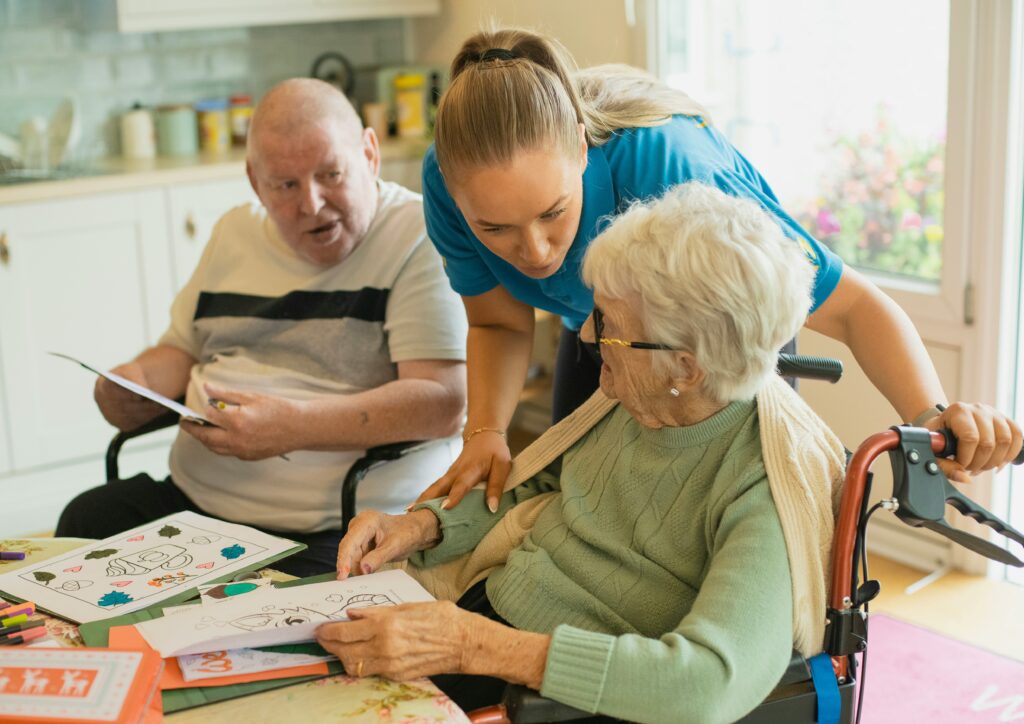
The demand for in-home care in Indiana has never been higher—and the reason is simple. Families want their loved ones to age with dignity, independence, and safety in the place they cherish most: home. Across Indiana, the senior population is rising rapidly. According to the U.S. Census Bureau, adults age 65 and older are one of the fastest-growing age groups nationwide. In Indiana specifically, nearly 1 in 5 residents will be over age 65 within the next few years, creating a significant need for reliable senior support services. For many families, the solution is clear: personalized, compassionate in-home care in Indiana. The Growing Need for In-Home Care in Indiana Indiana’s aging trend is not slowing down. Even more telling? Research consistently shows that over 90% of seniors prefer aging in place rather than moving into nursing facilities. This overwhelming preference is why in-home care in Indiana continues to expand as a trusted and practical solution. Why Seniors Prefer Aging at Home Home is more than a building. It’s routine, memories, comfort, and independence. Choosing in-home care in Indiana allows seniors to: Studies show that seniors receiving structured home care often experience better medication management and improved overall well-being compared to those without support. The Hidden Cost of Family Caregiving Indiana families are stepping up in big numbers. According to AARP, approximately 790,000 family caregivers in Indiana provide hundreds of millions of hours of unpaid care each year, valued at over $10 billion annually. While this dedication is admirable, it can also lead to: Professional in-home care in Indiana doesn’t replace family love—it strengthens it by easing the burden. Health Conditions Driving the Demand Chronic conditions are a major factor in the need for care. Having trained caregivers available at home improves safety, reduces fall risks, and ensures early detection of health changes. At Indy In-Home Care, care plans are built around these realities—providing both preventive support and hands-on assistance tailored to each individual’s needs. Comparing In-Home Care in Indiana to Facility Care When families evaluate options, cost and comfort are major considerations. Cost Perspective Comfort Perspective In-home care offers: For seniors who do not require 24/7 skilled nursing supervision, in-home care in Indiana is often the ideal balance between safety and freedom. What Services Are Included? Quality in-home care in Indiana can include: ✔ Personal hygiene assistance✔ Medication reminders✔ Meal preparation✔ Light housekeeping✔ Mobility and fall prevention✔ Transportation to appointments✔ Companionship and social engagement At Indy In-Home Care, every service plan is customized because no two families are alike. Some clients need only a few hours per week, while others require more consistent daily support. The Emotional Impact of Staying Home Statistics show seniors who remain in familiar environments often experience: The psychological benefit of aging at home is difficult to measure in numbers—but families see the difference immediately. That’s the heart behind professional in-home care in Indiana—preserving not just health, but happiness. The Future of Senior Care in Indiana Indiana’s senior population will continue to grow for the next two decades. As healthcare evolves, home-based support is expected to expand even further. Experts predict: The future of elder care isn’t institutional—it’s individualized. And that’s exactly why families across the state are choosing Indy In-Home Care for compassionate, reliable support delivered right where it matters most. Final Thoughts The numbers don’t lie. Indiana’s population is aging rapidly. Most seniors want to remain at home. Families are stretched thin trying to manage caregiving responsibilities alone. That’s why In-Home Care in Indiana is more than a service—it’s a solution built on dignity, independence, and peace of mind. When care comes home, comfort stays.
American Heart Month & Heart Health Awareness

Every February, the United States recognizes American Heart Month, a nationwide campaign dedicated to raising awareness about heart disease prevention, cardiovascular health, and heart-healthy living. If you live in Indiana and care for aging parents or loved ones, this month serves as an important reminder: heart disease remains the leading cause of death in America. At Indy In-Homecare, we see firsthand how heart health impacts seniors and families across Indiana. February is not just about wearing red—it’s about education, prevention, and taking real steps toward protecting the heart. The History and Background of American Heart Month American Heart Month was first proclaimed in 1964 by President Lyndon B. Johnson, who had personally experienced a heart attack. Since then, February has become a national observance supported by organizations like the American Heart Association and the Centers for Disease Control and Prevention. One of the most recognized campaigns during this month is Go Red for Women, which highlights the unique symptoms and risks of heart disease in women. Why February? While heart disease awareness is important year-round, February provides a focused time to: Why Heart Disease Is a Serious Concern in Indiana Heart disease affects millions of Americans each year, and Indiana has seen its share of cardiovascular health challenges. Key risk factors include: For seniors, the risk increases significantly. That’s why heart health for seniors should be a top priority during American Heart Month. Top Heart Health Statistics You Should Know Understanding the numbers makes the message clear: These statistics highlight why preventive care, especially for older adults, is essential. Recognizing Heart Disease Symptoms Knowing the early signs of heart disease can save lives. Common Heart Attack Symptoms: Stroke Warning Signs (FAST Method): Women and seniors may experience more subtle symptoms, which makes awareness during American Heart Month even more critical. Heart-Healthy Lifestyle Tips for February (and Beyond) American Heart Month encourages simple, daily changes that make a big difference. 1. Monitor Blood Pressure Regularly High blood pressure is known as the “silent killer.” Routine monitoring helps prevent complications like heart attacks and strokes. 2. Eat a Heart-Healthy Diet Focus on: Reduce processed foods, added sugars, and excessive salt intake. 3. Stay Physically Active Even moderate activity like walking 30 minutes a day can: 4. Manage Stress Chronic stress can increase heart disease risk. Meditation, prayer, social engagement, and relaxation techniques can help maintain cardiovascular health. 5. Quit Smoking Smoking damages blood vessels and increases heart attack risk significantly. The Importance of In-Home Care for Heart Health For many seniors in Indiana, managing heart conditions can be overwhelming. Medication schedules, dietary needs, and doctor appointments require consistent attention. This is where professional caregivers make a difference. At Indy In-Homecare, we support seniors with: Having trusted in-home support can significantly improve quality of life and reduce hospital readmissions for heart-related conditions. Heart Disease Prevention for Seniors Aging in Place Many older adults prefer aging in place, staying in the comfort of their own homes. However, heart conditions can complicate independent living. In-home care services in Indiana can help seniors: During American Heart Month, families should evaluate whether their loved ones have adequate support for heart health management. American Heart Month Activities You Can Participate In Looking for ways to get involved this February? Even small actions create long-term cardiovascular benefits. The Connection Between Home Care and Heart Health Heart disease management is not just about doctor visits—it’s about daily habits. Seniors recovering from heart surgery, heart attacks, or living with congestive heart failure often need ongoing support. Quality in-home care helps by: For Indiana families, partnering with reliable caregivers during American Heart Month is a proactive step toward heart disease prevention. Why February Is the Perfect Time to Take Action American Heart Month serves as a yearly reminder that heart health cannot be ignored. Prevention is always more effective—and less costly—than emergency treatment. Ask yourself: If the answer to any of these questions is uncertain, February is the ideal time to create a heart health plan. Final Thoughts: Protecting Hearts Across Indiana American Heart Month is more than a calendar observance—it’s a call to action. By focusing on heart disease prevention, cardiovascular health education, and heart-healthy living, families can significantly reduce risks. Whether it’s encouraging better nutrition, scheduling screenings, or ensuring seniors have daily support, every step matters. This February, take the opportunity to prioritize heart health—for yourself and for those you love. ❤️
Essential Legal Documents for Seniors in Indiana

Let’s talk about something most families avoid until it’s urgent—legal documents. No one likes thinking about incapacity, medical emergencies, or end-of-life decisions. But here’s the truth: having the right legal documents in place isn’t about expecting the worst. It’s about creating peace mind for yourself and your family. If you’re planning on aging place in Indiana, preparation is everything. Aging place means staying in the comfort of your own home instead of moving to a facility. But aging place also requires careful planning, especially when it comes to legal documents, medical information access, and decision-making authority. Without the proper legal documents, families can face delays, court involvement, or confusion about loved wishes. And during stressful medical moments, the last thing anyone wants is paperwork chaos. That’s why seniors working with trusted local providers like Indy In-Homecare are encouraged to organize essential documents early. Whether coordinating care, sharing medical information, or ensuring a smooth transition during emergencies, having everything prepared makes caregiving simpler and less stressful. In this guide, we’ll walk through the five legal documents every senior should have, especially if aging place in Indiana. These documents protect your finances, your medical power, your loved wishes, and ultimately your peace mind. Let’s break it down clearly and simply. Understanding the Importance of Legal Documents for Seniors Legal documents are not just for the wealthy. They’re for anyone who wants control. Control over healthcare, control over finances, control over who speaks for you if you cannot. When seniors don’t have updated legal documents, families often struggle. Imagine trying to access medical information without a HIPAA release. Or attempting to pay bills without a power attorney. It can quickly turn into a legal maze. How Legal Documents Protect Your Loved Wishes Your loved wishes matter. But if they’re not written down in legally valid documents, they can easily be misunderstood or challenged. For example: Without proper legal documents, state law steps in. And state law doesn’t know your personal preferences. By creating a power attorney, medical power attorney, and proper release authorization, you clearly define who acts on your behalf. This protects your loved wishes and prevents family disputes. Why Aging Place Requires Proper Planning Aging place often involves coordination between caregivers, doctors, and family members. Organizations like Indy In-Homecare frequently work alongside families to ensure seniors remain safe and comfortable at home. But without: Care coordination becomes difficult. Having these legal documents in place ensures that when support is needed, decisions can be made quickly and respectfully. That’s the foundation of peace mind. 1. Last Will and Testament A Last Will and Testament is one of the most recognized legal documents—but it’s often misunderstood. A will primarily handles what happens after you pass away. It outlines how your assets are distributed and ensures your loved wishes are honored. How a Will Protects Loved Wishes Your will answers key questions: Without a will in Indiana, intestate laws decide for you. That may not reflect your loved wishes at all. A properly drafted will ensures: It also names an executor—the person responsible for handling your affairs. Avoiding Probate Stress in Indiana Probate can be time-consuming and public. While some assets may still go through probate, a clear will minimizes confusion. Families who lack organized legal documents often experience: Preparation prevents these headaches. Common Mistakes Seniors Make with Legal Documents Many seniors: Regular reviews ensure your legal documents stay aligned with your current life situation. 2. Durable Power Attorney A Durable Power Attorney—often referred to simply as power attorney—is one of the most important legal documents for seniors. This document allows someone you trust to manage financial matters if you’re unable to do so. What Is a Power Attorney and Why It Matters A power attorney grants authority to: The “durable” part means it remains effective even if you become incapacitated. Without a power attorney, families may need court-appointed guardianship. That’s costly and stressful. Financial Protection Through Power Attorney When seniors are aging place, financial continuity is crucial. Bills must be paid. Care services must be coordinated. If you’re working with Indy In-Homecare, having a durable power attorney ensures seamless billing and financial coordination. No delays. No court involvement. Just smooth support. Choosing the Right Agent for Power Attorney Choose someone: You may also name a backup agent. This role carries serious responsibility, so thoughtful selection is key. 3. Medical Power Attorney A medical power attorney gives someone authority to make healthcare decisions on your behalf. It’s different from financial power attorney. It focuses solely on medical power. What Is a Medical Power and How It Works Medical power allows your chosen agent to: Without a medical power attorney, doctors may be limited in what medical information they can share—even with close family. Medical Power Attorney vs. Living Will A medical power attorney appoints a person. A living will outlines treatment preferences. Both are important. Medical power ensures someone can interpret and apply your loved wishes in real time. Ensuring Medical Information Access with HIPAA Release Even with medical power, a HIPAA release is critical. This legal document allows healthcare providers to share medical information with designated individuals. Without a HIPAA release: A simple release authorization can prevent enormous stress. 4. HIPAA Release and Release Authorization Privacy laws protect your medical information—but they can unintentionally block loved ones from helping. A HIPAA release gives permission for medical information to be shared. Why HIPAA Release Is Critical for Families Imagine a hospital calling but refusing to provide updates because no HIPAA release exists. It happens more often than people realize. A proper release authorization ensures: How Release Authorization Protects Medical Information A release authorization clearly lists: This protects your privacy while empowering trusted individuals. When Village Caregiving Teams Need Proper Documentation Village caregiving often involves a team approach—family, nurses, aides, and care coordinators. When seniors receive support from providers like Indy In-Homecare, having proper medical power attorney and HIPAA release documentation ensures smooth collaboration. Village caregiving works best when everyone communicates openly and legally.
Simple and Natural Anxiety Relief for Seniors Living at Home

Anxiety is one of the most common nuisances seniors face, often affecting sleep, emotional balance, and daily activities overall. Many older adults want relief but don’t need complicated programs or medication to feel calmer. With simple mindfulness practices and the support that caregivers help provide, seniors can improve their quality of life at home in just minutes a day. These natural methods—breathing exercises, meditation, yoga, and relaxation techniques—can help older adults stay grounded, confident, and emotionally steady. Why Seniors Experience Anxiety? According to the National Council on Aging, anxiety affects a large number of older adults and can become a nuisance for seniors, disrupting sleep, mood, and daily routines. Concerns about health changes, shifting independence, and life transitions can cause emotional strain. But aging doesn’t define golden years—what matters is how we support well-being. The good news is that natural mindfulness practices have proven benefits, reducing stress, improving sleep, and fostering more peaceful daily activities overall. Even just a few minutes a day can yield meaningful results. Mindfulness: A Simple Way to Feel Calmer Mindfulness isn’t about perfection—it’s about paying attention to the present moment. Seniors don’t need hours of practice; even just a few minutes a day can create emotional relief. With mindfulness, older adults can: This approach makes the golden years good by helping seniors stay mentally and emotionally supported at home. Caregivers help reinforce mindfulness by reminding loved ones to pause, breathe, and relax throughout the day. At Indy In-Homecare, caregivers help seniors practice grounding techniques safely and comfortably. Breathing Exercises for Stress Relief Breathing is one of the fastest, easiest ways to reduce anxiety. Slow and steady breathing activates the body’s calming response, helping the mind settle. Seniors can try: Repeating this cycle, even for just a few minutes, can relieve tension and support better emotional control. These exercises can be done anytime—before bed, in the morning, or whenever anxiety appears. Meditation at Home Meditation helps reduce stress by quieting mental noise. It allows older adults to observe thoughts without reacting emotionally. Seniors don’t need perfect silence or advanced training to start—a comfortable chair, soft lighting, and a few minutes of attention are enough. Daily meditation may also: With guidance from family or caregivers, meditation can become a sustainable wellness habit. At Indy In-Homecare, caregivers help seniors build personalized routines that fit their needs and comfort levels. Yoga for Strength, Balance, and Peace Yoga seniors programs are increasingly popular because they offer physical and emotional benefits. Gentle movements can: Yoga also pairs perfectly with breathing and mindfulness routines. Seniors who integrate yoga into their day often feel calmer and more connected to their bodies. Many exercises can be done in a chair, so mobility limitations aren’t a barrier. This is another example of how aging doesn’t define golden—what counts is finding support and habits that nurture body and mind. Improving Sleep Naturally One major challenge in older adulthood is sleep disruption. Anxiety can cause: When sleep becomes disruptive daily, it can affect mood, memory, and the ability to complete daily sleep activities. Meditation and slow breathing before bed can ease the mind, leading to deeper rest and fewer nighttime interruptions. Mindfulness practices can reduce the nuisance of seniors disrupting sleep and help restore calm transitions into bedtime. Mindfulness with Caregiver Support While some seniors enjoy practicing mindfulness independently, others feel more confident with guidance. Caregivers help with: Support from loved ones reinforces motivation and consistency. At Indy In-Homecare, caregivers help seniors integrate wellness tools that align with their personal needs, lifestyle, and comfort levels. A More Peaceful Life Is Within Reach Older adults don’t need complicated systems or expensive equipment. Even just minutes a day of: It can significantly reduce anxiety and improve emotional health at home. Mindfulness helps remind seniors that golden years are good and meaningful—filled with opportunities to find peace, balance, and daily joy. With patience, practice, and proper support, seniors can feel calmer, better rested, and more in control of daily activities—one mindful moment at a time.
Honoring Veterans with Dedicated In-Home Care: Support, Service & the Sacrifice of Our Heroes

Veterans are among the most respected members of our society—heroes whose commitment, sacrifice, and lives have shaped the freedoms we enjoy today. As they age, many veterans require compassionate in-home care that supports independence, strengthens emotional well-being, and improves their daily quality of life. Today, in-home services are among the most effective ways to support veterans, providing them with the personalized assistance and comfort they deserve. According to the U.S. Census Bureau, there are 16.2 million veterans in the United States, and nearly 50% are age 65 or older. Additionally, 3.8 million veterans live with a service-connected disability, making specialized in-home support essential. As the veteran population ages, the need for accessible, professional, and reliable in-home care continues to grow. This is where providers like Indy In-Homecare make a meaningful difference, offering personalized care that meets veterans in the place they feel safest—their home. Why In-Home Care Is Essential for Veterans? Personalized Daily Support Veterans often require personal care such as bathing, grooming, dressing, mobility assistance, and meal preparation. In-home caregivers deliver these services with respect and dignity, allowing veterans to remain independent. Specialized Assistance for Service-Related Conditions Whether a veteran is managing chronic pain, limited mobility, traumatic injuries, or post-service disabilities, professional home care provides tailored support. In-home care plans ensure that their unique needs are consistently addressed. Emotional & Mental Health Support Over 11% of veterans experience PTSD, and many face loneliness or isolation. In-home caregivers offer steady companionship and emotional support, helping veterans stay connected and engaged in life. Honoring Heroes Through Daily In-Home Assistance Providing home care is a powerful way of honoring heroes who dedicated their lives to national service. In-home caregivers work one-on-one with veterans, offering the stability and routine they need to thrive. Through support, encouragement, and reliable daily assistance, caregivers help veterans achieve: Whether the goal is long-term care or short-term recovery, in-home care empowers veterans to live life on their own terms. Veterans Day & The Importance of Continuous Care Every year, Veterans Day reminds us to celebrate the lives of protected brave men who defended our nation. It’s a time when communities gather to honor veterans, care veterans day activities take place, and families reflect on the freedoms we enjoy. But the need for care doesn’t end when the holiday does. Veterans deserve year-round recognition—not only through ceremonies, but through reliable home care veterans services that acknowledge their sacrifices daily. Many veterans rely on in-home care to stay safe, healthy, and engaged in meaningful routines. Thanks to organizations like Indy In-Homecare, veterans can today enjoy freedoms made possible by their own sacrifice. Through ongoing care, we help ensure the freedoms protected by the brave actions of our service members remain valued. How In-Home Care Helps Veterans Live Safely at Home? Independence & Comfort More than 77% of older adults prefer to age at home. Veterans especially value their independence, and in-home care allows them to stay where they feel most comfortable. Professional Medical Coordination Many veterans require specialized medical attention. Professional home care helps manage chronic illnesses, medication routines, recovery care, and health monitoring—right from the comfort of home. Help with Everyday Living From transportation to grocery shopping to household tasks, in-home caregivers provide essential daily support that helps ensure a safe and stable lifestyle. Tailored Care for Every Situation Whether it’s short-term recovery or lifelong support, in-home care adapts to the veteran’s changing needs. This flexibility ensures long-term safety and satisfaction. With dedicated assistance from Indy In-Homecare, veterans receive dependable attention that honors their contributions and supports their well-being. Conclusion: Continuing the Sacrifice Through Compassionate Care Veterans gave their strength, service, and courage to protect our nation. The best way we can give back is by offering high-quality in-home care that respects their independence and honors their legacy. Through personalized care plans, daily living support, emotional companionship, and professional in-home assistance, we help veterans maintain dignity and comfort—ensuring their sacrificed lives—qualities continue to inspire future generations. In-home care is more than a service; it is a meaningful way to help live, respect service, and honor the heroes who protected us.