
Transportation Assistance for Seniors in Indiana
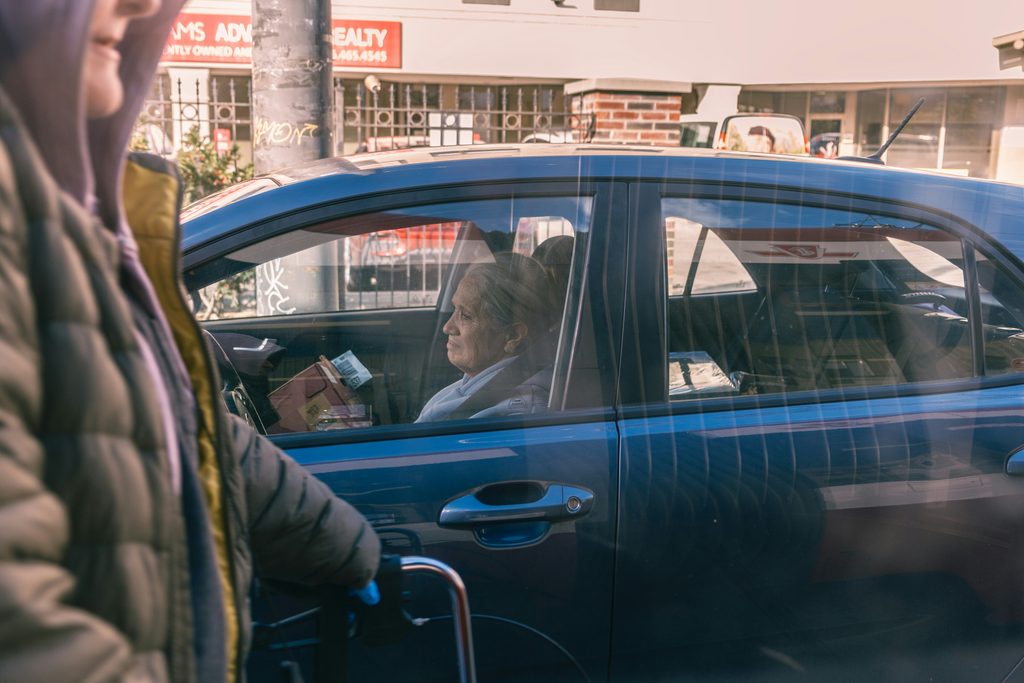
For many older adults, the last drive is remembered as the moment a door quietly closed. It meant the spontaneous trip to the hardware store, the Sunday ride to see a sister in Greenwood, and the freedom to leave the house without asking anyone for anything. When an elderly parent stopped driving, whether by choice, on a doctor’s advice, or after a frightening close call, what they lose is rarely just transportation. They lose a piece of their identity, their privacy, and the quiet confidence of running their own life. If you are an adult child in Carmel, Fishers, Noblesville, Zionsville, Greenwood, or anywhere across Indianapolis, you may be watching this unfold while torn between safety and respect. That tension is normal, and it can be resolved with care. Retiring from driving should never mean retiring from life. True independence isn’t about driving; it’s about having reliable, dignified access to the places and people that matter. The Emotional Reality: When an Elderly Parent Stops Driving Transportation assistance for seniors is personalized, hands-on support that gets an older adult to medical appointments, grocery stores, faith services, and social outings safely and with dignity. Unlike a simple ride, it includes door-through-door help, a trained companion, and reliable routines, so an aging parent can stay independent without driving. Before solutions, it helps to understand what your parent may be feeling. Driving cessation often moves through emotional stages that look a lot like grief: The National Institute on Aging explains that vision, hearing, reflexes, and thinking can change with age, and it offers guidance on transitioning away from driving. What it can’t capture is how personal that change feels at the kitchen table. The danger that follows is subtle: isolation. Homebound parents begin to miss medical appointments, put off grocery runs, and drop out of the senior club or Bible study they loved. Without regular outings, days blur together, and researchers link prolonged social isolation to depression and cognitive decline. The “cognitive fog” families notice is sometimes the result of a smaller world, not just aging. Moving Beyond Rideshares: Why Traditional Transit Often Falls Short It’s tempting to say, “Just use Uber.” For a confident, tech-savvy senior on a good day, that can work. For many others, it quietly fails in three ways. Digital hurdles: Requesting a ride means downloading an app, entering payment details, and reading a small touchscreen. For a parent with arthritis, low vision, or early memory changes, one confusing screen can end the whole outing. No physical support: Standard rides are curb-to-curb. Nobody helps with a heavy winter coat, steadies a walker on the way down an icy porch step, or walks your parent through the clinic door to the front desk. In an Indiana January, that gap matters. An unvetted stranger: A rideshare driver is rarely trained in senior care, may not recognize the signs of confusion or a fall risk, and won’t stay if your parent is disoriented at the destination. Parents also tend to hide their difficulties from strangers, so problems go unreported. A ride gets a person from A to B. Senior transportation done well makes sure they arrive safely, do what they came to do, and get home again. The 4 Pillars of Comprehensive Senior Transportation Assistance Hands-on errand assistance goes well beyond a ride. With dedicated companion and transportation care, a trusted caregiver becomes an extension of your family, supporting four parts of daily life. Pillar 1: Caregiver appointment assistance. The caregiver arrives early, helps your parent dress and gather insurance cards and medication lists, and drives safely to the appointment. If your parent wants, they take notes in the waiting room and share what the doctor said with the family accurately, so nothing is lost in translation. Pillar 2: Help with senior errands and daily needs. A grocery trip becomes a social outing. Your caregiver navigates the aisles with your parent, reaches high shelves, carries heavy bags, and unpacks the pantry safely, so no one strains a back or trips over a bag on the kitchen floor. The same applies to pharmacy pickups, banking, and the post office. Pillar 3: Social and faith community connections. Standing weekly plans keep a life full: Sunday services, lunch with a friend, the neighborhood library, a regular coffee in town. Routine gives your parent something to look forward to and a reason to get dressed. Pillar 4: Restoring spontaneity. This is the pillar most services forget. Many seniors miss the unplanned afternoon drive through the old neighborhood, a scenic park, or past the house they raised their children in. A companion who has time, and no meter running, can bring that pleasure back. Together, these pillars shift the story from “I can’t go anywhere” to “I have somewhere to be.” Transportation Options Compared Every option has a place. This table shows where each one helps and where it leaves gaps. Transportation Option Level of Physical Assistance Reliability & Comfort Best Suited For Key Limitations Commercial Rideshare (Uber/Lyft) Minimal; curb-to-curb, no hands-on help On demand, but driver and vehicle vary; app required Independent, tech-comfortable seniors on short trips No senior-care training; no help inside buildings; payment and app barriers Municipal Senior Shuttles / Paratransit Low to moderate; driver may assist at the curb or door Low-cost and dependable, but fixed schedules and advance booking Regular, planned trips for eligible riders Limited service areas and hours; shared rides; little flexibility for errands Informal Family Chaperoning High, from someone who knows your parent Familiar and loving, but depends on your work and family schedule Occasional appointments and special occasions Caregiver burnout; missed work; strained relationships In-Home Companion Care (e.g., Indy In-Homecare) High; door-through-door, with mobility and errand support Consistent, scheduled, and personalized Seniors needing regular appointments, errands, and social outings Paid service; best planned around a weekly routine Most families end up with a blend: paratransit for a standing trip, family for holidays, and a companion caregiver for everything that needs a steady hand. How to Talk About Retiring