
Helping Seniors Get Dressed with Confidence and Independence

Getting dressed each morning might seem like a simple task for most adults. But for older adults, helping seniors get dressed can bring challenges far beyond choosing what to wear. For many, it’s not just about putting on clothing — it’s about retaining independence, preserving dignity, and expressing identity. When aging brings physical limitations or health conditions that make movement difficult, getting dressed can become a daily hurdle that impacts confidence, mood, and quality of life. This is where the importance of caregiver assistance and compassionate understanding truly shines. Helping seniors get dressed isn’t only about providing help; it’s about encouraging their independence, allowing them to make choices, and remembering that patience is key in every step of the process. Why Getting Dressed Matters So Much for Older Adults For an older adult, clothing isn’t merely functional — it represents self-expression, comfort, and control. Many older adults have a routine they’ve followed for decades. They have favorite outfits, preferred colors, and a particular way of folding or arranging clothing. When aging or illness disrupts this routine, it can make them feel dependent or helpless. Getting dressed helps maintain a sense of normalcy and autonomy. Choosing one’s outfit and getting ready independently offers a powerful emotional boost. It reinforces identity, encourages confidence, and makes the individual feel respected. Unfortunately, as older adults face physical limitations such as arthritis, Parkinson’s disease, or balance issues, the act of dressing can become more complex. Buttons, zippers, and tight clothing can be frustrating. That’s when caregiver assistance plays a crucial role — but it must be done thoughtfully. Balancing Assistance and Independence One of the caregivers’ most significant challenges is knowing how much assistance an older adult needs. Offering too much help can make them feel incapable, while providing too little can lead to frustration or injury. The goal is to find the right balance between assistance and independence. Encouraging participation in dressing, even if it takes longer, promotes confidence. Allow the senior to handle parts of the process they can manage — such as selecting clothing, buttoning a shirt, or putting on accessories. Then, step in gently to help with the more difficult parts. Remember: patience is key. Older adults may take longer to get dressed, and that’s okay. The process is just as important as the outcome. Clothing Choices: Comfort, Safety, and Dignity When selecting clothing for older adults, comfort should always come first — but it shouldn’t mean compromising on style or dignity. Adaptive clothing is an excellent choice that combines comfort and practicality. These garments are designed to make getting dressed easier while maintaining a normal appearance. For example: These alternatives allow seniors to continue dressing themselves, which helps them retain independence and reduces frustration. At the same time, let them have a say in what they wear. Allowing them to choose their clothing supports self-expression. Whether it’s a favorite sweater or a particular scarf, these small choices bring joy and a sense of control. The Emotional Aspect of Getting Dressed Being dressed and ready for the day has emotional and psychological benefits for many older adults. Staying in pajamas can create feelings of lethargy or even depression, especially in those who are retired or homebound. On the other hand, getting dressed every morning, sitting at the table, or even enjoying a cup of tea while feeling neat and put together boosts motivation and mental well-being. It helps distinguish between “rest time” and “activity time,” giving structure to the day. When caregivers assist with dressing, they are not only helping with physical needs but also reinforcing emotional support. A warm smile, gentle tone, and patience can make all the difference. Helping Seniors Get Dressed with Dignity Maintaining dignity during dressing assistance is crucial. Older adults often feel vulnerable when they need help with personal tasks. To make the experience comfortable: These small gestures go a long way toward preserving trust and comfort. Sometimes, caregiver assistance can mean simply being nearby to offer balance support or encouragement rather than hands-on help. Giving the senior control over what they can manage helps them retain confidence and pride. Creating a Comfortable Dressing Environment The dressing environment also plays a significant role. Make sure the room is warm, well-lit, and organized. Keep frequently worn items within easy reach to prevent strain or falls. A sturdy chair or bench near the table can provide balance support while putting on socks or shoes. For older adults who experience fatigue, it can help to break the process into steps — perhaps getting dressed after breakfast instead of first thing in the morning. Flexibility and understanding are essential. The Role of Caregivers: Patience and Encouragement For caregivers, helping seniors get dressed is not just a task — it’s a moment to connect. Every interaction provides an opportunity to build trust and share warmth. When done with empathy, dressing assistance becomes a chance to strengthen the caregiver–senior bond. Caregivers should remember that patience is key. Rushing or showing frustration can make seniors anxious or resistant. Instead, focus on encouragement: Even something as simple as complimenting their outfit or hairstyle can lift their spirits and make the process enjoyable. Clothing Versus Comfort: What Really Matters Many families struggle with the dilemma of clothing versus comfort. While style and appearance remain essential for self-esteem, comfort often becomes the priority for older adults. Fortunately, the two don’t have to conflict. Today, many brands create adaptive wear that looks stylish but feels comfortable. Encourage seniors to pick outfits that make them feel confident but are easy to wear. Remember, allowing them to choose empowers them to express personality while reducing dependency. Encouraging Independence Step by Step Helping seniors retain independence doesn’t mean leaving them to struggle. It means supporting them in ways that make the process safe, manageable, and satisfying. Here are some strategies: Every small success helps boost confidence and motivation. Building Trust Through Routine Older adults thrive on consistency. Establishing a regular dressing routine helps them feel more comfortable and less
Older Adults: Top 5 Tools to Manage Finances
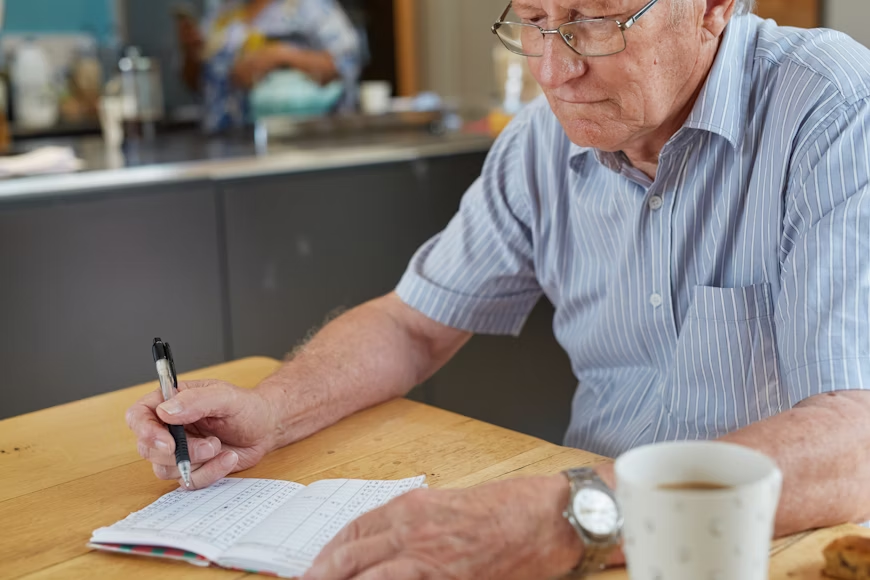
Managing finances can become challenging as we grow older. For many seniors and older adults, understanding where money goes each month and how to plan for future needs is not always easy—especially with technology and costs changing rapidly. That’s where the right tools and smart tips for managing finances can make life simpler, safer, and more secure. This guide highlights the best money management apps, online tools to help older adults manage finances, and practical ways to reduce costs and prevent financial abuse. Whether you’re a senior, caregiver, or family member, these insights can help ensure financial stability and confidence in every stage of life. Why Financial Management Is Crucial for Seniors? As seniors transition into retirement, regular income streams may decline while expenses like healthcare, medication, and senior housing increase. Without a proper budget, it’s easy for older adults to feel overwhelmed. Managing finances effectively helps control living expenses, avoid debt, and protect savings from fraud or mismanagement. Maintaining financial independence also preserves dignity. When older adults manage finances successfully, they remain in charge of their choices—planning for travel, medical care, or simply enjoying daily life. Common Financial Challenges Older Adults Face Understanding financial challenges is the first step toward overcoming them. Here are some of the most common difficulties faced by elderly persons: Fortunately, modern tools and technology can help older adults take control of their finances safely and effectively. Top 5 Tools to Help Older Adults Manage Finances Finding the right financial tools can transform how older adults manage money. Below are five excellent, senior-friendly money management apps and platforms that make managing finances at home easier and safer. Empower (formerly Personal Capital) Best for: Retirement planning and overall financial tracking Empower offers a free dashboard that connects all your accounts—checking, savings, investments, and retirement—so you can view your total finances in one place. It tracks spending habits, budget categories, and net worth, helping seniors plan for the long term. Why seniors use it: Empower is perfect for older adults who want to monitor their savings and ensure their retirement income covers their living expenses. You Need a Budget (YNAB) Best for: Hands-on budgeting and expense control YNAB focuses on giving every dollar a purpose. It teaches practical budget-simple habits that work well for seniors who are managing fixed incomes. The app connects to bank accounts, helps adults manage finances, and prevents overspending by showing exactly where each cent goes. Why seniors use it: YNAB can help older adults manage finances home by providing a daily structure and helping them stay mindful about spending habits. EverSafe Best for: Protecting against financial abuse and fraud EverSafe is specifically designed to help older adults by monitoring bank accounts, credit cards, and investments for suspicious activity. It detects unusual transactions, missing deposits, or sudden spending changes—and sends alerts to trusted family members. Why seniors use it: This tool offers peace of mind as a digital safeguard—ensuring an older adult’s hard-earned money remains secure. Rocket Money (formerly Truebill) Best for: Cutting unnecessary expenses and saving on bills Rocket Money identifies recurring subscriptions and negotiates lower bills. It’s one of the best tools to help older adults reduce living expenses without a complex setup. Seniors can cancel unwanted services, lower insurance premiums, and track their monthly budget in one app. Why seniors use it: For seniors trying to stretch their retirement funds, Rocket Money is a practical, stress-free solution. True Link Financial Best for: Safe, controlled spending with family oversight Actual Link offers a prepaid Visa card and digital account designed specifically for older adults. Caregivers can set spending limits, block specific merchants, and view transactions in real-time—ideal for those who want independence with a layer of security. Why seniors use it: Actual Link is excellent for families or caregivers who want to help older adults manage funds safely while maintaining trust and transparency. How to Use Financial Tools Effectively Having great apps and platforms is one thing, but knowing how to use them is key. Here are a few practical tips managing finances at home with these tools: By combining technology and awareness, older adults can achieve balance, control, and peace of mind in their financial journey. Tips for Managing Finances at Home Even with technology, traditional finance habits still matter. Here are essential strategies to complement your digital tools: Create and Maintain a Simple Budget A budget simple helps you track money easily. Write down all income sources and fixed costs such as rent, groceries, or senior housing. Set aside a small portion for medical emergencies. Regular updates ensure your finances stay on track. Manage Spending Habits Regularly check where the money goes. Many seniors find that small recurring costs—like streaming services or memberships—quietly add up. Reviewing them monthly helps prevent waste and improve savings. Protect Yourself from Financial Abuse Never share passwords or banking information over phone or email. Enable two-factor authentication on all online accounts and stay cautious of offers that sound “too good to be true.” Apps like EverSafe make this easier. Seek Help When Needed Sometimes, professional assistance is invaluable. Organizations like Indy In-Homecare can guide older adults manage finances home, connecting them to trustworthy services and programs that simplify daily life and financial responsibilities. How Caregivers Can Help Older Adults Manage Finances Family members or caregivers can help bridge the gap between technology and daily needs. Supporting older adults finances doesn’t mean taking control—it means empowering them. Ways caregivers can assist: Professional caregivers from Indy In-Homecare also extend support beyond medical assistance—helping seniors use trusted tools and maintain financial confidence at home. Reducing Living Expenses Without Compromising Quality Keeping living expenses under control doesn’t mean cutting joy out of life. Here’s how older adults manage savings more efficiently: These small actions and effective tools can significantly reduce living expenses without sacrificing comfort. Practical Steps for Safe Financial Management To wrap all these strategies together, here’s a step-by-step guide for managing finances home safely: Final Thoughts Financial management for seniors isn’t about mastering every new