
How Much Does In-Home Care Cost in 2026?

More than 10,000 Americans turn 65 every day — and roughly 70% of them will eventually need some form of long-term care. As families navigate this reality, in-home care has become one of the most sought-after options, offering seniors the ability to age in place with dignity and independence. But here’s what catches many families off guard: in-home care is not cheap, and costs vary dramatically by location. According to A Place for Mom’s 2026 Costs of Long-Term Care and Senior Living Report, the national median hourly rate hit $34 — a 3% increase from the prior year — with some states charging nearly double what others do. Nearly one in three families ends up spending more than anticipated on home care, often because care decisions are made quickly following a health crisis, hospital discharge, or sudden decline in condition. Planning ahead is everything. This guide breaks down what in-home care costs in every region of the country, what factors drive those prices, how to pay for it, and what families in Indiana should know about local rates. What Is In-Home Care? (And What It Covers) Before diving into costs, it’s important to understand the two main categories of in-home care, as they differ significantly in price: 1. Non-Medical Home Care (Personal Care / Companion Care) 2. Home Health Care (Skilled/Medical Care) Most families budget for non-medical home care. Skilled home health care costs significantly more — typically $85–$120 per hour — but is sometimes partially covered by Medicare for qualifying conditions. National Overview: In-Home Care Costs in 2026 Care Schedule Weekly Hours Estimated Monthly Cost Part-time 10 hrs/week ~$1,472/month Moderate 20 hrs/week ~$2,944/month Full-time 40 hrs/week ~$5,888/month Live-in / 24-7 care 168 hrs/week $10,000–$21,840+/month Monthly estimates use the formula: hourly rate × weekly hours × 4.33 weeks per month. The national median monthly cost — across all schedules — sits at approximately $5,148 per month in 2026 when accounting for typical care arrangements. State-by-State In-Home Care Cost Breakdown (2026) Costs are driven primarily by geography, labor markets, and state regulations — not necessarily the quality of care. Surprisingly, typically high-cost states like California and New York don’t rank among the most expensive for home care. Most Expensive States for In-Home Care State Median Hourly Rate South Dakota $44/hour Vermont $43/hour Montana $42/hour Minnesota $41/hour Washington $40/hour Alaska $39/hour Oregon $38/hour North Dakota $38/hour Mid-Range States for In-Home Care State Median Hourly Rate California $34–$36/hour New York $33–$35/hour Illinois $32–$34/hour Texas $30–$32/hour Florida $30/hour Colorado $33/hour Ohio $30/hour Michigan $30/hour Indiana $31/hour Most Affordable States for In-Home Care State Median Hourly Rate Mississippi $25/hour Alabama $26/hour Louisiana $26/hour West Virginia $28/hour Arkansas $28/hour South Carolina $28/hour Georgia $29/hour Tennessee $29/hour Regional Breakdown: What to Expect by Area Northeast States like Maine, New Hampshire, Connecticut, and Massachusetts range from $35–$42/hour. The region’s strong labor protections and high cost of living push rates above the national median. Useful resource: AARP’s Home Care Cost Calculator can help Northeast families project total annual costs. Southeast Florida is a notable outlier at $30/hour — below the national median despite being a major retirement destination. Competition among agencies in high-senior-density areas keeps prices in check. Mississippi, Alabama, and Louisiana remain the most affordable states in the nation. Midwest The Midwest is a mixed bag. Minnesota sits near $41/hour due to labor shortages, while Indiana, Ohio, and Michigan cluster around $30–$31/hour — making the region relatively affordable for quality care. Mountain West / Pacific Northwest This region is among the most expensive. Washington, Oregon, Montana, and Colorado all exceed the national median significantly. Strong caregiver minimum wage laws and sparse rural populations are key cost drivers. Resource: Genworth Cost of Care Survey provides detailed city-level data updated annually. In-Home Care Costs in Indiana (2026) Indiana sits at a comfortable mid-range nationally, making it more accessible for families than many other states — while still maintaining a strong standard of professional care. Indiana Care Metric 2026 Figure Statewide average hourly rate ~$31/hour Indianapolis average $31–$40/hour Monthly cost (20 hrs/week) ~$2,686–$3,464 Monthly cost (40 hrs/week) ~$5,373–$6,928 Adult day health care (monthly) ~$1,733/month City-level variation within Indiana is meaningful. Rates in Terre Haute can reach $38/hour for specialized care, while Evansville, Kokomo, and smaller cities tend to run below the state average. Local Expert Spotlight: For families throughout central Indiana, Indy In-Home Care offers personalized care plans with transparent, competitive pricing for seniors who want to remain safely at home. Whether you need a few hours of companion care per week or a comprehensive daily care schedule, working with a licensed local agency ensures caregiver accountability, 24/7 support, and proper insurance coverage. Indiana’s Medicaid program — Indiana CHOICE (Community and Home Options to Institutional Care for the Elderly and Disabled) — provides home and community-based waiver services that can significantly offset private pay costs for qualifying seniors. Families should apply early, as waitlists can be long. What Factors Affect In-Home Care Costs? 1. Geographic Location Location is the single biggest variable. Urban vs. rural within a state also matters — city agencies often have more competition, while rural areas face caregiver shortages. 2. Level of Care Required Companion care (errands, companionship) is less expensive than personal care (bathing, dressing), which is less expensive than skilled nursing (wound care, injections). The complexity of the senior’s condition is a primary pricing factor. 3. Hours and Schedule Overnight care, weekend shifts, and holiday care typically carry premium rates. Live-in care is billed differently than hourly care and can sometimes be more cost-effective for seniors needing round-the-clock assistance. 4. Agency vs. Private Hire Licensed home care agencies charge more than independent caregivers, but include background checks, caregiver replacement, liability insurance, workers’ compensation, and 24/7 administrative support. Private hire is cheaper upfront but carries significant legal and liability risk. 5. Specialized Care Needs Conditions like dementia, Parkinson’s disease, ALS, or traumatic brain injury require caregivers with specialized training, which commands higher hourly rates. Memory care-trained companions often cost 15–25% more than standard companions. 6.
Care Begins with Clean Hands: What National Handwashing Awareness Week Means for In-Home Care
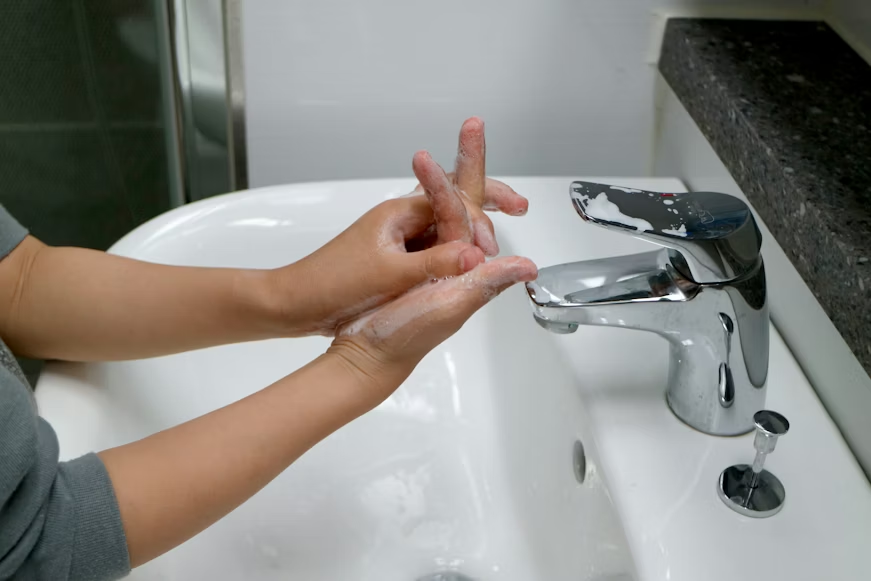
Every year, National Handwashing Awareness Week reminds families, caregivers, and healthcare professionals that preventing illness often begins with a straightforward act: washing our hands. In the world of in-home care, where seniors, adults with disabilities, and medically fragile individuals depend on safe daily support, proper hand hygiene becomes even more critical. Clean hands reduce infections, protect vulnerable clients, and create healthier home environments. Why Handwashing Is Essential in In-Home Care? Handwashing is widely recognized as the most effective, low-cost method of preventing the spread of infections. The Centers for Disease Control and Prevention (CDC) reports that: For aging adults or individuals with weakened immune systems, a simple respiratory or stomach infection can lead to dehydration, hospitalization, and serious complications. That’s why caregivers must treat handwashing as an essential part of the care routine—not a simple step, but a life-preserving one. Common Illnesses Prevented by Proper Handwashing Consistent handwashing can dramatically reduce the spread of: Respiratory Infections Flu, RSV, pneumonia, and common colds often spread through droplets left on surfaces and hands. Gastrointestinal Infections Bacteria and viruses, such as norovirus, are highly contagious and commonly transmitted through touch. Skin and Soft Tissue Infections Handwashing reduces the spread of harmful bacteria, such as Staphylococcus aureus. Eye Infections Touching the face with unwashed hands increases the risk of conjunctivitis. COVID-19 and Other Viral Illnesses Although airborne, many viruses still spread through contaminated hands and surfaces. How Caregivers Can Practice Proper Hand Hygiene? Caregivers should wash their hands: The rule is simple: When in doubt, wash your hands. CDC-Approved Handwashing Steps For handwashing to be effective, it must follow the recommended 20-second cleaning technique: When water is unavailable, use 60%–70% alcohol-based hand sanitizer as a temporary solution. Helping Seniors Maintain Hand Hygiene Many seniors face challenges such as arthritis, mobility limitations, or memory issues. Caregivers can support them by: Simple modifications can help clients maintain independence while staying safe. Building a Clean and Safe Home Environment Good hygiene extends beyond handwashing. Caregivers should also: 🧼Disinfect High-Touch Surfaces Light switches, remote controls, faucets, doorknobs, and handrails. 🧴Keep Hygiene Supplies Stocked Soap, paper towels, sanitizer, wipes, and gloves. 🚪Encourage Visitors to Wash Hands Especially during flu season or after being outdoors. 🩺Follow Proper Care Protocols Clean hands before any care activity to prevent the spread of germs. How Professional Caregivers Strengthen Home Hygiene? Highly trained caregivers understand that clean hands lay the foundation for safety. Their daily routines—meal preparation, medication reminders, mobility assistance, and companionship—require strict attention to infection control. Professional care teams like those at Indy In-Homecare are educated in sanitation practices to ensure every home environment stays safe, healthy, and protected. Additionally, Indy In-Homecare emphasizes ongoing caregiver education, ensuring that hand hygiene protocols are updated in line with CDC and healthcare guidelines. This commitment ensures families receive reliable, safe, and high-quality support every day. Final Thoughts National Handwashing Awareness Week serves as a powerful reminder that even the smallest daily actions can create safer, healthier homes. For seniors and individuals receiving in-home care, proper hand hygiene isn’t optional—it is essential. Care truly begins with clean hands. By prioritizing handwashing, caregivers protect loved ones, prevent illness, and contribute to a healthier community.
Breast Cancer In-Home Care Support: Ensuring a Safe and Comfortable Recovery

Recovering from breast cancer is more than a medical journey—it’s an emotional, physical, and deeply personal experience that affects the individual, their mother, their family, and especially their seniors, who may already rely heavily on home care and daily help. With rising cancer rates and increasingly complex treatment plans, creating a comfortable and safe home environment is becoming essential for long-term wellness. According to the American Cancer Society, more than 310,000 women in the United States receive a breast cancer diagnosis every year, and about one in eight women will face the disease at some point in their lives. As treatments like surgery, chemotherapy, and radiation become more effective, survivors are living longer—but they’re also returning home with more needs than ever before. This is where quality care, emotional support, and the presence of professional home caregivers make a life-changing difference. The Rising Need for Structured Home Care After Breast Cancer Surgery After breast cancer surgery, patients often return home with limited mobility, discomfort, and an understandable need for reassurance. Statistics show that nearly 65% of breast cancer patients require some personal care assistance within the first 30 days after surgery. Tasks such as bathing, dressing, preparing meals, or even light stretching can feel overwhelming. This is why many families turn to professional home services that specialize in helping individuals stabilize their health, conserve energy, and adopt a healing-focused routine. Creating a safe, comfortable home supports faster physical healing. It helps patients feel grounded—something significant for older adults and seniors, who may already be dealing with other health conditions while supporting a loved one with cancer. Families across Indiana often rely on Indy In-Homecare at this stage, as the service provides trained caregivers who understand the complexity of post-surgical needs. The Importance of Emotional Support: A Listening Ear During Recovery Cancer affects so much more than the body. Patients recovering from breast cancer procedures and treatments like chemotherapy frequently report high levels of anxiety and loneliness. Studies reveal that up to 44% of survivors experience some level of depression within the first year after diagnosis, particularly after cancer diagnosis treatment begins. A compassionate listening ear at home—someone who understands the emotional rollercoaster of support for breast cancer care—can dramatically improve recovery outcomes. Consistent emotional support has been shown to reduce hospital readmissions by nearly 30%, while also enhancing long-term mental health. This confirms what many families already know: healing at home isn’t just physical—a supportive presence matters. Building a Comfortable Home Environment for Cancer Recovery The home is more than a place to sleep—it becomes a recovery hub. A healing-focused home environment should include: ✔ Light housekeeping Patients recovering from breast cancer often lack the strength for chores. Clean, organized spaces reduce stress and lower the risk of infection. ✔ Mobility safety Rugs, clutter, and poor lighting can create hazards. Falls remain the #1 cause of injury in seniors, and recovery makes mobility even harder. ✔ Nutritious meal support Healthy eating rebuilds strength and reduces treatment-related fatigue. ✔ Medication reminders Up to 50% of cancer patients forget or mismanage medications without support at home. ✔ Comfort-focused routines Fresh linens, warm showers, and personalized comfort items help maintain calm and stability. All of these contribute to a comfortable home, which research shows correlates with faster recovery, fewer complications, and better emotional well-being. Indy In-Homecare provides this structured care through customized plans tailored to each patient’s needs. Focus on Recovery: The Role of Professional Home Caregivers Trained caregivers are essential for individuals recovering from breast cancer, especially those experiencing fatigue, pain, post-surgical drains, or ongoing therapy. Professional home caregivers support patients with: A strong caregiver team ensures that patients can truly focus on recovery, without being overwhelmed by the demands of everyday life. This type of comprehensive assistance is precisely what families expect from trusted providers like Indy In-Homecare, known for compassionate, high-quality support. Holistic Support for Patients with Breast Cancer: From Diagnosis to Long-Term Care The breast cancer journey typically involves three core stages: Diagnosis The shock of a breast cancer diagnosis often brings fear, confusion, and unanswered questions. Emotional stability becomes a priority. Treatment Surgery, chemotherapy, and radiation can cause fatigue, weakness, nausea, and cognitive fog (“chemo brain”). Home-based assistance improves safety and consistency during this phase. Long-Term Recovery Healing continues for months or even years. Patients rebuilding their strength need practical and emotional support, steady routines, and a peaceful recovery space. Throughout these phases, home care services ensure continuity, balance, and stability—especially important for multi-generational households where mother, daughters, or aging family members may feel the emotional weight of navigating breast cancer challenges together. Why Home Matters: The Benefit of Recovering in a Familiar Space Home is a sanctuary. Studies show that recovering in a familiar environment significantly: Many survivors report feeling more empowered and more in control of their recovery when surrounded by loved ones, familiar objects, and personalized comfort routines. This creates the ideal foundation for regaining strength—physically, mentally, and spiritually. Final Thoughts Breast cancer is a life-altering journey, but recovering at home helps individuals rebuild their lives with dignity, strength, and hope. From light housekeeping to emotional connection, from structured health routines to a soothing home environment, every small act of care contributes to healing. When families seek dependable support, especially during the challenging phases of treatment and recovery, professional services provide comfort, confidence, and stability.