
Home Care Agency vs Private Caregiver | Indianapolis Guide
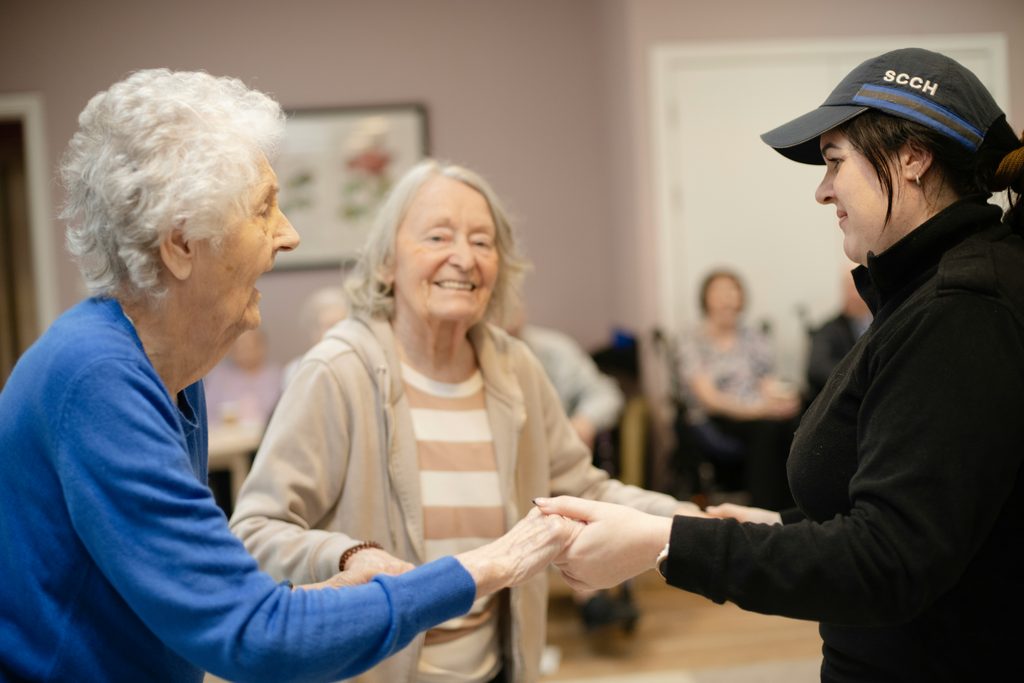
A neighbor recommends an aide she trusts, someone who charges $20 an hour. The agency quote you just received is higher. On paper, the choice looks easy. If you’re weighing a home care agency vs. private caregiver, starting with the independent option is completely reasonable. Hiring a private caregiver can feel more personal and more flexible, and it gives you direct control over who walks through your parent’s door. Those advantages are real, and plenty of families have good experiences. But the better question isn’t which rate is lower. It’s this: what are you actually paying for, and what risks are you taking on as an accidental employer? The initial hourly rate rarely tells the full financial or emotional story. The decision comes down to employer liability, reliability, and backup safety nets. Below is a practical framework for comparing both paths, whether you live in Indianapolis, Carmel, Fishers, Greenwood, Noblesville, or Zionsville, or you’re an adult child managing care from another state. The Core Difference: Household Employee vs. Agency Staff Quick answer: Home care agency vs private caregiver: an agency employs, screens, insures, and supervises its caregivers and provides a replacement when someone is out. A private caregiver is usually your household employee, so your family handles payroll taxes, vetting, injury risk, and backup coverage. Agencies cost more per hour but carry less family risk. Here is the legal reality. In almost all cases, an independent in-home aide is a household employee, not an independent contractor. The deciding factor is control. If you set the schedule, direct the tasks, and provide the home and supplies, the IRS generally considers the caregiver your employee, even if they ask to be paid in cash or on a 1099. IRS Publication 926 explains household employer duties, including Social Security and Medicare taxes, federal unemployment tax, and reporting on Schedule H. State-level obligations, such as unemployment contributions, can apply as well, and misclassification can bring back taxes and penalties. With an agency, the arrangement flips. The caregiver is the agency’s employee. The agency recruits, screens, trains, schedules, pays, and insures them, and your family is a client rather than an employer. That distinction sits underneath every comparison that follows. (Tax rules vary by situation, so a CPA or employment attorney can confirm how they apply to you.) The 5 Crucial Comparison Pillars Pillar 1: True Cost and the Employer Tax Burden An hourly rate is only one line of the budget. Pay a private caregiver $20 an hour for 30 hours a week and you’re at $600 weekly before anything else. As a household employer, you generally owe the employer share of Social Security and Medicare (7.65% of wages) and must withhold the worker’s matching 7.65%, a combined 15.3% reported through Schedule H with your tax return. Depending on wages paid, federal unemployment tax and Indiana unemployment contributions may apply too. Thresholds change, so confirm current figures in Publication 926. Then add what rarely appears in the original quote: payroll software or a household payroll service, overtime when hours rise (domestic worker overtime rules depend on duties and living arrangements, so verify them), paid-time-off expectations, and the cost of covering gaps when your aide is out. The Family Caregiver Alliance offers guidance on hiring private in-home help and the employer responsibilities families often underestimate, including written work agreements. Agency rates bundle payroll, taxes, insurance, scheduling, and supervision into one price. That doesn’t make agencies automatically cheaper, but the fair comparison is total cost and risk, not rate against rate. Pillar 2: Caregiver Background Checks and Credential Verification A friend’s recommendation is valuable, but it isn’t a screening process. Someone caring for a vulnerable person in a private home deserves a verified history, and the National Institute on Aging encourages families to check references, confirm credentials, and screen carefully when arranging in-home help. Self-vetting typically means: Reputable agencies handle this as a system: Indiana State Police and nationwide criminal record checks, motor vehicle checks where driving is part of the job, drug screening, license and certification verification, reference checks, and skills evaluation. Whichever agency you consider, including us, ask it to describe exactly what its screening covers. Pillar 3: Liability, Bonding, and Worker’s Compensation Imagine a caregiver slips on a wet bathroom floor while helping your mother bathe and fractures a wrist. Who pays for medical care and lost wages? When you’re the employer, the answer may be you. Indiana’s workers’ compensation system is overseen by the Indiana Worker’s Compensation Board, and the rules for domestic workers differ from those for most employers, so coverage is not something you can assume. Meanwhile, standard homeowners policies commonly exclude or limit injuries to people you employ unless you add the right endorsement. An injured caregiver could pursue a claim against the homeowner, which puts savings, and sometimes the home itself, at risk. Confirm your obligations with an insurance agent or attorney before the first shift. Property and theft concerns matter too. A bonded agency caregiver is backed by coverage if something goes missing, while a private hire leaves you to resolve it on your own. With an agency, workers’ compensation, commercial liability, and bonding sit on the agency’s side of the ledger, not yours. Pillar 4: Backup Caregiver Coverage and Reliability It’s 6:45 on a Monday morning and your aide texts: my car won’t start. For a parent who needs help with medications, meals, and mobility, that is not an inconvenience. It’s a safety gap. Adult children scramble, miss work, or drive in from out of town. Caregivers get sick, have family emergencies, and sometimes burn out and leave without notice. A solo caregiver is a single point of failure. An agency spreads that risk across a team and can send a screened replacement so the schedule holds. Flexible respite and backup caregiver coverage also protects the family member who has been carrying the load, giving them room to rest without leaving a gap in care. Pillar 5: Ongoing Supervision and Care Plan Adjustments Needs change,
24-Hour Home Care Indianapolis: When Is It Needed?
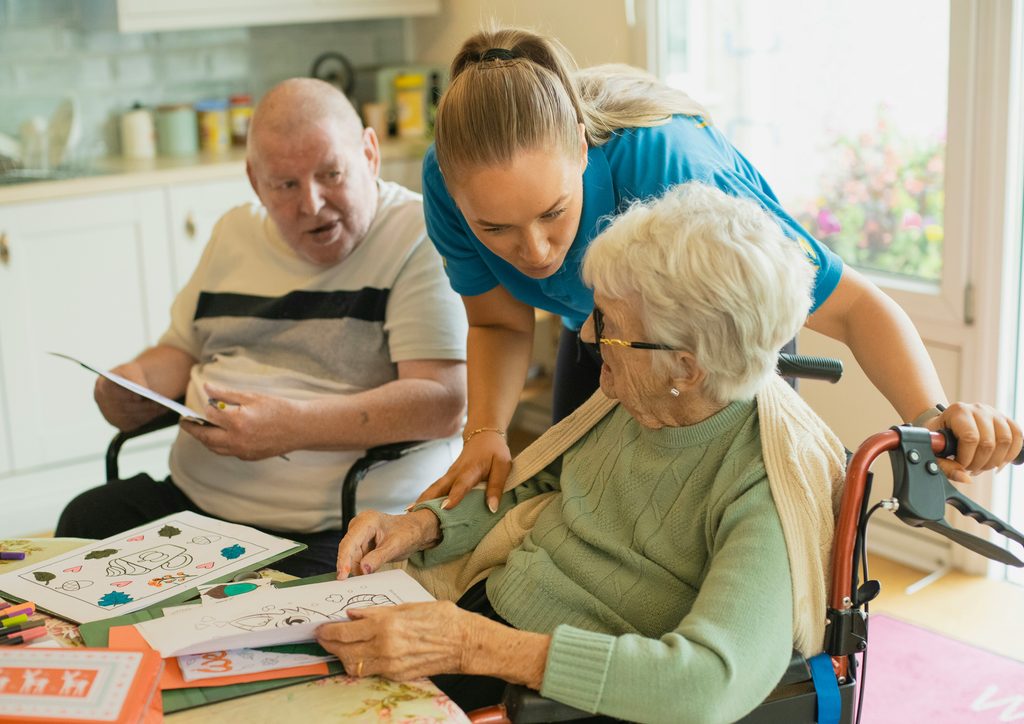
A senior may need 24-hour home care when they cannot safely remain alone and require assistance or supervision throughout the day and night. Repeated falls, wandering, frequent overnight needs, or difficulty managing essential daily activities can signal the need for an assessment, especially when family caregivers cannot reliably cover those needs. Why is deciding on more care so difficult? Families often struggle because safety concerns overlap with a parent’s wish to remain independent. A thoughtful decision considers both the older adult’s preferences and the support actually available at home. Perhaps your mother says she is managing, but you find untouched meals. Your father calls several times overnight because he needs help reaching the bathroom. You want to respect their choices, yet worry about what happens between visits. For families exploring 24-hour home care Indianapolis options, the question is practical: Can someone reliably respond whenever help is needed? Age alone does not answer that question. Daily functioning, health changes, and gaps in support matter more. What is 24-hour home care? 24-hour in-home care provides continuous coverage through caregivers working scheduled shifts. For someone who needs unpredictable assistance overnight, the plan should explicitly include an awake caregiver throughout those hours. Non-medical caregivers may help with: A caregiver for elderly at home does not diagnose illness, provide nursing treatment, or replace emergency services. Wound care, injections, and other skilled services require appropriately licensed professionals. Some people need both non-medical assistance and separately arranged home health services. What warning signs show a senior may need around-the-clock care? Around-the-clock care for seniors becomes worth considering when essential needs or safety risks occur across both daytime and nighttime hours. One concern may justify an assessment, but the timing, severity, and available help determine the appropriate schedule. Warning Signs That a Senior May Need 24-Hour Home Care These signs can also reflect treatable problems. Arrange a clinical evaluation rather than assuming every change is normal aging. Which symptoms need medical attention immediately? Sudden confusion requires immediate medical help; do not assume it is dementia. Call 911 for chest pain, serious breathing difficulty, stroke symptoms, loss of consciousness, or another apparent emergency. Stroke symptoms include sudden facial drooping, arm weakness, or speech difficulty—even if they improve. See CDC stroke guidance and MedlinePlus guidance on confusion. After a fall, seek prompt medical guidance; call 911 for suspected serious injury, severe pain, loss of consciousness, or inability to get up safely. Do not wait for a home care consultation to address an injury or urgent symptoms. When is 24-hour care especially helpful for dementia or Alzheimer’s? Dementia care at home may require continuous supervision when someone wanders, cannot recognize hazards, or needs repeated assistance overnight. A diagnosis alone does not mean 24-hour care is necessary; current abilities and risks guide the decision. The Alzheimer’s Association explains that wandering can occur at any stage and become dangerous. Someone who appears comfortable during a family visit may still leave home looking for a former workplace later that evening. Review the Association’s wandering guidance. Consistent caregivers can provide familiar routines, gentle redirection, and help with personal care. Ask about dementia-specific training, communication approaches, and a response plan for wandering. Door alerts can supplement supervision, but cannot provide hands-on help. New or rapidly worsening behavior needs medical evaluation before being attributed to dementia progression. When might a senior need overnight care? Overnight care may be sufficient when a senior has dependable daytime support but needs assistance after bedtime. Continuous 24-hour coverage becomes more appropriate when comparable needs also occur during the day. Common concerns include repeated bathroom trips requiring assistance, nighttime disorientation, and unsafe attempts to stand without help. Dementia-related sleep changes can also disrupt the household; discuss possible causes with a clinician. The Alzheimer’s Association offers guidance on sleep issues and sundowning. When comparing overnight caregiver Indianapolis services, ask whether the caregiver stays awake or has designated sleep time. Someone needing frequent, unpredictable assistance should not rely on an arrangement that assumes uninterrupted caregiver sleep. Can 24-hour home care help after hospitalization or surgery? Temporary 24-hour support may help when a medically stable senior returns home with substantial assistance needs. The discharge team should determine whether home is appropriate and identify any required nursing, therapy, equipment, or rehabilitation services. Post-hospital care for seniors can include meal preparation, dressing assistance, approved mobility support, and help keeping follow-up appointments. Caregivers should follow documented restrictions and report concerning changes. Before discharge, ask: Set a reassessment date. Some families need intensive support temporarily, then fewer hours as recovery progresses. Home care cannot guarantee recovery or prevent every readmission. How do 24-hour home care, live-in care, and assisted living compare? 24-hour care uses shifts to maintain coverage, while live-in arrangements generally include caregiver sleep and break periods. Assisted living offers housing and shared staff support, with services and supervision varying by community. 24-Hour Home Care vs. Live-In Care vs. Assisted Living Consideration 24-hour home care Live-in care Assisted living Setting Senior’s home Senior’s home Residential community Staffing Caregivers rotate shifts Caregiver stays in home; relief arrangements needed Staff serve multiple residents Overnight help Awake coverage when explicitly arranged Sleep periods may limit availability Ask about overnight staffing and response Potential fit Frequent or unpredictable needs day and night Needs compatible with protected sleep and breaks Support needs that the community can safely meet Main question How are missed shifts covered? Who helps during sleep and breaks? Can staff meet this person’s specific needs? For live-in care vs 24-hour care, focus on actual coverage rather than the label. A single caregiver cannot work continuously without rest. Assisted living also should not be assumed to provide continuous one-to-one supervision or skilled nursing. How can continuous care support safety and family peace of mind? Reliable assistance can support daily routines and reduce periods when a senior faces difficulties alone. Its value depends on caregiver skills, a suitable home environment, and clear communication—not simply the number of scheduled hours. Practical fall prevention for seniors includes clear walking paths, suitable lighting, and
Delirium vs. Dementia: How Families Can Recognize the Difference

Delirium usually appears suddenly and may signal an urgent medical problem. Dementia generally develops gradually. Families and non-medical caregivers can recognize concerning changes, but only qualified healthcare professionals can diagnose either condition. What Is the Main Difference Between Delirium and Dementia? Delirium is a sudden, fluctuating disturbance in attention and awareness, usually developing within hours or days; dementia is a gradual decline in memory and other thinking abilities. Either pattern requires professional assessment, but suspected delirium needs prompt evaluation. Delirium often changes throughout the day. A person may be attentive in the morning but confused, sleepy, restless, or unable to follow a conversation later. Dementia usually produces a steadier, progressive decline over months or years, although symptoms can vary by person and dementia type. The following comparison reflects guidance from the Mayo Clinic, National Institute on Aging, and peer-reviewed clinical literature. Feature Delirium Dementia Onset Usually sudden—hours or days Usually gradual—months or years Attention Often markedly impaired May remain relatively intact early Awareness May be reduced or rapidly change Usually stable early, depending on type Symptom pattern Fluctuates, sometimes within hours Generally progressive Typical duration Hours to weeks; sometimes longer Usually long-term and progressive Potential reversibility May improve when causes are treated, but recovery is not guaranteed or immediate Usually not reversible, although some dementia-like symptoms have treatable causes Need for medical evaluation Prompt evaluation is needed Timely assessment is needed What Are the Most Common Signs of Delirium in Older Adults? Delirium commonly appears over hours or days and disrupts attention, awareness, thinking, or behavior. Symptoms may shift markedly during the same day, so a person can seem clearer at one time and severely confused later. Possible warning signs include: Delirium can look different from one person to another. New inattention—such as repeatedly losing track of a simple question—is especially important. Families should compare the behavior with the person’s usual mental and functional abilities rather than relying on a single symptom. What Are Hyperactive, Hypoactive, and Mixed Delirium? Hyperactive delirium increases movement and agitation; hypoactive delirium reduces activity and responsiveness. Mixed delirium alternates between both patterns, sometimes quickly, and the quiet hypoactive form is particularly easy for families and clinicians to overlook. Hypoactive delirium may be mistaken for fatigue or depression because the person appears quiet rather than disruptive. The American Geriatrics Society warns that this quieter presentation is frequently missed. What Can Cause Sudden Delirium in an Older Adult? Sudden delirium usually reflects one or more underlying medical, medication-related, substance-related, or environmental problems. Because many possible triggers require testing and some are dangerous, only a qualified medical professional can identify the cause and treatment. Possible triggers include: Delirium is often multifactorial. For example, illness, poor fluid intake, sleep disruption, pain, and a new medication may contribute simultaneously. Infection is one possibility, but families should not assume that sudden confusion automatically means a urinary tract infection. What Are the Most Common Signs of Dementia? Dementia usually develops gradually over months or years, causing worsening problems with memory, language, judgment, reasoning, or daily tasks. The defining concern is cognitive decline that increasingly interferes with a person’s independence and everyday functioning. Common signs include: Dementia is an umbrella term, not one specific disease. Alzheimer’s disease is its most common cause, while vascular dementia, Lewy body dementia, frontotemporal dementia, and other conditions can produce different patterns. Dementia is not a normal part of aging. Can an Older Adult Have Delirium and Dementia at the Same Time? An older adult can have delirium and dementia simultaneously, a condition called delirium superimposed on dementia. A sudden departure from the person’s usual abilities should be evaluated promptly, not assumed to be ordinary dementia progression. People living with dementia have an increased risk of delirium, particularly during illness, hospitalization, surgery, medication changes, or environmental disruption. A family may notice that the person suddenly cannot maintain attention, becomes much sleepier, develops hallucinations, or needs substantially more assistance than usual. Knowing the person’s baseline helps healthcare professionals recognize this acute change. Families should describe what the person could normally understand and do before the new symptoms began. Baseline information is considered essential to recognizing delirium accurately. When Does Sudden Confusion Require Immediate Medical Attention? New or rapidly worsening confusion warrants prompt medical evaluation because it may reflect a serious, time-sensitive condition. Call 911 when confusion accompanies stroke signs, breathing difficulty, chest pain, unconsciousness, a seizure, major injury, or immediate danger. Call 911 immediately when confusion occurs with: The CDC advises calling 911 immediately for stroke warning signs, including sudden weakness, speech difficulty, confusion, or severe headache. MedlinePlus also identifies sudden confusion and major changes in alertness as potential medical emergencies. For sudden confusion without the listed emergency signs, contact the person’s healthcare provider or an urgent medical service promptly for direction. This general information cannot determine the appropriate response for an individual situation. What Information Should Families Share With the Healthcare Provider? Families help clinicians by describing exactly when and how the change appeared, then comparing it with the person’s usual abilities. A complete medication list and recent health, sleep, intake, elimination, and behavior changes can guide evaluation. Prepare the following information: Note whether symptoms improve or worsen at particular times. Bring medication containers or an updated list when possible. Do not stop, restart, or change medication doses without guidance from an appropriate healthcare professional. How Can Families Support an Older Adult Experiencing Confusion at Home? While obtaining medical guidance, families can reduce distress and injury risk by keeping the setting calm, familiar, well oriented, and supervised. These non-medical measures may support comfort and safety, but they never replace professional evaluation. Families can: Do not argue about hallucinations or unusual beliefs. Offer reassurance and redirect attention without reinforcing the belief. Calm communication, orientation aids, sensory support, and familiar surroundings are commonly recommended supportive measures. How Can Indy In-Homecare Support Families in Central Indiana? Indy In-Homecare can provide non-medical support that helps older adults maintain safer, more familiar routines across Indianapolis and Central Indiana. Caregivers can observe and
Hospital-to-Home Transitions: Avoid Readmission Risks

In-home care significantly reduces the 30-day hospital readmission risk by bridging the critical gap between medical discharge and home recovery. Specialized caregivers ensure strict medication adherence, eliminate immediate fall hazards, and facilitate timely follow-up appointments, directly addressing the primary drivers of preventable post-discharge complications. The Hidden Risks of Hospital-to-Home Transitions for Seniors Returning home from the hospital should be a relief, but for seniors, the first 30 days post-discharge are fraught with vulnerability. When seeking reliable hospital to home transition care Indianapolis families must understand that the transition often involves new physical limitations, dietary restrictions, and complex medication regimens. The most common drivers of preventable hospital readmissions include: How In-Home Caregiver Support Prevents Avoidable Hospital Readmissions A successful recovery requires continuous, proactive support. For families navigating this stressful period, Indy In Homecare provides vital non-medical transitional care that transforms a fragile discharge plan into a successful recovery strategy. When it comes to reducing hospital readmissions in home care, having dedicated caregiver support after hospital discharge provides a protective buffer by: The First 72 Hours: Post-Discharge Safety Checklist The first three days at home are the most critical for a patient’s recovery. Use this checklist to ensure a safe and organized transition. Action Category Post-Discharge Tasks Medication Reconciliation Review all new prescriptions; safely store or discard old medications; set up a daily pill organizer. Transportation & Follow-ups Schedule primary care follow-ups within 7-14 days; arrange reliable transportation to all medical appointments. Fall Risk Removal Clear walkways of clutter and rugs; install nightlights; ensure mobility aids (walkers, canes) are easily accessible. Nutrition & Hydration Stock the fridge with easy-to-digest, nutrient-dense foods; place water bottles within arm’s reach of the recovery area. Emergency Preparedness Post emergency contacts, the primary physician’s number, and the hospital discharge paperwork in a highly visible location. Partnering with Local Indianapolis Healthcare Providers Effective transitional care requires seamless communication between the home environment and the medical team. Whether a patient is returning home from IU Health, Ascension St. Vincent, or Community Health Network, Indy In Homecare works alongside these local hospital systems to ensure discharge instructions are followed precisely for the best post hospital care at home Indianapolis has to offer. Furthermore, aligning with the Centers for Medicare & Medicaid Services (CMS) Readmission Reduction Program guidelines and utilizing resources from the Indiana Family and Social Services Administration (FSSA) ensures that our care strategies meet the highest clinical standards for reducing avoidable hospital returns. Frequently Asked Questions About Hospital-to-Home Transitional Care What is hospital-to-home transitional care? It is a supportive service designed to help patients transition safely from a hospital or rehab facility back to their homes. It focuses on enforcing discharge plans, managing household tasks, and preventing complications that commonly lead to readmission. How soon should in-home care start after discharge? Ideally, care should begin on the exact day of discharge. Having a caregiver present to manage transportation, pick up prescriptions, and settle the patient into their home is crucial for maintaining safety during the first 24 hours. Can a caregiver help with my parent’s new medical equipment? While caregivers do not provide skilled nursing care, they can ensure that durable medical equipment—like oxygen tubing, walkers, or shower chairs—is positioned correctly and that the home environment is optimized for its safe and easy use. Does insurance cover non-medical transitional care? Medicare typically covers skilled nursing or physical therapy, but non-medical home care is often private pay. However, some long-term care insurance policies, Veterans Affairs (VA) benefits, and specific Medicaid waiver programs may help cover senior transitional care services Marion County residents rely on. Conclusion A hospital discharge is not the end of the medical journey; it is the critical beginning of the recovery phase. Without the right support, seniors face a high risk of setbacks and readmissions. Proper preparation, a safe home environment, and dedicated assistance make all the difference. Contact Indy In Homecare today to learn how our hospital-to-home transitional services can protect your loved one and give your family total peace of mind.
Best Father’s Day Gifts for Seniors Receiving In-Home Care (2026 Guide)

Father’s Day is one of the most meaningful days of the year — a time to honor the man who shaped you, supported you, and showed up for you in countless ways. But when your dad is receiving in-home care, finding the right gift can feel like a challenge. You want something that goes beyond a generic greeting card, something that truly fits his world and shows how deeply you understand his daily life. The good news? Some of the most heartfelt gifts aren’t found in a big-box store. They’re found in quiet moments, cozy comforts, and thoughtful gestures that make an aging father feel seen, celebrated, and cherished — right where he is. At Indy In-Homecare, we’ve had the privilege of supporting countless families as they navigate the journey of in-home care. We’ve seen firsthand how a thoughtful gift — big or small — can light up a senior’s day and strengthen the bond between a father and his family. This guide is here to help you find exactly that. Why Gift-Giving Looks Different for Homebound Seniors Before diving into ideas, it helps to think about what your dad’s daily life actually looks like. Seniors receiving in-home care often spend most of their time at home, which means: With those principles in mind, here are the best Father’s Day gift ideas for seniors receiving in-home care, organized by category. Comfort & Relaxation Gifts 1. Luxury Fleece Throw Blanket A high-quality, ultra-soft fleece or sherpa blanket is one of the most universally loved gifts for homebound seniors. Many older adults feel cold more easily, and a weighted or extra-warm throw can be both comforting and therapeutic. Look for one in his favorite color, or have it personalized with his name or a family photo. Why it works: It’s used every single day, is a constant reminder of your love, and requires zero effort to enjoy. 2. Aromatherapy Diffuser with Relaxing Oils A quiet, automatic essential oil diffuser with calming scents like lavender, eucalyptus, or cedarwood can create a spa-like atmosphere in dad’s room. Many seniors find aromatherapy helps with sleep, mood, and anxiety. Bonus tip: Choose a diffuser with large buttons and simple controls — easy to operate without frustration. 3. Heated Neck and Shoulder Massager For dads dealing with muscle stiffness or chronic aches — common for seniors with limited mobility — a wearable heated massager can provide real, daily relief. Many models are designed to drape over the shoulders for hands-free use. Memory & Legacy Gifts 4. Custom Photo Book or Memory Album Gather your family’s best photos — spanning decades — and have them printed in a beautiful photo book. Services like Shutterfly, Artifact Uprising, or Chatbooks make this easy and affordable. Include captions, dates, and little notes beside each photo. Why it works: For dads with dementia or memory challenges, a tactile photo book can spark reminiscence, conversation, and emotional connection in a way few gifts can. 5. Personalized “Dad, I Love You Because…” Journal Pre-filled prompt journals — where you and other family members write answers to questions about dad — make for an incredibly moving, one-of-a-kind keepsake. You can find printable versions online or buy them ready-made. 6. A Family Memory Box Decorate a beautiful keepsake box and fill it with printed photos, handwritten letters from grandchildren, dried flowers, old ticket stubs, and other mementos. Every item is a conversation starter and a reminder of a life well-lived. 7. Record His Story with StoryWorth StoryWorth is a subscription service that emails dad (or his caregiver) a new question about his life each week. He answers, and at the end of the year, the stories are compiled into a hardcover book. It’s an extraordinary gift — both for him in the moment, and for your whole family forever. Entertainment & Mental Engagement Gifts 8. Smart Speaker (Amazon Echo or Google Nest) A voice-activated smart speaker is one of the most genuinely useful gifts for a senior with limited mobility. Dad can listen to his favorite music from any decade, hear the news, set medication reminders, call family members, and even control smart home devices — all without touching a button. Best for: Dads who love music, talk radio, audiobooks, or sports updates. 9. Large-Print Books or Audiobook Subscription If your dad is a reader, large-print editions of his favorite genres (history, westerns, mysteries, biographies) are a wonderful gift. Alternatively, an Audible subscription lets him enjoy books without straining his eyes — a game-changer for seniors with vision challenges. 10. Personalized Word Search or Puzzle Book Cognitive engagement is one of the best things for aging minds. A custom word search book built around themes your dad loves — his hometown, favorite sports team, old movies — is both fun and mentally stimulating. Food & Sensory Gifts 11. A Favorite Meal, Delivered with Love Sometimes the most meaningful gift is a home-cooked meal of dad’s all-time favorites, prepared by the family and delivered on Father’s Day. Work with his in-home caregiver ahead of time to understand any dietary restrictions, and make it an event — set the table nicely, bring flowers, and stay to eat together. At Indy In-Homecare, our caregivers are experienced in supporting special family occasions, from meal prep to table setting, so Father’s Day can feel like a real celebration right at home. 12. Gourmet Snack or Treat Box Curate a box of his favorite snacks — chocolates, nuts, popcorn, cookies, dried fruit — in a beautiful gift basket. This is especially great for dads who love a little indulgence. Make sure to account for any dietary restrictions (diabetic-friendly, low-sodium, soft-food options). 13. Subscription to a Coffee or Tea Club If your dad is a coffee or tea lover, a monthly subscription sends a little gift to his door long after Father’s Day. It’s a recurring reminder that you’re thinking of him. Wellness & Safety Gifts 14. Comfortable Non-Slip Slippers Quality slippers with non-slip soles, arch support, and easy velcro closures are
7 Practical Caregiver Strategies Every Indiana Family Should Know (Routine, Lighting, Validation Therapy & More)

Caring for a loved one at home in Indiana is one of the most meaningful — and demanding — roles a person can take on. Whether you’re supporting an aging parent, a spouse with dementia, or a family member with a disability, having the right strategies in place makes all the difference. At Indy In-Home Care, we’ve worked alongside hundreds of Indiana families and seen firsthand how simple, evidence-based techniques can dramatically improve quality of life — for both the person receiving care and the caregiver providing it. In this guide, we’re sharing seven practical strategies that professional in-home caregivers use every day, so you can bring that same level of care right into your own home. Why Caregiver Strategy Matters for Indiana Families Indiana is home to more than 1.1 million unpaid family caregivers, and the demand for quality in-home care in Indiana continues to grow as the senior population expands. Without proven strategies, even the most loving caregiver can experience burnout, and the person in their care can face increased anxiety, confusion, or physical decline. The good news: small, deliberate changes to how care is delivered can produce big results. Let’s walk through seven of the most impactful ones. 1. Build a Consistent Daily Routine For seniors — especially those living with Alzheimer’s, dementia, or anxiety — predictability is profoundly calming. A structured daily routine reduces confusion, minimizes behavioral disruptions, and helps the body regulate sleep, appetite, and mood. How to implement it: Routines don’t need to be rigid — they just need to be reliable. Even small rituals, like an afternoon cup of tea or a morning walk around the block, create anchors that help loved ones feel safe. 2. Optimize Lighting Throughout the Home Poor lighting is one of the most overlooked hazards in home care. Inadequate or harsh lighting contributes to falls, increases agitation in dementia patients (especially in the late afternoon, a phenomenon known as “sundowning”), and disrupts healthy sleep cycles. Practical lighting adjustments: This single intervention — improving lighting — has been shown to reduce falls and improve sleep quality in older adults significantly. 3. Use Validation Therapy for Dementia and Memory Care Validation therapy is a communication approach developed by Naomi Feil in the 1960s, and it remains one of the most compassionate tools in dementia care. Instead of correcting a person’s reality (which increases distress), validation therapy meets them where they are emotionally. The core principle: The feelings behind what someone with dementia says are always real, even if the facts aren’t. How to practice validation therapy at home: Validation therapy reduces agitation, improves emotional wellbeing, and strengthens the caregiver-client relationship — all without medication. 4. Simplify the Environment to Promote Independence A cluttered or overly complex environment can overwhelm seniors and those with cognitive decline. Strategic simplification empowers your loved one to do more on their own — safely. Environment modifications that work: The goal is a home that works with your loved one, not against them. 5. Practice Meaningful Engagement and Activity Loneliness and inactivity are serious health risks for seniors — linked to cognitive decline, depression, and even increased mortality. Meaningful engagement isn’t about keeping someone busy; it’s about connecting them to purpose, identity, and joy. Activity strategies for caregivers: 6. Communicate with Calm, Clear Language How caregivers communicate — tone of voice, word choice, body language — shapes the entire caregiving experience. Especially for individuals with hearing loss, dementia, or anxiety, the way something is said matters as much as what is said. Communication best practices: 7. Prioritize Caregiver Self-Care and Know When to Ask for Help This one is often skipped in caregiver guides, but it may be the most important strategy of all: you cannot pour from an empty cup. Caregiver burnout is real, it’s common, and it degrades the quality of care your loved one receives. Self-care strategies for caregivers: And know this: bringing in professional in-home care is not giving up. It’s giving more — more safety, more expertise, and more energy to the relationship you have with your loved one. How Indy In-Home Care Supports Indiana Families At Indy In-Home Care, our caregivers are trained in all of the strategies outlined above. We serve families across Indiana with compassionate, personalized in-home care services — from companion care and daily living assistance to specialized memory care support. Every care plan we build is tailored to the individual, because we know that no two families — and no two loved ones — are exactly alike. Whether you need a few hours of support each week or around-the-clock care, Indy In-Home Care is here to help your family navigate this journey with confidence and peace of mind. We’re proud to serve the Indiana community and are committed to keeping your loved ones safe, engaged, and cared for — right where they want to be: at home. Frequently Asked Questions About In-Home Care in Indiana What does in-home care in Indiana typically include? In-home care services in Indiana commonly include assistance with daily activities (bathing, dressing, grooming), meal preparation, medication reminders, light housekeeping, companionship, and transportation to appointments. Specialized services may also include dementia care and respite care for family caregivers. How much does in-home care cost in Indiana? According to the 2024 Genworth Cost of Care Survey, in-home care in Indianapolis averages around $5,911 per month, though costs vary based on hours of care and services needed. Indiana Medicaid programs (including the CHOICE waiver) may help cover costs for eligible seniors and individuals with disabilities. What is validation therapy and does it work for dementia? Validation therapy is a communication approach that acknowledges the emotions and reality of a person with dementia rather than correcting them. Research supports its effectiveness in reducing agitation, improving emotional wellbeing, and fostering trust between caregiver and care recipient. When should a family consider professional in-home care in Indiana? Families often begin exploring in-home care when a loved one shows signs of difficulty managing daily tasks safely, experiences frequent
Senior Isolation & Indiana Home Care: A Guide for Families

Loneliness is more than a feeling — for older adults, it’s a serious health crisis that quietly shortens lives. Here’s what every Indiana family needs to know. Your mother calls less frequently. Your father has stopped attending the weekly church group he loved for thirty years. When you visit, the house feels a little quieter than it used to — and so does he. For millions of American families, these small changes are easy to dismiss as “just getting older.” But increasingly, medical researchers are calling senior isolation one of the most dangerous — and most overlooked — threats to elder health in the United States. And here in Indiana, where rural communities and suburban sprawl can leave older adults hours away from family, the problem is especially urgent. In this guide, we’ll cover exactly what senior isolation is, why it’s so physically and mentally harmful, the warning signs most families miss, and — most importantly — what you can do today to protect the older adult in your life. What Is Senior Isolation — and How Common Is It? Social isolation refers to having little or no contact with other people. Loneliness is the subjective feeling of being alone, even if you’re not. For seniors, both are dangerously common — and they often feed each other. The statistics are sobering: What’s driving this? A confluence of factors uniquely affecting older adults: the death of a spouse or close friends, retirement removing daily social structure, mobility limitations making it harder to get around, adult children living in different cities, and chronic health conditions that make leaving the house difficult or uncomfortable. In Indiana, this is compounded by geography. Many elderly residents live in rural counties where neighbors are miles apart and public transportation is limited. Even in urban centers like Indianapolis, older adults in fixed-income housing can go days without meaningful human contact. “The health impact of social isolation is comparable to smoking 15 cigarettes a day. This is not a soft, emotional problem — it is a medical crisis.”— U.S. Surgeon General’s Advisory on Loneliness, 2023 The Serious Health Risks of Senior Loneliness Families often think of elder isolation as a quality-of-life issue — sad, but not dangerous. The medical evidence says otherwise. Chronic social isolation in older adults is linked to a cascade of serious physical and cognitive health outcomes. Cognitive Decline and Dementia Regular social engagement is one of the most powerful ways to keep aging brains sharp. When seniors lose their social connections, the brain receives less stimulation, less feedback, and less challenge. Studies show that socially isolated older adults have a 50% greater risk of developing dementia, including Alzheimer’s disease. The mechanism is real: isolation accelerates the buildup of amyloid plaques and tau tangles in the brain that are hallmarks of Alzheimer’s. Depression and Anxiety Depression is not a normal part of aging — but it becomes far more common in isolated seniors. Older adults with limited social contact are significantly more likely to experience clinical depression, generalized anxiety, and in severe cases, suicidal ideation. What makes this particularly dangerous is that isolated seniors often have no one close enough to notice the change and intervene. Heart Disease and Stroke The link between loneliness and cardiovascular disease is well-established. Isolated seniors show elevated levels of cortisol (the stress hormone), increased blood pressure, and heightened inflammatory markers — all major drivers of heart disease. Research published in the journal Heart found that social isolation was associated with a 29% higher risk of heart disease and a 32% greater risk of stroke. Weakened Immune Function Chronic loneliness suppresses immune function at the cellular level, making seniors more susceptible to infections, slower to recover from illness, and less responsive to vaccines. This was starkly illustrated during the COVID-19 pandemic, where isolated seniors experienced dramatically worse health outcomes even independent of direct virus exposure. Falls and Physical Decline Isolated seniors are less likely to maintain physical activity, more likely to neglect nutrition, and more likely to fall — and far less likely to have anyone nearby to help if they do. Falls remain the leading cause of injury-related death among Americans over 65, and social isolation is a documented risk factor. Warning Signs Your Loved One May Be Socially Isolated Many seniors won’t tell their family they’re lonely — out of pride, out of a desire not to be a burden, or simply because they’ve normalized it. These are the signs to watch for: What Indiana Families Can Do Right Now The good news: senior isolation is largely preventable and reversible. Research shows that even modest increases in social connection produce measurable health benefits. Here’s a practical roadmap for families. Practical Steps to Combat Senior Isolation How In-Home Care Addresses Senior Isolation Directly For many Indiana families — especially those managing long-distance caregiving — professional in-home care is the most practical and effective solution to senior isolation. And it does far more than many families realize. At Indy In-Home Care, our caregivers are trained to provide meaningful companionship alongside hands-on assistance. Whether it’s sharing a meal, helping with light exercise, playing cards, accompanying a senior to a doctor’s appointment, or simply sitting and talking — these interactions deliver the social stimulation that aging brains and hearts need to stay healthy. The benefits of regular in-home care visits for isolated seniors include: Consistent human connection: Unlike sporadic family visits, a scheduled caregiver provides a reliable social relationship your loved one can count on — the kind of predictable connection that research shows is most beneficial for mental health. Safety monitoring and early intervention: A caregiver who sees your parent regularly is positioned to notice changes in mood, appetite, cognition, or physical health early — before a small problem becomes a crisis. For isolated seniors living alone, this can be life-saving. Support for daily activities that preserve dignity and independence: When seniors can no longer safely manage tasks like cooking, bathing, or transportation on their own, the alternative is often a care facility — a transition that
PTSD and Aging: How In-Home Care Helps Veterans Stay Independent

Every morning, Robert — a 74-year-old Vietnam veteran living outside Indianapolis — goes through the same ritual before he’ll open his front door. He checks the locks twice, looks through the peephole for a long moment, and takes a slow breath before stepping onto his porch. His neighbors think he’s careful. His daughter knows the truth: her father has been fighting a war inside his own mind for fifty years. He is not alone. Across Indiana, tens of thousands of aging veterans are quietly navigating the intersection of two complex realities: the long shadow of combat trauma and the physical and cognitive challenges of growing older. For many, these two forces collide in ways that families and even physicians don’t fully anticipate — and the results can be isolating, frightening, and deeply misunderstood. This is a story about why that happens, what it looks like, and how compassionate, professional in-home care is giving Indiana veterans like Robert their lives back. What Happens to PTSD as Veterans Age? Post-Traumatic Stress Disorder doesn’t always get easier with time. For many veterans, it gets harder. Research published by the U.S. Department of Veterans Affairs shows that PTSD symptoms in older veterans can intensify — not fade — as they age. The reasons are layered and often interact with each other in cruel ways: Retirement removes structure. For decades, work provided a rhythm, a purpose, and a distraction. When that scaffolding disappears, unresolved trauma often rushes in to fill the silence. Physical decline triggers helplessness. A veteran who spent his life priding himself on toughness may find that needing help with daily tasks brings back the helplessness and loss of control that trauma first installed. Loss compounds grief. As spouses, fellow veterans, and friends pass away, older veterans lose the informal support systems that helped them cope. Social isolation — already a hallmark of PTSD — deepens. Sleep disorders escalate. Nightmares and hypervigilance, common PTSD symptoms, interfere with sleep at any age. But in older adults, chronic poor sleep accelerates cognitive decline, weakens the immune system, and increases fall risk. Medication complexity. Veterans managing multiple chronic conditions often take numerous medications, some of which can interact with or worsen psychiatric symptoms. According to the National Center for PTSD, roughly 70 to 90 percent of older veterans have experienced at least one traumatic event in their lifetime, and a significant portion carry undiagnosed or untreated PTSD — conditions that went unnamed and unacknowledged during eras when asking for help was seen as weakness. What PTSD-Related Decline Looks Like in Aging Veterans Families sometimes mistake the behavioral changes of PTSD for “just getting old.” This misreading leads to delayed help and unnecessary suffering. Here are some of the signs that PTSD may be complicating a veteran’s aging process: If you recognize these patterns in a loved one, the response that matters most isn’t a clinical one — it’s a human one. Consistency, patience, and the right kind of support can change everything. Why “Just Going to a Facility” Isn’t the Answer for Most Veterans It’s a well-meaning suggestion. When an aging parent starts struggling, the instinct of many families is to look at assisted living or memory care facilities. And for some veterans, those settings work beautifully. But for veterans with PTSD, institutional settings often carry significant risks: In-home care sidesteps every one of these barriers. And that’s not a small thing — that’s the difference between a veteran thriving in his own home or spending his final years in preventable decline. How In-Home Care Specifically Helps Veterans with PTSD 1. Preserving Control and Routine Veterans with PTSD often rely on predictable routines to stay emotionally regulated. An in-home caregiver who arrives at the same time each day, follows the same sequence of tasks, and never surprises the veteran with unexpected changes provides something that has real neurological value: safety through predictability. At Indy In-Home Care, caregivers are matched thoughtfully with veterans based on personality, communication style, and the specific needs of the individual. We understand that trust is not assumed — it’s built, carefully and over time. 2. Supporting Mental Health Without Clinical Intrusion In-home caregivers aren’t therapists, and the good ones don’t try to be. But they provide something therapy alone cannot: consistent, daily human presence. Simple activities — a walk around the block, a shared cup of coffee, a conversation about old photographs — can reduce the social isolation that feeds PTSD symptoms. Caregivers can also help veterans stay connected with their VA mental health resources, gently encouraging and helping with appointment scheduling, telehealth sessions, and medication adherence. The VA’s Caregiver Support Program also offers resources for families and professional caregivers supporting veterans — a valuable complement to in-home care services. 3. Fall Prevention and Physical Safety PTSD disrupts sleep. Disrupted sleep impairs balance and coordination. Poor coordination in an aging body means falls — and falls in older adults are a leading cause of injury and loss of independence. In-home caregivers provide hands-on assistance with mobility, help reorganize the home environment to reduce hazards, and ensure that a veteran is never navigating a dark hallway alone at 3 a.m. 4. Medication Management Many veterans with PTSD are managing a complex regimen of medications for both physical and psychiatric conditions. Missing doses, doubling up, or combining medications incorrectly can have serious consequences. In-home caregivers provide reminders, organize pill schedules, and flag concerns to family members or healthcare providers. 5. A Bridge Back to the Family PTSD can be corrosive to family relationships. Veterans often withdraw from the people who love them most, and family members — exhausted by years of walking on eggshells — sometimes pull back in return. A professional caregiver absorbs some of the daily caregiving burden, allowing family members to simply be present as a son, daughter, or spouse again — not as a round-the-clock caregiver managing crises. Indiana Veterans and the Access Gap Indiana has a proud military tradition. According to the Indiana Department of Veterans Affairs, the