
Senior Isolation & Indiana Home Care: A Guide for Families

Loneliness is more than a feeling — for older adults, it’s a serious health crisis that quietly shortens lives. Here’s what every Indiana family needs to know. Your mother calls less frequently. Your father has stopped attending the weekly church group he loved for thirty years. When you visit, the house feels a little quieter than it used to — and so does he. For millions of American families, these small changes are easy to dismiss as “just getting older.” But increasingly, medical researchers are calling senior isolation one of the most dangerous — and most overlooked — threats to elder health in the United States. And here in Indiana, where rural communities and suburban sprawl can leave older adults hours away from family, the problem is especially urgent. In this guide, we’ll cover exactly what senior isolation is, why it’s so physically and mentally harmful, the warning signs most families miss, and — most importantly — what you can do today to protect the older adult in your life. What Is Senior Isolation — and How Common Is It? Social isolation refers to having little or no contact with other people. Loneliness is the subjective feeling of being alone, even if you’re not. For seniors, both are dangerously common — and they often feed each other. The statistics are sobering: What’s driving this? A confluence of factors uniquely affecting older adults: the death of a spouse or close friends, retirement removing daily social structure, mobility limitations making it harder to get around, adult children living in different cities, and chronic health conditions that make leaving the house difficult or uncomfortable. In Indiana, this is compounded by geography. Many elderly residents live in rural counties where neighbors are miles apart and public transportation is limited. Even in urban centers like Indianapolis, older adults in fixed-income housing can go days without meaningful human contact. “The health impact of social isolation is comparable to smoking 15 cigarettes a day. This is not a soft, emotional problem — it is a medical crisis.”— U.S. Surgeon General’s Advisory on Loneliness, 2023 The Serious Health Risks of Senior Loneliness Families often think of elder isolation as a quality-of-life issue — sad, but not dangerous. The medical evidence says otherwise. Chronic social isolation in older adults is linked to a cascade of serious physical and cognitive health outcomes. Cognitive Decline and Dementia Regular social engagement is one of the most powerful ways to keep aging brains sharp. When seniors lose their social connections, the brain receives less stimulation, less feedback, and less challenge. Studies show that socially isolated older adults have a 50% greater risk of developing dementia, including Alzheimer’s disease. The mechanism is real: isolation accelerates the buildup of amyloid plaques and tau tangles in the brain that are hallmarks of Alzheimer’s. Depression and Anxiety Depression is not a normal part of aging — but it becomes far more common in isolated seniors. Older adults with limited social contact are significantly more likely to experience clinical depression, generalized anxiety, and in severe cases, suicidal ideation. What makes this particularly dangerous is that isolated seniors often have no one close enough to notice the change and intervene. Heart Disease and Stroke The link between loneliness and cardiovascular disease is well-established. Isolated seniors show elevated levels of cortisol (the stress hormone), increased blood pressure, and heightened inflammatory markers — all major drivers of heart disease. Research published in the journal Heart found that social isolation was associated with a 29% higher risk of heart disease and a 32% greater risk of stroke. Weakened Immune Function Chronic loneliness suppresses immune function at the cellular level, making seniors more susceptible to infections, slower to recover from illness, and less responsive to vaccines. This was starkly illustrated during the COVID-19 pandemic, where isolated seniors experienced dramatically worse health outcomes even independent of direct virus exposure. Falls and Physical Decline Isolated seniors are less likely to maintain physical activity, more likely to neglect nutrition, and more likely to fall — and far less likely to have anyone nearby to help if they do. Falls remain the leading cause of injury-related death among Americans over 65, and social isolation is a documented risk factor. Warning Signs Your Loved One May Be Socially Isolated Many seniors won’t tell their family they’re lonely — out of pride, out of a desire not to be a burden, or simply because they’ve normalized it. These are the signs to watch for: What Indiana Families Can Do Right Now The good news: senior isolation is largely preventable and reversible. Research shows that even modest increases in social connection produce measurable health benefits. Here’s a practical roadmap for families. Practical Steps to Combat Senior Isolation How In-Home Care Addresses Senior Isolation Directly For many Indiana families — especially those managing long-distance caregiving — professional in-home care is the most practical and effective solution to senior isolation. And it does far more than many families realize. At Indy In-Home Care, our caregivers are trained to provide meaningful companionship alongside hands-on assistance. Whether it’s sharing a meal, helping with light exercise, playing cards, accompanying a senior to a doctor’s appointment, or simply sitting and talking — these interactions deliver the social stimulation that aging brains and hearts need to stay healthy. The benefits of regular in-home care visits for isolated seniors include: Consistent human connection: Unlike sporadic family visits, a scheduled caregiver provides a reliable social relationship your loved one can count on — the kind of predictable connection that research shows is most beneficial for mental health. Safety monitoring and early intervention: A caregiver who sees your parent regularly is positioned to notice changes in mood, appetite, cognition, or physical health early — before a small problem becomes a crisis. For isolated seniors living alone, this can be life-saving. Support for daily activities that preserve dignity and independence: When seniors can no longer safely manage tasks like cooking, bathing, or transportation on their own, the alternative is often a care facility — a transition that
How In-Home Care Services Help Seniors Stay Healthy During Winter Months
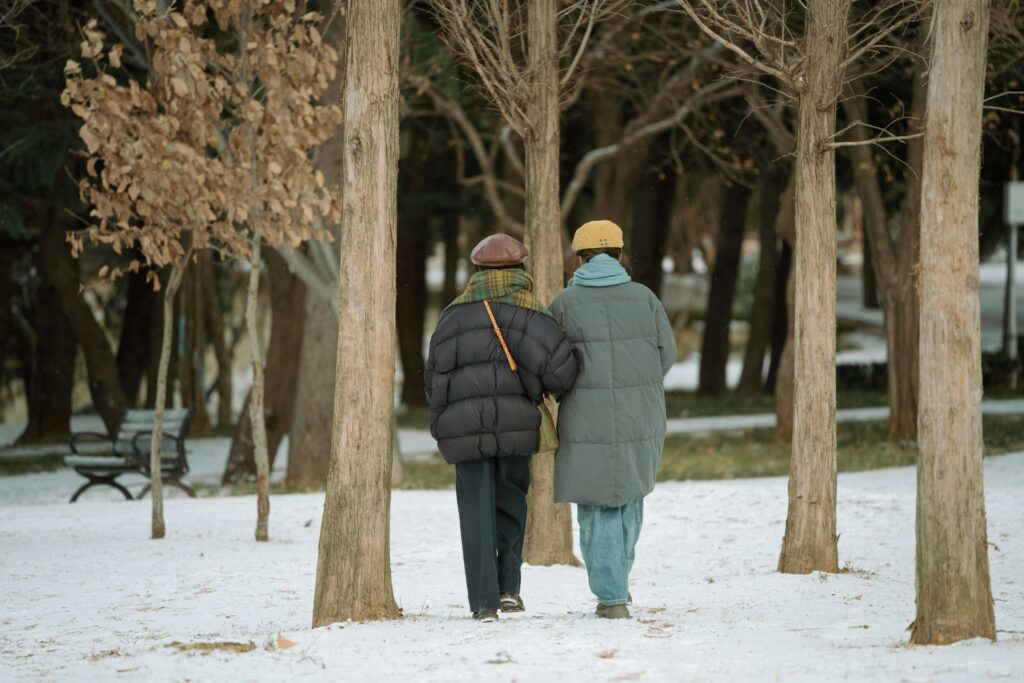
Winter can feel cozy and magical for some people, but for seniors, it often brings a completely different reality. Cold temperatures, icy sidewalks, and shorter days create real health risks that shouldn’t be ignored, making in-home care services an essential layer of support during the colder months. According to the CDC, adults aged 65 and older are five times more likely to be hospitalized during winter months compared to younger age groups. This is why winter senior health deserves special attention, especially for families caring for aging loved ones who rely on consistent, professional in-home care services. Many older adults want to stay in their own homes for as long as possible, even when winter conditions become harsh. That’s where in home care for seniors becomes not just helpful, but essential. With the right support, seniors can stay warm, safe, and healthy without uprooting their lives. Let’s explore how in-home care plays a critical role in protecting seniors during the winter months. Why Winter Is Especially Challenging for Older Adults? Aging bodies simply don’t respond to cold the same way younger ones do. Seniors tend to lose body heat faster, and many have chronic conditions that worsen in colder weather. Cold Weather and Chronic Conditions Conditions such as arthritis, heart disease, COPD, and diabetes often flare up in winter. Research published by the National Institutes of Health shows that cold temperatures can increase blood pressure and strain the heart, raising the risk of heart attacks and strokes among seniors. Weakened Immune Systems As we age, our immune response naturally slows down. During winter, viruses like influenza, RSV, and pneumonia circulate more aggressively. The CDC reports that 70–85% of flu-related deaths occur in people aged 65 and older. Reduced Mobility and Isolation Snow, ice, and shorter daylight hours limit outdoor activity. Many seniors stop going out altogether, increasing isolation, depression, and physical decline. These factors make winter one of the most dangerous seasons for older adults, especially those living alone. Understanding In-Home Care for Seniors Before diving deeper, it helps to understand what in home care for seniors actually includes. In-home care focuses on non-medical support that helps older adults safely remain in their own homes. Common In-Home Care Services Home care services in winter often include: Unlike nursing homes, in-home care allows seniors to maintain independence while receiving personalized attention tailored to seasonal needs. The Role of In-Home Care in Winter Senior Health Winter senior health isn’t just about avoiding illness; it’s about maintaining overall wellness. Caregivers act as an extra set of eyes and hands, noticing small changes before they turn into serious problems. Caregivers help ensure: Studies show that seniors receiving regular home care are 30% less likely to experience emergency hospital visits during winter months. Preventing Cold-Related Illnesses at Home Hypothermia Prevention Seniors are more vulnerable to hypothermia, even indoors. The World Health Organization states that indoor temperatures below 64°F (18°C) can be dangerous for older adults. In-home caregivers help by: Frostbite Awareness Caregivers discourage unnecessary outdoor exposure and ensure proper gloves, hats, and coats are worn when going outside. Respiratory Infection Prevention Home care services in winter often emphasize: These simple measures significantly reduce infection risk. Medication Management During Winter Months Winter can complicate medication routines. Delayed pharmacy trips, weather-related confusion, or illness can all lead to missed doses. Caregivers assist by: According to AARP, nearly 55% of seniors take four or more medications daily, making oversight crucial during winter disruptions. Nutrition and Hydration Support in Cold Weather Many seniors drink less water in winter because they don’t feel thirsty. Dehydration, however, remains a serious risk year-round. In-home caregivers help by: Proper nutrition strengthens immunity and helps regulate body temperature, both essential for winter senior health. Fall Prevention and Home Safety in Winter Falls are one of the biggest winter dangers. The CDC reports that over 3 million seniors are treated in emergency rooms annually due to falls, with winter being a peak season. Caregivers reduce fall risk by: Even simple tasks like taking out the trash or checking the mail can become hazardous without support. Supporting Mental and Emotional Health During Winter Seasonal depression, often called Seasonal Affective Disorder (SAD), affects many older adults. Less sunlight, isolation, and reduced activity all contribute. In-home care offers: Studies show that seniors receiving companionship-based care report lower rates of depression and anxiety. Reducing Social Isolation Through Home Care Services Loneliness can be just as harmful as physical illness. The National Institute on Aging links social isolation to higher risks of dementia, heart disease, and depression. Home care services in winter provide: For many seniors, a caregiver may be the only consistent human interaction during winter. Monitoring Chronic Conditions More Closely in Winter Winter weather often worsens chronic conditions. Arthritis pain increases, breathing becomes harder for those with COPD, and circulation issues intensify. Caregivers help by: This proactive approach prevents small issues from escalating into emergencies. Transportation and Appointment Assistance Snow and ice make driving dangerous, especially for seniors. Missed medical appointments can quickly lead to declining health. In-home caregivers assist with: This ensures continuity of care throughout winter months. Family Peace of Mind During Harsh Winter Months Winter can be stressful for families, especially those living far away. Knowing a trusted caregiver is checking in daily provides immense relief. Families working with providers like Indy In-Homecare often report feeling more confident that their loved ones are safe, warm, and supported when winter storms hit. Why Professional Home Care Services Matter More in Winter? While family members do their best, winter demands consistency and preparedness. Professional caregivers are trained to recognize seasonal risks and respond appropriately. Reliable home care services in winter help prevent: Another reason families turn to Indy In-Homecare is the personalized approach that adapts care plans specifically for winter-related challenges. Choosing the Right In-Home Care Provider When selecting in-home care for seniors, especially for winter support, look for: The right provider becomes a true partner in protecting winter senior health. Conclusion Winter doesn’t have to