
In-Homecare in Indiana: What Families Need to Know Before Choosing a Caregiver

When a loved one starts needing a little extra help around the house — whether it’s getting dressed in the morning, managing medications, or just having someone nearby for safety — families in Indiana are often caught off guard. The conversation about in-home care can feel overwhelming, emotional, and confusing all at once. Where do you even begin? The good news is that Indiana has a growing network of dedicated home care providers who genuinely make a difference in the lives of seniors and individuals with disabilities. Understanding your options is the first step toward making the best decision for your family. What Is In-Homecare and Who Needs It? In-home care refers to a range of supportive services delivered right inside a person’s own home. Rather than transitioning to a nursing facility or assisted living community, individuals receive personalized assistance while staying in the familiar environment they love. In Indiana, the need for in-home care services is growing fast. According to the U.S. Census Bureau, nearly 17% of Indiana’s population is 65 or older — and that number is climbing every year. Many of these seniors want to age in place, and with the right support, most of them can. In-home care typically falls into two broad categories: Non-medical personal care: covers daily living activities like bathing, grooming, dressing, meal preparation, light housekeeping, and transportation to appointments. A personal care aide works closely with the client to maintain their independence and dignity. Companion care: focuses more on emotional well-being — providing conversation, social engagement, help with hobbies, and simple reminders for medications or appointments. For seniors who live alone, this kind of human connection is often just as important as physical assistance. Signs It Might Be Time to Consider Home Care It’s not always easy to recognize when a family member needs help. People are proud, and the last thing most seniors want is to feel like a burden. Still, there are real warning signs that shouldn’t be ignored: If you’ve noticed any of these patterns during visits, it doesn’t mean something is catastrophically wrong — it means your loved one may benefit from a few extra hours of support each week. Many families in Indiana start with just a few visits before gradually increasing care as needs change. Why In-Home Care Is Often Better Than a Nursing Facility This is a question families wrestle with all the time. And while every situation is different, research consistently shows that most seniors recover faster, feel happier, and experience better overall health outcomes when they remain at home. Here’s why in-home care in Indiana tends to be such a strong option: It’s personal: In a facility, your loved one is one of many residents. With in-home care, the caregiver’s full attention is on them. That one-on-one relationship builds real trust over time. It preserves independence: Being at home means setting your own schedule, eating what you want, watching your favorite shows, and spending time with your pet. Small things add up to a much higher quality of life. It’s often more affordable: The average cost of a semi-private nursing home room in Indiana runs well over $80,000 per year. In contrast, in-home care services are typically billed by the hour, giving families flexibility and much lower overall costs — especially when only a few hours of daily support are needed. Family stays involved: When care happens at home, family members can visit freely, stay informed, and remain active participants in their loved one’s life. That’s harder to maintain in an institutional setting. How to Choose the Right Home Care Provider in Indiana Not all home care agencies are created equal. Here are the most important factors to evaluate when comparing providers: Licensing and compliance: In Indiana, home health agencies that provide skilled nursing must be licensed by the Indiana State Department of Health. For non-medical personal care, requirements vary, but reputable agencies maintain proper certifications and carry liability insurance. Caregiver screening: Ask specifically how caregivers are vetted. Background checks, reference verification, and ongoing training are non-negotiable. You’re inviting someone into a family member’s home — the screening process should reflect that level of trust. Consistency of care: Frequent caregiver turnover is one of the biggest complaints families have with larger national agencies. Your loved one should see familiar, reliable faces — not a revolving door of strangers. Flexible scheduling: Care needs don’t fit neatly into a 9-to-5 window. Look for providers who can accommodate mornings, evenings, weekends, and even live-in arrangements when necessary. Communication: A good agency keeps families informed. Regular updates, open lines of communication, and a clear plan of care make a real difference — especially when medical or behavioral needs evolve. This is exactly the kind of thoughtful, family-first approach that Indy In-Homecare brings to clients across Indiana. Rather than treating home care as a transaction, the focus is on building genuine relationships between caregivers and the individuals they serve — so seniors can stay safely at home without sacrificing the things that matter most to them. Understanding Indiana’s Home Care Funding Options One of the most common concerns families raise is cost. The good news is that several funding options exist to help cover in-home care expenses in Indiana: Medicaid HCBS Waivers: Indiana’s Medicaid Home and Community Based Services (HCBS) waivers help eligible seniors and adults with disabilities pay for personal care and companion services at home. The Aged and Disabled (A&D) Waiver is the most commonly used program for elderly Hoosiers. Medicare: Traditional Medicare covers skilled nursing and therapy services at home (home health care) following a hospitalization, but it does not cover non-medical personal care or companion services on an ongoing basis. Veterans Benefits: Indiana veterans may qualify for the VA’s Aid & Attendance benefit, which can provide significant financial assistance for in-home care. Long-term care insurance: If your family member purchased a long-term care policy years ago, now may be the time to review it. Many policies cover personal care aide services. Private pay: Many
Creating a Senior-Friendly Kitchen: Tips by #1 At-Home Care in Indianapolis
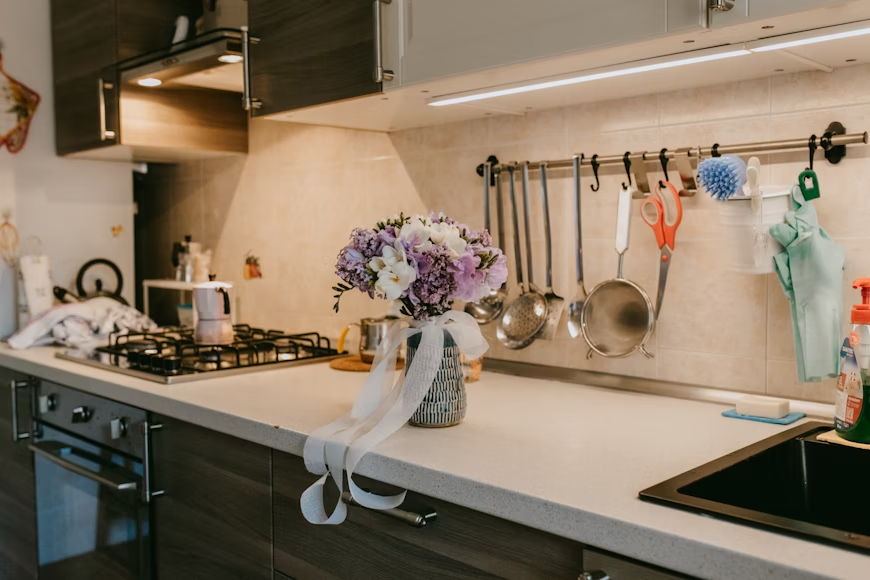
A kitchen is more than just a cooking space—it’s the warm, welcoming heart of a home. However, for seniors, it can also become a place full of challenges if not properly designed. As we age, everyday kitchen tasks—like reaching cabinets, handling appliances, or walking across slippery floors—can become difficult or even dangerous. That’s why designing a senior-friendly kitchen is vital for those who want to age safely and comfortably in their homes. This guide will explore practical ways to create a senior-friendly kitchen that ensures your loved ones’ safety, comfort, and independence. Whether you’re exploring home care in Indianapolis, making minor upgrades, or planning a complete kitchen renovation, these expert tips from the #1 at-home care professionals will help you create a kitchen space that is genuinely supportive, stylish, and safe. Why Senior-Friendly Kitchens Matter? The kitchen has always been the gathering place of every home—a space where meals, memories, and laughter are shared. However, it can become one of the most hazardous rooms for seniors. Slippery floors, poor lighting, hard-to-reach cabinets, and outdated appliances can increase the risk of injury or strain. A senior-friendly kitchen doesn’t just reduce these risks; it also empowers older adults to continue cooking and moving around independently. Features like non-slip flooring, easy-to-grip cabinet handles, and accessible appliances make everyday life easier. Home care Indianapolis professionals emphasize that the goal is not to change how seniors live entirely but to make minor, smart modifications that support their comfort and dignity. Even simple adjustments can transform the kitchen into a space that promotes confidence, safety, and joy. Understanding the Needs of Seniors at Home Common Kitchen Challenges for Aging Adults As we age, our physical capabilities naturally change. Tasks that once felt effortless can become uncomfortable or risky. For instance, bending to reach pots stored in low cabinets can strain the back and knees, while opening tight knobs can cause pain for those with arthritis. Uneven surfaces or slippery tiles can also lead to dangerous slips and falls. Another common issue is visual impairment. Many seniors experience reduced depth perception and contrast sensitivity, which makes it harder to spot spills, edges, or uneven flooring. When combined with inadequate lighting, these factors create a recipe for accidents. Indy In-Home Care experts often note that the kitchen should be accessible and emotionally comforting. A safe space doesn’t have to feel sterile—it can be warm, inviting, and full of personality while prioritizing safety and usability. How Simple Modifications Improve Safety You don’t need a complete renovation to create a safer kitchen. Simple, cost-effective upgrades can have a significant impact. For example: These small steps can dramatically improve safety and usability while helping seniors maintain their independence in the kitchen they love. Essential Kitchen Modifications for Seniors Non-Slip Flooring and Slip Prevention Falls are one of the most common causes of injury among seniors, and the kitchen—with its spills and slick surfaces—is a high-risk area. To help reduce slip flooring risks, install non-slip flooring materials like rubber, cork, or textured vinyl. These surfaces provide traction and are soft underfoot, which cushions impact if a fall does occur. Another helpful feature is anti-fatigue mats near the sink or stove. These reduce pressure on the feet and joints while standing. Make sure mats are non-slip and lay flat to avoid tripping hazards. Keeping the kitchen dry and clutter-free also plays a significant role in fall prevention. Clean up spills immediately, and consider having home care Indianapolis staff or family members assist with daily cleaning and maintenance to ensure a safe, tidy environment. Senior-Friendly Cabinets and Easy Storage Cabinet accessibility is key in a senior-friendly kitchen. Traditional high cabinets or deep lower drawers can be difficult to use. Opt for slide-out shelves and pull-down racks that bring items within easy reach. Also, avoid traditional knobs—they can cause pain for seniors with arthritis or reduced grip strength. Instead, use large D-shaped handles or lever pulls that are easy to grasp. This simple change can reduce hand strain and make daily kitchen use more comfortable. Labeling shelves and organizing essentials by frequency of use also helps seniors find what they need quickly. Everyday items should be stored between waist and shoulder height to minimize bending or stretching. Accessible, Safe Appliances Appliances should combine convenience with safety. Choose models with front-mounted controls so seniors don’t have to reach across hot surfaces. Wall ovens installed at waist height, side-by-side refrigerators, and dishwashers with pull-out drawers are ideal. Opt for smart appliances with automatic shut-off features or voice control options when possible. These can prevent accidents caused by forgotten burners or timers. Indy In-Home Care, a trusted name in senior home care in Indianapolis, recommends appliances with simple controls, large text, and easy-to-read displays to enhance usability. A well-chosen appliance setup doesn’t just make life easier—it gives seniors the confidence to cook safely and enjoy their kitchen again. Design and Layout Tips for Comfort and Independence Proper Lighting and Color Contrast Lighting can make or break a kitchen’s safety. Seniors often struggle with reduced vision, making it essential to have bright, layered lighting throughout the space. Combine overhead lights, under-cabinet LEDs, and task lighting to eliminate shadows and improve visibility. Color contrast is another subtle yet powerful design element. Use light-colored counters with dark cabinets or vice versa to help distinguish surfaces easily. These small visual cues can prevent spills, confusion, and accidents. Ergonomic Layout and Counter Heights An ergonomic kitchen layout helps seniors move freely and comfortably. Ensure enough open space to accommodate walkers or wheelchairs—ideally at least 42 inches between counters. Consider lowering work surfaces or adding a seated prep area so seniors can cook while seated, reducing fatigue. Grouping appliances and utensils based on function can minimize unnecessary movement. For instance, keep pots near the stove, cutting boards near the sink, and frequently used tools within easy reach. The goal is to simplify every step of the cooking process. Reducing Strain on Hands and Joints Arthritis and joint stiffness are common concerns among seniors.