
Is It Time for In-Home Care? 6 Signs Your Aging Parent in Indiana May Need Help

As parents age, the changes often happen slowly. A forgotten appointment here. A minor fall there. A house that isn’t as tidy as it once was. At first, it’s easy to dismiss these as “normal aging.” But sometimes, they are early warning signs that your loved one may need In-homecare in Indiana. Recognizing when to consider senior care can make the difference between preventing a crisis and reacting to one. With over 1.2 million Indiana residents age 60 and older, the demand for dependable Indiana senior care continues to rise each year. According to AARP, nearly 77% of adults over 50 want to remain in their homes as they age. Aging at home is absolutely possible — but only when safety, daily support, and professional Indiana senior care services are in place to protect health and independence. If you’re wondering whether it’s time to explore professional help, here are six clear signs your aging parent in Indiana may need additional care — and why early Indiana senior care support matters. 1. Frequent Falls or Unsteady Walking Falls are one of the most serious threats to senior independence. The CDC reports that more than one in four adults age 65 and older falls every year. Falls are the leading cause of injury-related deaths among older adults in the United States. Warning signs include: Even one fall can reduce confidence dramatically. Seniors often begin limiting movement after a fall, which weakens muscles and increases future fall risk. Professional In-homecare in Indiana can help reduce this risk by: If your parent has fallen more than once in the past year, it may be one of the strongest indicators they need Indiana senior care support. 2. Difficulty Managing Daily Chores Take a close look at your parent’s living environment. Are there stacks of unopened mail? Spoiled food in the refrigerator? Laundry piling up? According to the National Institute on Aging, nearly 20% of adults over 65 require help with at least one daily activity, and the number increases significantly after age 75. Daily tasks that become difficult include: When seniors struggle with Activities of Daily Living (ADLs), their health can decline quickly. Reliable Indiana senior care allows aging parents to remain in their homes while receiving assistance with housekeeping, meal preparation, and personal care — preserving dignity without sacrificing safety. 3. Missed Medications or Doctor Appointments Medication errors are more common than many families realize. The National Council on Aging estimates that improper medication use causes over 125,000 deaths annually among older adults in the U.S. Red flags include: Many seniors manage several prescriptions at once. Even small memory lapses can lead to dangerous consequences. Professional In-homecare in Indiana provides medication reminders, appointment transportation, and health monitoring — reducing hospitalizations and preventing avoidable complications. If your parent frequently says, “I forgot,” this may be a clear sign that additional Indiana senior care is necessary. 4. Noticeable Weight Loss or Poor Nutrition Nutrition plays a critical role in healthy aging. Research shows that up to 15% of older adults experience malnutrition, and seniors living alone face even higher risks. Signs to watch for: Poor nutrition increases the risk of falls, weakened immunity, hospital visits, and cognitive decline. With professional In-homecare in Indiana, caregivers can assist with grocery shopping, meal planning, and cooking — ensuring seniors receive proper nourishment while enjoying companionship during meals. Good nutrition is one of the pillars of strong Indiana senior care services. 5. Memory Lapses or Increased Confusion Occasional forgetfulness is normal. But repeated confusion is not. The Alzheimer’s Association reports that 1 in 9 Americans age 65+ has Alzheimer’s disease. Early signs of cognitive decline often appear gradually. Warning signs include: Memory challenges can compromise safety quickly. Specialized Indiana senior care services help establish structured routines, provide reminders, and create a safer home environment. Early intervention through trusted In-homecare in Indiana allows seniors with cognitive changes to remain at home longer — safely and comfortably. 6. Social Isolation and Withdrawal Loneliness is more than emotional — it impacts physical health. The National Institute on Aging reports that social isolation significantly increases the risk of: Some studies compare chronic loneliness to smoking 15 cigarettes per day in terms of health impact. Signs of isolation include: Indiana winters can make isolation worse, especially if seniors no longer drive. Companion-focused In-homecare in Indiana provides meaningful interaction, engagement, and emotional support — which are essential elements of high-quality Indiana senior care. When Multiple Signs Appear, It’s Time to Act One isolated issue may not require immediate intervention. But when several warning signs appear together, it’s time to have a thoughtful conversation. Approach gently: Avoid statements like, “You can’t manage anymore.”Instead try, “I’ve noticed a few things lately and just want to make sure you’re safe.” Early discussions prevent crisis decisions later. Why Early Indiana Senior Care Matters Many families wait until a hospitalization or emergency occurs before seeking help. Unfortunately, that delay often leads to: Studies consistently show that seniors receiving structured home support experience better long-term health outcomes and improved quality of life. Proactive In-homecare in Indiana preserves independence — it doesn’t take it away. Compassionate Indiana Senior Care You Can Trust If you recognize these signs in your aging parent, seeking guidance can bring clarity and peace of mind. Indy In-Homecare provides personalized Indiana senior care services designed specifically for aging adults who wish to remain safely at home. Through customized care plans, families receive support tailored to mobility, nutrition, companionship, medication reminders, and daily living assistance. Families across the state rely on Indy In-Homecare for dependable In-homecare in Indiana that prioritizes dignity, safety, and comfort. Even a few hours of weekly support can significantly reduce risk and improve well-being. Choosing Indy In-Homecare means choosing compassionate professionals who understand the unique needs of Indiana families. Whether your loved one requires light assistance or more comprehensive Indiana senior care, their team provides flexible, reliable solutions. If you’re unsure whether it’s time, schedule a consultation with Indy In-Homecare to evaluate your parent’s needs.
In-Home Care in Indiana: Why More Families Are Choosing Care That Comes Home
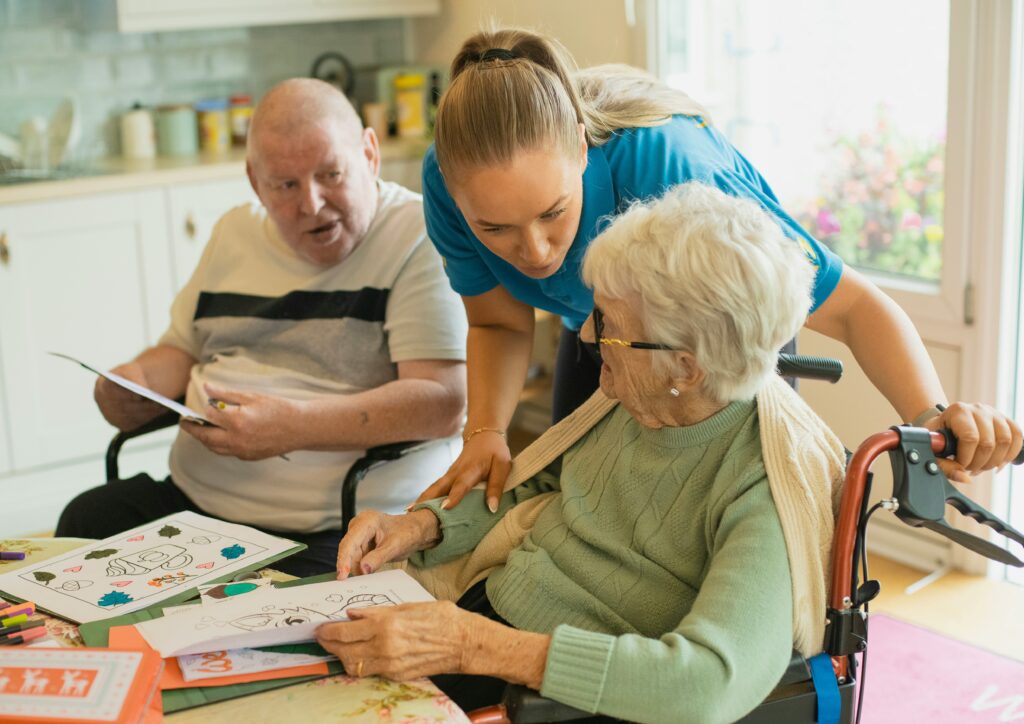
The demand for in-home care in Indiana has never been higher—and the reason is simple. Families want their loved ones to age with dignity, independence, and safety in the place they cherish most: home. Across Indiana, the senior population is rising rapidly. According to the U.S. Census Bureau, adults age 65 and older are one of the fastest-growing age groups nationwide. In Indiana specifically, nearly 1 in 5 residents will be over age 65 within the next few years, creating a significant need for reliable senior support services. For many families, the solution is clear: personalized, compassionate in-home care in Indiana. The Growing Need for In-Home Care in Indiana Indiana’s aging trend is not slowing down. Even more telling? Research consistently shows that over 90% of seniors prefer aging in place rather than moving into nursing facilities. This overwhelming preference is why in-home care in Indiana continues to expand as a trusted and practical solution. Why Seniors Prefer Aging at Home Home is more than a building. It’s routine, memories, comfort, and independence. Choosing in-home care in Indiana allows seniors to: Studies show that seniors receiving structured home care often experience better medication management and improved overall well-being compared to those without support. The Hidden Cost of Family Caregiving Indiana families are stepping up in big numbers. According to AARP, approximately 790,000 family caregivers in Indiana provide hundreds of millions of hours of unpaid care each year, valued at over $10 billion annually. While this dedication is admirable, it can also lead to: Professional in-home care in Indiana doesn’t replace family love—it strengthens it by easing the burden. Health Conditions Driving the Demand Chronic conditions are a major factor in the need for care. Having trained caregivers available at home improves safety, reduces fall risks, and ensures early detection of health changes. At Indy In-Home Care, care plans are built around these realities—providing both preventive support and hands-on assistance tailored to each individual’s needs. Comparing In-Home Care in Indiana to Facility Care When families evaluate options, cost and comfort are major considerations. Cost Perspective Comfort Perspective In-home care offers: For seniors who do not require 24/7 skilled nursing supervision, in-home care in Indiana is often the ideal balance between safety and freedom. What Services Are Included? Quality in-home care in Indiana can include: ✔ Personal hygiene assistance✔ Medication reminders✔ Meal preparation✔ Light housekeeping✔ Mobility and fall prevention✔ Transportation to appointments✔ Companionship and social engagement At Indy In-Home Care, every service plan is customized because no two families are alike. Some clients need only a few hours per week, while others require more consistent daily support. The Emotional Impact of Staying Home Statistics show seniors who remain in familiar environments often experience: The psychological benefit of aging at home is difficult to measure in numbers—but families see the difference immediately. That’s the heart behind professional in-home care in Indiana—preserving not just health, but happiness. The Future of Senior Care in Indiana Indiana’s senior population will continue to grow for the next two decades. As healthcare evolves, home-based support is expected to expand even further. Experts predict: The future of elder care isn’t institutional—it’s individualized. And that’s exactly why families across the state are choosing Indy In-Home Care for compassionate, reliable support delivered right where it matters most. Final Thoughts The numbers don’t lie. Indiana’s population is aging rapidly. Most seniors want to remain at home. Families are stretched thin trying to manage caregiving responsibilities alone. That’s why In-Home Care in Indiana is more than a service—it’s a solution built on dignity, independence, and peace of mind. When care comes home, comfort stays.
How In-Home Care Services Help Seniors Stay Healthy During Winter Months

Winter can feel cozy and magical for some people, but for seniors, it often brings a completely different reality. Cold temperatures, icy sidewalks, and shorter days create real health risks that shouldn’t be ignored, making in-home care services an essential layer of support during the colder months. According to the CDC, adults aged 65 and older are five times more likely to be hospitalized during winter months compared to younger age groups. This is why winter senior health deserves special attention, especially for families caring for aging loved ones who rely on consistent, professional in-home care services. Many older adults want to stay in their own homes for as long as possible, even when winter conditions become harsh. That’s where in home care for seniors becomes not just helpful, but essential. With the right support, seniors can stay warm, safe, and healthy without uprooting their lives. Let’s explore how in-home care plays a critical role in protecting seniors during the winter months. Why Winter Is Especially Challenging for Older Adults? Aging bodies simply don’t respond to cold the same way younger ones do. Seniors tend to lose body heat faster, and many have chronic conditions that worsen in colder weather. Cold Weather and Chronic Conditions Conditions such as arthritis, heart disease, COPD, and diabetes often flare up in winter. Research published by the National Institutes of Health shows that cold temperatures can increase blood pressure and strain the heart, raising the risk of heart attacks and strokes among seniors. Weakened Immune Systems As we age, our immune response naturally slows down. During winter, viruses like influenza, RSV, and pneumonia circulate more aggressively. The CDC reports that 70–85% of flu-related deaths occur in people aged 65 and older. Reduced Mobility and Isolation Snow, ice, and shorter daylight hours limit outdoor activity. Many seniors stop going out altogether, increasing isolation, depression, and physical decline. These factors make winter one of the most dangerous seasons for older adults, especially those living alone. Understanding In-Home Care for Seniors Before diving deeper, it helps to understand what in home care for seniors actually includes. In-home care focuses on non-medical support that helps older adults safely remain in their own homes. Common In-Home Care Services Home care services in winter often include: Unlike nursing homes, in-home care allows seniors to maintain independence while receiving personalized attention tailored to seasonal needs. The Role of In-Home Care in Winter Senior Health Winter senior health isn’t just about avoiding illness; it’s about maintaining overall wellness. Caregivers act as an extra set of eyes and hands, noticing small changes before they turn into serious problems. Caregivers help ensure: Studies show that seniors receiving regular home care are 30% less likely to experience emergency hospital visits during winter months. Preventing Cold-Related Illnesses at Home Hypothermia Prevention Seniors are more vulnerable to hypothermia, even indoors. The World Health Organization states that indoor temperatures below 64°F (18°C) can be dangerous for older adults. In-home caregivers help by: Frostbite Awareness Caregivers discourage unnecessary outdoor exposure and ensure proper gloves, hats, and coats are worn when going outside. Respiratory Infection Prevention Home care services in winter often emphasize: These simple measures significantly reduce infection risk. Medication Management During Winter Months Winter can complicate medication routines. Delayed pharmacy trips, weather-related confusion, or illness can all lead to missed doses. Caregivers assist by: According to AARP, nearly 55% of seniors take four or more medications daily, making oversight crucial during winter disruptions. Nutrition and Hydration Support in Cold Weather Many seniors drink less water in winter because they don’t feel thirsty. Dehydration, however, remains a serious risk year-round. In-home caregivers help by: Proper nutrition strengthens immunity and helps regulate body temperature, both essential for winter senior health. Fall Prevention and Home Safety in Winter Falls are one of the biggest winter dangers. The CDC reports that over 3 million seniors are treated in emergency rooms annually due to falls, with winter being a peak season. Caregivers reduce fall risk by: Even simple tasks like taking out the trash or checking the mail can become hazardous without support. Supporting Mental and Emotional Health During Winter Seasonal depression, often called Seasonal Affective Disorder (SAD), affects many older adults. Less sunlight, isolation, and reduced activity all contribute. In-home care offers: Studies show that seniors receiving companionship-based care report lower rates of depression and anxiety. Reducing Social Isolation Through Home Care Services Loneliness can be just as harmful as physical illness. The National Institute on Aging links social isolation to higher risks of dementia, heart disease, and depression. Home care services in winter provide: For many seniors, a caregiver may be the only consistent human interaction during winter. Monitoring Chronic Conditions More Closely in Winter Winter weather often worsens chronic conditions. Arthritis pain increases, breathing becomes harder for those with COPD, and circulation issues intensify. Caregivers help by: This proactive approach prevents small issues from escalating into emergencies. Transportation and Appointment Assistance Snow and ice make driving dangerous, especially for seniors. Missed medical appointments can quickly lead to declining health. In-home caregivers assist with: This ensures continuity of care throughout winter months. Family Peace of Mind During Harsh Winter Months Winter can be stressful for families, especially those living far away. Knowing a trusted caregiver is checking in daily provides immense relief. Families working with providers like Indy In-Homecare often report feeling more confident that their loved ones are safe, warm, and supported when winter storms hit. Why Professional Home Care Services Matter More in Winter? While family members do their best, winter demands consistency and preparedness. Professional caregivers are trained to recognize seasonal risks and respond appropriately. Reliable home care services in winter help prevent: Another reason families turn to Indy In-Homecare is the personalized approach that adapts care plans specifically for winter-related challenges. Choosing the Right In-Home Care Provider When selecting in-home care for seniors, especially for winter support, look for: The right provider becomes a true partner in protecting winter senior health. Conclusion Winter doesn’t have to