
American Heart Month & Heart Health Awareness

Every February, the United States recognizes American Heart Month, a nationwide campaign dedicated to raising awareness about heart disease prevention, cardiovascular health, and heart-healthy living. If you live in Indiana and care for aging parents or loved ones, this month serves as an important reminder: heart disease remains the leading cause of death in America. At Indy In-Homecare, we see firsthand how heart health impacts seniors and families across Indiana. February is not just about wearing red—it’s about education, prevention, and taking real steps toward protecting the heart. The History and Background of American Heart Month American Heart Month was first proclaimed in 1964 by President Lyndon B. Johnson, who had personally experienced a heart attack. Since then, February has become a national observance supported by organizations like the American Heart Association and the Centers for Disease Control and Prevention. One of the most recognized campaigns during this month is Go Red for Women, which highlights the unique symptoms and risks of heart disease in women. Why February? While heart disease awareness is important year-round, February provides a focused time to: Why Heart Disease Is a Serious Concern in Indiana Heart disease affects millions of Americans each year, and Indiana has seen its share of cardiovascular health challenges. Key risk factors include: For seniors, the risk increases significantly. That’s why heart health for seniors should be a top priority during American Heart Month. Top Heart Health Statistics You Should Know Understanding the numbers makes the message clear: These statistics highlight why preventive care, especially for older adults, is essential. Recognizing Heart Disease Symptoms Knowing the early signs of heart disease can save lives. Common Heart Attack Symptoms: Stroke Warning Signs (FAST Method): Women and seniors may experience more subtle symptoms, which makes awareness during American Heart Month even more critical. Heart-Healthy Lifestyle Tips for February (and Beyond) American Heart Month encourages simple, daily changes that make a big difference. 1. Monitor Blood Pressure Regularly High blood pressure is known as the “silent killer.” Routine monitoring helps prevent complications like heart attacks and strokes. 2. Eat a Heart-Healthy Diet Focus on: Reduce processed foods, added sugars, and excessive salt intake. 3. Stay Physically Active Even moderate activity like walking 30 minutes a day can: 4. Manage Stress Chronic stress can increase heart disease risk. Meditation, prayer, social engagement, and relaxation techniques can help maintain cardiovascular health. 5. Quit Smoking Smoking damages blood vessels and increases heart attack risk significantly. The Importance of In-Home Care for Heart Health For many seniors in Indiana, managing heart conditions can be overwhelming. Medication schedules, dietary needs, and doctor appointments require consistent attention. This is where professional caregivers make a difference. At Indy In-Homecare, we support seniors with: Having trusted in-home support can significantly improve quality of life and reduce hospital readmissions for heart-related conditions. Heart Disease Prevention for Seniors Aging in Place Many older adults prefer aging in place, staying in the comfort of their own homes. However, heart conditions can complicate independent living. In-home care services in Indiana can help seniors: During American Heart Month, families should evaluate whether their loved ones have adequate support for heart health management. American Heart Month Activities You Can Participate In Looking for ways to get involved this February? Even small actions create long-term cardiovascular benefits. The Connection Between Home Care and Heart Health Heart disease management is not just about doctor visits—it’s about daily habits. Seniors recovering from heart surgery, heart attacks, or living with congestive heart failure often need ongoing support. Quality in-home care helps by: For Indiana families, partnering with reliable caregivers during American Heart Month is a proactive step toward heart disease prevention. Why February Is the Perfect Time to Take Action American Heart Month serves as a yearly reminder that heart health cannot be ignored. Prevention is always more effective—and less costly—than emergency treatment. Ask yourself: If the answer to any of these questions is uncertain, February is the ideal time to create a heart health plan. Final Thoughts: Protecting Hearts Across Indiana American Heart Month is more than a calendar observance—it’s a call to action. By focusing on heart disease prevention, cardiovascular health education, and heart-healthy living, families can significantly reduce risks. Whether it’s encouraging better nutrition, scheduling screenings, or ensuring seniors have daily support, every step matters. This February, take the opportunity to prioritize heart health—for yourself and for those you love. ❤️
Simple and Natural Anxiety Relief for Seniors Living at Home
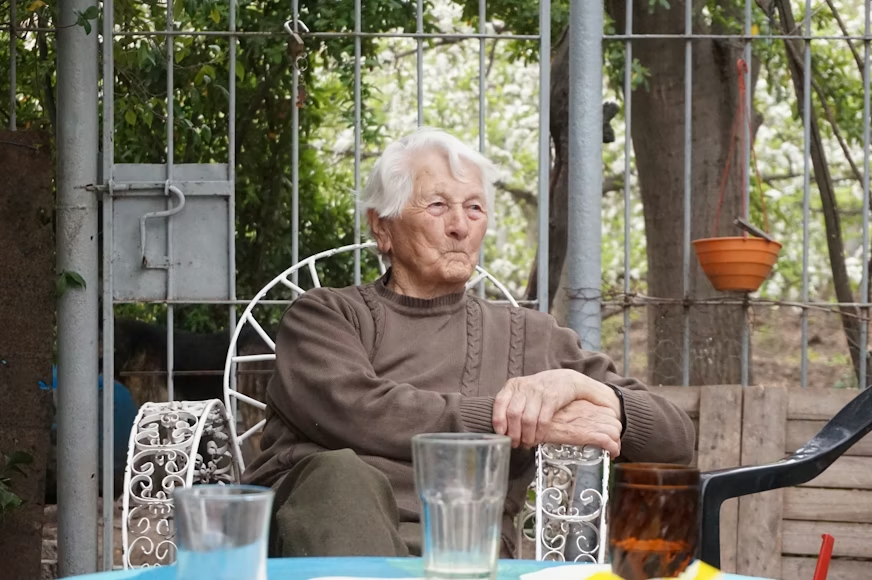
Anxiety is one of the most common nuisances seniors face, often affecting sleep, emotional balance, and daily activities overall. Many older adults want relief but don’t need complicated programs or medication to feel calmer. With simple mindfulness practices and the support that caregivers help provide, seniors can improve their quality of life at home in just minutes a day. These natural methods—breathing exercises, meditation, yoga, and relaxation techniques—can help older adults stay grounded, confident, and emotionally steady. Why Seniors Experience Anxiety? According to the National Council on Aging, anxiety affects a large number of older adults and can become a nuisance for seniors, disrupting sleep, mood, and daily routines. Concerns about health changes, shifting independence, and life transitions can cause emotional strain. But aging doesn’t define golden years—what matters is how we support well-being. The good news is that natural mindfulness practices have proven benefits, reducing stress, improving sleep, and fostering more peaceful daily activities overall. Even just a few minutes a day can yield meaningful results. Mindfulness: A Simple Way to Feel Calmer Mindfulness isn’t about perfection—it’s about paying attention to the present moment. Seniors don’t need hours of practice; even just a few minutes a day can create emotional relief. With mindfulness, older adults can: This approach makes the golden years good by helping seniors stay mentally and emotionally supported at home. Caregivers help reinforce mindfulness by reminding loved ones to pause, breathe, and relax throughout the day. At Indy In-Homecare, caregivers help seniors practice grounding techniques safely and comfortably. Breathing Exercises for Stress Relief Breathing is one of the fastest, easiest ways to reduce anxiety. Slow and steady breathing activates the body’s calming response, helping the mind settle. Seniors can try: Repeating this cycle, even for just a few minutes, can relieve tension and support better emotional control. These exercises can be done anytime—before bed, in the morning, or whenever anxiety appears. Meditation at Home Meditation helps reduce stress by quieting mental noise. It allows older adults to observe thoughts without reacting emotionally. Seniors don’t need perfect silence or advanced training to start—a comfortable chair, soft lighting, and a few minutes of attention are enough. Daily meditation may also: With guidance from family or caregivers, meditation can become a sustainable wellness habit. At Indy In-Homecare, caregivers help seniors build personalized routines that fit their needs and comfort levels. Yoga for Strength, Balance, and Peace Yoga seniors programs are increasingly popular because they offer physical and emotional benefits. Gentle movements can: Yoga also pairs perfectly with breathing and mindfulness routines. Seniors who integrate yoga into their day often feel calmer and more connected to their bodies. Many exercises can be done in a chair, so mobility limitations aren’t a barrier. This is another example of how aging doesn’t define golden—what counts is finding support and habits that nurture body and mind. Improving Sleep Naturally One major challenge in older adulthood is sleep disruption. Anxiety can cause: When sleep becomes disruptive daily, it can affect mood, memory, and the ability to complete daily sleep activities. Meditation and slow breathing before bed can ease the mind, leading to deeper rest and fewer nighttime interruptions. Mindfulness practices can reduce the nuisance of seniors disrupting sleep and help restore calm transitions into bedtime. Mindfulness with Caregiver Support While some seniors enjoy practicing mindfulness independently, others feel more confident with guidance. Caregivers help with: Support from loved ones reinforces motivation and consistency. At Indy In-Homecare, caregivers help seniors integrate wellness tools that align with their personal needs, lifestyle, and comfort levels. A More Peaceful Life Is Within Reach Older adults don’t need complicated systems or expensive equipment. Even just minutes a day of: It can significantly reduce anxiety and improve emotional health at home. Mindfulness helps remind seniors that golden years are good and meaningful—filled with opportunities to find peace, balance, and daily joy. With patience, practice, and proper support, seniors can feel calmer, better rested, and more in control of daily activities—one mindful moment at a time.