
Sandwich Generation Guide for Central Indiana Families

Packing school lunches. Checking your mom’s pill organizer. Answering a work email. Driving your dad to a cardiology appointment. All before 9 a.m. If that’s your morning, you’re not imagining the chaos. You’re part of what researchers call the “sandwich generation.” These are adults, typically between 38 and 55, raising school-aged kids. At the same time, they’re managing the daily needs of aging parents. It’s one of the most demanding stages of adult life. It’s also rarely talked about honestly. Here in Central Indiana, more families are finding themselves in this exact squeeze. Most are trying to figure it out with very little support. This guide is meant to help. Quick answer: The sandwich generation dilemma is the emotional and financial strain of raising children while caring for aging parents at the same time. Recent national data from AARP and the National Alliance for Caregiving shows nearly a third of the country’s family caregivers now fall into this category. The most sustainable fix for most families isn’t cutting work hours. It’s bringing in part-time professional companion care for 10–15 hours a week — which typically costs less than the income lost from scaling back a career. The Hidden Cost of Dual Caregiving The sandwich generation dilemma isn’t just about time management. It’s about balancing kids and aging parents in a way that quietly drains you on two fronts: emotionally and financially. Emotionally, you’re pulled in constant, competing directions. You miss your daughter’s soccer game because your father had a fall. You reschedule a work call because your mom needs a ride to the pharmacy. Over months and years, this adds up to something many caregivers don’t name out loud: chronic, low-grade grief mixed with exhaustion. According to Care.com’s 2026 Sandwich Generation Report, most people in this position took on dual caregiving suddenly. Many started earlier than expected. Now they spend roughly a full day each week just coordinating care, on top of their jobs and their kids’ schedules. Financially, the toll is often underestimated. Caregivers frequently reduce work hours, decline promotions, or leave jobs entirely to keep up with caregiving demands. Care.com’s workplace research found that more than half of sandwich caregivers have turned down a raise or promotion because of care responsibilities. A majority keep the full extent of it hidden from their employer. The Caregiver Action Network puts the average out-of-pocket caregiving cost at roughly $10,000 a year — on top of the ordinary costs of raising kids. This is the reality behind caregiver burnout working moms (and dads) experience. It’s not laziness or poor planning. It’s an unsustainable math problem: too many responsibilities, not enough hours, and no backup plan. Delegating Without the Guilt One of the hardest parts of this season of life isn’t the physical work. It’s giving yourself permission to hand some of it off. Caregiver guilt is real, and it often sounds like: Here’s a reframe worth sitting with: bringing in support doesn’t mean you’re stepping back from your parent’s life. It means you’re staying in it, sustainably, instead of burning out and disappearing from it in six months. A few practical ways to start delegating without guilt: The Math: Hiring Help vs. Cutting Career Hours This is where a lot of families get stuck, so let’s actually run the numbers. Say you’re considering cutting back 10–15 hours a week at work. That’s to cover your parent’s daytime needs: driving to appointments, preparing meals, general check-ins, and companionship. If you’re earning even a modest hourly wage, that reduction can mean a loss of $15,000–$30,000+ a year in income. And that’s not counting the compounding effect on retirement contributions, health benefits, or career advancement. Now compare that to hiring part-time senior companion care for the same 10–15 hours a week. In most cases, the hourly cost of professional in-home companion care is significantly lower than what you’d give up in lost wages. It also comes with real advantages your own stretched schedule can’t offer: When you lay it out side by side, hiring a part time senior companion care solution often isn’t a luxury. It’s the financially smarter move — and the one that protects your career, your income trajectory, and your own well-being. Frequently Asked Questions What is the “sandwich generation”? The sandwich generation refers to adults, usually between their late 30s and mid-50s, who are simultaneously raising dependent children and caring for aging parents. National research from AARP and the National Alliance for Caregiving finds that close to a third of U.S. family caregivers fall into this group today. How many hours a week does sandwich generation caregiving typically take? Recent survey data from Care.com puts the average at around 24 hours a week. That time goes to arranging, managing, and providing care. It’s roughly equivalent to a part-time job stacked on top of full-time work and parenting. Is it cheaper to hire part-time senior companion care or cut back work hours? For most families, hiring 10–15 hours a week of professional companion care costs less than the wages, benefits, and career growth given up by reducing work hours by the same amount. Run the numbers for your household with Indy In-Homecare’s care team. How do I bring up hiring outside help with my aging parent without upsetting them? Frame it around companionship and support rather than supervision. Involve your parent in choosing the schedule and the caregiver. Most families find their parent adjusts faster than expected once they meet their companion caregiver. Does Indy In-Homecare offer flexible or part-time scheduling? Yes. Indy In-Homecare builds part-time and flexible care plans around what each family actually needs. That ranges from a few mornings a week to coverage around specific appointments. There’s no minimum full-time commitment required. You Don’t Have to Do This Alone If you’re in the middle of this — running your kids to practice, checking in on your parents, and trying to hold down a career — please hear this: needing help doesn’t mean you’ve failed at any of it.
Senior Hydration: How Daily Caregiver Visits Help

When families start researching in-home senior care, they usually picture the basics: medication reminders, fall prevention, help getting dressed. What often gets overlooked is one of the simplest but most powerful parts of a caregiver’s day — making sure a senior stays properly hydrated while also staying mentally and socially engaged. At Indy In-Homecare, we’ve learned that these two goals aren’t separate boxes to check. They’re deeply connected. A senior who is well-hydrated thinks more clearly, feels steadier on their feet, and has more energy to enjoy the people and activities around them. A senior who is engaged and happy is also more likely to eat well, drink well, and stay active. This article walks through exactly how a well-run daily caregiver visit brings both of these priorities together — and why that combination matters so much for long-term independence. Why Senior Hydration Checks Are a Top Priority in Home Care? Dehydration is one of the leading, and most preventable, causes of hospital visits among older adults. It’s also one of the easiest things to miss if no one is paying close attention. A few reasons seniors are especially vulnerable: This is why senior hydration checks are treated as a core clinical task during every home visit, not an afterthought. Trained caregivers are watching for early warning signs, including: What the Caregiver Notices What It Could Signal Dry lips or mouth Reduced saliva, which can affect safe swallowing Dark or concentrated urine Increased risk of urinary tract infections Sudden tiredness or dizziness Higher fall risk Unusual confusion or foggy thinking Symptoms that can mimic or worsen dementia Catching these signals early — instead of after a hospital visit — is one of the most valuable things elderly care at home provides. Why “Keeping Days Interesting” Is Just as Important as Physical Care Good hydration and medication management keep the body stable. But a senior who spends their day alone, without conversation or purposeful activity, is at real risk for cognitive decline and low mood. That’s why companion care for seniors is built into every visit, not offered as a separate add-on. The goal isn’t to “fill time.” It’s to keep the brain active and give the day a sense of rhythm and meaning. This usually falls into three categories: Seniors who get this kind of regular mental and social stimulation tend to hold onto independence longer and report a better overall quality of life. The Real Skill: Blending Hydration and Engagement Into One Visit Here’s where experienced home care really shows its value. Instead of treating hydration monitoring as a clinical checklist and companion activities as a separate event, a skilled caregiver weaves them together throughout the visit. A typical afternoon might look like this: 1. A Social Tea or Infused-Water Ritual (first 20 minutes) Rather than simply handing over a glass of water, the caregiver turns hydration into a small social ritual — a warm herbal tea or fruit-infused water, shared together with easy conversation. It feels like a moment of connection, not a task. 2. A Hydrating Snack Project (next 30–40 minutes) Preparing something like watermelon slices, a cucumber salad, or homemade fruit pops together gives the senior a light, hands-on activity that also happens to boost fluid intake — without the monotony of “just drink more water.” 3. Games and Puzzles With Built-In Fluid Breaks (final 30 minutes) During natural pauses in a board game or puzzle, the caregiver gently prompts another sip of water or tea. It’s low-pressure, doesn’t feel clinical, and keeps hydration consistent throughout the visit. This approach is at the center of how Indy In-Homecare designs every care plan — not as isolated tasks, but as one seamless, dignified experience. How Indy In-Homecare Builds a Personalized Plan Every senior is different, so a generic checklist doesn’t cut it. When our team sits down with a family, we build a plan around two connected profiles: The Hydration Profile: looks at medical history (like diuretic use or heart conditions), physical ability to safely hold a cup or swallow, and personal drink preferences. The Enrichment Profile: looks at cognitive baseline, mobility, and — most importantly — what brought that person joy throughout their life. A retired teacher might love word games. A lifelong gardener might light up over a small herb planter. A former engineer might enjoy a hands-on puzzle. From there, we match activities to the senior’s natural energy peaks during the day, so hydration and engagement happen when they’re most alert and most receptive — not on a rigid, one-size-fits-all schedule. The Takeaway A single, well-structured daily visit does more than most families realize. It protects against a silent but serious risk — dehydration — while giving a senior’s day real structure, connection, and joy. That combination is exactly what turns a house into a safe, engaging place to live independently. At Indy In-Homecare, this integrated approach — pairing clinical attentiveness with genuine human connection — is at the heart of every care plan we build. If you’re exploring in-home care options for a loved one, we’re happy to walk through what a personalized hydration and enrichment plan could look like for your family. Frequently Asked Questions How much water should a senior drink each day? Fluid needs vary by weight, medications, and health conditions, so it’s best determined with input from a doctor or home care provider rather than a fixed number. A caregiver trained in senior hydration monitoring can track intake and flag concerns early. What are early warning signs of dehydration in older adults? Common signs include dry lips, dark urine, sudden fatigue, dizziness, and unexpected confusion. Because these symptoms can resemble normal aging or early dementia, having a trained caregiver present to notice patterns is valuable. What kind of activities help keep seniors mentally engaged? Activities that reflect personal history and current ability work best — this can include puzzles, music, storytelling, light gardening, or simple crafts. The most effective plans are personalized rather than generic. Does companion care
How to Keep Seniors Mentally Sharp: 8 Caregiver-Approved Tips

Cognitive decline doesn’t have to be inevitable. Research shows that consistent mental stimulation, healthy habits, and strong social connection can significantly slow memory loss in older adults — here’s what caregivers swear by. Caring for an aging parent or loved one comes with many challenges — but one of the most meaningful things you can do is actively support their cognitive health. With rates of Alzheimer’s disease and dementia rising, families across the country are searching for practical, evidence-backed ways to maintain brain health in seniors. Whether you are a family caregiver or working with a professional home care provider like Indy In-Home Care, these eight caregiver-approved strategies can make a measurable difference in your loved one’s mental sharpness, memory, and overall quality of life. Engage the Brain with Daily Mental Exercises One of the most well-researched strategies for preventing cognitive decline in older adults is regular mental stimulation. Activities like crossword puzzles, Sudoku, word games, reading, learning a new language, or playing a musical instrument all challenge the brain to build and maintain neural connections. Caregivers should aim to incorporate at least one mentally stimulating activity into the daily routine. Even 20–30 minutes of focused cognitive activity can yield long-term benefits. Caregiver tip: Rotate activities week by week — novelty is itself a form of stimulation. Try a new recipe, a new card game, or a documentary on an unfamiliar subject. Prioritize Social Interaction Loneliness and social isolation are directly linked to accelerated memory loss in elderly individuals. Regular conversation, visits from family, group activities, and community involvement all stimulate the brain in ways solitary activities cannot replicate. Encourage your senior to join a book club, attend a senior center, video call grandchildren, or simply share a meal with a neighbor. Even brief, quality social interactions can reduce the risk of depression and dementia. Research note: A landmark Harvard study found that strong social ties were among the most powerful predictors of healthy aging — more so than genetics. Encourage Physical Activity Physical exercise isn’t just good for the body — it’s one of the most powerful tools for improving memory in seniors. Aerobic exercise increases blood flow to the brain, promotes the growth of new neurons, and reduces inflammation. Studies consistently show that seniors who walk regularly have significantly lower rates of cognitive decline. Aim for at least 150 minutes of moderate activity per week. Walking, chair yoga, water aerobics, and gentle stretching are all excellent options for older adults with varying mobility levels. Maintain a Brain-Healthy Diet Nutrition plays a critical role in senior cognitive health. The MIND diet — a hybrid of the Mediterranean and DASH diets — has been specifically associated with reduced Alzheimer’s risk. Key foods include leafy greens, berries, nuts, whole grains, fish, olive oil, and beans. Caregivers should watch for nutritional deficiencies common in older adults, particularly B12, vitamin D, and omega-3 fatty acids, all of which are closely tied to brain function. Caregiver tip: Make meal prep a shared activity — cooking together stimulates the senses, encourages creativity, and doubles as a social and cognitive exercise. Establish Consistent Sleep Routines Poor sleep is strongly associated with dementia risk factors and accelerated cognitive decline. During sleep, the brain clears out toxic waste products — including amyloid plaques linked to Alzheimer’s disease. Seniors who regularly get 7–8 hours of quality sleep perform significantly better on memory and attention tasks. Help your loved one by establishing a consistent bedtime, limiting screen exposure in the evening, reducing caffeine after noon, and creating a calm, dark, quiet sleep environment. Manage Chronic Stress and Anxiety Chronic stress elevates cortisol levels, which over time can damage the hippocampus — the brain’s memory center. Mental health care for seniors is just as important as physical care. Mindfulness, meditation, gentle breathing exercises, and spending time in nature are all evidence-backed stress reduction strategies. Caregivers can also help by creating a predictable, calm daily environment. Unpredictability and confusion can be major sources of anxiety for seniors with early cognitive changes. At Indy In-Home Care, compassionate caregivers are trained to create emotionally supportive environments that help minimize anxiety and promote mental well-being — allowing seniors to feel safe, heard, and at ease in their own homes. Introduce Technology for Cognitive Stimulation Digital tools offer exciting new avenues for brain training for seniors. Apps like Lumosity, BrainHQ, and Elevate offer structured cognitive exercises targeting memory, attention, and processing speed. Video games — especially those requiring problem-solving and strategy — also show promising results in research. Introducing a tablet or smartphone to seniors who have never used one is itself a powerful cognitive exercise. Learning new technology engages memory, fine motor skills, and adaptive thinking all at once. Caregiver tip: Start with one easy, enjoyable app and provide patient, repeated guidance. The learning process is the benefit — not just the end result. Keep a Sense of Purpose and Routine Research consistently shows that seniors who maintain a strong sense of purpose — through volunteering, mentoring, creative hobbies, or contributing to family life — show greater resilience against age-related cognitive decline. Purpose gives the brain direction, motivation, and meaningful engagement. Help your loved one identify activities that feel meaningful to them: tending a garden, writing a memoir, mentoring younger family members, or participating in community service. Structure and intention in daily life are deeply protective for brain health. The Caregiver’s Role in Cognitive Health Ultimately, keeping a senior mentally sharp is a collaborative effort — and professional caregivers play an enormous role. A skilled in-home caregiver doesn’t just help with daily tasks; they engage, converse, encourage, and provide the social connection that is so vital to a healthy aging brain. The professional team at Indy In-Home Care is dedicated to providing personalized, holistic care that supports not just physical well-being, but cognitive vitality. From planning mentally stimulating activities to accompanying seniors on walks and facilitating meaningful routines, in-home caregivers are some of the most important allies in the fight against cognitive decline. Ready to Support Your Loved One’s Brain Health? Indy In-Home Care offers personalized senior care plans designed to promote
American Heart Month & Heart Health Awareness

Every February, the United States recognizes American Heart Month, a nationwide campaign dedicated to raising awareness about heart disease prevention, cardiovascular health, and heart-healthy living. If you live in Indiana and care for aging parents or loved ones, this month serves as an important reminder: heart disease remains the leading cause of death in America. At Indy In-Homecare, we see firsthand how heart health impacts seniors and families across Indiana. February is not just about wearing red—it’s about education, prevention, and taking real steps toward protecting the heart. The History and Background of American Heart Month American Heart Month was first proclaimed in 1964 by President Lyndon B. Johnson, who had personally experienced a heart attack. Since then, February has become a national observance supported by organizations like the American Heart Association and the Centers for Disease Control and Prevention. One of the most recognized campaigns during this month is Go Red for Women, which highlights the unique symptoms and risks of heart disease in women. Why February? While heart disease awareness is important year-round, February provides a focused time to: Why Heart Disease Is a Serious Concern in Indiana Heart disease affects millions of Americans each year, and Indiana has seen its share of cardiovascular health challenges. Key risk factors include: For seniors, the risk increases significantly. That’s why heart health for seniors should be a top priority during American Heart Month. Top Heart Health Statistics You Should Know Understanding the numbers makes the message clear: These statistics highlight why preventive care, especially for older adults, is essential. Recognizing Heart Disease Symptoms Knowing the early signs of heart disease can save lives. Common Heart Attack Symptoms: Stroke Warning Signs (FAST Method): Women and seniors may experience more subtle symptoms, which makes awareness during American Heart Month even more critical. Heart-Healthy Lifestyle Tips for February (and Beyond) American Heart Month encourages simple, daily changes that make a big difference. 1. Monitor Blood Pressure Regularly High blood pressure is known as the “silent killer.” Routine monitoring helps prevent complications like heart attacks and strokes. 2. Eat a Heart-Healthy Diet Focus on: Reduce processed foods, added sugars, and excessive salt intake. 3. Stay Physically Active Even moderate activity like walking 30 minutes a day can: 4. Manage Stress Chronic stress can increase heart disease risk. Meditation, prayer, social engagement, and relaxation techniques can help maintain cardiovascular health. 5. Quit Smoking Smoking damages blood vessels and increases heart attack risk significantly. The Importance of In-Home Care for Heart Health For many seniors in Indiana, managing heart conditions can be overwhelming. Medication schedules, dietary needs, and doctor appointments require consistent attention. This is where professional caregivers make a difference. At Indy In-Homecare, we support seniors with: Having trusted in-home support can significantly improve quality of life and reduce hospital readmissions for heart-related conditions. Heart Disease Prevention for Seniors Aging in Place Many older adults prefer aging in place, staying in the comfort of their own homes. However, heart conditions can complicate independent living. In-home care services in Indiana can help seniors: During American Heart Month, families should evaluate whether their loved ones have adequate support for heart health management. American Heart Month Activities You Can Participate In Looking for ways to get involved this February? Even small actions create long-term cardiovascular benefits. The Connection Between Home Care and Heart Health Heart disease management is not just about doctor visits—it’s about daily habits. Seniors recovering from heart surgery, heart attacks, or living with congestive heart failure often need ongoing support. Quality in-home care helps by: For Indiana families, partnering with reliable caregivers during American Heart Month is a proactive step toward heart disease prevention. Why February Is the Perfect Time to Take Action American Heart Month serves as a yearly reminder that heart health cannot be ignored. Prevention is always more effective—and less costly—than emergency treatment. Ask yourself: If the answer to any of these questions is uncertain, February is the ideal time to create a heart health plan. Final Thoughts: Protecting Hearts Across Indiana American Heart Month is more than a calendar observance—it’s a call to action. By focusing on heart disease prevention, cardiovascular health education, and heart-healthy living, families can significantly reduce risks. Whether it’s encouraging better nutrition, scheduling screenings, or ensuring seniors have daily support, every step matters. This February, take the opportunity to prioritize heart health—for yourself and for those you love. ❤️
Simple and Natural Anxiety Relief for Seniors Living at Home
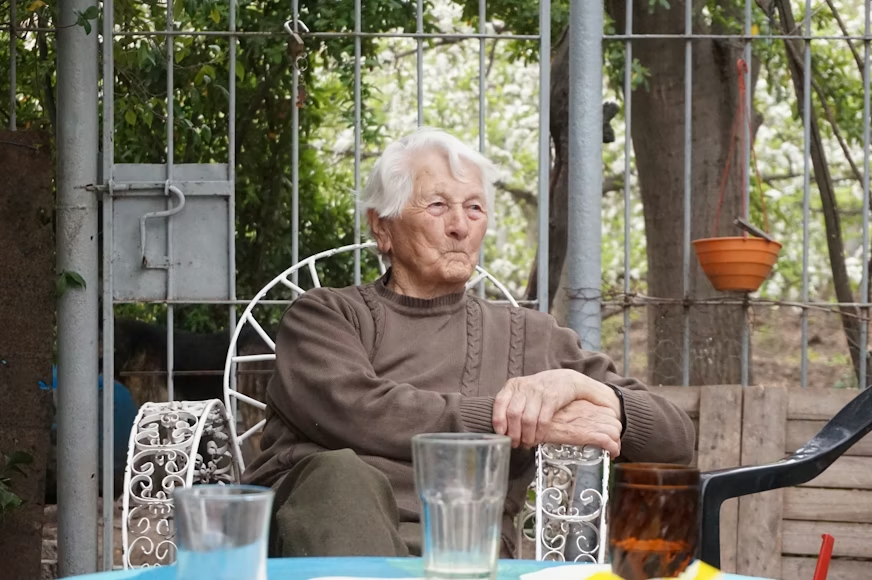
Anxiety is one of the most common nuisances seniors face, often affecting sleep, emotional balance, and daily activities overall. Many older adults want relief but don’t need complicated programs or medication to feel calmer. With simple mindfulness practices and the support that caregivers help provide, seniors can improve their quality of life at home in just minutes a day. These natural methods—breathing exercises, meditation, yoga, and relaxation techniques—can help older adults stay grounded, confident, and emotionally steady. Why Seniors Experience Anxiety? According to the National Council on Aging, anxiety affects a large number of older adults and can become a nuisance for seniors, disrupting sleep, mood, and daily routines. Concerns about health changes, shifting independence, and life transitions can cause emotional strain. But aging doesn’t define golden years—what matters is how we support well-being. The good news is that natural mindfulness practices have proven benefits, reducing stress, improving sleep, and fostering more peaceful daily activities overall. Even just a few minutes a day can yield meaningful results. Mindfulness: A Simple Way to Feel Calmer Mindfulness isn’t about perfection—it’s about paying attention to the present moment. Seniors don’t need hours of practice; even just a few minutes a day can create emotional relief. With mindfulness, older adults can: This approach makes the golden years good by helping seniors stay mentally and emotionally supported at home. Caregivers help reinforce mindfulness by reminding loved ones to pause, breathe, and relax throughout the day. At Indy In-Homecare, caregivers help seniors practice grounding techniques safely and comfortably. Breathing Exercises for Stress Relief Breathing is one of the fastest, easiest ways to reduce anxiety. Slow and steady breathing activates the body’s calming response, helping the mind settle. Seniors can try: Repeating this cycle, even for just a few minutes, can relieve tension and support better emotional control. These exercises can be done anytime—before bed, in the morning, or whenever anxiety appears. Meditation at Home Meditation helps reduce stress by quieting mental noise. It allows older adults to observe thoughts without reacting emotionally. Seniors don’t need perfect silence or advanced training to start—a comfortable chair, soft lighting, and a few minutes of attention are enough. Daily meditation may also: With guidance from family or caregivers, meditation can become a sustainable wellness habit. At Indy In-Homecare, caregivers help seniors build personalized routines that fit their needs and comfort levels. Yoga for Strength, Balance, and Peace Yoga seniors programs are increasingly popular because they offer physical and emotional benefits. Gentle movements can: Yoga also pairs perfectly with breathing and mindfulness routines. Seniors who integrate yoga into their day often feel calmer and more connected to their bodies. Many exercises can be done in a chair, so mobility limitations aren’t a barrier. This is another example of how aging doesn’t define golden—what counts is finding support and habits that nurture body and mind. Improving Sleep Naturally One major challenge in older adulthood is sleep disruption. Anxiety can cause: When sleep becomes disruptive daily, it can affect mood, memory, and the ability to complete daily sleep activities. Meditation and slow breathing before bed can ease the mind, leading to deeper rest and fewer nighttime interruptions. Mindfulness practices can reduce the nuisance of seniors disrupting sleep and help restore calm transitions into bedtime. Mindfulness with Caregiver Support While some seniors enjoy practicing mindfulness independently, others feel more confident with guidance. Caregivers help with: Support from loved ones reinforces motivation and consistency. At Indy In-Homecare, caregivers help seniors integrate wellness tools that align with their personal needs, lifestyle, and comfort levels. A More Peaceful Life Is Within Reach Older adults don’t need complicated systems or expensive equipment. Even just minutes a day of: It can significantly reduce anxiety and improve emotional health at home. Mindfulness helps remind seniors that golden years are good and meaningful—filled with opportunities to find peace, balance, and daily joy. With patience, practice, and proper support, seniors can feel calmer, better rested, and more in control of daily activities—one mindful moment at a time.