

If you just got home from a visit with your mom or dad and can’t shake the feeling that something has changed, you’re not imagining it. Every year, thousands of adult children have this exact moment — usually around a holiday, a birthday, or a weekend visit — when they notice their parent isn’t quite themselves anymore. Maybe the kitchen looked different. Perhaps Dad seemed unsteady getting up from his chair. Or you might have noticed a stack of mail Dad hadn’t opened in weeks.
These moments matter. Family members are often the first to catch the early warning signs that a parent is struggling to manage independently — long before a doctor, neighbor, or the parent themselves would say anything. This guide walks through the ten most common signs elderly parent needs help at home, explains what’s actually happening behind each one, and gives you a clear, compassionate path forward if you recognize your own parent in this list.
You know your parent better than any checklist ever could. Think of this as a way to put language and context around what your instincts are already telling you.
Why This Matters More in Indiana Than You Might Think
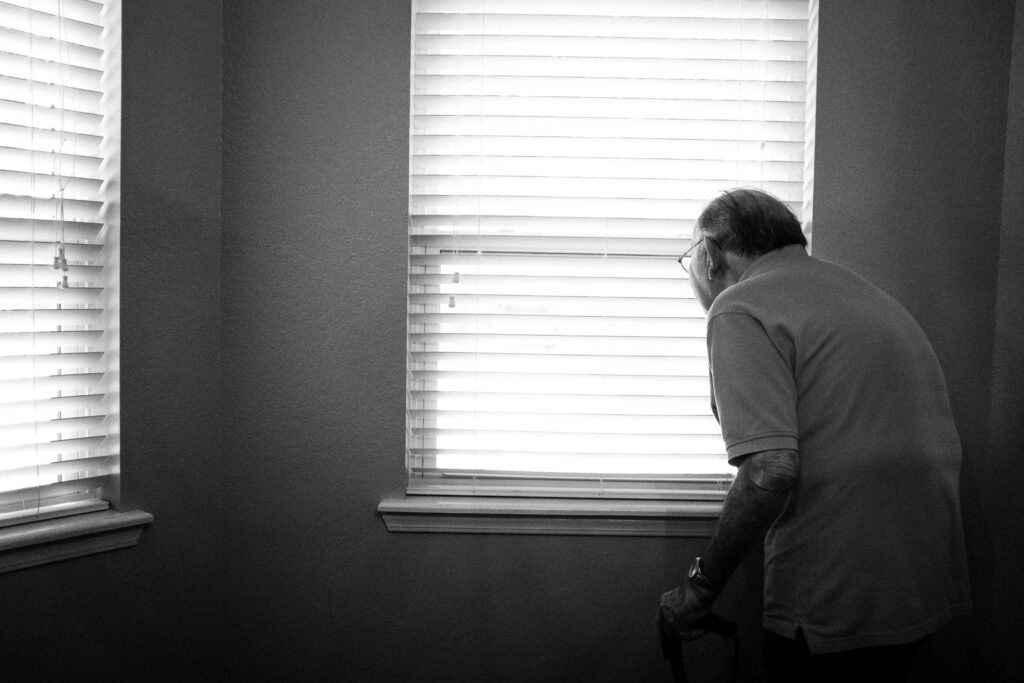
If you’re reading this from Indianapolis, Carmel, Fishers, or anywhere else in the Hoosier state, the timing isn’t a coincidence — Indiana’s senior population is growing faster than almost anywhere in the Midwest. According to the Indiana Business Research Center, the number of Hoosiers age 65 and older grew 40% between 2010 and 2023, and it’s projected to grow another 73% between 2020 and 2040. By 2040, one out of every five people in Indiana will be a senior.
That growth shows up in the numbers behind this article’s warning signs, too. The Indiana State Department of Health reports that in 2023 alone, more than 89,000 fall-related injuries affected Hoosiers age 65 and older — including 685 deaths, over 13,000 hospitalizations, and nearly 76,000 emergency room visits. Fall-related deaths among older Indiana residents have climbed more than 60% since 2014, and the total hospital charges from falls topped $1.7 billion in a single year.
And here’s a number that speaks directly to why you’re reading this: AARP Indiana’s 2025 caregiving report found that nearly 1 in 4 adults in Indiana — about 1.2 million people — are already acting as unpaid family caregivers for an older loved one, contributing an estimated $10.8 billion in unpaid care annually. More than half of those caregivers report real financial setbacks from doing it, and 63% are trying to juggle it alongside a full-time job. If you’re starting to wonder whether it’s your turn, you’re far from alone — and there’s no reason to carry it solo.
Why These Visits Matter So Much?

Adult children who live nearby see their parents gradually, a little bit at a time, which makes decline harder to spot — it’s like watching a clock’s hands move. But when you only see your parent every few months, changes tend to jump out immediately. This is exactly why so many families start researching home care options right after Thanksgiving, Christmas, or a parent’s birthday. If that’s you right now, trust what you saw.
Below are the ten signs worth paying attention to, along with what each one typically means and what tends to happen if it goes unaddressed.
1. Missed or Mismanaged Medications
This is one of the earliest and most common signs elderly parent needs help at home, and it’s also one of the easiest to miss on a short visit. Look for pill organizers with days still full (or empty ahead of schedule), prescriptions that haven’t been refilled, or medications that seem duplicated or expired.
Managing multiple prescriptions gets harder with age, and the risks are real: according to a Kaiser Family Foundation survey cited by Georgetown University’s School of Nursing, 89% of adults 65 and older take at least one prescription medication, and 54% take four or more, which creates a lot of room for error. Cognitive changes, vision problems, and simply losing track of a complicated schedule are usually the real cause — not carelessness. When left unmanaged, missing or doubling doses can cause hospitalizations, trigger dangerous drug interactions, or worsen the very conditions the medication aims to treat.
What to check for:
- Pill organizers that don’t match the current day/date
- Multiple pharmacies or refill dates that don’t line up
- Confusion about what a medication is for when you ask
2. An Empty, Spoiled, or Oddly Stocked Pantry and Fridge
Open the fridge. Is there fresh food, or mostly condiments and leftovers that have been there too long? An empty pantry, expired items, or a freezer stocked entirely with the same frozen dinner can point to real difficulty with grocery shopping, meal planning, or cooking — tasks that seem simple until mobility, memory, or energy start to decline.
Malnutrition in older adults often develops quietly. A parent may still say “I’m eating fine” even when the evidence in the kitchen tells a different story, simply because a smaller appetite or a harder shopping trip has become their new normal without them noticing the shift.
What to check for:
- Expiration dates well in the past
- A pantry that hasn’t been restocked recently
- Weight loss since your last visit
3. Changes in Personal Hygiene or Grooming
A parent who was always particular about their appearance showing up in the same clothes, skipping showers, or having noticeably unkempt hair or nails is one of the more emotionally difficult signs to witness, but it’s an important one. Hygiene changes are often tied to physical limitations (a fear of slipping in the shower, arthritis making buttons or zippers difficult) or to cognitive changes that affect a person’s sense of routine.
This sign matters because hygiene struggles rarely stay isolated — they tend to show up alongside other forms of self-neglect in elderly adults, including the pantry and household issues covered elsewhere in this list.
4. Unexplained Bruises or Injuries
Bruises on the arms, hips, or legs — especially ones your parent brushes off or can’t quite explain — are one of the most important signs to take seriously. They’re often a sign of a fall that was never reported, sometimes because a parent doesn’t want to worry you, and sometimes because they don’t fully remember it happening.
This is a bigger deal than it might seem. According to the CDC, falls are the leading cause of injury for adults ages 65 and older, and roughly 1 in 4 older adults reports falling every year — more than 14 million falls annually. Just as concerning, less than half of older adults who fall actually tell their doctor about it, and falling once doubles a person’s chances of falling again.
Indiana’s numbers make this especially urgent close to home. The Indiana State Department of Health’s most recent Special Emphasis Report shows that fall risk rises sharply with age: rates of ER visits, hospitalizations, and deaths in 2023 were significantly higher for Hoosiers age 75 to 84 than for those 65 to 74, and highest of all among Indiana residents 85 and older. Unreported falls are a strong predictor of future, more serious falls, which makes this sign one you shouldn’t wait on.
5. Cluttered, Dirty, or Disorganized Living Spaces
A home that was once tidy but now has piles of newspapers, unopened boxes, laundry that’s backed up, or general clutter can indicate that everyday household upkeep has become physically or cognitively overwhelming. This isn’t about occasional messiness — it’s about a noticeable shift in a home’s baseline condition.
Clutter is also a fall hazard in its own right, compounding the risk covered above. Loose rugs, boxes in walkways, and poor lighting in a cluttered space all raise the odds of the very falls that send so many older adults to the emergency room each year — a risk that’s even more pronounced for Hoosiers in rural counties, where, according to America’s Health Rankings, older residents already face a preventable hospitalization rate 40% higher than their urban counterparts due to more limited access to services.
6. Unpaid Bills or Financial Confusion
Stacks of unopened mail, past-due notices, or duplicate payments for the same bill can be a sign that the mental load of managing finances has become too much. This is often one of the first areas affected by cognitive decline, because it requires sustained attention, memory, and organization — three things that tend to be affected early.
Financial confusion also opens the door to another serious risk: older adults who are already struggling to track their own finances are more vulnerable to scams and financial exploitation, which makes this sign worth addressing sooner rather than later.
7. Withdrawal From Social Activities and Hobbies
If a parent who used to golf every week, attend church regularly, or call friends often has quietly stopped, take note. Social withdrawal can stem from mobility issues, hearing loss making conversation exhausting, depression, or early cognitive changes — and it tends to snowball, since isolation itself makes physical and cognitive decline worse.
8. Difficulty With Mobility or Balance
Watch how your parent moves through their own home. Do they hold onto furniture to steady themselves? Do they hesitate on stairs? Has a cane or walker appeared that you didn’t know about, or should have appeared but hasn’t? Mobility changes are closely tied to the fall risk discussed above and are one of the clearest physical signs that daily tasks like bathing, cooking, and getting to appointments have likely become harder too.
9. Poor Vehicle or Home Maintenance
A car with new dents, expired registration, or a yard and home exterior that’s been let go are outward signs that the effort required to maintain a household has outpaced what your parent can currently manage. These signs are easy to spot from the outside and often precede the more private signs on this list, like pantry or hygiene changes.
10. Noticeable Memory Lapses or Confusion
Everyone forgets things occasionally. But repeating the same question within a short conversation, forgetting recent events, getting confused about the day or time, or struggling to follow a conversation they’d normally have no trouble with are different — these are signs worth discussing with a doctor. Memory changes are also the sign most likely to make every other item on this list harder to manage safely.
The Hidden Cost of Doing It All Yourself

Before you decide to simply take on more yourself, it’s worth understanding what that typically costs Indiana families. The AARP Indiana caregiving report found that Hoosier family caregivers spend an average of $7,200 of their own money each year on caregiving-related expenses — about a quarter of their annual income — and 51% report real financial setbacks like taking on debt or draining savings as a result. Closer to home, The State of Aging in Central Indiana reports that roughly 1 in 7 older adults in the region are themselves serving as caregivers for other older adults, often without any formal support.
None of this is meant to discourage you from stepping in — it’s meant to make the case that you don’t have to do it entirely alone, or entirely unpaid, especially once the signs start stacking up.
What to Do If You Recognize These Signs

Seeing one or two of these signs doesn’t necessarily mean your parent needs to leave their home. But recognizing several together, especially unreported falls, missed medications, or memory changes, is a strong signal that it’s time for a real conversation about support.
A few next steps that tend to help:
Talk with your parent, not around them:
Lead with specific things you noticed, not general worry (“I saw the pill organizer was still full from Tuesday” lands better than “I think you’re struggling”).
Loop in their doctor:
A primary care visit can rule out or confirm medical causes and gives you a professional perspective alongside your own.
Check what Indiana already offers:
The state’s Division of Aging Family Caregiver Program, delivered through Indiana’s network of Area Agencies on Aging, provides free support and resources for families caring for a loved one 60 or older — it’s worth a call even before you decide on paid in-home care.
Look at options before you need them:
In-home care can often address every sign on this list, from medication reminders to meal prep, without requiring a parent to leave the home they’re attached to.
Start small:
Home care doesn’t have to mean 24/7 supervision. A few hours a day or a few days a week is often enough to close the gap and give everyone peace of mind.
When Is It Time for Home Care?

There’s no single moment that makes the decision obvious, which is exactly why so many families search for “when is it time for home care” after a visit like the one that brought you here. As a general guide, it’s worth exploring in-home support if:
- Your parent has fallen or shows signs of an unreported fall
- Medications are being missed, doubled, or mismanaged
- The home shows signs of neglect that wouldn’t have been there a year ago
- Your parent has expressed feeling lonely, overwhelmed, or afraid of losing independence
- You find yourself worrying between visits, not just during them
If several of these feel familiar, a conversation with a home care provider costs nothing and can clarify what level of support actually makes sense — which is often far less than families initially fear.
How Indy In-homecare Can Help
At Indy In-homecare, we work with families going through exactly this moment: the visit that made you notice something changed. Our caregivers provide medication reminders, meal preparation, light housekeeping, mobility assistance, and companionship, tailored to what your parent actually needs rather than a one-size-fits-all schedule. Many families start with just a few hours a week and adjust from there as needs change.
If you recognized your parent in even a few of the signs above, you don’t have to figure out the next step alone.
Contact Indy In-homecare today for a free, no-obligation in-home care assessment. We’ll help you understand what support looks like for your family and put a plan in place that lets your parent stay safe, independent, and at home.
Sources:
Indiana FSSA — Division of Aging Family Caregiver Program
Indiana State Department of Health — Older Adult Falls in Indiana (Special Emphasis Report)
Indiana Business Research Center / IPM — Indiana’s elderly population growth projections
AARP Indiana — Caregiving in the U.S. 2025: Caring Across States
The State of Aging in Central Indiana — Caregiving data
America’s Health Rankings — Rural Senior Population, Indiana
Georgetown University School of Nursing — Improving Medication Adherence in Older Adults