

When living with pulmonary disease or chronic conditions, everyday life can often feel like a challenge. Many patients struggle with breathing, fatigue, and limited mobility, which can make even simple activities feel like uphill battles. That’s where home health services come in—bringing skilled care directly to patients, ensuring they receive the support they need without leaving the comfort of their homes.
In this blog, we’ll explore how home health services provide critical breathing care, how a tailored care plan makes a difference, and how families can better support their loved ones with pulmonary conditions.
Understanding Pulmonary Disease and Its Challenges
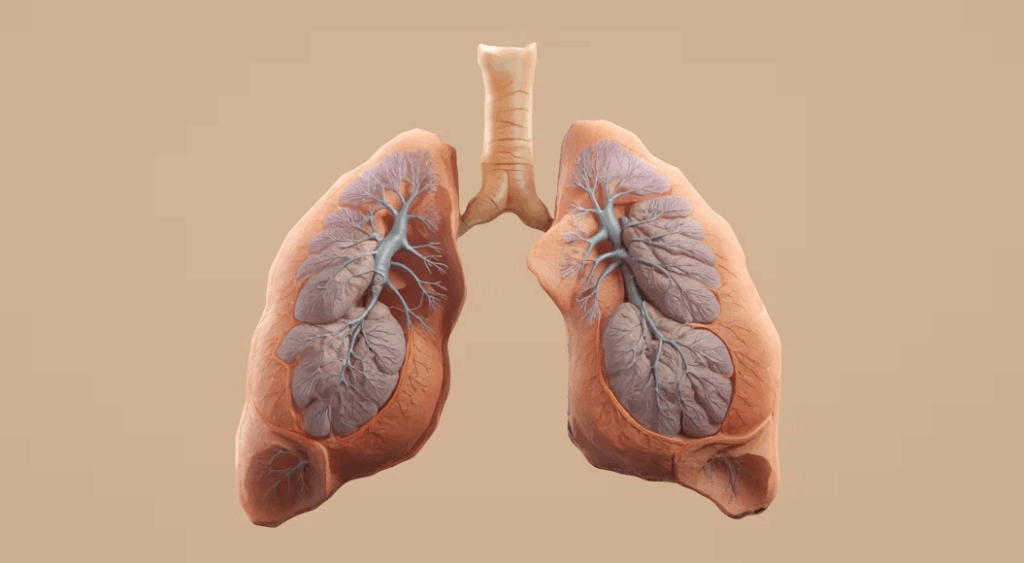
Pulmonary disease refers to conditions that affect the lungs and breathing. Some of the most common pulmonary conditions include COPD, chronic bronchitis, emphysema, asthma, and pulmonary fibrosis.
For patients pulmonary, these diseases can make daily life feel overwhelming. A pulmonary disease make simple activities like climbing stairs or carrying groceries feel like impossible tasks. Over time, this disease make breath feel short, heavy, and uncomfortable, lowering quality of life.
The Role of Skilled Home Health in Pulmonary Care

Families often ask: how can we best help loved ones living with pulmonary disease? The answer lies in skilled home health services.
What Is Skilled Home Health?
Skilled home health refers to specialized care provided by trained clinicians—nurses, respiratory therapists, and other professionals—who are designed bring clinical expertise directly to the patient’s residence. This type of care skilled home ensures patients receive high-quality support without unnecessary hospital visits.
Benefits for Patients
- Breathing care: Tailored programs help improve lung capacity and reduce distress.
- Support at home: Patients receive continuous health monitoring and personalized assistance.
- Care plan development: A structured care plan addresses individual needs and goals.
- Chronic disease management: Focused strategies reduce flare-ups and prevent hospital readmissions.
Living with Pulmonary Disease at Home
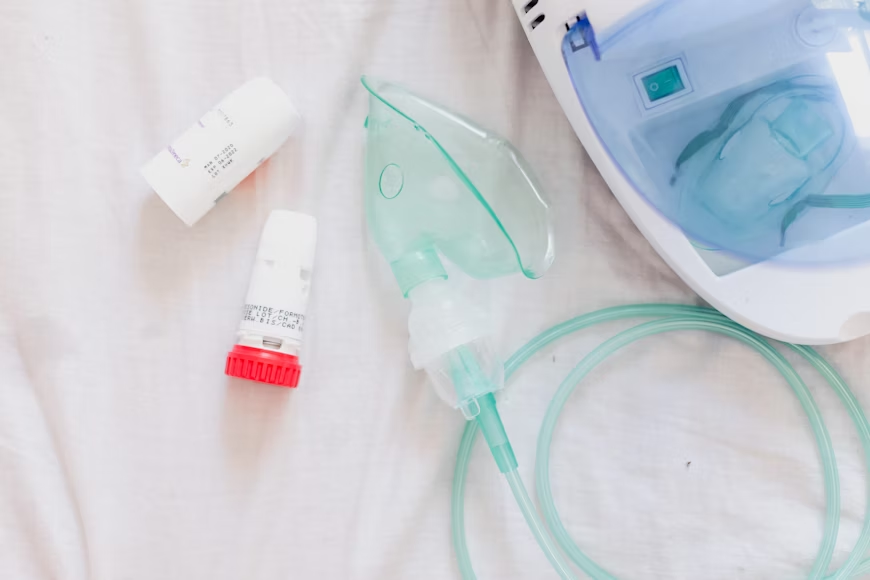
For those with chronic conditions, pulmonary disease living at home comes with unique struggles. The disease living pulmonary experience can include:
- Constant shortness of breath.
- Fear of not being able to manage symptoms alone.
- Frustration over limited independence.
- Anxiety about future health outcomes.
Patients often say they feel like they are losing control of their lives, especially when facing the challenges COPD brings.
Breathing Care: Helping Patients Make Breath Feel Better

One of the primary goals of breathing care is to make breath feel easier and more natural. With the help of skilled home professionals, patients receive treatments that help restore confidence in their ability to breathe comfortably.
Some effective techniques include:
- Oxygen therapy.
- Breathing exercises.
- Pulmonary rehabilitation.
- Medication management.
- Lifestyle adjustments such as improved diet and light exercise.
These treatments allow patients pulmonary disease to adapt to daily life with fewer limitations.
The Importance of a Care Plan for Pulmonary Conditions

A structured care plan makes all the difference for individuals living with pulmonary conditions. Such plans are tailored to address the specific needs of each patient, ensuring that care skilled strategies are applied consistently.
Key Elements of a Pulmonary Care Plan
- Assessment of health: Regular evaluations of lung function.
- Customized treatment: Plans based on the severity of chronic disease.
- Support for families: Education and training to help loved ones manage care at home.
- Prevention strategies: Focus on avoiding hospitalizations and flare-ups.
A care skilled home team works with patients to develop these plans, ensuring ongoing progress and better outcomes.
Support Systems for Patients and Families
Living with pulmonary disease affects more than just the patient—it impacts entire families. Providing proper support means creating an environment where patients and caregivers alike feel empowered.
Support Services Include:
- Emotional and psychological counseling.
- Guidance for managing pulmonary conditions at home.
- Skilled home health visits tailored to patient schedules.
- Educational resources to better understand symptoms and triggers.
With these supports in place, families feel like they can handle the difficulties of disease living pulmonary more effectively.
Overcoming the Challenges of COPD
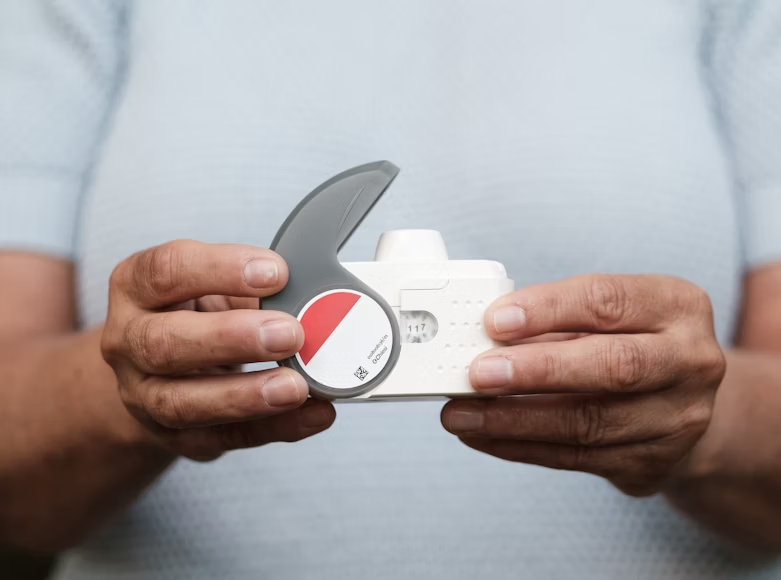
Among pulmonary conditions, COPD presents some of the most pressing struggles. The challenges COPD brings often include:
- Persistent coughing and wheezing.
- Frequent respiratory infections.
- Increased hospitalizations.
- Declining ability to remain active.
Skilled home health is crucial in these cases because it reduces the need for constant clinical visits and helps patients manage their condition more independently.
How Skilled Care at Home Is Designed to Bring Clinical Support
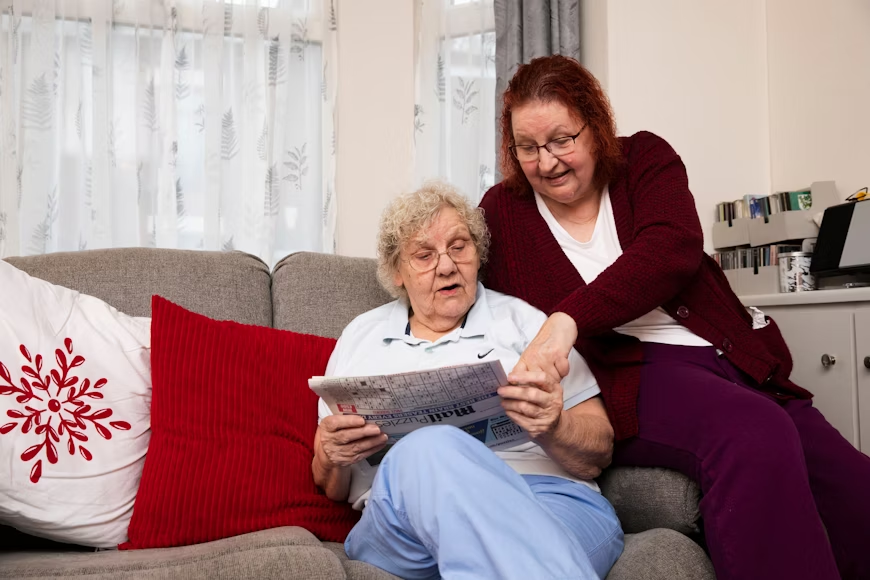
A strong home-based program is designed bring clinical excellence into the patient’s daily life. By combining medical expertise with compassionate support, caregivers ensure that patients pulmonary disease can live with dignity and comfort.
These services include:
- Home health nursing for routine monitoring.
- Skilled home health visits for treatment administration.
- Coordination with doctors to update and adapt the care plan.
Such approaches improve both medical outcomes and emotional well-being.
The Role of Indy In-Homecare in Pulmonary Support
Providers like Indy In-Homecare specialize in delivering this kind of dedicated service. Their teams focus on breathing care, care skilled home, and customized support for living pulmonary disease patients.
By offering a balance of clinical expertise and compassionate assistance, Indy In-Homecare ensures patients and families feel supported at every stage of care.
Helping Patients Feel Like Life Is Manageable Again
The greatest benefit of skilled home health services is restoring a sense of normalcy. Patients who once feel like they were drowning in symptoms find new relief. Families who worried constantly about emergencies can rest easier knowing a care plan and trained professionals are in place.
Breathing may never be effortless for those with chronic pulmonary disease, but with consistent support, tailored strategies, and skilled care, patients can once again make breath feel comfortable.
Conclusion: A Healthier Path Forward
Living with pulmonary disease is not easy, but it doesn’t have to mean losing independence or dignity. With skilled home health, customized care plans, and comprehensive support, patients can continue to live fulfilling lives at home.
The future of pulmonary care lies in bringing clinical expertise directly to patients where they live—helping them breathe easier, live longer, and feel more in control. Families can trust that, with the right care, every breath will truly feel like a step toward better health.