
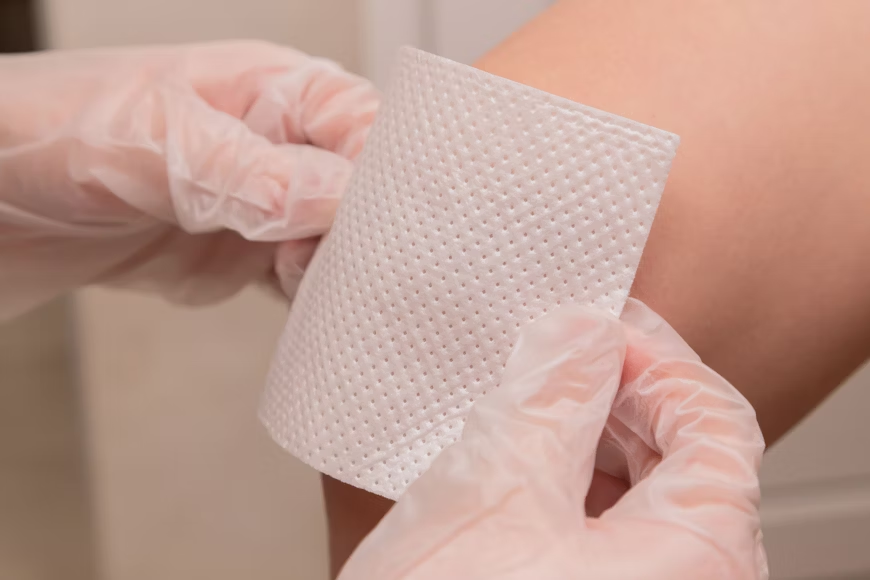
Wound care is one of patient recovery’s most delicate and vital aspects. Whether caused by surgery, chronic illness, pressure injuries, or trauma, wounds require consistent monitoring, medical precision, and compassionate care. For many families in Indiana, in-home specialized wound care has become a preferred and effective alternative to hospital stays — offering professional medical support right at home.
In-homecare providers deliver personalized wound management that accelerates recovery, improves comfort, reduces infection risk, and enhances the patient’s overall quality of life. This post explores how specialized wound care in Indiana’s homecare settings transforms healing journeys across the state.
Understanding Specialized Wound Care
Specialized wound care goes far beyond simple dressing changes. It involves medical expertise in assessing, cleaning, and managing complex wounds — such as diabetic ulcers, pressure sores, surgical incisions, and traumatic injuries.
The process often includes:
- Comprehensive wound assessments
- Infection prevention strategies
- Use of advanced dressings and therapies
- Nutritional and mobility guidance for better healing
- Continuous monitoring of wound progress
By understanding the type and severity of a wound, caregivers can design individualized care plans tailored to the patient’s unique medical needs.
Why In-Homecare Matters in Wound Healing?
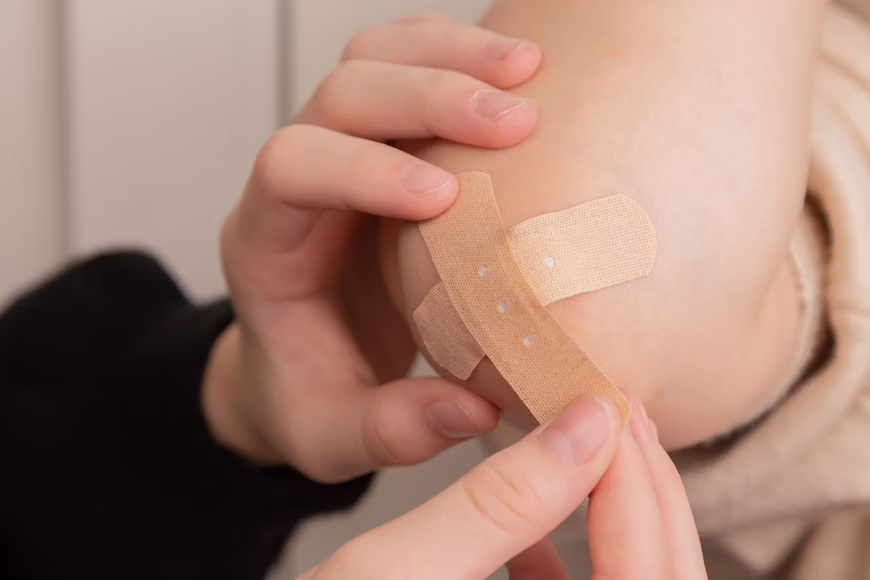
Recovering at home provides emotional comfort and reduces exposure to hospital-based infections. However, wound management requires technical skill and vigilance — which is where professional In-home care services come in.
Trained caregivers and licensed nurses bring hospital-grade care to patients’ homes, combining clinical expertise with compassionate attention. They ensure that wound treatment protocols are followed precisely while offering emotional reassurance and daily support.
Key Benefits of In-Home Wound Care
Faster Recovery:
Home environments promote relaxation, reducing stress hormones that can slow healing.
Infection Control:
With strict hygiene practices and sterile supplies, caregivers reduce the risk of wound infections.
Personalized Treatment:
Every patient receives customized care, including wound dressing schedules, mobility support, and nutrition plans.
Cost-Effective Healing:
In-homecare eliminates extended hospital stays, reducing medical expenses while maintaining high-quality treatment.
Convenience for Families:
Loved ones can participate in care routines and monitor progress closely.
Types of Wounds That Require Specialized Care
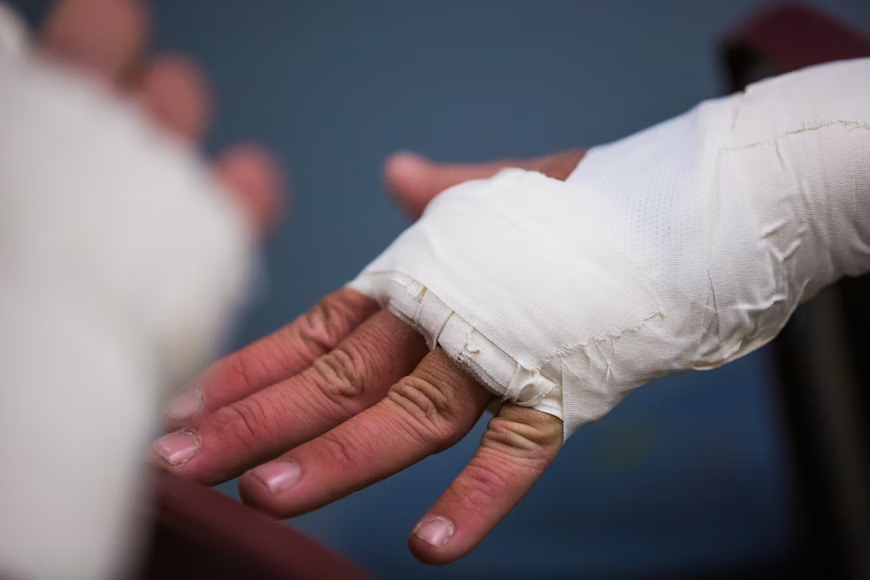
Not all wounds are alike. Some require specialized medical attention to prevent complications. Typical cases where in-home wound care becomes essential include:
Surgical Wounds
Post-surgical incisions require sterile dressing changes and close monitoring for signs of infection. Homecare nurses ensure timely cleaning, dressing, and evaluation to prevent delayed healing or reopening of the wound.
Pressure Ulcers (Bedsores)
Patients who are bedridden or have limited mobility are prone to pressure ulcers. In-home caregivers reposition patients regularly, use pressure-relieving mattresses, and keep the skin dry and protected.
Diabetic Ulcers
People with diabetes often experience poor circulation, making wounds slow to heal. Specialized care focuses on wound cleaning, infection control, and blood sugar management to promote tissue regeneration.
Traumatic and Burn Wounds
Injuries or burns need consistent cleaning, pain management, and moisture-balancing dressings. Homecare professionals provide gentle handling and emotional support during recovery.
Venous or Arterial Ulcers
These wounds are linked to circulatory disorders. Care involves compression therapy, wound monitoring, and doctor coordination for ongoing treatment.
Advanced Wound Care Techniques Used in Homecare
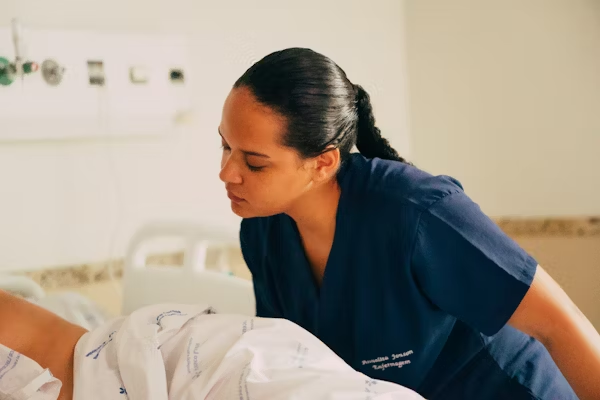
Modern wound care has evolved significantly. Indiana’s in-homecare services now integrate advanced medical techniques for better healing outcomes. These include:
Negative Pressure Wound Therapy (NPWT)
Also known as wound vac therapy, this method uses controlled suction to remove fluids and promote tissue growth. It’s especially effective for deep or chronic wounds.
Debridement
The removal of dead tissue helps new, healthy tissue to form. Skilled nurses perform this carefully to minimize discomfort and encourage faster healing.
Moist Wound Healing
Specialized dressings maintain a moist environment, which speeds cell regeneration and reduces scarring.
Infection Control Measures
Antibiotic ointments, sterile dressings, and strict hygiene protocols minimize bacterial growth and complications.
Nutritional Support
Caregivers encourage protein-rich diets, hydration, and vitamin supplementation to aid natural wound healing.
The Role of Caregivers and Nurses in Specialized Wound Care

In-home care isn’t just about medical attention but human connection and understanding. Caregivers play multiple roles during wound recovery:
- Medical Observers: Monitoring wound color, odor, drainage, and size.
- Emotional Supporters: Reducing anxiety through reassurance and communication.
- Health Coordinators: Report progress to physicians and adjust care plans.
- Educators: Teaching families proper wound care techniques for in-between visits.
This collaborative approach ensures that the patient receives comprehensive, consistent support.
When to Consider In-Home Specialized Wound Care?
Families should consider professional wound care at home when:
- Wounds take longer than usual to heal
- Signs of infection appear (redness, swelling, or discharge)
- The patient has mobility challenges or chronic illnesses
- Hospital visits are difficult or cause emotional stress
- The physician recommends long-term wound management
Early intervention by trained professionals can prevent complications and ensure better recovery outcomes.
How In-Home Wound Care Improves Quality of Life?
Beyond physical healing, specialized wound care has profound emotional and psychological benefits. Being treated at home restores patients’ dignity, independence, and peace.
Improved Mental Health
Homecare reduces stress and depression linked to extended hospital stays. Familiar surroundings foster a sense of safety and optimism.
Enhanced Family Involvement
Loved ones become active participants in the recovery journey, strengthening emotional bonds.
Greater Comfort and Privacy
Receiving care at home eliminates the discomfort of clinical environments while maintaining high standards of hygiene and professionalism.
The Importance of Consistency in Wound Care
Consistency is key to recovery. Irregular wound cleaning or improper dressing techniques can lead to infections or tissue breakdown. Homecare professionals follow strict schedules and protocols, ensuring each step — from cleaning to redressing — is done with precision and care.
They also track progress through regular documentation and share updates with physicians to adjust treatment plans as needed.
Specialized Training and Certification in Wound Care
In Indiana, professional caregivers who handle wound care often undergo specialized training. Certifications such as Wound Care Certified (WCC) or Certified Wound Specialist (CWS) indicate advanced knowledge in tissue repair, infection prevention, and clinical wound management.
These professionals can safely handle even the most complex wound cases within a home environment.
How Indy In-Homecare Supports Specialized Wound Care in Indiana?
Indy In-Homecare stands among Indiana’s trusted providers of compassionate, professional homecare. Their dedicated team of caregivers and nurses is trained in advanced wound management — ensuring patients receive medical attention, warmth, empathy, and encouragement.
By bringing hospital-level expertise into the comfort of your home, Indy In-Homecare helps patients heal safely while maintaining dignity and independence.
Conclusion
Specialized wound care requires both medical precision and human understanding. In-homecare in Indiana bridges the gap between professional treatment and personal comfort — ensuring patients recover fully and confidently in their own space.
Through skilled caregivers, advanced techniques, and compassionate service, families can trust that their loved ones receive the highest standard of wound care possible at home.