
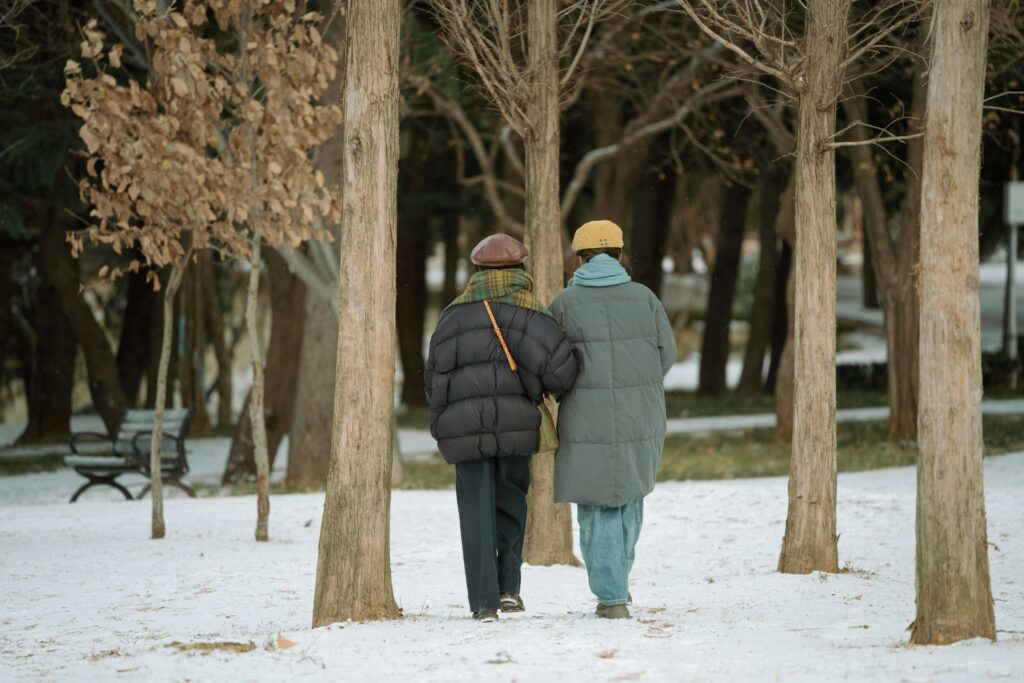
Winter can feel cozy and magical for some people, but for seniors, it often brings a completely different reality. Cold temperatures, icy sidewalks, and shorter days create real health risks that shouldn’t be ignored, making in-home care services an essential layer of support during the colder months. According to the CDC, adults aged 65 and older are five times more likely to be hospitalized during winter months compared to younger age groups. This is why winter senior health deserves special attention, especially for families caring for aging loved ones who rely on consistent, professional in-home care services.
Many older adults want to stay in their own homes for as long as possible, even when winter conditions become harsh. That’s where in home care for seniors becomes not just helpful, but essential. With the right support, seniors can stay warm, safe, and healthy without uprooting their lives. Let’s explore how in-home care plays a critical role in protecting seniors during the winter months.
Why Winter Is Especially Challenging for Older Adults?
Aging bodies simply don’t respond to cold the same way younger ones do. Seniors tend to lose body heat faster, and many have chronic conditions that worsen in colder weather.
Cold Weather and Chronic Conditions
Conditions such as arthritis, heart disease, COPD, and diabetes often flare up in winter. Research published by the National Institutes of Health shows that cold temperatures can increase blood pressure and strain the heart, raising the risk of heart attacks and strokes among seniors.
Weakened Immune Systems
As we age, our immune response naturally slows down. During winter, viruses like influenza, RSV, and pneumonia circulate more aggressively. The CDC reports that 70–85% of flu-related deaths occur in people aged 65 and older.
Reduced Mobility and Isolation
Snow, ice, and shorter daylight hours limit outdoor activity. Many seniors stop going out altogether, increasing isolation, depression, and physical decline.
These factors make winter one of the most dangerous seasons for older adults, especially those living alone.
Understanding In-Home Care for Seniors
Before diving deeper, it helps to understand what in home care for seniors actually includes. In-home care focuses on non-medical support that helps older adults safely remain in their own homes.
Common In-Home Care Services
Home care services in winter often include:
- Assistance with daily activities (bathing, dressing, grooming)
- Meal preparation and hydration reminders
- Medication reminders
- Light housekeeping
- Companionship and emotional support
- Transportation to appointments or errands
Unlike nursing homes, in-home care allows seniors to maintain independence while receiving personalized attention tailored to seasonal needs.
The Role of In-Home Care in Winter Senior Health
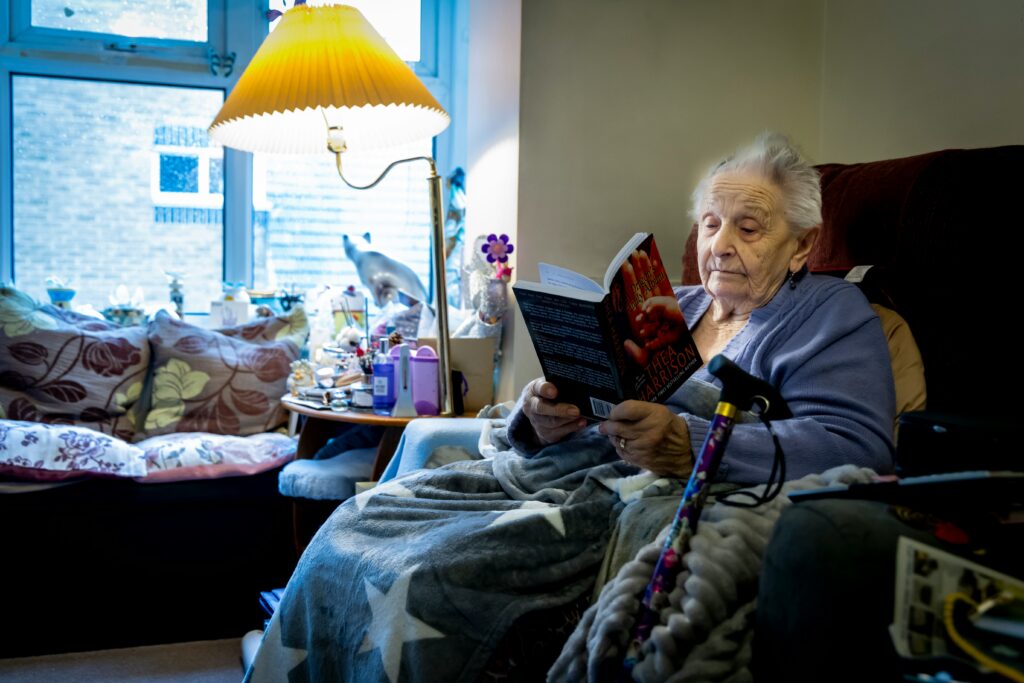
Winter senior health isn’t just about avoiding illness; it’s about maintaining overall wellness. Caregivers act as an extra set of eyes and hands, noticing small changes before they turn into serious problems.
Caregivers help ensure:
- Homes are warm and properly heated
- Seniors are dressed appropriately for cold weather
- Daily routines stay consistent despite winter disruptions
Studies show that seniors receiving regular home care are 30% less likely to experience emergency hospital visits during winter months.
Preventing Cold-Related Illnesses at Home
Hypothermia Prevention
Seniors are more vulnerable to hypothermia, even indoors. The World Health Organization states that indoor temperatures below 64°F (18°C) can be dangerous for older adults.
In-home caregivers help by:
- Monitoring indoor temperatures
- Ensuring seniors wear layered clothing
- Watching for early symptoms like confusion or shivering
Frostbite Awareness
Caregivers discourage unnecessary outdoor exposure and ensure proper gloves, hats, and coats are worn when going outside.
Respiratory Infection Prevention
Home care services in winter often emphasize:
- Hand hygiene
- Cleaning high-touch surfaces
- Avoiding exposure to sick visitors
These simple measures significantly reduce infection risk.
Medication Management During Winter Months
Winter can complicate medication routines. Delayed pharmacy trips, weather-related confusion, or illness can all lead to missed doses.
Caregivers assist by:
- Providing medication reminders
- Watching for side effects worsened by cold weather
- Coordinating refills before storms
According to AARP, nearly 55% of seniors take four or more medications daily, making oversight crucial during winter disruptions.
Nutrition and Hydration Support in Cold Weather
Many seniors drink less water in winter because they don’t feel thirsty. Dehydration, however, remains a serious risk year-round.
In-home caregivers help by:
- Preparing warm, nutrient-dense meals
- Encouraging soups, teas, and water intake
- Monitoring appetite changes
Proper nutrition strengthens immunity and helps regulate body temperature, both essential for winter senior health.
Fall Prevention and Home Safety in Winter
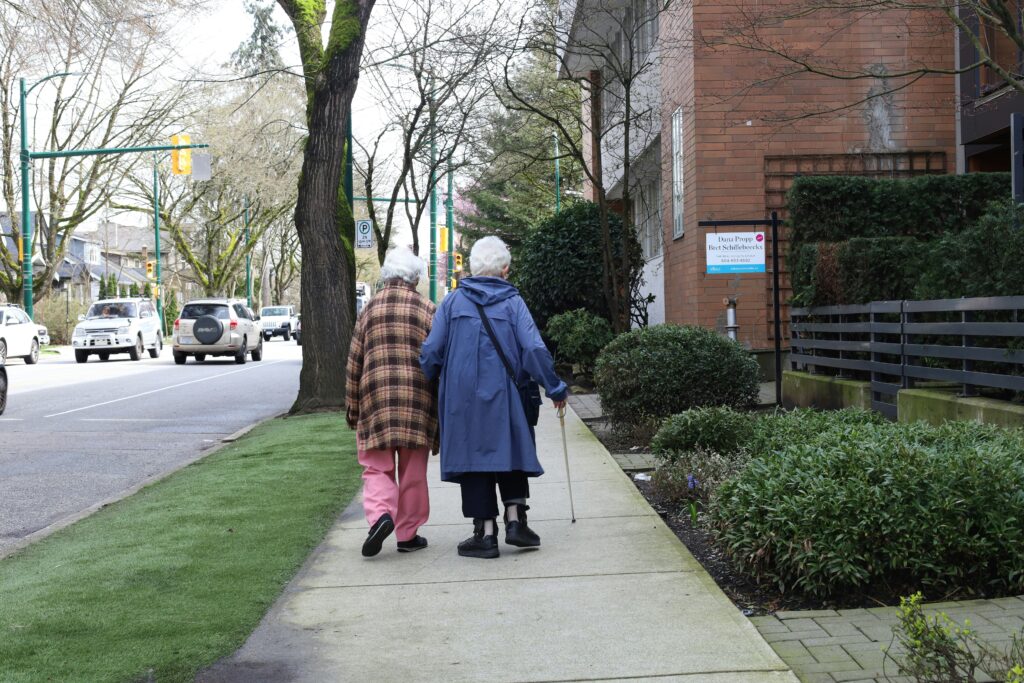
Falls are one of the biggest winter dangers. The CDC reports that over 3 million seniors are treated in emergency rooms annually due to falls, with winter being a peak season.
Caregivers reduce fall risk by:
- Keeping walkways clear of clutter
- Ensuring proper lighting during darker winter days
- Helping seniors move safely around the home
Even simple tasks like taking out the trash or checking the mail can become hazardous without support.
Supporting Mental and Emotional Health During Winter
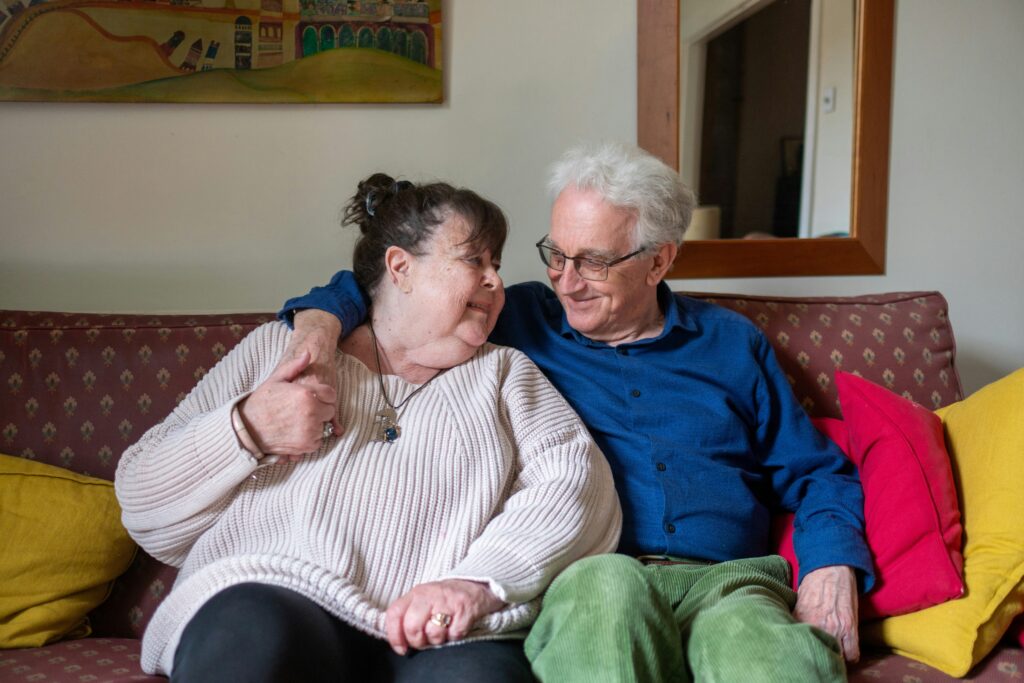
Seasonal depression, often called Seasonal Affective Disorder (SAD), affects many older adults. Less sunlight, isolation, and reduced activity all contribute.
In-home care offers:
- Daily social interaction
- Encouragement to stay mentally active
- Emotional reassurance during long winter days
Studies show that seniors receiving companionship-based care report lower rates of depression and anxiety.
Reducing Social Isolation Through Home Care Services
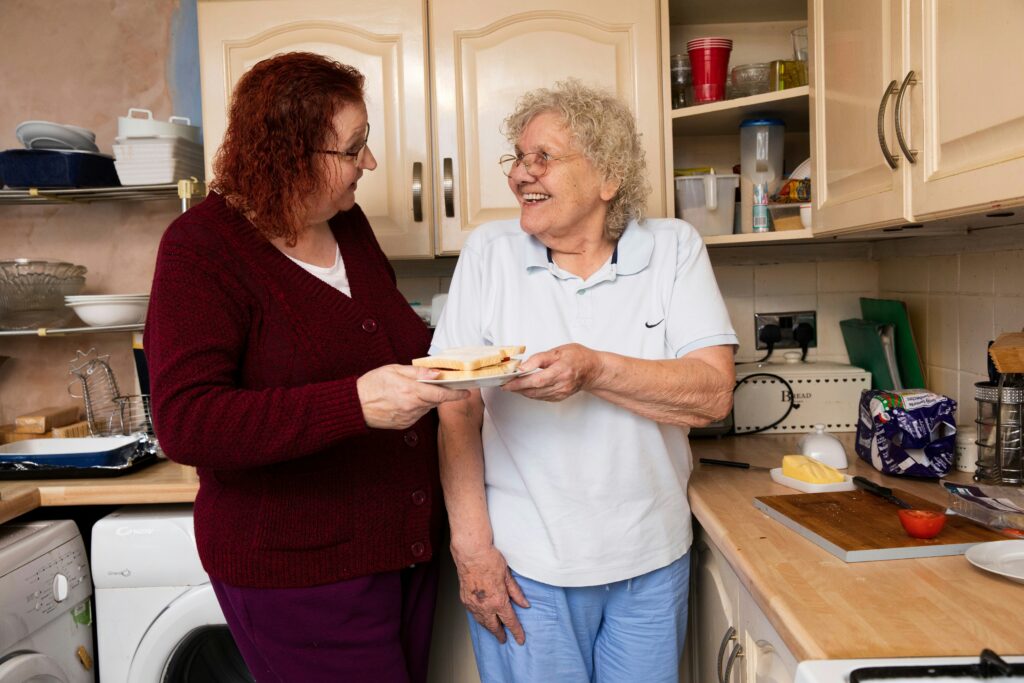
Loneliness can be just as harmful as physical illness. The National Institute on Aging links social isolation to higher risks of dementia, heart disease, and depression.
Home care services in winter provide:
- Meaningful conversation
- Shared activities like games or reading
- Connection to the outside world
For many seniors, a caregiver may be the only consistent human interaction during winter.
Monitoring Chronic Conditions More Closely in Winter
Winter weather often worsens chronic conditions. Arthritis pain increases, breathing becomes harder for those with COPD, and circulation issues intensify.
Caregivers help by:
- Observing symptom changes
- Reporting concerns to family members
- Supporting treatment plans
This proactive approach prevents small issues from escalating into emergencies.
Transportation and Appointment Assistance
Snow and ice make driving dangerous, especially for seniors. Missed medical appointments can quickly lead to declining health.
In-home caregivers assist with:
- Safe transportation to appointments
- Prescription pickups
- Grocery shopping during bad weather
This ensures continuity of care throughout winter months.
Family Peace of Mind During Harsh Winter Months
Winter can be stressful for families, especially those living far away. Knowing a trusted caregiver is checking in daily provides immense relief.
Families working with providers like Indy In-Homecare often report feeling more confident that their loved ones are safe, warm, and supported when winter storms hit.
Why Professional Home Care Services Matter More in Winter?
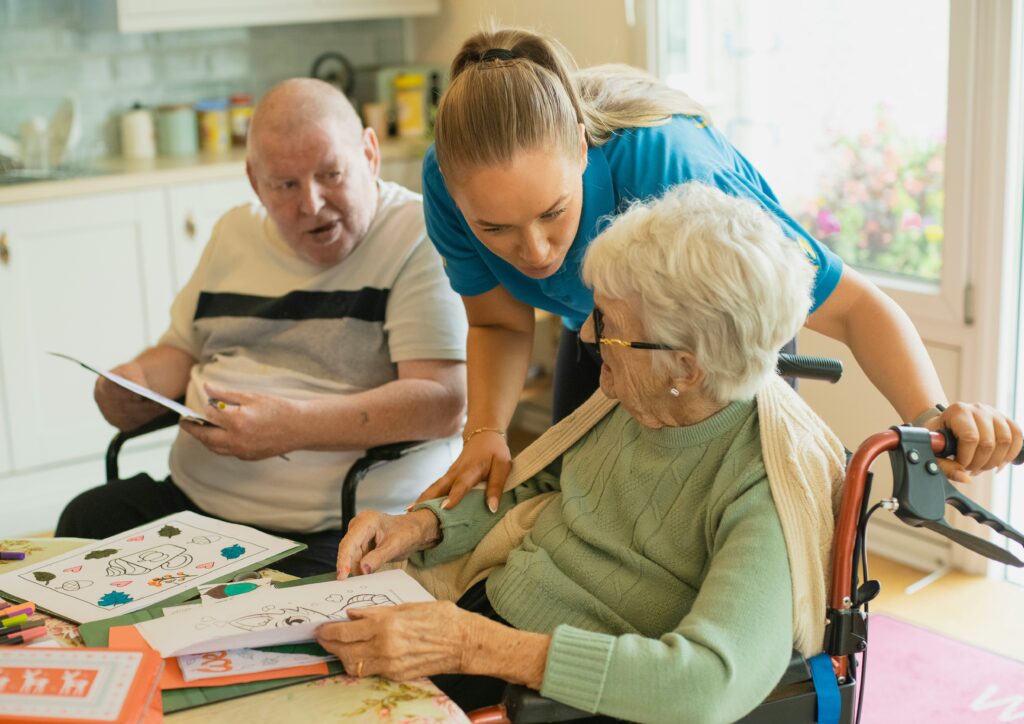
While family members do their best, winter demands consistency and preparedness. Professional caregivers are trained to recognize seasonal risks and respond appropriately.
Reliable home care services in winter help prevent:
- Hospitalizations
- Emergency room visits
- Rapid health decline
Another reason families turn to Indy In-Homecare is the personalized approach that adapts care plans specifically for winter-related challenges.
Choosing the Right In-Home Care Provider
When selecting in-home care for seniors, especially for winter support, look for:
- Experience with seasonal care
- Flexible scheduling during storms
- Strong communication with families
The right provider becomes a true partner in protecting winter senior health.
Conclusion
Winter doesn’t have to be a season of fear and vulnerability for older adults. With proper planning and the support of in home care for seniors, aging loved ones can remain safe, comfortable, and healthy in their own homes. From preventing illness and falls to offering companionship and peace of mind, home care services in winter play a vital role in maintaining independence and dignity.
As winter approaches, investing in in-home care isn’t just about convenience—it’s about protecting health, preserving quality of life, and ensuring seniors thrive even during the coldest months.
FAQs
- Why is winter more dangerous for seniors?
Cold weather worsens chronic conditions, weakens immunity, increases fall risk, and leads to isolation, all of which significantly impact senior health. - How does in home care for seniors help during winter?
In-home care provides daily assistance, health monitoring, companionship, and safety support tailored to winter conditions. - Are home care services in winter different from other seasons?
Yes, winter care focuses more on fall prevention, warmth, infection prevention, and emotional well-being. - Can in-home care reduce hospital visits in winter?
Studies show seniors with consistent home care experience fewer emergency visits and hospitalizations during winter months. - When should families consider winter home care services?
If a senior lives alone, has mobility issues, chronic conditions, or struggles with winter routines, home care should be considered before winter begins.