
Indiana Medicaid Waiver Programs That Pay for Home Care (2026 Guide)
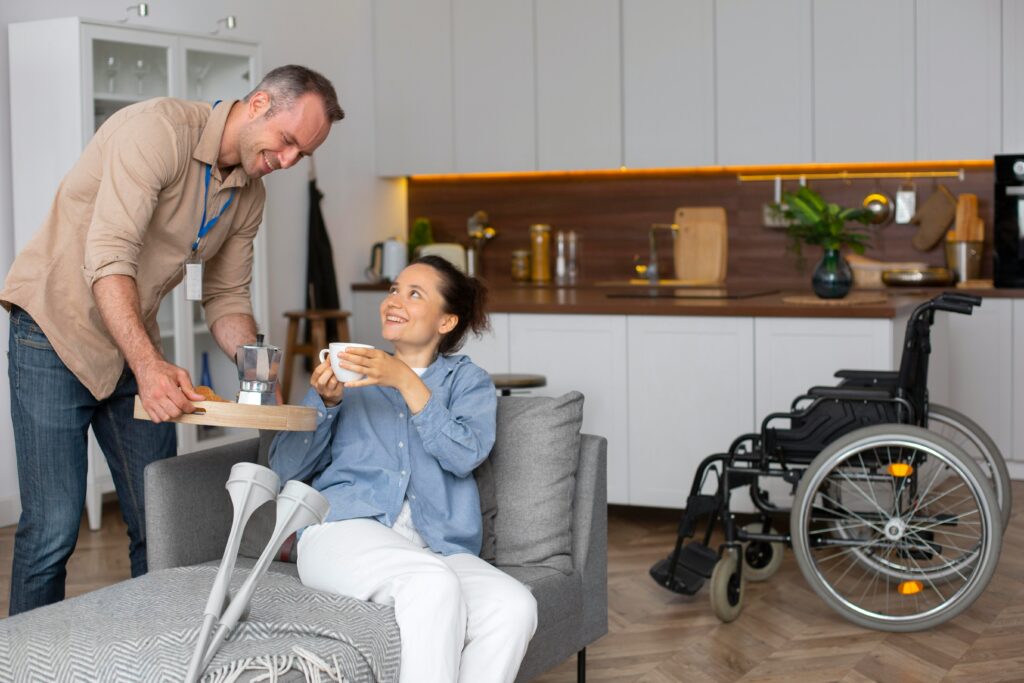
If you or a loved one needs long-term care in Indiana, the cost can feel overwhelming. Indiana Medicaid waiver programs — formally known as Home and Community-Based Services (HCBS) waivers — pay for home care services so that eligible Hoosiers can receive professional support at home instead of in a nursing facility. This 2026 guide covers every major Indiana Medicaid waiver for home care, current eligibility rules, how to apply, and what to expect from waiting lists. Key Takeaway: The right waiver program can mean the difference between a nursing home placement and keeping your loved one at home with quality, compassionate care from a trusted local provider like Indy In-Homecare. 2026 Indiana Medicaid Home Care — Key Numbers What Are Indiana Medicaid Waiver Programs? Indiana Medicaid waiver programs allow the state to use Medicaid funding for services provided in a person’s home or another community setting, rather than in an institution. As the Indiana Family and Social Services Administration (FSSA) explains, the term “waiver” refers to the state receiving federal permission to waive certain Medicaid rules — specifically the requirement that long-term care services only be funded in nursing facilities. To qualify for any Indiana HCBS waiver, an individual must: (1) meet Medicaid financial eligibility, (2) require a nursing facility level of care, and (3) choose to receive that care at home or in the community. The cost of home-based services cannot exceed the average cost of nursing facility care. For families across Indianapolis and throughout Indiana, understanding these programs is essential. Indy In-Homecare works directly with families to navigate the application process and begin services as quickly as possible once a waiver slot is available. The Main Indiana Medicaid Waivers for Home Care in 2026 In 2026, Indiana operates five major Medicaid waiver programs for home care. Following the landmark 2024 restructuring that split the former Aged and Disabled (A&D) Waiver into two new programs, the current lineup is: PathWays for Aging — Indiana’s Medicaid Home Care Waiver for Seniors (Ages 60+) The Indiana PathWays for Aging program is the primary Medicaid waiver for in-home care for seniors in Indiana. It launched July 1, 2024, replacing the former Aged and Disabled Waiver for everyone aged 60 and older. Who Qualifies How It Works Unlike traditional waivers, PathWays uses a managed care model. Once approved, individuals enroll with one of Indiana’s Managed Care Entities (MCEs). According to the PathWays for Aging FAQ, research shows that 75% or more of older adults want to age at home. Your MCE connects you with credentialed home care agencies to deliver personal care, attendant care, homemaker services, and more. 2026 Waiting List Update According to the FSSA HCBS Waiver Waiting List page, as of February 2026 there are 11,296 seniors on the PathWays waiting list. The Family Social Services Administration (FSSA) sends monthly invitation letters as capacity opens, issuing 714 invitations in February 2026 alone. Individuals transitioning from nursing homes or inpatient hospital settings receive priority placement. Services Covered Health & Wellness (H&W) Waiver — Indiana Medicaid Home Care for Adults Under 60 For Hoosiers aged 59 and younger who have a physical disability, the Health and Wellness Waiver is Indiana’s Medicaid home care program. It was created from the 2024 split of the old A&D Waiver and is administered by the Division of Disability, Aging and Rehabilitative Services (DDARS). Who Qualifies Unlike PathWays, the H&W Waiver is a traditional fee-for-service Medicaid waiver. In 2026, attendant care has an aggregate limit of 40 hours per week. Upcoming amendments are planned for August 2026, as reported by The Arc of Indiana, and may expand available services. Services Covered Community Integration & Habilitation (CIH) Waiver The CIH Waiver serves adults with intellectual and developmental disabilities who need support to live in the community. A major CMS-approved amendment (IHCP Bulletin BT202613) took effect January 1, 2026, introducing new self-directed service options, updated documentation requirements, and a mandate that all Direct Support Professionals be registered with Indiana’s HCSP Training Registry. Important 2026 Notice: The CIH Waiver reached maximum capacity in December 2025. New slots are not expected until at least July 1, 2026. Individuals already invited to begin the process have been placed on a secondary waiting list. Key 2026 Changes Family Supports Waiver (FSW) The Family Supports Waiver serves individuals with intellectual and developmental disabilities who live with their family. Under Indiana law, parental income is not counted for children under 18. Apply through your local Bureau of Developmental Disabilities Services (BDDS) office. Important 2026 Notice: Like the CIH Waiver, the Family Supports Waiver is at maximum capacity as of December 2025. New slots are expected in July 2026. Traumatic Brain Injury (TBI) Waiver Indiana’s TBI Waiver serves adults who have experienced a traumatic brain injury and need community-based supports to avoid institutionalization. Upcoming amendments are planned for August 2026, as announced by the Bureau of Disabilities Services in February 2026. Eligible individuals must meet Medicaid financial criteria and a nursing facility level of care specific to TBI needs. Indiana Medicaid Waiver Eligibility for Home Care: What You Need to Know Gate 1 — Functional Eligibility: Nursing Facility Level of Care (NFLOC) Every major Indiana Medicaid waiver for home care requires that the applicant would qualify for nursing home placement based on their level of need. A state assessor evaluates activities of daily living (ADLs), cognitive function, and medical complexity. As of January 2026, Indiana uses the new interRAI assessment system for CIH and Family Supports Waiver evaluations. Gate 2 — Financial Eligibility: Income and Assets (2026) How to Apply for an Indiana Medicaid Waiver for Home Care Tip: Working with an experienced provider early can make a real difference. The team at Indy In-Homecare can help identify the right waiver, connect you with the right contacts, and guide your family through the paperwork. Navigating Indiana Medicaid Waiver Waiting Lists in 2026 Current Waiting List Status What to Do While You Wait What Home Care Services Do Indiana Medicaid Waivers Cover? Frequently Asked Questions Sources
Long-Distance Caregiving: How to Manage In-Home Care Indiana Families Rely On — From Miles Away

You got the call on a Tuesday afternoon. Your mom fell getting out of the shower. She’s okay — this time — but you live four states away, and the guilt hits you like a wave. You want to be there. You should be there. But life, work, and distance make that impossible every day. You’re not alone. According to AARP, more than 11 million Americans provide long-distance care for an aging family member, often from hundreds of miles away. For families spread across the country with roots in Indiana, that distance can feel unbearable. The good news? In-home care Indiana seniors and families trust has made it possible to keep loved ones safe, comfortable, and cared for — without uprooting anyone’s life. Here’s what you need to know. How In-Home Care Indiana Supports Your Loved One’s Emotional Wellbeing Loneliness is one of the biggest health risks facing older adults. Studies show that chronic loneliness can be as harmful to the body as smoking 15 cigarettes a day. For seniors living alone in Indianapolis or the surrounding Indiana counties, quiet days with little human contact can take a real toll — on their mood, memory, and motivation. A professional caregiver does far more than assist with chores. They show up at the same time each week, learn your loved one’s stories, watch their favorite shows together, and share a cup of coffee. That consistent, familiar presence matters deeply. Senior home care Indianapolis families choose often includes companions who build genuine relationships over time. Your mom starts to look forward to Thursdays. Your dad jokes with his caregiver like an old friend. That kind of connection is something no amount of phone calls from another state can fully replace — but knowing it’s happening makes those calls so much warmer. Keeping Daily Routines On Track With Elderly Care at Home Indiana One of the hardest things about living far away is not knowing what each day looks like for your parent. Did they eat breakfast? Take their medications? Make it to their doctor’s appointment? With elderly care at home Indiana providers offer, you get the structure and oversight that keeps daily life running smoothly. Caregivers help with: Most reputable agencies also keep family members in the loop. Regular check-ins, care notes, and open communication mean you know what’s happening at home — even from a thousand miles away. That visibility is everything when you can’t be there in person. Home Safety: Why a Home Health Aide Indianapolis Families Choose Can Make All the Difference Falls are the leading cause of injury-related death in adults 65 and older. And most falls happen at home. For a senior living alone, a fall can mean hours on the floor before anyone knows. A home health aide Indianapolis families rely on provides an attentive, trained set of eyes inside the home every day. They notice when the throw rug has shifted, when the bathroom is getting harder to navigate, or when your loved one seems a little off balance. They catch the small things before they become big problems. Beyond fall prevention, in-home caregivers create safer environments by: Many Indiana families discover that a caregiver’s daily presence isn’t just about help — it’s about having someone there who genuinely cares and will act fast if something goes wrong. The Peace of Mind That Non-Medical Home Care Indiana Provides for Families Far Away Here’s what long-distance caregivers say they want most: to stop worrying. Not every minute, not completely — but enough to sleep at night. Non-medical home care Indiana agencies provide exactly that kind of reassurance. You’re not just hiring someone to sweep floors. You’re putting a trusted, vetted professional in your parent’s life who can be your eyes, ears, and hands when you can’t be there. Midwest families tend to carry a strong sense of obligation when it comes to caring for their parents. That’s something to be proud of. But guilt doesn’t have to be the fuel that drives those decisions. Choosing quality in-home care is an act of love — one that respects your loved one’s independence and dignity while keeping them genuinely supported. Many families in Hamilton County, Marion County, and surrounding Indiana communities find that once in-home care is in place, the whole family exhales. Siblings stop arguing about who’s doing enough. Caregivers stop burning out. And the senior at the center of it all feels cared for — not just managed. Aging in Place Indiana: A Smarter, More Affordable Choice Than You Might Think The cost of care is always part of the conversation. Families often assume that a nursing home or assisted living facility is inevitable once a loved one needs more support. But aging in place Indiana makes a compelling case for staying home. The national average cost of a semi-private room in a nursing home runs over $7,000 per month. Assisted living typically costs $4,000–$5,000 or more per month. In-home care, by contrast, is far more flexible — families pay only for the hours they need, whether that’s a few visits a week or full-time daily support. Beyond dollars, there’s something equally important: most seniors want to stay home. Their home is where their memories live. It’s where they feel like themselves. Research consistently shows that older adults who age in place report higher satisfaction and better mental health outcomes than those in institutional settings. When you factor in both the cost savings and your loved one’s quality of life, in-home care isn’t just a practical choice — it’s often the best one. Let Indy In-Home Care Be Your Partner, No Matter Where You Live Managing care from another state is hard. But you don’t have to figure it out alone. At Indy In-Home Care, we work closely with long-distance families every day. We’ll talk through your loved one’s needs, walk you through your options, and build a care plan that fits — whether your parent lives in Indianapolis, Carmel, Greenwood, or a small Indiana
What to Expect After Hip Replacement Surgery at Home
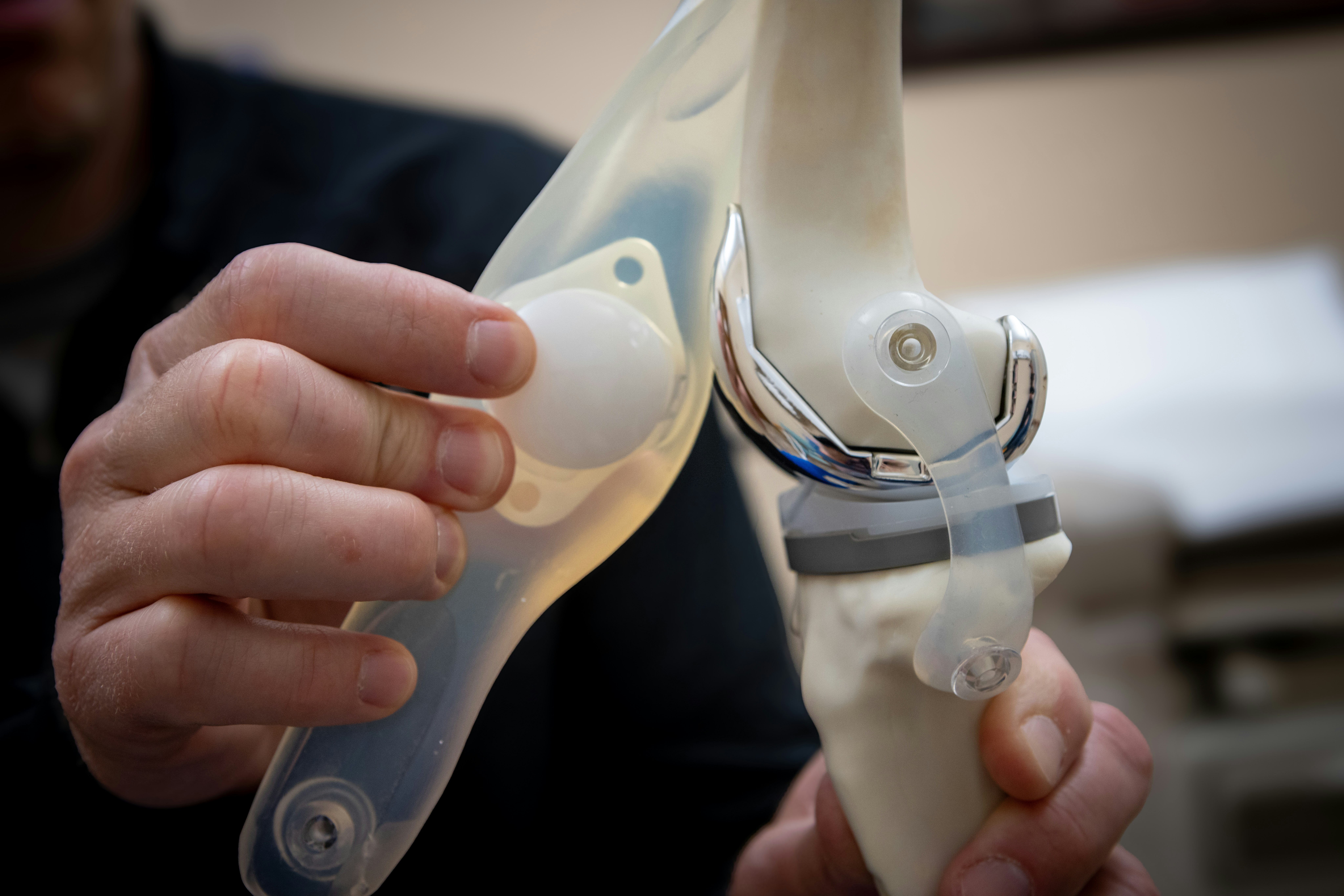
Welcome back home! If you or a loved one has just walked through the front door after a total hip replacement, you are probably feeling a massive wave of relief—and maybe a little bit of anxiety. Healing in your own familiar space is always the best feeling, but adjusting to your temporary physical limitations takes patience. At Indy In-Homecare, we know that the first few weeks are crucial for a smooth recovery. Knowing exactly what is normal and what to prepare for can take the stress out of the healing process. Here is a realistic, step-by-step guide on what to expect as you recover from hip replacement surgery right from the comfort of your own living room. The First Few Days: Prioritize Rest and Pain Management When you first arrive home, your primary job is simply to rest. Your body has been through a major procedure, and you will likely feel wiped out. Weeks 1 to 4: Building Strength and Independence As you move out of the first week, you will start to notice small, encouraging improvements every single day. Adapting Your Environment for Safety A safe home is the foundation of a good recovery. You will be moving a bit slower, and your balance will be off, so preventing falls is your number one priority. The “Don’ts” of Hip Recovery Your surgeon will likely give you a strict list of “hip precautions” to prevent your new joint from popping out of place while the soft tissues heal. For the first 6 to 8 weeks, strictly avoid: Knowing When to Call the Doctor While most recoveries go very smoothly, it is important to listen to your body and watch for warning signs. Call your doctor immediately if you experience: Patience is Your Best Medicine Healing is a marathon, not a sprint. There will be days when you feel incredibly strong, and days when you feel totally exhausted. Give yourself some grace and allow your body the time it needs to heal properly. Take it one day at a time, celebrate the small victories, and don’t hesitate to lean on your family or caregivers for support. From all of us at Indy In-Homecare, we wish you a safe, comfortable, and speedy recovery!
VA Benefits for In-Home Care: What Indiana Veterans Are Entitled To

Indiana hosts approximately 390,000 veterans — and many of them don’t know that the state or VA may owe them significant financial support for in-home care. Whether you’re a veteran yourself or helping a family member navigate the system, understanding what VA benefits for in-home care in Indiana are available can make an enormous difference in how — and where — your loved one receives care. At Indy In-Home Care, we work with Indiana veteran families regularly, and we know firsthand how confusing the VA benefits landscape can be. This guide breaks down every major benefit available to veterans who want to remain at home, with current 2026 rates, eligibility requirements, and practical steps to get started. Why VA Benefits for Home Care Matter More Than Ever in Indiana? For generations, the default assumption was that aging or disabled veterans would eventually move into a nursing facility. That’s changing — and fast. Under the Elizabeth Dole 21st Century Veterans Healthcare and Benefits Improvement Act of 2025, the VA now reimburses eligible veterans’ in-home care at up to 100% of the cost of equivalent VA Community Living Center services, a dramatic increase from the previous 65% cap. That means more Indiana veterans can now receive professional, high-quality care right in their own homes — often at little to no out-of-pocket cost. The key is knowing which benefits to apply for, and in what order. Benefit #1: VA Aid and Attendance (A&A) Aid and Attendance is the most powerful and most underutilized VA benefit for veterans who need help at home. It’s a monthly, tax-free pension add-on available to wartime veterans and their surviving spouses who require assistance with activities of daily living (ADLs) — things like bathing, dressing, eating, and medication management. 2026 Aid and Attendance Rates As of December 1, 2025 through November 30, 2026, the maximum monthly benefit amounts are: Recipient Monthly Benefit Veteran with no spouse or dependent $1,453 / month Veteran with a spouse or dependent $1,903 / month Two veterans married to each other $1,903 / month Surviving spouse with no dependent $974 / month Surviving spouse with a dependent $1,275 / month These figures represent the maximum benefit — actual payments are calculated based on your income, unreimbursed medical expenses, and assets. Veterans with higher care costs often qualify for amounts at or near the maximum. Who Qualifies for Aid and Attendance? To be eligible, a veteran must meet all of the following: Indiana-specific note: Many Indiana veterans assume they don’t qualify because of their home’s value or modest savings. In reality, the VA’s net worth formula is far more lenient than most expect. If your medical expenses are high enough to reduce your “countable income,” you may receive the full benefit even with moderate assets. How Aid and Attendance Is Calculated? The VA uses this formula: Your MAPR (benefit target) minus your countable income ÷ 12 = your monthly payment To calculate countable income, you subtract allowable unreimbursed medical expenses — including in-home care costs — from your gross income. This means the more you spend on in-home care, the more benefit you may qualify for. Benefit #2: VA Housebound Benefit For veterans with a permanent disability who remain substantially confined to their home — but don’t yet meet the full Aid and Attendance criteria — the VA Housebound benefit offers an intermediate level of monthly financial support. The VA builds this benefit into the VA Pension program, which provides meaningful monthly income to help families cover the cost of in-home assistance. Veterans cannot receive both Aid and Attendance and Housebound at the same time; the VA will award whichever provides the greater benefit. Benefit #3: VA Homemaker and Home Health Aide (H/HHA) Program This is a direct VA healthcare service — not a pension — that sends a trained homemaker or home health aide to a veteran’s home to assist with personal care and daily living activities. Services are supervised by a registered nurse and tailored to the veteran’s assessed needs. What the H/HHA Program Covers Who Is Eligible? All enrolled VA healthcare recipients are potentially eligible if they meet clinical criteria and community care eligibility requirements. Services vary somewhat by location and availability. A VA social worker conducts an assessment and helps arrange the appropriate level of care. A copay may apply depending on the veteran’s service-connected disability status — veterans with higher disability ratings typically pay less or nothing. Benefit #4: Veteran Directed Care (VDC) The Veteran Directed Care program is one of the most flexible options available. It gives eligible veterans a monthly budget to hire and manage their own caregivers — including family members, friends, or neighbors — to deliver personal care at home. A VA counselor or social worker helps set up the program and provides ongoing support. This is especially valuable for Indiana veterans in rural areas, where finding a professional caregiver through traditional channels can be difficult. Under the 2026 expansion tied to the Elizabeth Dole Act, this program has broadened in both eligibility and funding, making it accessible to more veterans across Indiana. Benefit #5: VA Respite Care Family caregivers are the backbone of in-home veteran care — and the VA recognizes the toll caregiving takes. VA Respite Care provides eligible veterans with up to 30 days per calendar year of temporary in-home or facility-based care, specifically to give family caregivers a needed break. Respite care can be provided at home or through a VA-approved facility. For family members caring for a veteran with dementia or complex medical needs, this benefit is not just helpful — it’s essential for preventing caregiver burnout. Benefit #6: Program of Comprehensive Assistance for Family Caregivers (PCAFC) If a post-9/11 veteran (or, under recent expansions, veterans from earlier eras) has a serious injury or illness connected to their service and requires personal care services, their primary family caregiver may be eligible for the PCAFC program, which provides: This is one of the most comprehensive family caregiver support programs in
7 Practical Caregiver Strategies Every Indiana Family Should Know (Routine, Lighting, Validation Therapy & More)

Caring for a loved one at home in Indiana is one of the most meaningful — and demanding — roles a person can take on. Whether you’re supporting an aging parent, a spouse with dementia, or a family member with a disability, having the right strategies in place makes all the difference. At Indy In-Home Care, we’ve worked alongside hundreds of Indiana families and seen firsthand how simple, evidence-based techniques can dramatically improve quality of life — for both the person receiving care and the caregiver providing it. In this guide, we’re sharing seven practical strategies that professional in-home caregivers use every day, so you can bring that same level of care right into your own home. Why Caregiver Strategy Matters for Indiana Families Indiana is home to more than 1.1 million unpaid family caregivers, and the demand for quality in-home care in Indiana continues to grow as the senior population expands. Without proven strategies, even the most loving caregiver can experience burnout, and the person in their care can face increased anxiety, confusion, or physical decline. The good news: small, deliberate changes to how care is delivered can produce big results. Let’s walk through seven of the most impactful ones. 1. Build a Consistent Daily Routine For seniors — especially those living with Alzheimer’s, dementia, or anxiety — predictability is profoundly calming. A structured daily routine reduces confusion, minimizes behavioral disruptions, and helps the body regulate sleep, appetite, and mood. How to implement it: Routines don’t need to be rigid — they just need to be reliable. Even small rituals, like an afternoon cup of tea or a morning walk around the block, create anchors that help loved ones feel safe. 2. Optimize Lighting Throughout the Home Poor lighting is one of the most overlooked hazards in home care. Inadequate or harsh lighting contributes to falls, increases agitation in dementia patients (especially in the late afternoon, a phenomenon known as “sundowning”), and disrupts healthy sleep cycles. Practical lighting adjustments: This single intervention — improving lighting — has been shown to reduce falls and improve sleep quality in older adults significantly. 3. Use Validation Therapy for Dementia and Memory Care Validation therapy is a communication approach developed by Naomi Feil in the 1960s, and it remains one of the most compassionate tools in dementia care. Instead of correcting a person’s reality (which increases distress), validation therapy meets them where they are emotionally. The core principle: The feelings behind what someone with dementia says are always real, even if the facts aren’t. How to practice validation therapy at home: Validation therapy reduces agitation, improves emotional wellbeing, and strengthens the caregiver-client relationship — all without medication. 4. Simplify the Environment to Promote Independence A cluttered or overly complex environment can overwhelm seniors and those with cognitive decline. Strategic simplification empowers your loved one to do more on their own — safely. Environment modifications that work: The goal is a home that works with your loved one, not against them. 5. Practice Meaningful Engagement and Activity Loneliness and inactivity are serious health risks for seniors — linked to cognitive decline, depression, and even increased mortality. Meaningful engagement isn’t about keeping someone busy; it’s about connecting them to purpose, identity, and joy. Activity strategies for caregivers: 6. Communicate with Calm, Clear Language How caregivers communicate — tone of voice, word choice, body language — shapes the entire caregiving experience. Especially for individuals with hearing loss, dementia, or anxiety, the way something is said matters as much as what is said. Communication best practices: 7. Prioritize Caregiver Self-Care and Know When to Ask for Help This one is often skipped in caregiver guides, but it may be the most important strategy of all: you cannot pour from an empty cup. Caregiver burnout is real, it’s common, and it degrades the quality of care your loved one receives. Self-care strategies for caregivers: And know this: bringing in professional in-home care is not giving up. It’s giving more — more safety, more expertise, and more energy to the relationship you have with your loved one. How Indy In-Home Care Supports Indiana Families At Indy In-Home Care, our caregivers are trained in all of the strategies outlined above. We serve families across Indiana with compassionate, personalized in-home care services — from companion care and daily living assistance to specialized memory care support. Every care plan we build is tailored to the individual, because we know that no two families — and no two loved ones — are exactly alike. Whether you need a few hours of support each week or around-the-clock care, Indy In-Home Care is here to help your family navigate this journey with confidence and peace of mind. We’re proud to serve the Indiana community and are committed to keeping your loved ones safe, engaged, and cared for — right where they want to be: at home. Frequently Asked Questions About In-Home Care in Indiana What does in-home care in Indiana typically include? In-home care services in Indiana commonly include assistance with daily activities (bathing, dressing, grooming), meal preparation, medication reminders, light housekeeping, companionship, and transportation to appointments. Specialized services may also include dementia care and respite care for family caregivers. How much does in-home care cost in Indiana? According to the 2024 Genworth Cost of Care Survey, in-home care in Indianapolis averages around $5,911 per month, though costs vary based on hours of care and services needed. Indiana Medicaid programs (including the CHOICE waiver) may help cover costs for eligible seniors and individuals with disabilities. What is validation therapy and does it work for dementia? Validation therapy is a communication approach that acknowledges the emotions and reality of a person with dementia rather than correcting them. Research supports its effectiveness in reducing agitation, improving emotional wellbeing, and fostering trust between caregiver and care recipient. When should a family consider professional in-home care in Indiana? Families often begin exploring in-home care when a loved one shows signs of difficulty managing daily tasks safely, experiences frequent
Senior Isolation & Indiana Home Care: A Guide for Families

Loneliness is more than a feeling — for older adults, it’s a serious health crisis that quietly shortens lives. Here’s what every Indiana family needs to know. Your mother calls less frequently. Your father has stopped attending the weekly church group he loved for thirty years. When you visit, the house feels a little quieter than it used to — and so does he. For millions of American families, these small changes are easy to dismiss as “just getting older.” But increasingly, medical researchers are calling senior isolation one of the most dangerous — and most overlooked — threats to elder health in the United States. And here in Indiana, where rural communities and suburban sprawl can leave older adults hours away from family, the problem is especially urgent. In this guide, we’ll cover exactly what senior isolation is, why it’s so physically and mentally harmful, the warning signs most families miss, and — most importantly — what you can do today to protect the older adult in your life. What Is Senior Isolation — and How Common Is It? Social isolation refers to having little or no contact with other people. Loneliness is the subjective feeling of being alone, even if you’re not. For seniors, both are dangerously common — and they often feed each other. The statistics are sobering: What’s driving this? A confluence of factors uniquely affecting older adults: the death of a spouse or close friends, retirement removing daily social structure, mobility limitations making it harder to get around, adult children living in different cities, and chronic health conditions that make leaving the house difficult or uncomfortable. In Indiana, this is compounded by geography. Many elderly residents live in rural counties where neighbors are miles apart and public transportation is limited. Even in urban centers like Indianapolis, older adults in fixed-income housing can go days without meaningful human contact. “The health impact of social isolation is comparable to smoking 15 cigarettes a day. This is not a soft, emotional problem — it is a medical crisis.”— U.S. Surgeon General’s Advisory on Loneliness, 2023 The Serious Health Risks of Senior Loneliness Families often think of elder isolation as a quality-of-life issue — sad, but not dangerous. The medical evidence says otherwise. Chronic social isolation in older adults is linked to a cascade of serious physical and cognitive health outcomes. Cognitive Decline and Dementia Regular social engagement is one of the most powerful ways to keep aging brains sharp. When seniors lose their social connections, the brain receives less stimulation, less feedback, and less challenge. Studies show that socially isolated older adults have a 50% greater risk of developing dementia, including Alzheimer’s disease. The mechanism is real: isolation accelerates the buildup of amyloid plaques and tau tangles in the brain that are hallmarks of Alzheimer’s. Depression and Anxiety Depression is not a normal part of aging — but it becomes far more common in isolated seniors. Older adults with limited social contact are significantly more likely to experience clinical depression, generalized anxiety, and in severe cases, suicidal ideation. What makes this particularly dangerous is that isolated seniors often have no one close enough to notice the change and intervene. Heart Disease and Stroke The link between loneliness and cardiovascular disease is well-established. Isolated seniors show elevated levels of cortisol (the stress hormone), increased blood pressure, and heightened inflammatory markers — all major drivers of heart disease. Research published in the journal Heart found that social isolation was associated with a 29% higher risk of heart disease and a 32% greater risk of stroke. Weakened Immune Function Chronic loneliness suppresses immune function at the cellular level, making seniors more susceptible to infections, slower to recover from illness, and less responsive to vaccines. This was starkly illustrated during the COVID-19 pandemic, where isolated seniors experienced dramatically worse health outcomes even independent of direct virus exposure. Falls and Physical Decline Isolated seniors are less likely to maintain physical activity, more likely to neglect nutrition, and more likely to fall — and far less likely to have anyone nearby to help if they do. Falls remain the leading cause of injury-related death among Americans over 65, and social isolation is a documented risk factor. Warning Signs Your Loved One May Be Socially Isolated Many seniors won’t tell their family they’re lonely — out of pride, out of a desire not to be a burden, or simply because they’ve normalized it. These are the signs to watch for: What Indiana Families Can Do Right Now The good news: senior isolation is largely preventable and reversible. Research shows that even modest increases in social connection produce measurable health benefits. Here’s a practical roadmap for families. Practical Steps to Combat Senior Isolation How In-Home Care Addresses Senior Isolation Directly For many Indiana families — especially those managing long-distance caregiving — professional in-home care is the most practical and effective solution to senior isolation. And it does far more than many families realize. At Indy In-Home Care, our caregivers are trained to provide meaningful companionship alongside hands-on assistance. Whether it’s sharing a meal, helping with light exercise, playing cards, accompanying a senior to a doctor’s appointment, or simply sitting and talking — these interactions deliver the social stimulation that aging brains and hearts need to stay healthy. The benefits of regular in-home care visits for isolated seniors include: Consistent human connection: Unlike sporadic family visits, a scheduled caregiver provides a reliable social relationship your loved one can count on — the kind of predictable connection that research shows is most beneficial for mental health. Safety monitoring and early intervention: A caregiver who sees your parent regularly is positioned to notice changes in mood, appetite, cognition, or physical health early — before a small problem becomes a crisis. For isolated seniors living alone, this can be life-saving. Support for daily activities that preserve dignity and independence: When seniors can no longer safely manage tasks like cooking, bathing, or transportation on their own, the alternative is often a care facility — a transition that
Early Signs of Dementia Families Often Miss

You’ve probably noticed something feels a little off with a parent or grandparent lately — but you can’t quite put your finger on it. Maybe they repeated a story twice over dinner. Maybe they seemed confused driving home from a place they’ve visited for decades. You told yourself it was just “getting older.” But what if it wasn’t? The early signs of dementia rarely announce themselves loudly. They creep in quietly, disguised as stress, distraction, or simply aging. And for families across Indiana, missing those early signals can mean losing precious time to plan, connect, and get help. 📋 In This Article What Is Dementia, Really? Dementia is not a single disease — it’s an umbrella term covering a range of symptoms that affect memory, thinking, behavior, and the ability to perform everyday tasks. Alzheimer’s disease is the most common form, accounting for 60–80% of cases, but other types include vascular dementia, Lewy body dementia, and frontotemporal dementia. According to the Alzheimer’s Association, more than 6 million Americans are living with Alzheimer’s today — and that number is expected to nearly double by 2050. In Indiana alone, an estimated 110,000 people are living with Alzheimer’s dementia. Here’s the thing most people don’t realize: symptoms can begin 10–20 years before a formal diagnosis. That’s why knowing the early signs isn’t just helpful — it can be life-changing. 10 Early Signs Families Often Miss These aren’t the obvious signs you might expect. They’re the subtle ones — the ones that are easy to explain away or chalk up to a bad week. Pay attention to patterns over time, not isolated incidents. SIGN 01 Struggling to Follow a Familiar Recipe Your mom has made her famous pot roast every Thanksgiving for thirty years. Now she seems confused about the order of steps or forgets ingredients she always used. Difficulty planning and completing familiar multi-step tasks — cooking, paying bills, playing a favorite card game — is one of the earliest cognitive red flags. It’s different from just forgetting where the nutmeg is. SIGN 02 Repeating the Same Question Within Minutes Everyone forgets things. But asking the same question — “What time is the appointment?” — three times in a 20-minute window, especially with no memory of having already asked, is worth noting. This isn’t forgetfulness; it reflects difficulty forming new short-term memories, one of the hallmark early symptoms of Alzheimer’s disease. SIGN 03 Getting Lost on Routes They Know By Heart Spatial disorientation is often one of the first cognitive changes families notice — or almost notice. If your father gets confused driving to the grocery store he’s visited weekly for 20 years, or parks in completely wrong areas, it could signal changes in spatial reasoning and memory recall. This sign is particularly dangerous because it often goes unreported out of embarrassment. SIGN 04 Unusual Mood Changes or Personality Shifts A typically warm, patient person who has become increasingly anxious, suspicious, withdrawn, or irritable may be experiencing early dementia. The brain changes associated with dementia directly affect emotional regulation. Families often attribute this to depression or stress — and while those should also be evaluated, a personality shift without an obvious cause warrants a conversation with a doctor. SIGN 05 Difficulty Finding Common Words Watch for pausing mid-sentence, using vague placeholder words like “the thing” or “you know, that stuff,” or referring to objects by descriptions rather than names (“the thing you write with” instead of “pen”). This is called anomia, and while it can happen to anyone occasionally, frequent word-finding problems — especially with common, everyday words — can be an early indicator of cognitive decline. SIGN 06 Poor Judgment or Financial Mistakes Falling for phone scams, giving unusually large amounts of money to strangers, or making baffling financial decisions can signal impaired judgment — one of the less discussed but critical early signs of dementia. The National Council on Aging estimates that financial exploitation costs older Americans billions of dollars annually, with cognitive decline being a major contributing factor. SIGN 07 Withdrawing from Hobbies and Social Activities It’s easy to see withdrawal as introversion or just “slowing down.” But when someone who loved their book club, bowling league, or gardening group suddenly loses interest and avoids group settings, it’s worth asking why. Often, people in early stages of dementia pull back from activities they once loved because they’re aware something isn’t right — and social situations make it more obvious. The withdrawal is a coping mechanism, not a preference. SIGN 08 Trouble Managing Time or Dates Forgetting what day of the week it is occasionally? Normal. Frequently losing track of months, seasons, or years — or being confused about what time of day it is — is different. People in early dementia sometimes can’t understand something that isn’t happening right now, struggling to place themselves in time. They may think a past event is still upcoming, or be confused why it’s dark at 7pm in winter. SIGN 09 Misplacing Items in Strange Locations We all misplace things. But putting the television remote in the freezer, or finding glasses in the bathroom cabinet next to the shampoo — and having no recollection of doing it — is different from forgetting where you left your keys. People with early dementia often misplace items in illogical places and may accuse others of stealing when they can’t find something. SIGN 10 Changes in Hygiene or Home Upkeep A previously tidy person who suddenly stops cleaning their home, wearing clean clothes, or maintaining basic grooming may be struggling to sequence daily self-care tasks. Dementia can make it hard to remember to shower, or to initiate the steps involved. Because this sign can feel like a sensitive topic, families often avoid it — but it can be one of the clearest early indicators that something more than laziness is going on. 💡 Family TipKeep a simple log when you notice something concerning. Note the date, what happened, and whether it seemed out of character. A pattern documented over several weeks is far more useful to a doctor than a
PTSD and Aging: How In-Home Care Helps Veterans Stay Independent

Every morning, Robert — a 74-year-old Vietnam veteran living outside Indianapolis — goes through the same ritual before he’ll open his front door. He checks the locks twice, looks through the peephole for a long moment, and takes a slow breath before stepping onto his porch. His neighbors think he’s careful. His daughter knows the truth: her father has been fighting a war inside his own mind for fifty years. He is not alone. Across Indiana, tens of thousands of aging veterans are quietly navigating the intersection of two complex realities: the long shadow of combat trauma and the physical and cognitive challenges of growing older. For many, these two forces collide in ways that families and even physicians don’t fully anticipate — and the results can be isolating, frightening, and deeply misunderstood. This is a story about why that happens, what it looks like, and how compassionate, professional in-home care is giving Indiana veterans like Robert their lives back. What Happens to PTSD as Veterans Age? Post-Traumatic Stress Disorder doesn’t always get easier with time. For many veterans, it gets harder. Research published by the U.S. Department of Veterans Affairs shows that PTSD symptoms in older veterans can intensify — not fade — as they age. The reasons are layered and often interact with each other in cruel ways: Retirement removes structure. For decades, work provided a rhythm, a purpose, and a distraction. When that scaffolding disappears, unresolved trauma often rushes in to fill the silence. Physical decline triggers helplessness. A veteran who spent his life priding himself on toughness may find that needing help with daily tasks brings back the helplessness and loss of control that trauma first installed. Loss compounds grief. As spouses, fellow veterans, and friends pass away, older veterans lose the informal support systems that helped them cope. Social isolation — already a hallmark of PTSD — deepens. Sleep disorders escalate. Nightmares and hypervigilance, common PTSD symptoms, interfere with sleep at any age. But in older adults, chronic poor sleep accelerates cognitive decline, weakens the immune system, and increases fall risk. Medication complexity. Veterans managing multiple chronic conditions often take numerous medications, some of which can interact with or worsen psychiatric symptoms. According to the National Center for PTSD, roughly 70 to 90 percent of older veterans have experienced at least one traumatic event in their lifetime, and a significant portion carry undiagnosed or untreated PTSD — conditions that went unnamed and unacknowledged during eras when asking for help was seen as weakness. What PTSD-Related Decline Looks Like in Aging Veterans Families sometimes mistake the behavioral changes of PTSD for “just getting old.” This misreading leads to delayed help and unnecessary suffering. Here are some of the signs that PTSD may be complicating a veteran’s aging process: If you recognize these patterns in a loved one, the response that matters most isn’t a clinical one — it’s a human one. Consistency, patience, and the right kind of support can change everything. Why “Just Going to a Facility” Isn’t the Answer for Most Veterans It’s a well-meaning suggestion. When an aging parent starts struggling, the instinct of many families is to look at assisted living or memory care facilities. And for some veterans, those settings work beautifully. But for veterans with PTSD, institutional settings often carry significant risks: In-home care sidesteps every one of these barriers. And that’s not a small thing — that’s the difference between a veteran thriving in his own home or spending his final years in preventable decline. How In-Home Care Specifically Helps Veterans with PTSD 1. Preserving Control and Routine Veterans with PTSD often rely on predictable routines to stay emotionally regulated. An in-home caregiver who arrives at the same time each day, follows the same sequence of tasks, and never surprises the veteran with unexpected changes provides something that has real neurological value: safety through predictability. At Indy In-Home Care, caregivers are matched thoughtfully with veterans based on personality, communication style, and the specific needs of the individual. We understand that trust is not assumed — it’s built, carefully and over time. 2. Supporting Mental Health Without Clinical Intrusion In-home caregivers aren’t therapists, and the good ones don’t try to be. But they provide something therapy alone cannot: consistent, daily human presence. Simple activities — a walk around the block, a shared cup of coffee, a conversation about old photographs — can reduce the social isolation that feeds PTSD symptoms. Caregivers can also help veterans stay connected with their VA mental health resources, gently encouraging and helping with appointment scheduling, telehealth sessions, and medication adherence. The VA’s Caregiver Support Program also offers resources for families and professional caregivers supporting veterans — a valuable complement to in-home care services. 3. Fall Prevention and Physical Safety PTSD disrupts sleep. Disrupted sleep impairs balance and coordination. Poor coordination in an aging body means falls — and falls in older adults are a leading cause of injury and loss of independence. In-home caregivers provide hands-on assistance with mobility, help reorganize the home environment to reduce hazards, and ensure that a veteran is never navigating a dark hallway alone at 3 a.m. 4. Medication Management Many veterans with PTSD are managing a complex regimen of medications for both physical and psychiatric conditions. Missing doses, doubling up, or combining medications incorrectly can have serious consequences. In-home caregivers provide reminders, organize pill schedules, and flag concerns to family members or healthcare providers. 5. A Bridge Back to the Family PTSD can be corrosive to family relationships. Veterans often withdraw from the people who love them most, and family members — exhausted by years of walking on eggshells — sometimes pull back in return. A professional caregiver absorbs some of the daily caregiving burden, allowing family members to simply be present as a son, daughter, or spouse again — not as a round-the-clock caregiver managing crises. Indiana Veterans and the Access Gap Indiana has a proud military tradition. According to the Indiana Department of Veterans Affairs, the
How to Keep Seniors Mentally Sharp: 8 Caregiver-Approved Tips

Cognitive decline doesn’t have to be inevitable. Research shows that consistent mental stimulation, healthy habits, and strong social connection can significantly slow memory loss in older adults — here’s what caregivers swear by. Caring for an aging parent or loved one comes with many challenges — but one of the most meaningful things you can do is actively support their cognitive health. With rates of Alzheimer’s disease and dementia rising, families across the country are searching for practical, evidence-backed ways to maintain brain health in seniors. Whether you are a family caregiver or working with a professional home care provider like Indy In-Home Care, these eight caregiver-approved strategies can make a measurable difference in your loved one’s mental sharpness, memory, and overall quality of life. Engage the Brain with Daily Mental Exercises One of the most well-researched strategies for preventing cognitive decline in older adults is regular mental stimulation. Activities like crossword puzzles, Sudoku, word games, reading, learning a new language, or playing a musical instrument all challenge the brain to build and maintain neural connections. Caregivers should aim to incorporate at least one mentally stimulating activity into the daily routine. Even 20–30 minutes of focused cognitive activity can yield long-term benefits. Caregiver tip: Rotate activities week by week — novelty is itself a form of stimulation. Try a new recipe, a new card game, or a documentary on an unfamiliar subject. Prioritize Social Interaction Loneliness and social isolation are directly linked to accelerated memory loss in elderly individuals. Regular conversation, visits from family, group activities, and community involvement all stimulate the brain in ways solitary activities cannot replicate. Encourage your senior to join a book club, attend a senior center, video call grandchildren, or simply share a meal with a neighbor. Even brief, quality social interactions can reduce the risk of depression and dementia. Research note: A landmark Harvard study found that strong social ties were among the most powerful predictors of healthy aging — more so than genetics. Encourage Physical Activity Physical exercise isn’t just good for the body — it’s one of the most powerful tools for improving memory in seniors. Aerobic exercise increases blood flow to the brain, promotes the growth of new neurons, and reduces inflammation. Studies consistently show that seniors who walk regularly have significantly lower rates of cognitive decline. Aim for at least 150 minutes of moderate activity per week. Walking, chair yoga, water aerobics, and gentle stretching are all excellent options for older adults with varying mobility levels. Maintain a Brain-Healthy Diet Nutrition plays a critical role in senior cognitive health. The MIND diet — a hybrid of the Mediterranean and DASH diets — has been specifically associated with reduced Alzheimer’s risk. Key foods include leafy greens, berries, nuts, whole grains, fish, olive oil, and beans. Caregivers should watch for nutritional deficiencies common in older adults, particularly B12, vitamin D, and omega-3 fatty acids, all of which are closely tied to brain function. Caregiver tip: Make meal prep a shared activity — cooking together stimulates the senses, encourages creativity, and doubles as a social and cognitive exercise. Establish Consistent Sleep Routines Poor sleep is strongly associated with dementia risk factors and accelerated cognitive decline. During sleep, the brain clears out toxic waste products — including amyloid plaques linked to Alzheimer’s disease. Seniors who regularly get 7–8 hours of quality sleep perform significantly better on memory and attention tasks. Help your loved one by establishing a consistent bedtime, limiting screen exposure in the evening, reducing caffeine after noon, and creating a calm, dark, quiet sleep environment. Manage Chronic Stress and Anxiety Chronic stress elevates cortisol levels, which over time can damage the hippocampus — the brain’s memory center. Mental health care for seniors is just as important as physical care. Mindfulness, meditation, gentle breathing exercises, and spending time in nature are all evidence-backed stress reduction strategies. Caregivers can also help by creating a predictable, calm daily environment. Unpredictability and confusion can be major sources of anxiety for seniors with early cognitive changes. At Indy In-Home Care, compassionate caregivers are trained to create emotionally supportive environments that help minimize anxiety and promote mental well-being — allowing seniors to feel safe, heard, and at ease in their own homes. Introduce Technology for Cognitive Stimulation Digital tools offer exciting new avenues for brain training for seniors. Apps like Lumosity, BrainHQ, and Elevate offer structured cognitive exercises targeting memory, attention, and processing speed. Video games — especially those requiring problem-solving and strategy — also show promising results in research. Introducing a tablet or smartphone to seniors who have never used one is itself a powerful cognitive exercise. Learning new technology engages memory, fine motor skills, and adaptive thinking all at once. Caregiver tip: Start with one easy, enjoyable app and provide patient, repeated guidance. The learning process is the benefit — not just the end result. Keep a Sense of Purpose and Routine Research consistently shows that seniors who maintain a strong sense of purpose — through volunteering, mentoring, creative hobbies, or contributing to family life — show greater resilience against age-related cognitive decline. Purpose gives the brain direction, motivation, and meaningful engagement. Help your loved one identify activities that feel meaningful to them: tending a garden, writing a memoir, mentoring younger family members, or participating in community service. Structure and intention in daily life are deeply protective for brain health. The Caregiver’s Role in Cognitive Health Ultimately, keeping a senior mentally sharp is a collaborative effort — and professional caregivers play an enormous role. A skilled in-home caregiver doesn’t just help with daily tasks; they engage, converse, encourage, and provide the social connection that is so vital to a healthy aging brain. The professional team at Indy In-Home Care is dedicated to providing personalized, holistic care that supports not just physical well-being, but cognitive vitality. From planning mentally stimulating activities to accompanying seniors on walks and facilitating meaningful routines, in-home caregivers are some of the most important allies in the fight against cognitive decline. Ready to Support Your Loved One’s Brain Health? Indy In-Home Care offers personalized senior care plans designed to promote
Sundowning: Why It Happens and How Caregivers Can Help

It starts around the same time every day. The sun begins to dip below the horizon; the light in the room shifts—and your loved one, who seemed perfectly calm just an hour ago, becomes restless, confused, or even agitated. They may pace the hallway, accuse family members of things that never happened, or insist they need to “go home” even though they are home. If this sounds familiar, you’re not alone—and you’re not imagining it. What you’re witnessing has a name: sundowning. It’s one of the most common and emotionally exhausting challenges that families and caregivers face when caring for someone with Alzheimer’s disease or dementia. Understanding what sundowning is, why it happens, and—most importantly—what you can do about it can make an enormous difference for everyone involved. What Is Sundowning? Sundowning—also called “late-day confusion”—refers to a pattern of increased confusion, anxiety, agitation, or unusual behavior that typically appears in the late afternoon or evening hours in people with dementia or Alzheimer’s disease. It isn’t a disease in itself, but rather a cluster of symptoms that tend to worsen as the day winds down. For some people, these episodes are mild—a bit more forgetfulness or emotional sensitivity. For others, sundowning can be severe and deeply distressing, involving hallucinations, paranoia, or even attempts to leave the home. Common signs of sundowning include: Why Does Sundowning Happen? Researchers don’t yet have one definitive answer, but there are several well-supported theories. Dementia causes real, physical changes in the brain—including in the areas that regulate sleep, mood, and our internal body clock. Here’s what we currently understand: 1. Disruption of the Internal Body Clock (Circadian Rhythm) The brain has a built-in clock that regulates when we feel alert and when we feel sleepy. In people with Alzheimer’s, this clock is often damaged, leading to confusion about the time of day. As natural light fades in the evening, the brain may lose important cues that help it stay oriented—triggering anxiety and disorientation. 2. Physical Fatigue and Mental Exhaustion Living with dementia takes enormous mental effort. By the end of the day, the brain has been working hard to compensate for cognitive gaps—and it simply runs out of steam. Think of sundowning as a kind of “cognitive fuel tank” running dry by late afternoon. 3. Reduced Lighting and Visual Cues Dim lighting makes it harder for someone with dementia to interpret their environment accurately. Shadows on a wall can look like people. A coat hanging on a door can appear threatening. Adequate, consistent lighting throughout the evening can dramatically reduce these misperceptions. 4. Unmet Needs and Discomfort Sometimes sundowning is triggered by something physical: hunger, pain, needing to use the bathroom, or feeling too hot or cold. People with advanced dementia often cannot articulate what they need, and agitation becomes their way of communicating discomfort. 5. Medication Side Effects Certain medications can cause or worsen confusion, especially if they wear off in the afternoon. It’s worth discussing with your loved one’s physician whether timing adjustments might help. Practical Strategies Caregivers Can Use The good news is that sundowning can often be managed—and sometimes significantly reduced—with the right strategies. No single approach works for everyone, so think of this as a toolbox. Try different combinations and pay attention to what works for your loved one. Keep a Consistent Daily Routine Predictability is deeply calming for people with dementia. Try to schedule meals, activities, and bedtime at the same time each day. A structured routine reduces the uncertainty that the brain struggles to process. Even small rituals—a cup of herbal tea at 4 PM, a favorite TV show in the early evening—can act as anchors. Brighten the Home Before Dusk Start turning on the home’s lights at least 1 to 2 hours before sunset. Bright, warm lighting helps maintain orientation and reduces the shadow distortions that can trigger fear or confusion. Consider investing in full-spectrum light bulbs, which more closely mimic natural daylight. Limit Napping—Especially in the Late Afternoon Long or late-afternoon naps can disrupt nighttime sleep and worsen sundowning. If your loved one needs rest, encourage shorter naps earlier in the day. Keeping them gently active in the afternoon—a short walk, light stretching, or a simple activity—can help regulate their energy levels. Use Calming Activities During the “Danger Zone” Hours The late afternoon—roughly 3 PM to 7 PM for most people—is when the risk of sundowning is highest. Plan gentle, enjoyable activities during this window to keep your loved one engaged and calm. Good options include: Respond to Emotions, Not Just Behaviors When your loved one is convinced they need to “get home before dinner” or insists that someone has stolen their belongings, arguing or correcting them rarely helps—and usually makes things worse. Instead, try to acknowledge the feeling behind the statement. “You’re missing home? “Let’s sit together, and I’ll make you something warm” is far more effective than “You ARE home—you’ve lived here for 10 years.” This technique—called validation therapy—meets the person where they are emotionally, rather than where you know them to be factually. Watch for Physical Triggers Before assuming sundowning is purely neurological, rule out physical discomfort. Ask yourself: When did they last eat or drink? Do they need to use the bathroom? Are they in pain or sitting in an uncomfortable position? Addressing these basic needs first can sometimes prevent an episode from escalating. Reduce Stimulation in the Evening Loud TV programs, busy household activity, or too many people visiting in the evening can overwhelm a dementia patient’s already-taxed nervous system. Try to create a quieter, calmer environment as bedtime approaches. Lower the volume, reduce foot traffic in the home, and use softer, warmer lighting. A Word to Caregivers: You Matter Too Dealing with sundowning night after night is exhausting. The emotional weight of watching someone you love become frightened or angry — and not being able to fully “fix” it — can lead to caregiver burnout faster than almost anything else in dementia care. If you find yourself dreading the late