
In-Homecare Support for Seniors After Hospital Discharge: A Complete Guide

Hospital discharge can be a critical moment for seniors and their families. After days or even weeks in the hospital, older adults often return home still recovering from illness, injury, or surgery. While doctors may declare a patient stable enough to leave the hospital, the healing process is far from over. Without proper support, seniors face a higher risk of complications, medication errors, or hospital readmission. This is where professional in-homecare services become essential. Quality in-home care for seniors ensures that older adults receive the assistance they need while remaining comfortable in their own homes. Families increasingly rely on home care services, post-hospital care, and senior caregiving support to help loved ones recover safely and regain independence. In this article, we will explore how professional in-homecare supports seniors after hospital discharge, the benefits it offers, and why many families choose home healthcare services in Indiana to ensure a smooth recovery. Understanding the Challenges Seniors Face After Hospital Discharge Leaving the hospital does not mean a senior is fully recovered. Many older adults face several challenges during the post-hospital recovery period, including: For seniors living alone, these challenges can be overwhelming. Without proper post-hospital home care, simple tasks like preparing meals, bathing, or remembering medications can become difficult. Studies show that seniors without adequate support after discharge have a higher likelihood of hospital readmissions, which can negatively affect long-term health outcomes. This is why professional in-home care for seniors plays a crucial role in helping older adults transition safely from hospital to home. The Importance of Post-Hospital Home Care for Seniors Post-hospital home care services focus on helping seniors recover safely in a familiar environment. Professional caregivers provide personalized assistance that addresses both medical and non-medical needs. Instead of moving to a rehabilitation facility or nursing home, many seniors prefer aging in place with the help of trained caregivers. Benefits of post-hospital in-homecare services include: With the right home health support, seniors can regain independence while staying safe and comfortable at home. Medication Management and Health Monitoring One of the most critical aspects of post-hospital care for seniors is medication management. After discharge, seniors may be prescribed multiple medications with different schedules and instructions. Professional caregivers help by: Medication errors are a common cause of hospital readmissions among seniors. Having a trained caregiver present greatly reduces this risk. Additionally, caregivers monitor vital signs, observe changes in health conditions, and ensure that seniors follow the recovery plan recommended by their doctors. Assistance with Daily Activities After a hospital stay, many seniors struggle with activities of daily living (ADLs) such as bathing, dressing, grooming, and mobility. Professional in-home caregivers assist with: These services allow seniors to maintain dignity and independence while recovering safely at home. Families searching for reliable senior home care services in Indiana often turn to experienced providers like Indy In-Homecare, which offers compassionate assistance tailored to each individual’s recovery needs. Fall Prevention and Home Safety Falls are one of the biggest health risks for seniors, especially after hospitalization when mobility may be limited. Professional home care providers help reduce fall risks by: These safety measures significantly reduce the chances of injuries that could lead to another hospital visit. Creating a safe home environment is a vital part of post-hospital recovery for seniors. Emotional Support and Companionship Hospital stays can be emotionally draining. Many seniors experience feelings of anxiety, loneliness, or depression after returning home. Professional caregivers provide valuable companionship and emotional support, which helps seniors stay positive and motivated during recovery. Companionship services may include: Emotional well-being is closely connected to physical healing, and compassionate caregivers play an important role in supporting both. Support with Medical Appointments and Therapy After hospital discharge, seniors often have several follow-up appointments, physical therapy sessions, or rehabilitation programs. Caregivers assist by: This coordination ensures that seniors stay on track with their recovery plans. Many families rely on trusted providers such as Indy In-Homecare to help manage these responsibilities and ensure seniors receive consistent support during the healing process. Nutrition and Meal Preparation Proper nutrition is essential for post-surgery recovery and illness recovery. However, many seniors find it difficult to prepare healthy meals while recovering. Caregivers help by: Balanced nutrition helps improve energy levels, supports immune function, and speeds up recovery. Personalized Care Plans for Every Senior Every senior has unique health needs after leaving the hospital. Professional in-homecare services create customized care plans designed around each individual’s medical condition, lifestyle, and recovery goals. Personalized care may include: With tailored support, seniors receive exactly the level of care they need to recover safely and comfortably. Families across Indiana trust experienced providers like Indy In-Homecare to deliver compassionate, personalized care that helps seniors regain independence and maintain a high quality of life. Why Families Choose Professional In-Homecare After Hospital Discharge The demand for professional home care services for seniors continues to grow as more families recognize the benefits of in-home recovery. Key reasons families choose in-homecare support include: With trained caregivers providing daily assistance, families gain peace of mind knowing their loved ones are safe and supported. Final Thoughts Recovering after a hospital stay can be challenging for seniors, but the right support can make all the difference. Professional in-homecare services provide essential assistance that helps older adults heal safely, maintain independence, and avoid unnecessary hospital readmissions. From medication management and mobility assistance to companionship and fall prevention, in-home caregivers play a vital role in supporting seniors during the recovery process. For families seeking reliable home care services in Indiana, professional providers like Indy In-Homecare offer compassionate care designed to help seniors transition smoothly from hospital to home while maintaining comfort, dignity, and quality of life.
Why More Families Are Choosing Aging in Place in Indiana Over Nursing Homes

For decades, nursing homes were considered the default option when seniors needed extra help. Today, families are rethinking that decision as more people research options like aging in place services that allow loved ones to remain safely at home. Across the state, more families are choosing aging in place Indiana solutions instead of moving their loved ones into institutional settings. The reason is simple: seniors want to stay home — and modern home care services now make that possible safely. If you’re exploring long-term care options for your parent, understanding why aging in place in Indiana is becoming the preferred choice can help you make a confident, informed decision. The Growing Demand for Aging in Place in Indiana According to AARP, nearly 77% of adults over age 50 want to remain in their homes as they grow older. That desire is even stronger among seniors who have lived in the same home for decades. Home represents: The concept of aging in place in indiana focuses on allowing seniors to live safely in their own homes with the right level of professional support. Instead of relocating to a facility, care comes to them. Independence Is the Top Priority One of the biggest reasons families choose aging in place in Indiana over nursing homes is independence. In a nursing facility, daily life often follows a structured schedule set by the organization. Meals, activities, and routines are designed for efficiency across many residents. At home, seniors: Maintaining control over daily life significantly improves emotional well-being and reduces anxiety. Aging in place Indiana services are designed to protect independence — not limit it. Personalized, One-on-One Attention Nursing homes typically have multiple residents assigned to one caregiver. While staff work hard, time and attention are divided. With aging in place in Indiana, care is personalized and focused entirely on one individual at a time. This may include: Customized care plans are one of the main reasons families are turning toward aging in place Indiana solutions. Lower Exposure to Illness Shared living environments increase exposure to contagious illnesses. In recent years, many families saw how quickly infections can spread in congregate care settings. Aging in place in Indiana reduces that risk significantly because seniors remain in their own controlled home environment. For families concerned about health vulnerabilities, this added safety factor plays a major role in choosing home-based care. Cost Flexibility Compared to Nursing Homes Many families assume nursing homes are the only solution for advanced support, but full-time residential care can cost thousands per month. One advantage of aging in place Indiana services is flexibility. Care can be scheduled: This allows families to match services to both needs and budget. Instead of paying for full institutional care, families can scale support appropriately — making aging in place in Indiana a financially manageable option for many households. Emotional Stability and Familiar Surroundings Relocating to a nursing home can be emotionally overwhelming. Seniors often experience: Remaining at home promotes stability. Familiar surroundings reduce stress and improve confidence. When seniors feel secure in their environment, they’re more likely to maintain routines, stay socially engaged, and experience better overall health outcomes. Aging in place Indiana services prioritize comfort while ensuring safety. Family Involvement Remains Strong Another key reason families choose aging in place in Indiana is that it keeps loved ones actively involved. At home: Rather than feeling disconnected, families feel engaged in care decisions. This collaboration strengthens relationships instead of creating emotional distance. When Is a Nursing Home Necessary? There are situations where nursing homes may be appropriate — particularly when a senior requires intensive medical supervision that cannot be safely provided at home. However, many seniors do not require that level of medical intervention. They simply need structured assistance with daily living. For those individuals, aging in place Indiana provides the right balance between safety and independence. Signs It May Be Time to Consider Aging in Place Indiana Services Families often explore support when they notice: Addressing these concerns early prevents emergencies and helps seniors remain at home longer. How Indy In-Homecare Supports Aging in Place Indiana For families seeking reliable solutions, Indy In-Homecare provides compassionate support designed specifically for seniors who want to remain at home. Their personalized care plans help make aging in place Indiana both safe and sustainable. Services range from companionship and daily assistance to more comprehensive support depending on individual needs. Families trust Indy In-Homecare because their caregivers focus on dignity, comfort, and independence — ensuring seniors receive professional care without sacrificing the familiarity of home. By choosing Indy In-Homecare, families gain peace of mind knowing their loved one can continue aging in place in Indiana with the right level of guidance and hands-on assistance. The Bottom Line: Home Is Still the Preferred Choice The shift toward aging in place Indiana isn’t just a trend — it reflects what seniors genuinely want. They want: With the right support system in place, staying home is not only possible — it’s often the healthiest option. If you’re weighing nursing home placement against home-based care, consider whether aging in place in Indiana could meet your parent’s needs first. For many families, bringing care into the home is the decision that protects both safety and dignity. And sometimes, the best place to receive care… Is right where you already belong.
Is It Time for In-Home Care? 6 Signs Your Aging Parent in Indiana May Need Help

As parents age, the changes often happen slowly. A forgotten appointment here. A minor fall there. A house that isn’t as tidy as it once was. At first, it’s easy to dismiss these as “normal aging.” But sometimes, they are early warning signs that your loved one may need In-homecare in Indiana. Recognizing when to consider senior care can make the difference between preventing a crisis and reacting to one. With over 1.2 million Indiana residents age 60 and older, the demand for dependable Indiana senior care continues to rise each year. According to AARP, nearly 77% of adults over 50 want to remain in their homes as they age. Aging at home is absolutely possible — but only when safety, daily support, and professional Indiana senior care services are in place to protect health and independence. If you’re wondering whether it’s time to explore professional help, here are six clear signs your aging parent in Indiana may need additional care — and why early Indiana senior care support matters. 1. Frequent Falls or Unsteady Walking Falls are one of the most serious threats to senior independence. The CDC reports that more than one in four adults age 65 and older falls every year. Falls are the leading cause of injury-related deaths among older adults in the United States. Warning signs include: Even one fall can reduce confidence dramatically. Seniors often begin limiting movement after a fall, which weakens muscles and increases future fall risk. Professional In-homecare in Indiana can help reduce this risk by: If your parent has fallen more than once in the past year, it may be one of the strongest indicators they need Indiana senior care support. 2. Difficulty Managing Daily Chores Take a close look at your parent’s living environment. Are there stacks of unopened mail? Spoiled food in the refrigerator? Laundry piling up? According to the National Institute on Aging, nearly 20% of adults over 65 require help with at least one daily activity, and the number increases significantly after age 75. Daily tasks that become difficult include: When seniors struggle with Activities of Daily Living (ADLs), their health can decline quickly. Reliable Indiana senior care allows aging parents to remain in their homes while receiving assistance with housekeeping, meal preparation, and personal care — preserving dignity without sacrificing safety. 3. Missed Medications or Doctor Appointments Medication errors are more common than many families realize. The National Council on Aging estimates that improper medication use causes over 125,000 deaths annually among older adults in the U.S. Red flags include: Many seniors manage several prescriptions at once. Even small memory lapses can lead to dangerous consequences. Professional In-homecare in Indiana provides medication reminders, appointment transportation, and health monitoring — reducing hospitalizations and preventing avoidable complications. If your parent frequently says, “I forgot,” this may be a clear sign that additional Indiana senior care is necessary. 4. Noticeable Weight Loss or Poor Nutrition Nutrition plays a critical role in healthy aging. Research shows that up to 15% of older adults experience malnutrition, and seniors living alone face even higher risks. Signs to watch for: Poor nutrition increases the risk of falls, weakened immunity, hospital visits, and cognitive decline. With professional In-homecare in Indiana, caregivers can assist with grocery shopping, meal planning, and cooking — ensuring seniors receive proper nourishment while enjoying companionship during meals. Good nutrition is one of the pillars of strong Indiana senior care services. 5. Memory Lapses or Increased Confusion Occasional forgetfulness is normal. But repeated confusion is not. The Alzheimer’s Association reports that 1 in 9 Americans age 65+ has Alzheimer’s disease. Early signs of cognitive decline often appear gradually. Warning signs include: Memory challenges can compromise safety quickly. Specialized Indiana senior care services help establish structured routines, provide reminders, and create a safer home environment. Early intervention through trusted In-homecare in Indiana allows seniors with cognitive changes to remain at home longer — safely and comfortably. 6. Social Isolation and Withdrawal Loneliness is more than emotional — it impacts physical health. The National Institute on Aging reports that social isolation significantly increases the risk of: Some studies compare chronic loneliness to smoking 15 cigarettes per day in terms of health impact. Signs of isolation include: Indiana winters can make isolation worse, especially if seniors no longer drive. Companion-focused In-homecare in Indiana provides meaningful interaction, engagement, and emotional support — which are essential elements of high-quality Indiana senior care. When Multiple Signs Appear, It’s Time to Act One isolated issue may not require immediate intervention. But when several warning signs appear together, it’s time to have a thoughtful conversation. Approach gently: Avoid statements like, “You can’t manage anymore.”Instead try, “I’ve noticed a few things lately and just want to make sure you’re safe.” Early discussions prevent crisis decisions later. Why Early Indiana Senior Care Matters Many families wait until a hospitalization or emergency occurs before seeking help. Unfortunately, that delay often leads to: Studies consistently show that seniors receiving structured home support experience better long-term health outcomes and improved quality of life. Proactive In-homecare in Indiana preserves independence — it doesn’t take it away. Compassionate Indiana Senior Care You Can Trust If you recognize these signs in your aging parent, seeking guidance can bring clarity and peace of mind. Indy In-Homecare provides personalized Indiana senior care services designed specifically for aging adults who wish to remain safely at home. Through customized care plans, families receive support tailored to mobility, nutrition, companionship, medication reminders, and daily living assistance. Families across the state rely on Indy In-Homecare for dependable In-homecare in Indiana that prioritizes dignity, safety, and comfort. Even a few hours of weekly support can significantly reduce risk and improve well-being. Choosing Indy In-Homecare means choosing compassionate professionals who understand the unique needs of Indiana families. Whether your loved one requires light assistance or more comprehensive Indiana senior care, their team provides flexible, reliable solutions. If you’re unsure whether it’s time, schedule a consultation with Indy In-Homecare to evaluate your parent’s needs.
In-Home Care in Indiana: Why More Families Are Choosing Care That Comes Home
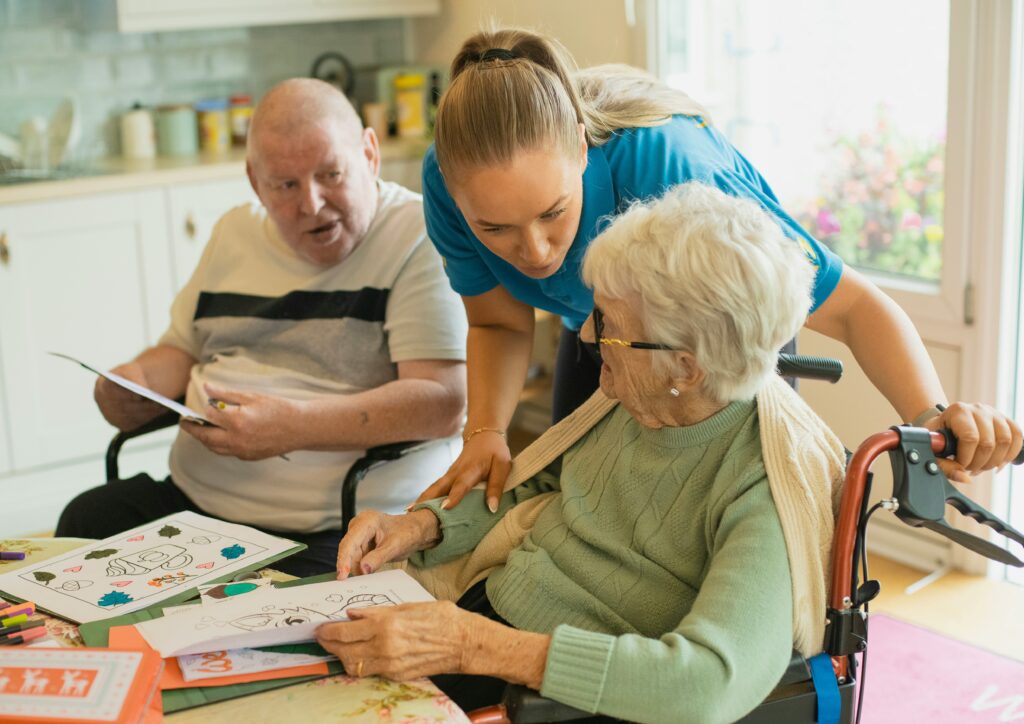
The demand for in-home care in Indiana has never been higher—and the reason is simple. Families want their loved ones to age with dignity, independence, and safety in the place they cherish most: home. Across Indiana, the senior population is rising rapidly. According to the U.S. Census Bureau, adults age 65 and older are one of the fastest-growing age groups nationwide. In Indiana specifically, nearly 1 in 5 residents will be over age 65 within the next few years, creating a significant need for reliable senior support services. For many families, the solution is clear: personalized, compassionate in-home care in Indiana. The Growing Need for In-Home Care in Indiana Indiana’s aging trend is not slowing down. Even more telling? Research consistently shows that over 90% of seniors prefer aging in place rather than moving into nursing facilities. This overwhelming preference is why in-home care in Indiana continues to expand as a trusted and practical solution. Why Seniors Prefer Aging at Home Home is more than a building. It’s routine, memories, comfort, and independence. Choosing in-home care in Indiana allows seniors to: Studies show that seniors receiving structured home care often experience better medication management and improved overall well-being compared to those without support. The Hidden Cost of Family Caregiving Indiana families are stepping up in big numbers. According to AARP, approximately 790,000 family caregivers in Indiana provide hundreds of millions of hours of unpaid care each year, valued at over $10 billion annually. While this dedication is admirable, it can also lead to: Professional in-home care in Indiana doesn’t replace family love—it strengthens it by easing the burden. Health Conditions Driving the Demand Chronic conditions are a major factor in the need for care. Having trained caregivers available at home improves safety, reduces fall risks, and ensures early detection of health changes. At Indy In-Home Care, care plans are built around these realities—providing both preventive support and hands-on assistance tailored to each individual’s needs. Comparing In-Home Care in Indiana to Facility Care When families evaluate options, cost and comfort are major considerations. Cost Perspective Comfort Perspective In-home care offers: For seniors who do not require 24/7 skilled nursing supervision, in-home care in Indiana is often the ideal balance between safety and freedom. What Services Are Included? Quality in-home care in Indiana can include: ✔ Personal hygiene assistance✔ Medication reminders✔ Meal preparation✔ Light housekeeping✔ Mobility and fall prevention✔ Transportation to appointments✔ Companionship and social engagement At Indy In-Home Care, every service plan is customized because no two families are alike. Some clients need only a few hours per week, while others require more consistent daily support. The Emotional Impact of Staying Home Statistics show seniors who remain in familiar environments often experience: The psychological benefit of aging at home is difficult to measure in numbers—but families see the difference immediately. That’s the heart behind professional in-home care in Indiana—preserving not just health, but happiness. The Future of Senior Care in Indiana Indiana’s senior population will continue to grow for the next two decades. As healthcare evolves, home-based support is expected to expand even further. Experts predict: The future of elder care isn’t institutional—it’s individualized. And that’s exactly why families across the state are choosing Indy In-Home Care for compassionate, reliable support delivered right where it matters most. Final Thoughts The numbers don’t lie. Indiana’s population is aging rapidly. Most seniors want to remain at home. Families are stretched thin trying to manage caregiving responsibilities alone. That’s why In-Home Care in Indiana is more than a service—it’s a solution built on dignity, independence, and peace of mind. When care comes home, comfort stays.
In-Home Care in Indiana: The Benefits of Companionship In-Home Care
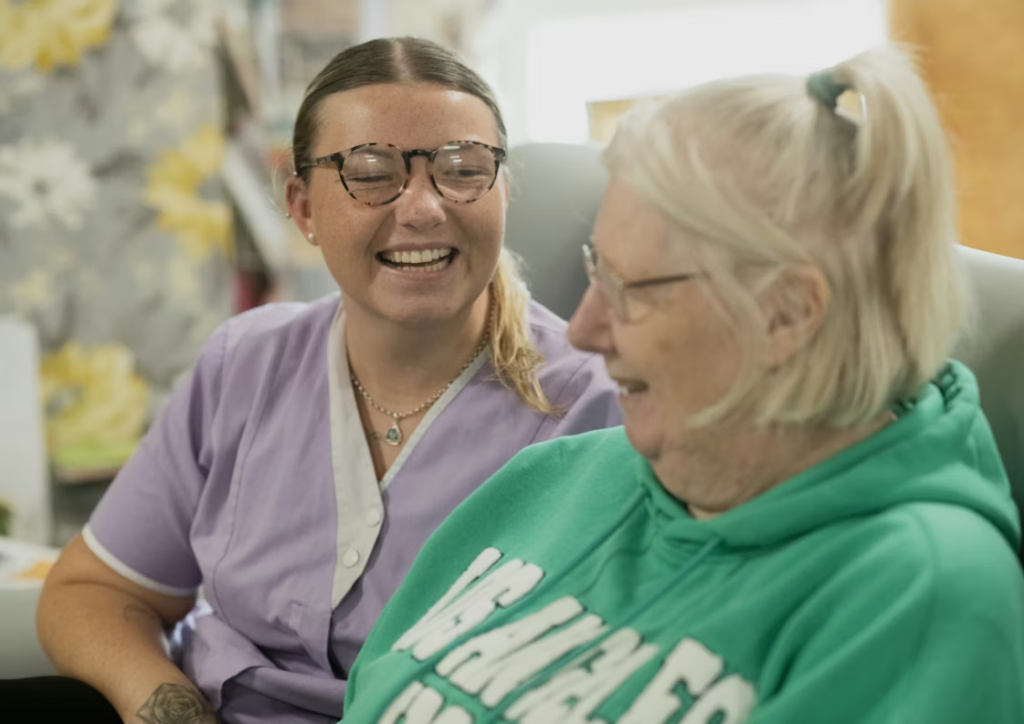
When families begin exploring in-home care in Indiana, they often focus first on physical assistance—help with bathing, medication reminders, mobility, or meal preparation. While those services are vital, there’s another powerful component that often goes underestimated: companionship. Companionship in home care goes far beyond friendly conversation. It supports emotional well-being, reduces loneliness, strengthens mental health, and significantly improves overall quality of life. For seniors aging at home, companionship can be the difference between simply living—and truly thriving. If you’re considering in-home care in Indiana for yourself or a loved one, understanding the benefits of companionship can help you make the right decision for long-term comfort and peace of mind. What Is Companionship In-Home Care? Companionship in home care refers to non-medical support that focuses on emotional connection, social engagement, and meaningful interaction. Unlike clinical care, companion caregivers emphasize relationship-building while assisting with light daily activities. Companionship services may include: In the world of in-home care in Indiana, companionship is often the foundation that allows seniors to feel safe, heard, and valued in their own homes. Why Companionship Matters for Seniors in Indiana 1. Reduces Loneliness and Isolation Loneliness is one of the most significant health risks facing older adults. Studies show that chronic isolation can increase the risk of heart disease, depression, and cognitive decline. Many seniors in Indiana live alone after losing a spouse or as children move away. Companion caregivers provide regular human connection—something as simple as daily conversation can dramatically improve emotional well-being. When families invest in quality in-home care in Indiana, they’re not just hiring assistance—they’re ensuring their loved one has meaningful social interaction every week. 2. Improves Mental and Emotional Health Regular companionship can: Having someone who listens and genuinely cares makes seniors feel valued and respected. This emotional support is just as important as physical care. Companion caregivers often become trusted confidants. Over time, that relationship builds stability and comfort—especially for seniors experiencing memory challenges. 3. Supports Cognitive Health Mental stimulation is critical in slowing cognitive decline. Companion caregivers encourage activities such as: These simple activities can help maintain brain function and provide routine mental engagement. For families seeking in-home care in Indiana, choosing services that prioritize companionship ensures seniors stay mentally active—not just physically supported. 4. Encourages Physical Activity Companionship often leads to gentle movement and safe exercise. Whether it’s walking around the neighborhood, gardening, or stretching exercises, having someone present increases motivation and safety. Caregivers provide: Regular movement helps improve circulation, joint flexibility, and overall mobility. 5. Provides Peace of Mind for Families One of the greatest benefits of in-home care in Indiana is the reassurance it brings to families. Knowing someone is regularly checking in provides comfort and reduces stress for adult children. Companion caregivers can: When you partner with a trusted provider like Indy In-Homecare, families gain both emotional reassurance and reliable support. Companionship and Aging in Place Many seniors prefer aging in place rather than moving to assisted living facilities. Aging at home preserves independence, dignity, and familiarity. Companionship services make aging in place possible by: In Indiana, communities—whether urban or rural—need access to consistent in-home care services so seniors can remain safely and comfortably in their homes. The Social Benefits of Companion Care Indiana has many vibrant communities, churches, parks, and local events. Companion caregivers help seniors stay involved by: Remaining socially active reduces feelings of abandonment and strengthens community ties. With personalized in-home care in Indiana, seniors don’t have to withdraw from life—they stay engaged. How Companionship Strengthens Physical Health Emotional well-being and physical health are deeply connected. Seniors who feel socially connected often experience: When seniors are emotionally supported, they’re more likely to maintain healthy habits. That’s why providers like Indy In-Homecare understand that companionship isn’t an extra—it’s essential. Personalized Companionship Makes a Difference Every senior is unique. Some enjoy conversation; others prefer quiet activities, such as reading together. Some want outdoor walks, while others enjoy cooking or watching classic movies. Quality In Homecare in Indiana tailors companionship services based on Personalization ensures seniors feel comfortable and respected in their own homes. Signs Your Loved One May Benefit from Companion Care You may want to consider companionship-focused in-home care in Indiana if your loved one: Even a few hours of companionship per week can create noticeable improvements. The Long-Term Value of Companionship Services Companion care is often the first step in long-term home support. It allows seniors to gradually adjust to receiving help while maintaining independence. Over time, services can expand to include: Families in Indiana appreciate having flexible in-home care options that grow with changing needs. Why Choosing the Right Homecare Provider Matters Not all companion care is the same. The quality of the caregiver-client relationship determines success. When evaluating in-home care in Indiana, look for: At Indy In-Homecare, companionship is delivered with dignity, respect, and genuine care—helping seniors feel valued every single day. Emotional Security Leads to Better Living Human connection is fundamental. For seniors, especially those facing mobility challenges or health issues, companionship becomes a lifeline. Companion care provides: In a state like Indiana, where many seniors prefer the comfort of their own homes, Compassionate In-Home Care in Indiana ensures they never feel alone. Final Thoughts: Companionship Is More Than Conversation When families search for in-home care in Indiana, they often begin with practical needs. But companionship may be the most powerful benefit of all. Most importantly, it reminds seniors that they matter. If your loved one could benefit from meaningful connection, personalized attention, and compassionate support, consider professional companionship services from Indy In-Homecare. With the right care in place, seniors can age with dignity, independence, and joy—right where they belong.
American Heart Month & Heart Health Awareness

Every February, the United States recognizes American Heart Month, a nationwide campaign dedicated to raising awareness about heart disease prevention, cardiovascular health, and heart-healthy living. If you live in Indiana and care for aging parents or loved ones, this month serves as an important reminder: heart disease remains the leading cause of death in America. At Indy In-Homecare, we see firsthand how heart health impacts seniors and families across Indiana. February is not just about wearing red—it’s about education, prevention, and taking real steps toward protecting the heart. The History and Background of American Heart Month American Heart Month was first proclaimed in 1964 by President Lyndon B. Johnson, who had personally experienced a heart attack. Since then, February has become a national observance supported by organizations like the American Heart Association and the Centers for Disease Control and Prevention. One of the most recognized campaigns during this month is Go Red for Women, which highlights the unique symptoms and risks of heart disease in women. Why February? While heart disease awareness is important year-round, February provides a focused time to: Why Heart Disease Is a Serious Concern in Indiana Heart disease affects millions of Americans each year, and Indiana has seen its share of cardiovascular health challenges. Key risk factors include: For seniors, the risk increases significantly. That’s why heart health for seniors should be a top priority during American Heart Month. Top Heart Health Statistics You Should Know Understanding the numbers makes the message clear: These statistics highlight why preventive care, especially for older adults, is essential. Recognizing Heart Disease Symptoms Knowing the early signs of heart disease can save lives. Common Heart Attack Symptoms: Stroke Warning Signs (FAST Method): Women and seniors may experience more subtle symptoms, which makes awareness during American Heart Month even more critical. Heart-Healthy Lifestyle Tips for February (and Beyond) American Heart Month encourages simple, daily changes that make a big difference. 1. Monitor Blood Pressure Regularly High blood pressure is known as the “silent killer.” Routine monitoring helps prevent complications like heart attacks and strokes. 2. Eat a Heart-Healthy Diet Focus on: Reduce processed foods, added sugars, and excessive salt intake. 3. Stay Physically Active Even moderate activity like walking 30 minutes a day can: 4. Manage Stress Chronic stress can increase heart disease risk. Meditation, prayer, social engagement, and relaxation techniques can help maintain cardiovascular health. 5. Quit Smoking Smoking damages blood vessels and increases heart attack risk significantly. The Importance of In-Home Care for Heart Health For many seniors in Indiana, managing heart conditions can be overwhelming. Medication schedules, dietary needs, and doctor appointments require consistent attention. This is where professional caregivers make a difference. At Indy In-Homecare, we support seniors with: Having trusted in-home support can significantly improve quality of life and reduce hospital readmissions for heart-related conditions. Heart Disease Prevention for Seniors Aging in Place Many older adults prefer aging in place, staying in the comfort of their own homes. However, heart conditions can complicate independent living. In-home care services in Indiana can help seniors: During American Heart Month, families should evaluate whether their loved ones have adequate support for heart health management. American Heart Month Activities You Can Participate In Looking for ways to get involved this February? Even small actions create long-term cardiovascular benefits. The Connection Between Home Care and Heart Health Heart disease management is not just about doctor visits—it’s about daily habits. Seniors recovering from heart surgery, heart attacks, or living with congestive heart failure often need ongoing support. Quality in-home care helps by: For Indiana families, partnering with reliable caregivers during American Heart Month is a proactive step toward heart disease prevention. Why February Is the Perfect Time to Take Action American Heart Month serves as a yearly reminder that heart health cannot be ignored. Prevention is always more effective—and less costly—than emergency treatment. Ask yourself: If the answer to any of these questions is uncertain, February is the ideal time to create a heart health plan. Final Thoughts: Protecting Hearts Across Indiana American Heart Month is more than a calendar observance—it’s a call to action. By focusing on heart disease prevention, cardiovascular health education, and heart-healthy living, families can significantly reduce risks. Whether it’s encouraging better nutrition, scheduling screenings, or ensuring seniors have daily support, every step matters. This February, take the opportunity to prioritize heart health—for yourself and for those you love. ❤️
Essential Legal Documents for Seniors in Indiana

Let’s talk about something most families avoid until it’s urgent—legal documents. No one likes thinking about incapacity, medical emergencies, or end-of-life decisions. But here’s the truth: having the right legal documents in place isn’t about expecting the worst. It’s about creating peace mind for yourself and your family. If you’re planning on aging place in Indiana, preparation is everything. Aging place means staying in the comfort of your own home instead of moving to a facility. But aging place also requires careful planning, especially when it comes to legal documents, medical information access, and decision-making authority. Without the proper legal documents, families can face delays, court involvement, or confusion about loved wishes. And during stressful medical moments, the last thing anyone wants is paperwork chaos. That’s why seniors working with trusted local providers like Indy In-Homecare are encouraged to organize essential documents early. Whether coordinating care, sharing medical information, or ensuring a smooth transition during emergencies, having everything prepared makes caregiving simpler and less stressful. In this guide, we’ll walk through the five legal documents every senior should have, especially if aging place in Indiana. These documents protect your finances, your medical power, your loved wishes, and ultimately your peace mind. Let’s break it down clearly and simply. Understanding the Importance of Legal Documents for Seniors Legal documents are not just for the wealthy. They’re for anyone who wants control. Control over healthcare, control over finances, control over who speaks for you if you cannot. When seniors don’t have updated legal documents, families often struggle. Imagine trying to access medical information without a HIPAA release. Or attempting to pay bills without a power attorney. It can quickly turn into a legal maze. How Legal Documents Protect Your Loved Wishes Your loved wishes matter. But if they’re not written down in legally valid documents, they can easily be misunderstood or challenged. For example: Without proper legal documents, state law steps in. And state law doesn’t know your personal preferences. By creating a power attorney, medical power attorney, and proper release authorization, you clearly define who acts on your behalf. This protects your loved wishes and prevents family disputes. Why Aging Place Requires Proper Planning Aging place often involves coordination between caregivers, doctors, and family members. Organizations like Indy In-Homecare frequently work alongside families to ensure seniors remain safe and comfortable at home. But without: Care coordination becomes difficult. Having these legal documents in place ensures that when support is needed, decisions can be made quickly and respectfully. That’s the foundation of peace mind. 1. Last Will and Testament A Last Will and Testament is one of the most recognized legal documents—but it’s often misunderstood. A will primarily handles what happens after you pass away. It outlines how your assets are distributed and ensures your loved wishes are honored. How a Will Protects Loved Wishes Your will answers key questions: Without a will in Indiana, intestate laws decide for you. That may not reflect your loved wishes at all. A properly drafted will ensures: It also names an executor—the person responsible for handling your affairs. Avoiding Probate Stress in Indiana Probate can be time-consuming and public. While some assets may still go through probate, a clear will minimizes confusion. Families who lack organized legal documents often experience: Preparation prevents these headaches. Common Mistakes Seniors Make with Legal Documents Many seniors: Regular reviews ensure your legal documents stay aligned with your current life situation. 2. Durable Power Attorney A Durable Power Attorney—often referred to simply as power attorney—is one of the most important legal documents for seniors. This document allows someone you trust to manage financial matters if you’re unable to do so. What Is a Power Attorney and Why It Matters A power attorney grants authority to: The “durable” part means it remains effective even if you become incapacitated. Without a power attorney, families may need court-appointed guardianship. That’s costly and stressful. Financial Protection Through Power Attorney When seniors are aging place, financial continuity is crucial. Bills must be paid. Care services must be coordinated. If you’re working with Indy In-Homecare, having a durable power attorney ensures seamless billing and financial coordination. No delays. No court involvement. Just smooth support. Choosing the Right Agent for Power Attorney Choose someone: You may also name a backup agent. This role carries serious responsibility, so thoughtful selection is key. 3. Medical Power Attorney A medical power attorney gives someone authority to make healthcare decisions on your behalf. It’s different from financial power attorney. It focuses solely on medical power. What Is a Medical Power and How It Works Medical power allows your chosen agent to: Without a medical power attorney, doctors may be limited in what medical information they can share—even with close family. Medical Power Attorney vs. Living Will A medical power attorney appoints a person. A living will outlines treatment preferences. Both are important. Medical power ensures someone can interpret and apply your loved wishes in real time. Ensuring Medical Information Access with HIPAA Release Even with medical power, a HIPAA release is critical. This legal document allows healthcare providers to share medical information with designated individuals. Without a HIPAA release: A simple release authorization can prevent enormous stress. 4. HIPAA Release and Release Authorization Privacy laws protect your medical information—but they can unintentionally block loved ones from helping. A HIPAA release gives permission for medical information to be shared. Why HIPAA Release Is Critical for Families Imagine a hospital calling but refusing to provide updates because no HIPAA release exists. It happens more often than people realize. A proper release authorization ensures: How Release Authorization Protects Medical Information A release authorization clearly lists: This protects your privacy while empowering trusted individuals. When Village Caregiving Teams Need Proper Documentation Village caregiving often involves a team approach—family, nurses, aides, and care coordinators. When seniors receive support from providers like Indy In-Homecare, having proper medical power attorney and HIPAA release documentation ensures smooth collaboration. Village caregiving works best when everyone communicates openly and legally.
Hospice Nurse Requirements: What Does It Take to Be One?

Hospice nursing is one of the most rewarding—and emotionally demanding—specialties within the nursing profession. Specializing in end-of-life care, hospice nurses play a crucial role in providing comfort, dignity, and clinical support to patients approaching the final stages of life. This career path requires not just clinical expertise, but also compassion, resilience, and strong communication skills. In this comprehensive guide, we’ll explore the educational pathways, licensing requirements, clinical experience, certifications, and state-specific regulations in Indiana that define what it takes to become a hospice nurse. Whether you’re a student considering a nursing career or a working RN exploring hospice care, this article breaks down each step clearly and thoroughly. What Is a Hospice Nurse? A hospice nurse is a licensed nursing professional who delivers specialized care to terminally ill patients—typically those with a life expectancy of six months or less. The focus of hospice nursing is not curative treatment, but rather comfort care, symptom management, emotional support, and improving quality of life for both the patient and their family. Hospice nurses may work in private homes, hospice facilities, nursing homes, or hospitals. Their duties often include pain and symptom assessment, medication administration, patient and family education, psychosocial support, and coordination with the broader hospice team. Hospice nursing differs from other specialties because it emphasizes holistic care, combining clinical skills with emotional and ethical sensitivity. Educational Foundations: Degree Requirements Earn a Nursing Degree The first major requirement for any hospice nurse is to earn a nursing degree. There are several educational pathways: Most hospice nurses begin with either an ADN or BSN, then pursue additional training or certification once they’re practicing. Licensing: NCLEX-RN and State Requirements Pass the NCLEX-RN Exam After completing an accredited nursing program, aspiring hospice nurses must pass the National Council Licensure Examination for Registered Nurses (NCLEX-RN). This exam tests essential clinical knowledge and is required for RN licensure nationwide. Obtain State Licensure in Indiana To practice as a hospice nurse in Indiana, you must have an active Registered Nurse (RN) license issued by the Indiana State Board of Nursing. This involves: Your license must remain current and in good standing, and you’ll be required to complete continuing education for renewal. Hospice employers in Indiana will verify your license and may also check your standing on the Indiana Aides Registry if you supervise aides or assistants. Experience: Gaining Clinical Skills Build Nursing Experience While you can legally become a hospice nurse once you are licensed, most hospice employers prefer nurses with clinical experience in areas such as: This experience helps nurses develop strong assessment skills, effective pain management techniques, and comfort with complex clinical scenarios—skills that are essential in hospice settings. Many hospice roles require at least 1–2 years of experience in these areas before hiring. Experience in hands-on patient care also builds confidence for working independently in patient homes or community settings where hospice nurses often serve as the primary clinical caregiver. Certifications: Optional but Valuable Credentials Hospice and Palliative Care Certification Although certification is not mandatory to work as a hospice nurse, earning specialty credentials enhances your expertise and job prospects. The most recognized certification is: To qualify for the CHPN credential, candidates must: Certification demonstrates your commitment to this specialty and can make you a more competitive applicant for advanced hospice roles. CPR and Specialized Training Hospice nurses are typically required to maintain CPR (Basic Life Support) certification and may pursue additional workshops or training in: These ongoing educational activities support professional growth and quality care delivery. Indiana-Specific Regulations and Hospice Agency Standards In addition to individual nurse requirements, hospice care in Indiana is governed by state regulations that affect how hospice services are delivered: Hospice Agency Licensing The Indiana Department of Health (IDOH) licenses hospice agencies to ensure they meet quality and safety standards. Licensed agencies must provide interdisciplinary services including nursing, physician oversight, social work, counseling, and therapy services. Interdisciplinary Team Requirements Indiana hospice providers are required to have an interdisciplinary team that typically includes: Hospice nurses often serve as key members of this team, coordinating care plans and communicating patient needs across disciplines. Duties and Responsibilities of a Hospice Nurse A hospice nurse’s role extends beyond clinical tasks. Typical responsibilities include: Clinical Care Patient and Family Support Care Coordination These responsibilities require a balance of clinical expertise and empathetic communication. Hospice nurses often support families during emotionally challenging moments, which demands both medical proficiency and interpersonal strength. Soft Skills and Personal Qualities That Matter In addition to formal requirements, successful hospice nurses tend to share certain traits: These attributes are often what distinguish highly effective hospice nurses from their peers. Career Outlook and Advancement Hospice nursing offers a meaningful career with opportunities for growth. Entry-level hospice nurses can advance into leadership roles, education, or specialization in areas like pain management or palliative care. Some choose to pursue advanced degrees (MSN, DNP) to become clinical nurse leaders, educators, or advanced practice nurses focused on palliative care. Working with reputable providers like Indy In-Homecare can support ongoing professional development, mentorship, and exposure to a wider range of hospice care practices, helping nurses expand their skills and confidence in this field. Conclusion Becoming a hospice nurse requires education, commitment, hands-on experience, and a deep sense of compassion. While the formal steps—earning a nursing degree, obtaining licensure, and gaining clinical experience—are foundational, the heart of hospice nursing lies in supporting patients and families through life’s most profound transitions. Whether you’re just starting your nursing education or contemplating a specialty shift, understanding these requirements and expectations in Indiana will help you plan your path with clarity and confidence. Hospice nursing is more than a job—it’s a vocation that combines clinical excellence with human connection at life’s most intimate moments.
Elder Abuse: Signs, Statistics, Indiana Laws & How to Help

Elder abuse is a serious and often hidden problem in the United States, affecting millions of older adults each year. As seniors become more dependent on others for daily living, healthcare, or financial management, they may be placed in vulnerable situations where mistreatment goes unnoticed. Understanding the signs of elder abuse, knowing your legal rights under U.S. and Indiana law, and learning how to take action can help protect aging loved ones and preserve their dignity. This in‑depth guide covers U.S. and Indiana‑specific statistics, legally defined types of elder abuse, clear warning signs, and practical steps families can take to prevent and report abuse. Elder Abuse in the United States: Key Statistics Elder abuse is recognized as a major public health and legal issue across the U.S., particularly as the population ages. What Is Elder Abuse? Elder abuse refers to intentional acts—or failures to act—by a caregiver, family member, or trusted individual that cause harm or serious risk of harm to an older adult. Abuse can occur in private homes, hospitals, assisted living facilities, or nursing homes. Under both U.S. federal law and Indiana state law, elder abuse includes physical harm, emotional mistreatment, financial exploitation, neglect, and sexual abuse. Common Types of Elder Abuse and Warning Signs Physical Abuse Physical abuse involves the use of force that causes pain, injury, or impairment. Warning signs include: Emotional or Psychological Abuse This form of abuse includes verbal assaults, threats, humiliation, intimidation, or isolation. Warning signs include: Financial Elder Abuse Financial exploitation is one of the fastest‑growing and most underreported forms of elder abuse. Warning signs include: Elder Neglect Neglect occurs when a caregiver fails to provide basic necessities such as food, hygiene, medical care, or supervision. Warning signs include: Sexual Abuse Sexual abuse includes any non‑consensual sexual contact involving an elderly individual. Warning signs include: U.S. and Indiana Elder Abuse Laws Federal Protections The Elder Justice Act (EJA) is the primary federal law addressing elder abuse, neglect, and exploitation. It provides funding, education, and enforcement mechanisms to improve prevention and reporting nationwide. Federal law also supports mandatory reporting in healthcare and long‑term care settings and allows financial institutions to flag suspected exploitation. Indiana Elder Abuse Laws Indiana law offers strong protections for older and dependent adults: How to report elder abuse in Indiana: What You Can Do If You Suspect Elder Abuse Document the Signs Keep written notes, dates, photographs, and financial records that indicate concerning behavior or conditions. Speak Privately and Respectfully If possible, talk to the older adult in a safe and private setting. Listen carefully without pressure or judgment. Report the Abuse Reporting suspected abuse can save lives. Contact APS, healthcare providers, or law enforcement depending on the urgency. Seek Trusted Professional Support Quality in‑home care can significantly reduce the risk of abuse by providing consistent oversight, companionship, and assistance. Reputable providers like Indy In-Homecare focus on safety, dignity, and transparency—helping families feel confident their loved ones are well supported. How Families Can Help Prevent Elder Abuse Professional caregiving services such as Indy In-Homecare play an important role in elder abuse prevention by ensuring trained caregivers, routine monitoring, and open communication with families. Final Thoughts Elder abuse often happens silently, but awareness is the first step toward prevention. By recognizing the warning signs, understanding U.S. and Indiana laws, and knowing how to take action, families and communities can protect older adults from harm. If something feels wrong, trust your instincts and speak up. Awareness, compassion, and timely reporting can make a life‑changing difference for a vulnerable senior.
How In-Home Care Services Help Seniors Stay Healthy During Winter Months

Winter can feel cozy and magical for some people, but for seniors, it often brings a completely different reality. Cold temperatures, icy sidewalks, and shorter days create real health risks that shouldn’t be ignored, making in-home care services an essential layer of support during the colder months. According to the CDC, adults aged 65 and older are five times more likely to be hospitalized during winter months compared to younger age groups. This is why winter senior health deserves special attention, especially for families caring for aging loved ones who rely on consistent, professional in-home care services. Many older adults want to stay in their own homes for as long as possible, even when winter conditions become harsh. That’s where in home care for seniors becomes not just helpful, but essential. With the right support, seniors can stay warm, safe, and healthy without uprooting their lives. Let’s explore how in-home care plays a critical role in protecting seniors during the winter months. Why Winter Is Especially Challenging for Older Adults? Aging bodies simply don’t respond to cold the same way younger ones do. Seniors tend to lose body heat faster, and many have chronic conditions that worsen in colder weather. Cold Weather and Chronic Conditions Conditions such as arthritis, heart disease, COPD, and diabetes often flare up in winter. Research published by the National Institutes of Health shows that cold temperatures can increase blood pressure and strain the heart, raising the risk of heart attacks and strokes among seniors. Weakened Immune Systems As we age, our immune response naturally slows down. During winter, viruses like influenza, RSV, and pneumonia circulate more aggressively. The CDC reports that 70–85% of flu-related deaths occur in people aged 65 and older. Reduced Mobility and Isolation Snow, ice, and shorter daylight hours limit outdoor activity. Many seniors stop going out altogether, increasing isolation, depression, and physical decline. These factors make winter one of the most dangerous seasons for older adults, especially those living alone. Understanding In-Home Care for Seniors Before diving deeper, it helps to understand what in home care for seniors actually includes. In-home care focuses on non-medical support that helps older adults safely remain in their own homes. Common In-Home Care Services Home care services in winter often include: Unlike nursing homes, in-home care allows seniors to maintain independence while receiving personalized attention tailored to seasonal needs. The Role of In-Home Care in Winter Senior Health Winter senior health isn’t just about avoiding illness; it’s about maintaining overall wellness. Caregivers act as an extra set of eyes and hands, noticing small changes before they turn into serious problems. Caregivers help ensure: Studies show that seniors receiving regular home care are 30% less likely to experience emergency hospital visits during winter months. Preventing Cold-Related Illnesses at Home Hypothermia Prevention Seniors are more vulnerable to hypothermia, even indoors. The World Health Organization states that indoor temperatures below 64°F (18°C) can be dangerous for older adults. In-home caregivers help by: Frostbite Awareness Caregivers discourage unnecessary outdoor exposure and ensure proper gloves, hats, and coats are worn when going outside. Respiratory Infection Prevention Home care services in winter often emphasize: These simple measures significantly reduce infection risk. Medication Management During Winter Months Winter can complicate medication routines. Delayed pharmacy trips, weather-related confusion, or illness can all lead to missed doses. Caregivers assist by: According to AARP, nearly 55% of seniors take four or more medications daily, making oversight crucial during winter disruptions. Nutrition and Hydration Support in Cold Weather Many seniors drink less water in winter because they don’t feel thirsty. Dehydration, however, remains a serious risk year-round. In-home caregivers help by: Proper nutrition strengthens immunity and helps regulate body temperature, both essential for winter senior health. Fall Prevention and Home Safety in Winter Falls are one of the biggest winter dangers. The CDC reports that over 3 million seniors are treated in emergency rooms annually due to falls, with winter being a peak season. Caregivers reduce fall risk by: Even simple tasks like taking out the trash or checking the mail can become hazardous without support. Supporting Mental and Emotional Health During Winter Seasonal depression, often called Seasonal Affective Disorder (SAD), affects many older adults. Less sunlight, isolation, and reduced activity all contribute. In-home care offers: Studies show that seniors receiving companionship-based care report lower rates of depression and anxiety. Reducing Social Isolation Through Home Care Services Loneliness can be just as harmful as physical illness. The National Institute on Aging links social isolation to higher risks of dementia, heart disease, and depression. Home care services in winter provide: For many seniors, a caregiver may be the only consistent human interaction during winter. Monitoring Chronic Conditions More Closely in Winter Winter weather often worsens chronic conditions. Arthritis pain increases, breathing becomes harder for those with COPD, and circulation issues intensify. Caregivers help by: This proactive approach prevents small issues from escalating into emergencies. Transportation and Appointment Assistance Snow and ice make driving dangerous, especially for seniors. Missed medical appointments can quickly lead to declining health. In-home caregivers assist with: This ensures continuity of care throughout winter months. Family Peace of Mind During Harsh Winter Months Winter can be stressful for families, especially those living far away. Knowing a trusted caregiver is checking in daily provides immense relief. Families working with providers like Indy In-Homecare often report feeling more confident that their loved ones are safe, warm, and supported when winter storms hit. Why Professional Home Care Services Matter More in Winter? While family members do their best, winter demands consistency and preparedness. Professional caregivers are trained to recognize seasonal risks and respond appropriately. Reliable home care services in winter help prevent: Another reason families turn to Indy In-Homecare is the personalized approach that adapts care plans specifically for winter-related challenges. Choosing the Right In-Home Care Provider When selecting in-home care for seniors, especially for winter support, look for: The right provider becomes a true partner in protecting winter senior health. Conclusion Winter doesn’t have to