
Helping Seniors Get Dressed with Confidence and Independence

Getting dressed each morning might seem like a simple task for most adults. But for older adults, helping seniors get dressed can bring challenges far beyond choosing what to wear. For many, it’s not just about putting on clothing — it’s about retaining independence, preserving dignity, and expressing identity. When aging brings physical limitations or health conditions that make movement difficult, getting dressed can become a daily hurdle that impacts confidence, mood, and quality of life. This is where the importance of caregiver assistance and compassionate understanding truly shines. Helping seniors get dressed isn’t only about providing help; it’s about encouraging their independence, allowing them to make choices, and remembering that patience is key in every step of the process. Why Getting Dressed Matters So Much for Older Adults For an older adult, clothing isn’t merely functional — it represents self-expression, comfort, and control. Many older adults have a routine they’ve followed for decades. They have favorite outfits, preferred colors, and a particular way of folding or arranging clothing. When aging or illness disrupts this routine, it can make them feel dependent or helpless. Getting dressed helps maintain a sense of normalcy and autonomy. Choosing one’s outfit and getting ready independently offers a powerful emotional boost. It reinforces identity, encourages confidence, and makes the individual feel respected. Unfortunately, as older adults face physical limitations such as arthritis, Parkinson’s disease, or balance issues, the act of dressing can become more complex. Buttons, zippers, and tight clothing can be frustrating. That’s when caregiver assistance plays a crucial role — but it must be done thoughtfully. Balancing Assistance and Independence One of the caregivers’ most significant challenges is knowing how much assistance an older adult needs. Offering too much help can make them feel incapable, while providing too little can lead to frustration or injury. The goal is to find the right balance between assistance and independence. Encouraging participation in dressing, even if it takes longer, promotes confidence. Allow the senior to handle parts of the process they can manage — such as selecting clothing, buttoning a shirt, or putting on accessories. Then, step in gently to help with the more difficult parts. Remember: patience is key. Older adults may take longer to get dressed, and that’s okay. The process is just as important as the outcome. Clothing Choices: Comfort, Safety, and Dignity When selecting clothing for older adults, comfort should always come first — but it shouldn’t mean compromising on style or dignity. Adaptive clothing is an excellent choice that combines comfort and practicality. These garments are designed to make getting dressed easier while maintaining a normal appearance. For example: These alternatives allow seniors to continue dressing themselves, which helps them retain independence and reduces frustration. At the same time, let them have a say in what they wear. Allowing them to choose their clothing supports self-expression. Whether it’s a favorite sweater or a particular scarf, these small choices bring joy and a sense of control. The Emotional Aspect of Getting Dressed Being dressed and ready for the day has emotional and psychological benefits for many older adults. Staying in pajamas can create feelings of lethargy or even depression, especially in those who are retired or homebound. On the other hand, getting dressed every morning, sitting at the table, or even enjoying a cup of tea while feeling neat and put together boosts motivation and mental well-being. It helps distinguish between “rest time” and “activity time,” giving structure to the day. When caregivers assist with dressing, they are not only helping with physical needs but also reinforcing emotional support. A warm smile, gentle tone, and patience can make all the difference. Helping Seniors Get Dressed with Dignity Maintaining dignity during dressing assistance is crucial. Older adults often feel vulnerable when they need help with personal tasks. To make the experience comfortable: These small gestures go a long way toward preserving trust and comfort. Sometimes, caregiver assistance can mean simply being nearby to offer balance support or encouragement rather than hands-on help. Giving the senior control over what they can manage helps them retain confidence and pride. Creating a Comfortable Dressing Environment The dressing environment also plays a significant role. Make sure the room is warm, well-lit, and organized. Keep frequently worn items within easy reach to prevent strain or falls. A sturdy chair or bench near the table can provide balance support while putting on socks or shoes. For older adults who experience fatigue, it can help to break the process into steps — perhaps getting dressed after breakfast instead of first thing in the morning. Flexibility and understanding are essential. The Role of Caregivers: Patience and Encouragement For caregivers, helping seniors get dressed is not just a task — it’s a moment to connect. Every interaction provides an opportunity to build trust and share warmth. When done with empathy, dressing assistance becomes a chance to strengthen the caregiver–senior bond. Caregivers should remember that patience is key. Rushing or showing frustration can make seniors anxious or resistant. Instead, focus on encouragement: Even something as simple as complimenting their outfit or hairstyle can lift their spirits and make the process enjoyable. Clothing Versus Comfort: What Really Matters Many families struggle with the dilemma of clothing versus comfort. While style and appearance remain essential for self-esteem, comfort often becomes the priority for older adults. Fortunately, the two don’t have to conflict. Today, many brands create adaptive wear that looks stylish but feels comfortable. Encourage seniors to pick outfits that make them feel confident but are easy to wear. Remember, allowing them to choose empowers them to express personality while reducing dependency. Encouraging Independence Step by Step Helping seniors retain independence doesn’t mean leaving them to struggle. It means supporting them in ways that make the process safe, manageable, and satisfying. Here are some strategies: Every small success helps boost confidence and motivation. Building Trust Through Routine Older adults thrive on consistency. Establishing a regular dressing routine helps them feel more comfortable and less
Older Adults: Top 5 Tools to Manage Finances

Managing finances can become challenging as we grow older. For many seniors and older adults, understanding where money goes each month and how to plan for future needs is not always easy—especially with technology and costs changing rapidly. That’s where the right tools and smart tips for managing finances can make life simpler, safer, and more secure. This guide highlights the best money management apps, online tools to help older adults manage finances, and practical ways to reduce costs and prevent financial abuse. Whether you’re a senior, caregiver, or family member, these insights can help ensure financial stability and confidence in every stage of life. Why Financial Management Is Crucial for Seniors? As seniors transition into retirement, regular income streams may decline while expenses like healthcare, medication, and senior housing increase. Without a proper budget, it’s easy for older adults to feel overwhelmed. Managing finances effectively helps control living expenses, avoid debt, and protect savings from fraud or mismanagement. Maintaining financial independence also preserves dignity. When older adults manage finances successfully, they remain in charge of their choices—planning for travel, medical care, or simply enjoying daily life. Common Financial Challenges Older Adults Face Understanding financial challenges is the first step toward overcoming them. Here are some of the most common difficulties faced by elderly persons: Fortunately, modern tools and technology can help older adults take control of their finances safely and effectively. Top 5 Tools to Help Older Adults Manage Finances Finding the right financial tools can transform how older adults manage money. Below are five excellent, senior-friendly money management apps and platforms that make managing finances at home easier and safer. Empower (formerly Personal Capital) Best for: Retirement planning and overall financial tracking Empower offers a free dashboard that connects all your accounts—checking, savings, investments, and retirement—so you can view your total finances in one place. It tracks spending habits, budget categories, and net worth, helping seniors plan for the long term. Why seniors use it: Empower is perfect for older adults who want to monitor their savings and ensure their retirement income covers their living expenses. You Need a Budget (YNAB) Best for: Hands-on budgeting and expense control YNAB focuses on giving every dollar a purpose. It teaches practical budget-simple habits that work well for seniors who are managing fixed incomes. The app connects to bank accounts, helps adults manage finances, and prevents overspending by showing exactly where each cent goes. Why seniors use it: YNAB can help older adults manage finances home by providing a daily structure and helping them stay mindful about spending habits. EverSafe Best for: Protecting against financial abuse and fraud EverSafe is specifically designed to help older adults by monitoring bank accounts, credit cards, and investments for suspicious activity. It detects unusual transactions, missing deposits, or sudden spending changes—and sends alerts to trusted family members. Why seniors use it: This tool offers peace of mind as a digital safeguard—ensuring an older adult’s hard-earned money remains secure. Rocket Money (formerly Truebill) Best for: Cutting unnecessary expenses and saving on bills Rocket Money identifies recurring subscriptions and negotiates lower bills. It’s one of the best tools to help older adults reduce living expenses without a complex setup. Seniors can cancel unwanted services, lower insurance premiums, and track their monthly budget in one app. Why seniors use it: For seniors trying to stretch their retirement funds, Rocket Money is a practical, stress-free solution. True Link Financial Best for: Safe, controlled spending with family oversight Actual Link offers a prepaid Visa card and digital account designed specifically for older adults. Caregivers can set spending limits, block specific merchants, and view transactions in real-time—ideal for those who want independence with a layer of security. Why seniors use it: Actual Link is excellent for families or caregivers who want to help older adults manage funds safely while maintaining trust and transparency. How to Use Financial Tools Effectively Having great apps and platforms is one thing, but knowing how to use them is key. Here are a few practical tips managing finances at home with these tools: By combining technology and awareness, older adults can achieve balance, control, and peace of mind in their financial journey. Tips for Managing Finances at Home Even with technology, traditional finance habits still matter. Here are essential strategies to complement your digital tools: Create and Maintain a Simple Budget A budget simple helps you track money easily. Write down all income sources and fixed costs such as rent, groceries, or senior housing. Set aside a small portion for medical emergencies. Regular updates ensure your finances stay on track. Manage Spending Habits Regularly check where the money goes. Many seniors find that small recurring costs—like streaming services or memberships—quietly add up. Reviewing them monthly helps prevent waste and improve savings. Protect Yourself from Financial Abuse Never share passwords or banking information over phone or email. Enable two-factor authentication on all online accounts and stay cautious of offers that sound “too good to be true.” Apps like EverSafe make this easier. Seek Help When Needed Sometimes, professional assistance is invaluable. Organizations like Indy In-Homecare can guide older adults manage finances home, connecting them to trustworthy services and programs that simplify daily life and financial responsibilities. How Caregivers Can Help Older Adults Manage Finances Family members or caregivers can help bridge the gap between technology and daily needs. Supporting older adults finances doesn’t mean taking control—it means empowering them. Ways caregivers can assist: Professional caregivers from Indy In-Homecare also extend support beyond medical assistance—helping seniors use trusted tools and maintain financial confidence at home. Reducing Living Expenses Without Compromising Quality Keeping living expenses under control doesn’t mean cutting joy out of life. Here’s how older adults manage savings more efficiently: These small actions and effective tools can significantly reduce living expenses without sacrificing comfort. Practical Steps for Safe Financial Management To wrap all these strategies together, here’s a step-by-step guide for managing finances home safely: Final Thoughts Financial management for seniors isn’t about mastering every new
Wound Care in Indiana: Expert In-Home Healing Support

Wound care is one of patient recovery’s most delicate and vital aspects. Whether caused by surgery, chronic illness, pressure injuries, or trauma, wounds require consistent monitoring, medical precision, and compassionate care. For many families in Indiana, in-home specialized wound care has become a preferred and effective alternative to hospital stays — offering professional medical support right at home. In-homecare providers deliver personalized wound management that accelerates recovery, improves comfort, reduces infection risk, and enhances the patient’s overall quality of life. This post explores how specialized wound care in Indiana’s homecare settings transforms healing journeys across the state. Understanding Specialized Wound Care Specialized wound care goes far beyond simple dressing changes. It involves medical expertise in assessing, cleaning, and managing complex wounds — such as diabetic ulcers, pressure sores, surgical incisions, and traumatic injuries. The process often includes: By understanding the type and severity of a wound, caregivers can design individualized care plans tailored to the patient’s unique medical needs. Why In-Homecare Matters in Wound Healing? Recovering at home provides emotional comfort and reduces exposure to hospital-based infections. However, wound management requires technical skill and vigilance — which is where professional In-home care services come in. Trained caregivers and licensed nurses bring hospital-grade care to patients’ homes, combining clinical expertise with compassionate attention. They ensure that wound treatment protocols are followed precisely while offering emotional reassurance and daily support. Key Benefits of In-Home Wound Care Faster Recovery: Home environments promote relaxation, reducing stress hormones that can slow healing. Infection Control: With strict hygiene practices and sterile supplies, caregivers reduce the risk of wound infections. Personalized Treatment: Every patient receives customized care, including wound dressing schedules, mobility support, and nutrition plans. Cost-Effective Healing: In-homecare eliminates extended hospital stays, reducing medical expenses while maintaining high-quality treatment. Convenience for Families: Loved ones can participate in care routines and monitor progress closely. Types of Wounds That Require Specialized Care Not all wounds are alike. Some require specialized medical attention to prevent complications. Typical cases where in-home wound care becomes essential include: Surgical Wounds Post-surgical incisions require sterile dressing changes and close monitoring for signs of infection. Homecare nurses ensure timely cleaning, dressing, and evaluation to prevent delayed healing or reopening of the wound. Pressure Ulcers (Bedsores) Patients who are bedridden or have limited mobility are prone to pressure ulcers. In-home caregivers reposition patients regularly, use pressure-relieving mattresses, and keep the skin dry and protected. Diabetic Ulcers People with diabetes often experience poor circulation, making wounds slow to heal. Specialized care focuses on wound cleaning, infection control, and blood sugar management to promote tissue regeneration. Traumatic and Burn Wounds Injuries or burns need consistent cleaning, pain management, and moisture-balancing dressings. Homecare professionals provide gentle handling and emotional support during recovery. Venous or Arterial Ulcers These wounds are linked to circulatory disorders. Care involves compression therapy, wound monitoring, and doctor coordination for ongoing treatment. Advanced Wound Care Techniques Used in Homecare Modern wound care has evolved significantly. Indiana’s in-homecare services now integrate advanced medical techniques for better healing outcomes. These include: Negative Pressure Wound Therapy (NPWT) Also known as wound vac therapy, this method uses controlled suction to remove fluids and promote tissue growth. It’s especially effective for deep or chronic wounds. Debridement The removal of dead tissue helps new, healthy tissue to form. Skilled nurses perform this carefully to minimize discomfort and encourage faster healing. Moist Wound Healing Specialized dressings maintain a moist environment, which speeds cell regeneration and reduces scarring. Infection Control Measures Antibiotic ointments, sterile dressings, and strict hygiene protocols minimize bacterial growth and complications. Nutritional Support Caregivers encourage protein-rich diets, hydration, and vitamin supplementation to aid natural wound healing. The Role of Caregivers and Nurses in Specialized Wound Care In-home care isn’t just about medical attention but human connection and understanding. Caregivers play multiple roles during wound recovery: This collaborative approach ensures that the patient receives comprehensive, consistent support. When to Consider In-Home Specialized Wound Care? Families should consider professional wound care at home when: Early intervention by trained professionals can prevent complications and ensure better recovery outcomes. How In-Home Wound Care Improves Quality of Life? Beyond physical healing, specialized wound care has profound emotional and psychological benefits. Being treated at home restores patients’ dignity, independence, and peace. Improved Mental Health Homecare reduces stress and depression linked to extended hospital stays. Familiar surroundings foster a sense of safety and optimism. Enhanced Family Involvement Loved ones become active participants in the recovery journey, strengthening emotional bonds. Greater Comfort and Privacy Receiving care at home eliminates the discomfort of clinical environments while maintaining high standards of hygiene and professionalism. The Importance of Consistency in Wound Care Consistency is key to recovery. Irregular wound cleaning or improper dressing techniques can lead to infections or tissue breakdown. Homecare professionals follow strict schedules and protocols, ensuring each step — from cleaning to redressing — is done with precision and care. They also track progress through regular documentation and share updates with physicians to adjust treatment plans as needed. Specialized Training and Certification in Wound Care In Indiana, professional caregivers who handle wound care often undergo specialized training. Certifications such as Wound Care Certified (WCC) or Certified Wound Specialist (CWS) indicate advanced knowledge in tissue repair, infection prevention, and clinical wound management. These professionals can safely handle even the most complex wound cases within a home environment. How Indy In-Homecare Supports Specialized Wound Care in Indiana? Indy In-Homecare stands among Indiana’s trusted providers of compassionate, professional homecare. Their dedicated team of caregivers and nurses is trained in advanced wound management — ensuring patients receive medical attention, warmth, empathy, and encouragement. By bringing hospital-level expertise into the comfort of your home, Indy In-Homecare helps patients heal safely while maintaining dignity and independence. Conclusion Specialized wound care requires both medical precision and human understanding. In-homecare in Indiana bridges the gap between professional treatment and personal comfort — ensuring patients recover fully and confidently in their own space. Through skilled caregivers, advanced techniques, and compassionate service, families can trust that their
Creating a Senior-Friendly Kitchen: Tips by #1 At-Home Care in Indianapolis
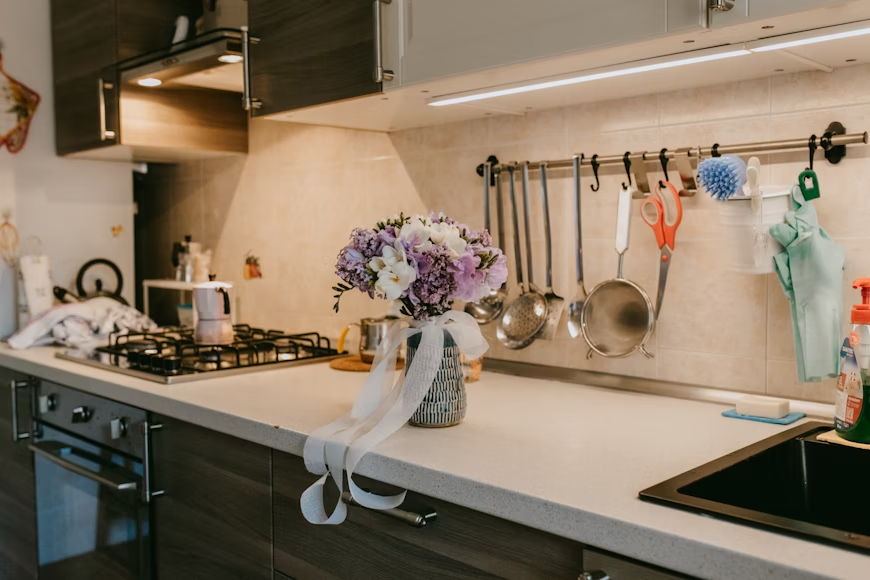
A kitchen is more than just a cooking space—it’s the warm, welcoming heart of a home. However, for seniors, it can also become a place full of challenges if not properly designed. As we age, everyday kitchen tasks—like reaching cabinets, handling appliances, or walking across slippery floors—can become difficult or even dangerous. That’s why designing a senior-friendly kitchen is vital for those who want to age safely and comfortably in their homes. This guide will explore practical ways to create a senior-friendly kitchen that ensures your loved ones’ safety, comfort, and independence. Whether you’re exploring home care in Indianapolis, making minor upgrades, or planning a complete kitchen renovation, these expert tips from the #1 at-home care professionals will help you create a kitchen space that is genuinely supportive, stylish, and safe. Why Senior-Friendly Kitchens Matter? The kitchen has always been the gathering place of every home—a space where meals, memories, and laughter are shared. However, it can become one of the most hazardous rooms for seniors. Slippery floors, poor lighting, hard-to-reach cabinets, and outdated appliances can increase the risk of injury or strain. A senior-friendly kitchen doesn’t just reduce these risks; it also empowers older adults to continue cooking and moving around independently. Features like non-slip flooring, easy-to-grip cabinet handles, and accessible appliances make everyday life easier. Home care Indianapolis professionals emphasize that the goal is not to change how seniors live entirely but to make minor, smart modifications that support their comfort and dignity. Even simple adjustments can transform the kitchen into a space that promotes confidence, safety, and joy. Understanding the Needs of Seniors at Home Common Kitchen Challenges for Aging Adults As we age, our physical capabilities naturally change. Tasks that once felt effortless can become uncomfortable or risky. For instance, bending to reach pots stored in low cabinets can strain the back and knees, while opening tight knobs can cause pain for those with arthritis. Uneven surfaces or slippery tiles can also lead to dangerous slips and falls. Another common issue is visual impairment. Many seniors experience reduced depth perception and contrast sensitivity, which makes it harder to spot spills, edges, or uneven flooring. When combined with inadequate lighting, these factors create a recipe for accidents. Indy In-Home Care experts often note that the kitchen should be accessible and emotionally comforting. A safe space doesn’t have to feel sterile—it can be warm, inviting, and full of personality while prioritizing safety and usability. How Simple Modifications Improve Safety You don’t need a complete renovation to create a safer kitchen. Simple, cost-effective upgrades can have a significant impact. For example: These small steps can dramatically improve safety and usability while helping seniors maintain their independence in the kitchen they love. Essential Kitchen Modifications for Seniors Non-Slip Flooring and Slip Prevention Falls are one of the most common causes of injury among seniors, and the kitchen—with its spills and slick surfaces—is a high-risk area. To help reduce slip flooring risks, install non-slip flooring materials like rubber, cork, or textured vinyl. These surfaces provide traction and are soft underfoot, which cushions impact if a fall does occur. Another helpful feature is anti-fatigue mats near the sink or stove. These reduce pressure on the feet and joints while standing. Make sure mats are non-slip and lay flat to avoid tripping hazards. Keeping the kitchen dry and clutter-free also plays a significant role in fall prevention. Clean up spills immediately, and consider having home care Indianapolis staff or family members assist with daily cleaning and maintenance to ensure a safe, tidy environment. Senior-Friendly Cabinets and Easy Storage Cabinet accessibility is key in a senior-friendly kitchen. Traditional high cabinets or deep lower drawers can be difficult to use. Opt for slide-out shelves and pull-down racks that bring items within easy reach. Also, avoid traditional knobs—they can cause pain for seniors with arthritis or reduced grip strength. Instead, use large D-shaped handles or lever pulls that are easy to grasp. This simple change can reduce hand strain and make daily kitchen use more comfortable. Labeling shelves and organizing essentials by frequency of use also helps seniors find what they need quickly. Everyday items should be stored between waist and shoulder height to minimize bending or stretching. Accessible, Safe Appliances Appliances should combine convenience with safety. Choose models with front-mounted controls so seniors don’t have to reach across hot surfaces. Wall ovens installed at waist height, side-by-side refrigerators, and dishwashers with pull-out drawers are ideal. Opt for smart appliances with automatic shut-off features or voice control options when possible. These can prevent accidents caused by forgotten burners or timers. Indy In-Home Care, a trusted name in senior home care in Indianapolis, recommends appliances with simple controls, large text, and easy-to-read displays to enhance usability. A well-chosen appliance setup doesn’t just make life easier—it gives seniors the confidence to cook safely and enjoy their kitchen again. Design and Layout Tips for Comfort and Independence Proper Lighting and Color Contrast Lighting can make or break a kitchen’s safety. Seniors often struggle with reduced vision, making it essential to have bright, layered lighting throughout the space. Combine overhead lights, under-cabinet LEDs, and task lighting to eliminate shadows and improve visibility. Color contrast is another subtle yet powerful design element. Use light-colored counters with dark cabinets or vice versa to help distinguish surfaces easily. These small visual cues can prevent spills, confusion, and accidents. Ergonomic Layout and Counter Heights An ergonomic kitchen layout helps seniors move freely and comfortably. Ensure enough open space to accommodate walkers or wheelchairs—ideally at least 42 inches between counters. Consider lowering work surfaces or adding a seated prep area so seniors can cook while seated, reducing fatigue. Grouping appliances and utensils based on function can minimize unnecessary movement. For instance, keep pots near the stove, cutting boards near the sink, and frequently used tools within easy reach. The goal is to simplify every step of the cooking process. Reducing Strain on Hands and Joints Arthritis and joint stiffness are common concerns among seniors.
5 Reasons to Consider Companion Care for the Elderly

As our loved ones age, one of the most challenging questions we face is“How can I ensure Mom or Dad stays happy, safe, and connected—even when I can’t be there daily?” For many families, the answer lies in companion care—personalized, non-medical support focusing on emotional well-being, daily engagement, and a sense of belonging. Whether your parents live independently or in assisted living, Companion Care helps them continue to live fulfilling, dignified lives. At Indy In-Home Care, we understand how deeply you want to protect your loved ones while honoring their independence. Companion Care bridges that gap—blending empathy, trust, and daily connection in a way that truly transforms senior living. What Is Companion Care for the Elderly? Before exploring the benefits, it’s essential to understand what companion care means. Unlike medical or skilled nursing services, companion care focuses on: These caregivers don’t provide medical treatments but offer something equally valuable: friendship, consistency, and the reassurance that someone truly cares. Emotional Support to Combat Loneliness Loneliness has become one of the most serious challenges facing older adults today. According to the CDC, nearly one in four seniors experiences social isolation, which is linked to depression, anxiety, and even heart disease. When seniors lose spouses or close friends, or stop driving, their daily worlds can grow smaller. Companion care fills that emotional gap with a genuine human connection. How Companion Care Helps: That steady companionship reignites joy and reminds seniors they’re not alone. Many families notice their loved ones smiling, talking, and feeling like themselves again. Encouragement of Independence Through Gentle Assistance Aging can sometimes make seniors feel like their freedom is slipping away. Yet, Companion Care helps them maintain control—offering help without taking over. Benefits of Companion Support for Independence: By respecting autonomy while ensuring safety, Companion Care creates an empowering balance that helps seniors thrive emotionally and physically. Peace of Mind for Adult Children Even if your parents say they’re fine, it’s natural to worry. You might find yourself wondering: With Companion Care, you can finally exhale. What You Gain: Knowing someone consistently checks in on your loved ones brings enormous peace of mind. You can rest easy knowing they’re in compassionate, capable hands. Support With Daily Routines Without Overstepping Most seniors don’t need constant supervision—they need a little help keeping daily life on track. Over time, simple tasks like cooking, laundry, or paying bills can become overwhelming, leading to bigger risks like falls or malnutrition. How Companion Care Fits In: This approach keeps your loved ones active in their daily lives while offering the support they need. It’s “doing life together,” not “doing it for them”—a difference that preserves dignity and comfort. Early Detection of Health or Behavior Changes When you can’t be there daily, it’s easy to miss small but significant changes—a dip in mood, skipped meals, or confusion that wasn’t there before. A trained companion caregiver can spot these subtle shifts early. Why Companion Care Is a Frontline Defense: Often, a caregiver’s observation, such as noticing a lack of appetite or increased forgetfulness, can significantly contribute to identifying potential problems before they escalate into emergencies. How to Choose the Right Companion Care Provider? You’re not just hiring a service—you’re inviting someone into your loved one’s world. That’s why finding a trusted agency that prioritizes safety, compassion, and communication is essential. What to Look For:✅ Licensed, insured, and bonded agency✅ Background-checked caregivers✅ Flexible care plans tailored to your family’s schedule✅ Personality matching to ensure comfort and trust✅ Regular progress updates and easy communication Ask questions such as: The right provider will make you feel confident from the very first conversation. Conclusion Choosing Companion Care isn’t about giving up your role as a loving son or daughter—it’s about giving your parents the joy of companionship, safety, and continued independence. It offers: At Indy In-Home Care, we believe that aging should be filled with purpose and connection, not loneliness or worry. By offering compassionate companion care, families can ensure their loved ones are cared for, truly seen, heard, and cherished.
Senior Nutrition and Meal Preparation in Central Indiana

Good nutrition is one of the most powerful tools for living a long, active, and joyful life—especially for seniors. As we age, our bodies change, and so do our nutritional needs. Eating well can boost energy, strengthen immunity, and improve mental clarity, but maintaining a balanced diet and proper senior nutrition can become more difficult with time. That’s where compassionate home care comes in. In Central Indiana, senior home care services are stepping up to ensure older adults receive the assistance and nourishment they need to thrive. Companies like Indy In-Homecare are helping families provide balanced meals, meal preparation assistance, and expert nutritional support—right from the comfort of home. This article explores the importance of senior nutrition, the role of home care in maintaining health, and how balanced meal planning can enhance quality of life for seniors across Central Indiana. Why Nutrition Becomes More Important with Age? As people age, their metabolism slows, muscle mass decreases, and nutrient absorption weakens. What once was a simple meal can now impact energy, mood, and independence. Proper nutrition helps prevent chronic illnesses like heart disease, diabetes, and osteoporosis. Seniors often face unique challenges, including: Aging bodies require nutrient-rich meals, not just calories. Each bite should count—providing essential vitamins, minerals, protein, and hydration to keep the body functioning at its best. That’s why having a home care provider in Central Indiana who understands these nutritional needs can make a life-changing difference. Understanding the Nutritional Needs of Seniors Balanced nutrition is all about variety and moderation. Seniors need more nutrients per calorie, meaning every meal should include foods that pack a powerful punch in small portions. Here are key nutrients every senior should include in their diet: Nutrient Why It’s Important Sources Protein Maintains muscle mass and strength Eggs, poultry, beans, fish Calcium & Vitamin D Keeps bones strong and prevents fractures Milk, yogurt, leafy greens Fiber Aids digestion and heart health Whole grains, vegetables, legumes Omega-3 Fatty Acids Supports brain and heart health Salmon, walnuts, flaxseed Vitamin B12 Promotes nerve and blood health Eggs, dairy, fortified cereals Potassium Helps control blood pressure Bananas, potatoes, spinach Hydration is another often-overlooked aspect of nutrition. Seniors tend to drink less water, increasing the risk of dehydration. Including soups, smoothies, and fruits with high water content can help maintain fluid balance. Balanced Meals: The Foundation of Senior Wellness A balanced meal should include all major food groups in appropriate portions. Caregivers and family members can follow the “half-plate rule”: Healthy fats from olive oil, nuts, and avocados support heart and brain health. Avoiding excess sodium, sugars, and processed foods can help prevent high blood pressure and diabetes. Consistency is key—regular meal times and portion control help maintain energy levels and digestive comfort throughout the day. The Role of Home Care in Supporting Senior Nutrition Home care is more than assistance—it’s personalized wellness support. Seniors who receive help at home can maintain independence while ensuring their nutritional needs are met. Professional caregivers in Central Indiana home care services often assist with: For example, a caregiver might prepare a high-protein breakfast smoothie with yogurt, oats, and fruit for seniors who struggle with chewing. Or they might create soft, comforting soups packed with vegetables and lean meat for easy digestion. By integrating nutrition into everyday routines, home care transforms mealtimes into wellness, comfort, and connection opportunities. Meal Preparation Tips for Seniors and Caregivers Meal preparation can be enjoyable when approached creatively and thoughtfully. Here are a few practical tips to make meals more nutritious and appealing: Simplify Cooking Use easy-to-follow recipes that don’t require too many ingredients. Meals like vegetable soups, one-pan stir-fries, and baked casseroles are nutritious and simple. Include Soft Foods For seniors with dental issues, soft foods like smoothies, pureed vegetables, or oatmeal can provide nutrients without discomfort. Add Color to the Plate A colorful plate often means a variety of nutrients. Add red peppers, green spinach, orange carrots, and purple berries to make meals appealing and healthy. Plan Ahead Preparing meals in advance ensures consistency and reduces daily stress. Freezing small portions of soups or stews can provide quick, healthy options anytime. Flavor Naturally Use herbs and spices instead of salt to enhance flavor. Garlic, basil, cinnamon, and turmeric can make meals taste rich without raising sodium levels. Soups and Smoothies: Nutrition Made Easy Soups and smoothies are ideal for seniors who face challenges with chewing, swallowing, or reduced appetite. They’re easy to digest, versatile, and can be customized to meet specific health needs. They also help seniors stay hydrated, especially during hot Indiana summers or in cases where drinking plain water is difficult. A warm soup in the evening or a cool smoothie in the morning can make all the difference in maintaining nutritional balance. Balanced Meal Plans for Seniors Creating a consistent, varied meal plan helps seniors meet their daily nutritional requirements. Here’s a simple sample day plan for balanced nutrition: Breakfast: Lunch: Snack: Dinner: Hydration Tip: Encourage at least 6–8 cups of fluids daily, including herbal teas, water, and soups. Expert Nutritional Support Through Home Care Proper nutrition isn’t just about knowing what to eat—it’s about having the right support system to maintain those habits. Home care professionals are vital in ensuring seniors get balanced meals daily. Caregivers who provide expert nutritional support go beyond preparing meals—they observe eating patterns, encourage hydration, and notice changes in appetite or energy levels. This allows for early detection of potential health issues and ensures personalized attention. At Indy In-Homecare, caregivers are trained to combine compassion with nutritional expertise. Their goal is to empower seniors to live independently while receiving the necessary nourishment and emotional support. It’s not just about cooking—it’s about caring through nutrition. The Connection Between Nutrition and Mental Wellness Food doesn’t just fuel the body—it affects the mind. Proper senior nutrition provides essential nutrients like omega-3 fatty acids and B vitamins, which support brain function and may reduce symptoms of depression, anxiety, and cognitive decline. A well-balanced diet plays a crucial role in maintaining
10 Practical Tips for Dealing with Rheumatoid Arthritis Flare-Ups

Rheumatoid arthritis (RA) affects an estimated 1.5 million Americans, including many living in Indiana. As the most common form of autoimmune arthritis, RA flare-ups can be debilitating—often interfering with daily routines, mobility, and quality of life. That’s why individuals and families must adopt proactive coping strategies to reduce rheumatoid arthritis flare-ups and manage the resulting symptoms. This guide explores 10 practical tips for managing RA flare-ups while highlighting how professional caregivers can provide essential support for individuals and families navigating this chronic disease. What Is Rheumatoid Arthritis? Rheumatoid arthritis is an autoimmune disorder in which the body’s immune system mistakenly attacks its own tissues, especially the synovium—the lining of the membranes surrounding the joints. Although the exact cause remains unknown, genetic, hormonal, and environmental factors all play a role. Typical symptoms include: Early signs may include morning stiffness lasting longer than an hour, persistent fatigue, and joint tenderness. Left unmanaged, RA can cause severe joint damage, deformities, and disability. That’s why early diagnosis, consistent treatment, and symptom management are essential for preserving long-term health and independence. How Flare-Ups Affect Daily Life RA flare-ups, also known as exacerbations, can significantly alter a person’s quality of life. These short-term episodes bring heightened inflammation, severe joint pain, and decreased mobility. During flares, even simple daily tasks like cooking, bathing, or walking can feel overwhelming. Beyond the physical challenges, RA flare-ups often impact mental health. The unpredictability of symptoms can lead to anxiety, depression, and social isolation. Chronic fatigue and pain can also hinder productivity at work or school, creating further stress for both patients and their families. 10 Practical Tips for Managing Rheumatoid Arthritis Flare-Ups Taking medications consistently helps minimize flare-ups and control symptoms. To ensure you take your doses on time, use alarms, smartphone reminders, or pill organizers. Keep a daily journal to track activities, diet, stress levels, and symptom changes. Recognizing patterns can help you avoid common triggers and reduce flare frequency. Focus on foods rich in omega-3 fatty acids (like salmon and walnuts), along with fresh fruits, vegetables, and whole grains. Limit processed foods, refined sugar, and saturated fats to reduce inflammation naturally. Low-impact activities such as swimming, yoga, or cycling improve flexibility, strength, and stamina. Aim for at least 30 minutes of moderate exercise, three to five times a week. Always consult your doctor before beginning a new fitness routine. Chronic stress can trigger flare-ups. Relaxation strategies such as meditation, deep breathing, and gentle yoga can help. Support groups or therapy sessions can also provide valuable emotional relief. Aim for seven or more hours of quality sleep each night. Create a calming bedtime routine, reduce screen time before bed, and keep your sleep environment cool and comfortable. Proper hydration supports joint health. Drink water throughout the day, and consider herbal teas or warm broths during colder months. Ergonomic tools, mobility aids, and adaptive household equipment can make daily tasks easier while reducing stress on joints. Routine checkups ensure your treatment plan stays effective. Adjustments to medications or therapies can be made quickly if symptoms worsen. Educating yourself about RA helps you make informed choices. Read books, join online forums, or attend workshops to stay updated while connecting with others who share similar experiences. How Professional Home Care Helps with Rheumatoid Arthritis For many individuals, especially when flare-ups worsen, family caregiving alone may not be enough. Professional in-home care provides crucial support that empowers clients to live safely, comfortably, and with dignity. Assistance with Daily Activities Caregivers help with bathing, dressing, meal preparation, and light housekeeping, ensuring that clients conserve their energy and reduce joint strain. Medication Management Trained caregivers provide medication reminders and prescription refill assistance, helping clients adhere to their treatment plans. Transportation and Mobility support From medical appointments to community outings, caregivers provide safe transportation and mobility assistance, helping clients remain active and socially engaged. Emotional Support and Companionship Companionship is just as important as physical care. Caregivers provide conversation, encouragement, and emotional reassurance to reduce feelings of isolation and depression. Exercise and Rehabilitation support Caregivers can assist with prescribed exercises, therapy activities, and daily movement routines that support joint health and reduce flare frequency. Compassionate Care for Families in Indiana Living with rheumatoid arthritis can feel overwhelming, but you don’t have to manage it alone. Indy In-Home Care offers personalized care solutions to help families across Indiana manage RA symptoms and flare-ups effectively. Furthermore, Our caregivers are trained to provide hands-on support, from daily assistance and medication reminders to companionship and mobility help. Whether you or a loved one is coping with RA, our goal is to promote dignity, independence, and peace of mind. At Indy In-Home Care, we strive to simplify clients’ daily lives and provide unwavering support to their families throughout their journey.
Family Caregiver Pay in Indiana: Rates, Programs, and Eligibility

Family Caregiver Pay in Indiana: Rates, Programs, and Eligibility
Pulmonary Disease Care at Home for Better Breathing

When living with pulmonary disease or chronic conditions, everyday life can often feel like a challenge. Many patients struggle with breathing, fatigue, and limited mobility, which can make even simple activities feel like uphill battles. That’s where home health services come in—bringing skilled care directly to patients, ensuring they receive the support they need without leaving the comfort of their homes. In this blog, we’ll explore how home health services provide critical breathing care, how a tailored care plan makes a difference, and how families can better support their loved ones with pulmonary conditions. Understanding Pulmonary Disease and Its Challenges Pulmonary disease refers to conditions that affect the lungs and breathing. Some of the most common pulmonary conditions include COPD, chronic bronchitis, emphysema, asthma, and pulmonary fibrosis. For patients pulmonary, these diseases can make daily life feel overwhelming. A pulmonary disease make simple activities like climbing stairs or carrying groceries feel like impossible tasks. Over time, this disease make breath feel short, heavy, and uncomfortable, lowering quality of life. The Role of Skilled Home Health in Pulmonary Care Families often ask: how can we best help loved ones living with pulmonary disease? The answer lies in skilled home health services. What Is Skilled Home Health? Skilled home health refers to specialized care provided by trained clinicians—nurses, respiratory therapists, and other professionals—who are designed bring clinical expertise directly to the patient’s residence. This type of care skilled home ensures patients receive high-quality support without unnecessary hospital visits. Benefits for Patients Living with Pulmonary Disease at Home For those with chronic conditions, pulmonary disease living at home comes with unique struggles. The disease living pulmonary experience can include: Patients often say they feel like they are losing control of their lives, especially when facing the challenges COPD brings. Breathing Care: Helping Patients Make Breath Feel Better One of the primary goals of breathing care is to make breath feel easier and more natural. With the help of skilled home professionals, patients receive treatments that help restore confidence in their ability to breathe comfortably. Some effective techniques include: These treatments allow patients pulmonary disease to adapt to daily life with fewer limitations. The Importance of a Care Plan for Pulmonary Conditions A structured care plan makes all the difference for individuals living with pulmonary conditions. Such plans are tailored to address the specific needs of each patient, ensuring that care skilled strategies are applied consistently. Key Elements of a Pulmonary Care Plan A care skilled home team works with patients to develop these plans, ensuring ongoing progress and better outcomes. Support Systems for Patients and Families Living with pulmonary disease affects more than just the patient—it impacts entire families. Providing proper support means creating an environment where patients and caregivers alike feel empowered. Support Services Include: With these supports in place, families feel like they can handle the difficulties of disease living pulmonary more effectively. Overcoming the Challenges of COPD Among pulmonary conditions, COPD presents some of the most pressing struggles. The challenges COPD brings often include: Skilled home health is crucial in these cases because it reduces the need for constant clinical visits and helps patients manage their condition more independently. How Skilled Care at Home Is Designed to Bring Clinical Support A strong home-based program is designed bring clinical excellence into the patient’s daily life. By combining medical expertise with compassionate support, caregivers ensure that patients pulmonary disease can live with dignity and comfort. These services include: Such approaches improve both medical outcomes and emotional well-being. The Role of Indy In-Homecare in Pulmonary Support Providers like Indy In-Homecare specialize in delivering this kind of dedicated service. Their teams focus on breathing care, care skilled home, and customized support for living pulmonary disease patients. By offering a balance of clinical expertise and compassionate assistance, Indy In-Homecare ensures patients and families feel supported at every stage of care. Helping Patients Feel Like Life Is Manageable Again The greatest benefit of skilled home health services is restoring a sense of normalcy. Patients who once feel like they were drowning in symptoms find new relief. Families who worried constantly about emergencies can rest easier knowing a care plan and trained professionals are in place. Breathing may never be effortless for those with chronic pulmonary disease, but with consistent support, tailored strategies, and skilled care, patients can once again make breath feel comfortable. Conclusion: A Healthier Path Forward Living with pulmonary disease is not easy, but it doesn’t have to mean losing independence or dignity. With skilled home health, customized care plans, and comprehensive support, patients can continue to live fulfilling lives at home. The future of pulmonary care lies in bringing clinical expertise directly to patients where they live—helping them breathe easier, live longer, and feel more in control. Families can trust that, with the right care, every breath will truly feel like a step toward better health.
Predictive Home Care: How Technology Is Transforming Care Services

How families think about care for seniors and individuals with health challenges has changed drastically in recent years. Traditional care models often focused on responding to problems after they occurred, but today’s innovations allow caregivers to take a proactive approach. Families can achieve true peace of mind through predictive technology, monitoring systems, and connected care while ensuring their loved ones stay safe at home. Modern home care services are no longer just about physical assistance—they are about prevention, early detection, and creating a safety net that prevents emergencies before they happen. Whether it’s fall detection, identifying the early signs of illness, or sending real-time alerts to caregivers, predictive solutions are revolutionizing senior care. Why Predictive Monitoring Matters in Home Care At the heart of this transformation is predictive monitoring. Instead of waiting for a medical event or accident to occur, predictive home care systems analyze data patterns to anticipate potential risks. This helps caregivers intervene early, long before a minor issue becomes an emergency. Families and home care agencies alike are turning to these solutions because: These innovations don’t replace caregivers but enhance their ability to provide high-quality care. This is the future of compassionate home care for families seeking both safety and independence. Fall Detection: Protecting Seniors at Home Falls remain one of the most significant risks for older adults. Every year, millions of seniors suffer serious injuries due to unexpected falls at home. Fortunately, fall detection systems now provide a critical layer of protection. By combining real-time monitoring with predictive insights, these tools alert caregivers immediately when a fall is detected—or even when unusual movement patterns suggest a fall risk is developing. For example, if an individual starts walking more slowly or showing signs of imbalance, predictive monitoring systems can notify caregivers before a serious accident occurs. This approach is more than an emergency response; it’s about creating peace for families who want assurance that their loved ones are safe 24/7. Connected Care: A Smarter, Safer Home Connected care integrates different technologies into a single ecosystem. Imagine a home where health monitors, mobility sensors, and predictive technology tools communicate. This is no longer a futuristic dream—it’s today’s reality. A connected home care environment ensures that: For example, predictive monitoring systems may combine data from sleep trackers, motion sensors, and medical devices to build a complete picture of well-being. This helps caregivers make informed decisions without constantly hovering over the individual, preserving dignity and independence. Early Detection: Preventing Emergencies Before They Happen One of the most significant advantages of predictive home care is its ability to identify the early signs of illness. Small health changes, such as irregular sleeping, subtle shifts in walking, or slight appetite loss, often precede major medical events. Unfortunately, without technology, these signs are easy to miss. With predictive monitoring, caregivers gain insights that would otherwise be invisible. For example: This proactive model isn’t just convenient—it saves lives. The Role of Caregivers in Predictive Home Care While technology is powerful, it works best in partnership with skilled caregivers. No monitoring system can replace caregivers’ empathy, judgment, and personal connection. Instead, these tools empower caregivers to do their jobs more effectively. Early alerts for caregivers mean that caregivers receive accurate data-driven notifications instead of guessing when help is needed. This ensures their time and attention are directed precisely where they’re needed most. By blending compassion with technology, families get the best of both worlds: human touch supported by scientific precision. How Predictive Technology Prevents Emergencies Emergencies like strokes, heart attacks, and falls don’t usually happen without warning. The challenge is that the warning signs can be subtle and difficult to detect without constant observation. Predictive technology prevents these situations by: This reduces the burden on families and minimizes costly hospital visits. Over time, it transforms home care services into a proactive safety net rather than a reactive response system. Real Time Insights: The Power of Immediate Action One of the most valuable features of predictive monitoring systems is their ability to operate in real time. Traditional care often involves check-ins at specific times, leaving gaps in monitoring. With predictive solutions, every second counts, and every data point is analyzed. Immediate response times mean: This is especially critical for senior care, where even a few minutes can distinguish between a full recovery and a long-term complication. Home Care Services and Agencies Embracing Predictive Tools The rise of home care agencies adopting predictive technology demonstrates a significant shift in the industry. No longer limited to basic assistance with meals, bathing, and transportation, agencies now offer advanced monitoring solutions as part of their standard care services. Families looking for home care services today increasingly ask about: By offering these solutions, agencies build trust, attract more clients, and—most importantly—keep seniors safe. Peace of Mind for Families Ultimately, the goal of predictive solutions in home care is simple: giving families peace. Knowing that technology is working 24/7 behind the scenes to detect issues brings reassurance that loved ones are always protected. For families who live far away, this is especially valuable. They may not be able to provide constant care, but they can rely on connected care systems and professional caregivers supported by technology. Indy In-Homecare: A Trusted Partner in Predictive Home Care At Indy In-Homecare, we understand how critical safety and independence are for families. By blending compassionate caregivers with predictive monitoring and connected care tools, we deliver a level of security that goes beyond traditional home care services. Our approach ensures that every family can achieve true peace, knowing that predictive technology prevents emergencies and supports independence. With our expertise, seniors enjoy the comfort of staying at home while benefiting from advanced protection. Whether it’s fall detection, real-time monitoring, or identifying early signs of illness, Indy In-Homecare is committed to providing the best possible care experience. Looking Ahead: The Future of Predictive Home Care The future of care is not about replacing humans with machines—it’s about empowering caregivers with more innovative tools. Over the coming years, we can