
5 Meaningful New Year Resolutions for Seniors in 2026

As we enter 2026, many families are thinking about health, longevity, and quality of life—especially when it comes to aging loved ones. New Year’s resolutions are not just for younger generations. For seniors, this time of year presents an opportunity to focus on Independence, wellness, and emotional fulfilment. With the U.S. population aging rapidly and nearly 1 in 5 Americans projected to be over age 65 within the next few years, senior health and caregiving have become central concerns for families across the country. The good news is that meaningful New Year’s resolutions for seniors don’t need to be extreme or overwhelming. Instead, they should be realistic, achievable, and supported by caregivers who understand the unique needs of older adults. Below are five impactful New Year’s resolutions for seniors in 2026, along with practical ways caregivers can help transform these goals into lasting lifestyle changes. Why New Year’s Resolutions Matter for Seniors Aging brings change, but it doesn’t have to mean a loss of purpose or Independence. Research shows that seniors who set goals—especially health-related goals—are more likely to stay active, socially engaged, and mentally sharp. Small, consistent habits can significantly improve mobility, reduce hospitalizations, and enhance emotional well-being. Caregivers, whether family members or professional providers, play a crucial role in helping seniors stay on track. With the right support system, New Year’s resolutions can become powerful tools for healthy aging in 2026 and beyond. Focus on Physical Activity to Maintain Independence Staying physically active is one of the most critical goals seniors can set. According to the Centers for Disease Control and Prevention, over 36 million older adults fall each year, and falls are a leading cause of injury and loss of Independence among seniors. Regular physical activity helps improve balance, muscle strength, flexibility, and overall mobility. Even light exercise can reduce fall risk, ease joint pain, and boost confidence. Examples of realistic fitness goals for seniors include: How caregivers can help:Caregivers can encourage movement, assist with mobility, and ensure exercises are done safely. They can also help seniors stay consistent by incorporating physical activity into daily routines. Professional support from providers like Indy In-Home Care helps seniors remain active while minimizing the risk of injury at home. Improve Nutrition and Hydration for Better Health Proper nutrition is essential for healthy aging, yet many seniors struggle to meet their dietary needs. Studies show that nearly 25% of adults over age 65 are affected by poor nutrition, often due to difficulty cooking, shopping, or managing chronic conditions. Good nutrition supports immune health, brain function, energy levels, and disease prevention. In 2026, seniors can benefit from setting simple, sustainable nutrition-focused goals. Healthy nutrition resolutions may include: How caregivers can help:Caregivers assist with grocery shopping, meal preparation, and hydration reminders. They can also help monitor changes in appetite or weight and ensure seniors follow dietary recommendations from healthcare providers. Stay Socially Connected to Support Emotional Well-Being Social isolation is a growing concern among older adults. Research from the National Institute on Aging shows that loneliness increases the risk of dementia by up to 50%, along with higher rates of depression and heart disease. As people age, social circles often shrink due to retirement, mobility challenges, or the loss of loved ones. That’s why staying socially connected should be a top New Year’s resolution for seniors in 2026. Ways seniors can stay socially engaged include: How caregivers can help:Caregivers provide companionship, transportation, and encouragement to help participants engage in social activities. For seniors living alone, caregivers from Indy In-Home Care offer consistent interaction and emotional support, helping reduce feelings of loneliness and isolation. Keep the Mind Active and Engaged Cognitive health is a vital part of aging well. Research shows that seniors who regularly engage in mentally stimulating activities can slow mental decline and improve memory, focus, and mood. Mental engagement also contributes to a sense of purpose and confidence, which plays a significant role in emotional well-being. Brain-healthy resolutions for seniors include: How caregivers can help:Caregivers can participate in activities together, encourage hobbies, and create a mentally stimulating environment. They also help monitor changes in memory or mood and communicate concerns to family members or healthcare professionals. Maintain Safety and Independence at Home Most seniors want to remain in their own homes as they age. According to AARP, nearly 90% of older adults prefer to age in place, but many homes are not designed with senior safety in mind. Creating a safer home environment is a meaningful resolution that supports Independence and reduces the risk of injury. Home safety goals for 2026 may include: How caregivers can help:Caregivers assist with daily activities such as bathing, dressing, and mobility while identifying potential hazards around the home. Their support allows seniors to maintain dignity and Independence while staying safe. The Role of Caregivers in Successful New Year’s Resolutions Statistics show that most New Year’s resolutions fail within the first few months. Seniors, however, are far more likely to succeed when they have consistent encouragement and support. Caregivers help by: Whether care is provided by family members or professionals, having a dependable support system makes a meaningful difference. Looking Ahead to a Healthier, Happier 2026 As 2026 unfolds, meaningful New Year’s resolutions can help seniors live with greater confidence, connection, and comfort. Small, intentional changes—supported by compassionate caregivers—lead to long-term improvements in health and quality of life. By focusing on realistic goals and prioritizing in-home care, seniors can embrace aging with dignity, Independence, and peace of mind throughout the year ahead.
Caregiver’s Guide to Supporting Seniors at Home This Christmas
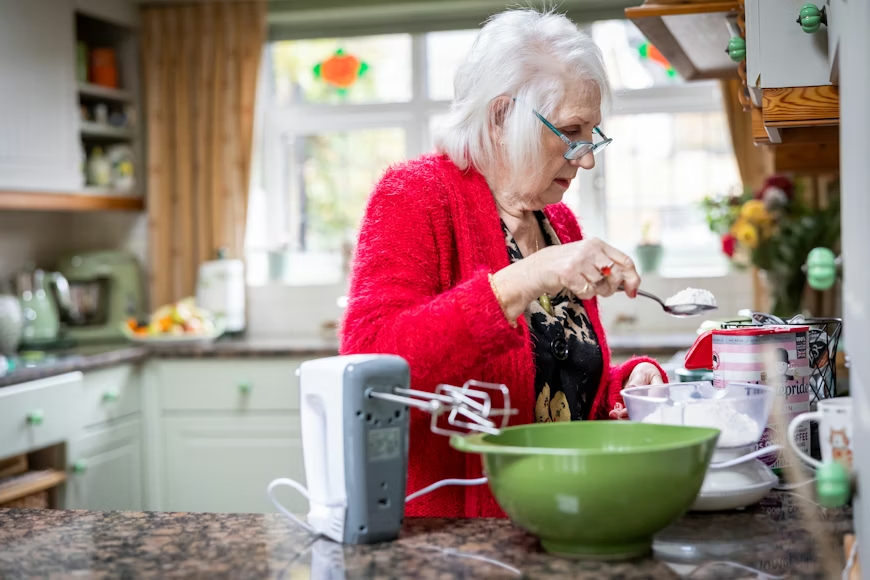
Christmas is a season of joy, togetherness, and tradition—but for families caring for aging loved ones, it can also bring added responsibility and stress. Shorter days, colder weather, busy schedules, and emotional expectations can make elderly care during Christmas more complex than any other time of year. Planning and understanding the value of in-home care during holidays can help families create a safe, warm, and meaningful holiday experience for seniors. This guide explores practical ways to support older adults at home, reduce caregiver stress, and ensure comfort, dignity, and safety throughout the holiday season. Why Christmas Can Be Challenging for Seniors at Home While the holidays are meant to be cheerful, many older adults face unique difficulties during this time. Limited mobility, chronic health conditions, and changes in routine can increase risks and emotional strain. Senior loneliness during holidays is especially common, particularly for those who live alone or have lost loved ones. Cold weather also introduces winter health risks for seniors, including falls, respiratory issues, and worsening joint pain. These challenges make Christmas senior care at home not just a convenience, but often a necessity for families who want their loved ones to remain safe and comfortable. The Importance of In-Home Care During Holidays Choosing holiday in-home care services allows seniors to celebrate Christmas in familiar surroundings while still receiving the assistance they need. From helping with daily tasks to providing emotional support, in-home caregivers during the holidays play a vital role in maintaining quality of life. Key benefits of in-home care during the holidays include: Home care for seniors during Christmas ensures that festive moments are enjoyed without compromising health or safety. Holiday Caregiving Support for Families Family caregivers often take on extra responsibilities during Christmas—shopping, cooking, hosting guests—while still managing daily care tasks. This can lead to burnout, holiday stress, and caregiving fatigue. Professional holiday caregiving support helps families share the load. Trained caregivers can assist with personal care, medication reminders, meal preparation, and mobility support, allowing family members to focus on meaningful time together rather than constant supervision. Christmas Safety Tips for Seniors at Home Safety should be a top priority when preparing the home for holiday celebrations. Simple adjustments can prevent injuries and emergencies. Christmas safety tips for seniors include: These winter caregiving tips help reduce fall risks and keep seniors healthy throughout the season. Supporting Emotional Well-Being and Companionship The emotional side of aging is often overlooked during the holidays. Holiday companionship for seniors can make a powerful difference, especially for those experiencing isolation or grief. Caregivers provide conversation, shared activities, and reassurance—helping seniors feel included in holiday traditions. Whether it’s decorating a tree, watching a classic Christmas movie, or sharing memories, companionship reduces senior loneliness during holidays and promotes emotional wellness. Respite Care During Holidays: Caring for the Caregiver Family caregivers need care too. Respite care during holidays offers temporary relief, allowing caregivers to rest, travel, or recharge. Even a few hours of professional support can prevent exhaustion and improve overall family harmony. By using home care support for families, caregivers can maintain their own health while ensuring their loved ones continue receiving consistent, compassionate care. Winter Health Risks and How In-Home Care Helps Cold weather can worsen arthritis, heart conditions, and respiratory illnesses. Limited outdoor activity may also reduce physical movement, increasing stiffness and fall risk. Senior home care holiday services help manage these challenges by: Proactive care during winter can prevent minor issues from becoming serious health concerns. Caregivers During the Holidays: A Trusted Presence Having reliable caregivers during the holidays ensures continuity of care when routines change. Whether family members are traveling or hosting guests, professional caregivers provide stability and routine—two things seniors rely on for comfort and confidence. For families in Indiana, Indy In-Home Care offers compassionate, professional support tailored to seniors’ unique needs during the Christmas season. Their experienced team understands the balance between safety, independence, and holiday joy. Creating a Meaningful Christmas at Home A successful holiday isn’t about perfection—it’s about presence. Simple traditions, shared meals, and thoughtful conversations can create lasting memories. With proper holiday care for elderly parents, families can focus on connection rather than constant worry. Professional care allows seniors to remain active participants in celebrations while receiving the assistance they need behind the scenes. Choosing the Right Holiday In-Home Care Services When selecting holiday in-home care services, look for providers who: In Indiana, Indy In-Home Care supports families by providing dependable, personalized care that helps seniors stay safe, comfortable, and emotionally supported throughout Christmas and beyond. Final Thoughts The holidays should be a time of warmth, dignity, and togetherness for seniors—not stress or isolation. By prioritizing in-home care during holidays, families can ensure their loved ones experience Christmas in a safe, familiar, and loving environment. With proper planning, professional support, and a focus on emotional well-being, elderly care during Christmas can be both manageable and deeply rewarding—for seniors and caregivers alike.
Care Begins with Clean Hands: What National Handwashing Awareness Week Means for In-Home Care

Every year, National Handwashing Awareness Week reminds families, caregivers, and healthcare professionals that preventing illness often begins with a straightforward act: washing our hands. In the world of in-home care, where seniors, adults with disabilities, and medically fragile individuals depend on safe daily support, proper hand hygiene becomes even more critical. Clean hands reduce infections, protect vulnerable clients, and create healthier home environments. Why Handwashing Is Essential in In-Home Care? Handwashing is widely recognized as the most effective, low-cost method of preventing the spread of infections. The Centers for Disease Control and Prevention (CDC) reports that: For aging adults or individuals with weakened immune systems, a simple respiratory or stomach infection can lead to dehydration, hospitalization, and serious complications. That’s why caregivers must treat handwashing as an essential part of the care routine—not a simple step, but a life-preserving one. Common Illnesses Prevented by Proper Handwashing Consistent handwashing can dramatically reduce the spread of: Respiratory Infections Flu, RSV, pneumonia, and common colds often spread through droplets left on surfaces and hands. Gastrointestinal Infections Bacteria and viruses, such as norovirus, are highly contagious and commonly transmitted through touch. Skin and Soft Tissue Infections Handwashing reduces the spread of harmful bacteria, such as Staphylococcus aureus. Eye Infections Touching the face with unwashed hands increases the risk of conjunctivitis. COVID-19 and Other Viral Illnesses Although airborne, many viruses still spread through contaminated hands and surfaces. How Caregivers Can Practice Proper Hand Hygiene? Caregivers should wash their hands: The rule is simple: When in doubt, wash your hands. CDC-Approved Handwashing Steps For handwashing to be effective, it must follow the recommended 20-second cleaning technique: When water is unavailable, use 60%–70% alcohol-based hand sanitizer as a temporary solution. Helping Seniors Maintain Hand Hygiene Many seniors face challenges such as arthritis, mobility limitations, or memory issues. Caregivers can support them by: Simple modifications can help clients maintain independence while staying safe. Building a Clean and Safe Home Environment Good hygiene extends beyond handwashing. Caregivers should also: 🧼Disinfect High-Touch Surfaces Light switches, remote controls, faucets, doorknobs, and handrails. 🧴Keep Hygiene Supplies Stocked Soap, paper towels, sanitizer, wipes, and gloves. 🚪Encourage Visitors to Wash Hands Especially during flu season or after being outdoors. 🩺Follow Proper Care Protocols Clean hands before any care activity to prevent the spread of germs. How Professional Caregivers Strengthen Home Hygiene? Highly trained caregivers understand that clean hands lay the foundation for safety. Their daily routines—meal preparation, medication reminders, mobility assistance, and companionship—require strict attention to infection control. Professional care teams like those at Indy In-Homecare are educated in sanitation practices to ensure every home environment stays safe, healthy, and protected. Additionally, Indy In-Homecare emphasizes ongoing caregiver education, ensuring that hand hygiene protocols are updated in line with CDC and healthcare guidelines. This commitment ensures families receive reliable, safe, and high-quality support every day. Final Thoughts National Handwashing Awareness Week serves as a powerful reminder that even the smallest daily actions can create safer, healthier homes. For seniors and individuals receiving in-home care, proper hand hygiene isn’t optional—it is essential. Care truly begins with clean hands. By prioritizing handwashing, caregivers protect loved ones, prevent illness, and contribute to a healthier community.
Senior Care at Thanksgiving 2025: Bringing Joy, Peace of Mind, and Family Traditions Home

Thanksgiving 2025 is almost here, and families across the country are preparing to welcome a season of warmth, gratitude, and togetherness. For many families with seniors, this time of year feels significant. Senior Care becomes more than support with daily tasks—it becomes a way to help elderly loved ones stay connected to family traditions, enjoy the holiday season with peace of mind, and experience the extra joy Thanksgiving brings into the home. Whether seniors live alone, with family, or receive care at home, the holidays shine brightest when everyone feels included, supported, and truly valued. With the right approach, families and home caregivers can make this Thanksgiving season home-centered, family-focused, and full of comfort, love, and lasting memories. Why Thanksgiving Matters for Seniors? Thanksgiving is about more than holiday meals—it is a time when seniors connect with the people they love. During this season, family members come together to share gratitude, celebrate their history, and strengthen emotional bonds. For many older adults, continuing these family traditions gives them a sense of identity and belonging. However, the holiday can also feel overwhelming for seniors, especially when changes in health, mobility, or memory affect their participation. This is where supportive Senior Care solutions become essential. The goal is not just to provide Care—it’s to ensure seniors stay involved, feel respected, and enjoy the season’s warmth without stress or strain. The Role of Home Caregivers During the Holiday Season Home caregivers provide essential support that helps seniors enjoy the Thanksgiving season safely and comfortably. They help maintain health routines, prepare meals, organize holiday activities, and create an environment where older adults can relax and feel loved. This support brings peace of mind not only to seniors but also to the entire family. Home caregivers assist, such as: When seniors stay at home for the holiday, they get to celebrate in familiar surroundings, surrounded by memories and comfort. This experience is significant and can make the difference between a stressful holiday and one filled with time, joy, and warmth. Balancing Family Schedules: When Loved Ones Are Stretched Too Thin In many households, Thanksgiving means juggling the demands of work, home, childcare, finances, and holiday preparation. It’s common for family members to feel stretched as they juggle work and holiday responsibilities—especially when their elderly loved ones need daily support. Senior Care services can step in and: This means families can focus on being present—instead of feeling guilty, overwhelmed, or unable to manage everything at once. When home caregivers help with daily tasks, family participation becomes easier, and everyone can enjoy the holiday without feeling worn down or pressured. Supporting Seniors’ Emotional Well-Being During Thanksgiving Mental and emotional health is just as important as physical Care. For many seniors, Thanksgiving can stir memories of loved ones no longer present, changes in health, or reduced independence. Home care and family involvement can help seniors feel: Small gestures go a long way, such as: A Thanksgiving built around connection can strengthen seniors’ feelings of purpose and dignity while supporting overall health. Easy Ways Seniors Can Participate in Family Traditions Even if health challenges limit mobility or energy, seniors can still fully participate in the Thanksgiving season at home. Families can adapt traditions to match seniors’ abilities while still keeping them meaningful. Great participation ideas include: Sharing Family Recipes and Stories Seniors often hold treasured memories and recipes passed down through generations. Including them in meal planning gives them a valued role in the holiday. Holiday Crafts and Activities Simple crafts, photo albums, or gratitude journals can help families bond in meaningful ways. Assigning Light and Fun Responsibilities Seniors can: Even small tasks help seniors feel connected and vital. Creating a Comfortable, Peace-Centered Environment Soft music, warm lighting, and familiar scents of traditional food can nurture peace of mind and emotional comfort throughout the celebration. For Families Living Apart: Staying Close From a Distance Not every family can gather in the same home for Thanksgiving. Some family members may live in different states or even countries. While this can be difficult, technology offers new ways to stay close. Families can: Home Senior Care providers can help seniors stay connected—assisting with calls, ensuring devices are set up, and supporting ongoing communication. Creating a Safe and Healthy Holiday at Home With winter approaching, many seniors face seasonal health challenges. Good health practices help ensure they enjoy the holiday comfortably and securely. Home care support can include: By ensuring safety and health, families protect their elderly loved ones’ well-being while enjoying a stress-free celebration. How Indy In-Home Care Supports Families at Thanksgiving? Indy In-Home Care provides compassionate Senior Care services that help families keep their elderly loved ones supported, safe, and actively involved in the holiday season. With a focus on dignity, independence, and personalized Care, families can experience peace of mind knowing their loved ones are not just cared for but truly enjoying the holiday. Whether families need short-term seasonal support or ongoing home care solutions, Indy In-Home Care helps seniors stay connected to the people, memories, and traditions that matter most. A Thanksgiving Season Full of Joy Thanksgiving is a time to remember what matters: love, gratitude, connection, and togetherness. With proper Senior Care support, seniors can remain at home, surrounded by the familiar comfort of their lives, while families enjoy the extra joy Thanksgiving brings. As we celebrate Thanksgiving 2025, let us honor our elderly loved ones, strengthen family traditions, and create a season filled with time, joy, and warmth—together. From our hearts to yours, this year may your home be full of blessings, peace, and togetherness. And with the support of trusted home caregivers, may every senior feel seen, valued, and truly cherished. For families in need of compassionate support this season, Indy In-Home Care is always here to help.
Simple and Natural Anxiety Relief for Seniors Living at Home
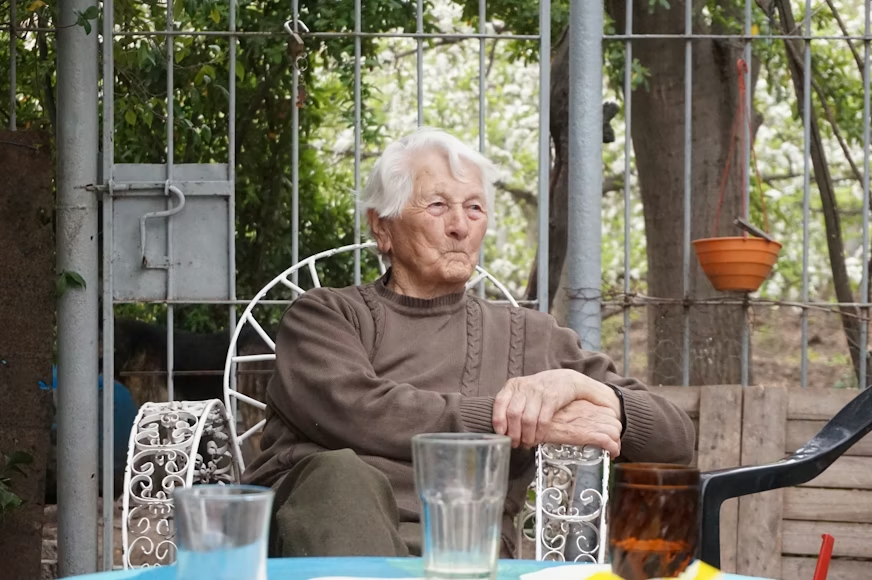
Anxiety is one of the most common nuisances seniors face, often affecting sleep, emotional balance, and daily activities overall. Many older adults want relief but don’t need complicated programs or medication to feel calmer. With simple mindfulness practices and the support that caregivers help provide, seniors can improve their quality of life at home in just minutes a day. These natural methods—breathing exercises, meditation, yoga, and relaxation techniques—can help older adults stay grounded, confident, and emotionally steady. Why Seniors Experience Anxiety? According to the National Council on Aging, anxiety affects a large number of older adults and can become a nuisance for seniors, disrupting sleep, mood, and daily routines. Concerns about health changes, shifting independence, and life transitions can cause emotional strain. But aging doesn’t define golden years—what matters is how we support well-being. The good news is that natural mindfulness practices have proven benefits, reducing stress, improving sleep, and fostering more peaceful daily activities overall. Even just a few minutes a day can yield meaningful results. Mindfulness: A Simple Way to Feel Calmer Mindfulness isn’t about perfection—it’s about paying attention to the present moment. Seniors don’t need hours of practice; even just a few minutes a day can create emotional relief. With mindfulness, older adults can: This approach makes the golden years good by helping seniors stay mentally and emotionally supported at home. Caregivers help reinforce mindfulness by reminding loved ones to pause, breathe, and relax throughout the day. At Indy In-Homecare, caregivers help seniors practice grounding techniques safely and comfortably. Breathing Exercises for Stress Relief Breathing is one of the fastest, easiest ways to reduce anxiety. Slow and steady breathing activates the body’s calming response, helping the mind settle. Seniors can try: Repeating this cycle, even for just a few minutes, can relieve tension and support better emotional control. These exercises can be done anytime—before bed, in the morning, or whenever anxiety appears. Meditation at Home Meditation helps reduce stress by quieting mental noise. It allows older adults to observe thoughts without reacting emotionally. Seniors don’t need perfect silence or advanced training to start—a comfortable chair, soft lighting, and a few minutes of attention are enough. Daily meditation may also: With guidance from family or caregivers, meditation can become a sustainable wellness habit. At Indy In-Homecare, caregivers help seniors build personalized routines that fit their needs and comfort levels. Yoga for Strength, Balance, and Peace Yoga seniors programs are increasingly popular because they offer physical and emotional benefits. Gentle movements can: Yoga also pairs perfectly with breathing and mindfulness routines. Seniors who integrate yoga into their day often feel calmer and more connected to their bodies. Many exercises can be done in a chair, so mobility limitations aren’t a barrier. This is another example of how aging doesn’t define golden—what counts is finding support and habits that nurture body and mind. Improving Sleep Naturally One major challenge in older adulthood is sleep disruption. Anxiety can cause: When sleep becomes disruptive daily, it can affect mood, memory, and the ability to complete daily sleep activities. Meditation and slow breathing before bed can ease the mind, leading to deeper rest and fewer nighttime interruptions. Mindfulness practices can reduce the nuisance of seniors disrupting sleep and help restore calm transitions into bedtime. Mindfulness with Caregiver Support While some seniors enjoy practicing mindfulness independently, others feel more confident with guidance. Caregivers help with: Support from loved ones reinforces motivation and consistency. At Indy In-Homecare, caregivers help seniors integrate wellness tools that align with their personal needs, lifestyle, and comfort levels. A More Peaceful Life Is Within Reach Older adults don’t need complicated systems or expensive equipment. Even just minutes a day of: It can significantly reduce anxiety and improve emotional health at home. Mindfulness helps remind seniors that golden years are good and meaningful—filled with opportunities to find peace, balance, and daily joy. With patience, practice, and proper support, seniors can feel calmer, better rested, and more in control of daily activities—one mindful moment at a time.
Honoring Veterans with Dedicated In-Home Care: Support, Service & the Sacrifice of Our Heroes

Veterans are among the most respected members of our society—heroes whose commitment, sacrifice, and lives have shaped the freedoms we enjoy today. As they age, many veterans require compassionate in-home care that supports independence, strengthens emotional well-being, and improves their daily quality of life. Today, in-home services are among the most effective ways to support veterans, providing them with the personalized assistance and comfort they deserve. According to the U.S. Census Bureau, there are 16.2 million veterans in the United States, and nearly 50% are age 65 or older. Additionally, 3.8 million veterans live with a service-connected disability, making specialized in-home support essential. As the veteran population ages, the need for accessible, professional, and reliable in-home care continues to grow. This is where providers like Indy In-Homecare make a meaningful difference, offering personalized care that meets veterans in the place they feel safest—their home. Why In-Home Care Is Essential for Veterans? Personalized Daily Support Veterans often require personal care such as bathing, grooming, dressing, mobility assistance, and meal preparation. In-home caregivers deliver these services with respect and dignity, allowing veterans to remain independent. Specialized Assistance for Service-Related Conditions Whether a veteran is managing chronic pain, limited mobility, traumatic injuries, or post-service disabilities, professional home care provides tailored support. In-home care plans ensure that their unique needs are consistently addressed. Emotional & Mental Health Support Over 11% of veterans experience PTSD, and many face loneliness or isolation. In-home caregivers offer steady companionship and emotional support, helping veterans stay connected and engaged in life. Honoring Heroes Through Daily In-Home Assistance Providing home care is a powerful way of honoring heroes who dedicated their lives to national service. In-home caregivers work one-on-one with veterans, offering the stability and routine they need to thrive. Through support, encouragement, and reliable daily assistance, caregivers help veterans achieve: Whether the goal is long-term care or short-term recovery, in-home care empowers veterans to live life on their own terms. Veterans Day & The Importance of Continuous Care Every year, Veterans Day reminds us to celebrate the lives of protected brave men who defended our nation. It’s a time when communities gather to honor veterans, care veterans day activities take place, and families reflect on the freedoms we enjoy. But the need for care doesn’t end when the holiday does. Veterans deserve year-round recognition—not only through ceremonies, but through reliable home care veterans services that acknowledge their sacrifices daily. Many veterans rely on in-home care to stay safe, healthy, and engaged in meaningful routines. Thanks to organizations like Indy In-Homecare, veterans can today enjoy freedoms made possible by their own sacrifice. Through ongoing care, we help ensure the freedoms protected by the brave actions of our service members remain valued. How In-Home Care Helps Veterans Live Safely at Home? Independence & Comfort More than 77% of older adults prefer to age at home. Veterans especially value their independence, and in-home care allows them to stay where they feel most comfortable. Professional Medical Coordination Many veterans require specialized medical attention. Professional home care helps manage chronic illnesses, medication routines, recovery care, and health monitoring—right from the comfort of home. Help with Everyday Living From transportation to grocery shopping to household tasks, in-home caregivers provide essential daily support that helps ensure a safe and stable lifestyle. Tailored Care for Every Situation Whether it’s short-term recovery or lifelong support, in-home care adapts to the veteran’s changing needs. This flexibility ensures long-term safety and satisfaction. With dedicated assistance from Indy In-Homecare, veterans receive dependable attention that honors their contributions and supports their well-being. Conclusion: Continuing the Sacrifice Through Compassionate Care Veterans gave their strength, service, and courage to protect our nation. The best way we can give back is by offering high-quality in-home care that respects their independence and honors their legacy. Through personalized care plans, daily living support, emotional companionship, and professional in-home assistance, we help veterans maintain dignity and comfort—ensuring their sacrificed lives—qualities continue to inspire future generations. In-home care is more than a service; it is a meaningful way to help live, respect service, and honor the heroes who protected us.
Breast Cancer In-Home Care Support: Ensuring a Safe and Comfortable Recovery

Recovering from breast cancer is more than a medical journey—it’s an emotional, physical, and deeply personal experience that affects the individual, their mother, their family, and especially their seniors, who may already rely heavily on home care and daily help. With rising cancer rates and increasingly complex treatment plans, creating a comfortable and safe home environment is becoming essential for long-term wellness. According to the American Cancer Society, more than 310,000 women in the United States receive a breast cancer diagnosis every year, and about one in eight women will face the disease at some point in their lives. As treatments like surgery, chemotherapy, and radiation become more effective, survivors are living longer—but they’re also returning home with more needs than ever before. This is where quality care, emotional support, and the presence of professional home caregivers make a life-changing difference. The Rising Need for Structured Home Care After Breast Cancer Surgery After breast cancer surgery, patients often return home with limited mobility, discomfort, and an understandable need for reassurance. Statistics show that nearly 65% of breast cancer patients require some personal care assistance within the first 30 days after surgery. Tasks such as bathing, dressing, preparing meals, or even light stretching can feel overwhelming. This is why many families turn to professional home services that specialize in helping individuals stabilize their health, conserve energy, and adopt a healing-focused routine. Creating a safe, comfortable home supports faster physical healing. It helps patients feel grounded—something significant for older adults and seniors, who may already be dealing with other health conditions while supporting a loved one with cancer. Families across Indiana often rely on Indy In-Homecare at this stage, as the service provides trained caregivers who understand the complexity of post-surgical needs. The Importance of Emotional Support: A Listening Ear During Recovery Cancer affects so much more than the body. Patients recovering from breast cancer procedures and treatments like chemotherapy frequently report high levels of anxiety and loneliness. Studies reveal that up to 44% of survivors experience some level of depression within the first year after diagnosis, particularly after cancer diagnosis treatment begins. A compassionate listening ear at home—someone who understands the emotional rollercoaster of support for breast cancer care—can dramatically improve recovery outcomes. Consistent emotional support has been shown to reduce hospital readmissions by nearly 30%, while also enhancing long-term mental health. This confirms what many families already know: healing at home isn’t just physical—a supportive presence matters. Building a Comfortable Home Environment for Cancer Recovery The home is more than a place to sleep—it becomes a recovery hub. A healing-focused home environment should include: ✔ Light housekeeping Patients recovering from breast cancer often lack the strength for chores. Clean, organized spaces reduce stress and lower the risk of infection. ✔ Mobility safety Rugs, clutter, and poor lighting can create hazards. Falls remain the #1 cause of injury in seniors, and recovery makes mobility even harder. ✔ Nutritious meal support Healthy eating rebuilds strength and reduces treatment-related fatigue. ✔ Medication reminders Up to 50% of cancer patients forget or mismanage medications without support at home. ✔ Comfort-focused routines Fresh linens, warm showers, and personalized comfort items help maintain calm and stability. All of these contribute to a comfortable home, which research shows correlates with faster recovery, fewer complications, and better emotional well-being. Indy In-Homecare provides this structured care through customized plans tailored to each patient’s needs. Focus on Recovery: The Role of Professional Home Caregivers Trained caregivers are essential for individuals recovering from breast cancer, especially those experiencing fatigue, pain, post-surgical drains, or ongoing therapy. Professional home caregivers support patients with: A strong caregiver team ensures that patients can truly focus on recovery, without being overwhelmed by the demands of everyday life. This type of comprehensive assistance is precisely what families expect from trusted providers like Indy In-Homecare, known for compassionate, high-quality support. Holistic Support for Patients with Breast Cancer: From Diagnosis to Long-Term Care The breast cancer journey typically involves three core stages: Diagnosis The shock of a breast cancer diagnosis often brings fear, confusion, and unanswered questions. Emotional stability becomes a priority. Treatment Surgery, chemotherapy, and radiation can cause fatigue, weakness, nausea, and cognitive fog (“chemo brain”). Home-based assistance improves safety and consistency during this phase. Long-Term Recovery Healing continues for months or even years. Patients rebuilding their strength need practical and emotional support, steady routines, and a peaceful recovery space. Throughout these phases, home care services ensure continuity, balance, and stability—especially important for multi-generational households where mother, daughters, or aging family members may feel the emotional weight of navigating breast cancer challenges together. Why Home Matters: The Benefit of Recovering in a Familiar Space Home is a sanctuary. Studies show that recovering in a familiar environment significantly: Many survivors report feeling more empowered and more in control of their recovery when surrounded by loved ones, familiar objects, and personalized comfort routines. This creates the ideal foundation for regaining strength—physically, mentally, and spiritually. Final Thoughts Breast cancer is a life-altering journey, but recovering at home helps individuals rebuild their lives with dignity, strength, and hope. From light housekeeping to emotional connection, from structured health routines to a soothing home environment, every small act of care contributes to healing. When families seek dependable support, especially during the challenging phases of treatment and recovery, professional services provide comfort, confidence, and stability.
Low Vision Care for Seniors in Indiana: Support for Safety and Independence

Seniors with low vision face unique challenges that impact their daily routines and overall safety at home. Managing tasks like cooking, navigating their living spaces, and reading labels becomes more difficult, increasing the risk of accidents and loss of independence. In-home care in Indiana offers specialized support tailored to these needs, helping seniors maintain their safety and autonomy. In-home caregivers use strategies such as home modifications, assistive devices, and clear communication to create a safer environment where seniors feel confident and supported. These tailored services empower older adults to live more independently while reducing the risk of falls and other injuries common among those with vision impairments. By combining the expertise of professional caregivers with personalized attention, families in Indiana can ensure their loved ones receive the care necessary to thrive despite vision loss. This approach also provides emotional support and companionship, both vital to well-being. For more on this topic, see how in-home care helps seniors with vision loss in Indiana. Understanding Low Vision in Seniors Low vision in older adults often results from specific eye conditions that progressively affect sight. This impairment can significantly alter how seniors perform daily activities and influence their overall quality of life. Identifying the causes, impacts, and signs is essential for timely support and care. Common Causes of Vision Loss in Older Adults Several eye diseases are the primary contributors to vision loss among seniors. Cataracts cause clouding of the eye’s lens, leading to blurry or dim vision that worsens over time. Glaucoma involves increased pressure inside the eye, which damages the optic nerve and can lead to irreversible vision loss if left untreated. Macular degeneration affects the central part of the retina, impairing the ability to read, recognize faces, and see fine details. Diabetic retinopathy results from diabetes-related damage to retinal blood vessels, causing fluctuating and often deteriorating vision. Regular eye exams can detect these conditions early, allowing for treatments that may slow progression. Impact of Visual Impairment on Daily Life Vision impairment significantly affects seniors’ ability to perform everyday tasks safely and independently. Activities such as reading, cooking, and managing medications become challenging or hazardous. Reduced sight also increases the risk of falls and accidents within the home. Social engagement suffers when seniors struggle to recognize faces or navigate unfamiliar environments. This can lead to isolation and emotional distress. Maintaining independence often depends on adapting living spaces and routines to accommodate shifting vision needs, using tools like magnifiers, high-contrast labels, and improved lighting. Recognizing Signs and Symptoms of Low Vision Early identification of low vision is critical to effectively managing the condition. Seniors may report difficulty reading small print or recognizing faces, even with glasses. They might experience frequent headaches, eye strain, or trouble adjusting to changes in light. Other symptoms include blurred or distorted vision, loss of peripheral sight, and increased sensitivity to glare. Family members and caregivers should watch for behaviors like reluctance to move around independently or sudden withdrawal from activities. Prompt professional evaluation helps determine specific causes and the best course of action. For more detailed information on managing vision loss and improving safety, see how in-home care supports seniors with low vision in Indiana. Key Challenges for Seniors with Low Vision Low vision in older adults creates distinct difficulties that affect daily routines, emotional well-being, and overall life satisfaction. Addressing these challenges requires a clear understanding of how vision loss affects safety, social engagement, and everyday activities. Reduced Independence and Safety risks Seniors with low vision often face increased risks of falls and accidents at home due to difficulty navigating unfamiliar or cluttered spaces. Tasks such as cooking, medication management, or using household appliances become more hazardous without clear visual cues. Reduced ability to read labels, medication instructions, or warning signs can further compromise safety. This loss of independence may lead to reliance on caregivers or family members for routine tasks, affecting their self-confidence. Home modifications like improved lighting, contrasting colors on important objects, and organizing spaces to minimize obstacles can help maintain safety. In-home care services in Indiana often focus on creating secure environments for seniors, supporting their ability to live independently as much as possible. Emotional and Social Implications Vision loss impacts emotional health by increasing feelings of isolation and depression among seniors. Difficulty recognizing faces, reading social cues, or engaging in hobbies can lead to withdrawal from social activities. Without sufficient emotional support, older adults may experience frustration or anxiety related to their decreasing abilities. This can affect motivation to participate in community events or maintain relationships. In-home caregivers provide companionship and help with accessing social opportunities to reduce loneliness. Emotional support tailored to vision-related challenges helps preserve dignity and promotes mental well-being. Barriers to Quality of Life Low vision can substantially limit engagement in meaningful activities that contribute to quality of life, such as reading, crafts, or watching television. Loss of these interests decreases mental stimulation and life satisfaction. Inability to perform everyday tasks independently also affects nutrition, hygiene, and mobility, compounding health issues. Seniors may struggle to adapt without specialized tools or training. Providing aids like magnifiers, talking devices, and tailored activities can improve function. In-home care programs in Indiana frequently emphasize empowering seniors with low vision to maximize their abilities and maintain a fulfilling lifestyle. Regular consultations with vision specialists also support sustained quality of life through adaptive strategies. Role of In-Home Care in Indiana In-home care services provide seniors with low vision with the support they need to maintain safety and independence at home. These services focus on personalized assistance tailored to each individual’s daily challenges and preferences. Benefits of In-Home Care for Low Vision In-home care helps reduce risks associated with vision loss, such as falls and medication errors. Caregivers assist with tasks like meal preparation, housekeeping, and safe navigation around the home. This personalized help ensures seniors maintain autonomy without compromising their safety. Emotional support and companionship also improve mental well-being, which is crucial for low-vision seniors who may experience isolation. Access to transportation and errand assistance enables continued engagement
Comfortable Bathing Solutions for Safe In-Home Care

Bathing is more than a daily necessity—it’s an experience that nurtures comfort, confidence, and dignity. For many older adults and individuals with mobility health challenges, maintaining a comfortable bathing experience can become increasingly complex over time. That’s where caregivers and home support solutions play a vital role in making bathing safe, comfortable, and pleasant. Every person deserves to feel refreshed and secure while bathing, regardless of physical ability. With thoughtful planning, compassionate care, and modern in-home bathing solutions, we can transform what might feel like a challenging task into a comforting ritual essential to daily life. Understanding the Importance of Bathing in Daily Care Bathing daily is not just about hygiene—it’s about well-being. The bathing experience contributes to overall health, comfort, and mental peace. Many consider it a daily ritual essential for maintaining hygiene, confidence, and self-esteem. However, for those living with limited mobility, health concerns, or disabilities, bathing can be intimidating. The fear of slipping, difficulty getting in and out of the tub, or even maintaining a balanced hygiene pose can create discomfort and anxiety. That’s why comfortable bathing solutions and professional caregivers are essential to support and ensure every experience is safe and comfortable. In-Home Bathing: Bringing Safety and Comfort to Every Home In-home bathing allows individuals to enjoy their daily hygiene routines in familiar surroundings. The privacy and comfort of one’s home can make a huge difference, especially for seniors or those recovering from illness or surgery. In-home bathing daily routines are often tailored to each person’s needs. Caregivers are trained to assist with bathing safely while maintaining the individual’s dignity. They use specialized equipment, gentle communication, and patience to provide a safe, comfortable daily bathing experience. By focusing on in-home bathing, caregivers ensure that individuals remain clean, refreshed, and emotionally supported while avoiding unnecessary stress or strain. The Role of Caregivers in Ensuring a Pleasant Bathing Experience Caregivers are at the heart of a safe, comfortable bathing routine. Their primary goal is to make every bathing experience a pleasant and comfortable. They understand that each person’s needs vary based on their mobility health, age, or specific health conditions. Through proper training and compassion, caregivers help with: They also help make bathing daily a ritual that promotes confidence and reduces anxiety. A pleasant bathing experience can even become something individuals look forward to—a moment of peace, warmth, and renewal. Creating a Safe and Comfortable Bathing Environment A safe, comfortable bathing environment combines the proper setup, tools, and techniques. For individuals needing assistance, making minor home modifications can significantly reduce risks. Comfortable bathing solutions may include: These bathing solutions help caregivers and families provide support and minimize falls, slips, or discomfort—allowing for a pleasant daily experience. Bathing as a Daily Ritual Essential Bathing daily is more than hygiene—it’s a daily ritual essential for maintaining physical and emotional balance. The routine can become a grounding moment in the day, offering relaxation and a sense of accomplishment. For many, especially older adults, a daily bathing ritual contributes to feeling fresh, alert, and confident. When supported by attentive caregivers, in-home bathing daily helps preserve independence and enhances quality of life. Through this consistent care, individuals experience cleanliness and comfort—a reminder that self-care is an ongoing act of dignity and self-respect. Maintaining Hygiene and Health Through Bathing Maintaining hygiene is vital for preventing infections, skin irritation, and discomfort. Regular bathing supports mobility health by improving circulation and flexibility. It also boosts mood and reduces stress. When individuals face challenges due to limited mobility or chronic illness, health concerns, ensuring safety and cleanliness become even more critical. Professional caregivers can monitor skin changes, dryness, or wounds during in-home bathing, alerting families or medical professionals early if issues arise. A well-managed bathing experience ensures comfort while preventing potential complications—creating a holistic approach to hygiene and wellness. Making Bathing Safe, Comfortable, and Personalized Every person deserves a safe, comfortable bathing routine tailored to their preferences. Caregivers adjust to ensure the experience is pleasant through preferred bath products, water temperature, or a gentle massage during washing. Making support available through adaptive tools and personal attention ensures safety and enhances emotional connection. Individuals who receive such considerate care often feel more confident and relaxed, reinforcing trust and routine. A truly comfortable bathing experience is not just physical—it’s emotional and personal, helping individuals reconnect with themselves daily. Comfort, Confidence, and Compassion: The Heart of Bathing Care When it comes to comfortable bathing, three principles stand out: These values guide caregivers in creating a bathing experience that prioritizes safety and serenity. Families and professionals understand that even the smallest details—soft towels, gentle lighting, warm water—can make an ordinary task an extraordinary moment of care. Why Comfortable Bathing Solutions Matter for Mobility Health? As mobility health declines, maintaining independence becomes a significant goal. Being such an intimate task, bathing can become one of the first challenges. With proper, comfortable bathing solutions, seniors and those with disabilities can continue bathing safely at home. These bathing solutions reduce fall risks and physical strain while promoting relaxation. They also ease the role of caregivers, ensuring the entire routine is smooth, safe, and efficient. Whether through adaptive equipment or personal care strategies, the focus remains on preserving dignity and safety. Providing Support Through Professional Care Families often struggle to balance safety and independence when loved ones require help with bathing. This is where professional caregivers and home care services like Indy In-Homecare step in. They provide expert assistance in in-home bathing, helping individuals maintain daily cleanliness, comfort, and confidence. Whether through specialized equipment or hands-on help, their compassionate support ensures daily bathing is a safe and comfortable experience. For many families, this consistent, professional assistance brings peace of mind and improved quality of life. The Emotional Side of Bathing Bathing can be intensely emotional. It’s a time when people feel vulnerable, especially if they need help. The right bathing experience focuses not only on physical comfort but also on emotional reassurance. Caregivers create a respectful and calm atmosphere—maintaining modesty, speaking gently, and always
Indiana Medicaid Appeals: How to File, Deadlines, and What to Expect

Indiana Medicaid appeals can feel confusing and overwhelming when services are denied, reduced, or delayed. Many families rely on Medicaid to maintain home health, safety, and independence. Whether you’re appealing home health services, requesting a judicial review, or trying to understand Indiana’s appeal system, knowing your rights makes a big difference. This guide offers clear steps to help you file an appeal confidently—whether it’s related to an individual medical condition, prior authorization, or another Medicaid service issue. When to File an Appeal Under Indiana Medicaid? Understanding when to file an appeal is the first step to protecting your benefits. Under Indiana Medicaid, individuals can challenge coverage, eligibility, or service level decisions. Sudden Reduction or Termination of Services If your home health hours or budget have been reduced or stopped without any change in the individual’s medical condition, you should file an appeal immediately. Filing within 10 days can sometimes allow services to continue unchanged while your case is under review. Always save your Medicaid notice and the envelope it came in to verify the mailing date—this can be critical to meeting the deadline filing requirement. Services Approved Below the Requested Level You may appeal if your medical provider or home health services agency requested certain hours or therapies and Indiana Medicaid approved less than that. Typically, you have 60 days to file. If the denial puts the person’s health at risk, you can request an expedited review under Medicaid’s urgent criteria. Change in Individual Medical Condition When there’s an apparent change in an individual medical condition—for example, increased mobility issues or new complications—you can request an increase in services anytime. This may be handled through your care coordinator, but if denied, you can file appeal documents to begin the process formally. Supporting records from your physician will strengthen your case. Changes in Household or Caregiver Availability Sometimes, changes in caregiver availability—such as illness, divorce, or death—affect how much care the individual receives. If this happens, contact your coordinator immediately. Even though Medicaid services are primarily based on medical necessity, family circumstances can still influence the final decision. Some cases are resolved informally before a full appeal is needed. Tip: Always keep copies of all notices, assessments, and correspondence. Missing documents can delay your state fair hearing or judicial review. Indiana Medicaid Appeal Levels Explained (2025) The Indiana Medicaid appeals process involves several steps, starting internally and potentially ending at the Indiana Supreme Court. Each level has specific deadlines, authorities, and rules. Level 0 – Plan or DFR Reconsideration Who reviews: Your managed-care plan or Division of Family Resources (DFR) Deadline to file: 60 days from notice dateIf denied, proceed to a state fair hearing. Level 1 – State Fair Hearing Who reviews: Administrative Law Judge (ALJ) with the Office of Administrative Law Proceedings (OALP) Deadline to file: 33 days (13 days if you wish to maintain services)Unfavorable decisions can be appealed to the Final Agency for review. Level 2 – Ultimate Authority Review Who reviews: FSSA Secretary or their designee Deadline to file objections: 15 days from ALJ’s orderIf denied, you may pursue judicial review in state court. Level 3 – Judicial Review (Trial Court) Who reviews: Indiana Circuit or Superior Court Deadline to file: 30 days from Final Agency orderFurther appeals can go to the Indiana Court of Appeals. Level 4 – Indiana Court of Appeals Who reviews: Three-judge panel Deadline to file: 30 days from trial court’s rulingYou may then petition the Indiana Supreme Court. Level 5 – Indiana Supreme Court Who reviews: State’s highest court Deadline to file: 45 days after the Court of Appeals decisionRulings here are typically final unless a federal issue exists. Level 6 – U.S. Supreme Court (Rare) Who reviews: The U.S. Supreme Court, only for federal or constitutional concerns Deadline to file: 90 days after the Indiana Supreme Court’s ruling Key Guidelines for a Successful Appeal This structured appeals pathway shows how a dispute—beginning with a local home health services denial—can progress step by step through Indiana Medicaid appeals, ultimately reaching the U.S. Supreme Court in rare cases. Essential Resources to Support Your Medicaid Appeal The more informed you are, the stronger your appeal will be. Whether you’re challenging Medicaid services denied, addressing prior authorization, or building a case for change in individual medical circumstances, the following materials can help you prepare effectively. EPSDT – Early and Periodic Screening, Diagnostic, and Treatment For children under 21, EPSDT ensures that Indiana Medicaid covers all medically necessary treatments—even those not typically part of standard benefits. If your child’s therapy, nursing care, or equipment is denied, you can file an appeal referencing EPSDT rights. EPSDT requires that each case be reviewed based on the child’s medical condition, not just on budget or service limitations. It’s one of the strongest protections for young patients and families. IHCP Medical Policy Manual The IHCP medical policy manual is the core rulebook for Indiana Health Coverage Programs. It’s an essential reference for anyone involved in appeals or prior authorization disputes. It includes: Families, providers, and care coordinators use this manual to cite policies that support coverage. You can reference it in your judicial review or final agency appeal to demonstrate how your request aligns with state policy. 🔗 Access the IHCP Medical Policy Manual to review the most current version before you file. Home Health Services – Provider Reference Manual This guide clarifies how Indiana Medicaid determines eligibility and authorization for home health services. It explains how hours of care are calculated based on medical need and how caregiver availability factors into decision-making. It’s beneficial when Medicaid services are denied or reduced, giving you specific language to support your appeal. 🔗 Review the Home Health Services Reference Manual for practical guidance and examples. Additional Tools for Families and Providers In addition to manuals, Indiana provides official appeals resources to simplify each step—from file appeal forms to sample notices and judicial review instructions. These references show how final agency decisions are made and can help you prepare more persuasive