
Prioritizing Oral Health for Seniors: A Key to Better Overall Health and Quality of Life
As we age, maintaining good health becomes increasingly important, and one area that is often overlooked in older adults is oral health. The connection between oral health and overall health is profound, particularly among seniors, who are more susceptible to various health issues related to poor oral hygiene. For older individuals, dental care is more than just a matter of a bright smile—it’s a vital part of sustaining a high-quality life and avoiding serious conditions. This comprehensive guide explores how oral health affects older adults, gum disease and poor oral health risks, and the importance of regular dental visits. Whether you’re a caregiver, a family member, or a senior yourself, understanding these issues can empower better decision-making and promote healthier, longer lives. The Overlooked Connection Between Oral and Overall Health For seniors, maintaining oral health is not just about dental aesthetics. Poor oral hygiene can lead to systemic disease, affecting the heart, lungs, and even the brain. In fact, oral health issues can result in bacteria from the mouth entering the bloodstream through the gums, increasing the risk of heart disease, diabetes, and other conditions. Research shows that untreated dental health problems can directly impact the health and quality of life, particularly for older adults. Poor oral habits, such as infrequent brushing or skipping regular dental checkups, can exacerbate gum disease, leading to more serious complications over time. Common Oral Health Issues in Older Adults Several oral health issues disproportionately affect seniors. These include: Also known as periodontal disease, this is one of the most common oral health issues facing older adults. Gum disease starts with plaque buildup and can lead to bleeding gums, infections, tooth loss, and even allow harmful bacteria to enter the bloodstream through the gums. While often thought of as a childhood concern, tooth decay remains prevalent in older populations. Dry mouth—a common side effect of medications—reduces saliva production, making the mouth more susceptible to bacteria and disease. Seniors are at a higher risk of developing oral cancers. Early detection through regular dental visits is critical to effective treatment. Poor oral hygiene can stem from cognitive decline, arthritis, or lack of access to dental care, making it harder for older adults to brush or floss effectively. How Oral Health Affects Quality of Life Maintaining oral health is directly tied to a person’s ability to eat, speak, and socialize confidently. Seniors experiencing dental problems may avoid certain foods, leading to nutritional deficiencies. Difficulty speaking or fear of bad breath can cause social withdrawal, impacting mental well-being and overall happiness. A poor oral state can be emotionally distressing and physically limiting, ultimately lowering the health quality of life of older adults. Addressing these issues through proactive care helps maintain dignity, confidence, and overall wellness. The Importance of Regular Dental Visits Regular dental visits are crucial for seniors to detect oral health issues early. Professional cleanings, X-rays, and evaluations ensure that any developing issues—from gum disease to oral cancers—are caught and treated in time. Unfortunately, many older adults forego dental care due to financial limitations, lack of transportation, or simply not realizing its importance. Yet, skipping these visits increases the risk of poor oral health and the subsequent decline in overall health. Consequences of Poor Oral Health in Seniors Bacteria from untreated gum disease can enter the bloodstream through the gums, potentially leading to heart disease, diabetes, and other chronic conditions. Inflammation in the mouth can trigger systemic inflammation, worsening existing health issues. Poor oral hygiene can result in inhaling bacteria, leading to infections such as pneumonia—particularly dangerous for older individuals with weakened immune systems. Missing or painful teeth can make chewing difficult, affecting digestion and reducing nutrient intake, which further deteriorates overall health. Prioritizing Oral Health: A Preventive Care Strategy Promoting good oral health in seniors requires a proactive and preventive approach. Families and caregivers should take steps to ensure consistent hygiene habits and access to dental services. Daily Care Routine Professional Support Diet and Nutrition Oral Health and Chronic Conditions For seniors already managing chronic illnesses like heart disease or diabetes, prioritizing oral health becomes even more essential. These conditions can worsen with poor oral hygiene, and the medications used may dry out the mouth or increase susceptibility to infection. By addressing oral health proactively, we can reduce the impact of other health issues, improving the overall quality of life and reducing healthcare costs in the long term. Oral Health Seniors Care Tips Services like Indy In-Homecare provide valuable assistance to seniors, especially those with mobility or cognitive challenges. Trained caregivers can help with daily hygiene tasks, medication reminders, and escorting clients to dental appointments, ensuring consistent attention to oral health. Families should be aware of the signs of oral health issues in their aging loved ones. These signs include: Education leads to early intervention and better health outcomes. Cost-Effective Oral Health Programs for Seniors Many community clinics and dental schools offer discounted or free dental care for seniors. Medicare typically doesn’t cover dental, so finding local support services or insurance alternatives is essential. Nonprofit organizations can help older adults access care, ensuring that regular dental visits are not a financial burden. Indy In-Homecare partners with several community resources to help families find affordable solutions for dental health services. Through coordination with local providers, older adults get the care they need without compromising on quality. The Role of Caregivers in Oral Health Management Caregivers play a vital role in prioritizing oral health for older adults. Beyond assisting with brushing and flossing, they can monitor for symptoms of disease, schedule regular dental visits, and ensure proper follow-up after treatments. They also act as advocates—making sure that dental health remains a priority in every care plan. A good caregiver understands the link between oral health and overall health, striving to preserve the dignity and well-being of the people they support. Their consistent efforts can make a significant difference in preventing oral health issues and improving quality of life. Overcoming Challenges to Better Oral Health Despite the importance, barriers
Senior Day Program: Affordable, Engaging Care for Older Adults

As the global population ages, the demand for supportive care services tailored to the unique needs of older adults has risen dramatically. One of the most effective solutions today is the senior day program—a structured, cost-effective care option bridging the gap between home care and institutional care. Whether you’re a caregiver seeking reliable support or a family member trying to balance responsibilities, senior day programs provide a welcome alternative that promotes dignity, engagement, and quality of life. This blog explores the ins and outs of senior day programs, how they benefit older adults, and why they are an essential service in today’s caregiving landscape. What is a Senior Day Program? A senior day program, sometimes called an adult day care or day care program, is a professional service designed to support older adults during daytime hours. These programs offer structured activities, health-related services, social interaction, and personal care in a safe environment. Unlike traditional home care in a client’s residence, senior day programs occur in a community setting, providing both variety and stimulation to participants. Why Choose a Senior Day Program? There are many reasons to consider enrolling a loved one in a senior day program. Here are just a few of the benefits: A cost-effective care solution, senior day programs are more affordable than full-time nursing facilities. They offer effective care during business hours, enabling families to continue working or managing other responsibilities while ensuring their loved one receives support. Older adults stay active and socially engaged with daily activities, games, discussions, art sessions, and physical movement. These services meet needs related to mental, emotional, and physical well-being, improving their overall quality of life. Caregivers often face burnout from providing 24/7 care. A senior day program allows them to rest or work, knowing their loved one is safe and well cared for. Key Services Provided by a Senior Day Program Every senior day program may differ slightly, but most offer the following care programs: From board games and puzzles to musical entertainment and crafting, daily activities are designed to stimulate the mind and body. Nurses and care aides may help monitor vital signs and ensure older adults receive the appropriate medication at the right time. Programs typically include meals that accommodate dietary restrictions, nourishing adults throughout the day. Support with activities of daily living, such as bathing, grooming, and mobility, ensures dignity and cleanliness. Many programs provide pickup and drop-off services, including help with attending appointments like doctor visits or therapy. How Senior Day Programs Meet the Needs of Older Adults? Modern senior day programs adapt to the changing needs of today’s aging population. Let’s look at how they effectively support older adults and their families: Personalized Care Programs Each individualized care program addresses participants’ specific physical, mental, and emotional needs. Whether someone has mobility issues, early-stage dementia, or mild depression, the program can adapt. Cognitive Stimulation Many seniors experience cognitive decline with age. Through music therapy, memory games, and group discussions, a daycare program helps preserve mental function. Physical Well-being They often incorporate light exercises like chair yoga or walking groups. These activities help maintain strength and balance, reducing the risk of falls. Emotional and Social Connection Loneliness can significantly impact health in older adults. Being part of a senior day program reduces isolation and promotes friendships. Choosing the Right Senior Day Program Not all daycare programs are the same. Here are factors to consider when choosing the best one: Ensure the program provides comprehensive services, including healthcare monitoring, meal preparation, and transportation. Trained caregivers and favorable staff-to-participant ratios ensure that your loved one will receive attentive, compassionate care. Look for a clean, welcoming space. During a tour, observe if participants are actively involved and women are socializing at tables—this could indicate a positive atmosphere. A good care option should allow full-time or part-time attendance, depending on your needs. Common Types of Adult Day Care Programs There are three main types of adult day care: Social Adult Day Care prioritizes socialization, activities, and recreation. This program is ideal for physically independent seniors who still require companionship. Includes skilled nursing, medication assistance, and physical therapy. These programs are particularly beneficial for older adults who have medical conditions. Tailored for individuals with memory loss, these programs create a safe, calm, and supportive environment. Who Can Benefit from a Senior Day Program? A senior day program is particularly beneficial for the following groups: For example, someone like Mrs. Johnson, a retired teacher, may spend her day in a senior day program participating in a book club, chatting with other older adults, or doing chair yoga—all while her daughter works full-time. She might later post a picture from the day on an older adult Facebook group to share her joy. Indy InHomeCare and Senior Day Programs At Indy InHomeCare, we understand the value of community and independence. We proudly recommend senior day programs to supplement our home care offerings. Our care coordinators assist families in identifying cost-effective, high-quality daycare options that align with your loved one’s needs. Whether looking for a program with enriching activities, skilled staff, or support for attending appointments, Indy InHomeCare helps ensure that every care option is personalized and purposeful. How to Get Started with a Senior Day Program? Starting a senior day program journey is easy when you follow these steps: Evaluate your loved one’s physical, emotional, and social needs. Are they struggling with isolation? Do they need help during the day while you’re at work? Search for reputable day care programs nearby. Ask questions about staff credentials, daily schedules, and safety protocols. Tour the facility. Observe whether older adults seem engaged and comfortable. You might notice small groups where women sit at a table, chatting over tea or playing cards—this is a positive sign. Some centers allow trial attendance before enrollment. This helps determine whether the program aligns with your loved one’s needs. Reach out to Indy InHomeCare for assistance in selecting a program. Our experts help guide families toward effective care options that promote
Avoiding Senior Financial Scams: Real Cases of Fraud and How to Stay Safe
As financial scams become more advanced, older adults are increasingly being targeted. From tech support scams to government impersonation fraud, scammers are stealing billions from seniors every year. This guide explores the most common financial scams targeting seniors, explains how each scam works, shares real fraud cases, and provides steps to protect older adults from scams and financial exploitation. Why Financial Scams Target Older Adults Financial scams and fraud schemes often target seniors for several reasons: These factors make older adults more vulnerable to scammers using emotional manipulation or fake stories to commit a financial scam and steal personal information. Impersonation Financial Scams Targeting Seniors Impersonation financial scams involve scammers pretending to be government officials, law enforcement agents, or distressed relatives. These scams targeting older adults create urgency and fear, pressuring victims to send money quickly. Government Impersonation Financial Scam In one elder financial scam case, a scammer from Illinois posed as a federal agent. Seniors were told their bank accounts were tied to a criminal investigation and were convinced to hand over $2.9 million in money and valuables. This type of government impersonation financial scam is increasingly common. Grandparent Emergency Financial Scam This widespread financial scam targeting older adults involves a fraudster calling a senior pretending to be a grandchild in jail or an accident. The scammer asks for money to be sent urgently. One group stole more than $21 million from victims in 46 states before being caught. Tech Support Financial Scams Tech support financial scams are among the most common financial scams affecting older adults. Scammers pretend to be from a trusted company and claim the senior’s computer is compromised. Their goal is to gain access or convince the victim to send money. Remote Access Financial Scam A scammer posing as tech support convinced an Ohio senior that her device had a virus, instructed her to download remote access software, and told her to buy gift cards as ‘payment’ for the fake repair—leading to a lot of financial loss. These tech support financial scams targeting seniors are highly effective. Fake Security Alert Financial Scam Scammers use fake pop-ups or emails that mimic trusted companies. Once the senior calls the number provided, scammers trick them into installing malware or handing over financial information. These financial scams are especially dangerous for older adults unfamiliar with digital security. Romance and Relationship Financial Scams Romance scams are another form of financial scam targeting lonely or widowed seniors. Scammers build emotional connections online and then request money for fake emergencies. Online Romance Financial Scam A senior woman in Oklahoma sent over $600,000 to someone. The scammer used lies and fake profiles to build trust and steal her savings. Such financial scams targeting seniors are increasing, primarily through social media. Long-Term Relationship Financial Scam Another woman from Oklahoma washed more than $1.5 million for a romance financial fraud. Scammers emotionally manipulated the victims, aged 64 to 79, and tricked them into wiring money overseas. One of the worst types of scams that target elderly people is relationship finance scams. Financial and Investment Scams Investment and sweepstakes fraud are among the most common financial scams targeting seniors. Scammers promise huge returns or claim you’ve won a prize—but ask you to send money first. Lottery Fee Financial Scam A Connecticut senior was told she won a major jackpot, but had to pay “fees and taxes” before collecting her winnings. She sent $130,000 over several months. This financial scam continues to fool older adults who want to believe in a lucky break. Crypto Financial Scam In these investment financial scams, fraudsters convince seniors to invest in fake crypto platforms that show false profits. Over time, seniors send larger amounts until the scammer disappears. These financial scams have cost older adults and people worldwide billions in losses. ATM and In-Person Distraction Financial Scams Unlike online fraud, some financial scams happen face-to-face. Scammers use distraction techniques to steal directly from seniors during transactions. NYC ATM Distraction Financial Scam A team in New York City pretended to help seniors at ATMs while stealing their cards or PINs. One senior lost $24,000 in a single incident. In total, the group stole more than $70,000. These financial scams targeting older adults often go unreported. The Real Cost of Financial Scams Targeting Older Adults Older adults across the U.S. are losing billions to financial scams. The emotional toll is just as damaging, leading to depression, anxiety, and a loss of trust. Many scams go unreported due to shame or fear, allowing scammers to continue targeting vulnerable individuals. How to Protect Seniors from Financial Scams You can take steps to help protect older adults from financial scams: How Indy In-Homecare Helps Prevent Financial Scams At Indy In-Homecare, we provide more than physical assistance. Our trained caregivers help seniors identify suspicious behavior, review strange messages, and avoid financial scams targeting older adults. We support safe technology use and reduce isolation, a significant risk factor for financial scams. Final Thoughts Financial scams, tech support scams, government impersonation fraud, and romance scams are only a few financial scams that target older adults daily. Real cases show the emotional and financial damage these scams can cause. But awareness, support, and early action can make all the difference. By staying informed and using trusted services like Indy In-Homecare, families can protect seniors from losing money and peace of mind to cruel scammers. Let’s work together to prevent financial scams and protect our older loved ones.
Intergenerational Activities to Connect Seniors and Youth

In a rapidly evolving society where technology often defines human interaction, the connection between younger and older generations has become increasingly strained. However, the need to strengthen intergenerational bonds is more essential than ever. Intergenerational activities are purposeful ways of bringing seniors and younger generations together in meaningful and beneficial relationships. These activities not only provide quality time for family members of different ages, but they also create learning opportunities that transcend generations. Whether it’s sharing a book, enjoying a day trip, or engaging in educational conversations, the bridge between seniors and younger individuals can be built on shared experiences and mutual respect. In this article, we explore intergenerational activities that help narrow the gap between seniors and younger generations, and we will also highlight how services like Indy In-Homecare play a role in encouraging these vital connections. The Importance of Intergenerational Activities Intergenerational activities serve as a remedy to the increasing isolation experienced by many seniors today. As people approach retirement age, they often encounter changes in routine, social interaction, and engagement. Conversely, younger individuals live in a fast-paced digital world where face-to-face relationships are less emphasized. Bringing younger generations and seniors together can: By creating intergenerational touchpoints, society benefits from a holistic transfer of knowledge, culture, and humanity. Different Ways to Promote Intergenerational Engagement Book Clubs Across Generations Reading and discussing a book together can spark meaningful conversations. Choose a book that resonates with both younger and older people of all ages. Consider topics like family values, history, or personal growth. Encouraging both age groups to choose book interests ensures inclusivity and engagement. Whether it’s a fiction story or a memoir, book discussions can reveal different life perspectives and values. For example, a grandfather helping his grandson understand a historical event from personal experience can add depth and emotional resonance to the book’s narrative. Quality Time Through Family Game Nights Organizing family game nights that involve both seniors and younger generations creates quality time that strengthens bonds. Board games, card games, and puzzles provide a relaxing and fun atmosphere where both age groups can engage equally. The key is to select activities that are not overly complex for seniors younger or too simplistic for younger individuals. Games that require teamwork also promote collaboration and teach valuable lessons about communication and patience. Shared Day Trips and Cultural Outings A day trip to a museum, park, or historical landmark allows seniors and younger generations to connect while exploring something new together. These outings offer opportunities to share stories, reflect on life experiences, and make new memories. A grandfather helping his grandson understand a piece of art or architecture promotes education and strengthens emotional ties. Planning such intergenerational activities helps both age groups appreciate diverse experiences. Storytelling and Oral History Projects One of the most impactful intergenerational experiences is storytelling. Seniors possess a lifetime of stories that can enrich the understanding of younger generations. Moreover, encouraging younger individuals to document these stories can become a collaborative book project or even a family heritage album. This form of bonding not only helps younger individuals appreciate their roots but also instills pride and purpose in seniors, knowing that their experiences are valued. Sharing technology and learning together Many younger generations are digital natives, while seniors may struggle with the rapid pace of modern technology. Creating a space where younger people can help seniors learn to use smartphones, tablets, or even social media is a wonderful intergenerational activity. In return, seniors can teach younger generations about life skills, traditional values, and hands-on crafts. This mutual exchange creates a balanced dynamic of learning and teaching, breaking down generational stereotypes. Cooking Together Across Generations Cooking or baking traditional family recipes can be a joyful experience for both seniors and younger members. It’s a fun activity that includes sensory engagement, storytelling, and cooperation. A grandfather’s generation helping with old techniques or secrets passed down through generations gives context to the meal. Meanwhile, younger generations can introduce modern or healthier twists to the dish, encouraging creativity. Arts and Crafts Projects Creative activities such as painting, knitting, or building models can serve as therapeutic pastimes for both seniors and the younger generation. These intergenerational activities allow each person to express themselves while working toward a common goal. Incorporating themes related to shared values or family history into these art projects can turn a simple hobby into a meaningful legacy-building experience. Gardening and Outdoor Fun Nature provides a neutral and calming environment that welcomes all ages. Gardening is an excellent way to teach patience, environmental awareness, and sustainability. Younger generations, particularly those with grandfather figures, often enjoy planting seeds and watching them grow, which symbolizes the growth of their relationship. It’s also a subtle way to include physical activity for seniors, which benefits their health, while offering younger individuals a break from screen time. The Role of Indy In-Homecare in Encouraging Intergenerational Engagement Indy In-Homecare recognizes the importance of maintaining emotional and social well-being across generations. By offering flexible caregiving services that consider the needs of both seniors and younger generations, the organization encourages intergenerational bonding within the home. Caregivers are trained to facilitate activities that involve family members of all ages, whether it’s helping to choose book topics, organizing group day trips, or simply ensuring that seniors feel energized to participate in family life. Overcoming Challenges in Intergenerational Relationships While the benefits are numerous, bridging the gap between seniors and younger generations comes with challenges, including: These hurdles can be addressed with patience, understanding, and intentional planning. Encouraging both groups to choose book interests, hobbies, or mutual activities can foster interest from both sides. A Global Perspective: World Retirement Age and Cultural Shifts In many parts of the world, the retirement age is shifting as people live longer, healthier lives. This change affects the traditional roles of seniors within the family and society. Trends in retirement age around the world suggest that older adults are remaining active contributors in both professional and social domains. Countries that promote intergenerational
Summer Activities for Elders and Their Families

Summer is the perfect season to connect, refresh, and thrive—especially for our cherished elders. Longer daylight hours and warmer weather create an ideal environment for engaging in summer activities that bring joy and meaningful moments to elder loved ones and family members alike. You can engage in activities such as watering plants, hosting family video calls, or simply enjoying the light and warmth of the sun. At Indy In-Homecare, we believe every elder deserves a safe, enjoyable summer filled with purpose, connection, and the opportunity to feel included. That’s why we’ve compiled this comprehensive guide of summer activities explicitly tailored for elders and their families, highlighting safe, accessible ideas that spark smiles and strengthen bonds. Why Summer Activities Matter for Elders? For many elders, summer isn’t just a change in season—it’s a chance to reconnect with loved ones, stay active, and enhance emotional well-being. Engaging in seasonal activities that elders love helps prevent feelings of isolation, reduces stress, and supports cognitive and physical health. Summer activities can: And when done right, these enjoyable summer activities can be just as enriching for the entire elder family as they are for the seniors themselves. Outdoor Summer Activities for Elders Gardening is a timeless summer activity that many elders enjoy. It allows for gentle movement, natural time, and a rewarding sense of productivity. Whether trimming flowers, planting herbs, or watering plants, it’s an excellent summer afternoon. Involve elder family members in deciding what to grow. You can even create a raised garden bed for easier access or use lightweight pots. These light, easy-to-manage gardens offer beauty and pride without overexertion. There’s nothing like a shaded summer picnic. Prepare a simple meal, invite family members, and set up a cozy spot in the yard or park. These moments make seniors feel included and loved. Encourage family video calls to involve distant relatives, bringing everyone together even when miles apart. Taking short walks or doing light stretching outdoors can significantly benefit the mind and body if mobility is an issue, as can a seated movement session in the light breeze or even simple arm exercises. At the same time, watering plants can be equally fulfilling. Indoor Summer Activities for Elders Creative Time: Drawing, Crafting, and Coloring Summer afternoons indoors can be just as enriching with the right activities, elder. Arts and crafts are an excellent way for elderly loved ones to express creativity. Try themed craft days, like creating summer-themed cards to mail to family or decorating flowerpots. Reading or listening to audiobooks This is a calm and relaxing summer activity for elders who enjoy stories. Choose feel-good novels, light mysteries, or even biographies of favorite figures. Audiobooks are perfect for those with visual challenges and can be enjoyed during light stretching or rest. Organizing Family Photos Organize old family albums to embark on a nostalgic journey. You can even create a digital version with help from a caregiver. This activity is nostalgic and can spark storytelling and connection with family members. Social and Technology-Based Summer Activities Family Video Calls Social connection is more important than ever. Hosting regular family video calls helps elders feel engaged, loved, and included. Technology bridges the gap between generations through simple check-ins and virtual game nights. Encourage loved ones to join, share updates, and plan upcoming summer activities together. Virtual Concerts and Tours Did you know many museums and orchestras offer free virtual events? From opera nights to digital art tours, this is a unique way for elders to experience the world from the comfort of home, just like going on a trip without leaving the couch. Activities to Share with Caregivers and In-Home Support If your elder is receiving assistance through elder care providers like Indy In-Homecare, caregivers can also participate in summer activities tailored to specific needs and interests. Trained caregivers make a significant difference, whether assisting with crafts, guiding walks, or facilitating safe, enjoyable summer moments. Shared Cooking Sessions Preparing light summer meals or baking favorite treats together can be fun and engaging. Let your elder loved one take the lead in decision-making, just like they used to in their kitchen. Caregivers from Indy In-Homecare often assist in such activities to ensure safety while promoting independence. Journaling or Memory Books Encouraging elders to write about their lives or summer thoughts can help preserve memory, increase mindfulness, and spark joy. Caregivers can help with prompts and photos or even assist in typing entries for those with limited mobility. Group and Family-Focused Summer Activities Game Nights Board games, card games, or trivia nights can unite the elderly family. Choose inclusive games that are easy to understand and encourage laughter and communication. Safe, enjoyable games like bingo, dominoes, or memory challenges are ideal for a diverse group. Intergenerational Activities Pair elder family members with grandkids for storytelling, art time, or cooking together. These shared moments create lasting bonds and give children valuable perspective while allowing elders to feel purposeful. Summer Storytelling Sessions Set aside evenings for family storytelling. Each person can share a light summer memory or a meaningful life lesson. These activities foster connection and often reveal delightful surprises. Tips to Ensure Safe, Enjoyable Summer Activities While it’s important to stay active, ensuring safety for your elder loved ones is key. Keep these precautions in mind: Whether your senior is at home with family or receiving support from Indy In-Homecare, constantly adjust summer activities to suit energy levels, preferences, and health considerations. Summer Activities for Elderly Loved Ones with Limited Mobility When mobility is limited, creativity plays a crucial role. Try these low-effort yet meaningful summer activities older adults can enjoy: These alternatives guarantee that every elder shares in the season’s joy, regardless of their physical capabilities. The Emotional Impact of Summer Activities on Elders More than just passing the time, summer activities uplift spirits. They help elders feel relevant, connected, and cherished. Small moments such as watering plants, participating in family video calls, or enjoying a favorite snack outdoors can significantly impact. Families who actively plan
Home Health and Headaches in Seniors: Causes and How to Help

As people age, their bodies respond differently to stress. Headaches in seniors are a common yet often misunderstood condition due to their different responses to stress, illness, and medications. While some headaches are harmless, others may indicate deeper medical concerns. Our medical concerns. The good news? With the proper support through home health, therapy, and house calls, seniors can find safe, effective relief in the comfort of their homes. This guide explores the causes of headaches in aging adults and how modern home health approaches help patients manage symptoms, especially with the rising demand for in-home care in Indiana. Understanding Headaches in Seniors Why Are Headaches More Complex in Seniors? Older adults often deal with multiple chronic illnesses, take several medications daily, and are more prone to sensory changes, all of which increase their risk of headaches. A home health provider is key in evaluating symptoms early and coordinating therapy or outpatient services when needed. Oms early and coordinate therapy or outpatient services when required. Common triggers include: A trusted caregiver or visiting nurse trained in home health services is often the first to notice changes that lead to this “polypharmacy treatment. Top Causes of Headaches in Seniors at Home Many seniors take multiple prescriptions daily. This “polypharmacy” increases the risk of drug interactions, especially those that: Home health professionals routinely review medications during house calls or therapy check-ins to ensure seniors stay safe. Seniors may avoid drinking water due to mobility or incontine. A home health aide ensures that seniors remain consistently hydrated and encourages them to consume fluid-rich foods to prevent dehydration-related headaches. Ues fluid-rich foods to prevent dehydration-related headaches. Eye strain, untreated glaucoma, or outdated glasses can cause: Outpatient eye exams combined with home health follow-ups can prevent recurring symptoms. When not managed correctly, high blood pressure can be a problem. Pressure can trigger: Home health nurses monitor vital signs during house calls, ensuring early intervention. Many older adults develop arthritis or posture issues. Poor alignment causes strain on neck muscles, leading to: Therapy at home, including physical and occupational techniques, helps seniors regain comfort and minimize pressure points. Loneliness, grief, or depression in seniors can manifest as pPhysical pain, which can include persistent headaches, is often experienced by seniors. Fortunately, many home health teams provide mental health support and relaxation therapy techniques. Port and relaxation therapy techniques. Types of Headaches Seniors Experience Understanding headache types helps with early identification and targeted treatment at home. Tension-Type Headaches Migraines Cluster Headaches Secondary Headaches With trained eyes on daily symptoms, home health professionals help differentiate between benign and urgent headaches. When to Call a Provider or Request a House Call Certain red flags demand immediate care: Seniors often hesitate to report symptoms. House calls from home health teams help detect these signs before complications arise. How Home Health Supports Headache Relief Home health care empowers families to manage senior headaches confidently, from therapy to regular nurse visits. Medication Monitoring Therapy at Home Hydration and Nutrition Oversight Mental Health Interventions Chronic Condition Monitoring The Role of In-Home Caregivers Home caregivers serve as both support and surveillance. They track changes, offer comfort, and relay vital updates to care teams. At Indy In-Home Care in Indiana, our trained caregivers work hand-in-hand with families to: This proactive approach reduces emergency visits and builds long-term well-being. Simple In-Home Headache Relief Techniques Even without medical intervention, comfort can begin at home. Aromatherapy Heat/Cold Packs Massage or Gentle Touch Hydration Routines Outpatient Services and Medicare-Supported Home Health Seniors eligible for Medicare may receive: Some providers now offer house calls, eliminating the need to travel for primary care. This allows patients to receive timely treatment and headache relief right where they’re safest and most comfortable. Supporting the Whole Household Headaches don’t just affect seniors—they stress entire households. Family members often worry about missing signs or making the wrong decisions. That’s why partnering with a professional home health team, like Indy In-Home Care in Indiana, helps create clarity, structure, and peace of mind. Whether it’s managing tension, improving hydration, or identifying mood-related triggers. Conclusion Headaches in seniors are more than just discomfort—they’re signals. With support from licensed professionals through home health, therapy, and regular house calls, families can ensure early detection and effective care. In-home support teams assist with medication management, mental health care, and personalized routines that ease symptoms and stress. Whether it’s high blood pressure, dehydration, or emotional strain, relief is possible—especially with trusted services like Indy In-Home Care in Indiana by your side.
Home Health vs. House Calls: Understanding the Right Care at Home for You

As more individuals opt for personalized care in the comfort of their home, the demand for in-home medical services has risen dramatically. Two of the most common options are house calls and home health care. While they may sound similar, they serve different purposes, involve other healthcare professionals, and follow different models of care. Understanding these differences is vital for patients and their families in choosing the right path for treatment, recovery, and long-term support. This comprehensive blog post will break down the key distinctions between house calls and home health care, explore their respective services, highlight who benefits most from each, and explain how insurance, such as Medicare, applies. We’ll also discuss the increasing relevance of outpatient therapy and the role of therapy practices in home-based care. Let’s begin by defining each model. What Are House Calls? House calls refer to visits by licensed medical professionals—typically doctors or nurse practitioners—who provide in-person care to patients at home. House calls, once considered obsolete, are experiencing a significant resurgence due to the ageing population, advancements in portable medical technology, and the growing significance of personalized, patient-centred care. Key Features: House calls are particularly beneficial for patients who struggle to access traditional clinical environments. They offer medical attention without the stress of transportation or exposure to other sick individuals in waiting rooms. What Is Home Health? Home health care is a service that delivers skilled medical care to patients in their homes, typically under the direction of a physician. These services are usually short-term and designed for recovery from surgery, illness, or injury. Key Features: Home health is ideal for patients who are stable enough to be at home but still need close medical oversight and therapy to regain full function. Feature House Calls Home Health Provider Doctor or NP Nurse, PT, OT, Speech Therapist Primary Goal Diagnose and manage chronic illness Skilled recovery and therapy Duration Ongoing/as needed Time-limited (30-60 days per plan) Therapy Included Rarely Yes (e.g., physical therapy, outpatient therapy) Medicare Coverage Part B (some cases) Part A (if eligible) Services Covered Exams, prescriptions, referrals Skilled nursing, therapy, and monitoring Patient Type Elderly, chronic illness, homebound Recovering post-op or post-illness Understanding these differences helps patients and caregivers choose the proper care depending on their situation. It’s not uncommon for patients to use both services at different points in their healthcare journey. Ideal Candidates for House Calls House calls are best suited for: These visits may also help manage medications, prevent hospital readmissions, and coordinate care with specialists or therapy practices. Ideal Candidates for Home Health Care Home health is appropriate for: The structure of home health allows therapists and nurses to track recovery progress and adjust care plans as needed, ensuring optimal outcomes. Therapy and outpatient services A key benefit of home health is access to various therapy modalities without leaving the house. Common In-Home Therapies: Outpatient therapy delivered in the home setting helps prevent the physical and mental stress of travel. It can also extend a hospital-based therapy program, offering continuity and comfort. Home health agencies often work closely with therapy practices to deliver consistent care. This collaborative model ensures that progress in therapy aligns with the patient’s overall medical goals. The Role of Medicare Medicare is critical in determining access to house calls and home health services. Comprehending the covered services is crucial for financial planning and eligibility determination. Choosing House Calls? You might choose house calls when: House calls offer flexibility and personalization, allowing patients to maintain continuity of care without leaving home. When to Choose Home Health? Home health is the right choice when: By incorporating outpatient therapy into the home, this model enables patients to recover faster and more comfortably. Can You Combine House Calls and Home Health? Yes! Many patients benefit from using both services. For example: This integrated approach offers a holistic view of care, where medical evaluation and rehabilitation work in tandem. How In-Home Care Complements These Services While house calls and home health focus on clinical support, many patients also need help with daily living activities. That’s where non-medical home care providers like In-Home Care come in. In-home care offers services such as Combining medical and non-medical support ensures a complete care experience tailored to individual needs. Navigating Service Selection: What to Ask Here are some questions to guide your choice: Evaluating these questions helps clarify which model—house calls or home health—will benefit most. Final Thoughts Both house calls and home health services play vital roles in delivering personalized care to patients where they feel safest: at home. Understanding their distinctions ensures patients and families can make informed decisions based on health needs, preferences, and available support systems. House calls bring the doctor to you, enabling ongoing medical management and preventive care. Home health brings skilled professionals to facilitate recovery, therapy, and short-term care. When combined and complemented by non-medical support from services like in-home care, these options create a full spectrum of home-based healthcare that is both compassionate and effective. For patients and families exploring these paths, communication with providers and early planning are essential. The more you understand the models and what each offers, the better positioned you are to make the right call for your care at home.
Senior Living Benefits of Laughter and Humor

As we explore the pillars of healthy aging, two elements that are often overlooked yet powerful are humor and laughter. For seniors, especially those in senior living communities, maintaining a joyful and stress-free lifestyle is vital for overall well-being. Laughter and humor not only brighten the day but also offer proven benefits for mental health, physical health, and longevity. Whether it’s a shared joke during daily life activities or bursts of laughter daily during a hilarious movie night, the role of humor and laughter in senior living cannot be overstated. This blog post examines how incorporating humor and laughter can enhance the quality of life for seniors, promote social engagement, alleviate stress and anxiety, and support holistic aging. Laughter as Medicine: Backed by Science The phrase “laughter is the best medicine” isn’t just a catchy saying—it’s supported by science. Laughter helps release endorphins, the body’s natural feel-good chemicals, which promote a sense of well-being and can even temporarily relieve pain. These health benefits that laughter offers extend beyond just mental relief; they also positively affect physical health. Regular laughter has been shown to improve immune function, increase pain tolerance, reduce inflammation, and enhance cardiovascular health. For seniors dealing with chronic illnesses or emotional stress, regular laughter helps maintain resilience and optimism. Humor and Mental Health in Senior Living Communities One of the most powerful ways to boost mental health among seniors is through shared humor. In senior living communities, where loneliness and isolation can sometimes be a concern, group activities involving laughter can provide much-needed emotional relief. Programs that include comedy shows, improv sessions, or storytelling games bring people together and create bonding experiences. These moments of humor and laughter each day lighten the mood, break the monotony of routine, and inject fun into daily life. Moreover, reducing stress and anxiety is crucial in elder care. Chronic stress not only impacts mental and physical health, but it also speeds up the aging process. Laughter disrupts the stress cycle, helping to stabilize mood and foster emotional balance. Social Connection Through Humor Laughter is a profoundly social behavior. It builds connections and bridges generational and cultural gaps. In senior living communities, shared laughter helps build a sense of community that feels safe, inclusive, and welcoming. Social isolation is a significant issue affecting many older adults, especially after retirement or the loss of a spouse. When seniors laugh together, it fosters a sense of belonging. Humor and laughter not only make interactions more enjoyable but also deepen friendships and reduce feelings of loneliness. Furthermore, caregivers and staff can also benefit from and participate in humor. A workplace infused with lightheartedness tends to have lower stress levels and better communication. Incorporating humor and laughter into caregiver training and daily routines enhances the caregiving environment for everyone involved. At Indy In-Home Care, we recognize that emotional well-being is just as important as physical health. That’s why we strive to integrate moments of joy, fun, and humor into our in-home care routines, helping our seniors feel truly seen, heard, and uplifted. Laughter’s Role in Daily Life for Seniors Adding humor and amusement to seniors’ daily lives doesn’t have to be a big deal. Watching a hilarious movie, reading amusing stories, playing games, or recalling funny things that have happened in the past are all easy and enjoyable ways to spend time.Even things like funny art or comic strips that don’t require any action might make you feel better and bring a smile to your face. These activities provide fun and surprise to seniors’ daily lives, making them look forward to the simple things.It’s also crucial to remember that laughing every day isn’t simply about telling jokes. It’s about finding happiness in the everyday, seeing the humorous side of things, and choosing to be positive rather than negative. Physical Health Benefits of Laughter for Seniors Laughter is good for more than just making you feel better. It works out your body a little by raising your heart rate, improving your oxygen intake, and increasing blood flow. This is particularly helpful for older individuals who may have difficulty moving around. Engaging in humor can also promote better sleep, lower blood pressure, and reduce the need for certain medications. These health benefits of laughter align perfectly with the goals of healthy aging: maintaining independence, preventing illness, and enhancing overall vitality. Regular engagement with humor and laughter contributes to a more active, longer life. And since laughter is contagious, its benefits often ripple out to caregivers, visitors, and staff within a senior living community. Reducing Stress and Anxiety with Laughter Stress anxiety is not limited to any age group, but it can take a heavier toll on seniors due to changes in health, mobility, and personal relationships. Fortunately, laughter acts as an instant stress reliever. A good laugh lowers the levels of cortisol (the stress hormone) and increases serotonin and dopamine, which promote relaxation. These neurochemical changes can last for up to 45 minutes after laughing. So, reducing stress and anxiety through laughter is more than temporary—it builds mental resilience and trains the body to recover quickly from tension. Whether it’s a lighthearted conversation or a moment of shared silliness, laughter daily is a critical component of emotional self-care in senior living communities. Humor as a Tool for Caregivers Caregivers often face immense stress and emotional burnout. But humor, when used sensitively and appropriately, can be a valuable caregiving tool. It lightens difficult conversations, redirects focus during agitation, and builds rapport with the seniors they care for. In living communities, staff who incorporate humor and laughter into their daily interactions often find it easier to navigate challenging behaviors or emotional outbursts. It creates a relaxed atmosphere where both seniors and caregivers feel more at ease. Additionally, incorporating humor and laughter into activities such as memory care, physical therapy, or meals can transform routine tasks into engaging and enjoyable experiences. Humor can be particularly effective in connecting with seniors who have dementia or Alzheimer’s, helping them feel more present and
Pet Therapy for Seniors: Gentle Companions That Heal Emotionally
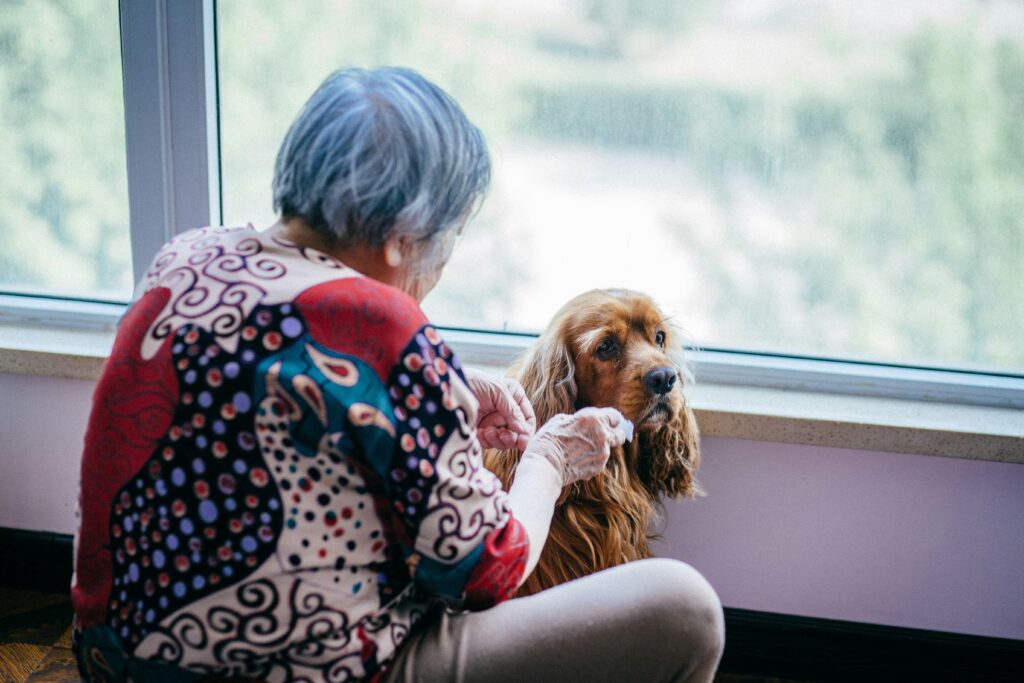
In today’s world, senior wellness extends beyond diet and medication—it also encompasses mental and emotional health. And when it comes to emotional support, nothing compares to the impact of a living, breathing pet companion. Whether it’s the soft, gentle movement of a dog’s tail or the subtle purr of a cat, pet therapy has become a powerful tool in enhancing the quality of life for seniors. The Science Behind Pet Therapy Pet therapy emerges from decades of research. Experts now agree that animal interactions can significantly boost emotional regulation in senior individuals. Studies indicate that when seniors engage with furry companions, it leads to measurable improvements in mood and a reduction in anxiety and loneliness. These aren’t just theories; research reveals that animal contributions extend far beyond cuddles and companionship. Emotional well-being is crucial in the world senior community. Isolation and depression often accompany aging. However, seniors in therapy experience dramatic improvements in their emotional state when exposed to animal interaction. It isn’t just about comfort—it’s therapy in its most natural, gentle form. What Is Pet Therapy? Pet therapy is a structured interaction between a person and a pet—typically dogs, cats, or even birds—to improve mental, physical, and emotional health. Healthy pet therapy programs are now widely used in assisted living communities, memory care facilities, and in-home settings. Unlike medications, pet therapy has no harmful side effects. Instead, it offers the healing power of touch, companionship, and non-judgmental presence. Imagine a senior sitting calmly with a gentle dog, its tail wagging, by their side. Breathing slows. A smile returns. Loneliness begins to ease. This is the power of animal interaction. Gentle Therapy for Seniors The key to effective therapy seniors receive from pets lies in the gentle nature of the interaction. The wagging tail, the soft fur, the quiet companionship—these elements work together to stimulate the senses and evoke positive feelings. It’s no wonder pet therapy senior programs are rapidly expanding worldwide. For example, in the world senior wellness community, trained therapy dogs are introduced to seniors as part of their daily routine. These furry companions offer more than friendship—they help build emotional stability. Even companions aren’t just pets—they’re caregivers in their own right. More Than Just a Pet: Emotional Support in Action A dog might gently touch your hand after a challenging day. When silence becomes overwhelming, a cat curls up on a lap for comfort. These living, breathing beings offer more than comfort—they offer emotional balance. Their presence activates serotonin and dopamine—the hormones responsible for feelings of happiness and calm. Remarkable animals prove that even brief animal interactions can lower blood pressure and reduce cortisol (the stress hormone). In many world senior health centers, pet therapy emerges as the most effective non-pharmaceutical option for managing depression, dementia, and anxiety. Why Seniors Respond So Well There are several reasons why seniors respond exceptionally well to pet therapy. First, many have had pets during earlier stages of life and reconnect emotionally through animal interaction. Second, pets offer non-verbal communication that transcends memory loss or cognitive decline. Third, the tactile experience of stroking fur or feeling a wagging tail often awakens deeply buried emotions. This stimulates memories and helps with emotional regulation in ways that traditional talk therapy can’t match. Therapy for the Mind and Heart Imagine a senior, once withdrawn, now laughing as a dog does tricks. Picture another, quiet for weeks, now softly talking to a therapy cat. These aren’t rare moments—they’re common in well-run pet therapy programs. The therapy seniors receive isn’t just about animals. It’s about trust, healing, and connection. Even a gentle paw scratch on a leg can bring immense comfort to someone who hasn’t felt needed or loved in years. Structured Programs Make the Difference While informal interactions are helpful, structured pet therapy programs amplify the benefits. Trained handlers ensure gentle and safe interactions. They monitor behavior, encourage engagement, and help forge strong bonds between seniors and their pets. In many senior homes around the world, pet therapy emerges alongside other treatment plans. Schedules often allocate Tuesdays for gentle therapy sessions featuring wagging tails, and Thursdays for art or music activities. People now view pet therapy as a form of complementary care. How Pet Therapy Enhances Physical Health While the emotional benefits are evident, physical advantages are also significant. Playing fetch, brushing a dog, or simply walking with a pet can improve mobility and heart health. These activities don’t just encourage exercise—they create a sense of purpose. Regular movement, prompted by interaction with pets, leads to improved circulation, a better appetite, and higher energy levels in seniors. Pet therapy programs for seniors have even reported that participants experience faster recovery times from surgery or illness, thanks to the emotional and physical benefits provided by animals. Emotional Regulation Through Interaction One of the most significant benefits of animal interactions is their ability to promote emotional regulation. Seniors who struggle with anger, grief, or confusion often find solace in the calming presence of a dog or cat. Through repeated interactions, they learn to express feelings safely. The pet listens without judgment. The handler guides the conversation. Over time, many seniors rediscover self-worth and emotional stability. The Global Trend in Pet Therapy Around the world, pet therapy has become a significant force in senior care. From Japan to Sweden, remarkable animals demonstrate that love, when delivered on four legs, can change lives. The global senior wellness community celebrates therapy animals for their capacity to lessen reliance on medication. In India, programs bring street dogs into nursing homes. In Canada, therapy bunnies hop into hospital rooms. Everywhere, the theme is the same: pets help people heal. Beyond Dogs and Cats While dogs and cats lead the way, other animals also play roles in senior care. Birds, rabbits, and even miniature horses are now used in animal interaction programs. The effect is the same—reduced stress, improved mood, and increased interaction. It isn’t just about cute faces. Each animal has a unique energy. Some are playful; others are still and
Older Adults and Aromatherapy: Essential Oil Benefits

Aromatherapy, the practice of using essential oils to enhance wellness, is becoming a powerful complementary therapy for seniors. From reducing stress and anxiety to enhancing cognitive support, the benefits of aromatherapy extend across physical, emotional, and mental health. For older adults seeking gentle, non-invasive solutions, aromatherapy offers a holistic approach to senior care that’s as calming as it is effective. In this guide, we’ll explore how using essential oils can help seniors experience better emotional balance, improved memory, and enhanced overall wellness. What is aromatherapy? Aromatherapy is a complementary therapy that uses essential oils extracted from plants to support healing and wellness. These oils are typically inhaled, diffused, or applied to the skin to produce physical and emotional benefits. By stimulating the limbic system, which controls emotions, memory, and behavior, essential oils help create a mind-body connection that enhances well-being—especially in older adults. Methods of Using Essential Oils in Aromatherapy There are several effective methods for using essential oils with seniors: When incorporating aromatherapy complementary therapy into a senior care plan, always use high-quality essential oils and consult a healthcare provider to ensure safety, especially for older adults with pre-existing conditions. Benefits of Aromatherapy for Seniors ✅ Cognitive Support Aromatherapy for Older Adults One of the most promising benefits aromatherapy offers seniors is enhanced cognitive support. For individuals with dementia or memory challenges, using essential oils such as rosemary, peppermint, or lemon may help support cognitive function and alleviate mental fog. Cognitive support aromatherapy may help with: Oils like lavender and lemon balm may also help calm restlessness in older adults, offering an effective tool for managing stress, anxiety, and cognitive issues. ✅ Reduce Stress, Anxiety, and Emotional Tension A significant benefit of aromatherapy is its power to reduce stress and anxiety in seniors. The pressures of aging—health issues, loneliness, and memory decline—can take a toll on emotional well-being. Aromatherapy provides natural support for: Essential oils such as ylang-ylang, bergamot, and frankincense are known to relieve stress and anxiety while also uplifting the mood. Oils like lavender are especially helpful in easing nervous tension. ✅ Improve Sleep Quality for seniors Sleep disturbances are common among older adults. Poor sleep affects cognitive function, mood, and physical health. Aromatherapy may help seniors fall asleep faster and stay asleep longer. Essential oils like lavender, chamomile, and sandalwood: Incorporating aromatherapy into bedtime routines is a simple yet powerful way to enhance rest and renewal. ✅ A Natural Approach to Pain Relief Chronic pain, including arthritis or muscle aches, is a significant concern in senior care. Essential oils offer an alternative or complementary method of relief. Oils like eucalyptus, peppermint, and ginger: By including these essential oils in massage therapy, older adults can experience both physical relief and emotional relaxation. ✅ Boost Immune Support and Respiratory function. Aromatherapy may also help seniors fight off infections and breathe easier. Respiratory issues, such as asthma and congestion, are common in the aging population. Oils like eucalyptus and tea trees: Additionally, essential oils like frankincense and thyme can support immune function. This makes aromatherapy a vital complementary therapy in a full-spectrum approach to senior care. Emotional Benefits of Aromatherapy for Seniors The physical and emotional synergy of aromatherapy provides essential balance for older adults. Emotional benefits include: Using essential oils regularly helps seniors feel more grounded, calm, and connected—an often-overlooked element of positive health. Benefits of Aromatherapy to Caregivers Not only do seniors benefit, but caregivers also find helpful aromatherapy in managing the demands of senior care. For caregivers, essential oils can: A more peaceful caregiving environment supports both the caregiver and the care recipient. A Complete Way to Keep Seniors Healthy Aromatherapy complements a holistic approach to senior wellness. It is safe, soothing, and supportive across multiple domains: physical, emotional, and cognitive. By using essential oils like lavender, rosemary, and eucalyptus, caregivers and healthcare professionals can naturally address stress, anxiety, and cognitive symptoms—without relying solely on medication. Aromatherapy is a complementary therapy that is most effective when personalized to an individual’s specific needs. Always begin under professional supervision to ensure safety and optimal outcomes. Enhancing Senior Care with Indy In-Home Care At Indy In-Home Care, we understand the importance of a holistic approach to senior well-being. By integrating thoughtful tools like aromatherapy into personalized senior care plans, we help older adults feel more relaxed, empowered, and supported—emotionally, physically, and cognitively. Final Thoughts From promoting calm and restful sleep to offering natural cognitive support, the benefits of aromatherapy are extensive and impactful. With proper guidance and high-quality essential oils, older adults can experience significant relief from stress, anxiety, pain, and memory-related challenges. For those seeking a well-rounded, gentle, and practical approach to senior care, aromatherapy complementary therapy offers promising results—helping both seniors and caregivers alike.