
Garden Therapy for Seniors: A Natural Path to Wellness at Home
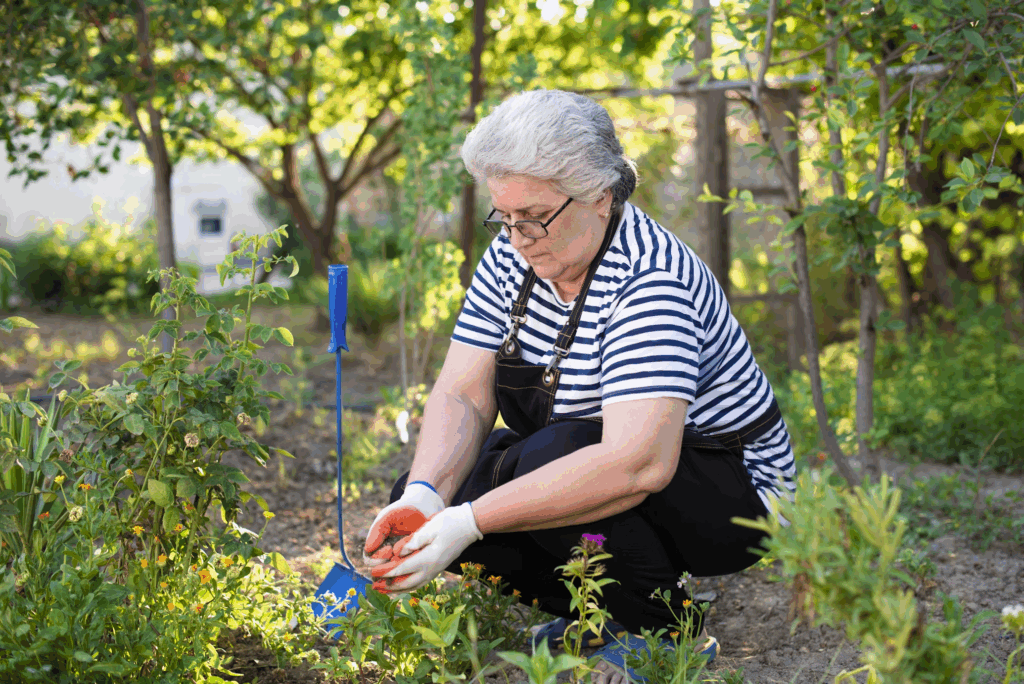
As seniors age, maintaining physical health, mental clarity, and emotional well-being becomes increasingly essential. One often-overlooked yet compelling method for supporting overall wellness is garden therapy and horticultural therapy for seniors in-home care. Whether it’s nurturing a plant, feeling the soil between one’s fingers, or simply enjoying a fragrant bloom, therapeutic gardening offers holistic benefits that are both simple and profound. What Is Horticultural Therapy? Horticultural therapy involves the use of plant-based activities to enhance the physical, cognitive, and emotional well-being of individuals, particularly seniors. Unlike casual gardening, horticultural therapy involves intentional engagement with plants—such as planting, pruning, or harvesting—with therapeutic goals in mind. Seniors in-home care can adopt this practice to meet their abilities and preferences, making it highly accessible and practical. Health Benefits of Gardening for Seniors One of the most significant benefits of gardening for seniors is its ability to reduce stress and promote relaxation. The repetitive, rhythmic movements involved in gardening help calm the nervous system, lower cortisol levels, and provide mental clarity. Seniors dealing with anxiety or feelings of isolation often find peace and purpose in garden therapy, especially when it’s integrated into their home care plan. Gardening activities stimulate the brain through problem-solving, sequencing, and sensory input, promoting cognitive development. For seniors with memory issues or cognitive decline, horticultural therapy can help improve focus, slow the progression of memory loss, and enhance mental agility. Engaging in gardening helps forge new neural connections, which is especially beneficial for seniors with dementia or Alzheimer’s disease. Tending a garden naturally incorporates low-impact physical activity. Seniors engage muscles while bending, stretching, lifting, and walking—all of which help maintain balance, flexibility, and strength. Even simple tasks like watering plants or pulling weeds can improve mobility and contribute to better cardiovascular health, making gardening a valuable form of exercise in any senior home care routine.At Indy In-Home Care, we recognize that meaningful activities play a crucial role in enhancing quality of life. That’s why we encourage incorporating garden therapy into senior home care routines, given its impressive range of health and wellness benefits. Watching a plant grow from seed to bloom offers a sense of accomplishment and pride. For seniors, this feeling of success enhances self-esteem and provides a meaningful sense of purpose. Many home care clients report feeling happier and more engaged when they regularly participate in gardening, even in small ways. Gardening can also foster connection. Whether it’s chatting with a caregiver about a thriving tomato plant or sharing harvested herbs with neighbors, garden therapy encourages positive social interactions. For seniors receiving in-home care, these interactions are vital in combating loneliness and promoting a healthier emotional outlook. Adapting Gardening for Seniors in Home Care While the benefits of gardening are substantial, it’s essential to ensure the activity is safe and accessible for seniors with limited mobility or cognitive impairments. Here are some practical tips for adapting therapeutic gardening for seniors in-home care: Raised beds reduce the need to bend over or kneel, making gardening easier for seniors with joint pain or limited flexibility. Raised planters can be placed on patios or even indoors near sunny windows. For longer gardening sessions, ensure a shady space and ergonomic seating are available. This allows seniors to rest and enjoy the beauty of their surroundings without discomfort or fatigue. If your loved one experiences cognitive decline, it’s important to avoid toxic plants. Stick to safe, edible herbs, vegetables, and flowers such as basil, lettuce, lavender, or marigolds. Use lightweight, easy-to-grip tools to reduce hand strain. Avoid sharp implements. Caregivers can assist by prepping soil or setting up watering systems to make tasks more manageable. For seniors with minimal space or mobility, container gardening is an excellent alternative. Small pots or vertical planters can be placed on balconies, windowsills, or patios, making gardening possible even in small spaces. Indoor Gardening for All Seasons Don’t have outdoor space? No problem. Indoor gardening offers many of the same benefits. Potted herbs, flowering houseplants, or small vegetable containers can be maintained with minimal mess and effort. Seniors living in apartments or those with mobility challenges can still engage in therapeutic gardening at home with the help of professional caregivers. The Role of Caregivers in Garden Therapy Caregivers play a vital role in helping seniors experience the benefits of gardening. At Indy In-Home Care, our trained caregivers provide support to clients in the following ways: Through patient encouragement and thoughtful planning, garden therapy can become an enriching part of any senior home care plan. Cultivating a Better Quality of Life Incorporating horticultural therapy into daily routines isn’t just about growing flowers or vegetables—it’s about cultivating joy, health, and connection. Whether indoors or outdoors, container-based or backyard-centered, gardening offers seniors in-home care a gentle, healing activity that nourishes both body and spirit. At Indy In-Home Care, we’re committed to holistic approaches that enhance the lives of our clients. From engaging activities like garden therapy to personalized in-home support, we believe every senior deserves a life of dignity, purpose, and well-being. Ready to help your loved one blossom? Contact Indy In-Home Care today to learn more about how we incorporate wellness activities, such as horticultural therapy, into our personalized care plans.
Caregivers: Key Support for Families and Home Care

Millions of caregivers rise daily to support those who cannot fully care for themselves in every town, city, and rural community across the country. Whether it’s a mother caring for a child with a rare genetic disorder, a spouse supporting a partner with COPD or heart failure, or a daughter helping her father manage the challenges of stroke and traumatic brain injury (TBI), these individuals form the invisible backbone of our healthcare system. The caregiving journey is seldom easy and often filled with emotional, financial, and physical challenges. However, with the proper support, access to resources, and a connected community, caregivers can find the strength and resilience they need to continue. This article explores the complex world of caregiving and how organizations like Indy InHomeCare are revolutionizing what it means to care by focusing on holistic well-being, education, and comprehensive support services. The Diverse Faces of Caregiving Caregiving comes in many forms. Family caregivers help loved ones who are ill without receiving compensation. Others are professional caregivers working through agencies or healthcare systems. Some are cancer caregivers, offering emotional and logistical support during a loved one’s battle with cancer. Still others focus on rare diseases like schizophrenia, sickle cell disease, and other chronic conditions. Regardless of the type of caregiver, the core values remain the same: support, care, and help. In the family caregivers’ country, caregiving is deeply woven into the cultural fabric—part necessity, part duty, and always an act of love. The Critical Role of Support Support plays a crucial role in ensuring that it is the lifeblood of effective caregiving. This can take many forms: In challenging cases like stroke, TBI conditions, or sickle cell disease, specialized resources and clinical trial support may be available. These services improve the patient’s quality of life and relieve stress for the caregiver. Caregivers of Complex and Chronic Illnesses For caregivers supporting individuals with complex conditions, the demands can be overwhelming. Let’s explore a few examples: Caring for someone with sickle cell disease or other blood cell diseases involves managing pain episodes, regular hospital visits, and a strict medication regimen. These caregivers must also advocate for proper care, often facing systemic healthcare disparities. Cancer caregivers walk a tightrope of logistics, emotion, and advocacy. They juggle medical appointments, medication schedules, and emotional support, not just for the patient but often for the rest of the family as well. In these scenarios, help for cancer caregivers programs can be an essential lifeline. Chronic illnesses like COPD and heart failure require long-term care, oxygen management, diet regulation, and emergency planning. Without adequate resources, caregivers may find themselves burned out or overwhelmed. Conditions such as rare disease schizophrenia demand unique caregiving approaches. Navigating the mental health system, managing medications, and combating stigma all add layers of complexity to the caregiver’s role. Financial and Legal Resources for Caregivers A frequently overlooked area of the caregiving journey is financial and legal planning. Caregivers must often become de facto legal and financial advisors, from securing insurance coverage to managing power of attorney. Access to financial and legal tools can assist caregivers in managing the following aspects: Forward-thinking organizations like Indy In-HomeCare recognize that support isn’t just physical—it’s logistical and emotional. They connect caregivers with legal professionals, financial advisors, and social workers to ease the burden. The Role of Public Policy in Caregiving Government public policy plays a vital role in shaping the caregiving landscape. Legislation on paid family leave, healthcare access, respite care funding, and caregiver tax credits can either support or hinder a caregiver’s ability to function effectively. Advocacy is key. Caregivers and their allies must work together to push for inclusive, caregiver-focused policies recognizing their contributions and provide sustainable resources. Corporate partners can also be pivotal in funding community programs and advocating for systemic change. Creating a Culture of Peer Support No caregiver should embark on their journey alone. The rise of peer support, especially in online forums, local meetups, and mentorship programs, has transformed the caregiving experience. These peer-to-peer networks provide: Indy InHomeCare integrates peer support models into its services, believing strongly in the power of community healing. Having someone who understands is crucial, whether it’s a parent caring for a child with a rare disease or a sibling supporting another through a clinical trial. Having someone who understands makes all the difference. Technology and Innovation in Caregiving In the digital age, caregiving has been revolutionized by mobile apps, wearable devices, and telehealth. Caregivers can now: Technology also allows family caregivers living far away to stay involved meaningfully. Virtual support groups and telemedicine consultations remove many of the barriers once faced by long-distance caregivers. Building Resilient Communities At the heart of successful caregiving is a resilient community. This includes the family and friends surrounding a caregiver and local organizations, advocacy groups, and healthcare providers. Together, they form an ecosystem of care, help, and hope. Some ways to strengthen this ecosystem include Investing in caregivers in a community not only benefits patients but also reduces burnout and improves public health. Burnout is diminished, and public health improves. The Future of Caregiving Looking ahead, the caregiving landscape will continue to evolve. We can expect Organizations such as Indy InHomeCare are at the forefront, providing comprehensive caregiving solutions that lead the charge by offering full-spectrum caregiving solutions, including in-home medical support, counseling, transportation, and educational resources. Final Thoughts Caregiving is more than a role—it’s a calling. It takes strength, patience, and boundless compassion. Yet, no caregiver should be expected to walk the journey alone. Through community, peer support, and access to tailored resources, we can uplift those who dedicate their lives to caring for others. Whether you’re a caregiver for someone with sickle cell, schizophrenia, cancer, stroke, or TBI conditions, remember that support is out there. From local support volunteer services to national organizations and digital tools, help is always within reach. And if you need a partner that truly understands caregiving, look no further than Indy InHomeCare. They don’t just provide services—they provide community, empowerment, and holistic
Safety In The Elderly Home: The Ultimate Checklist

Safety checklist planning is essential as people’s requirements evolve with age—and so should their living surroundings. Older adults are more prone to mishaps, especially at home, where minor hazards can quickly become major concerns. Whether your loved one lives in one of the various care facilities or nursing homes or is aging in place, maintaining a safe, comfortable environment is vital. The secret is a comprehensive, orderly home safety checklist. Regular home safety inspections and audit checklists help families and caregivers identify concerns early on, make the necessary adjustments, and guarantee everyone’s peace of mind. Using a detailed checklist ensures nothing is overlooked and every living space supports comfort and mobility. In this blog post, we’ll explore the value of elderly home safety, break down the key items in a complete safety checklist, and offer insights into using tools like room-by-room inspections, home safety assessments, and more. Whether you’re a family caregiver or a professional in nursing homes care, this comprehensive guide will help you ensure safer elderly living—one checklist at a time. Why Elderly Home Safety Is So Important Elderly individuals are statistically more likely to suffer from falls and injuries in the home compared to younger adults. According to the CDC, falls are the leading cause of both fatal and non-fatal injuries among seniors in the United States. Many of these accidents can be prevented with the proper home safety checklist. Aging can bring mobility limitations, reduced eyesight, and delayed reflexes, making it harder to navigate even a familiar space. That’s why a detailed elderly home safety audit is necessary for preventing incidents before they happen. Whether you’re helping a parent stay independent or managing long-term care in a professional setting like nursing home care, proactive safety measures save lives. Home Safety Inspections: The First Step to Safe Elderly Living A home safety inspection is the cornerstone of safe elderly living. These evaluations involve walking through the home with a critical eye, identifying anything that could pose a risk. Using a standardized home safety assessment, you can evaluate key areas such as: Performing a complete home safety inspection once or twice a year—and whenever significant changes occur—is one of the most effective ways to reduce risk for elderly individuals. Building Your Home Safety Checklist: Room-by-Room A home safety checklist is your roadmap to creating a secure living environment. Let’s break it down by area of the home: Each of these areas should be covered during your home safety assessment. An audit checklist will help ensure you don’t overlook any critical details. Special Considerations for Long-Term Elderly Living Although everyone aging in place should have a home safety checklist, nursing homes and care facilities depend greatly on it. These settings must also be ideal for comfort, access, and safety.Using thorough audit checklists, including home safety checks, facilities should routinely do the following: Maintaining the same safety in nursing homes as in private houses shows regard for our older population. Free Tools and Resources for Elderly Home Safety Caring for a senior doesn’t have to be overwhelming. Many free resources are available to guide you through the process: These tools make it easier to keep up with regular home safety inspections and updates. When to Use a Home Safety Audit Checklist A home safety audit checklist should be used during: An audit checklist helps ensure consistent safety standards across time and space. The same principles apply when you’re checking one home or several care homes. How Indy In-Home Care Helps Ensure Elderly Home Safety At Indy In-Home Care, safety and dignity go hand in hand. That’s why we go beyond basic caregiving. Our team offers comprehensive home safety assessments, personalized elderly care plans, and regular home safety inspections tailored to each client’s unique needs. We provide: With Indy In-Home Care, your loved one isn’t just receiving care—they’re receiving the safest, most compassionate support. Final Safety Tips for Families and Caregivers Whether your loved one is living at home, in an apartment, or a nursing home, their safety should always be a top priority. Here are some final tips to maintain a secure environment: Conclusion: Prioritize Elderly Home Safety Today Ensuring elderly home safety isn’t a one-time task—it’s an ongoing commitment. From installing simple non-slip mats to using a comprehensive audit checklist, each action helps support a safer, more comfortable living space. Whether you’re a family member managing a private residence or a professional overseeing a nursing home care facility, the principles remain the same: safety, dignity, and independence. If you need expert guidance on how to get started, contact Indy In-Home Care. We offer professional home safety inspections, customized care, and all the necessary tools to make any space a haven for your aging loved one.
Parkinson’s disease In-Home Care Tips for Families
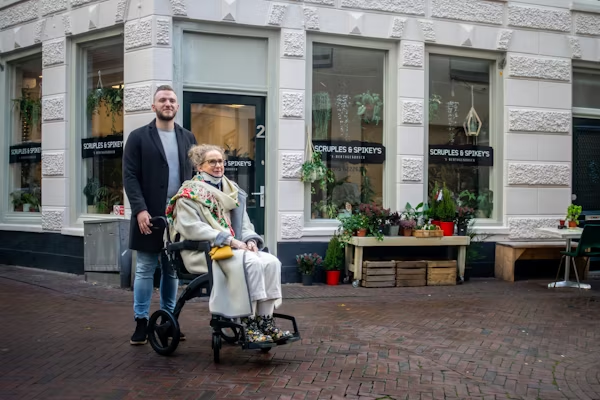
When a loved one is diagnosed with Parkinson’s disease, families are often thrust into a new and complex world of caregiving. The progression of this disease can vary, but one constant remains: the importance of informed, compassionate, and consistent support. Whether you’re a spouse, child, or friend of the person with Parkinson’s, this journey can feel overwhelming—but with the right tools and knowledge, you can make a profound difference. This article provides in-depth guidance on supporting a loved one living with Parkinson’s, outlining the critical role of a caregiver, how to create an effective care calendar, and the best ways to foster a safe and enriching home environment. Understanding Parkinson’s Disease What Does It Mean to Have Parkinson’s? What exactly does it mean when a person is diagnosed with Parkinson’s? This neurodegenerative disease affects the brain’s ability to regulate movement, mood, and cognition. According to Indy In-Homecare, the condition is caused by a gradual loss of dopamine-producing neurons in the brain, leading to tremors, rigidity, bradykinesia (slowness of movement), and balance difficulties. But Parkinson’s disease is more than just a movement disorder. Non-motor symptoms such as fatigue, sleep disturbances, depression, and cognitive changes are common, and they can be just as challenging as physical limitations for both the patient and the caregiver. The Emotional and Practical Impact on Families When you’re a caregiver, you’re not just managing medical needs. You’re also navigating a rollercoaster of emotions, responsibilities, and sometimes, confusion. Many families ask: How can I help loved ones while still taking care of myself? The first step is understanding the depth of your role as a loved caregiver. This includes recognizing when to seek professional help, learning from credible resources such as Indy In-Homecare Parkinson studies, and developing the skills necessary to offer safe and effective care. The Caregiver’s Role: More Than Just Helping Hands A caregiver handling daily duties often performs various tasks, from physical assistance to emotional support. The role evolves, requiring adaptability and resilience. Caregiver Ways Help Patients Thrive Some of the best caregiver ways include: A proactive caregiver not only meets the immediate needs of the person with Parkinson’s but also plans for the future, including managing long-term symptoms and reducing caregiver burnout. Parkinson’s Disease Caregiver Strategies for Success Becoming a successful parkinson disease caregiver takes more than good intentions. It requires education, planning, and a strong support network. Create a Structured Calendar A calendar is an essential tool in any caregiver‘s toolbox. It helps organize: This structure provides predictability, reduces stress, and gives the patient a sense of control. Build a Safe Environment As Parkinson’s disease progresses, the risk of falling increases. A few ways to help ensure safety include: Following the guidance of disease caregiver-handling professionals can make all the difference. Emotional Support: Ways to Help Loved Ones Cope The emotional toll of Parkinson’s disease can be just as significant as the physical one. Depression and anxiety are common, especially as symptoms worsen. As a loved caregiver, your empathy and encouragement are powerful tools. Ways to Help Loved Ones Stay Engaged Offering consistent emotional support is one of the most meaningful ways to help loved ones stay mentally strong. When to Consider Professional In-Home Care As a parkinson disease caregiver, knowing your limits is key. It’s not about giving up but getting the proper support. Signs You May Need Help Bringing in a professional loved caregiver can drastically improve outcomes for both the patient and the family. Services like Indy In-Home Care specialize in caregiver guides Parkinson’s families through each stage of care. How Indy In-Home Care Supports Parkinson’s Families At Indy In-Home Care, our trained caregivers understand the complexities of Parkinson’s disease and are ready to help every step of the way. From developing personalized care plans to assisting with daily activities, our mission is to help loved ones maintain dignity and independence. Our approach includes: With compassionate support and expert knowledge, we help families find the best ways to care for their loved ones. Trusted Resources: Indy In-Homecare Parkinson Care Insights It’s always best to rely on credible sources when seeking guidance. The Indy In-Homecare Parkinson team offers comprehensive materials and studies that empower caregivers and families. Some key takeaways from their research include: Utilizing loved caregiver guides from Indy In-Homecare can help you understand what your loved one needs and how best to deliver that care. A Day in the Life: Caregiver Handing Parkinson’s Support Let’s walk through a sample daily routine showing how a caregiver handing responsibilities might organize care using the calendar and other tools: Morning Afternoon Evening This structure reflects real-world caregiver ways to help keep a consistent and safe environment. Long-Term Planning: The Role of Caregiver Guides As the disease progresses, families will need to plan for: That’s where caregiver guides and Parkinson’s and Parkinson’s disease resources come in. These guides outline the stages of the condition and provide actionable advice tailored to each phase. Combined with the help of professional services and support networks, you can develop a roadmap to navigate the long-term care journey confidently. Conclusion Caring for a loved one with Parkinson’s disease is not just about managing symptoms—it’s about preserving dignity, joy, and connection. Whether you’re just starting this journey or deep into the caregiving role, remember that the ways to help loved ones thrive are rooted in patience, empathy, and informed decision-making. You don’t have to do it alone. Utilize trusted resources like Indy In-Homecare Parkinson’s, follow your personalized calendar, and seek help from professionals when needed. Whether reading through loved caregiver guides or hiring a trained caregiver, offering support, every step you take brings value to the life of your loved one. Most importantly, you should know that your effort matters deeply, even when it feels invisible.
Stroke Recovery with In-Home Care Support

A stroke can instantly change a person’s life. From physical disabilities to emotional and psychological struggles, the road back to routine is challenging but not impossible. Stroke recovery becomes a disciplined, goal-oriented process with appropriate direction, compassionate care, and constant support. In-home care is one of the best approaches to enable stroke survivors to regain their freedom. Home care offers a familiar and safe setting where caregivers assist patients in following therapy programs, completing daily activities, and making consistent improvement. It not only lessens the family’s load but also helps stroke survivors boldly restore their lives. Let’s investigate why home care stroke strategies are successful, how home caregivers contribute to improving results, and how this care helps physical and emotional rehabilitation. Understanding the Impact of Stroke Strokes happen when blood flow to a portion of the brain is disrupted, damaging brain cells. Different disabilities include speech problems, paralysis, memory loss, and emotional instability might follow from this. Physical therapy, speech therapy, occupational therapy, and long-term caregiving assistance could all be part of the route to recovery, depending on the degree of difficulty. Many patients move to home care following a hospital stay; stroke recovery depends on ongoing therapy and monitoring in this setting. From medication management to patient retraining of basic chores, home caregivers offer vital help at this stage. Why Home Care Is Essential for Stroke Recovery For stroke survivors, moving from a hospital to home can be trying. Luckily, housekeeping provides the tools required to create a healing space. Patients should feel comfortable, supported, and competent in reaching rehabilitation targets. Benefits of Home Care for Stroke Patients With home care, patients receive help from professionals who understand how to deal with post-stroke complications, from mobility limitations to cognitive difficulties. This level of attention significantly affects the patient’s ability to recover. How Home Caregivers Help Stroke Survivors Professional home caregivers are skilled in assisting stroke survivors through every recovery phase. Their presence offers peace of mind to families and helps create a routine that promotes healing. Key Areas Where Caregivers Help These day-to-day services are essential, especially for individuals who may feel overwhelmed or dependent. By helping with both small tasks and larger goals, home caregivers help patients gradually regain autonomy. The Importance of Personalized Care Stroke Plans No two strokes are the same, so a customized care plan is vital. A home care stroke strategy considers the patient’s impairments, living situation, and emotional needs. Care stroke plans are developed collaboratively with healthcare providers, family members, and home caregivers. Components of a Stroke Recovery Plan at Home By tailoring care to the patient’s unique situation, caregivers can offer meaningful, results-driven assistance. These personalized plans help ensure long-term success in stroke recovery. Promoting a Quality Life After Stroke Beyond physical healing, achieving a quality of life is crucial to stroke recovery. A sense of purpose, dignity, and self-worth can dramatically influence outcomes. This is where home caregivers become more than just assistants—they become motivators and emotional anchors. Ways Home Care Improves Quality of Life Families often report seeing a noticeable difference in their loved one’s confidence and happiness when supported by professional caregivers. These emotional benefits are just as important as physical ones. Home Care Stroke Safety Measures Care stroke recovery includes making the home a safe place. Falls and injuries are common among stroke patients due to muscle weakness or loss of balance. Home caregivers are trained to prevent accidents and adapt the home environment. Common Safety Enhancements With these measures, patients can feel secure and move about with greater ease and less fear. The Emotional Role of Support in Stroke Recovery Depression and anxiety affect many stroke survivors, especially in the early stages of recovery. Feelings of frustration, fear, or hopelessness can hinder progress. Emotional support is vital in these moments. Home caregivers help by offering companionship, understanding, and encouragement. They’re trained to recognize signs of emotional distress and alert family members or healthcare professionals when more help is needed. Even small gestures, like active listening or positive reinforcement, can have a powerful effect. Family Involvement in Home Care While professional caregivers help immensely, the involvement of family members also plays a crucial role in recovery. Families are encouraged to participate in the stroke recovery process by learning caregiving techniques, offering emotional support, and reinforcing routines established by home caregivers. This teamwork ensures continuity of care and creates a strong, nurturing environment for the patient. Indy In-Home Care: Experts in Stroke Recovery Support We specialize in personalized, compassionate home care for stroke survivors at Indy In-Home Care. Our professional caregivers are experienced in helping patients regain independence and achieve a better quality of life through targeted care plans and dedicated emotional support. Whether your loved one needs short-term assistance or long-term home care, our team provides the expertise and encouragement that makes all the difference. Integrating Therapy into Daily Life Recovery isn’t confined to scheduled therapy sessions. Home caregivers help patients practice daily exercises and routines, turning simple tasks into therapeutic opportunities. Examples of Integrative Therapy This approach reinforces therapy goals and helps patients apply new skills to real-world tasks. Monitoring Progress and Adjusting Care Ongoing monitoring is essential to ensure that the patient is progressing and not regressing. Home caregivers track recovery milestones and report changes to healthcare providers. The care plan is adjusted if a patient struggles with a particular activity. This flexibility ensures that stroke recovery remains focused and responsive to the patient’s needs. Community Resources and Social Support Encouraging social interaction is important to maintaining a quality of life after a stroke. Care stroke recovery often includes connecting patients to local support groups, senior centres, or recreational programs. These outlets help combat isolation and foster a sense of belonging. Home caregivers may also accompany patients to these events, providing transportation and assistance to ensure they can participate confidently. When to Consider Professional Home Care If your family is overwhelmed or the patient’s needs are beyond what you can manage, professional home care may
Healthy Habits for Adults with Disabilities: A Comprehensive Guide

Introduction For adults with disabilities, everyday activities—walking, reaching, socializing—can require creative problem‑solving and support. Yet, adopting healthy habits adults disabilities face unique obstacles but also enjoy unique opportunities for growth. By combining adaptive approaches with evidence‑based strategies, people of all abilities can improve their health, enhance mobility, and deepen community ties. Throughout this guide, you’ll find: Whether you’re seeking adaptive yoga, wheelchair exercise classes, or simply inspiration to move more each day, this guide will equip you with seven healthy habits and beyond. Physical Wellness Prioritize Daily Movement Regular physical activity is the cornerstone of well-being. For adults disabilities, movement helps maintain muscle tone, improve circulation, and boost mood. Aim for at least 20–30 minutes of activity most days: Track your progress in a journal or mobile app. Consistency turns exercise into a sustainable healthy habit. Explore Adaptive Yoga Adaptive yoga modifies traditional yoga poses to suit individual needs. Props like chairs, straps, and blocks allow people range physical abilities to participate safely, improving: Join Wheelchair Exercise Classes Wheelchair exercise classes are designed for individuals who use wheelchairs or have limited lower‑body mobility. These variety physical exercise sessions include: Look for local community centers or adaptive fitness programs that offer wheelchair‑friendly equipment. These classes are a fun way to build strength, socialize, and maintain cardiovascular health. Try Water-Based Workouts Water workouts—such as swimming or aqua aerobics—offer buoyancy that reduces joint stress and supports the body. Benefits include: Check our blog section for information on accessible pools and scheduled fitness swims in your area. Healthy Habits for Daily Living The Seven Healthy Habits Framework Establishing a routine of seven healthy habits provides structure and balance. Consider these pillars: Adopting these habits helps create momentum and resilience. Meal Planning and Nutrition Nutrition supports every cell in your body. Adults with disabilities may face challenges like reduced appetite or dietary restrictions. Strategies include: Focus on a rainbow of fruits and vegetables, lean proteins, and whole grains to keep energy stable. Hydration and Rest Hydration is vital: aim for 6–8 cups of fluids daily, adjusting for climate and activity. Use reminders—alarms or apps—to prompt regular water intake. Prioritize rest and sleep hygiene: Together, proper hydration and rest enhance recovery and cognitive function. Mental and Emotional Wellness Practice Mindfulness and Meditation Mindfulness exercises—like deep breathing, body scans, or guided imagery—reduce anxiety and improve focus. Start with just 5 minutes daily, then gradually increase. Apps, videos, or local classes can provide structure and support. Cultivate Creative Outlets Art, music, and writing foster emotional expression and stress relief. Activities might include: These creative pursuits not only boost mental health but also build skills that can lead to help careers in arts or therapy. Maintain Supportive Relationships Strong social bonds are essential. Isolation negatively impacts both physical and emotional health. Ways to connect: Investing in relationships helps you feel seen, heard, and valued. Social Engagement & Community Participate in Inclusive Classes and Events Local organizations often host accessible classes—from dance and yoga to cooking and tech workshops. Check community calendars or our events blog for updates on inclusive gatherings that encourage both learning and social interaction. Volunteer and Help Careers Initiatives Contributing your time can boost self‑esteem and broaden your skill set. Volunteer roles—such as peer mentoring, event coordination, or administrative support—offer pathways to help careers. Reach out to local nonprofits, schools, or healthcare facilities to explore options. Leverage Online Resources and Blogs Digital platforms provide a wealth of information on healthy habits adults, adaptive equipment, and wellness tips. Bookmark reputable sources and subscribe to newsletters. Our blog series shares success stories, practical advice, and step‑by‑step guides for personal growth. Professional Growth and Independence Skill-Building Workshops Developing new competencies can lead to paid employment or volunteering. Workshops may cover: Seek out physical exercise programs that also integrate career‑oriented modules—for instance, leadership training combined with team sports. Career Coaching and Job Placement Many organizations offer coaching to identify strengths, set goals, and navigate the job market. Coaches can help tailor resumes to highlight transferable skills and practice interview scenarios. Partnering with vocational rehab services or agencies specializing in disability employment can accelerate progress toward independence. Conclusion Building a life rich in health, connection, and purpose is entirely within reach for adults with disabilities. By adopting a variety physical exercise routines—such as adaptive yoga, wheelchair exercise classes, and water workouts—alongside daily habits like balanced nutrition, mindfulness, and social engagement, individuals can transform their well‑being. At Indy In-Home Care, we are dedicated to supporting these journeys by offering personalized care, adaptive services, and ongoing resources. Visit our website to explore our programs, read our blog, and discover how we can help you establish lasting healthy habits adults will cherish for life. Start today—embrace movement, foster creativity, connect with others, and pursue your goals. Your healthiest, happiest self is waiting.
Older Adults and Hydration: Prevent Dehydration, Stay Healthy

Introduction Water is the foundation of life, yet its importance is often underestimated, especially for older adults. Dehydration is a silent but serious health risk that can impair physical brain function, weaken the body, and even lead to hospitalization. As we age, changes in kidney function, a diminished sensation of thirst, and other physiological shifts make staying hydrated more challenging—but even more critical. This comprehensive guide explores: By the end, you’ll understand how maintaining fluid intake can positively impact physical and cognitive health in older adults. Why Hydration is Crucial for Older Adults Water makes up about 60% of an adult’s body weight and is involved in nearly every body function, including However, older adults face unique challenges that increase their risk of dehydration: The sensation of thirst declines with age, meaning seniors may not feel thirsty even when their bodies need fluids. This is one of the primary reasons dehydration is so common among older adults. Kidneys lose some of their ability to concentrate urine and retain water as we age. These changes in kidney function mean older adults lose more water through urine, requiring more conscious fluid intake. Many medications, such as diuretics (water pills), blood pressure drugs, and laxatives, increase fluid loss. Others may cause excessive sweating or dry mouth, further contributing to dehydration. Arthritis, Parkinson’s, or dementia can make it physically difficult for seniors to access water. Memory issues may also lead to forgetting to drink. Diabetes, heart disease, and infections increase fluid needs, while some conditions (like incontinence) may discourage drinking enough to avoid frequent bathroom trips. Recognizing Signs of Dehydration in Older Adults Dehydration working unnoticed can lead to severe complications, including urinary tract infections, kidney stones, confusion, and even hospitalization. Early detection is key. Mild to Moderate Dehydration Symptoms Severe Dehydration Symptoms If severe symptoms appear, seek medical help immediately. How Dehydration Impacts Health in Older Adults Even mild dehydration (a 1-2% loss of body water) can lead to: Studies show that proper hydration helps maintain physical brain function, reducing the risk of cognitive decline. Dehydration causes dizziness and low blood pressure, increasing the likelihood of falls—a primary concern for older adults. Insufficient water intake leads to constipation, a common issue among seniors. Concentrated urine from dehydration raises the risk of: Heart disease, diabetes, and high blood pressure can all be exacerbated by dehydration. How Much Water Do Older Adults Need? While the standard recommendation is eight glasses (64 oz) per day, individual needs vary based on: A doctor can provide personalized guidance, but a good rule is 10 Practical Tips for Staying Hydrated Since thirst diminishes with age, set reminders to drink water every hour. Incorporate water-rich foods like Place water bottles in frequently used areas (e.g., the dining room and bedside table). If plain water is unappealing, try Reduce: Apps like WaterMinder or simple journaling can help track fluid intake. A glass of water 30 minutes before meals aids digestion and ensures consistent intake. If recovering from illness or sweating heavily, drinks with electrolytes (like coconut water or oral rehydration solutions) help restore balance. For seniors with memory or mobility issues, caregivers should: Special Considerations for Seniors with Health Conditions Excess fluid can be harmful. Always follow a doctor’s recommended intake. Water helps regulate blood sugar. Opt for sugar-free fluids. Instead of reducing fluids, schedule bathroom trips and strengthen pelvic muscles. Conclusion: Make Hydration a Daily Priority Dehydration is a preventable yet dangerous condition for older adults. By recognizing signs of dehydration, understanding how changes in kidney function and thirst sensation affect hydration, and implementing simple strategies like keeping water in the dining room, seniors can maintain proper hydration and enjoy better physical and brain function, stable blood pressure, and overall health. Staying hydrated isn’t just about drinking water—it’s about safeguarding independence, mental clarity, and longevity. Start today by setting a fluid intake routine and monitoring for signs of dehydration. Your body (and mind) will thank you!
Home Care and Senior Nutrition Guide

Maintaining an appropriate diet becomes more critical for seniors’ general health, energy levels, and quality of life as they age. Home care recipients should have well-planned meals that fit their particular dietary requirements so they may be strong, active, and independent. Whether they are getting help from professional home care services or in a role home care environment, their well-being depends much on correct meal preparation. Emphasizing how care helps seniors maintain a balanced diet and how professional care providers, like Indy In-Home Care, play a vital part in their health and well-being, we will examine important nutrition suggestions for seniors getting home care in this thorough guide. 1. The Value of Appropriate Senior Home Care Nutrition People’s dietary needs change with ageing. Seniors’ home care should center on providing balanced meals that promote heart health, bone strength, and cognitive ability. A well-considered diet guarantees elders get the required minerals and vitamins to sustain everyday activity. Seniors in-home care often have changes in metabolism, a smaller appetite, and trouble eating or swallowing. Understanding these difficulties helps home caregivers to create meal menus guaranteeing the best nutrition. 2. Cooking: The Key to a Good Lifestyle One of the main components of housekeeping home services is cooking meals. Good planning guarantees elders get nutrient-dense meals free from the stress of cooking on their own. Meal preparation may be helpfully assisted by care home personnel in: Home care ensures elders eat good, tasty, and easy-to-digest food, therefore avoiding frequent issues such as weight loss, malnutrition, or dehydration. 3. Senior in Care Home Care Essential Nutrients Seniors using in-home care services should have a well-balanced diet comprising: Seniors should, when needed, sip enough water, herbal teas, and clear, liquid soft diets to avoid dehydration. 4. Handling Special Diets and Dietary Restrainment Many elderly people getting home care services have particular dietary requirements. Care plans should take into account certain dietary limitations, including: Ensuring elders maintain their recommended diets while still enjoying great and healthy meals depends mostly on the role home care professionals play. 5. Home Care Provider Involvement in Meal Assistance Meal planning, food shopping, and meal preparation help home care professionals make sure senior’s house stays stress-free. Among their duties are: Indy In-Home Care stresses for elders the need for customized diets. Their knowledgeable housekeepers make sure elders get meals fit for their dietary requirements while encouraging general health. 6. Promoting Good Eating Practices Good dietary habits that support health and lifespan aid elders; therefore caring for them. Encouragement of seniors should include: Incorporating social events like family get-togethers or virtual dinner-sharing sessions with loved ones can help mealtimes to be fun. Care home services should also reflect this. 7. Home Care Ensures Seniors’ Maintaining of a Healthy Diet Home care gives elders constant dietary assistance, therefore benefiting them. Seniors can use professional housekeepers: Benefits of expert Home Care Services The knowledge and commitment of professional caregivers who concentrate on enhancing general nutrition and well-being help seniors with home care. Final Thoughts Maintaining the health, energy level, and quality of life of the seniors relies on their obtaining suitable food for in-home treatment. Their well-being is improved by meal planning, tailored diets, and assistance from professional home care aides. Good nutrition is vital in everyday life whether elders live in the home care setting, a care facility, a receiving house care provider, or another.Choosing suitable home care providers such as Indy In-Home Care enables seniors to enjoy nourishing meals that improve their overall health and lifespan. Among the home care services that ensure every senior receives the best possible treatment so they may live healthily and independently for years to come are meal preparation and dietary advice.
Understanding the Indiana Family Caregiver Program

The demand for quality family care has never been stronger as Indiana’s population ages and more people suffer from chronic illnesses or disabilities. Daily care, emotional support, and medical aid to loved ones who might otherwise need nursing home care or long-term care facility placement depend critically on family carers. The Indiana Family Caregivers Program and related projects provide necessary tools, financial aid, and organized support to enable carers to balance their obligations with their well-being. Overview of Family Caregiving Family caregiving is the unpaid or paid help given to someone unable to do necessary daily activities due to age, disease, or disability by family members, friends, or legal guardians. Carers might include ageing parents, disabled adult children, or someone recuperating from serious illness. Definition and Role of Family Caregivers Among the many personal care tasks family caregivers help with are bathing, dressing, cooking meals, managing medications, and mobility support. They might also handle housework, schedule doctor’s visits, and offer emotional support. These responsibilities are becoming more and more important in Indiana as part of the healthcare ecosystem. Importance of Family Caregiving By lowering the demand for institutional care services, Family caregivers enable the recipients of care to stay in familiar surroundings. For those with impairments, this improves their quality of life and helps government initiatives to save money. Nursing homes and long-term care institutions would bear far more load without family carers. Financial Assistance Options for Caregivers in Indiana Giving care can cause major financial difficulties, especially if caregivers have to cut work hours or quit jobs. Fortunately, Indiana’s various government initiatives offer financial help as well—direct carer remuneration and stipends, among other things. Structured Family Caregiving with Medicaid Structured Family Caregiving (SFC), a program available to qualified caregivers through Indiana Medicaid, lets them get tax-free daily compensation for their caregiving efforts. The care receiver has to be registered in the Aged and Disabled Waiver and demand a nursing facility level of treatment to qualify. Living with the care recipient and assisting with daily living tasks, including toileting, grooming, and feeding, qualifies caregivers. Aged and Disabled Waiver Overview The Aged and Disabled Medicaid Waiver lets people get long-term care services in a home environment instead of an institutional one. Services range from food preparation to attendant care to respite care to assistive technology. Through access to a network of community-based resources, this waiver helps carers as well as care receivers. Veterans’ Aid and Attendance Pension Through the Department of Veterans Affairs, veterans and their spouses can be qualified for the Aid and Attendance benefit. In-home care, assisted housing, or even pay to family caregivers can all be covered by this financial reimbursement. Eligible caregivers must assist veterans with medical problems and daily tasks. Deductions from Taxes for Caregivers Federal tax benefits such as deductions for medical expenses or the Child and Dependent Care Credit may also help carers. Particularly for those managing significant caregiving obligations, these tax benefits might help to reduce the financial load of caring. State-funded financial projects Through initiatives like the Caregiver Support Program and the Caregiver Support Line—which link caregivers with respite care, caregiver training, and supporting services— Indiana also offers financial aid. These programs seek to lower caregiver burnout and enhance the general quality of living for those in care. Structured Programs for Family Caregivers Structured caregiving programs provide defined services and pay to caregivers, therefore enhancing the quality of life for those with impairments or chronic diseases. Comprehensive Assistance Program for Family Caregivers (PCAFC) Under management by VA, PCAFC offers family caregivers of qualified veterans monthly stipends, caregiver training, health coverage, and respite care. For primary caregivers managing heavy caring duties, this program is perfect. Program Designed by Veterans Directing Care Through the Veteran-Directed Care Program, qualified veterans can oversee their long-term services—including family caregiver hiring. This consumer-directed care approach gives more freedom and autonomy for the delivery of treatment. Employer-sponsored alternatives Through care benefits and leave rules, employers also help caregiving employees. Overview of Family Leave Policies Under the Family Medical absence Act ( FMLA), qualified workers may take unpaid, up to 12-week absence to care for a family member suffering a major medical illness. A few Indiana companies also provide flexible schedules or paid carer leaves. Advantages and drawbacks of employer-sponsored care plans These plans usually lack direct financial remuneration even when they offer necessary time off. Using parental leave benefits calls for employees to weigh the trade-offs between work stability and income loss. Direct Family Compensation Strategies Indiana provides models for family caregivers seeking direct financial support that let them get paid. Steps to Attain Paid Caregiver Status Those wishing to be paid carers in Indiana must qualify under Medicaid Waiver Programs such as the Aged and Disabled Waiver. The beneficiary of the care has to be an eligible person with the necessary degree of care requirements. Many times, caregivers work with attendant care companies like Indy In-Home Care and complete professional training. Navigating Legal Systems for Just Payback To be sure they follow all work laws, legal guardians or caregivers should speak with experts. Knowing laws on carer compensation, taxes, and contracts guarantees equitable and open caregiving relationships. Support Tools for Family Caregivers From respite programs to Caregiver coaching, Indiana provides a broad spectrum of services to those looking after others. Services for Counselling and Support Mental health counselling, support groups, and Caregiver support coordinators who assist in stress management and burn avoidance help Caregivers. Training and Learning Possibilities There are formal training courses and instructional materials available to assist in the improvement of caregiving abilities and knowledge of the complexity of daily living demands and long-term care. Pay Rates and Legal Considerations Knowing compensation guidelines enables carers to fight for legal protection and reasonable pay. Standard Pay Rates for Services Rendering Care Indiana’s pay rates for caring services differ depending on the degree of tasks and care required. Medicaid rules and the care plan developed by the provider agency decide the daily or hourly rate. Comprehending Employment Laws and Rights Under labour regulations, carers should be aware of their rights
Comprehensive Fall Prevention Strategies for Seniors at Home

Maintaining the health, independence, and general quality of life of older persons depends on fall prevention in great part. Thousands of seniors fall every year, causing major injuries, hospitalizations, and even loss of independence. One of the best ways to lower fall risks is to participate in preventive exercise programs meant to increase muscle strength and balance. Fall prevention also depends much on household changes. By installing nonslip mats, stair rails, grab bars, and nonslip mats, in addition to improving lighting, falls might be greatly less likely. Furthermore, underscoring the need for frequent medication reviews, seniors taking five or more drugs are at significant risk because of side effects, including dizziness or sleepiness. Strength and balance exercises, a healthy diet, and regular vision and hearing exams all fit a well-rounded fall prevention plan. These cooperative initiatives guarantee seniors can lead more active and safer lives. Analyzing Senior Fall Statistics With about 44,000 hospitalizations in a single year, falls rank first among the causes of injury-related hospitalizations among those over 65. Unbelievably, at least one-third of adults 65 years of age and above fall yearly; many fall more than once. Older persons who fall once are twice as likely to fall again; over 3 million seniors are seen in emergency departments annually for fall-related injuries. Of those hospitalized, 62% are women, underscoring a gender gap in fall events. These numbers support the need for aggressive prevention of falls among older adults. Typical Reasons Older Adults Fall Falling is more likely in age-related conditions, including poor vision, cognitive decline, slower reaction time, and decreased limb sensation. Further raising this susceptibility are muscle weakness, joint stiffness, and a lack of physical activity. Particularly in those taking five or more drugs, medication-related adverse effects can produce vertigo or imbalance. Fall risks include loose rugs, damp flooring, and poor lighting, which can greatly increase risk. Even for seniors who are usually energetic and steady, temporary medical illnesses like the flu or recovery from surgery can increase their chance of falling. Medical Alert Systems for Seniors: Medical alert systems offer a reliable safety net for elders, ensuring 24/7 access to emergency response services. For seniors as well as their families, these systems provide peace of mind and help to preserve independence.Wearable alert devices notify emergency contacts and automatically detect falls. For high-risk seniors especially, this capability is quite helpful since it provides instant help should an accident occur. Medical Alert System Benefits Round-the-clock surveillance and instant assistance during an emergency define medical alert systems. These systems help seniors be more independent while also lowering living-alone-related anxiety. Through quick response, high-quality alert systems identify falls and reduce the degree of occurrences. The most dependable systems are only found through research and actual user testing. Selecting the Appropriate System Good home safety calls for placing professionally anchored grab bars around toilets and bathtubs, utilizing nonslip mats in damp places, and improving visibility with strong lighting and nightlights. Strength-oriented exercise programs help balance and complement alarm systems to prevent falls. Review your home’s hazards often to eliminate clutter and loose rugs. Homes Safety Guidelines The foundation of fall prevention is building a safer house. Appropriate lighting lowers nighttime falls, particularly in bathrooms, hallways, and bedrooms, including nightlights in hallways and bathrooms. Simple yet powerful interventions are hanging grab bars in restrooms and either fastening or eliminating loose rugs. Maintaining the cleanliness of walkways from clutter and cords reduces trip hazards even further. Indoor stability increases when one wears supportive shoes with slip-resistant soles rather than socks or loose slippers. Room-by-Room Safety Modifications Clear living rooms of unneeded objects and ensure furniture is at an accessible height for straightforward use. Eliminate loose rugs or provide nonslip backing to prevent slips. Install handrails on both sides of staircases and add grab bars in high-risk places. Enhance overall illumination, particularly around pathways and stairs, to improve visibility. The role of exercise and physical activity Regular exercise improves strength, balance, coordination, and flexibility, therefore drastically lowering fall risk. Seniors would find great choices in walking and tai chi. Usually found in gyms or community centers, preventive exercise programs are especially meant to concentrate on balance and muscle strength. Seniors are advised to follow these routines a minimum of three times a week for at least twelve weeks. Chair stands, and similar home exercises help to retain lower body strength, which is vital for stability. Activities to Boost Balance Three times a week, you should do balance exercises, including standing on one foot and walking heel-to-toe. These easy exercises may be done at home, without equipment, and call for basic knowledge. Those looking for more regimented exercises are advised to supervise physical therapy and tai chi. A physical therapist can create a customized program depending on a particular ability. Senior Strength-Building Exercise Walking heel-to-toe and tai chi are among the strength-building exercises that assist in reducing falls and enhancing muscle coordination. Community classes offer ordered direction and encouragement.Designed specifically for each person’s needs, physical therapists can also create workouts stressing balance and muscle strength for the best results. Vision and Hearing: Crucial Exams Essential components of fall prevention are vision and hearing tests. Even modest hearing loss increases the risk of a fall three-fold. Early resolution of these problems will significantly improve mobility and stability.Revised glasses prescriptions and suitable hearing aids improve general safety as well as sensory perception. For active seniors navigating different terrains, we particularly advise single-vision glasses.For quick treatment, you should let a healthcare professional know about inner ear problems compromising balance. Importance of Regular Vision Checks Vision tests enable the identification of problems causing tripping or falling. Making sure medicines are current increases spatial awareness and obstacle recognition. Early visual problems diagnosis improves mobility and helps to prevent injuries. The cornerstone of fall prevention is often regular visits. Fall Prevention and Hearing Assessments Mild hearing loss greatly increases fall risk; hence, routine screening is rather important. Early hearing aid use can stop not only falls but also related cognitive