
Exercises Seniors Can Do for Strength and Mobility

As we age, maintaining an active lifestyle becomes not only advantageous but absolutely vital. In fact, exercises seniors can perform safely and consistently are the cornerstone of preserving mobility, boosting strength, and fostering independence in everyday life. Staying active is one of the most potent ways older adults can safeguard their health, prevent injuries, and enhance their overall quality of life. Moreover, safe and practical workouts for seniors help manage chronic conditions, improve mental well-being, and support everyday functionality. Whether your primary goal is to increase balance, build muscle strength, improve flexibility, or simply move with more confidence, establishing a consistent exercise routine can make all the difference. In this extensive guide, we’ll walk you through a variety of senior-friendly exercises that are not only safe but also highly effective. Step by step, you’ll learn how to build a routine that supports strength, stability, and independence—ensuring you or your loved one enjoys a vibrant and active lifestyle for years to come. Why Exercise is Critical for Seniors Scientific data repeatedly emphasizes how important constant physical activity is to older folks. Senior low-impact exercise programs provide fantastic outcomes. Regular exercise helps elders, according to a Journal of the American Medical Association research: Four Essential Components of Senior Fitness To build a balanced fitness plan, the National Institute on Aging recommends seniors incorporate: For seniors needing extra support, a professional in-home caregiver can guide and assist with tailored routines, ensuring safety and proper form. Balance Exercises to Prevent Falls Falls are the number one cause of injury-related hospitalizations in older adults. Thankfully, balance can be improved through targeted fall-prevention exercises for seniors. Heel-to-Toe Walk This balance-enhancing exercise mimics tightrope walking and is perfect for improving stability. How to do it: Practicing this daily for 5–10 minutes can significantly improve coordination and lower fall risk. Single-Leg Stance Progression Standing on one leg is a functional skill that supports daily activities like dressing or stepping over objects. Progression Levels: Beginner: Intermediate: Advanced: Strength Training for Seniors Strength is a vital component of independence. Whether rising from a chair or carrying groceries, functional strength exercises for older adults are key to thriving, not just surviving. Chair Sit-to-Stand This foundational move mimics real-world actions and builds powerful leg muscles. Basic Steps: To increase difficulty: Wall Push-Ups Upper body strength exercises for seniors don’t need fancy equipment. Wall push-ups are easy, safe, and effective. Standard Version: To progress: Flexibility and Mobility Exercises Improving flexibility helps reduce stiffness, ease joint pain, and make everyday movements—like bending or reaching—more comfortable. Seated Stretching Routine A gentle stretching routine for seniors can be done daily. Neck Mobility: Shoulder & Arm Stretch: Seated Forward Fold: Cardiovascular Exercises for Seniors Heart health is just as important in your 70s as in your 30s. Low-impact cardio helps seniors build endurance, improve circulation, and support overall energy levels. Walking Routine Walking is the most accessible and effective cardiovascular exercise for seniors: Week 1–2: Week 3–4: Week 5+: Water-Based Workouts Aquatic exercises are ideal for seniors with joint pain or arthritis. Options include: These joint-friendly exercises offer full-body conditioning with almost no impact. How to Create a Sustainable Fitness Routine Creating a long-term exercise plan for seniors involves more than just picking the right moves. Success lies in building a sustainable, enjoyable habit. Key elements include: When safety and consistency are top priorities, working with a caregiver or fitness coach can help ensure seniors stick with the program long-term. Special Considerations for Common Senior Health Conditions Arthritis Osteoporosis Diabetes Building Lasting Fitness Habits for Seniors The best workouts for seniors to increase mobility, strength, and independence are those they enjoy and can regularly commit to. Make it last like this: Final Thoughts One of the most empowering choices senior citizens can make is to include safe and efficient activities in their everyday lives. Whether starting from nothing or expanding on a current practice, every step counts. A more autonomous, lively life follows from enhanced strength, balance, and flexibility.At Indy In-Home Care, we know how important safe, individualized exercise is to senior citizens. Our professional caregivers assist seniors at all levels by ensuring each movement is safe, efficient, and customized to fit individual needs.Recall that starting a movement is never too late; the road to improved health begins with one step.
Proactive Care Tips for Diabetes Management

Diabetes management is a lifetime trip, including medicinal interventions, lifestyle adjustments, and active, persistent blood sugar level monitoring. If not well controlled, this chronic illness—which is marked by raised blood sugar levels—may cause major medical problems. In the United States, diabetes affects around 34 million Americans alone and millions more worldwide. The disorder mostly affects Type 1 and Type 2 diabetes, which calls for different approaches to treatment. Preventing problems like cardiovascular disease, kidney failure, visual loss, and neuropathy requires proactive diabetes management. Consistent home care—like the tailored services Indy In-Home Care offers—which gives older people specialist diabetes management support—is one of the most effective strategies to guarantee optimal diabetes management. Types of Diabetes and Their Management Understanding the different types of diabetes is essential to manage the condition effectively. Diabetes management varies based on the type of diabetes an individual has: Regardless of the type, effective diabetes management is essential for preventing complications, particularly in elderly individuals. Indy In-Home Care is committed to ensuring that elderly patients receive personalized in-home support, helping them manage both Type 1 and Type 2 diabetes effectively at home. Recognizing Common Symptoms and Early Diagnosis Diabetes often develops slowly, and its symptoms can be subtle or mistaken for other conditions. Early detection and proactive management are vital for preventing long-term complications. Common symptoms include: Older adults may also experience numbness in their limbs or difficulty maintaining foot health. Regular blood tests, such as random blood glucose, fasting blood glucose, and HbA1C tests, are essential for diagnosing diabetes early and managing it effectively. For elderly patients, timely intervention is crucial to avoid unnecessary hospitalizations and complications. Long-Term Health Risks Associated with Diabetes When not properly managed, diabetes can lead to a variety of long-term health complications. These include: Regular monitoring and proactive diabetes management are critical in reducing the risk of these long-term complications. Early intervention can significantly improve a patient’s quality of life. Proactive Monitoring: The Key to Effective Diabetes Management Proactive monitoring is a cornerstone of diabetes management. Regular check-ups and consistent blood sugar monitoring are essential for staying ahead of potential complications. Key tools for managing diabetes include: By consistently monitoring blood sugar, blood pressure, and cholesterol levels, patients can better manage their diabetes and prevent complications from developing. Integrating Lifestyle Changes into Diabetes Management Lifestyle modifications play a critical role in managing diabetes effectively. For seniors, small yet consistent changes can lead to significant improvements in blood sugar control and overall well-being. Key lifestyle changes include: Collaborating with healthcare professionals ensures that these lifestyle changes are implemented safely and effectively, promoting long-term diabetes management success. Managing Stress and Sleep for Better Diabetes Control Chronic stress can raise blood sugar levels, making stress management essential for individuals with diabetes. Effective stress management techniques include: Ensuring adequate sleep is also important, as poor sleep can negatively affect blood sugar control. Relaxation techniques such as warm baths or reading before bed can help reduce stress and support better sleep hygiene. Adhering to Medications and Treatment Plans For effective diabetes management, adhering to prescribed medications is essential. Type 1 diabetes often requires insulin therapy, while Type 2 diabetes may involve oral medications, insulin, or both. Regular follow-ups with healthcare providers help adjust medication dosages based on blood sugar readings and overall health. Working with healthcare professionals ensures that treatment plans remain effective and are modified as necessary. At Indy In-Home Care, we support seniors in managing their diabetes medications by offering reminders, guidance, and in-home care to ensure consistent adherence to treatment schedules. The Role of Technology in Diabetes Management Advancements in technology have revolutionized diabetes management. Wearable devices such as Continuous Glucose Monitors (CGMs) provide real-time blood glucose data, allowing patients to adjust their behaviour and treatment plans quickly. Mobile apps and fitness trackers also help individuals track their diet, activity levels, and glucose trends. These technologies empower patients to stay proactive in managing their diabetes, improving health outcomes, and fostering greater independence. Telemonitoring, a service increasingly used in home healthcare, enables healthcare providers to monitor patients remotely, ensuring they stay on track with their diabetes management plan. Conclusion: Empowering Seniors Through Diabetes Management Maintaining health and quality of life for senior citizens depends on aggressive diabetes management. Regular monitoring, lifestyle changes, medication adherence, and smart use of new technologies help people to properly control their diabetes and prevent major complications. Supporting older patients with individualized, in-home diabetes management depends critically on Indy In-Home Care to guarantee they receive the necessary treatment in the convenience of their homes. By means of these proactive approaches, older adults can enjoy better, more independent lives while properly controlling their diabetes.Those with diabetes can take control of their health, avoid problems, and lead a higher quality of life by concentrating on diabetes management.
Long-Term Care Planning: A Step-by-Step Approach

As we grow older or face health challenges, the question of long-term care becomes increasingly relevant. Planning for long-term care ensures peace of mind, financial stability, and appropriate support when it’s needed most. This comprehensive guide walks you through a step-by-step approach to long-term care planning, from understanding care types and assessing needs to financial planning and legal considerations. Understanding Long-Term Care Long-term care is more than just a medical necessity—it’s a holistic support system designed for individuals dealing with chronic illness, disability, or aging-related limitations. It includes a range of services that help with basic daily activities and overall quality of life. In 2023, the median monthly cost of a semi-private room in a nursing home reached approximately $8,700, underscoring the financial importance of early and thorough planning. Definition of Long-Term Care Long-term care encompasses medical and non-medical services that support individuals with activities of daily living (ADLs), such as bathing, dressing, eating, and toileting. It’s often mistaken as care exclusively provided in nursing homes, but most long-term care actually takes place at home. Services include: Approximately two-thirds of Americans will require some form of long-term care in their lifetime due to age-related conditions or chronic illness. Types of Long-Term Care Services Assessing Individual Needs and Preferences Tailoring a care plan requires a profound understanding of personal health, preferences, and goals. Early assessment ensures the chosen care solution is effective and aligned with the individual’s lifestyle. Evaluating Personal Care Requirements Evaluating one’s ability to manage ADLs is the foundation of care planning. A professional assessment can help determine the level of support needed and the type of caregiver required—whether that’s a family member, home health aide, or residential facility. Consider: Financial constraints also play a role in influencing whether services are delivered at home or in a care facility. Tailoring a Personalized Care Plan Each care plan should reflect the individual’s values, lifestyle, and health status. Factors such as preferred living arrangements, independence level, and social engagement are essential. Steps include: Planning for the future includes anticipating progressive conditions and identifying community support resources. Financial Planning for Long-Term Care Without a solid financial plan, long-term care expenses can quickly deplete savings. Costs vary significantly depending on the type of care and location. Exploring Long-Term Care Insurance Long-term care insurance can protect personal assets and provide peace of mind. These policies cover services like home care, assisted living, and nursing homes. Policy types include: It’s essential to evaluate the policies: Group policies through employers or associations may offer lower premiums than individual plans. Understanding Government Benefits Navigating these programs requires knowledge of eligibility, application processes, and possible spend-down strategies. Alternative Funding Strategies When insurance and savings fall short, other options include: Consulting with financial advisors and elder law attorneys ensures these strategies align with long-term goals. Legal Considerations Legal preparedness safeguards one’s wishes and protects assets. Setting up essential documents early can prevent future complications. Preparing Advance Directives Advance directives outline medical care preferences in the event of incapacity. These include: Advance directives ensure that healthcare aligns with your values and reduces stress for family members during critical times. Establishing a Will A will distributes assets according to your wishes and reduces disputes among heirs. It can also: Including your will in the broader care plan ensures financial matters are settled as intended. Setting Up Powers of Attorney A Durable Power of Attorney (POA) gives someone legal authority to manage your financial or legal affairs if you become incapacitated. Benefits include: POAs should be reviewed and updated regularly to reflect current needs and preferences. Exploring Housing and Community Support Housing preferences greatly influence the type of care received and the overall quality of life. Housing Options for Long-Term Care Options range from in-home care to specialized facilities: Decisions should consider: Community Support Services Local and national organizations offer valuable support, including: Programs under the Older Americans Act and agencies like AARP provide resources that enhance well-being and reduce caregiver burnout. Evaluating Costs and Funding Methods Understanding care costs ensures realistic budgeting and reduces the risk of financial shortfalls. Understanding Care Costs Genworth’s 2021 report highlighted the following annual costs: Additional considerations: These figures reinforce the importance of proactive financial planning. Identifying Potential Funding Methods Funding options include: Having a diversified financial strategy can bridge funding gaps and protect assets. Creating a Comprehensive Long-Term Care Plan An effective long-term care plan incorporates personal, financial, and legal dimensions to provide total peace of mind. Developing a plan for future health decisions Start by: Periodic updates ensure the plan remains aligned with changes in health or finances. Planning for Family Caregiver Challenges Family caregivers play a vital role but often face: To support them: Nearly 53 million Americans serve as caregivers—acknowledging and planning for their role is essential. Ensuring Legal and Financial Preparedness Legal documentation protects both care recipients and caregivers. Key steps: Conclusion Long-term care planning is a vital part of preparing for the future. It ensures that your wishes are respected, financial assets are protected, and your loved ones are supported. Whether you’re planning for yourself or a family member, taking a proactive, step-by-step approach provides clarity and confidence during uncertain times. By assessing care needs, exploring housing options, arranging finances, and securing legal protections, you can create a long-term care plan that honors independence, dignity, and well-being at every stage of life.
Home care Services: Signs Your Loved One Needs Support

Managing everyday activities might become more challenging as our loved ones get older. Whether mobility problems, cognitive decline, or medical ailments call for in-home care, it’s essential to know the tell-tale indicators. Though many families find this difficult, knowing when to seek professional help can improve their quality of living.Essential assistance is provided by home care providers like Indy HomeCare, which also offers customized home care services that fit the demands of elderly people. If you have seen behavioral changes in your loved ones, you may be ready to investigate how a care nurse can assist. This post will review essential indicators of the need for in-home care and ways professional caregivers could enhance senior quality of life. 1. Physical Decline and Mobility Issues Many times, aging brings movement issues that complicate once-easy chores. Your loved one could be ready for aid if they have difficulty moving.Signs to Look For: Daily tasks include walking, getting from bed to wheelchair, and maintaining a safe home environment, which may be helpfully assisted by home care providers such as Indy HomeCare. A home care nurse may help reduce falls and injuries through mobility assistance and assistive device recommendations. 2. Poor Personal Hygiene One of the most apparent signs that in-house care is required is neglect of personal hygiene. Physical restrictions or cognitive problems may cause your loved one difficulty grooming, clothing, or bathing. Common signs: Discreet and polite personal care assistance from a care nurse can help your loved one keep clean and comfortable while preserving their dignity. 3. Neglecting to eat or consume poor quality food. Maintaining good health depends on nutrition, although many seniors find it difficult to cook or forget to eat altogether. Malnutrition, weight loss, and weakness may follow this. Alert Notes: Meal planning, grocery shopping, and cooking—all of which a home care nurse may help—ensure your loved ones get the proper nutrients. Expert caregivers additionally watch for nutritional requirements and promote hydration. 4. Memory Loss and Cognitive Decline Clear indicators of cognitive impairment include behavioral changes like forgetfulness and bewilderment. Your loved one could be due in-home care if they often miss appointments, lose objects, or ask the same questions. Important Metrics: Home care services let people with memory loss remain secure and follow a regular schedule. Offering specific help for people living with dementia and Alzheimer’s, a disability care nurse may provide necessary reminders and emotional comfort. 5. Neglected Household Work Your loved one can find everyday cleaning difficult if their residence has become messy or unhygienic. As one age, maintaining duties becomes more challenging; disregarding them might result in dangerous living circumstances. Red flags: Senior citizens may perform domestic chores with in-home care services, maintaining clean, orderly, safe surroundings. The door-to-door service of a care nurse may also help with home safety improvements. 6. Growing loneliness and isolation Reduced mobility, death of loved ones, or trouble participating in social events may all cause loneliness among many seniors. Their mental and emotional state could suffer from social isolation. Loneliness Symptoms: Helping elders remain involved and connected, a home care nurse offers emotional support, company, and conversation. Social connection dramatically enhances the quality of life; caregivers may help to promote involvement in virtual or neighborhood activities. 7. Struggling with Medications Especially for seniors with cognitive problems, juggling many drugs might be perplexing. Skipping drugs or incorrect doses might cause significant medical issues. Typical Pharmacy Issues: Medication reminders, pill schedule organization, and accurate prescription taking are capabilities of a disability care nurse. This lessens possible health hazards as well as hospital visits. 8. Unexplained Damage or Bruises Regular falls and injuries might point to diminishing mobility or balance problems. You should look more profound if you see odd wounds, bruises, or reluctance to move. Signs to Look For: Reducing fall hazards, helping with mobility, and offering 24-hour monitoring help elders remain safe via care services. 9. Dangerous Driving Behaves Driving calls for high cognitive ability and fast reflexes. It might be time to discuss other transportation choices if your loved one finds driving challenging. Alert Signs: By helping with transportation, a care nurse’s door-to-door service may ensure elders show up for appointments safely without running the dangers of driving. 10. Burnout Among Caregivers Stress, tiredness, and emotional pressure abound among family caregivers. Seeking expert in-home care might provide much-needed respite if you feel overwhelmed. Indicators of burnout in caregivers: Home care services provide respite care and assistance that enhances general well-being, helping elders and family caregivers. Advantages of homeward care Many advantages come from in-home care, guaranteeing elders get help in familiar settings. Benefits of House Care Services: Selecting a home care nurse can help aging loved ones have a much better quality of life by offering compassionate treatment while preserving their dignity and liberty. Conclusion Although it might be difficult, knowing when your loved one needs in-home care can help to enhance their quality of life considerably. Whether they need help with mobility, personal hygiene, cooking meals, or companionship, a care nurse can give necessary services to advance safety and well-being.Home care services guarantee elders get the required assistance and allow them to keep their freedom. If you have seen any of the indicators listed in this article or behavioral changes, consider contacting an Indy Home Care provider. Starting with appropriate treatment at the proper moment helps to improve life.
Aging Parents: How to Talk to Them About In-Home Care

Aging parents’ demands could alter as they age, and eventually, they might need more help to maintain their health, safety, and quality of life. Dealing with sensitive issues like independence and personal care in in-home care for elderly parents can be difficult. These techniques will help you approach the discussion with empathy and understanding. 1. Start the discussion early Talking to aging parents about in-home care is vital before a crisis strikes. Starting early lets you investigate choices together, free from the weight of pressing decisions. Look for natural chances to discuss the subject, including following a medical visit or discussing plans. Many older folks are more receptive to these conversations when handled respectfully and gently. 2. Show sympathy and pay active attention Approach the discussion with empathy, knowing that your aging parents may struggle to accept assistance. Let them express their emotions and worries free from evaluation. Active listening builds confidence in decision-making and indicates that their ideas count. This is especially important if your loved ones feel vulnerable or nervous and are suffering mild cognitive impairment or memory loss. 3. Give their preferences and requirements priority Center the conversation on the welfare and autonomy of your parents. Stress how in-home care may help people maintain their lifestyle while meeting their needs. Emphasize particular services catered to their tastes, such as assistance with everyday tasks, prescription writing, and company. Especially if they show symptoms of cognitive impairment or extreme memory loss, attending to their physical and emotional needs is crucial. 4. Consult them on decisions Including your parents in every stage of the decision-making process will help them feel empowered. Likewise, show them several choices for care and solicit their advice. This cooperative attitude stems from their sense of respect and increased openness to receiving help. When discussing options for care, consider tools like a medical power of attorney to make sure their choices reflect their preferences. 5. Share resources and knowledge Give your parents instructional materials concerning in-home care programs. Share pamphlets, essays, or firsthand accounts of others who have profited from such compassion. Knowing the choices at hand helps to clear doubts and worries. Patient caregiver resources can be especially valuable for parents and their supporters in providing direction and emotional support. 6. Discuss financial issues Discuss in-home care expenses and look at financing sources like government programs or insurance. Moreover, opening financial issues guarantees that your parents know how their care will be paid and helps control expectations. Furthermore, helping to protect their future and offer legal clarity should be estate planning and assigning a medical power of attorney in case of cognitive deterioration. 7. Be open to continuous talks and be patient Understand that your parents might require time to consider in-home care. Wait patiently and review the talk as necessary. Constant, honest communication makes people feel supported and might result in a better outcome. Given their changing needs, this is especially crucial in severe memory loss from aging or severe normal aging. 8. Examine a trial period Should your parents be reluctant, propose a trial run for in-home care. This lets people personally enjoy the advantages without making long-term plans necessary. Once seniors realize how in-home care improves their everyday lives, they grow more at ease with it. Companies like Indy In-Home Care guarantee a seamless and encouraging transition by providing customizable care programs catered to individual needs. 9. Ask for Expert Advice Sometimes, the conversation might be facilitated by including a third person, such as a care coordinator or healthcare provider. These professionals can offer insightful analysis, moderate delicate subjects, and handle logistical or medical issues. See a doctor to get clarity and comfort when memory loss or cognitive impairment exists. 10. Stress the advantages Emphasize how home care might raise their standard of living. Emphasizing the positive elements, from safety and social engagement to tailored care and independence, helps foster a more open attitude toward the idea. While assisted living facilities, homes, and retirement communities can provide all-encompassing help, in-home care lets parents stay in familiar surroundings and get individualized attention. Understanding the role of in-home care in aging In-home care is a broad spectrum of services meant to help elderly persons stay as independent as possible while managing daily living. For people with mild cognitive impairment or severe memory loss, it provides tailored treatment in the comfort of home. Professional caregivers are essential in maintaining your parents’ welfare, whether their needs include daily activities, aid with medication management, or specialized memory care.Educated to manage various levels of care, Indy In-Home Care provides competent, caring caregivers who understand the unique needs of aging parents. From medical power of attorney conversations to patient-caregiver tools, their team helps families throughout the caring process. Final Thoughts Dealing with aging parents about in-home care requires careful communication and empathy. You may gently and sympathetically negotiate this significant dialogue by including them in the process, addressing issues, and emphasizing their needs. Remember, your loved ones’ dignity and autonomy should be respected while you help them to keep a safe, healthy, and satisfying life. You can guarantee your parents get the finest care they are due with the correct tools and professional support from companies like Indy In-Home Care.
Assisted Living vs. In-Home Care: Which Is Best for You?
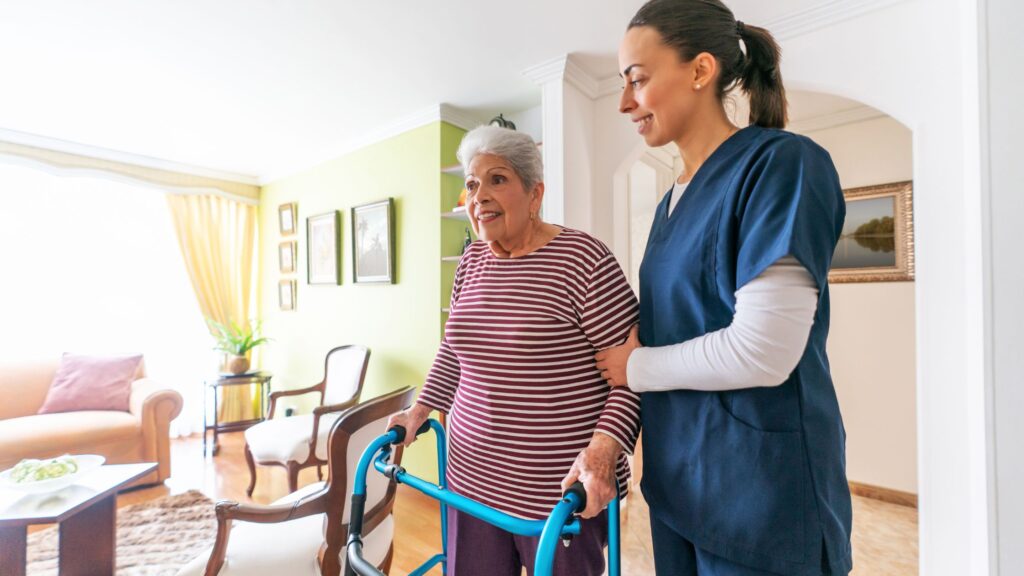
One should weigh the benefits and disadvantages of assisted living and in-home care while deciding between them. Knowing their differences will help you choose which is preferable even if assisted living homes and home care provide fantastic support to seniors and anybody requiring assistance with daily tasks. Our initial concentration at Indy In-Home Care is offering customized treatment that satisfies your requirements and enhances your quality of life. Benefits of in-house home care Types of Home Assistance What is Assisted Living? Assisted living involves residing in assisted living facilities, where individuals receive round-the-clock supervision and assistance with daily activities. These living facilities are ideal for those who require consistent support but do not need intensive medical care. Benefits of Assisted Living Assisted Living Service Offers Key Differences Between In-Home Care and Assisted Living Feature In-Home Care Assisted Living Facilities Environment Home-based Facility-based Personalized Care Highly customizable Standardized with some customization Independence Greater freedom Structured schedule Social Interaction Limited to family and caregivers Community-based social activities Level Care Required Varies, from basic to advanced Moderate medical and personal care Cost Flexible, pay for services needed Fixed monthly fees, all-inclusive Familiarity Remain in the comfort of home Adapt to a new environment Which Option Is Right for You? Consider the following factors when deciding between home care and assisted living: Financial Considerations Emotional and Social Impact Why Choose Indy In-House Care? At Indy In-Home Care, we know that everyone has particular requirements. Our home care choices are meant to offer individualized attention appropriate for your way of life. Our expert care services seek to improve your quality of life and allow you to remain in your house. Indy In-Home Care is here to guide you in making wise decisions regarding your care, whether your needs call for occasional help or complete support. We provide the following home care services: Although you must choose between assisted living and home care, knowing the differences will help you evaluate your needs and provide the best answer. To discuss our home care choices and find out how we could help you or a loved one, contact Indy In-Home Care now.
Home Care Services: Nutrition Tips for Seniors

Maintaining an appropriate diet becomes more critical for seniors’ general health, energy levels, and quality of life as they age. Home care recipients should have well-planned meals that fit their particular dietary requirements so they may be strong, active, and independent. Whether they are getting help from professional home care services or in a role home care environment, their well-being depends much on correct meal preparation. Emphasizing how care helps seniors maintain a balanced diet and how professional care providers, like Indy In-Home Care, play a vital part in their health and well-being, we will examine important nutrition suggestions for seniors getting home care in this thorough guide. 1. The Value of Appropriate Senior Home Care Nutrition People’s dietary needs change with ageing. Seniors’ home care should center on providing balanced meals that promote heart health, bone strength, and cognitive ability. A well-considered diet guarantees elders get the required minerals and vitamins to sustain everyday activity. Seniors in-home care often have changes in metabolism, a smaller appetite, and trouble eating or swallowing. Understanding these difficulties helps home carers to create meal menus guaranteeing the best nutrition. 2. Cooking: The Key to a Good Lifestyle One of the main components of housekeeping home services is cooking meals. Good planning guarantees elders get nutrient-dense meals free from the stress of cooking on their own. Meal preparation may be helpfully assisted by care home personnel in: Home care ensures elders eat good, tasty, and easy-to-digest food, therefore avoiding frequent issues such as weight loss, malnutrition, or dehydration. 3. Senior in Care Home Care Essential Nutrients Seniors using in-home care services should have a well-balanced diet comprising: • Proteins: Crucially important for general strength and muscle preservation. Sources call lean meats, fish, eggs, beans, and dairy. • Fiber keeps constipation free and supports digestion. Seniors should eat fruit, vegetables, and healthy grains. Omega-3 fatty acids found in nuts, seeds, and fish preserve cognitive ability and heart health. Strengthen bones and stop osteoporosis with calcium and vitamin D.Among great sources include dairy products, leafy greens, and fortified meals. When needed, seniors should drink enough water, herbal teas, and clear, liquid soft diets to avoid dehydration. 4. Handling Special Diets and Dietary Restrainment Many elderly people getting home care services have particular dietary requirements. Care plans should take into account certain dietary limitations, including: Ensuring elders maintain their recommended diets while still enjoying great and healthy meals depends mostly on the role home care professionals play. 5. Home Care Provider Involvement in Meal Assistance Meal planning, food shopping, and meal preparation help home care professionals make sure senior’s house stays stress-free. Among their duties are: Indy In-Home Care stresses for elders the need for customized diets. Their knowledgeable housekeepers make sure elders get meals fit for their dietary requirements while encouraging general health. 6. Promoting Good Eating Practices Good dietary habits that support health and lifespan aid elders, therefore caring for them. Encouragement of seniors should include: Incorporating social events like family get-togethers or virtual dinner-sharing sessions with loved ones can help mealtimes to be fun. Care home services should also reflect this. 7. Home Care Ensures Seniors’ Maintaining of a Healthy Diet Home care gives elders constant dietary assistance, therefore benefiting them. Seniors can use professional housekeepers: Meal cooking is not just a chore, but also a way to help seniors in-home care have better health and quality of life. 8. Benefits of expert Home Care Services Professional housekeepers, as Indy In-Home Care offers, provide elders with essential assistance. These offerings consist of: The knowledge and commitment of professional caregivers who concentrate on enhancing general nutrition and well-being help seniors with home care. Final Thoughts Maintaining the health, energy level, and quality of life of the seniors relies on their obtaining suitable food for in-home treatment. Their well-being is improved by meal planning, tailored diets, and assistance from professional home care aides. Good nutrition is vital in everyday life whether elders live in the home care setting, a care facility, a receiving house care provider, or another.Choosing suitable home care providers such as Indy In-Home Care enables seniors to enjoy nourishing meals that improve their overall health and lifespan. Among the home care services that ensure every senior receives the best possible treatment so they may live healthily and independently for years to come are meal preparation and dietary advice.
Home HealthCare: Supporting Seniors with Dementia & Cognitive Health

Older people—especially those with dementia—have a lot of challenges. As cognitive impairment proceeds, everyday tasks become more complicated; managing medicines, personal hygiene, and daily routines require more major assistance. Home health care services are beneficial here as they provide older adults with a compassionate and person-centered approach to maintaining their dignity, independence, and quality of life.The right in-home healthcare provider for Indiana families may make all the difference. They want to ensure their loved ones get significant care in a comfortable environment. Companies like the Indy In-homecare offer tailored home health services targeted to the needs of individuals with dementia. The significance of professional caregivers, how home health care might help elderly persons with dementia, and how healthcare services enhance patient and family well-being will be covered in the following article. 1. Comprehending Dementia and Cognitive Function Affecting memory, problem-solving abilities, and everyday activity performance, dementia is a decline in cognitive ability. Typical forms of dementia are: Cognitive decline impacts not only the patients but also their families; consequently, the treatment of the condition depends much on home health care. 2. How Home Care Helps Seniors With Dementia Support Each Other Maintaining a familiar home setting helps those with dementia considerably improve their quality of life. In-home caregivers provide customized help, including: Families that choose in-home healthcare ensure their loved ones get the treatment and attention they need without relocation stress. 3. Advantages of home healthcare for dementia patients Home health services provide benefits beyond convenience. A few main advantages consist of the following: 4. Managing Medications and Ensuring the Right Dosage Many times, when using many drugs, people with dementia must carefully manage their prescriptions. Maintaining: depends on caregivers much. Home healthcare services provide help to families having trouble managing medications. 5. Person-Centered Approach A person-centered approach guarantees that those with dementia get treatment honoring their choices and uniqueness. This implies: Focusing on the person helps caregivers to create a loving atmosphere that improves mental and emotional health. 6. The Value of Expert Home Health Services’ Caregivers Trained to manage the particular difficulties of dementia care, professional caregivers provide: For Indiana families looking for high-quality home health care, dependable companies like Indy In-Homecare provide seasoned caregivers. 7. How Family Members Can Help Dementia Affected Loved Ones Professional caregivers provide necessary assistance; family engagement is just as critical. Several methods to assist are: 8. The Part Doctors and Other Medical Professionals Play Dementia care depends much on doctors because: Always see doctors for medical guidance if you need assistance controlling the condition of a loved one. 9. Indiana Homecare: Dependable Choice for Families Home healthcare companies provide families in Indiana with complete care options. Services consist of: Selecting a reputable Indiana home care provider guarantees peace of mind for families negotiating dementia care. 10. Home Healthcare Career Prospects There are plenty of chances for individual job seekers wishing to join the area, given the increased need for home health services. Home health care professions provide: The home health sector offers satisfying employment opportunities to doctors, people, career seekers, and caregivers. Conclusion Taking care of a loved one with dementia calls for both patience and commitment, as well as appropriate healthcare facilities. Essential help from home health care lets elders age pleasantly and preserve their cognitive ability. If you or a loved one need competent and compassionate care for the management of dementia, think about contacting a reputable service such as Indy In-Homecare. FAQs Home caregivers assist with personal care, medication management, companionship, safety supervision, and daily routines to support cognitive health. Look for licensed providers with experienced staff, personalized care plans, and positive reviews. Indy In-Homecare is a trusted option. Yes, caregivers ensure patients take the proper dosage at the right time and monitor side effects under physician guidance. A person-centered approach prioritizes the patient’s preferences, independence, and emotional well-being, enhancing their overall quality of life. Yes! The demand for home health services is increasing, offering rewarding job opportunities for caregivers, nurses, and healthcare professionals.
What to Expect from a Professional Caregiver | Quality In-Home Care

Taking care of an elderly loved one may provide both fulfilling and demanding tasks. Many families seek professional caregivers to guarantee their loved ones get the greatest possible assistance and handle necessary In-home care. Knowing what to expect from a skilled caregiver is vital whether your search is for In-home care services or information on Indiana homecare. The duties, advantages, and reasons for engaging a professional in health care will be covered in this article. The Work of a Professional Caregiver Trained to assist patients in everyday tasks, personal care, and medical requirements, professional caregivers are In-home caregivers who may have duties including: Assistance with personal care: Helping patients with hygiene, clothing, grooming, and bathing. Daily routines are kept under maintenance, and personal requirements are satisfied with dignity and respect, thanks to in-home care providers. Medication Management: Medication management helps elderly people follow correct prescription-taking guidelines. In healthcare, ensuring the correct dose and that drugs are administered at the proper moment is very vital. Support for Mobility: Helping with walking, transfers, and transportation. Many job seekers in the caring field concentrate on mobility to help avoid falls and preserve independence. Friendliness: Involving patients in meaningful dialogues and activities. Person-centered care gives patients emotional support and company to improve their quality of life. Meal preparation: Making wholesome meals fit for dietary requirements. In-home expert caregivers guarantee correct diet and health maintenance. Light housework, laundry, and maintaining the safety of the living area. Long-term health treatments and general health services depend on clean and safe surroundings. Monitor Medical Conditions: Seeing any changes in health and informing family members or doctors about them. Giving good senior care depends on the early identification of health problems. Advantages of Hiring a Certified Caregiver Many times, families question whether choosing a caregiver is the best one. The advantages are as follows: 1. Enhanced Standard of Life Professional caregivers deliver in-home care that improves a patient’s mental and physical state. Regular support enables patients to retain their freedom even when they need assistance. In-home care services would allow patients to keep privacy and independence while remaining comfortable. 2. Family’s Peace of Mind You may concentrate on work, personal life, and other obligations free from continual stress when a reliable expert is seeing your loved one. Having expert help gives comfort whether your needs are occasional or full-time care. 3. Customized Treatments Plans Every patient has distinct requirements. Professional caregivers provide person-centered care plans, guaranteeing that all facets of health care are taken care of. Customized approaches guarantee the most significant healthcare experience, whether it comes to personal care, medication management, or help with mobility. 4. Emotional support and companionship The condition of a patient might be much influenced by loneliness. Having a caregiver aids in the emotional support and social connection needed. In-home care services provide a friendly company that could improve quality of life and mental health. 5. Rest for Family Caregivers Full-time loved one care may be taxing. Professional caregivers who provide in-home care help families by letting family members take breaks. Some initiatives through Indiana homecare assistance programs allow people to be paid to look after a family member. Finding the Appropriate Caregiver A key first step is choosing the correct practitioner for in-home care. Here’s something to think about: Handling Medications and Health Monitoring Many patients require assistance managing medicines, and professional caregivers are crucial in ensuring drugs are administered at the proper dose time. Medication management helps patients understand the need to follow prescriptions and prevent problems. Many times, caregivers get in touch with doctors to supply updates on medical issues and guarantee that patients get the required treatment. Employment Possibilities for Caregivers Those looking for a profession in healthcare might discover prospects in in-home care services and in-home care. Many job seekers investigate healthcare positions that let them help patients personally. Professionals able to provide in-home care and health services to those in need are constantly sought in the healthcare sector. Long-Term Management and Future Planning Planning long-term becomes crucial when loved ones become older. By weighing choices like in-home care, assisted living, or hospice services, a professional caregiver may help to prepare for future requirements. Knowing long-term healthcare alternatives guarantees that patients get the appropriate assistance when their requirements change. Knowing Home Care Products Patients who use home care services may stay home to get the required treatment. Whether it’s daily aid, mobility support, or companionship, in-home care services offer a solution that increases patient freedom.Many people would rather have in-home medical than relocate to a facility. Personalized attention provided by in-homecare services guarantees that patients get the best possible treatment while being in comfortable settings. Selecting Indy In-Home Care Indy In-Home Care provides compassionate services catered to fit every family’s requirement for those in Indiana seeking dependable In-homecare. With educated personnel who specialize in In-home care, Indy In-Home Care guarantees that patients get the finest possible assistance in the comfort of their homes. The Importance of Compassionate Caregiving Good care transcends simple maintenance. It’s about establishing a relationship between the patient and the caregiver. Professional caregivers’ Person-centered care enhances their patients’ emotional, psychological, and physical condition. Whether regular care or sporadic assistance, caregivers are vital in a patient’s life. Final Thoughts Ensuring appropriate treatment for elderly loved ones depends on the proper professional caregiver being found. Professional caregivers are vital in health care, whether your quest is for Indiana homecare programs, compassionate care, or assistance managing prescriptions. Families can guarantee their loved ones get the finest possible treatment and improve their well-being by selecting the appropriate support system.If you or a loved one are considering appointing a caregiver, spend time investigating, organizing, and choosing a certified expert who can provide dependable health services, customized care, and in-home care. Patients may live better and get the assistance they need for long-term health care with the correct caregiver.
Why Preventive Health Care is Important Prevention is Better Than Cure

The principle that preventing illness is more effective than treating it is a fundamental aspect of public health and improving population health. The phrase “prevention is better than cure” was first coined by Dutch philosopher Desiderius Erasmus around 1500, and it remains highly relevant today. Modern healthcare strategies worldwide emphasize the importance of preventing illness before it occurs. Preventive health care focuses on keeping people healthy, content, and independent at every stage of life. By reducing the occurrence of health problems and supporting individuals in managing them effectively, we can achieve this goal. Prevention is equally important for individuals of all ages, whether they are seventy or seven. What is Preventive Health Care? Preventive health care involves proactive steps to reduce the risk of developing major illnesses or diseases. It encompasses a wide range of activities, such as: These measures are designed to help people maintain their overall health and well-being. Preventive health care not only aims to prevent illness but also to identify potential health issues before they become serious. Supporting the Health Care System Preventive health care can alleviate the burden on an already strained healthcare system by helping people stay healthy and avoid expensive treatments for chronic conditions. It is an essential component of a comprehensive approach to improving public health outcomes. By enhancing health outcomes, individuals and communities can enjoy longer, healthier lives. Prioritizing preventive health care ensures everyone can lead healthier lives. Additionally, reducing the burden of preventable illnesses and diseases on vulnerable populations promotes a more equitable and just society. Preventive health care is crucial for creating healthier communities for all members of society. The Benefits of Preventive Health Care Conclusion: Embrace Preventive Health Care for a Healthier Future Preventive health care is vital for maintaining good health, reducing healthcare costs, and ensuring a productive and fulfilling life. By embracing preventive measures, individuals and communities can enjoy the benefits of improved health and well-being. Investing in preventive health care not only saves lives but also creates a healthier, more resilient society. For more information on how to incorporate preventive health care into your lifestyle, consider reaching out to local healthcare providers and exploring resources that support proactive health management.