

Good nutrition is one of the most powerful tools for living a long, active, and joyful life—especially for seniors. As we age, our bodies change, and so do our nutritional needs. Eating well can boost energy, strengthen immunity, and improve mental clarity, but maintaining a balanced diet and proper senior nutrition can become more difficult with time. That’s where compassionate home care comes in.
In Central Indiana, senior home care services are stepping up to ensure older adults receive the assistance and nourishment they need to thrive. Companies like Indy In-Homecare are helping families provide balanced meals, meal preparation assistance, and expert nutritional support—right from the comfort of home.
This article explores the importance of senior nutrition, the role of home care in maintaining health, and how balanced meal planning can enhance quality of life for seniors across Central Indiana.
Why Nutrition Becomes More Important with Age?

As people age, their metabolism slows, muscle mass decreases, and nutrient absorption weakens. What once was a simple meal can now impact energy, mood, and independence. Proper nutrition helps prevent chronic illnesses like heart disease, diabetes, and osteoporosis.
Seniors often face unique challenges, including:
- Reduced appetite due to medications or slower digestion.
- Difficulty chewing or swallowing, making solid foods less appealing.
- Decreased taste and smell, which can make food less enjoyable.
- Limited mobility, which affects grocery shopping and Cooking.
Aging bodies require nutrient-rich meals, not just calories. Each bite should count—providing essential vitamins, minerals, protein, and hydration to keep the body functioning at its best.
That’s why having a home care provider in Central Indiana who understands these nutritional needs can make a life-changing difference.
Understanding the Nutritional Needs of Seniors
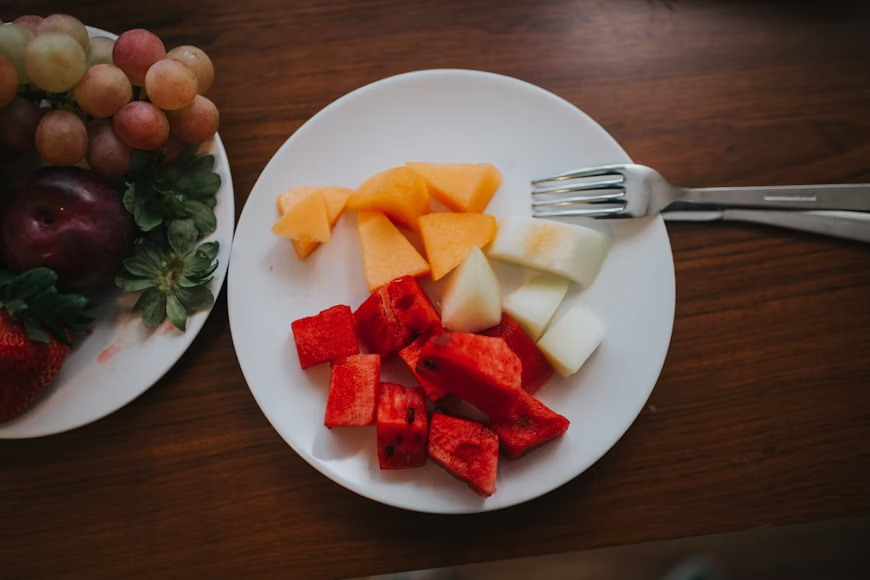
Balanced nutrition is all about variety and moderation. Seniors need more nutrients per calorie, meaning every meal should include foods that pack a powerful punch in small portions.
Here are key nutrients every senior should include in their diet:
| Nutrient | Why It’s Important | Sources |
| Protein | Maintains muscle mass and strength | Eggs, poultry, beans, fish |
| Calcium & Vitamin D | Keeps bones strong and prevents fractures | Milk, yogurt, leafy greens |
| Fiber | Aids digestion and heart health | Whole grains, vegetables, legumes |
| Omega-3 Fatty Acids | Supports brain and heart health | Salmon, walnuts, flaxseed |
| Vitamin B12 | Promotes nerve and blood health | Eggs, dairy, fortified cereals |
| Potassium | Helps control blood pressure | Bananas, potatoes, spinach |
Hydration is another often-overlooked aspect of nutrition. Seniors tend to drink less water, increasing the risk of dehydration. Including soups, smoothies, and fruits with high water content can help maintain fluid balance.
Balanced Meals: The Foundation of Senior Wellness
A balanced meal should include all major food groups in appropriate portions. Caregivers and family members can follow the “half-plate rule”:
- ½ Plate: Colorful vegetables and fruits
- ¼ Plate: Lean proteins like chicken, fish, or beans
- ¼ Plate: Whole grains such as brown rice or quinoa
Healthy fats from olive oil, nuts, and avocados support heart and brain health. Avoiding excess sodium, sugars, and processed foods can help prevent high blood pressure and diabetes.
Consistency is key—regular meal times and portion control help maintain energy levels and digestive comfort throughout the day.
The Role of Home Care in Supporting Senior Nutrition

Home care is more than assistance—it’s personalized wellness support. Seniors who receive help at home can maintain independence while ensuring their nutritional needs are met.
Professional caregivers in Central Indiana home care services often assist with:
- Meal preparation and planning tailored to dietary needs.
- Grocery shopping to ensure healthy ingredients are available.
- Feeding assistance, if needed, with patience and compassion.
- Hydration reminders help seniors stay energized and alert.
For example, a caregiver might prepare a high-protein breakfast smoothie with yogurt, oats, and fruit for seniors who struggle with chewing. Or they might create soft, comforting soups packed with vegetables and lean meat for easy digestion.
By integrating nutrition into everyday routines, home care transforms mealtimes into wellness, comfort, and connection opportunities.
Meal Preparation Tips for Seniors and Caregivers

Meal preparation can be enjoyable when approached creatively and thoughtfully. Here are a few practical tips to make meals more nutritious and appealing:
Simplify Cooking
Use easy-to-follow recipes that don’t require too many ingredients. Meals like vegetable soups, one-pan stir-fries, and baked casseroles are nutritious and simple.
Include Soft Foods
For seniors with dental issues, soft foods like smoothies, pureed vegetables, or oatmeal can provide nutrients without discomfort.
Add Color to the Plate
A colorful plate often means a variety of nutrients. Add red peppers, green spinach, orange carrots, and purple berries to make meals appealing and healthy.
Plan Ahead
Preparing meals in advance ensures consistency and reduces daily stress. Freezing small portions of soups or stews can provide quick, healthy options anytime.
Flavor Naturally
Use herbs and spices instead of salt to enhance flavor. Garlic, basil, cinnamon, and turmeric can make meals taste rich without raising sodium levels.
Soups and Smoothies: Nutrition Made Easy
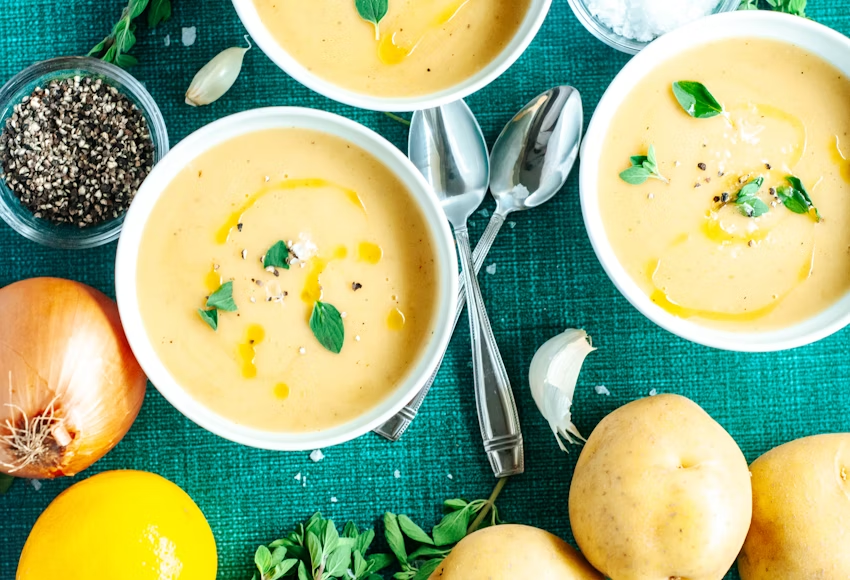
Soups and smoothies are ideal for seniors who face challenges with chewing, swallowing, or reduced appetite. They’re easy to digest, versatile, and can be customized to meet specific health needs.
- Soups like chicken, vegetable, lentil, or creamy pumpkin provide hydration and fiber.
- Smoothies made with spinach, banana, milk, and yogurt are nutrient-rich and energizing.
They also help seniors stay hydrated, especially during hot Indiana summers or in cases where drinking plain water is difficult. A warm soup in the evening or a cool smoothie in the morning can make all the difference in maintaining nutritional balance.
Balanced Meal Plans for Seniors
Creating a consistent, varied meal plan helps seniors meet their daily nutritional requirements. Here’s a simple sample day plan for balanced nutrition:
Breakfast:
- Scrambled eggs with spinach and whole-grain toast
- Fresh fruit or a banana smoothie
Lunch:
- Turkey and vegetable soup
- Side salad with olive oil dressing
Snack:
- Greek yogurt with berries or a handful of nuts
Dinner:
- Grilled fish with brown rice and steamed broccoli
- A small portion of fruit for dessert
Hydration Tip:
Encourage at least 6–8 cups of fluids daily, including herbal teas, water, and soups.
Expert Nutritional Support Through Home Care
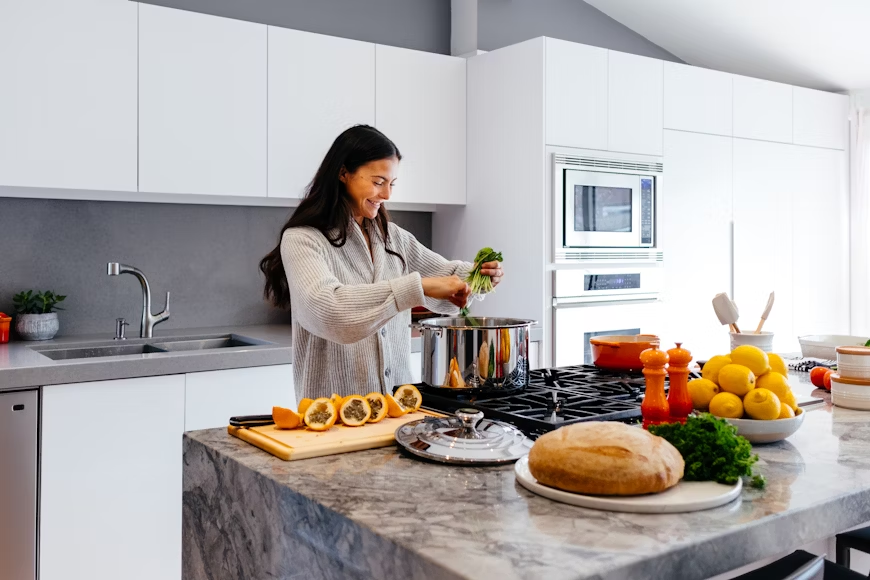
Proper nutrition isn’t just about knowing what to eat—it’s about having the right support system to maintain those habits. Home care professionals are vital in ensuring seniors get balanced meals daily.
Caregivers who provide expert nutritional support go beyond preparing meals—they observe eating patterns, encourage hydration, and notice changes in appetite or energy levels. This allows for early detection of potential health issues and ensures personalized attention.
At Indy In-Homecare, caregivers are trained to combine compassion with nutritional expertise. Their goal is to empower seniors to live independently while receiving the necessary nourishment and emotional support. It’s not just about cooking—it’s about caring through nutrition.
The Connection Between Nutrition and Mental Wellness

Food doesn’t just fuel the body—it affects the mind. Proper senior nutrition provides essential nutrients like omega-3 fatty acids and B vitamins, which support brain function and may reduce symptoms of depression, anxiety, and cognitive decline. A well-balanced diet plays a crucial role in maintaining emotional stability and mental sharpness as we age.
Shared meals, even simple ones, can also help reduce feelings of loneliness. For seniors who live alone, having a caregiver present during mealtime adds companionship and emotional comfort. Within a strong senior nutrition plan, eating together becomes more than a daily routine—it transforms into a meaningful ritual that nourishes both the body and the spirit, enhancing overall quality of life.
Central Indiana’s Commitment to Senior Health

Central Indiana is known for its close-knit communities and emphasis on family values. Many local organizations and home health providers work together to ensure seniors access to healthy food, wellness programs, and nutritional education.
Community initiatives like Meals on Wheels and senior wellness centers provide nutritious food options and social opportunities. Combined with home care services, these programs make it easier for seniors to maintain a balanced lifestyle even with limited mobility.
Creating a Culture of Balanced Living
Supporting senior nutrition isn’t a one-time task—it’s a continuous journey that involves education, compassion, and adaptation. Families, caregivers, and local organizations must collaborate to promote healthy habits and make nutritious meals accessible.
Encouraging seniors to participate in meal planning, try new foods, and maintain hydration can significantly improve physical and emotional health. The key lies in consistency, balance, and care—three elements at the heart of Central Indiana’s home care community.
Conclusion
Good nutrition is the foundation of good health, especially for seniors who wish to age gracefully and independently. A balanced diet, filled with essential nutrients, wholesome foods, and hydration, supports every body part—from bones to the brain.
With the help of caring professionals like those at Indy In-Homecare, seniors in Central Indiana can enjoy the benefits of nutritious, home-prepared meals catering to their needs. Balanced eating, combined with compassionate home care, truly nourishes both the body and soul—proving that every meal can be an act of love.
FAQs
Why is nutrition so important for seniors?
Because aging affects digestion and nutrient absorption, seniors need more nutrient-dense meals to maintain strength, energy, and mental clarity.
How can home care services support senior nutrition?
Home care caregivers assist with meal planning, preparation, grocery shopping, and monitoring eating habits to ensure seniors get balanced, healthy meals.
What foods should seniors focus on?
Focus on lean proteins, whole grains, colorful vegetables, fruits, low-fat dairy, and healthy fats while limiting processed and sugary foods.
Are soups and smoothies suitable for older adults?
Yes! They’re easy to eat, hydrating, and rich in vitamins, minerals, and protein—ideal for seniors with chewing or appetite challenges.
How can families in Central Indiana help seniors eat better?
Encourage shared meals, regular hydration, and use local resources like community nutrition programs or professional home care support.