
Can Home Care Help a Parent Who Is Becoming Isolated After Losing a Spouse? (A Guide to Healing & Connection)

It rarely looks like grief the way we imagine it. There are no dramatic tears on the phone. Instead, you notice the blinds still drawn at 2 PM. The refrigerator holds a carton of milk a week past its date, and a casserole a neighbor dropped off is still untouched. Dad hasn’t shaved. Mom’s hair hasn’t been done, and she says she’s “just tired.” The television murmurs in an empty room, not because anyone is watching, but because the quiet is unbearable. If you’re an adult son or daughter across Indianapolis, Carmel, Fishers, or Greenwood, juggling your own job, kids, and calendar, you may be sensing that your surviving parent is slipping away from daily life. You may also be wondering whether bringing someone into the home would help or feel like an insult. Here is the short answer: yes, home care can help. Companion care isn’t about replacing the spouse your parent lost. It’s about gently rebuilding the scaffolding of daily life, the meals, routines, and small conversations, that two people once held up together. The Silent Toll of Social Isolation in Older Adults After Spousal Loss Companionship for seniors living alone is non-medical, in-home support that provides regular human connection, shared meals, light household help, and encouragement to stay engaged in daily life. It’s designed to ease loneliness, protect routines, and help older adults remain safely and comfortably in their own homes. After decades of marriage, a home is built around two people. One person remembered the pills, another noticed when the mail piled up. One cooked while the other set the table. When one of them dies, the survivor loses more than a companion. They lose the other half of a system. Grief doesn’t stay in the heart. It shows up in the body and mind, especially for older adults: This matters because loneliness isn’t only sad. The National Institute on Aging reports that social isolation and loneliness in older adults are associated with serious health risks, including higher rates of depression, heart disease, and cognitive decline. Left unaddressed, the quiet can become a health problem. Then there’s the math no one likes to say out loud. Even devoted children who visit every Sunday leave roughly 160 hours a week unaccounted for. Your visits are precious, but they can’t fill the silence between them. That isn’t a failure of love. It’s simply too many hours for one family to cover, especially when you’re also raising children or working full time. How Companion Care at Home Rebuilds Daily Connection Good companion care after the loss of a spouse isn’t dramatic. It works through small, steady touchpoints that make a house feel lived in again. Our dedicated companion care services are built around these gentle anchors. Shared daily anchors: There’s a world of difference between eating a sandwich standing over the sink and sitting at the table across from someone. A companion caregiver can share breakfast or lunch, and the ritual of sitting down, pouring coffee, and talking restores a rhythm that grief steals. Over time, mealtime becomes something to look forward to again. Preserving routine and dignity: Withdrawn parents often stop doing the things that made home feel like home. A caregiver can help with laundry, fresh bedding, tidying, and opening the windows to let in daylight, without making your parent feel incapable. The goal is to work alongside them, not take over. “Let’s fold these together” lands very differently than “let me handle that.” Nourishment that supports the body: When appetite disappears, nutrition suffers quickly. Our meal preparation and nutrition support helps parents eat regularly again, whether that means cooking a favorite recipe together, planning easy meals for the week, or noticing when the pantry has quietly emptied. Sometimes a familiar dish from a spouse’s kitchen is the first thing a grieving parent has actually enjoyed in weeks. Active, unhurried listening: This may be the most healing piece. Many widowed parents hold back from talking about their spouse with their own children. They don’t want to burden them, or make them cry, or bring the mood down. A companion caregiver offers a patient, neutral presence. Your father can tell the story of how he met your mother, for the fifth time, without worrying that he’s wearing anyone out. Your mother can say her husband’s name out loud and hear it received with warmth. Grief that gets spoken tends to soften. Grief that stays locked in a quiet house tends to harden. The AARP’s caregiving resources echo this theme: after a long marriage, re-establishing structure and meaningful daily contact is one of the most important parts of adjusting to life alone. Visiting Caregiver vs. Assisted Living: Weighing Your Options When you see a parent struggling, the next thought is often, “Maybe they’d be better off somewhere with people around.” It’s a loving instinct, and for some families a move is the right answer. But moving in the middle of bereavement carries its own emotional cost. Here is how the two paths compare. Need / Care Factor In-Home Companion Care Senior Living Facility Move Familiarity of environment & memories Your parent stays surrounded by photos, furniture, the garden, and the rooms shared with their spouse. Familiar surroundings are left behind, which can feel like losing a second home. Routine preservation Care fits around existing habits, from morning coffee to favorite programs. Days often follow the facility’s schedule for meals, activities, and wake times. Flexibility of hours Visits can be a few hours a week or more, and adjusted as needs change. Care is bundled into a set community structure and monthly fee. Cost control Families pay for the hours they need and can scale up or down. Costs are typically fixed monthly, and often higher, regardless of usage. Emotional stress of moving during bereavement No move, no sorting a lifetime of belongings, no adjusting to a new place while grieving. Downsizing, packing, and adapting to a new community can compound grief. Neither option is right for every family.
Long-Distance Caregiving: How to Manage In-Home Care Indiana Families Rely On — From Miles Away

You got the call on a Tuesday afternoon. Your mom fell getting out of the shower. She’s okay — this time — but you live four states away, and the guilt hits you like a wave. You want to be there. You should be there. But life, work, and distance make that impossible every day. You’re not alone. According to AARP, more than 11 million Americans provide long-distance care for an aging family member, often from hundreds of miles away. For families spread across the country with roots in Indiana, that distance can feel unbearable. The good news? In-home care Indiana seniors and families trust has made it possible to keep loved ones safe, comfortable, and cared for — without uprooting anyone’s life. Here’s what you need to know. How In-Home Care Indiana Supports Your Loved One’s Emotional Wellbeing Loneliness is one of the biggest health risks facing older adults. Studies show that chronic loneliness can be as harmful to the body as smoking 15 cigarettes a day. For seniors living alone in Indianapolis or the surrounding Indiana counties, quiet days with little human contact can take a real toll — on their mood, memory, and motivation. A professional caregiver does far more than assist with chores. They show up at the same time each week, learn your loved one’s stories, watch their favorite shows together, and share a cup of coffee. That consistent, familiar presence matters deeply. Senior home care Indianapolis families choose often includes companions who build genuine relationships over time. Your mom starts to look forward to Thursdays. Your dad jokes with his caregiver like an old friend. That kind of connection is something no amount of phone calls from another state can fully replace — but knowing it’s happening makes those calls so much warmer. Keeping Daily Routines On Track With Elderly Care at Home Indiana One of the hardest things about living far away is not knowing what each day looks like for your parent. Did they eat breakfast? Take their medications? Make it to their doctor’s appointment? With elderly care at home Indiana providers offer, you get the structure and oversight that keeps daily life running smoothly. Caregivers help with: Most reputable agencies also keep family members in the loop. Regular check-ins, care notes, and open communication mean you know what’s happening at home — even from a thousand miles away. That visibility is everything when you can’t be there in person. Home Safety: Why a Home Health Aide Indianapolis Families Choose Can Make All the Difference Falls are the leading cause of injury-related death in adults 65 and older. And most falls happen at home. For a senior living alone, a fall can mean hours on the floor before anyone knows. A home health aide Indianapolis families rely on provides an attentive, trained set of eyes inside the home every day. They notice when the throw rug has shifted, when the bathroom is getting harder to navigate, or when your loved one seems a little off balance. They catch the small things before they become big problems. Beyond fall prevention, in-home caregivers create safer environments by: Many Indiana families discover that a caregiver’s daily presence isn’t just about help — it’s about having someone there who genuinely cares and will act fast if something goes wrong. The Peace of Mind That Non-Medical Home Care Indiana Provides for Families Far Away Here’s what long-distance caregivers say they want most: to stop worrying. Not every minute, not completely — but enough to sleep at night. Non-medical home care Indiana agencies provide exactly that kind of reassurance. You’re not just hiring someone to sweep floors. You’re putting a trusted, vetted professional in your parent’s life who can be your eyes, ears, and hands when you can’t be there. Midwest families tend to carry a strong sense of obligation when it comes to caring for their parents. That’s something to be proud of. But guilt doesn’t have to be the fuel that drives those decisions. Choosing quality in-home care is an act of love — one that respects your loved one’s independence and dignity while keeping them genuinely supported. Many families in Hamilton County, Marion County, and surrounding Indiana communities find that once in-home care is in place, the whole family exhales. Siblings stop arguing about who’s doing enough. Caregivers stop burning out. And the senior at the center of it all feels cared for — not just managed. Aging in Place Indiana: A Smarter, More Affordable Choice Than You Might Think The cost of care is always part of the conversation. Families often assume that a nursing home or assisted living facility is inevitable once a loved one needs more support. But aging in place Indiana makes a compelling case for staying home. The national average cost of a semi-private room in a nursing home runs over $7,000 per month. Assisted living typically costs $4,000–$5,000 or more per month. In-home care, by contrast, is far more flexible — families pay only for the hours they need, whether that’s a few visits a week or full-time daily support. Beyond dollars, there’s something equally important: most seniors want to stay home. Their home is where their memories live. It’s where they feel like themselves. Research consistently shows that older adults who age in place report higher satisfaction and better mental health outcomes than those in institutional settings. When you factor in both the cost savings and your loved one’s quality of life, in-home care isn’t just a practical choice — it’s often the best one. Let Indy In-Home Care Be Your Partner, No Matter Where You Live Managing care from another state is hard. But you don’t have to figure it out alone. At Indy In-Home Care, we work closely with long-distance families every day. We’ll talk through your loved one’s needs, walk you through your options, and build a care plan that fits — whether your parent lives in Indianapolis, Carmel, Greenwood, or a small Indiana
7 Practical Caregiver Strategies Every Indiana Family Should Know (Routine, Lighting, Validation Therapy & More)

Caring for a loved one at home in Indiana is one of the most meaningful — and demanding — roles a person can take on. Whether you’re supporting an aging parent, a spouse with dementia, or a family member with a disability, having the right strategies in place makes all the difference. At Indy In-Home Care, we’ve worked alongside hundreds of Indiana families and seen firsthand how simple, evidence-based techniques can dramatically improve quality of life — for both the person receiving care and the caregiver providing it. In this guide, we’re sharing seven practical strategies that professional in-home caregivers use every day, so you can bring that same level of care right into your own home. Why Caregiver Strategy Matters for Indiana Families Indiana is home to more than 1.1 million unpaid family caregivers, and the demand for quality in-home care in Indiana continues to grow as the senior population expands. Without proven strategies, even the most loving caregiver can experience burnout, and the person in their care can face increased anxiety, confusion, or physical decline. The good news: small, deliberate changes to how care is delivered can produce big results. Let’s walk through seven of the most impactful ones. 1. Build a Consistent Daily Routine For seniors — especially those living with Alzheimer’s, dementia, or anxiety — predictability is profoundly calming. A structured daily routine reduces confusion, minimizes behavioral disruptions, and helps the body regulate sleep, appetite, and mood. How to implement it: Routines don’t need to be rigid — they just need to be reliable. Even small rituals, like an afternoon cup of tea or a morning walk around the block, create anchors that help loved ones feel safe. 2. Optimize Lighting Throughout the Home Poor lighting is one of the most overlooked hazards in home care. Inadequate or harsh lighting contributes to falls, increases agitation in dementia patients (especially in the late afternoon, a phenomenon known as “sundowning”), and disrupts healthy sleep cycles. Practical lighting adjustments: This single intervention — improving lighting — has been shown to reduce falls and improve sleep quality in older adults significantly. 3. Use Validation Therapy for Dementia and Memory Care Validation therapy is a communication approach developed by Naomi Feil in the 1960s, and it remains one of the most compassionate tools in dementia care. Instead of correcting a person’s reality (which increases distress), validation therapy meets them where they are emotionally. The core principle: The feelings behind what someone with dementia says are always real, even if the facts aren’t. How to practice validation therapy at home: Validation therapy reduces agitation, improves emotional wellbeing, and strengthens the caregiver-client relationship — all without medication. 4. Simplify the Environment to Promote Independence A cluttered or overly complex environment can overwhelm seniors and those with cognitive decline. Strategic simplification empowers your loved one to do more on their own — safely. Environment modifications that work: The goal is a home that works with your loved one, not against them. 5. Practice Meaningful Engagement and Activity Loneliness and inactivity are serious health risks for seniors — linked to cognitive decline, depression, and even increased mortality. Meaningful engagement isn’t about keeping someone busy; it’s about connecting them to purpose, identity, and joy. Activity strategies for caregivers: 6. Communicate with Calm, Clear Language How caregivers communicate — tone of voice, word choice, body language — shapes the entire caregiving experience. Especially for individuals with hearing loss, dementia, or anxiety, the way something is said matters as much as what is said. Communication best practices: 7. Prioritize Caregiver Self-Care and Know When to Ask for Help This one is often skipped in caregiver guides, but it may be the most important strategy of all: you cannot pour from an empty cup. Caregiver burnout is real, it’s common, and it degrades the quality of care your loved one receives. Self-care strategies for caregivers: And know this: bringing in professional in-home care is not giving up. It’s giving more — more safety, more expertise, and more energy to the relationship you have with your loved one. How Indy In-Home Care Supports Indiana Families At Indy In-Home Care, our caregivers are trained in all of the strategies outlined above. We serve families across Indiana with compassionate, personalized in-home care services — from companion care and daily living assistance to specialized memory care support. Every care plan we build is tailored to the individual, because we know that no two families — and no two loved ones — are exactly alike. Whether you need a few hours of support each week or around-the-clock care, Indy In-Home Care is here to help your family navigate this journey with confidence and peace of mind. We’re proud to serve the Indiana community and are committed to keeping your loved ones safe, engaged, and cared for — right where they want to be: at home. Frequently Asked Questions About In-Home Care in Indiana What does in-home care in Indiana typically include? In-home care services in Indiana commonly include assistance with daily activities (bathing, dressing, grooming), meal preparation, medication reminders, light housekeeping, companionship, and transportation to appointments. Specialized services may also include dementia care and respite care for family caregivers. How much does in-home care cost in Indiana? According to the 2024 Genworth Cost of Care Survey, in-home care in Indianapolis averages around $5,911 per month, though costs vary based on hours of care and services needed. Indiana Medicaid programs (including the CHOICE waiver) may help cover costs for eligible seniors and individuals with disabilities. What is validation therapy and does it work for dementia? Validation therapy is a communication approach that acknowledges the emotions and reality of a person with dementia rather than correcting them. Research supports its effectiveness in reducing agitation, improving emotional wellbeing, and fostering trust between caregiver and care recipient. When should a family consider professional in-home care in Indiana? Families often begin exploring in-home care when a loved one shows signs of difficulty managing daily tasks safely, experiences frequent
Senior Isolation & Indiana Home Care: A Guide for Families

Loneliness is more than a feeling — for older adults, it’s a serious health crisis that quietly shortens lives. Here’s what every Indiana family needs to know. Your mother calls less frequently. Your father has stopped attending the weekly church group he loved for thirty years. When you visit, the house feels a little quieter than it used to — and so does he. For millions of American families, these small changes are easy to dismiss as “just getting older.” But increasingly, medical researchers are calling senior isolation one of the most dangerous — and most overlooked — threats to elder health in the United States. And here in Indiana, where rural communities and suburban sprawl can leave older adults hours away from family, the problem is especially urgent. In this guide, we’ll cover exactly what senior isolation is, why it’s so physically and mentally harmful, the warning signs most families miss, and — most importantly — what you can do today to protect the older adult in your life. What Is Senior Isolation — and How Common Is It? Social isolation refers to having little or no contact with other people. Loneliness is the subjective feeling of being alone, even if you’re not. For seniors, both are dangerously common — and they often feed each other. The statistics are sobering: What’s driving this? A confluence of factors uniquely affecting older adults: the death of a spouse or close friends, retirement removing daily social structure, mobility limitations making it harder to get around, adult children living in different cities, and chronic health conditions that make leaving the house difficult or uncomfortable. In Indiana, this is compounded by geography. Many elderly residents live in rural counties where neighbors are miles apart and public transportation is limited. Even in urban centers like Indianapolis, older adults in fixed-income housing can go days without meaningful human contact. “The health impact of social isolation is comparable to smoking 15 cigarettes a day. This is not a soft, emotional problem — it is a medical crisis.”— U.S. Surgeon General’s Advisory on Loneliness, 2023 The Serious Health Risks of Senior Loneliness Families often think of elder isolation as a quality-of-life issue — sad, but not dangerous. The medical evidence says otherwise. Chronic social isolation in older adults is linked to a cascade of serious physical and cognitive health outcomes. Cognitive Decline and Dementia Regular social engagement is one of the most powerful ways to keep aging brains sharp. When seniors lose their social connections, the brain receives less stimulation, less feedback, and less challenge. Studies show that socially isolated older adults have a 50% greater risk of developing dementia, including Alzheimer’s disease. The mechanism is real: isolation accelerates the buildup of amyloid plaques and tau tangles in the brain that are hallmarks of Alzheimer’s. Depression and Anxiety Depression is not a normal part of aging — but it becomes far more common in isolated seniors. Older adults with limited social contact are significantly more likely to experience clinical depression, generalized anxiety, and in severe cases, suicidal ideation. What makes this particularly dangerous is that isolated seniors often have no one close enough to notice the change and intervene. Heart Disease and Stroke The link between loneliness and cardiovascular disease is well-established. Isolated seniors show elevated levels of cortisol (the stress hormone), increased blood pressure, and heightened inflammatory markers — all major drivers of heart disease. Research published in the journal Heart found that social isolation was associated with a 29% higher risk of heart disease and a 32% greater risk of stroke. Weakened Immune Function Chronic loneliness suppresses immune function at the cellular level, making seniors more susceptible to infections, slower to recover from illness, and less responsive to vaccines. This was starkly illustrated during the COVID-19 pandemic, where isolated seniors experienced dramatically worse health outcomes even independent of direct virus exposure. Falls and Physical Decline Isolated seniors are less likely to maintain physical activity, more likely to neglect nutrition, and more likely to fall — and far less likely to have anyone nearby to help if they do. Falls remain the leading cause of injury-related death among Americans over 65, and social isolation is a documented risk factor. Warning Signs Your Loved One May Be Socially Isolated Many seniors won’t tell their family they’re lonely — out of pride, out of a desire not to be a burden, or simply because they’ve normalized it. These are the signs to watch for: What Indiana Families Can Do Right Now The good news: senior isolation is largely preventable and reversible. Research shows that even modest increases in social connection produce measurable health benefits. Here’s a practical roadmap for families. Practical Steps to Combat Senior Isolation How In-Home Care Addresses Senior Isolation Directly For many Indiana families — especially those managing long-distance caregiving — professional in-home care is the most practical and effective solution to senior isolation. And it does far more than many families realize. At Indy In-Home Care, our caregivers are trained to provide meaningful companionship alongside hands-on assistance. Whether it’s sharing a meal, helping with light exercise, playing cards, accompanying a senior to a doctor’s appointment, or simply sitting and talking — these interactions deliver the social stimulation that aging brains and hearts need to stay healthy. The benefits of regular in-home care visits for isolated seniors include: Consistent human connection: Unlike sporadic family visits, a scheduled caregiver provides a reliable social relationship your loved one can count on — the kind of predictable connection that research shows is most beneficial for mental health. Safety monitoring and early intervention: A caregiver who sees your parent regularly is positioned to notice changes in mood, appetite, cognition, or physical health early — before a small problem becomes a crisis. For isolated seniors living alone, this can be life-saving. Support for daily activities that preserve dignity and independence: When seniors can no longer safely manage tasks like cooking, bathing, or transportation on their own, the alternative is often a care facility — a transition that
Is It Time for In-Home Care? 6 Signs Your Aging Parent in Indiana May Need Help

As parents age, the changes often happen slowly. A forgotten appointment here. A minor fall there. A house that isn’t as tidy as it once was. At first, it’s easy to dismiss these as “normal aging.” But sometimes, they are early warning signs that your loved one may need In-homecare in Indiana. Recognizing when to consider senior care can make the difference between preventing a crisis and reacting to one. With over 1.2 million Indiana residents age 60 and older, the demand for dependable Indiana senior care continues to rise each year. According to AARP, nearly 77% of adults over 50 want to remain in their homes as they age. Aging at home is absolutely possible — but only when safety, daily support, and professional Indiana senior care services are in place to protect health and independence. If you’re wondering whether it’s time to explore professional help, here are six clear signs your aging parent in Indiana may need additional care — and why early Indiana senior care support matters. 1. Frequent Falls or Unsteady Walking Falls are one of the most serious threats to senior independence. The CDC reports that more than one in four adults age 65 and older falls every year. Falls are the leading cause of injury-related deaths among older adults in the United States. Warning signs include: Even one fall can reduce confidence dramatically. Seniors often begin limiting movement after a fall, which weakens muscles and increases future fall risk. Professional In-homecare in Indiana can help reduce this risk by: If your parent has fallen more than once in the past year, it may be one of the strongest indicators they need Indiana senior care support. 2. Difficulty Managing Daily Chores Take a close look at your parent’s living environment. Are there stacks of unopened mail? Spoiled food in the refrigerator? Laundry piling up? According to the National Institute on Aging, nearly 20% of adults over 65 require help with at least one daily activity, and the number increases significantly after age 75. Daily tasks that become difficult include: When seniors struggle with Activities of Daily Living (ADLs), their health can decline quickly. Reliable Indiana senior care allows aging parents to remain in their homes while receiving assistance with housekeeping, meal preparation, and personal care — preserving dignity without sacrificing safety. 3. Missed Medications or Doctor Appointments Medication errors are more common than many families realize. The National Council on Aging estimates that improper medication use causes over 125,000 deaths annually among older adults in the U.S. Red flags include: Many seniors manage several prescriptions at once. Even small memory lapses can lead to dangerous consequences. Professional In-homecare in Indiana provides medication reminders, appointment transportation, and health monitoring — reducing hospitalizations and preventing avoidable complications. If your parent frequently says, “I forgot,” this may be a clear sign that additional Indiana senior care is necessary. 4. Noticeable Weight Loss or Poor Nutrition Nutrition plays a critical role in healthy aging. Research shows that up to 15% of older adults experience malnutrition, and seniors living alone face even higher risks. Signs to watch for: Poor nutrition increases the risk of falls, weakened immunity, hospital visits, and cognitive decline. With professional In-homecare in Indiana, caregivers can assist with grocery shopping, meal planning, and cooking — ensuring seniors receive proper nourishment while enjoying companionship during meals. Good nutrition is one of the pillars of strong Indiana senior care services. 5. Memory Lapses or Increased Confusion Occasional forgetfulness is normal. But repeated confusion is not. The Alzheimer’s Association reports that 1 in 9 Americans age 65+ has Alzheimer’s disease. Early signs of cognitive decline often appear gradually. Warning signs include: Memory challenges can compromise safety quickly. Specialized Indiana senior care services help establish structured routines, provide reminders, and create a safer home environment. Early intervention through trusted In-homecare in Indiana allows seniors with cognitive changes to remain at home longer — safely and comfortably. 6. Social Isolation and Withdrawal Loneliness is more than emotional — it impacts physical health. The National Institute on Aging reports that social isolation significantly increases the risk of: Some studies compare chronic loneliness to smoking 15 cigarettes per day in terms of health impact. Signs of isolation include: Indiana winters can make isolation worse, especially if seniors no longer drive. Companion-focused In-homecare in Indiana provides meaningful interaction, engagement, and emotional support — which are essential elements of high-quality Indiana senior care. When Multiple Signs Appear, It’s Time to Act One isolated issue may not require immediate intervention. But when several warning signs appear together, it’s time to have a thoughtful conversation. Approach gently: Avoid statements like, “You can’t manage anymore.”Instead try, “I’ve noticed a few things lately and just want to make sure you’re safe.” Early discussions prevent crisis decisions later. Why Early Indiana Senior Care Matters Many families wait until a hospitalization or emergency occurs before seeking help. Unfortunately, that delay often leads to: Studies consistently show that seniors receiving structured home support experience better long-term health outcomes and improved quality of life. Proactive In-homecare in Indiana preserves independence — it doesn’t take it away. Compassionate Indiana Senior Care You Can Trust If you recognize these signs in your aging parent, seeking guidance can bring clarity and peace of mind. Indy In-Homecare provides personalized Indiana senior care services designed specifically for aging adults who wish to remain safely at home. Through customized care plans, families receive support tailored to mobility, nutrition, companionship, medication reminders, and daily living assistance. Families across the state rely on Indy In-Homecare for dependable In-homecare in Indiana that prioritizes dignity, safety, and comfort. Even a few hours of weekly support can significantly reduce risk and improve well-being. Choosing Indy In-Homecare means choosing compassionate professionals who understand the unique needs of Indiana families. Whether your loved one requires light assistance or more comprehensive Indiana senior care, their team provides flexible, reliable solutions. If you’re unsure whether it’s time, schedule a consultation with Indy In-Homecare to evaluate your parent’s needs.
In-Home Care in Indiana: Why More Families Are Choosing Care That Comes Home
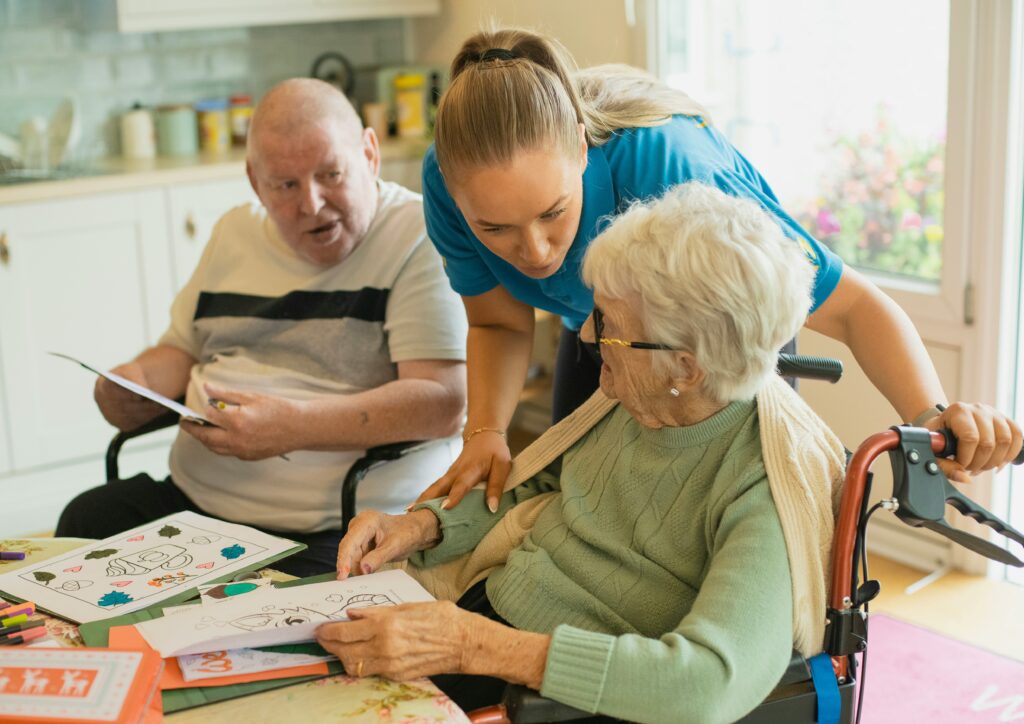
The demand for in-home care in Indiana has never been higher—and the reason is simple. Families want their loved ones to age with dignity, independence, and safety in the place they cherish most: home. Across Indiana, the senior population is rising rapidly. According to the U.S. Census Bureau, adults age 65 and older are one of the fastest-growing age groups nationwide. In Indiana specifically, nearly 1 in 5 residents will be over age 65 within the next few years, creating a significant need for reliable senior support services. For many families, the solution is clear: personalized, compassionate in-home care in Indiana. The Growing Need for In-Home Care in Indiana Indiana’s aging trend is not slowing down. Even more telling? Research consistently shows that over 90% of seniors prefer aging in place rather than moving into nursing facilities. This overwhelming preference is why in-home care in Indiana continues to expand as a trusted and practical solution. Why Seniors Prefer Aging at Home Home is more than a building. It’s routine, memories, comfort, and independence. Choosing in-home care in Indiana allows seniors to: Studies show that seniors receiving structured home care often experience better medication management and improved overall well-being compared to those without support. The Hidden Cost of Family Caregiving Indiana families are stepping up in big numbers. According to AARP, approximately 790,000 family caregivers in Indiana provide hundreds of millions of hours of unpaid care each year, valued at over $10 billion annually. While this dedication is admirable, it can also lead to: Professional in-home care in Indiana doesn’t replace family love—it strengthens it by easing the burden. Health Conditions Driving the Demand Chronic conditions are a major factor in the need for care. Having trained caregivers available at home improves safety, reduces fall risks, and ensures early detection of health changes. At Indy In-Home Care, care plans are built around these realities—providing both preventive support and hands-on assistance tailored to each individual’s needs. Comparing In-Home Care in Indiana to Facility Care When families evaluate options, cost and comfort are major considerations. Cost Perspective Comfort Perspective In-home care offers: For seniors who do not require 24/7 skilled nursing supervision, in-home care in Indiana is often the ideal balance between safety and freedom. What Services Are Included? Quality in-home care in Indiana can include: ✔ Personal hygiene assistance✔ Medication reminders✔ Meal preparation✔ Light housekeeping✔ Mobility and fall prevention✔ Transportation to appointments✔ Companionship and social engagement At Indy In-Home Care, every service plan is customized because no two families are alike. Some clients need only a few hours per week, while others require more consistent daily support. The Emotional Impact of Staying Home Statistics show seniors who remain in familiar environments often experience: The psychological benefit of aging at home is difficult to measure in numbers—but families see the difference immediately. That’s the heart behind professional in-home care in Indiana—preserving not just health, but happiness. The Future of Senior Care in Indiana Indiana’s senior population will continue to grow for the next two decades. As healthcare evolves, home-based support is expected to expand even further. Experts predict: The future of elder care isn’t institutional—it’s individualized. And that’s exactly why families across the state are choosing Indy In-Home Care for compassionate, reliable support delivered right where it matters most. Final Thoughts The numbers don’t lie. Indiana’s population is aging rapidly. Most seniors want to remain at home. Families are stretched thin trying to manage caregiving responsibilities alone. That’s why In-Home Care in Indiana is more than a service—it’s a solution built on dignity, independence, and peace of mind. When care comes home, comfort stays.
In-Home Care in Indiana: The Benefits of Companionship In-Home Care
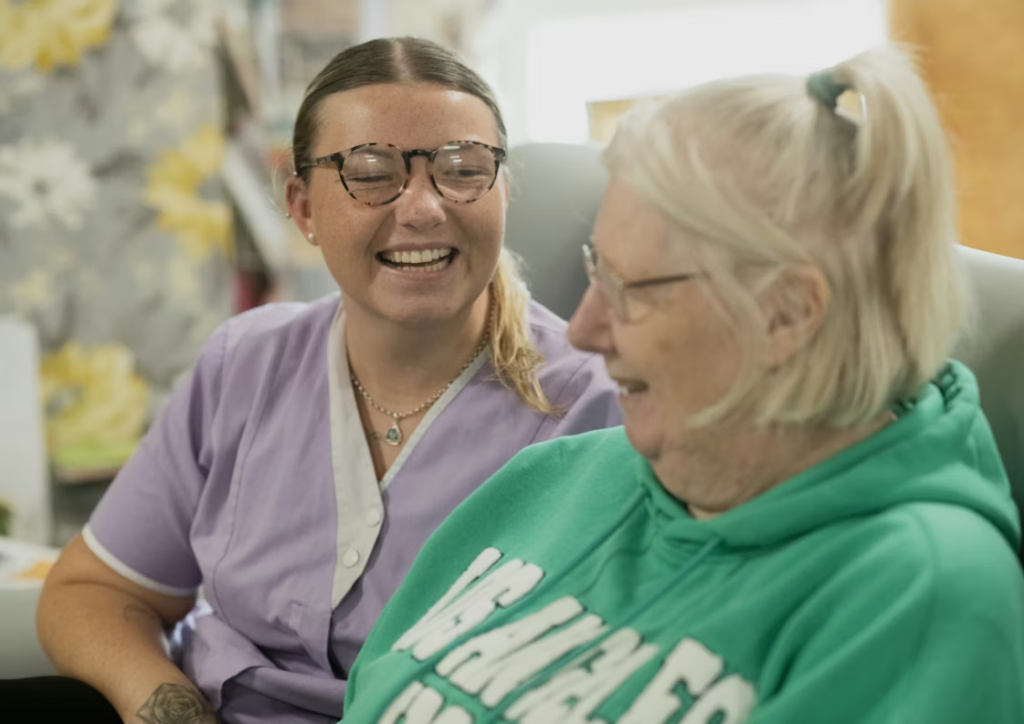
When families begin exploring in-home care in Indiana, they often focus first on physical assistance—help with bathing, medication reminders, mobility, or meal preparation. While those services are vital, there’s another powerful component that often goes underestimated: companionship. Companionship in home care goes far beyond friendly conversation. It supports emotional well-being, reduces loneliness, strengthens mental health, and significantly improves overall quality of life. For seniors aging at home, companionship can be the difference between simply living—and truly thriving. If you’re considering in-home care in Indiana for yourself or a loved one, understanding the benefits of companionship can help you make the right decision for long-term comfort and peace of mind. What Is Companionship In-Home Care? Companionship in home care refers to non-medical support that focuses on emotional connection, social engagement, and meaningful interaction. Unlike clinical care, companion caregivers emphasize relationship-building while assisting with light daily activities. Companionship services may include: In the world of in-home care in Indiana, companionship is often the foundation that allows seniors to feel safe, heard, and valued in their own homes. Why Companionship Matters for Seniors in Indiana 1. Reduces Loneliness and Isolation Loneliness is one of the most significant health risks facing older adults. Studies show that chronic isolation can increase the risk of heart disease, depression, and cognitive decline. Many seniors in Indiana live alone after losing a spouse or as children move away. Companion caregivers provide regular human connection—something as simple as daily conversation can dramatically improve emotional well-being. When families invest in quality in-home care in Indiana, they’re not just hiring assistance—they’re ensuring their loved one has meaningful social interaction every week. 2. Improves Mental and Emotional Health Regular companionship can: Having someone who listens and genuinely cares makes seniors feel valued and respected. This emotional support is just as important as physical care. Companion caregivers often become trusted confidants. Over time, that relationship builds stability and comfort—especially for seniors experiencing memory challenges. 3. Supports Cognitive Health Mental stimulation is critical in slowing cognitive decline. Companion caregivers encourage activities such as: These simple activities can help maintain brain function and provide routine mental engagement. For families seeking in-home care in Indiana, choosing services that prioritize companionship ensures seniors stay mentally active—not just physically supported. 4. Encourages Physical Activity Companionship often leads to gentle movement and safe exercise. Whether it’s walking around the neighborhood, gardening, or stretching exercises, having someone present increases motivation and safety. Caregivers provide: Regular movement helps improve circulation, joint flexibility, and overall mobility. 5. Provides Peace of Mind for Families One of the greatest benefits of in-home care in Indiana is the reassurance it brings to families. Knowing someone is regularly checking in provides comfort and reduces stress for adult children. Companion caregivers can: When you partner with a trusted provider like Indy In-Homecare, families gain both emotional reassurance and reliable support. Companionship and Aging in Place Many seniors prefer aging in place rather than moving to assisted living facilities. Aging at home preserves independence, dignity, and familiarity. Companionship services make aging in place possible by: In Indiana, communities—whether urban or rural—need access to consistent in-home care services so seniors can remain safely and comfortably in their homes. The Social Benefits of Companion Care Indiana has many vibrant communities, churches, parks, and local events. Companion caregivers help seniors stay involved by: Remaining socially active reduces feelings of abandonment and strengthens community ties. With personalized in-home care in Indiana, seniors don’t have to withdraw from life—they stay engaged. How Companionship Strengthens Physical Health Emotional well-being and physical health are deeply connected. Seniors who feel socially connected often experience: When seniors are emotionally supported, they’re more likely to maintain healthy habits. That’s why providers like Indy In-Homecare understand that companionship isn’t an extra—it’s essential. Personalized Companionship Makes a Difference Every senior is unique. Some enjoy conversation; others prefer quiet activities, such as reading together. Some want outdoor walks, while others enjoy cooking or watching classic movies. Quality In Homecare in Indiana tailors companionship services based on Personalization ensures seniors feel comfortable and respected in their own homes. Signs Your Loved One May Benefit from Companion Care You may want to consider companionship-focused in-home care in Indiana if your loved one: Even a few hours of companionship per week can create noticeable improvements. The Long-Term Value of Companionship Services Companion care is often the first step in long-term home support. It allows seniors to gradually adjust to receiving help while maintaining independence. Over time, services can expand to include: Families in Indiana appreciate having flexible in-home care options that grow with changing needs. Why Choosing the Right Homecare Provider Matters Not all companion care is the same. The quality of the caregiver-client relationship determines success. When evaluating in-home care in Indiana, look for: At Indy In-Homecare, companionship is delivered with dignity, respect, and genuine care—helping seniors feel valued every single day. Emotional Security Leads to Better Living Human connection is fundamental. For seniors, especially those facing mobility challenges or health issues, companionship becomes a lifeline. Companion care provides: In a state like Indiana, where many seniors prefer the comfort of their own homes, Compassionate In-Home Care in Indiana ensures they never feel alone. Final Thoughts: Companionship Is More Than Conversation When families search for in-home care in Indiana, they often begin with practical needs. But companionship may be the most powerful benefit of all. Most importantly, it reminds seniors that they matter. If your loved one could benefit from meaningful connection, personalized attention, and compassionate support, consider professional companionship services from Indy In-Homecare. With the right care in place, seniors can age with dignity, independence, and joy—right where they belong.
Essential Legal Documents for Seniors in Indiana

Let’s talk about something most families avoid until it’s urgent—legal documents. No one likes thinking about incapacity, medical emergencies, or end-of-life decisions. But here’s the truth: having the right legal documents in place isn’t about expecting the worst. It’s about creating peace mind for yourself and your family. If you’re planning on aging place in Indiana, preparation is everything. Aging place means staying in the comfort of your own home instead of moving to a facility. But aging place also requires careful planning, especially when it comes to legal documents, medical information access, and decision-making authority. Without the proper legal documents, families can face delays, court involvement, or confusion about loved wishes. And during stressful medical moments, the last thing anyone wants is paperwork chaos. That’s why seniors working with trusted local providers like Indy In-Homecare are encouraged to organize essential documents early. Whether coordinating care, sharing medical information, or ensuring a smooth transition during emergencies, having everything prepared makes caregiving simpler and less stressful. In this guide, we’ll walk through the five legal documents every senior should have, especially if aging place in Indiana. These documents protect your finances, your medical power, your loved wishes, and ultimately your peace mind. Let’s break it down clearly and simply. Understanding the Importance of Legal Documents for Seniors Legal documents are not just for the wealthy. They’re for anyone who wants control. Control over healthcare, control over finances, control over who speaks for you if you cannot. When seniors don’t have updated legal documents, families often struggle. Imagine trying to access medical information without a HIPAA release. Or attempting to pay bills without a power attorney. It can quickly turn into a legal maze. How Legal Documents Protect Your Loved Wishes Your loved wishes matter. But if they’re not written down in legally valid documents, they can easily be misunderstood or challenged. For example: Without proper legal documents, state law steps in. And state law doesn’t know your personal preferences. By creating a power attorney, medical power attorney, and proper release authorization, you clearly define who acts on your behalf. This protects your loved wishes and prevents family disputes. Why Aging Place Requires Proper Planning Aging place often involves coordination between caregivers, doctors, and family members. Organizations like Indy In-Homecare frequently work alongside families to ensure seniors remain safe and comfortable at home. But without: Care coordination becomes difficult. Having these legal documents in place ensures that when support is needed, decisions can be made quickly and respectfully. That’s the foundation of peace mind. 1. Last Will and Testament A Last Will and Testament is one of the most recognized legal documents—but it’s often misunderstood. A will primarily handles what happens after you pass away. It outlines how your assets are distributed and ensures your loved wishes are honored. How a Will Protects Loved Wishes Your will answers key questions: Without a will in Indiana, intestate laws decide for you. That may not reflect your loved wishes at all. A properly drafted will ensures: It also names an executor—the person responsible for handling your affairs. Avoiding Probate Stress in Indiana Probate can be time-consuming and public. While some assets may still go through probate, a clear will minimizes confusion. Families who lack organized legal documents often experience: Preparation prevents these headaches. Common Mistakes Seniors Make with Legal Documents Many seniors: Regular reviews ensure your legal documents stay aligned with your current life situation. 2. Durable Power Attorney A Durable Power Attorney—often referred to simply as power attorney—is one of the most important legal documents for seniors. This document allows someone you trust to manage financial matters if you’re unable to do so. What Is a Power Attorney and Why It Matters A power attorney grants authority to: The “durable” part means it remains effective even if you become incapacitated. Without a power attorney, families may need court-appointed guardianship. That’s costly and stressful. Financial Protection Through Power Attorney When seniors are aging place, financial continuity is crucial. Bills must be paid. Care services must be coordinated. If you’re working with Indy In-Homecare, having a durable power attorney ensures seamless billing and financial coordination. No delays. No court involvement. Just smooth support. Choosing the Right Agent for Power Attorney Choose someone: You may also name a backup agent. This role carries serious responsibility, so thoughtful selection is key. 3. Medical Power Attorney A medical power attorney gives someone authority to make healthcare decisions on your behalf. It’s different from financial power attorney. It focuses solely on medical power. What Is a Medical Power and How It Works Medical power allows your chosen agent to: Without a medical power attorney, doctors may be limited in what medical information they can share—even with close family. Medical Power Attorney vs. Living Will A medical power attorney appoints a person. A living will outlines treatment preferences. Both are important. Medical power ensures someone can interpret and apply your loved wishes in real time. Ensuring Medical Information Access with HIPAA Release Even with medical power, a HIPAA release is critical. This legal document allows healthcare providers to share medical information with designated individuals. Without a HIPAA release: A simple release authorization can prevent enormous stress. 4. HIPAA Release and Release Authorization Privacy laws protect your medical information—but they can unintentionally block loved ones from helping. A HIPAA release gives permission for medical information to be shared. Why HIPAA Release Is Critical for Families Imagine a hospital calling but refusing to provide updates because no HIPAA release exists. It happens more often than people realize. A proper release authorization ensures: How Release Authorization Protects Medical Information A release authorization clearly lists: This protects your privacy while empowering trusted individuals. When Village Caregiving Teams Need Proper Documentation Village caregiving often involves a team approach—family, nurses, aides, and care coordinators. When seniors receive support from providers like Indy In-Homecare, having proper medical power attorney and HIPAA release documentation ensures smooth collaboration. Village caregiving works best when everyone communicates openly and legally.