

It rarely looks like grief the way we imagine it. There are no dramatic tears on the phone. Instead, you notice the blinds still drawn at 2 PM. The refrigerator holds a carton of milk a week past its date, and a casserole a neighbor dropped off is still untouched. Dad hasn’t shaved. Mom’s hair hasn’t been done, and she says she’s “just tired.” The television murmurs in an empty room, not because anyone is watching, but because the quiet is unbearable.
If you’re an adult son or daughter across Indianapolis, Carmel, Fishers, or Greenwood, juggling your own job, kids, and calendar, you may be sensing that your surviving parent is slipping away from daily life. You may also be wondering whether bringing someone into the home would help or feel like an insult.
Here is the short answer: yes, home care can help. Companion care isn’t about replacing the spouse your parent lost. It’s about gently rebuilding the scaffolding of daily life, the meals, routines, and small conversations, that two people once held up together.
The Silent Toll of Social Isolation in Older Adults After Spousal Loss
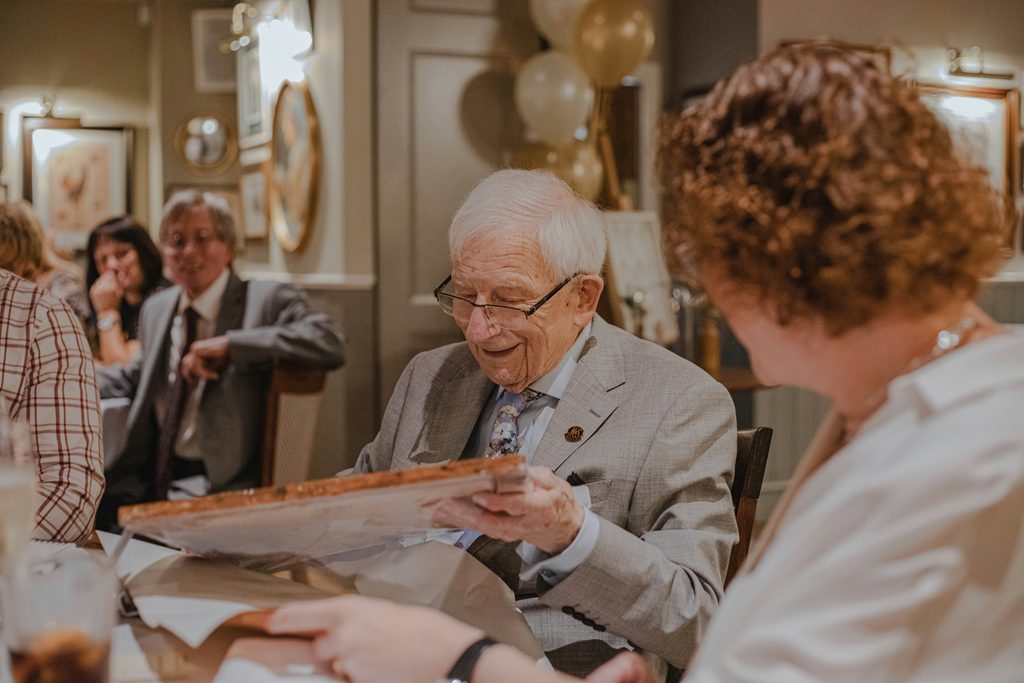
Companionship for seniors living alone is non-medical, in-home support that provides regular human connection, shared meals, light household help, and encouragement to stay engaged in daily life. It’s designed to ease loneliness, protect routines, and help older adults remain safely and comfortably in their own homes.
After decades of marriage, a home is built around two people. One person remembered the pills, another noticed when the mail piled up. One cooked while the other set the table. When one of them dies, the survivor loses more than a companion. They lose the other half of a system.
Grief doesn’t stay in the heart. It shows up in the body and mind, especially for older adults:
- Appetite fades. Cooking for one feels pointless, so meals become toast, crackers, or nothing.
- Sleep and daily rhythm unravel. Some parents sleep in a recliner, wake at 3 AM, or lose track of day and night.
- Memory and focus slip. Missed medications, forgotten appointments, and unpaid bills are common. Clinicians often describe this as “grief fog,” and the American Psychological Association has long noted that bereavement can temporarily affect concentration, decision-making, and everyday executive functioning. Some widowed seniors also experience delayed grief, where the heaviest emotions surface months later, after the casseroles and cards have stopped.
- Social circles shrink. Couples’ friendships often fade when one half is gone. Church, clubs, and card nights can feel too painful to return to alone.
This matters because loneliness isn’t only sad. The National Institute on Aging reports that social isolation and loneliness in older adults are associated with serious health risks, including higher rates of depression, heart disease, and cognitive decline. Left unaddressed, the quiet can become a health problem.
Then there’s the math no one likes to say out loud. Even devoted children who visit every Sunday leave roughly 160 hours a week unaccounted for. Your visits are precious, but they can’t fill the silence between them. That isn’t a failure of love. It’s simply too many hours for one family to cover, especially when you’re also raising children or working full time.
How Companion Care at Home Rebuilds Daily Connection
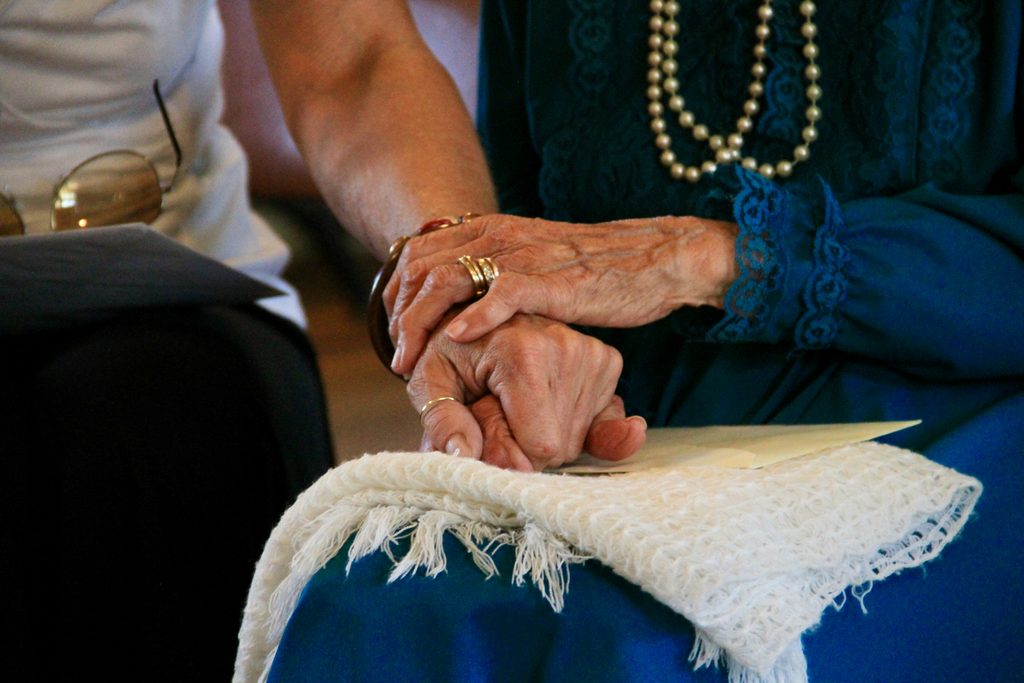
Good companion care after the loss of a spouse isn’t dramatic. It works through small, steady touchpoints that make a house feel lived in again. Our dedicated companion care services are built around these gentle anchors.
Shared daily anchors: There’s a world of difference between eating a sandwich standing over the sink and sitting at the table across from someone. A companion caregiver can share breakfast or lunch, and the ritual of sitting down, pouring coffee, and talking restores a rhythm that grief steals. Over time, mealtime becomes something to look forward to again.
Preserving routine and dignity: Withdrawn parents often stop doing the things that made home feel like home. A caregiver can help with laundry, fresh bedding, tidying, and opening the windows to let in daylight, without making your parent feel incapable. The goal is to work alongside them, not take over. “Let’s fold these together” lands very differently than “let me handle that.”
Nourishment that supports the body: When appetite disappears, nutrition suffers quickly. Our meal preparation and nutrition support helps parents eat regularly again, whether that means cooking a favorite recipe together, planning easy meals for the week, or noticing when the pantry has quietly emptied. Sometimes a familiar dish from a spouse’s kitchen is the first thing a grieving parent has actually enjoyed in weeks.
Active, unhurried listening: This may be the most healing piece. Many widowed parents hold back from talking about their spouse with their own children. They don’t want to burden them, or make them cry, or bring the mood down. A companion caregiver offers a patient, neutral presence. Your father can tell the story of how he met your mother, for the fifth time, without worrying that he’s wearing anyone out. Your mother can say her husband’s name out loud and hear it received with warmth. Grief that gets spoken tends to soften. Grief that stays locked in a quiet house tends to harden.
The AARP’s caregiving resources echo this theme: after a long marriage, re-establishing structure and meaningful daily contact is one of the most important parts of adjusting to life alone.
Visiting Caregiver vs. Assisted Living: Weighing Your Options
When you see a parent struggling, the next thought is often, “Maybe they’d be better off somewhere with people around.” It’s a loving instinct, and for some families a move is the right answer. But moving in the middle of bereavement carries its own emotional cost. Here is how the two paths compare.
| Need / Care Factor | In-Home Companion Care | Senior Living Facility Move |
|---|---|---|
| Familiarity of environment & memories | Your parent stays surrounded by photos, furniture, the garden, and the rooms shared with their spouse. | Familiar surroundings are left behind, which can feel like losing a second home. |
| Routine preservation | Care fits around existing habits, from morning coffee to favorite programs. | Days often follow the facility’s schedule for meals, activities, and wake times. |
| Flexibility of hours | Visits can be a few hours a week or more, and adjusted as needs change. | Care is bundled into a set community structure and monthly fee. |
| Cost control | Families pay for the hours they need and can scale up or down. | Costs are typically fixed monthly, and often higher, regardless of usage. |
| Emotional stress of moving during bereavement | No move, no sorting a lifetime of belongings, no adjusting to a new place while grieving. | Downsizing, packing, and adapting to a new community can compound grief. |
Neither option is right for every family. But if your parent’s main challenge is loneliness and a lost routine, rather than needing round-the-clock medical care, staying home with the right support often protects both dignity and emotional stability. The Indiana Division of Aging, part of the FSSA, also emphasizes aging in place and supporting caregiving at home as central goals for Hoosier families.
How to Overcome Your Parent’s Resistance
Almost every family hits this wall. Your parent may bristle at the idea of help, and their reasons deserve respect. Behind the pushback are usually two fears: losing independence and betraying their spouse’s memory. A few honest conversations, offered gently, go a long way.
When your parent says: “I don’t need a babysitter.”
Try: “I know you don’t, Mom. You’ve run this house for fifty years. I’m not looking for someone to watch you. I’m looking for someone to lighten the load so you can spend your energy on what you actually enjoy. Would you try it for a few weeks and tell me honestly what you think?”
Notice what this does. It affirms their competence, names the real goal, and asks for a trial, not a permanent surrender. Small, reversible steps feel far safer to someone who’s already lost so much.
When your parent says: “Nobody can replace your mom/dad.”
Try: “You’re right, no one ever could. That’s not what this is. Nobody’s taking Dad’s place. I just don’t want you carrying all of this alone. Think of it as an extra pair of hands around the house, someone to help with errands and the heavy lifting.”
Agreeing first matters. Arguing with the statement makes it a fight. Agreeing shows you understand that this isn’t about replacement, and it opens space to talk about what your parent actually needs.
Frame it as help around the house. For many parents, the phrase “companion” feels like an admission of loneliness. Presenting care as help with errands, laundry, groceries, or heavy tasks lets them accept support without feeling labeled. The companionship tends to grow naturally out of the routine. A caregiver who comes every Tuesday to run to the store and stays for tea becomes, quietly, a friend.
Let your parent lead where possible. Invite them to meet the caregiver first, choose the days, and say what they’d like help with. Independence isn’t the opposite of care. Choosing your care is independence. A thoughtfully built personalized in-home care plan is designed around your parent’s preferences, boundaries, and pace, so they stay in the driver’s seat throughout.
If they still say no, don’t force it. Try again after a few weeks, perhaps after a fall, a bad week, or a holiday that stings. Often a parent’s answer changes once the idea has had time to settle.
Senior Companionship in Indianapolis: Care That Fits Central Indiana Life
Indianapolis is a city of neighborhoods, and so is aging here. A widowed father in Broad Ripple has a different rhythm than a mother in Zionsville or a couple’s surviving spouse in Greenwood or Noblesville. Across Marion County and surrounding communities, from Fishers and Carmel to Avon, Plainfield, and Brownsburg, many older adults live in the homes where they raised their families. Those homes hold decades of memory, which is precisely why so many parents want to stay.
At Indy In-Homecare, we believe senior companionship in Indianapolis should feel like a natural extension of a family’s life, not an institutional service dropped into it. That philosophy shows up in three commitments:
- Personality-based caregiver matching. A quiet gardener and a chatty storyteller need different companions. We consider temperament, interests, and communication style, not just availability.
- Respectful, unhurried care. Grief can’t be scheduled. Caregivers take time to listen, follow your parent’s pace, and never rush a story or a meal.
- Keeping seniors safely rooted at home. The aim is to protect what’s familiar, the house, the neighborhood, the routines, while providing a reliable second set of eyes.
For families who live across town, or across the country, that reliability offers something priceless: knowing someone kind is in the room.
Quick-Answer FAQ
How soon after losing a spouse should a senior start companion care?
There’s no fixed timeline. Many families begin within the first few weeks or months, once the funeral logistics quiet down and the house grows silent. Starting early, with just a few hours weekly, builds trust and routine before isolation deepens. If your parent is skipping meals, sleeping poorly, or withdrawing, it’s a good time to consider support.
What is the difference between personal care and companion care?
Companion care focuses on connection and daily living support: conversation, meal preparation, light housekeeping, errands, and encouragement to stay engaged. Personal care is more hands-on, including bathing, dressing, toileting, and mobility assistance. Many widowed seniors start with companion care and add personal care later if their needs change over time.
Can home care help a grieving senior get back into community activities?
Yes. A caregiver can provide transportation, accompany your parent to church, senior centers, or lunches with friends, and offer the gentle encouragement that makes leaving the house feel less daunting. Having a familiar companion beside them often makes the first outing after loss much easier, and repeat visits become more natural.
What are the first warning signs that a widowed parent cannot live safely alone?
Watch for spoiled food, unopened mail, missed medications, unexplained weight loss, neglected hygiene, unsafe driving, new falls or bruises, and confusion about dates or routines. One sign may be temporary grief. Several together suggest your parent needs more support than occasional visits can provide, and it’s time to talk to their doctor and consider help at home.
You Don’t Have to Watch the Silence Grow
Loving a grieving parent from a distance is one of the hardest parts of being an adult child. You want to fix it, and you can’t bring back the person they lost. But you can help make the days less empty. You can make sure your mother eats a real meal, your father hears a friendly voice, and someone kind notices when something’s off.
Healing after the loss of a spouse doesn’t happen all at once. It happens in small moments: a shared cup of tea, a story told aloud, a window opened to the afternoon light. If you’re ready to explore what gentle support could look like for your parent, we’d be honored to help. You’re welcome to schedule a compassionate consultation in Indianapolis, and we’ll listen to your family’s story first, before anything else.