
Transportation Assistance for Seniors in Indiana

For many older adults, the last drive is remembered as the moment a door quietly closed. It meant the spontaneous trip to the hardware store, the Sunday ride to see a sister in Greenwood, and the freedom to leave the house without asking anyone for anything. When an elderly parent stopped driving, whether by choice, on a doctor’s advice, or after a frightening close call, what they lose is rarely just transportation. They lose a piece of their identity, their privacy, and the quiet confidence of running their own life. If you are an adult child in Carmel, Fishers, Noblesville, Zionsville, Greenwood, or anywhere across Indianapolis, you may be watching this unfold while torn between safety and respect. That tension is normal, and it can be resolved with care. Retiring from driving should never mean retiring from life. True independence isn’t about driving; it’s about having reliable, dignified access to the places and people that matter. The Emotional Reality: When an Elderly Parent Stops Driving Transportation assistance for seniors is personalized, hands-on support that gets an older adult to medical appointments, grocery stores, faith services, and social outings safely and with dignity. Unlike a simple ride, it includes door-through-door help, a trained companion, and reliable routines, so an aging parent can stay independent without driving. Before solutions, it helps to understand what your parent may be feeling. Driving cessation often moves through emotional stages that look a lot like grief: The National Institute on Aging explains that vision, hearing, reflexes, and thinking can change with age, and it offers guidance on transitioning away from driving. What it can’t capture is how personal that change feels at the kitchen table. The danger that follows is subtle: isolation. Homebound parents begin to miss medical appointments, put off grocery runs, and drop out of the senior club or Bible study they loved. Without regular outings, days blur together, and researchers link prolonged social isolation to depression and cognitive decline. The “cognitive fog” families notice is sometimes the result of a smaller world, not just aging. Moving Beyond Rideshares: Why Traditional Transit Often Falls Short It’s tempting to say, “Just use Uber.” For a confident, tech-savvy senior on a good day, that can work. For many others, it quietly fails in three ways. Digital hurdles: Requesting a ride means downloading an app, entering payment details, and reading a small touchscreen. For a parent with arthritis, low vision, or early memory changes, one confusing screen can end the whole outing. No physical support: Standard rides are curb-to-curb. Nobody helps with a heavy winter coat, steadies a walker on the way down an icy porch step, or walks your parent through the clinic door to the front desk. In an Indiana January, that gap matters. An unvetted stranger: A rideshare driver is rarely trained in senior care, may not recognize the signs of confusion or a fall risk, and won’t stay if your parent is disoriented at the destination. Parents also tend to hide their difficulties from strangers, so problems go unreported. A ride gets a person from A to B. Senior transportation done well makes sure they arrive safely, do what they came to do, and get home again. The 4 Pillars of Comprehensive Senior Transportation Assistance Hands-on errand assistance goes well beyond a ride. With dedicated companion and transportation care, a trusted caregiver becomes an extension of your family, supporting four parts of daily life. Pillar 1: Caregiver appointment assistance. The caregiver arrives early, helps your parent dress and gather insurance cards and medication lists, and drives safely to the appointment. If your parent wants, they take notes in the waiting room and share what the doctor said with the family accurately, so nothing is lost in translation. Pillar 2: Help with senior errands and daily needs. A grocery trip becomes a social outing. Your caregiver navigates the aisles with your parent, reaches high shelves, carries heavy bags, and unpacks the pantry safely, so no one strains a back or trips over a bag on the kitchen floor. The same applies to pharmacy pickups, banking, and the post office. Pillar 3: Social and faith community connections. Standing weekly plans keep a life full: Sunday services, lunch with a friend, the neighborhood library, a regular coffee in town. Routine gives your parent something to look forward to and a reason to get dressed. Pillar 4: Restoring spontaneity. This is the pillar most services forget. Many seniors miss the unplanned afternoon drive through the old neighborhood, a scenic park, or past the house they raised their children in. A companion who has time, and no meter running, can bring that pleasure back. Together, these pillars shift the story from “I can’t go anywhere” to “I have somewhere to be.” Transportation Options Compared Every option has a place. This table shows where each one helps and where it leaves gaps. Transportation Option Level of Physical Assistance Reliability & Comfort Best Suited For Key Limitations Commercial Rideshare (Uber/Lyft) Minimal; curb-to-curb, no hands-on help On demand, but driver and vehicle vary; app required Independent, tech-comfortable seniors on short trips No senior-care training; no help inside buildings; payment and app barriers Municipal Senior Shuttles / Paratransit Low to moderate; driver may assist at the curb or door Low-cost and dependable, but fixed schedules and advance booking Regular, planned trips for eligible riders Limited service areas and hours; shared rides; little flexibility for errands Informal Family Chaperoning High, from someone who knows your parent Familiar and loving, but depends on your work and family schedule Occasional appointments and special occasions Caregiver burnout; missed work; strained relationships In-Home Companion Care (e.g., Indy In-Homecare) High; door-through-door, with mobility and errand support Consistent, scheduled, and personalized Seniors needing regular appointments, errands, and social outings Paid service; best planned around a weekly routine Most families end up with a blend: paratransit for a standing trip, family for holidays, and a companion caregiver for everything that needs a steady hand. How to Talk About Retiring
Senior Cognitive Care at Home in Central Indiana

Every October, World Teachers’ Day invites us to thank the people who shaped how we think. In the U.S., National Teacher Day does the same each spring. UNESCO’s World Teachers’ Day centers on the idea that learning is a lifelong human pursuit and that wisdom flows between generations. If you’re an adult child in Carmel, Greenwood, or Indianapolis, it’s worth remembering that your parent was probably someone’s teacher. They may have been a formal one, like a classroom teacher or a shop foreman training apprentices. More likely they were an informal one, like the mother who taught you to balance a checkbook or the father who showed you how to read a engine. Great teachers never stop teaching, and curious minds never stop learning. Yet learning often quietly stops after retirement. Picture a retired machinist, nurse, or school principal who now spends eight hours a day in front of daytime television. The house is safe and the meals are made, but the mind is idle. Compare that with a parent who spends the same morning recording the story of their first job, debating a chess opening, or following a lecture series on Midwestern history and then explaining it to a visitor. Mental stimulation is preventive care, not a luxury. With the right support, an aging parent’s home can become a studio, a library, and a workshop rather than a waiting room. This guide explains why that matters and offers dignified, practical ways to make it happen. The Science of the Aging Brain: Why Learning Protects Independence Quick answer: Daily cognitive stimulation helps homebound seniors because the brain stays adaptable throughout life. Neuroplasticity—the brain’s ability to form and strengthen neural connections—responds to new learning, conversation, and problem-solving. Regular mental engagement builds cognitive reserve, which may help older adults maintain memory, focus, and independence longer, especially when it’s paired with social contact. Two concepts explain most of what families need to know. Neuroplasticity is the brain’s capacity to reorganize itself by building and strengthening connections between neurons. For a long time, people assumed this flexibility belonged to childhood. We now understand that older brains keep adapting, especially when they’re challenged by something new and meaningful. Cognitive reserve is the brain’s resilience, the cushion that helps it keep working well even as age-related changes occur. Education, stimulating work, social relationships, and mentally active leisure are all associated with building that reserve. The National Institute on Aging discusses how staying mentally and socially active is part of a brain-healthy lifestyle for older adults, alongside physical activity, healthy eating, and good sleep. Researchers at Harvard Health Publishing have likewise written about how social engagement and intellectual curiosity are connected to healthier aging brains. No activity guarantees protection against dementia, and it would be dishonest to promise otherwise. But the pattern is consistent: engaged minds tend to stay more resilient. The opposite pattern is just as clear. Isolation tends to accelerate what families describe as “mental fog.” When days lack conversation, novelty, and purpose, attention dulls, motivation fades, and withdrawal deepens. That withdrawal is easy to mistake for “just getting older” when it’s often a sign of an unmet need. Structured mental stimulation activities for seniors do the reverse. They exercise executive function, which covers planning, organizing, shifting attention, and solving problems. These are the very skills that keep a person managing medications, handling household decisions, and living independently. For homebound seniors especially, protecting these skills is protecting their ability to age in place. Moving Past Childish “Busy Work”: Meaningful Mental Stimulation Activities Your parent has managed budgets, raised children, built careers, and survived decades of change. Coloring books and simplistic worksheets can feel like an insult. Real engagement draws on the adult they are. Here are four categories worth exploring. Oral History and Biography: Let Them Be the Teacher Recording a life story is one of the richest forms of mental exercise, because it combines memory retrieval, sequencing, and narrative skill. A companion can interview your parent about childhood on an Indiana farm, a military posting, the first day at a career, or the origins of a family recipe. Audio recordings, a handwritten memoir, or a labeled photo album all work. The result is a legacy your family will treasure, and the senior is the expert in the room. Adult Intellectual Pursuits Many universities and museums offer free online lectures. Audiobooks, podcasts, and documentaries provide material to discuss afterward. Reading the morning news together and debating a local issue or a new development in science keeps reasoning sharp. The goal is not to quiz your parent but to share ideas with them. Strategy and Pattern Work Go beyond the basic crossword. Chess, bridge, cribbage, and tile games like Mahjong or Rummikub demand planning, pattern recognition, and working memory. For senior memory stimulation games with a personal touch, a companion can build custom trivia around your parent’s favorite decade, such as the music, cars, or neighborhood landmarks they remember best. Familiar topics invite confident participation, which matters for willingness to engage. Tactile and Creative Problem-Solving Hands-on projects engage the brain differently. Consider: The best activities share three traits: they’re meaningful to your parent, they offer a manageable challenge, and they involve another person. The Caregiver as a Learning Partner: How Companion Care Fits In Many families picture in-home care as help with chores. Practical help matters, but the deeper value of in-home companion care in Central Indiana is the conversational spark. A good companion is a curious partner and intellectual co-explorer, not a babysitter. That spark makes brain-health routines sustainable. Left alone, even well-intentioned plans, like the puzzle book on the table or the chess set in the closet, tend to gather dust. A companion turns intention into habit by asking an interesting question over breakfast, setting out the Rummikub tiles, or remembering that your father wanted to learn about the Indianapolis 500’s early history. That’s companion care for brain health in practice. Non-medical senior engagement services also help with preventing senior isolation at home
Home Care Agency vs Private Caregiver | Indianapolis Guide

A neighbor recommends an aide she trusts, someone who charges $20 an hour. The agency quote you just received is higher. On paper, the choice looks easy. If you’re weighing a home care agency vs. private caregiver, starting with the independent option is completely reasonable. Hiring a private caregiver can feel more personal and more flexible, and it gives you direct control over who walks through your parent’s door. Those advantages are real, and plenty of families have good experiences. But the better question isn’t which rate is lower. It’s this: what are you actually paying for, and what risks are you taking on as an accidental employer? The initial hourly rate rarely tells the full financial or emotional story. The decision comes down to employer liability, reliability, and backup safety nets. Below is a practical framework for comparing both paths, whether you live in Indianapolis, Carmel, Fishers, Greenwood, Noblesville, or Zionsville, or you’re an adult child managing care from another state. The Core Difference: Household Employee vs. Agency Staff Quick answer: Home care agency vs private caregiver: an agency employs, screens, insures, and supervises its caregivers and provides a replacement when someone is out. A private caregiver is usually your household employee, so your family handles payroll taxes, vetting, injury risk, and backup coverage. Agencies cost more per hour but carry less family risk. Here is the legal reality. In almost all cases, an independent in-home aide is a household employee, not an independent contractor. The deciding factor is control. If you set the schedule, direct the tasks, and provide the home and supplies, the IRS generally considers the caregiver your employee, even if they ask to be paid in cash or on a 1099. IRS Publication 926 explains household employer duties, including Social Security and Medicare taxes, federal unemployment tax, and reporting on Schedule H. State-level obligations, such as unemployment contributions, can apply as well, and misclassification can bring back taxes and penalties. With an agency, the arrangement flips. The caregiver is the agency’s employee. The agency recruits, screens, trains, schedules, pays, and insures them, and your family is a client rather than an employer. That distinction sits underneath every comparison that follows. (Tax rules vary by situation, so a CPA or employment attorney can confirm how they apply to you.) The 5 Crucial Comparison Pillars Pillar 1: True Cost and the Employer Tax Burden An hourly rate is only one line of the budget. Pay a private caregiver $20 an hour for 30 hours a week and you’re at $600 weekly before anything else. As a household employer, you generally owe the employer share of Social Security and Medicare (7.65% of wages) and must withhold the worker’s matching 7.65%, a combined 15.3% reported through Schedule H with your tax return. Depending on wages paid, federal unemployment tax and Indiana unemployment contributions may apply too. Thresholds change, so confirm current figures in Publication 926. Then add what rarely appears in the original quote: payroll software or a household payroll service, overtime when hours rise (domestic worker overtime rules depend on duties and living arrangements, so verify them), paid-time-off expectations, and the cost of covering gaps when your aide is out. The Family Caregiver Alliance offers guidance on hiring private in-home help and the employer responsibilities families often underestimate, including written work agreements. Agency rates bundle payroll, taxes, insurance, scheduling, and supervision into one price. That doesn’t make agencies automatically cheaper, but the fair comparison is total cost and risk, not rate against rate. Pillar 2: Caregiver Background Checks and Credential Verification A friend’s recommendation is valuable, but it isn’t a screening process. Someone caring for a vulnerable person in a private home deserves a verified history, and the National Institute on Aging encourages families to check references, confirm credentials, and screen carefully when arranging in-home help. Self-vetting typically means: Reputable agencies handle this as a system: Indiana State Police and nationwide criminal record checks, motor vehicle checks where driving is part of the job, drug screening, license and certification verification, reference checks, and skills evaluation. Whichever agency you consider, including us, ask it to describe exactly what its screening covers. Pillar 3: Liability, Bonding, and Worker’s Compensation Imagine a caregiver slips on a wet bathroom floor while helping your mother bathe and fractures a wrist. Who pays for medical care and lost wages? When you’re the employer, the answer may be you. Indiana’s workers’ compensation system is overseen by the Indiana Worker’s Compensation Board, and the rules for domestic workers differ from those for most employers, so coverage is not something you can assume. Meanwhile, standard homeowners policies commonly exclude or limit injuries to people you employ unless you add the right endorsement. An injured caregiver could pursue a claim against the homeowner, which puts savings, and sometimes the home itself, at risk. Confirm your obligations with an insurance agent or attorney before the first shift. Property and theft concerns matter too. A bonded agency caregiver is backed by coverage if something goes missing, while a private hire leaves you to resolve it on your own. With an agency, workers’ compensation, commercial liability, and bonding sit on the agency’s side of the ledger, not yours. Pillar 4: Backup Caregiver Coverage and Reliability It’s 6:45 on a Monday morning and your aide texts: my car won’t start. For a parent who needs help with medications, meals, and mobility, that is not an inconvenience. It’s a safety gap. Adult children scramble, miss work, or drive in from out of town. Caregivers get sick, have family emergencies, and sometimes burn out and leave without notice. A solo caregiver is a single point of failure. An agency spreads that risk across a team and can send a screened replacement so the schedule holds. Flexible respite and backup caregiver coverage also protects the family member who has been carrying the load, giving them room to rest without leaving a gap in care. Pillar 5: Ongoing Supervision and Care Plan Adjustments Needs change,
Long-Distance Caregiving in Indiana: A Practical Guide

It’s Sunday evening. You’ve just hung up after a twenty-minute call with Mom, and she said everything is fine. She always says everything is fine. But you can’t shake that cough you heard in the background. Was it worse than last week? You wonder whether Dad is actually taking his blood thinners, and why the house sounded so unusually quiet behind her voice. You’re in Chicago, or Austin, or Tampa, or Seattle. Your parents are in Carmel, Greenwood, Avon, or somewhere on the east side of Indianapolis. And you are doing what millions of adult children do: reading between the lines of a weekly FaceTime call, keeping your phone on loud, and quietly dreading the call that comes at 2 a.m. and sends you racing to the airport. Here is the truth we want you to hold onto: long-distance care is not about doing everything yourself across state lines. It is about building an accountable, trustworthy local care team on the ground, and giving yourself a clear, sustainable role within it. This blueprint walks through how to do exactly that. What Is Long-Distance Caregiving—and What Makes It Unique? Long-distance caregiving is the practice of managing an aging parent’s health, safety, and daily needs from another city or state. It rests on four foundations: organized medical and legal records, trusted local contacts, periodic in-person home assessments, and a professional care team that reports back, so distance doesn’t create blind spots. That definition sounds tidy. Living it is not. Caring for parents from another state comes with challenges that local caregivers rarely face: Information asymmetry: Your parents are often protecting you. Many older adults downplay symptoms, skip mentioning a fall, or say they’re managing because they don’t want to be a burden or hear the dreaded phrase, “Maybe it’s time for some help.” You get the edited version of their week. Emergency logistics: When a fall, infection, or hospital stay happens, you can’t simply drive over. You’re booking flights, rearranging work, finding a pet sitter, and making decisions with incomplete information, all while your parent is frightened. The cost of showing up: Last-minute flights, hotels, rental cars, and unpaid time off add up quickly. Many families find that the money and energy spent on emergency trips would have been better invested in prevention. Guilt and strain: The Family Caregiver Alliance has long recognized that the emotional toll of caregiving, including guilt, anxiety, and exhaustion, doesn’t disappear with distance. If anything, feeling responsible for a situation you can’t see makes it heavier. Sharing the load with others is one of the most effective ways to manage that stress. The good news is that the National Institute on Aging offers practical guidance built around the same idea: get organized, learn what help exists locally, and plan for emergencies before they happen. The pillars below turn that guidance into a workable system for families with parents in Central Indiana. The 4 Essential Pillars of Remote Care Coordination Think of these pillars as a structure that holds up even when you’re 400 miles away. Once they’re in place, you can build customized family care plans around your parents’ actual needs rather than guesses made from a screen. Pillar 1: The Digital Medical and Legal Hub If you do only one thing this month, do this. Create a single, secure, shared place (a password-protected cloud folder works well) where the essentials live: AARP’s Caregiving Resource Center offers checklists for organizing exactly these health directives and legal records. And because laws and forms change, it’s wise to have an Indiana elder law attorney review your documents. This post is general guidance, not legal advice. Pillar 2: Trusted Local Eyes and Ears You need people near your parents who notice things. Think of the neighbor who sees the newspapers piling up, the friend from church who drops off a casserole, or the retired couple across the street who wave every morning. Give these people your phone number and a simple invitation: “If anything ever seems off, would you call me?” Keep the ask small. You’re not turning friends into caregivers; you’re making it easy and welcome for them to speak up. It also helps to tap public resources. Indiana’s Family and Social Services Administration Division of Aging oversees the state’s Area Agencies on Aging and community living programs. Your parents’ local Area Agency on Aging can point you toward home-delivered meals, transportation options, caregiver support programs, and benefits screening. Pillar 3: Home Safety and Environmental Audits A FaceTime call shows you your mother’s face. It doesn’t show you the throw rug by the bathroom or the expired milk in the fridge. Use every visit to do a focused, friendly walkthrough: Take notes and photos. Patterns matter far more than any single snapshot. Pillar 4: Professional Home Care Oversight Friends and neighbors are wonderful, but they can’t provide structured, accountable support. This is where a professional caregiver on a consistent schedule changes everything. Instead of guessing, you receive regular reports on how your parent ate, moved, slept, and felt, from someone trained to notice small changes before they become emergencies. That’s the role of comprehensive in-home care services in Indianapolis: help with meals, bathing and dressing, light housekeeping, medication reminders, transportation, and companionship, delivered by a familiar face your parent comes to trust. For you, it means someone is physically there on the days you can’t be. A Note on Memory Changes If your parent is showing signs of memory loss, such as repeating questions, getting lost on familiar routes, leaving the stove on, or struggling with medications, remote safety becomes more urgent. Phone calls can hide cognitive decline for a long time because people often cover well in short conversations. In these situations, specialized dementia and memory care support provides caregivers trained in routines, redirection, wandering prevention, and the patience this condition demands. Early involvement also protects your parent’s dignity and your own peace of mind. Practical Tool: Remote Coordination vs. Local Execution One of the biggest sources
What Is a Backup Care Plan, and Who Helps When the Family Caregiver Gets Sick?

It’s Sunday evening. You’ve spent the day juggling Mom’s pills, her lunch, and her afternoon walk, and then your own body gives out. Maybe it’s a 102°F fever, a positive flu test, or a bout of food poisoning that has you on the bathroom floor. Before the thermometer even finishes beeping, one thought cuts through everything else: Who is going to help Mom out of bed tomorrow at 7 AM? If you’re living this moment, or dreading it, take a breath. Your illness is not a failure of dedication. Every caregiver gets sick eventually, and a plan made in advance is what keeps that from becoming a crisis. This guide covers what a backup care plan is, what goes into one, who can realistically step in, and how families across Central Indiana set up backup care for elderly parents before they need it. What Is a Family Caregiver Contingency Plan? A family caregiver contingency plan is a written, shared document that names who will provide care if the primary caregiver becomes ill or unavailable. It includes medical details, daily routines, safety instructions, key contacts, and a pre-arranged professional care option, so a substitute can step in safely within hours instead of scrambling. Without a plan, a caregiver’s illness looks like this: it’s 2 AM, you’re feverish, and you’re calling relatives who don’t pick up. You search “emergency caregiver replacement” on your phone, and then you try to explain your mother’s medications from memory while shaking with chills. Decisions made in that state are rushed, and they’re often the ones families regret. With a plan, you make one call. The information is already written down, the people involved already know their roles, and a trained replacement already knows your family exists. The Three Levels of Caregiver Emergencies Not every emergency is the same size, so a good plan covers three scenarios: Why Caregivers Put Off Their Own Health Family caregivers often ignore their own symptoms. The Family Caregiver Alliance has long documented that people providing intensive care face higher risks of exhaustion, depression, and chronic health problems. Many hit a wall suddenly instead of gradually. The CDC’s caregiving resources note that caregivers often delay or skip their own medical care because of their responsibilities, which lets treatable conditions get worse. So the guilt you feel about being sick is common, and so is the instinct to push through. A backup plan gives you permission to rest, and that protects your parent as much as it protects you. The 4 Critical Pillars of an Emergency Backup File Compile this information before anyone steps into the home. A substitute caregiver, whether a sibling or a professional, can only be as good as the information you give them. AARP’s caregiving guidance recommends keeping medical and emergency information organized and easy to find, and we suggest building the file around four pillars. 1. Medical and Medication Cheat Sheet 2. Mobility and Safety Protocols 3. Daily Rhythm and Behavioral Anchors This pillar matters most for continuity. Mom will cooperate more readily with a stranger who knows she takes her coffee with two sugars and likes the radio on at 3 PM. 4. House Logistics and Key Contacts Keep one printed copy in a folder on the kitchen counter and one digital copy shared with a sibling or trusted relative. A file nobody can find at 6 AM doesn’t help anyone. Who Can Step In? Evaluating Your Options When you can’t cover the shift, realistically three groups can help. Here’s how they compare: Care Option Response Time Skill & Safety Level Best Suited For Limitations Secondary Family / Neighbors Often same day, if available Varies widely; usually no formal training Very short gaps; companionship and meal drop-offs Work and family conflicts; no training in safe lifting or dementia care; relationship strain Independent Freelance Hires Days, after searching and vetting Unverified unless you check it yourself Families with time to screen candidates in advance You become the employer; you handle background checks, taxes, and liability; no backup if they cancel Licensed Home Care Agency (Short-Notice) Often within hours to a day, depending on availability Screened, trained, and supervised caregivers Illness, surgery recovery, and any situation needing reliable skilled help Cost; works best when the family has set up a profile in advance Neighbors and relatives often care deeply, but caring and being prepared are different things. A well-meaning neighbor who has never helped someone transfer from bed to wheelchair can injure your parent, or themselves, in seconds. Dementia adds another layer: someone who doesn’t recognize sundowning behavior or know how to redirect agitation can turn a hard evening into a frightening one. Informal help is valuable as a supplement, but it shouldn’t be your only backup. How Professional Temporary Caregiver Support Works Many families hesitate to call an agency. The most common worry is, “Can someone really learn Mom’s routine on short notice?” They can, because experienced agencies are built for this. A typical process looks like this: Depending on what’s needed, our team can provide short-notice respite and temporary care for a few days or several weeks, while you recover. Day to day, caregivers can also cover the tasks that keep your parent safe and comfortable, such as bathing, dressing, toileting, meals, and mobility help, through comprehensive in-home personal care. If your parent resists the idea, start with a short visit while you’re still well. Familiarity makes a later emergency far less frightening. Securing Short-Notice Home Care in Indianapolis and Central Indiana If you live in Marion, Hamilton, Hendricks, or Johnson County, you already know how much distance and traffic can affect a care plan. A caregiver who lives across the metro area may not reach Fishers, Carmel, Avon, or Greenwood quickly on a snowy morning. That’s why local matters. The best time to arrange short-notice home care in Indianapolis is before you need it. At Indy In-Homecare, we work with families proactively to keep an on-file care profile: your parent’s routines, medical notes, preferences, and
How Can You Tell Whether a Home Care Arrangement Is Working? (An Honest Evaluation Guide for Families)

It’s a Wednesday afternoon. You’re in a meeting, or in the pickup line, or standing in a grocery aisle, and the thought arrives uninvited: Are they really in good hands when I’m not in the room? If you’ve recently started in-home care for your mother, father, or spouse, that question probably visits often. It’s usually tangled up with relief that someone is finally helping, guilt that you needed to ask, and a constant, low-level vigilance you can’t switch off. None of that means you chose wrong. It means you’re handing someone precious to a person you barely know, and paying attention is what a good family member does. So what are you actually hoping to see? A successful home care match means your loved one is safe, clean, nourished, and emotionally at ease, and the caregiver is reliable, respectful, and open with you. When those things hold true week after week, the arrangement is working, even if the first few weeks felt awkward. What follows is a practical framework for evaluating home care services. It’s meant to give you something firmer to lean on than a gut feeling at 2 a.m., without turning you into an inspector. The 4 Pillars of Evaluating Home Care Services In short: The most reliable way to evaluate home care is to look at four things over several weeks: your loved one’s physical condition and surroundings, their emotional well-being, the caregiver’s professionalism, and how consistently the caregiver communicates with your family. Strength across all four signals a healthy arrangement. No single visit tells the whole story. Patterns do. Look for trends across weeks, not verdicts from one afternoon. Pillar 1: Physical Care and Living Environment Start with what you can see. A person’s body and home often say more than a cheerful “Everything’s fine!” over the phone. The National Institute on Aging offers caregiving guidance that can help you understand how needs are assessed, including how professionals think about Activities of Daily Living (ADLs) such as bathing, dressing, eating, toileting, and moving safely. Knowing which of these your loved one struggles with tells you exactly what to watch. Pillar 2: Emotional Well-Being and Demeanor Checklists can’t capture the most important thing, which is how your loved one feels. Watch for micro-signals. Some early awkwardness is normal. Accepting help can feel like surrendering independence, and the Family Caregiver Alliance notes that adjustment periods, for both the person receiving care and the family, are a natural part of the process. What matters is the direction of travel: over time, you should see trust building. For seniors with memory loss, demeanor deserves an extra layer of attention. New agitation, suspicion, or withdrawal can reflect disease progression rather than a poor caregiver match, and the Alzheimer’s Association is a helpful resource for understanding what changes in behavior may signal. If your loved one is living with dementia, specialized dementia and memory care support can make a meaningful difference, because approaches like redirection and consistent routines take training and patience. Pillar 3: The Signs of a Good Caregiver The signs of a good caregiver show up in small, repeated behaviors. Families often find that the right match makes all of this feel natural. Our compassionate companion and personal care services are built around exactly these qualities: reliability, dignity, and attention to the person, not just the task list. Pillar 4: Caregiver Communication with Family Strong caregiver communication with family is often what separates adequate care from excellent care. You should never have to play detective. If you’re consistently pulling information out of people, that’s not a personality quirk. It’s a communication problem worth raising. The Home Care Quality Checklist In short: A home care checklist weighs daily observations against clear standards: punctuality, clean surroundings, and easy rapport signal quality, while unexplained injuries, skipped tasks, evasiveness, or sudden fear and withdrawal demand immediate attention. Use this table during visits, phone calls, or a monthly check-in. You don’t need to score it. It simply helps you see clearly. Care Dimension Signs It Is Working Well Warning Signs / Red Flags Personal hygiene & ADLs Bathing, dressing, and grooming completed on schedule; skin looks healthy; your parent looks cared for Body odor or soiled clothing, worsening grooming, new skin breakdown, personal care skipped or rushed Meal preparation & nutrition Balanced meals prepared, fresh food stocked, fluids within reach, weight stable Spoiled or untouched food, weight loss, dehydration, repeated “she wasn’t hungry” with no follow-up Mobility & fall prevention Clear walkways, proper use of walker or cane, careful transfers, hazards addressed Unreported falls, unexplained bruises, unsafe lifting, mobility aids left out of reach Bedside rapport Warm tone, eye contact, patience; your loved one seems relaxed and included in decisions Talking over or about your parent, visible impatience, your parent seeming fearful, withdrawn, or defensive Agency administrative responsiveness Calls returned promptly, schedule changes communicated early, supervisor visits happen, concerns acted on Unreturned calls, repeated scheduling errors, no supervisor follow-up, feedback met with defensiveness A single red flag isn’t always a crisis, but a pattern is. Anything involving suspected mistreatment, theft, or a safety hazard deserves immediate action. Contact the agency right away, and if you believe your loved one is in danger, contact the appropriate authorities. The Indiana Family and Social Services Administration’s Division of Aging is a good starting point for information on Indiana’s home- and community-based services and how to raise concerns about care. Reviewing a Senior Care Plan: When to Adapt In short: A senior care plan is an evolving roadmap, not a permanent contract. Review it regularly and after any major change, such as a hospital stay, new medication, mobility shift, or cognitive decline, so that support keeps pace with what your loved one actually needs today. A plan written in March may not fit in September. Good personalized in-home care plans are built to change, and the best agencies expect that. Inflection Points That Call for a Review What to Say: Scripts for Raising Concerns Most coordinators want this
24-Hour Home Care Indianapolis: When Is It Needed?
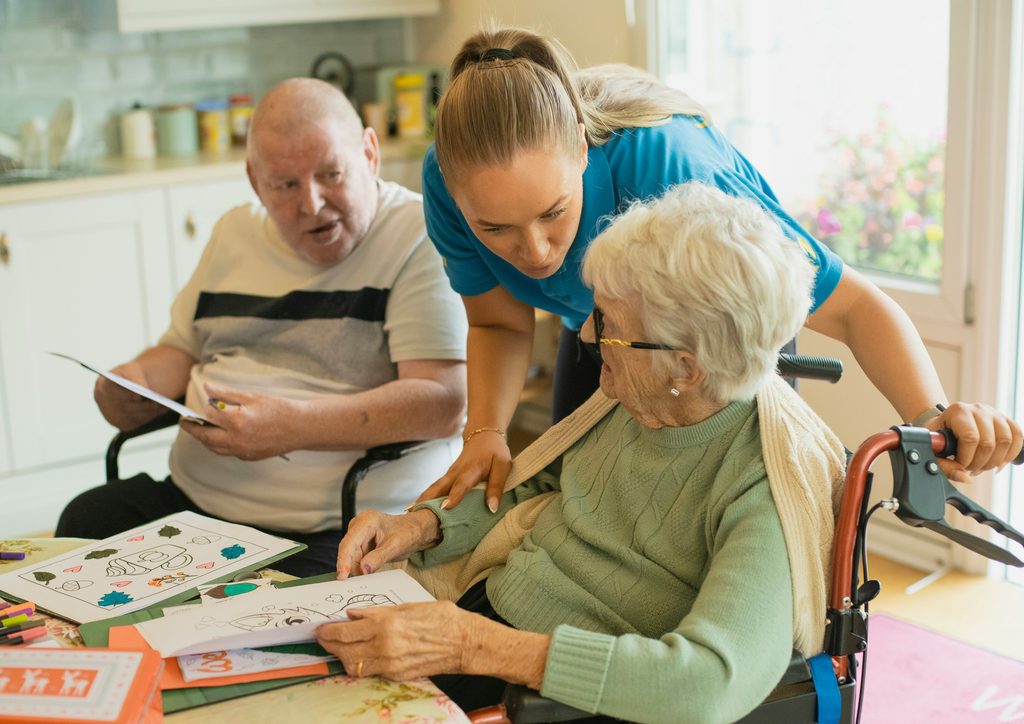
A senior may need 24-hour home care when they cannot safely remain alone and require assistance or supervision throughout the day and night. Repeated falls, wandering, frequent overnight needs, or difficulty managing essential daily activities can signal the need for an assessment, especially when family caregivers cannot reliably cover those needs. Why is deciding on more care so difficult? Families often struggle because safety concerns overlap with a parent’s wish to remain independent. A thoughtful decision considers both the older adult’s preferences and the support actually available at home. Perhaps your mother says she is managing, but you find untouched meals. Your father calls several times overnight because he needs help reaching the bathroom. You want to respect their choices, yet worry about what happens between visits. For families exploring 24-hour home care Indianapolis options, the question is practical: Can someone reliably respond whenever help is needed? Age alone does not answer that question. Daily functioning, health changes, and gaps in support matter more. What is 24-hour home care? 24-hour in-home care provides continuous coverage through caregivers working scheduled shifts. For someone who needs unpredictable assistance overnight, the plan should explicitly include an awake caregiver throughout those hours. Non-medical caregivers may help with: A caregiver for elderly at home does not diagnose illness, provide nursing treatment, or replace emergency services. Wound care, injections, and other skilled services require appropriately licensed professionals. Some people need both non-medical assistance and separately arranged home health services. What warning signs show a senior may need around-the-clock care? Around-the-clock care for seniors becomes worth considering when essential needs or safety risks occur across both daytime and nighttime hours. One concern may justify an assessment, but the timing, severity, and available help determine the appropriate schedule. Warning Signs That a Senior May Need 24-Hour Home Care These signs can also reflect treatable problems. Arrange a clinical evaluation rather than assuming every change is normal aging. Which symptoms need medical attention immediately? Sudden confusion requires immediate medical help; do not assume it is dementia. Call 911 for chest pain, serious breathing difficulty, stroke symptoms, loss of consciousness, or another apparent emergency. Stroke symptoms include sudden facial drooping, arm weakness, or speech difficulty—even if they improve. See CDC stroke guidance and MedlinePlus guidance on confusion. After a fall, seek prompt medical guidance; call 911 for suspected serious injury, severe pain, loss of consciousness, or inability to get up safely. Do not wait for a home care consultation to address an injury or urgent symptoms. When is 24-hour care especially helpful for dementia or Alzheimer’s? Dementia care at home may require continuous supervision when someone wanders, cannot recognize hazards, or needs repeated assistance overnight. A diagnosis alone does not mean 24-hour care is necessary; current abilities and risks guide the decision. The Alzheimer’s Association explains that wandering can occur at any stage and become dangerous. Someone who appears comfortable during a family visit may still leave home looking for a former workplace later that evening. Review the Association’s wandering guidance. Consistent caregivers can provide familiar routines, gentle redirection, and help with personal care. Ask about dementia-specific training, communication approaches, and a response plan for wandering. Door alerts can supplement supervision, but cannot provide hands-on help. New or rapidly worsening behavior needs medical evaluation before being attributed to dementia progression. When might a senior need overnight care? Overnight care may be sufficient when a senior has dependable daytime support but needs assistance after bedtime. Continuous 24-hour coverage becomes more appropriate when comparable needs also occur during the day. Common concerns include repeated bathroom trips requiring assistance, nighttime disorientation, and unsafe attempts to stand without help. Dementia-related sleep changes can also disrupt the household; discuss possible causes with a clinician. The Alzheimer’s Association offers guidance on sleep issues and sundowning. When comparing overnight caregiver Indianapolis services, ask whether the caregiver stays awake or has designated sleep time. Someone needing frequent, unpredictable assistance should not rely on an arrangement that assumes uninterrupted caregiver sleep. Can 24-hour home care help after hospitalization or surgery? Temporary 24-hour support may help when a medically stable senior returns home with substantial assistance needs. The discharge team should determine whether home is appropriate and identify any required nursing, therapy, equipment, or rehabilitation services. Post-hospital care for seniors can include meal preparation, dressing assistance, approved mobility support, and help keeping follow-up appointments. Caregivers should follow documented restrictions and report concerning changes. Before discharge, ask: Set a reassessment date. Some families need intensive support temporarily, then fewer hours as recovery progresses. Home care cannot guarantee recovery or prevent every readmission. How do 24-hour home care, live-in care, and assisted living compare? 24-hour care uses shifts to maintain coverage, while live-in arrangements generally include caregiver sleep and break periods. Assisted living offers housing and shared staff support, with services and supervision varying by community. 24-Hour Home Care vs. Live-In Care vs. Assisted Living Consideration 24-hour home care Live-in care Assisted living Setting Senior’s home Senior’s home Residential community Staffing Caregivers rotate shifts Caregiver stays in home; relief arrangements needed Staff serve multiple residents Overnight help Awake coverage when explicitly arranged Sleep periods may limit availability Ask about overnight staffing and response Potential fit Frequent or unpredictable needs day and night Needs compatible with protected sleep and breaks Support needs that the community can safely meet Main question How are missed shifts covered? Who helps during sleep and breaks? Can staff meet this person’s specific needs? For live-in care vs 24-hour care, focus on actual coverage rather than the label. A single caregiver cannot work continuously without rest. Assisted living also should not be assumed to provide continuous one-to-one supervision or skilled nursing. How can continuous care support safety and family peace of mind? Reliable assistance can support daily routines and reduce periods when a senior faces difficulties alone. Its value depends on caregiver skills, a suitable home environment, and clear communication—not simply the number of scheduled hours. Practical fall prevention for seniors includes clear walking paths, suitable lighting, and