
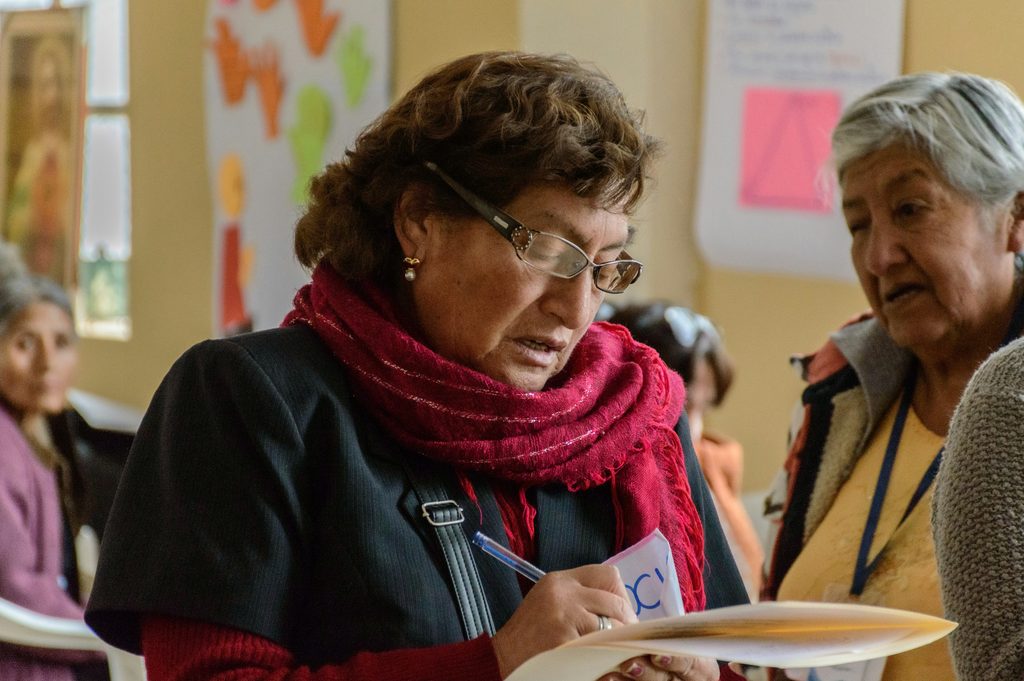
Every October, World Teachers’ Day invites us to thank the people who shaped how we think. In the U.S., National Teacher Day does the same each spring. UNESCO’s World Teachers’ Day centers on the idea that learning is a lifelong human pursuit and that wisdom flows between generations.
If you’re an adult child in Carmel, Greenwood, or Indianapolis, it’s worth remembering that your parent was probably someone’s teacher. They may have been a formal one, like a classroom teacher or a shop foreman training apprentices. More likely they were an informal one, like the mother who taught you to balance a checkbook or the father who showed you how to read a engine. Great teachers never stop teaching, and curious minds never stop learning.
Yet learning often quietly stops after retirement. Picture a retired machinist, nurse, or school principal who now spends eight hours a day in front of daytime television. The house is safe and the meals are made, but the mind is idle. Compare that with a parent who spends the same morning recording the story of their first job, debating a chess opening, or following a lecture series on Midwestern history and then explaining it to a visitor.
Mental stimulation is preventive care, not a luxury. With the right support, an aging parent’s home can become a studio, a library, and a workshop rather than a waiting room. This guide explains why that matters and offers dignified, practical ways to make it happen.
The Science of the Aging Brain: Why Learning Protects Independence
Quick answer: Daily cognitive stimulation helps homebound seniors because the brain stays adaptable throughout life. Neuroplasticity—the brain’s ability to form and strengthen neural connections—responds to new learning, conversation, and problem-solving. Regular mental engagement builds cognitive reserve, which may help older adults maintain memory, focus, and independence longer, especially when it’s paired with social contact.
Two concepts explain most of what families need to know.
Neuroplasticity is the brain’s capacity to reorganize itself by building and strengthening connections between neurons. For a long time, people assumed this flexibility belonged to childhood. We now understand that older brains keep adapting, especially when they’re challenged by something new and meaningful.
Cognitive reserve is the brain’s resilience, the cushion that helps it keep working well even as age-related changes occur. Education, stimulating work, social relationships, and mentally active leisure are all associated with building that reserve. The National Institute on Aging discusses how staying mentally and socially active is part of a brain-healthy lifestyle for older adults, alongside physical activity, healthy eating, and good sleep. Researchers at Harvard Health Publishing have likewise written about how social engagement and intellectual curiosity are connected to healthier aging brains.
No activity guarantees protection against dementia, and it would be dishonest to promise otherwise. But the pattern is consistent: engaged minds tend to stay more resilient.
The opposite pattern is just as clear. Isolation tends to accelerate what families describe as “mental fog.” When days lack conversation, novelty, and purpose, attention dulls, motivation fades, and withdrawal deepens. That withdrawal is easy to mistake for “just getting older” when it’s often a sign of an unmet need.
Structured mental stimulation activities for seniors do the reverse. They exercise executive function, which covers planning, organizing, shifting attention, and solving problems. These are the very skills that keep a person managing medications, handling household decisions, and living independently. For homebound seniors especially, protecting these skills is protecting their ability to age in place.
Moving Past Childish “Busy Work”: Meaningful Mental Stimulation Activities
Your parent has managed budgets, raised children, built careers, and survived decades of change. Coloring books and simplistic worksheets can feel like an insult. Real engagement draws on the adult they are. Here are four categories worth exploring.
Oral History and Biography: Let Them Be the Teacher
Recording a life story is one of the richest forms of mental exercise, because it combines memory retrieval, sequencing, and narrative skill. A companion can interview your parent about childhood on an Indiana farm, a military posting, the first day at a career, or the origins of a family recipe. Audio recordings, a handwritten memoir, or a labeled photo album all work. The result is a legacy your family will treasure, and the senior is the expert in the room.
Adult Intellectual Pursuits
Many universities and museums offer free online lectures. Audiobooks, podcasts, and documentaries provide material to discuss afterward. Reading the morning news together and debating a local issue or a new development in science keeps reasoning sharp. The goal is not to quiz your parent but to share ideas with them.
Strategy and Pattern Work
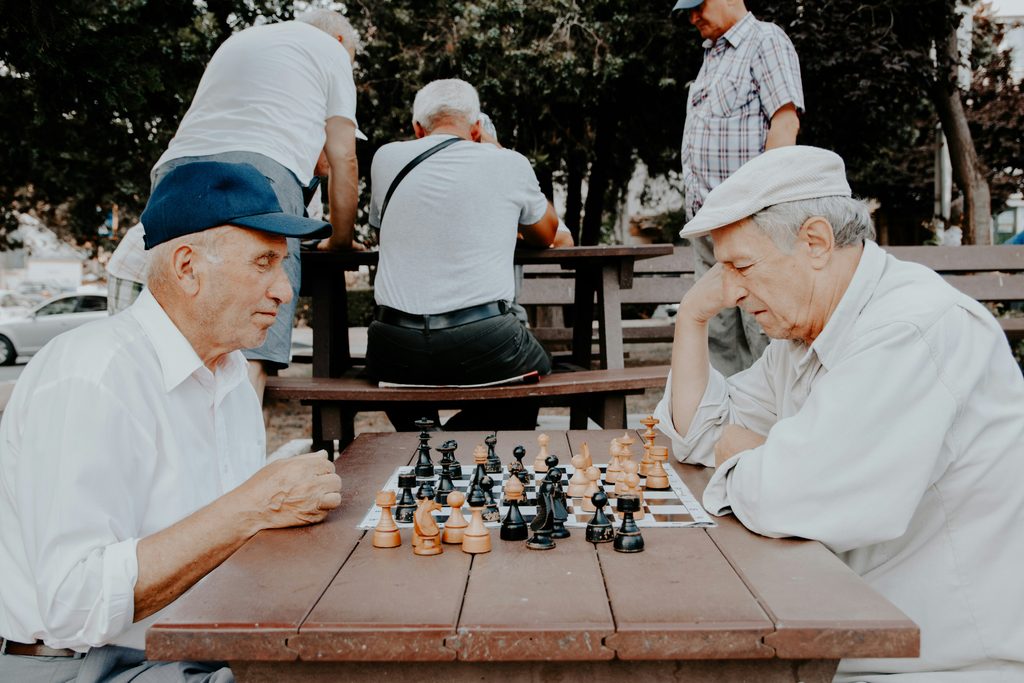
Go beyond the basic crossword. Chess, bridge, cribbage, and tile games like Mahjong or Rummikub demand planning, pattern recognition, and working memory. For senior memory stimulation games with a personal touch, a companion can build custom trivia around your parent’s favorite decade, such as the music, cars, or neighborhood landmarks they remember best. Familiar topics invite confident participation, which matters for willingness to engage.
Tactile and Creative Problem-Solving
Hands-on projects engage the brain differently. Consider:
- Gardening routines, such as planning a raised bed, tracking what thrives, and keeping a seasonal journal
- Botanical sketching of herbs or houseplants
- Baking, where measurement, fractions, and sequencing become natural exercises
- Restoration projects, like refinishing a small piece of furniture within safe mobility limits
The best activities share three traits: they’re meaningful to your parent, they offer a manageable challenge, and they involve another person.
The Caregiver as a Learning Partner: How Companion Care Fits In
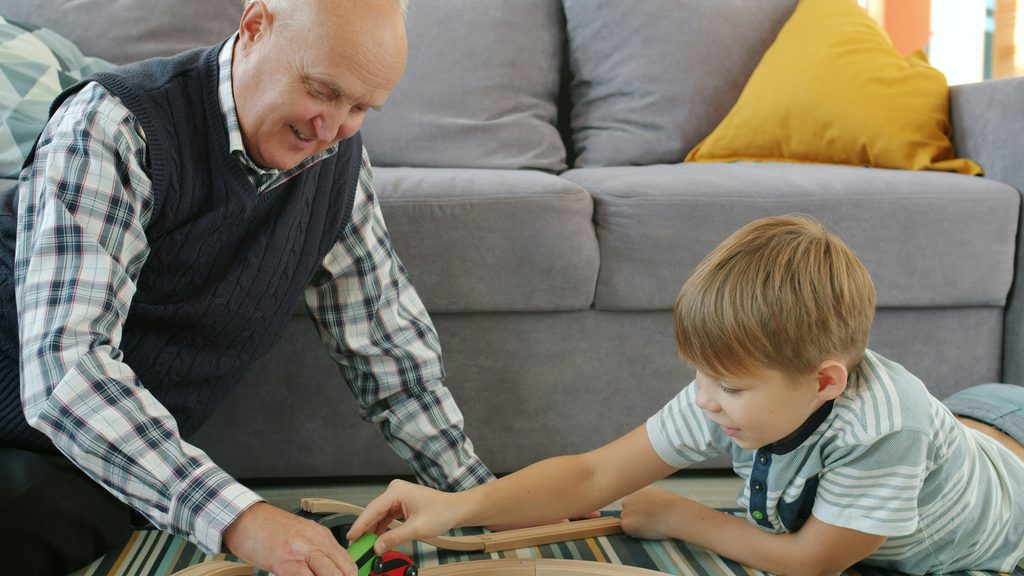
Many families picture in-home care as help with chores. Practical help matters, but the deeper value of in-home companion care in Central Indiana is the conversational spark. A good companion is a curious partner and intellectual co-explorer, not a babysitter.
That spark makes brain-health routines sustainable. Left alone, even well-intentioned plans, like the puzzle book on the table or the chess set in the closet, tend to gather dust. A companion turns intention into habit by asking an interesting question over breakfast, setting out the Rummikub tiles, or remembering that your father wanted to learn about the Indianapolis 500’s early history. That’s companion care for brain health in practice.
Non-medical senior engagement services also help with preventing senior isolation at home by creating structured daily conversational anchors. For example:
- A morning check-in about the day’s news and plans
- A mid-day project hour, such as the memoir, garden, or game
- An afternoon walk or errand that turns into storytelling
- An evening reflection on what was learned or enjoyed
These anchors give days shape and give your parent something to anticipate. Over time, that predictability supports mood, confidence, and a sense of purpose.
For families who want consistent, personalized support, dedicated in-home companion care in Central Indiana can be tailored to your parent’s interests, schedule, and comfort level. If memory changes are already part of the picture, specialized dementia and memory support adds approaches designed for cognitive decline, such as reminiscence, sensory engagement, and calm, structured routines.
Companions are non-medical. They don’t diagnose or treat. They complement your parent’s healthcare team by noticing changes and keeping the mind and spirit engaged, and you can share those observations with a physician.
Practical Framework: Passive Pastimes vs. Active Cognitive Engagement
Small shifts in everyday routines can make a big difference. Use this table as a starting point.
| Activity Category | Passive Habit (Low Stimulation) | Active Cognitive Alternative (High Vitality) | Companion Role |
|---|---|---|---|
| Television & Screen Time | Hours of background daytime TV | Choosing a documentary or lecture, then discussing it; limiting TV to planned favorites | Preview options together, ask open-ended questions afterward, suggest follow-up reading |
| Mealtime & Nutrition | Eating alone, repeating the same simple meals | Planning a menu, adapting a family recipe, sharing the story behind a dish | Cook alongside, invite recipe “teaching,” make mealtime a conversation |
| Reading & Literature | Skimming headlines or letting books pile up | Book discussions, audiobooks, reading aloud, local newspaper debates | Read together, talk through themes, visit the library with them |
| Leisure & Games | Solitary, easy puzzles done on autopilot | Chess, bridge, Mahjong, strategy card games, era-based trivia | Be an engaged opponent, adjust difficulty, keep the mood playful |
| Family & Local History | Photos sitting in boxes, stories untold | Labeling photos, building a family tree, recording stories, exploring Indiana history | Interview, transcribe, organize, and help share the results with relatives |
The pattern is consistent: the active alternative adds a person, a purpose, or a challenge. The companion is the bridge between the two.
Local Focus: Hamilton County and Marion County Senior Companion Care
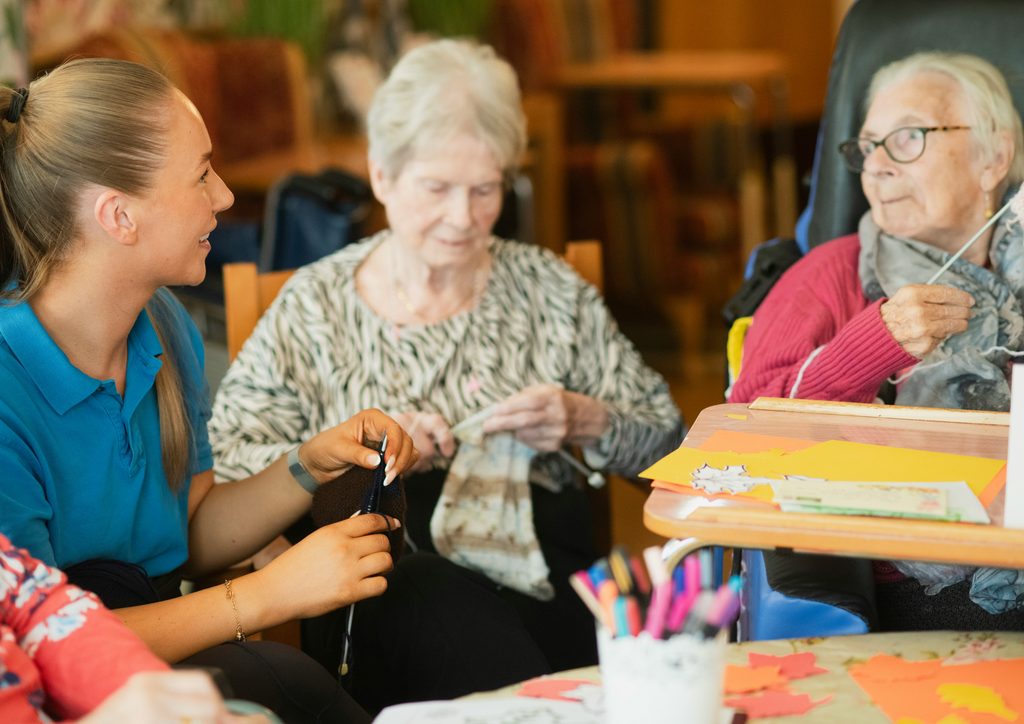
Central Indiana is rich with local history, culture, and community, which makes it a wonderful backdrop for lifelong learning. Whether your parent lives in Indianapolis, Carmel, Fishers, Noblesville, or Greenwood, there’s likely a library lecture, historical society, garden, or museum worth a visit, and an ongoing story worth capturing.
Indiana’s own community living priorities support this kind of engaged aging. The Indiana Division of Aging works on initiatives that help older Hoosiers stay active and remain in their homes and communities, the same goal behind most families’ care decisions.
For Hamilton County senior companion care and Marion County families alike, Indy In-Homecare matches caregivers with clients based on shared interests, backgrounds, and conversational compatibility. A retired engineer may thrive with a companion who loves puzzles and how things work. A lifelong gardener may flourish alongside someone who wants to learn about heirloom tomatoes. That kind of intellectual chemistry makes engagement feel natural rather than assigned.
If you’re the primary caregiver, this matters for you too. Supporting a parent’s mental life is rewarding, but it can be exhausting alongside work, children, and your own health. Flexible Marion County respite care gives you a reliable break while your parent enjoys purposeful company, so you can show up as a son or daughter rather than only as a caregiver. Whether you search for Indianapolis in-home care or Central Indiana elderly care, the right match keeps your parent’s mind active and gives you peace of mind.
Rapid-Fire FAQ
How many hours of mental stimulation do seniors need daily?
Research hasn’t established a single daily number, so quality and consistency matter more than a clock. Many families aim for two or three focused sessions of 20 to 30 minutes, woven into meals, mornings, or afternoons, plus ongoing conversation. Choose activities your parent finds challenging but enjoyable, and adjust to energy levels.
What should I do if my parent refuses mentally stimulating activities?
Start with their story rather than a task. Many resistant seniors reject activities that feel childish or assigned, but respond to invitations that honor their expertise—asking them to teach a skill, settle a family-history question, or judge a recipe. Begin small, follow their interests, and let a trusted companion model curiosity instead of insisting.
Can companion care help a parent in early-stage cognitive decline?
Yes. Non-medical companion care can support a parent in early-stage cognitive decline by providing consistent routines, patient conversation, reminiscence, and gentle mental stimulation. Companions don’t diagnose or treat, so share any memory concerns with your parent’s physician. For progressing needs, specialized memory support can add structure and safety.
How does companion care in Central Indiana differ from adult day centers?
Adult day centers offer group programming at a set location and schedule, which suits seniors who enjoy group settings. In-home companion care is one-on-one, happens in your parent’s own space, and adapts to their pace and interests. Many Central Indiana families use both, choosing based on personality, mobility, and transportation needs.
Honor the Teacher in Your Family
Teachers’ Day is a reminder that wisdom doesn’t expire. The parent who once taught you to ride a bike, write a thank-you note, or fix a leaky faucet still has stories to tell and questions to ask. What they often need is a partner in curiosity.
You don’t have to build that alone. If you’d like to explore what purposeful, dignified engagement could look like at your parent’s home, consult with our Indianapolis care team. We’ll listen to your parent’s story and your family’s goals, then help create a care plan that keeps their mind active, their days meaningful, and their home a place of discovery.