
Transportation Assistance for Seniors in Indiana
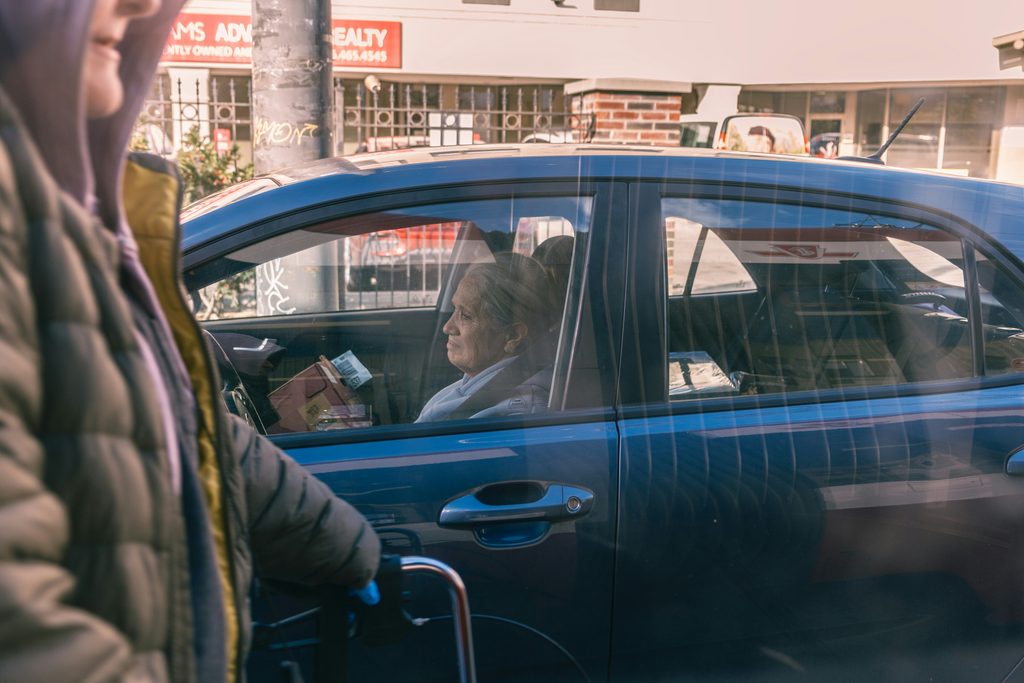
For many older adults, the last drive is remembered as the moment a door quietly closed. It meant the spontaneous trip to the hardware store, the Sunday ride to see a sister in Greenwood, and the freedom to leave the house without asking anyone for anything. When an elderly parent stopped driving, whether by choice, on a doctor’s advice, or after a frightening close call, what they lose is rarely just transportation. They lose a piece of their identity, their privacy, and the quiet confidence of running their own life. If you are an adult child in Carmel, Fishers, Noblesville, Zionsville, Greenwood, or anywhere across Indianapolis, you may be watching this unfold while torn between safety and respect. That tension is normal, and it can be resolved with care. Retiring from driving should never mean retiring from life. True independence isn’t about driving; it’s about having reliable, dignified access to the places and people that matter. The Emotional Reality: When an Elderly Parent Stops Driving Transportation assistance for seniors is personalized, hands-on support that gets an older adult to medical appointments, grocery stores, faith services, and social outings safely and with dignity. Unlike a simple ride, it includes door-through-door help, a trained companion, and reliable routines, so an aging parent can stay independent without driving. Before solutions, it helps to understand what your parent may be feeling. Driving cessation often moves through emotional stages that look a lot like grief: The National Institute on Aging explains that vision, hearing, reflexes, and thinking can change with age, and it offers guidance on transitioning away from driving. What it can’t capture is how personal that change feels at the kitchen table. The danger that follows is subtle: isolation. Homebound parents begin to miss medical appointments, put off grocery runs, and drop out of the senior club or Bible study they loved. Without regular outings, days blur together, and researchers link prolonged social isolation to depression and cognitive decline. The “cognitive fog” families notice is sometimes the result of a smaller world, not just aging. Moving Beyond Rideshares: Why Traditional Transit Often Falls Short It’s tempting to say, “Just use Uber.” For a confident, tech-savvy senior on a good day, that can work. For many others, it quietly fails in three ways. Digital hurdles: Requesting a ride means downloading an app, entering payment details, and reading a small touchscreen. For a parent with arthritis, low vision, or early memory changes, one confusing screen can end the whole outing. No physical support: Standard rides are curb-to-curb. Nobody helps with a heavy winter coat, steadies a walker on the way down an icy porch step, or walks your parent through the clinic door to the front desk. In an Indiana January, that gap matters. An unvetted stranger: A rideshare driver is rarely trained in senior care, may not recognize the signs of confusion or a fall risk, and won’t stay if your parent is disoriented at the destination. Parents also tend to hide their difficulties from strangers, so problems go unreported. A ride gets a person from A to B. Senior transportation done well makes sure they arrive safely, do what they came to do, and get home again. The 4 Pillars of Comprehensive Senior Transportation Assistance Hands-on errand assistance goes well beyond a ride. With dedicated companion and transportation care, a trusted caregiver becomes an extension of your family, supporting four parts of daily life. Pillar 1: Caregiver appointment assistance. The caregiver arrives early, helps your parent dress and gather insurance cards and medication lists, and drives safely to the appointment. If your parent wants, they take notes in the waiting room and share what the doctor said with the family accurately, so nothing is lost in translation. Pillar 2: Help with senior errands and daily needs. A grocery trip becomes a social outing. Your caregiver navigates the aisles with your parent, reaches high shelves, carries heavy bags, and unpacks the pantry safely, so no one strains a back or trips over a bag on the kitchen floor. The same applies to pharmacy pickups, banking, and the post office. Pillar 3: Social and faith community connections. Standing weekly plans keep a life full: Sunday services, lunch with a friend, the neighborhood library, a regular coffee in town. Routine gives your parent something to look forward to and a reason to get dressed. Pillar 4: Restoring spontaneity. This is the pillar most services forget. Many seniors miss the unplanned afternoon drive through the old neighborhood, a scenic park, or past the house they raised their children in. A companion who has time, and no meter running, can bring that pleasure back. Together, these pillars shift the story from “I can’t go anywhere” to “I have somewhere to be.” Transportation Options Compared Every option has a place. This table shows where each one helps and where it leaves gaps. Transportation Option Level of Physical Assistance Reliability & Comfort Best Suited For Key Limitations Commercial Rideshare (Uber/Lyft) Minimal; curb-to-curb, no hands-on help On demand, but driver and vehicle vary; app required Independent, tech-comfortable seniors on short trips No senior-care training; no help inside buildings; payment and app barriers Municipal Senior Shuttles / Paratransit Low to moderate; driver may assist at the curb or door Low-cost and dependable, but fixed schedules and advance booking Regular, planned trips for eligible riders Limited service areas and hours; shared rides; little flexibility for errands Informal Family Chaperoning High, from someone who knows your parent Familiar and loving, but depends on your work and family schedule Occasional appointments and special occasions Caregiver burnout; missed work; strained relationships In-Home Companion Care (e.g., Indy In-Homecare) High; door-through-door, with mobility and errand support Consistent, scheduled, and personalized Seniors needing regular appointments, errands, and social outings Paid service; best planned around a weekly routine Most families end up with a blend: paratransit for a standing trip, family for holidays, and a companion caregiver for everything that needs a steady hand. How to Talk About Retiring
What Is a Backup Care Plan, and Who Helps When the Family Caregiver Gets Sick?
It’s Sunday evening. You’ve spent the day juggling Mom’s pills, her lunch, and her afternoon walk, and then your own body gives out. Maybe it’s a 102°F fever, a positive flu test, or a bout of food poisoning that has you on the bathroom floor. Before the thermometer even finishes beeping, one thought cuts through everything else: Who is going to help Mom out of bed tomorrow at 7 AM? If you’re living this moment, or dreading it, take a breath. Your illness is not a failure of dedication. Every caregiver gets sick eventually, and a plan made in advance is what keeps that from becoming a crisis. This guide covers what a backup care plan is, what goes into one, who can realistically step in, and how families across Central Indiana set up backup care for elderly parents before they need it. What Is a Family Caregiver Contingency Plan? A family caregiver contingency plan is a written, shared document that names who will provide care if the primary caregiver becomes ill or unavailable. It includes medical details, daily routines, safety instructions, key contacts, and a pre-arranged professional care option, so a substitute can step in safely within hours instead of scrambling. Without a plan, a caregiver’s illness looks like this: it’s 2 AM, you’re feverish, and you’re calling relatives who don’t pick up. You search “emergency caregiver replacement” on your phone, and then you try to explain your mother’s medications from memory while shaking with chills. Decisions made in that state are rushed, and they’re often the ones families regret. With a plan, you make one call. The information is already written down, the people involved already know their roles, and a trained replacement already knows your family exists. The Three Levels of Caregiver Emergencies Not every emergency is the same size, so a good plan covers three scenarios: Why Caregivers Put Off Their Own Health Family caregivers often ignore their own symptoms. The Family Caregiver Alliance has long documented that people providing intensive care face higher risks of exhaustion, depression, and chronic health problems. Many hit a wall suddenly instead of gradually. The CDC’s caregiving resources note that caregivers often delay or skip their own medical care because of their responsibilities, which lets treatable conditions get worse. So the guilt you feel about being sick is common, and so is the instinct to push through. A backup plan gives you permission to rest, and that protects your parent as much as it protects you. The 4 Critical Pillars of an Emergency Backup File Compile this information before anyone steps into the home. A substitute caregiver, whether a sibling or a professional, can only be as good as the information you give them. AARP’s caregiving guidance recommends keeping medical and emergency information organized and easy to find, and we suggest building the file around four pillars. 1. Medical and Medication Cheat Sheet 2. Mobility and Safety Protocols 3. Daily Rhythm and Behavioral Anchors This pillar matters most for continuity. Mom will cooperate more readily with a stranger who knows she takes her coffee with two sugars and likes the radio on at 3 PM. 4. House Logistics and Key Contacts Keep one printed copy in a folder on the kitchen counter and one digital copy shared with a sibling or trusted relative. A file nobody can find at 6 AM doesn’t help anyone. Who Can Step In? Evaluating Your Options When you can’t cover the shift, realistically three groups can help. Here’s how they compare: Care Option Response Time Skill & Safety Level Best Suited For Limitations Secondary Family / Neighbors Often same day, if available Varies widely; usually no formal training Very short gaps; companionship and meal drop-offs Work and family conflicts; no training in safe lifting or dementia care; relationship strain Independent Freelance Hires Days, after searching and vetting Unverified unless you check it yourself Families with time to screen candidates in advance You become the employer; you handle background checks, taxes, and liability; no backup if they cancel Licensed Home Care Agency (Short-Notice) Often within hours to a day, depending on availability Screened, trained, and supervised caregivers Illness, surgery recovery, and any situation needing reliable skilled help Cost; works best when the family has set up a profile in advance Neighbors and relatives often care deeply, but caring and being prepared are different things. A well-meaning neighbor who has never helped someone transfer from bed to wheelchair can injure your parent, or themselves, in seconds. Dementia adds another layer: someone who doesn’t recognize sundowning behavior or know how to redirect agitation can turn a hard evening into a frightening one. Informal help is valuable as a supplement, but it shouldn’t be your only backup. How Professional Temporary Caregiver Support Works Many families hesitate to call an agency. The most common worry is, “Can someone really learn Mom’s routine on short notice?” They can, because experienced agencies are built for this. A typical process looks like this: Depending on what’s needed, our team can provide short-notice respite and temporary care for a few days or several weeks, while you recover. Day to day, caregivers can also cover the tasks that keep your parent safe and comfortable, such as bathing, dressing, toileting, meals, and mobility help, through comprehensive in-home personal care. If your parent resists the idea, start with a short visit while you’re still well. Familiarity makes a later emergency far less frightening. Securing Short-Notice Home Care in Indianapolis and Central Indiana If you live in Marion, Hamilton, Hendricks, or Johnson County, you already know how much distance and traffic can affect a care plan. A caregiver who lives across the metro area may not reach Fishers, Carmel, Avon, or Greenwood quickly on a snowy morning. That’s why local matters. The best time to arrange short-notice home care in Indianapolis is before you need it. At Indy In-Homecare, we work with families proactively to keep an on-file care profile: your parent’s routines, medical notes, preferences, and
Can Home Care Help a Parent Who Is Becoming Isolated After Losing a Spouse? (A Guide to Healing & Connection)

It rarely looks like grief the way we imagine it. There are no dramatic tears on the phone. Instead, you notice the blinds still drawn at 2 PM. The refrigerator holds a carton of milk a week past its date, and a casserole a neighbor dropped off is still untouched. Dad hasn’t shaved. Mom’s hair hasn’t been done, and she says she’s “just tired.” The television murmurs in an empty room, not because anyone is watching, but because the quiet is unbearable. If you’re an adult son or daughter across Indianapolis, Carmel, Fishers, or Greenwood, juggling your own job, kids, and calendar, you may be sensing that your surviving parent is slipping away from daily life. You may also be wondering whether bringing someone into the home would help or feel like an insult. Here is the short answer: yes, home care can help. Companion care isn’t about replacing the spouse your parent lost. It’s about gently rebuilding the scaffolding of daily life, the meals, routines, and small conversations, that two people once held up together. The Silent Toll of Social Isolation in Older Adults After Spousal Loss Companionship for seniors living alone is non-medical, in-home support that provides regular human connection, shared meals, light household help, and encouragement to stay engaged in daily life. It’s designed to ease loneliness, protect routines, and help older adults remain safely and comfortably in their own homes. After decades of marriage, a home is built around two people. One person remembered the pills, another noticed when the mail piled up. One cooked while the other set the table. When one of them dies, the survivor loses more than a companion. They lose the other half of a system. Grief doesn’t stay in the heart. It shows up in the body and mind, especially for older adults: This matters because loneliness isn’t only sad. The National Institute on Aging reports that social isolation and loneliness in older adults are associated with serious health risks, including higher rates of depression, heart disease, and cognitive decline. Left unaddressed, the quiet can become a health problem. Then there’s the math no one likes to say out loud. Even devoted children who visit every Sunday leave roughly 160 hours a week unaccounted for. Your visits are precious, but they can’t fill the silence between them. That isn’t a failure of love. It’s simply too many hours for one family to cover, especially when you’re also raising children or working full time. How Companion Care at Home Rebuilds Daily Connection Good companion care after the loss of a spouse isn’t dramatic. It works through small, steady touchpoints that make a house feel lived in again. Our dedicated companion care services are built around these gentle anchors. Shared daily anchors: There’s a world of difference between eating a sandwich standing over the sink and sitting at the table across from someone. A companion caregiver can share breakfast or lunch, and the ritual of sitting down, pouring coffee, and talking restores a rhythm that grief steals. Over time, mealtime becomes something to look forward to again. Preserving routine and dignity: Withdrawn parents often stop doing the things that made home feel like home. A caregiver can help with laundry, fresh bedding, tidying, and opening the windows to let in daylight, without making your parent feel incapable. The goal is to work alongside them, not take over. “Let’s fold these together” lands very differently than “let me handle that.” Nourishment that supports the body: When appetite disappears, nutrition suffers quickly. Our meal preparation and nutrition support helps parents eat regularly again, whether that means cooking a favorite recipe together, planning easy meals for the week, or noticing when the pantry has quietly emptied. Sometimes a familiar dish from a spouse’s kitchen is the first thing a grieving parent has actually enjoyed in weeks. Active, unhurried listening: This may be the most healing piece. Many widowed parents hold back from talking about their spouse with their own children. They don’t want to burden them, or make them cry, or bring the mood down. A companion caregiver offers a patient, neutral presence. Your father can tell the story of how he met your mother, for the fifth time, without worrying that he’s wearing anyone out. Your mother can say her husband’s name out loud and hear it received with warmth. Grief that gets spoken tends to soften. Grief that stays locked in a quiet house tends to harden. The AARP’s caregiving resources echo this theme: after a long marriage, re-establishing structure and meaningful daily contact is one of the most important parts of adjusting to life alone. Visiting Caregiver vs. Assisted Living: Weighing Your Options When you see a parent struggling, the next thought is often, “Maybe they’d be better off somewhere with people around.” It’s a loving instinct, and for some families a move is the right answer. But moving in the middle of bereavement carries its own emotional cost. Here is how the two paths compare. Need / Care Factor In-Home Companion Care Senior Living Facility Move Familiarity of environment & memories Your parent stays surrounded by photos, furniture, the garden, and the rooms shared with their spouse. Familiar surroundings are left behind, which can feel like losing a second home. Routine preservation Care fits around existing habits, from morning coffee to favorite programs. Days often follow the facility’s schedule for meals, activities, and wake times. Flexibility of hours Visits can be a few hours a week or more, and adjusted as needs change. Care is bundled into a set community structure and monthly fee. Cost control Families pay for the hours they need and can scale up or down. Costs are typically fixed monthly, and often higher, regardless of usage. Emotional stress of moving during bereavement No move, no sorting a lifetime of belongings, no adjusting to a new place while grieving. Downsizing, packing, and adapting to a new community can compound grief. Neither option is right for every family.
How Can You Tell Whether a Home Care Arrangement Is Working? (An Honest Evaluation Guide for Families)

It’s a Wednesday afternoon. You’re in a meeting, or in the pickup line, or standing in a grocery aisle, and the thought arrives uninvited: Are they really in good hands when I’m not in the room? If you’ve recently started in-home care for your mother, father, or spouse, that question probably visits often. It’s usually tangled up with relief that someone is finally helping, guilt that you needed to ask, and a constant, low-level vigilance you can’t switch off. None of that means you chose wrong. It means you’re handing someone precious to a person you barely know, and paying attention is what a good family member does. So what are you actually hoping to see? A successful home care match means your loved one is safe, clean, nourished, and emotionally at ease, and the caregiver is reliable, respectful, and open with you. When those things hold true week after week, the arrangement is working, even if the first few weeks felt awkward. What follows is a practical framework for evaluating home care services. It’s meant to give you something firmer to lean on than a gut feeling at 2 a.m., without turning you into an inspector. The 4 Pillars of Evaluating Home Care Services In short: The most reliable way to evaluate home care is to look at four things over several weeks: your loved one’s physical condition and surroundings, their emotional well-being, the caregiver’s professionalism, and how consistently the caregiver communicates with your family. Strength across all four signals a healthy arrangement. No single visit tells the whole story. Patterns do. Look for trends across weeks, not verdicts from one afternoon. Pillar 1: Physical Care and Living Environment Start with what you can see. A person’s body and home often say more than a cheerful “Everything’s fine!” over the phone. The National Institute on Aging offers caregiving guidance that can help you understand how needs are assessed, including how professionals think about Activities of Daily Living (ADLs) such as bathing, dressing, eating, toileting, and moving safely. Knowing which of these your loved one struggles with tells you exactly what to watch. Pillar 2: Emotional Well-Being and Demeanor Checklists can’t capture the most important thing, which is how your loved one feels. Watch for micro-signals. Some early awkwardness is normal. Accepting help can feel like surrendering independence, and the Family Caregiver Alliance notes that adjustment periods, for both the person receiving care and the family, are a natural part of the process. What matters is the direction of travel: over time, you should see trust building. For seniors with memory loss, demeanor deserves an extra layer of attention. New agitation, suspicion, or withdrawal can reflect disease progression rather than a poor caregiver match, and the Alzheimer’s Association is a helpful resource for understanding what changes in behavior may signal. If your loved one is living with dementia, specialized dementia and memory care support can make a meaningful difference, because approaches like redirection and consistent routines take training and patience. Pillar 3: The Signs of a Good Caregiver The signs of a good caregiver show up in small, repeated behaviors. Families often find that the right match makes all of this feel natural. Our compassionate companion and personal care services are built around exactly these qualities: reliability, dignity, and attention to the person, not just the task list. Pillar 4: Caregiver Communication with Family Strong caregiver communication with family is often what separates adequate care from excellent care. You should never have to play detective. If you’re consistently pulling information out of people, that’s not a personality quirk. It’s a communication problem worth raising. The Home Care Quality Checklist In short: A home care checklist weighs daily observations against clear standards: punctuality, clean surroundings, and easy rapport signal quality, while unexplained injuries, skipped tasks, evasiveness, or sudden fear and withdrawal demand immediate attention. Use this table during visits, phone calls, or a monthly check-in. You don’t need to score it. It simply helps you see clearly. Care Dimension Signs It Is Working Well Warning Signs / Red Flags Personal hygiene & ADLs Bathing, dressing, and grooming completed on schedule; skin looks healthy; your parent looks cared for Body odor or soiled clothing, worsening grooming, new skin breakdown, personal care skipped or rushed Meal preparation & nutrition Balanced meals prepared, fresh food stocked, fluids within reach, weight stable Spoiled or untouched food, weight loss, dehydration, repeated “she wasn’t hungry” with no follow-up Mobility & fall prevention Clear walkways, proper use of walker or cane, careful transfers, hazards addressed Unreported falls, unexplained bruises, unsafe lifting, mobility aids left out of reach Bedside rapport Warm tone, eye contact, patience; your loved one seems relaxed and included in decisions Talking over or about your parent, visible impatience, your parent seeming fearful, withdrawn, or defensive Agency administrative responsiveness Calls returned promptly, schedule changes communicated early, supervisor visits happen, concerns acted on Unreturned calls, repeated scheduling errors, no supervisor follow-up, feedback met with defensiveness A single red flag isn’t always a crisis, but a pattern is. Anything involving suspected mistreatment, theft, or a safety hazard deserves immediate action. Contact the agency right away, and if you believe your loved one is in danger, contact the appropriate authorities. The Indiana Family and Social Services Administration’s Division of Aging is a good starting point for information on Indiana’s home- and community-based services and how to raise concerns about care. Reviewing a Senior Care Plan: When to Adapt In short: A senior care plan is an evolving roadmap, not a permanent contract. Review it regularly and after any major change, such as a hospital stay, new medication, mobility shift, or cognitive decline, so that support keeps pace with what your loved one actually needs today. A plan written in March may not fit in September. Good personalized in-home care plans are built to change, and the best agencies expect that. Inflection Points That Call for a Review What to Say: Scripts for Raising Concerns Most coordinators want this
Senior Isolation & Indiana Home Care: A Guide for Families

Loneliness is more than a feeling — for older adults, it’s a serious health crisis that quietly shortens lives. Here’s what every Indiana family needs to know. Your mother calls less frequently. Your father has stopped attending the weekly church group he loved for thirty years. When you visit, the house feels a little quieter than it used to — and so does he. For millions of American families, these small changes are easy to dismiss as “just getting older.” But increasingly, medical researchers are calling senior isolation one of the most dangerous — and most overlooked — threats to elder health in the United States. And here in Indiana, where rural communities and suburban sprawl can leave older adults hours away from family, the problem is especially urgent. In this guide, we’ll cover exactly what senior isolation is, why it’s so physically and mentally harmful, the warning signs most families miss, and — most importantly — what you can do today to protect the older adult in your life. What Is Senior Isolation — and How Common Is It? Social isolation refers to having little or no contact with other people. Loneliness is the subjective feeling of being alone, even if you’re not. For seniors, both are dangerously common — and they often feed each other. The statistics are sobering: What’s driving this? A confluence of factors uniquely affecting older adults: the death of a spouse or close friends, retirement removing daily social structure, mobility limitations making it harder to get around, adult children living in different cities, and chronic health conditions that make leaving the house difficult or uncomfortable. In Indiana, this is compounded by geography. Many elderly residents live in rural counties where neighbors are miles apart and public transportation is limited. Even in urban centers like Indianapolis, older adults in fixed-income housing can go days without meaningful human contact. “The health impact of social isolation is comparable to smoking 15 cigarettes a day. This is not a soft, emotional problem — it is a medical crisis.”— U.S. Surgeon General’s Advisory on Loneliness, 2023 The Serious Health Risks of Senior Loneliness Families often think of elder isolation as a quality-of-life issue — sad, but not dangerous. The medical evidence says otherwise. Chronic social isolation in older adults is linked to a cascade of serious physical and cognitive health outcomes. Cognitive Decline and Dementia Regular social engagement is one of the most powerful ways to keep aging brains sharp. When seniors lose their social connections, the brain receives less stimulation, less feedback, and less challenge. Studies show that socially isolated older adults have a 50% greater risk of developing dementia, including Alzheimer’s disease. The mechanism is real: isolation accelerates the buildup of amyloid plaques and tau tangles in the brain that are hallmarks of Alzheimer’s. Depression and Anxiety Depression is not a normal part of aging — but it becomes far more common in isolated seniors. Older adults with limited social contact are significantly more likely to experience clinical depression, generalized anxiety, and in severe cases, suicidal ideation. What makes this particularly dangerous is that isolated seniors often have no one close enough to notice the change and intervene. Heart Disease and Stroke The link between loneliness and cardiovascular disease is well-established. Isolated seniors show elevated levels of cortisol (the stress hormone), increased blood pressure, and heightened inflammatory markers — all major drivers of heart disease. Research published in the journal Heart found that social isolation was associated with a 29% higher risk of heart disease and a 32% greater risk of stroke. Weakened Immune Function Chronic loneliness suppresses immune function at the cellular level, making seniors more susceptible to infections, slower to recover from illness, and less responsive to vaccines. This was starkly illustrated during the COVID-19 pandemic, where isolated seniors experienced dramatically worse health outcomes even independent of direct virus exposure. Falls and Physical Decline Isolated seniors are less likely to maintain physical activity, more likely to neglect nutrition, and more likely to fall — and far less likely to have anyone nearby to help if they do. Falls remain the leading cause of injury-related death among Americans over 65, and social isolation is a documented risk factor. Warning Signs Your Loved One May Be Socially Isolated Many seniors won’t tell their family they’re lonely — out of pride, out of a desire not to be a burden, or simply because they’ve normalized it. These are the signs to watch for: What Indiana Families Can Do Right Now The good news: senior isolation is largely preventable and reversible. Research shows that even modest increases in social connection produce measurable health benefits. Here’s a practical roadmap for families. Practical Steps to Combat Senior Isolation How In-Home Care Addresses Senior Isolation Directly For many Indiana families — especially those managing long-distance caregiving — professional in-home care is the most practical and effective solution to senior isolation. And it does far more than many families realize. At Indy In-Home Care, our caregivers are trained to provide meaningful companionship alongside hands-on assistance. Whether it’s sharing a meal, helping with light exercise, playing cards, accompanying a senior to a doctor’s appointment, or simply sitting and talking — these interactions deliver the social stimulation that aging brains and hearts need to stay healthy. The benefits of regular in-home care visits for isolated seniors include: Consistent human connection: Unlike sporadic family visits, a scheduled caregiver provides a reliable social relationship your loved one can count on — the kind of predictable connection that research shows is most beneficial for mental health. Safety monitoring and early intervention: A caregiver who sees your parent regularly is positioned to notice changes in mood, appetite, cognition, or physical health early — before a small problem becomes a crisis. For isolated seniors living alone, this can be life-saving. Support for daily activities that preserve dignity and independence: When seniors can no longer safely manage tasks like cooking, bathing, or transportation on their own, the alternative is often a care facility — a transition that