
Senior Cognitive Care at Home in Central Indiana
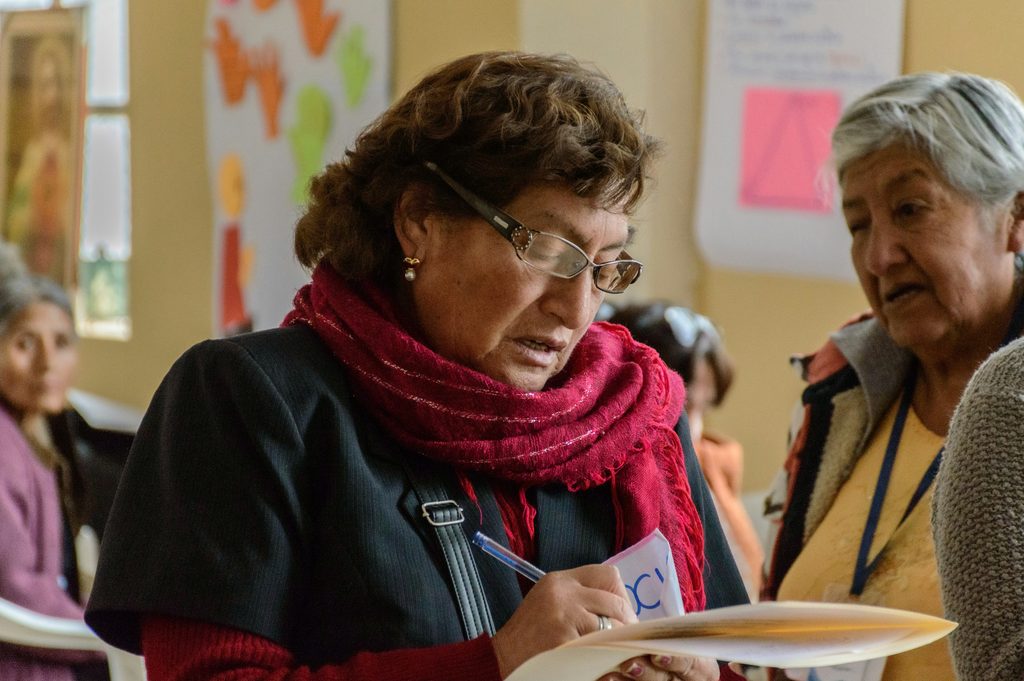
Every October, World Teachers’ Day invites us to thank the people who shaped how we think. In the U.S., National Teacher Day does the same each spring. UNESCO’s World Teachers’ Day centers on the idea that learning is a lifelong human pursuit and that wisdom flows between generations. If you’re an adult child in Carmel, Greenwood, or Indianapolis, it’s worth remembering that your parent was probably someone’s teacher. They may have been a formal one, like a classroom teacher or a shop foreman training apprentices. More likely they were an informal one, like the mother who taught you to balance a checkbook or the father who showed you how to read a engine. Great teachers never stop teaching, and curious minds never stop learning. Yet learning often quietly stops after retirement. Picture a retired machinist, nurse, or school principal who now spends eight hours a day in front of daytime television. The house is safe and the meals are made, but the mind is idle. Compare that with a parent who spends the same morning recording the story of their first job, debating a chess opening, or following a lecture series on Midwestern history and then explaining it to a visitor. Mental stimulation is preventive care, not a luxury. With the right support, an aging parent’s home can become a studio, a library, and a workshop rather than a waiting room. This guide explains why that matters and offers dignified, practical ways to make it happen. The Science of the Aging Brain: Why Learning Protects Independence Quick answer: Daily cognitive stimulation helps homebound seniors because the brain stays adaptable throughout life. Neuroplasticity—the brain’s ability to form and strengthen neural connections—responds to new learning, conversation, and problem-solving. Regular mental engagement builds cognitive reserve, which may help older adults maintain memory, focus, and independence longer, especially when it’s paired with social contact. Two concepts explain most of what families need to know. Neuroplasticity is the brain’s capacity to reorganize itself by building and strengthening connections between neurons. For a long time, people assumed this flexibility belonged to childhood. We now understand that older brains keep adapting, especially when they’re challenged by something new and meaningful. Cognitive reserve is the brain’s resilience, the cushion that helps it keep working well even as age-related changes occur. Education, stimulating work, social relationships, and mentally active leisure are all associated with building that reserve. The National Institute on Aging discusses how staying mentally and socially active is part of a brain-healthy lifestyle for older adults, alongside physical activity, healthy eating, and good sleep. Researchers at Harvard Health Publishing have likewise written about how social engagement and intellectual curiosity are connected to healthier aging brains. No activity guarantees protection against dementia, and it would be dishonest to promise otherwise. But the pattern is consistent: engaged minds tend to stay more resilient. The opposite pattern is just as clear. Isolation tends to accelerate what families describe as “mental fog.” When days lack conversation, novelty, and purpose, attention dulls, motivation fades, and withdrawal deepens. That withdrawal is easy to mistake for “just getting older” when it’s often a sign of an unmet need. Structured mental stimulation activities for seniors do the reverse. They exercise executive function, which covers planning, organizing, shifting attention, and solving problems. These are the very skills that keep a person managing medications, handling household decisions, and living independently. For homebound seniors especially, protecting these skills is protecting their ability to age in place. Moving Past Childish “Busy Work”: Meaningful Mental Stimulation Activities Your parent has managed budgets, raised children, built careers, and survived decades of change. Coloring books and simplistic worksheets can feel like an insult. Real engagement draws on the adult they are. Here are four categories worth exploring. Oral History and Biography: Let Them Be the Teacher Recording a life story is one of the richest forms of mental exercise, because it combines memory retrieval, sequencing, and narrative skill. A companion can interview your parent about childhood on an Indiana farm, a military posting, the first day at a career, or the origins of a family recipe. Audio recordings, a handwritten memoir, or a labeled photo album all work. The result is a legacy your family will treasure, and the senior is the expert in the room. Adult Intellectual Pursuits Many universities and museums offer free online lectures. Audiobooks, podcasts, and documentaries provide material to discuss afterward. Reading the morning news together and debating a local issue or a new development in science keeps reasoning sharp. The goal is not to quiz your parent but to share ideas with them. Strategy and Pattern Work Go beyond the basic crossword. Chess, bridge, cribbage, and tile games like Mahjong or Rummikub demand planning, pattern recognition, and working memory. For senior memory stimulation games with a personal touch, a companion can build custom trivia around your parent’s favorite decade, such as the music, cars, or neighborhood landmarks they remember best. Familiar topics invite confident participation, which matters for willingness to engage. Tactile and Creative Problem-Solving Hands-on projects engage the brain differently. Consider: The best activities share three traits: they’re meaningful to your parent, they offer a manageable challenge, and they involve another person. The Caregiver as a Learning Partner: How Companion Care Fits In Many families picture in-home care as help with chores. Practical help matters, but the deeper value of in-home companion care in Central Indiana is the conversational spark. A good companion is a curious partner and intellectual co-explorer, not a babysitter. That spark makes brain-health routines sustainable. Left alone, even well-intentioned plans, like the puzzle book on the table or the chess set in the closet, tend to gather dust. A companion turns intention into habit by asking an interesting question over breakfast, setting out the Rummikub tiles, or remembering that your father wanted to learn about the Indianapolis 500’s early history. That’s companion care for brain health in practice. Non-medical senior engagement services also help with preventing senior isolation at home
Senior Isolation & Indiana Home Care: A Guide for Families
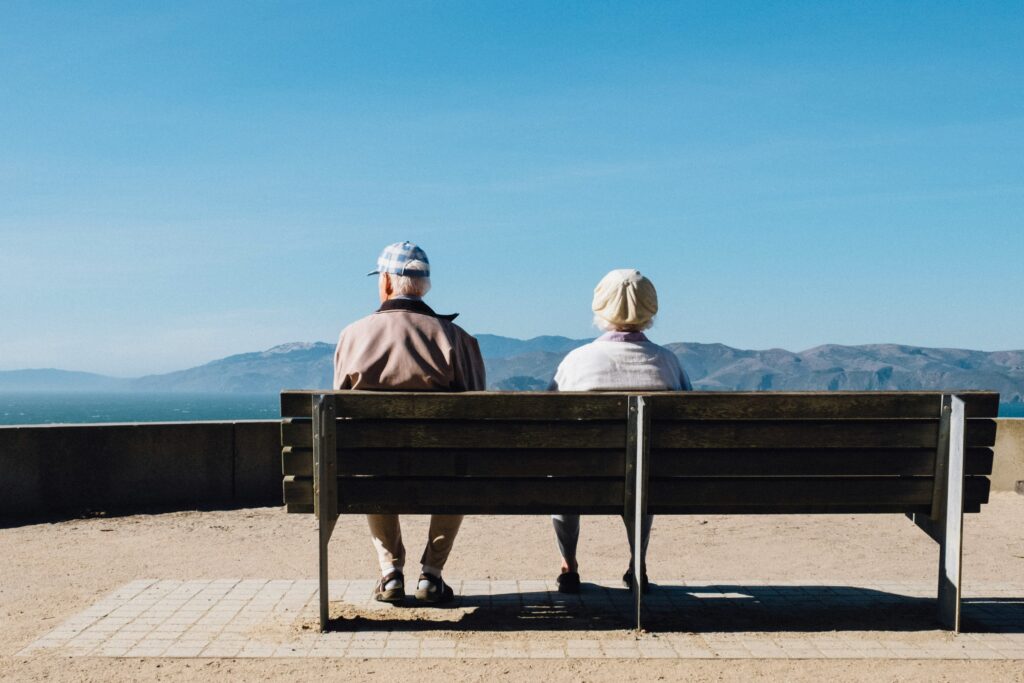
Loneliness is more than a feeling — for older adults, it’s a serious health crisis that quietly shortens lives. Here’s what every Indiana family needs to know. Your mother calls less frequently. Your father has stopped attending the weekly church group he loved for thirty years. When you visit, the house feels a little quieter than it used to — and so does he. For millions of American families, these small changes are easy to dismiss as “just getting older.” But increasingly, medical researchers are calling senior isolation one of the most dangerous — and most overlooked — threats to elder health in the United States. And here in Indiana, where rural communities and suburban sprawl can leave older adults hours away from family, the problem is especially urgent. In this guide, we’ll cover exactly what senior isolation is, why it’s so physically and mentally harmful, the warning signs most families miss, and — most importantly — what you can do today to protect the older adult in your life. What Is Senior Isolation — and How Common Is It? Social isolation refers to having little or no contact with other people. Loneliness is the subjective feeling of being alone, even if you’re not. For seniors, both are dangerously common — and they often feed each other. The statistics are sobering: What’s driving this? A confluence of factors uniquely affecting older adults: the death of a spouse or close friends, retirement removing daily social structure, mobility limitations making it harder to get around, adult children living in different cities, and chronic health conditions that make leaving the house difficult or uncomfortable. In Indiana, this is compounded by geography. Many elderly residents live in rural counties where neighbors are miles apart and public transportation is limited. Even in urban centers like Indianapolis, older adults in fixed-income housing can go days without meaningful human contact. “The health impact of social isolation is comparable to smoking 15 cigarettes a day. This is not a soft, emotional problem — it is a medical crisis.”— U.S. Surgeon General’s Advisory on Loneliness, 2023 The Serious Health Risks of Senior Loneliness Families often think of elder isolation as a quality-of-life issue — sad, but not dangerous. The medical evidence says otherwise. Chronic social isolation in older adults is linked to a cascade of serious physical and cognitive health outcomes. Cognitive Decline and Dementia Regular social engagement is one of the most powerful ways to keep aging brains sharp. When seniors lose their social connections, the brain receives less stimulation, less feedback, and less challenge. Studies show that socially isolated older adults have a 50% greater risk of developing dementia, including Alzheimer’s disease. The mechanism is real: isolation accelerates the buildup of amyloid plaques and tau tangles in the brain that are hallmarks of Alzheimer’s. Depression and Anxiety Depression is not a normal part of aging — but it becomes far more common in isolated seniors. Older adults with limited social contact are significantly more likely to experience clinical depression, generalized anxiety, and in severe cases, suicidal ideation. What makes this particularly dangerous is that isolated seniors often have no one close enough to notice the change and intervene. Heart Disease and Stroke The link between loneliness and cardiovascular disease is well-established. Isolated seniors show elevated levels of cortisol (the stress hormone), increased blood pressure, and heightened inflammatory markers — all major drivers of heart disease. Research published in the journal Heart found that social isolation was associated with a 29% higher risk of heart disease and a 32% greater risk of stroke. Weakened Immune Function Chronic loneliness suppresses immune function at the cellular level, making seniors more susceptible to infections, slower to recover from illness, and less responsive to vaccines. This was starkly illustrated during the COVID-19 pandemic, where isolated seniors experienced dramatically worse health outcomes even independent of direct virus exposure. Falls and Physical Decline Isolated seniors are less likely to maintain physical activity, more likely to neglect nutrition, and more likely to fall — and far less likely to have anyone nearby to help if they do. Falls remain the leading cause of injury-related death among Americans over 65, and social isolation is a documented risk factor. Warning Signs Your Loved One May Be Socially Isolated Many seniors won’t tell their family they’re lonely — out of pride, out of a desire not to be a burden, or simply because they’ve normalized it. These are the signs to watch for: What Indiana Families Can Do Right Now The good news: senior isolation is largely preventable and reversible. Research shows that even modest increases in social connection produce measurable health benefits. Here’s a practical roadmap for families. Practical Steps to Combat Senior Isolation How In-Home Care Addresses Senior Isolation Directly For many Indiana families — especially those managing long-distance caregiving — professional in-home care is the most practical and effective solution to senior isolation. And it does far more than many families realize. At Indy In-Home Care, our caregivers are trained to provide meaningful companionship alongside hands-on assistance. Whether it’s sharing a meal, helping with light exercise, playing cards, accompanying a senior to a doctor’s appointment, or simply sitting and talking — these interactions deliver the social stimulation that aging brains and hearts need to stay healthy. The benefits of regular in-home care visits for isolated seniors include: Consistent human connection: Unlike sporadic family visits, a scheduled caregiver provides a reliable social relationship your loved one can count on — the kind of predictable connection that research shows is most beneficial for mental health. Safety monitoring and early intervention: A caregiver who sees your parent regularly is positioned to notice changes in mood, appetite, cognition, or physical health early — before a small problem becomes a crisis. For isolated seniors living alone, this can be life-saving. Support for daily activities that preserve dignity and independence: When seniors can no longer safely manage tasks like cooking, bathing, or transportation on their own, the alternative is often a care facility — a transition that