
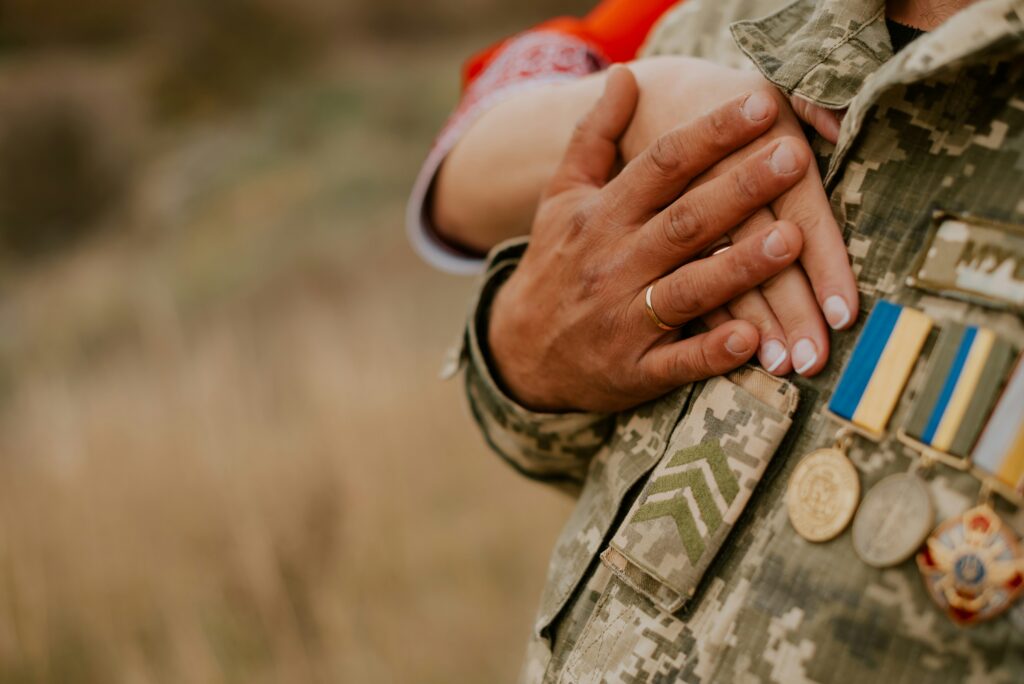
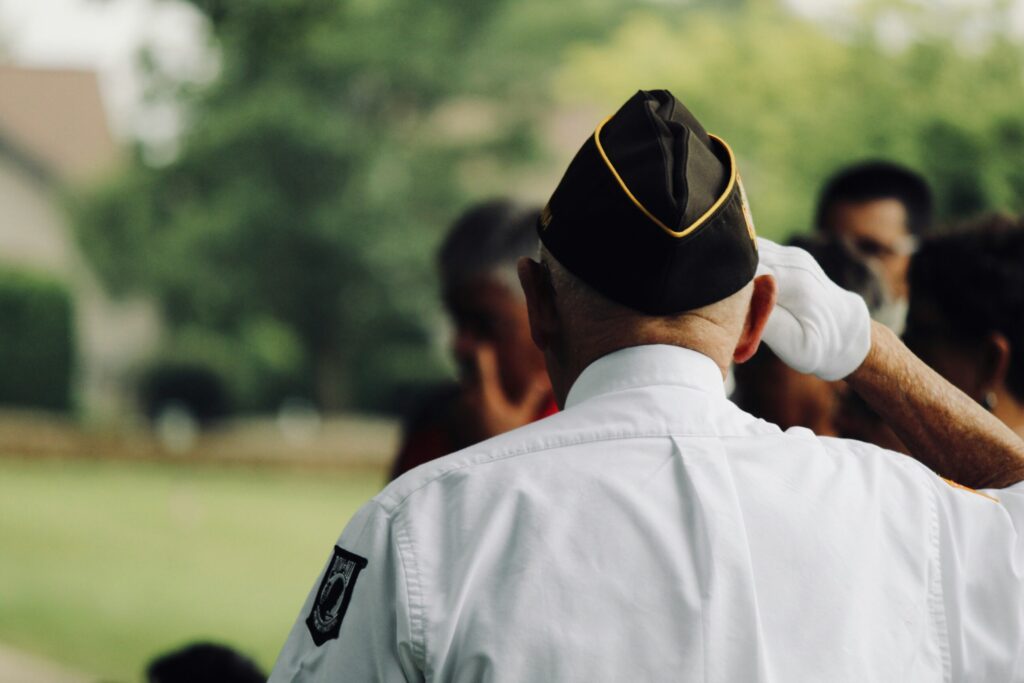
Every morning, Robert — a 74-year-old Vietnam veteran living outside Indianapolis — goes through the same ritual before he’ll open his front door. He checks the locks twice, looks through the peephole for a long moment, and takes a slow breath before stepping onto his porch. His neighbors think he’s careful. His daughter knows the truth: her father has been fighting a war inside his own mind for fifty years.
He is not alone.
Across Indiana, tens of thousands of aging veterans are quietly navigating the intersection of two complex realities: the long shadow of combat trauma and the physical and cognitive challenges of growing older. For many, these two forces collide in ways that families and even physicians don’t fully anticipate — and the results can be isolating, frightening, and deeply misunderstood.
This is a story about why that happens, what it looks like, and how compassionate, professional in-home care is giving Indiana veterans like Robert their lives back.
What Happens to PTSD as Veterans Age?
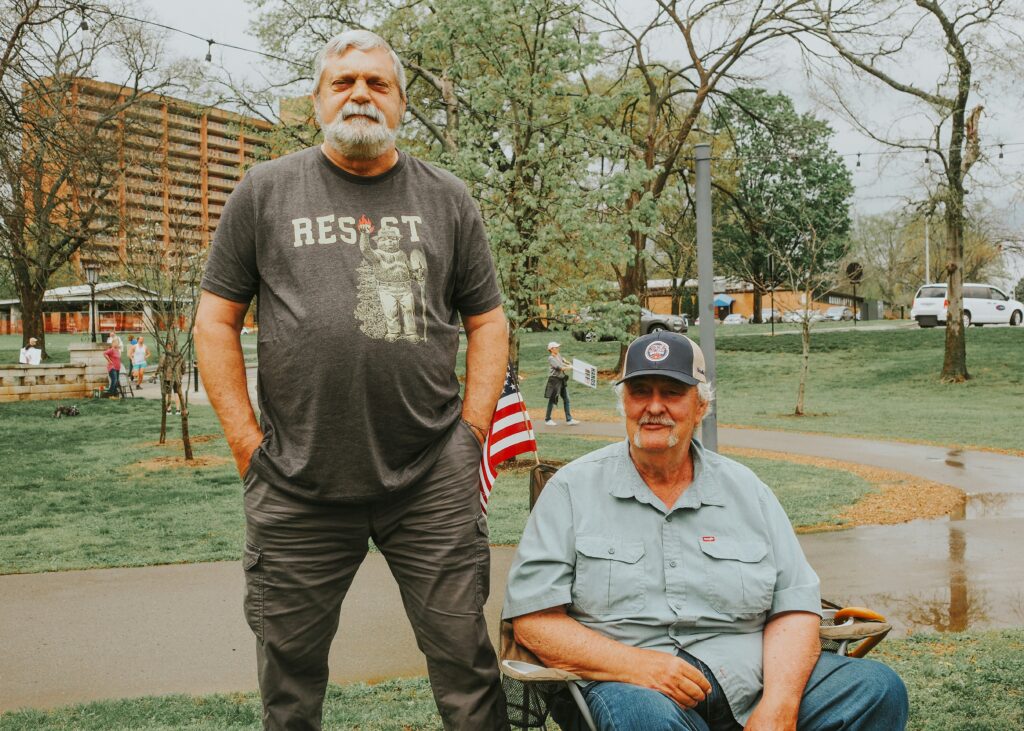
Post-Traumatic Stress Disorder doesn’t always get easier with time. For many veterans, it gets harder.
Research published by the U.S. Department of Veterans Affairs shows that PTSD symptoms in older veterans can intensify — not fade — as they age. The reasons are layered and often interact with each other in cruel ways:
Retirement removes structure. For decades, work provided a rhythm, a purpose, and a distraction. When that scaffolding disappears, unresolved trauma often rushes in to fill the silence.
Physical decline triggers helplessness. A veteran who spent his life priding himself on toughness may find that needing help with daily tasks brings back the helplessness and loss of control that trauma first installed.
Loss compounds grief. As spouses, fellow veterans, and friends pass away, older veterans lose the informal support systems that helped them cope. Social isolation — already a hallmark of PTSD — deepens.
Sleep disorders escalate. Nightmares and hypervigilance, common PTSD symptoms, interfere with sleep at any age. But in older adults, chronic poor sleep accelerates cognitive decline, weakens the immune system, and increases fall risk.
Medication complexity. Veterans managing multiple chronic conditions often take numerous medications, some of which can interact with or worsen psychiatric symptoms.
According to the National Center for PTSD, roughly 70 to 90 percent of older veterans have experienced at least one traumatic event in their lifetime, and a significant portion carry undiagnosed or untreated PTSD — conditions that went unnamed and unacknowledged during eras when asking for help was seen as weakness.
What PTSD-Related Decline Looks Like in Aging Veterans
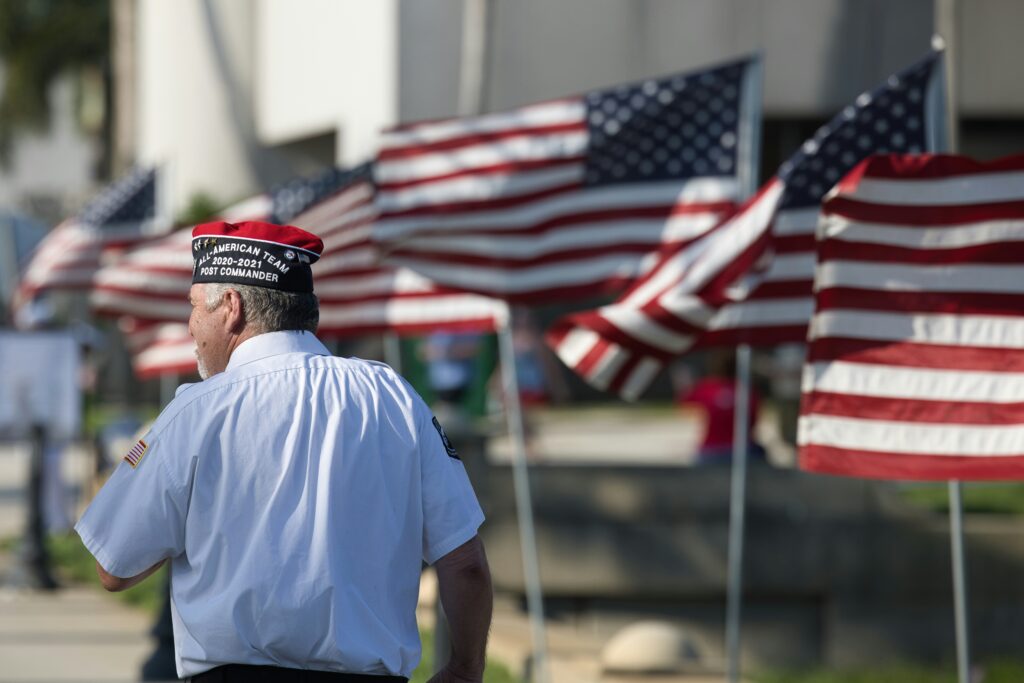
Families sometimes mistake the behavioral changes of PTSD for “just getting old.” This misreading leads to delayed help and unnecessary suffering.
Here are some of the signs that PTSD may be complicating a veteran’s aging process:
- Increasing withdrawal from family gatherings, social events, or community activities
- Explosive anger or irritability that seems disproportionate to everyday situations
- Refusal to leave home, particularly in crowds or unfamiliar environments
- Persistent nightmares or waking up disoriented and frightened
- Hoarding or hypervigilance about the home environment — obsessive locking, checking, or barricading
- Memory problems that may look like dementia but are being driven or worsened by chronic stress hormones
- Resistance to medical care, especially anything involving loss of control (hospitals, procedures, examinations)
- Substance use as self-medication — alcohol especially
If you recognize these patterns in a loved one, the response that matters most isn’t a clinical one — it’s a human one. Consistency, patience, and the right kind of support can change everything.
Why “Just Going to a Facility” Isn’t the Answer for Most Veterans
It’s a well-meaning suggestion. When an aging parent starts struggling, the instinct of many families is to look at assisted living or memory care facilities. And for some veterans, those settings work beautifully.
But for veterans with PTSD, institutional settings often carry significant risks:
- Loss of autonomy is a trauma trigger: For someone who has carried wounds around control, helplessness, and survival, being told when to eat, sleep, shower, and socialize can cause acute distress.
- Shared spaces feel unsafe: Communal dining rooms, hallway noise, and unfamiliar faces can keep a trauma-sensitive nervous system on permanent high alert.
- Unfamiliar caregivers create anxiety:Trust is earned slowly by veterans with PTSD, and a rotating staff of unfamiliar faces can prevent the therapeutic relationships that make care possible.
- Many veterans refuse to go at all: Families find themselves in the heartbreaking position of watching a loved one deteriorate at home alone rather than accept facility-based care.
In-home care sidesteps every one of these barriers. And that’s not a small thing — that’s the difference between a veteran thriving in his own home or spending his final years in preventable decline.
How In-Home Care Specifically Helps Veterans with PTSD
1. Preserving Control and Routine
Veterans with PTSD often rely on predictable routines to stay emotionally regulated. An in-home caregiver who arrives at the same time each day, follows the same sequence of tasks, and never surprises the veteran with unexpected changes provides something that has real neurological value: safety through predictability.
At Indy In-Home Care, caregivers are matched thoughtfully with veterans based on personality, communication style, and the specific needs of the individual. We understand that trust is not assumed — it’s built, carefully and over time.
2. Supporting Mental Health Without Clinical Intrusion
In-home caregivers aren’t therapists, and the good ones don’t try to be. But they provide something therapy alone cannot: consistent, daily human presence. Simple activities — a walk around the block, a shared cup of coffee, a conversation about old photographs — can reduce the social isolation that feeds PTSD symptoms.
Caregivers can also help veterans stay connected with their VA mental health resources, gently encouraging and helping with appointment scheduling, telehealth sessions, and medication adherence.
The VA’s Caregiver Support Program also offers resources for families and professional caregivers supporting veterans — a valuable complement to in-home care services.
3. Fall Prevention and Physical Safety
PTSD disrupts sleep. Disrupted sleep impairs balance and coordination. Poor coordination in an aging body means falls — and falls in older adults are a leading cause of injury and loss of independence. In-home caregivers provide hands-on assistance with mobility, help reorganize the home environment to reduce hazards, and ensure that a veteran is never navigating a dark hallway alone at 3 a.m.
4. Medication Management
Many veterans with PTSD are managing a complex regimen of medications for both physical and psychiatric conditions. Missing doses, doubling up, or combining medications incorrectly can have serious consequences. In-home caregivers provide reminders, organize pill schedules, and flag concerns to family members or healthcare providers.
5. A Bridge Back to the Family
PTSD can be corrosive to family relationships. Veterans often withdraw from the people who love them most, and family members — exhausted by years of walking on eggshells — sometimes pull back in return. A professional caregiver absorbs some of the daily caregiving burden, allowing family members to simply be present as a son, daughter, or spouse again — not as a round-the-clock caregiver managing crises.
Indiana Veterans and the Access Gap
Indiana has a proud military tradition. According to the Indiana Department of Veterans Affairs, the state is home to more than 400,000 veterans — and a significant portion of those veterans are over 65.
But access to specialized veteran care in Indiana varies enormously by location. Urban veterans in Indianapolis may have easier access to VA facilities, but rural veterans across central and southern Indiana often face long drives, transportation barriers, and significant wait times for services.
In-home care closes that access gap. A caregiver who comes to a veteran’s home in Greenwood, Carmel, Anderson, or Terre Haute brings care directly to where the veteran already is — without requiring him to navigate systems he may find overwhelming or to sit in waiting rooms that spike his anxiety.
What to Look for in a Veteran-Focused In-Home Care Provider
Not every in-home care agency is equally equipped to serve veterans with PTSD. When evaluating options in Indiana, ask:
- Does the agency have experience with veteran-specific needs? PTSD is not the same as general aging challenges. Caregivers should understand trauma-informed care principles.
- How does the agency handle caregiver matching? Consistency matters enormously. Frequent caregiver turnover is a serious problem for veterans with trust issues.
- Is the agency familiar with VA benefits? Many veterans are entitled to in-home care benefits through programs like Aid & Attendance or the Program of Comprehensive Assistance for Family Caregivers (PCAFC). A good agency will help families understand and access these benefits.
- Does the agency communicate with other care team members? Coordinating with VA physicians, mental health providers, and family members isn’t a bonus — it’s essential.
Indy In-Home Care serves veterans and their families throughout central Indiana with exactly this kind of coordinated, veteran-aware care. Our team is trained to work alongside families and VA resources to build care plans that honor both the physical and emotional complexity of aging veterans.
The Conversation No One Wants to Have — and Why You Should Have It Anyway
Here’s the hard truth that families often avoid: veterans with untreated or under-supported PTSD are at elevated risk for depression, cognitive decline, and suicide. The VA reports that older male veterans die by suicide at significantly higher rates than their non-veteran peers — and social isolation is one of the most significant risk factors.
Getting a veteran into in-home care is not giving up on him. It is not taking away his independence. Done well, it is precisely the opposite: it is putting in place the support that preserves his independence, extends the years he can safely live in his own home, and keeps him connected to the people and places that matter to him.
That conversation is worth having — even if it’s uncomfortable, even if he pushes back, even if it takes three tries.
A Note to the Veterans Themselves
If you’re a veteran reading this — perhaps because someone in your family sent it to you — we want to say something directly:
You spent years, maybe decades, taking care of others. You protected people who will never fully understand what that cost you. The idea of accepting help may feel like weakness to you. It isn’t.
Asking for support after a lifetime of service isn’t surrender. It’s strategy. The same toughness that got you through the hardest moments of your life is exactly what it takes to look clearly at where you are now and make the practical decision to accept the help that will keep you home, keep you independent, and keep you connected to the life you’ve built.
You’ve earned it.
Ready to Learn More?
If you have a veteran in your family who might benefit from in-home care support in Indiana, Indy In-Home Care is here to help. We serve the greater Indianapolis area and surrounding communities, and we’d welcome the chance to talk through what support might look like for your specific situation.
You can also explore these additional resources: