
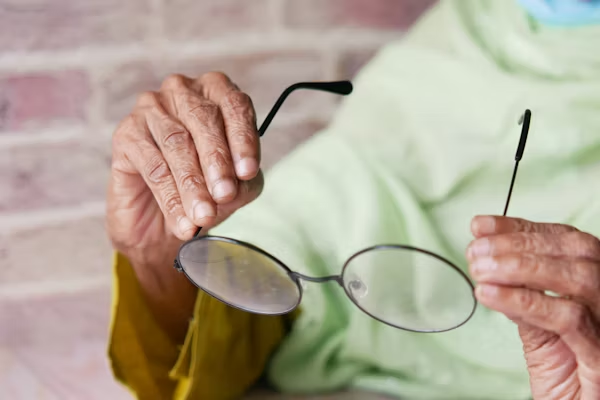
Seniors with low vision face unique challenges that impact their daily routines and overall safety at home. Managing tasks like cooking, navigating their living spaces, and reading labels becomes more difficult, increasing the risk of accidents and loss of independence. In-home care in Indiana offers specialized support tailored to these needs, helping seniors maintain their safety and autonomy.
In-home caregivers use strategies such as home modifications, assistive devices, and clear communication to create a safer environment where seniors feel confident and supported. These tailored services empower older adults to live more independently while reducing the risk of falls and other injuries common among those with vision impairments.
By combining the expertise of professional caregivers with personalized attention, families in Indiana can ensure their loved ones receive the care necessary to thrive despite vision loss. This approach also provides emotional support and companionship, both vital to well-being. For more on this topic, see how in-home care helps seniors with vision loss in Indiana.
Understanding Low Vision in Seniors
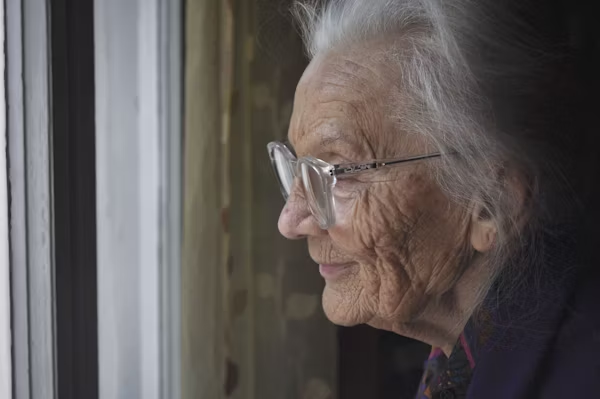
Low vision in older adults often results from specific eye conditions that progressively affect sight. This impairment can significantly alter how seniors perform daily activities and influence their overall quality of life. Identifying the causes, impacts, and signs is essential for timely support and care.
Common Causes of Vision Loss in Older Adults
Several eye diseases are the primary contributors to vision loss among seniors. Cataracts cause clouding of the eye’s lens, leading to blurry or dim vision that worsens over time. Glaucoma involves increased pressure inside the eye, which damages the optic nerve and can lead to irreversible vision loss if left untreated.
Macular degeneration affects the central part of the retina, impairing the ability to read, recognize faces, and see fine details. Diabetic retinopathy results from diabetes-related damage to retinal blood vessels, causing fluctuating and often deteriorating vision. Regular eye exams can detect these conditions early, allowing for treatments that may slow progression.
Impact of Visual Impairment on Daily Life
Vision impairment significantly affects seniors’ ability to perform everyday tasks safely and independently. Activities such as reading, cooking, and managing medications become challenging or hazardous. Reduced sight also increases the risk of falls and accidents within the home.
Social engagement suffers when seniors struggle to recognize faces or navigate unfamiliar environments. This can lead to isolation and emotional distress. Maintaining independence often depends on adapting living spaces and routines to accommodate shifting vision needs, using tools like magnifiers, high-contrast labels, and improved lighting.
Recognizing Signs and Symptoms of Low Vision

Early identification of low vision is critical to effectively managing the condition. Seniors may report difficulty reading small print or recognizing faces, even with glasses. They might experience frequent headaches, eye strain, or trouble adjusting to changes in light.
Other symptoms include blurred or distorted vision, loss of peripheral sight, and increased sensitivity to glare. Family members and caregivers should watch for behaviors like reluctance to move around independently or sudden withdrawal from activities. Prompt professional evaluation helps determine specific causes and the best course of action.
For more detailed information on managing vision loss and improving safety, see how in-home care supports seniors with low vision in Indiana.
Key Challenges for Seniors with Low Vision

Low vision in older adults creates distinct difficulties that affect daily routines, emotional well-being, and overall life satisfaction. Addressing these challenges requires a clear understanding of how vision loss affects safety, social engagement, and everyday activities.
Reduced Independence and Safety risks
Seniors with low vision often face increased risks of falls and accidents at home due to difficulty navigating unfamiliar or cluttered spaces. Tasks such as cooking, medication management, or using household appliances become more hazardous without clear visual cues.
Reduced ability to read labels, medication instructions, or warning signs can further compromise safety. This loss of independence may lead to reliance on caregivers or family members for routine tasks, affecting their self-confidence.
Home modifications like improved lighting, contrasting colors on important objects, and organizing spaces to minimize obstacles can help maintain safety. In-home care services in Indiana often focus on creating secure environments for seniors, supporting their ability to live independently as much as possible.
Emotional and Social Implications
Vision loss impacts emotional health by increasing feelings of isolation and depression among seniors. Difficulty recognizing faces, reading social cues, or engaging in hobbies can lead to withdrawal from social activities.
Without sufficient emotional support, older adults may experience frustration or anxiety related to their decreasing abilities. This can affect motivation to participate in community events or maintain relationships.
In-home caregivers provide companionship and help with accessing social opportunities to reduce loneliness. Emotional support tailored to vision-related challenges helps preserve dignity and promotes mental well-being.
Barriers to Quality of Life
Low vision can substantially limit engagement in meaningful activities that contribute to quality of life, such as reading, crafts, or watching television. Loss of these interests decreases mental stimulation and life satisfaction.
Inability to perform everyday tasks independently also affects nutrition, hygiene, and mobility, compounding health issues. Seniors may struggle to adapt without specialized tools or training.
Providing aids like magnifiers, talking devices, and tailored activities can improve function. In-home care programs in Indiana frequently emphasize empowering seniors with low vision to maximize their abilities and maintain a fulfilling lifestyle.
Regular consultations with vision specialists also support sustained quality of life through adaptive strategies.
Role of In-Home Care in Indiana
In-home care services provide seniors with low vision with the support they need to maintain safety and independence at home. These services focus on personalized assistance tailored to each individual’s daily challenges and preferences.
Benefits of In-Home Care for Low Vision

In-home care helps reduce risks associated with vision loss, such as falls and medication errors. Caregivers assist with tasks like meal preparation, housekeeping, and safe navigation around the home. This personalized help ensures seniors maintain autonomy without compromising their safety.
Emotional support and companionship also improve mental well-being, which is crucial for low-vision seniors who may experience isolation. Access to transportation and errand assistance enables continued engagement within the community and preserves quality of life.
Choosing the Right In-Home Care Services

Selecting appropriate care involves assessing a senior’s specific needs, including the degree of vision impairment and ability to perform daily activities. Services like personal care, homemaking, and safety supervision are essential components.
Families should consider providers experienced in working with low-vision clients and those familiar with Medicaid programs like Indiana’s PathWays for Aging. Agencies such as Visiting Angels offer specialized support tailored to seniors’ unique needs, ensuring consistent, quality care.
Clear communication and flexibility in care plans are vital. The right provider will adapt services as a senior’s condition evolves, balancing support with preserving independence.
Role of Professional Caregivers
Professional caregivers trained in low vision care play a key role in promoting safety. They are skilled in assisting with daily living activities, medication reminders, and home modifications to enhance accessibility.
Their presence helps prevent accidents and supports self-care routines. Caregivers also provide respite for family members, reducing caregiver stress through professional assistance.
Trusted agencies ensure caregivers are bonded, insured, and trained in sensitivity and respect, creating a safe, comfortable environment. Through these efforts, caregivers extend seniors’ ability to age in place with dignity and confidence.
Investigate your options with Indiana’s in-home care programs for more details on customized in-home services.
Essential Safety Strategies for the Home
Creating a safe environment for seniors with low vision involves targeted changes that minimize hazards and support daily independence. Modifications should focus on improving mobility, enhancing visibility, and preparing for unexpected situations.
Effective Home Modifications

Key home modifications improve navigation and reduce fall risks for older adults with low vision. Removing clutter and securing loose rugs helps prevent tripping. Installing grab bars in bathrooms and handrails along stairs provides additional support.
High-contrast tape or paint on stair edges and doorframes makes them easier to detect. Adjusting furniture layouts to create clear, wide pathways helps avoid obstacles. Using tactile markers on appliances or switches can assist identification without relying on sight.
Bright, adjustable lighting contributes significantly to safety. These changes create an environment that supports confidence and autonomy. More detailed advice on practical home alterations is available in guidance on low vision home adaptations.
The importance of non-slip mats and lighting
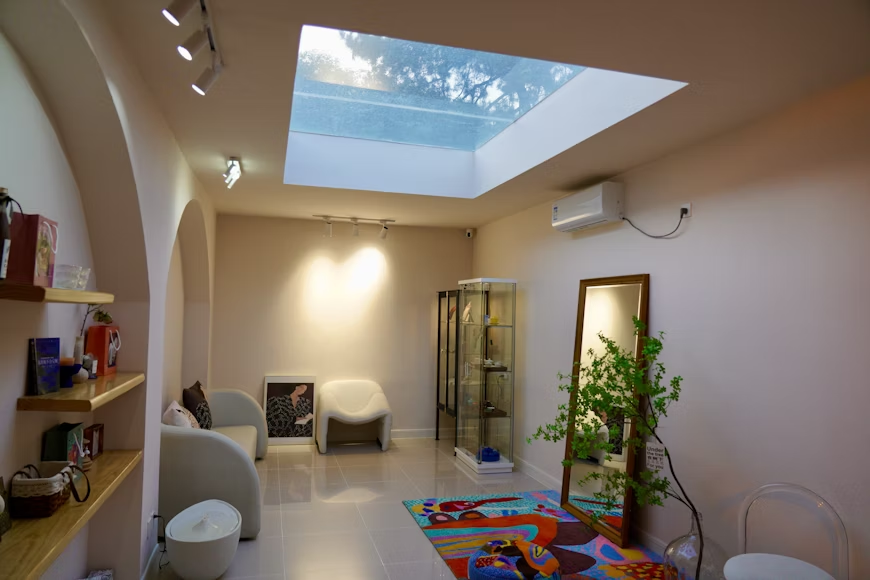
Non-slip mats are critical for reducing slip-and-fall incidents, especially in bathrooms and kitchens where surfaces are often wet. These mats should have a firm grip backing and cover areas where seniors frequently stand or walk.
Proper lighting directly impacts safety for older adults with vision loss. Installing bright, glare-free bulbs in hallways, staircases, and task areas lowers the chance of accidents. Nightlights placed in bedrooms and bathrooms provide visibility for nighttime movement without startling brightness.
Using adjustable lamps or motion-activated lighting systems enhances convenience. Combining these measures—mats and optimized lighting—ensures safer navigation through the home, decreasing falls and increasing independence.
Preparing for Emergencies
Seniors with low vision must have clear, accessible emergency plans. Identifying and marking emergency exits with high-contrast or tactile signage helps with quick evacuation. Paths to exits should be free of clutter at all times.
Emergency contact numbers should be displayed prominently in large print or braille if needed. Caregivers can assist by keeping flashlights and emergency kits in easy-to-reach places.
Practicing evacuation drills tailored to visual impairments builds confidence and familiarity. Incorporating technologies like voice-activated alerts adds an extra layer of safety during urgent situations. Adequate preparation reduces risks during emergencies and supports prompt action.
Tools and Techniques to Promote Independence
Seniors with low vision benefit from practical solutions that help them perform daily tasks safely and independently. These include the use of specialized tools, technology that adapts to their vision needs, and careful organization within their living spaces. Each approach targets specific challenges to maintain confidence and reduce risks in the home.
Using Adaptive Tools and Magnifiers
Adaptive tools are designed to compensate for vision loss by enhancing the remaining sight. Handheld or stand magnifiers help seniors read labels, bills, and instructions clearly. Electronic magnifiers offer adjustable zoom and contrast, making fine details easier to see.
Other essential tools include tactile markers for appliances and medication organizers with clear, raised indicators. These reduce errors and increase safety when managing medications or operating household devices. Caregivers often recommend lightweight, easy-to-use items that do not require complex handling.
Proper lighting, paired with these tools, amplifies effectiveness by reducing shadows and glare, thereby supporting safer, more comfortable use throughout the day.
Large-Print Materials and Voice Technology
Large-print materials are essential for seniors with low vision who still retain some reading ability. Books, labels, calendars, and instructions printed in larger fonts reduce eye strain and improve comprehension. Many manufacturers provide packaging and documents in large print upon request, which supports independent living.
Voice technology supplements this feature by converting text to speech, enabling seniors to access information without relying solely on their vision. Devices range from smartphones and tablets to specialized audio readers. Talking clocks, medication reminders, and smart home assistants serve practical functions and improve daily routine management.
These technologies complement each other by providing alternative ways to access crucial information clearly and reliably.
Organizing the Home Environment
A well-organized home reduces hazards and eases daily navigation. Clear labeling of pantry items, drawers, and cabinets with contrasting colors or tactile tags helps seniors quickly identify belongings.
Lower the risk of falls by removing clutter, securing loose rugs, and tucking away cords. Frequently used items should be stored within easy reach to avoid awkward movements or accidents.
Using consistent storage locations supports memory and habit formation. This approach, combined with excellent lighting and thoughtfully chosen adaptive tools, creates a safer and more manageable living space.
Supporting Daily Living and Emotional Well-Being
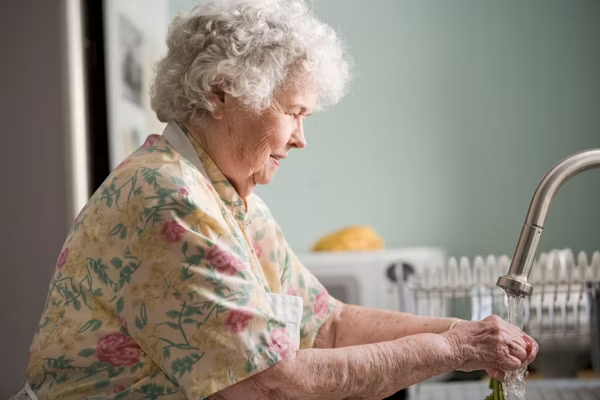
In-home care for seniors with low vision in Indiana focuses on practical support that enhances daily functioning and emotional health. This includes tailored assistance with essential routines and fostering connections that improve the senior’s overall quality of life.
Assistance with Meal Preparation and Personal Care
Meal preparation plays a critical role in maintaining nutrition and independence for seniors with low vision. Caregivers assist by organizing kitchen tools and ingredients in consistent, easy-to-reach places. They also help with cooking safely, using tactile labels and non-slip mats to prevent accidents.
Personal care services include help with grooming, dressing, and medication management. Caregivers ensure safety by creating routines that minimize hazards, such as using contrasting colors for clothing or clearly marking medication containers. These supports reduce reliance on others and promote autonomy in daily living.
Providing Ongoing Emotional Support
Emotional support is vital for seniors facing vision loss, as it helps counter feelings of isolation and frustration. Caregivers engage in regular, meaningful conversations and provide reassurance about the senior’s abilities.
Active listening and patience are key to building trust and reducing anxiety. Encouraging expression of feelings helps caregivers identify emotional challenges early. This ongoing support promotes mental well-being and motivates seniors to stay involved in their care plans and daily activities.
Encouraging Social Engagement
Maintaining social connections contributes significantly to a senior’s emotional health. In-home caregivers facilitate participation in community events, virtual meet-ups, and small-group activities tailored to low-vision needs.
They may also introduce hobbies that encourage interaction, such as music or tactile games. Providing transportation and accompanying seniors to social gatherings removes barriers. These efforts help reduce loneliness and improve quality of life by fostering a sense of belonging and active engagement.
Conclusion
Caring for seniors with low vision requires a thoughtful balance of safety, emotional support, and respect for independence. With the right combination of adaptive tools, home modifications, and compassionate care, older adults can continue to live confidently in their own homes. In-home care services in Indiana are designed to meet these exact needs—empowering seniors to manage daily tasks, stay socially connected, and maintain their dignity despite visual challenges.
At Indy In-Homecare, we understand how important it is for seniors with low vision to feel safe, supported, and valued. Our dedicated caregivers provide personalized care that enhances comfort, promotes independence, and nurtures emotional well-being. Through customized in-home care plans, we help families ensure their loved ones can live life to the fullest—safely, securely, and with confidence.