

When families start researching in-home senior care, they usually picture the basics: medication reminders, fall prevention, help getting dressed. What often gets overlooked is one of the simplest but most powerful parts of a caregiver’s day — making sure a senior stays properly hydrated while also staying mentally and socially engaged.
At Indy In-Homecare, we’ve learned that these two goals aren’t separate boxes to check. They’re deeply connected. A senior who is well-hydrated thinks more clearly, feels steadier on their feet, and has more energy to enjoy the people and activities around them. A senior who is engaged and happy is also more likely to eat well, drink well, and stay active. This article walks through exactly how a well-run daily caregiver visit brings both of these priorities together — and why that combination matters so much for long-term independence.
Why Senior Hydration Checks Are a Top Priority in Home Care?
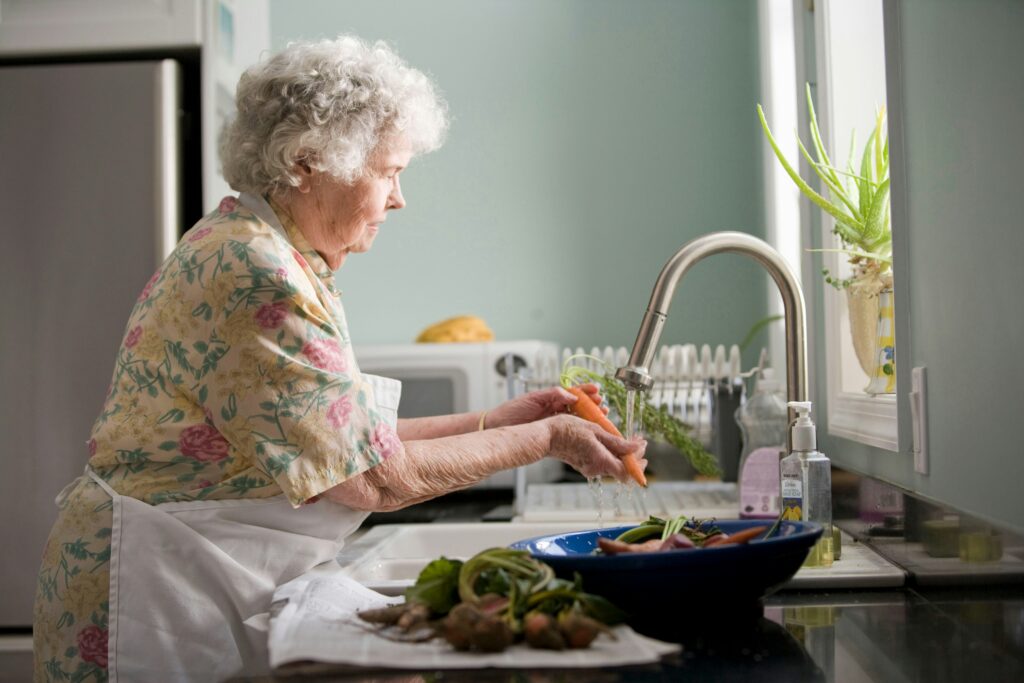
Dehydration is one of the leading, and most preventable, causes of hospital visits among older adults. It’s also one of the easiest things to miss if no one is paying close attention.
A few reasons seniors are especially vulnerable:
- A weaker thirst signal: As people age, the body’s natural cue to drink water becomes less reliable. A senior can be significantly dehydrated and still not feel thirsty.
- Less water in the body to begin with: Age-related muscle loss reduces the body’s overall water reserves, so fluid losses have a bigger impact, faster.
- Medications that increase fluid loss: Diuretics and certain blood pressure medications cause the body to lose fluids more quickly than usual.
This is why senior hydration checks are treated as a core clinical task during every home visit, not an afterthought. Trained caregivers are watching for early warning signs, including:
| What the Caregiver Notices | What It Could Signal |
|---|---|
| Dry lips or mouth | Reduced saliva, which can affect safe swallowing |
| Dark or concentrated urine | Increased risk of urinary tract infections |
| Sudden tiredness or dizziness | Higher fall risk |
| Unusual confusion or foggy thinking | Symptoms that can mimic or worsen dementia |
Catching these signals early — instead of after a hospital visit — is one of the most valuable things elderly care at home provides.
Why “Keeping Days Interesting” Is Just as Important as Physical Care

Good hydration and medication management keep the body stable. But a senior who spends their day alone, without conversation or purposeful activity, is at real risk for cognitive decline and low mood. That’s why companion care for seniors is built into every visit, not offered as a separate add-on.
The goal isn’t to “fill time.” It’s to keep the brain active and give the day a sense of rhythm and meaning. This usually falls into three categories:
- Cognitive activities — puzzles, trivia, storytelling, and reminiscing about the past
- Light physical activity — short walks, gentle stretching, or assisted gardening
- Creative expression — simple art projects, music, or journaling
Seniors who get this kind of regular mental and social stimulation tend to hold onto independence longer and report a better overall quality of life.
The Real Skill: Blending Hydration and Engagement Into One Visit
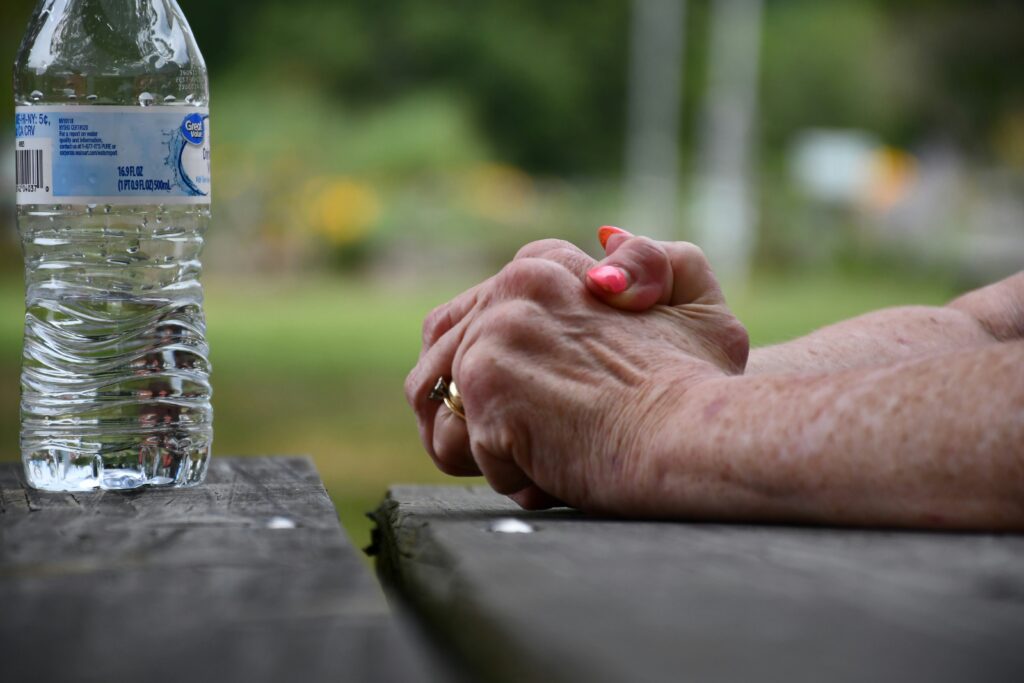
Here’s where experienced home care really shows its value. Instead of treating hydration monitoring as a clinical checklist and companion activities as a separate event, a skilled caregiver weaves them together throughout the visit.
A typical afternoon might look like this:
1. A Social Tea or Infused-Water Ritual (first 20 minutes)
Rather than simply handing over a glass of water, the caregiver turns hydration into a small social ritual — a warm herbal tea or fruit-infused water, shared together with easy conversation. It feels like a moment of connection, not a task.
2. A Hydrating Snack Project (next 30–40 minutes)
Preparing something like watermelon slices, a cucumber salad, or homemade fruit pops together gives the senior a light, hands-on activity that also happens to boost fluid intake — without the monotony of “just drink more water.”
3. Games and Puzzles With Built-In Fluid Breaks (final 30 minutes)
During natural pauses in a board game or puzzle, the caregiver gently prompts another sip of water or tea. It’s low-pressure, doesn’t feel clinical, and keeps hydration consistent throughout the visit.
This approach is at the center of how Indy In-Homecare designs every care plan — not as isolated tasks, but as one seamless, dignified experience.
How Indy In-Homecare Builds a Personalized Plan
Every senior is different, so a generic checklist doesn’t cut it. When our team sits down with a family, we build a plan around two connected profiles:
The Hydration Profile: looks at medical history (like diuretic use or heart conditions), physical ability to safely hold a cup or swallow, and personal drink preferences.
The Enrichment Profile: looks at cognitive baseline, mobility, and — most importantly — what brought that person joy throughout their life. A retired teacher might love word games. A lifelong gardener might light up over a small herb planter. A former engineer might enjoy a hands-on puzzle.
From there, we match activities to the senior’s natural energy peaks during the day, so hydration and engagement happen when they’re most alert and most receptive — not on a rigid, one-size-fits-all schedule.
The Takeaway
A single, well-structured daily visit does more than most families realize. It protects against a silent but serious risk — dehydration — while giving a senior’s day real structure, connection, and joy. That combination is exactly what turns a house into a safe, engaging place to live independently.
At Indy In-Homecare, this integrated approach — pairing clinical attentiveness with genuine human connection — is at the heart of every care plan we build. If you’re exploring in-home care options for a loved one, we’re happy to walk through what a personalized hydration and enrichment plan could look like for your family.
Frequently Asked Questions
How much water should a senior drink each day?
Fluid needs vary by weight, medications, and health conditions, so it’s best determined with input from a doctor or home care provider rather than a fixed number. A caregiver trained in senior hydration monitoring can track intake and flag concerns early.
What are early warning signs of dehydration in older adults?
Common signs include dry lips, dark urine, sudden fatigue, dizziness, and unexpected confusion. Because these symptoms can resemble normal aging or early dementia, having a trained caregiver present to notice patterns is valuable.
What kind of activities help keep seniors mentally engaged?
Activities that reflect personal history and current ability work best — this can include puzzles, music, storytelling, light gardening, or simple crafts. The most effective plans are personalized rather than generic.
Does companion care really make a difference for seniors living independently?
Yes. Regular social interaction and purposeful activity are linked to slower cognitive decline and better emotional wellbeing, which is why in-home senior care plans combine both physical monitoring and companionship.
Sources referenced: UCLA Health – Dehydration in Older Adults, National Institute on Aging, CDC – Healthy Aging