
Indiana weather safety for seniors has never been more important. Indiana’s climate is as unpredictable as it is extreme. From bitter polar vortex winters that plunge temperatures well below zero to sweltering summer heat waves pushing triple digits, the Hoosier State presents serious weather-related health risks — especially for older adults. If you have a senior loved one living at home in Indianapolis or anywhere across Indiana, understanding these seasonal dangers and knowing how to prepare can be life-saving.
In this guide, we cover the most critical Indiana weather safety tips for seniors, including how to protect elderly loved ones during both winter cold snaps and summer heat waves, and the role professional in-home care plays in keeping seniors safe year-round.
Why Indiana Weather Is Especially Dangerous for Seniors
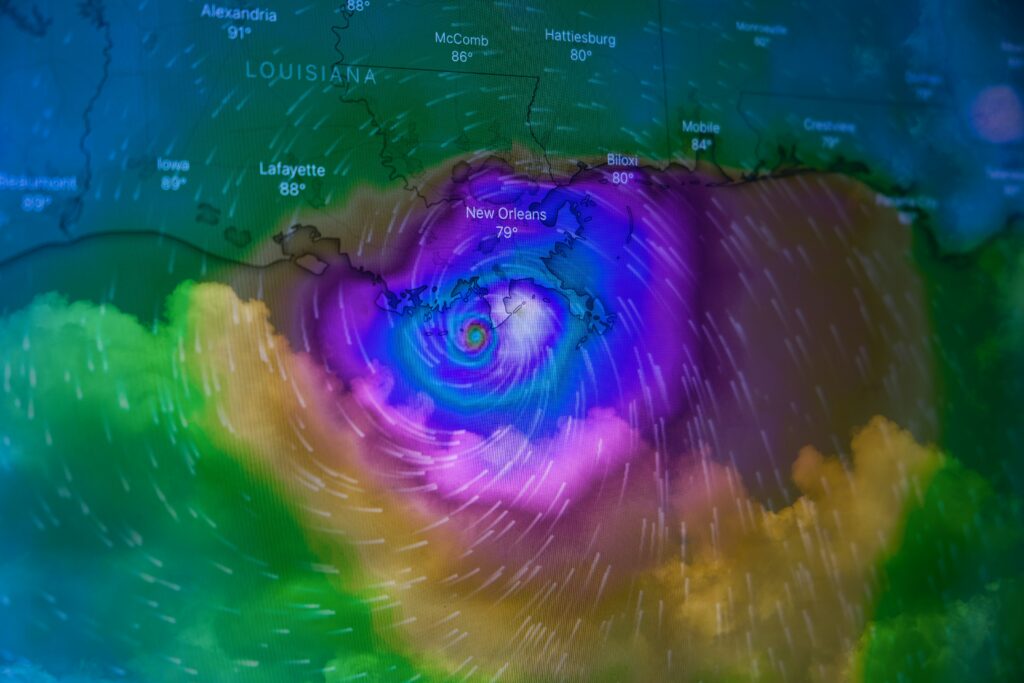
Indiana sits at a geographic crossroads where Arctic air masses, Gulf moisture, and Great Plains wind systems collide — making for dramatic and rapid weather changes. For seniors aged 65 and older, these shifts pose compounding health risks:
- Thermoregulation decline: As the body ages, it becomes less efficient at regulating core temperature, making seniors far more vulnerable to both hypothermia and heat stroke.
- Chronic conditions: Conditions like heart disease, diabetes, COPD, and arthritis are worsened by temperature extremes.
- Medication interactions: Many common senior medications — diuretics, beta-blockers, antidepressants — impair the body’s heat or cold response.
- Mobility limitations: Ice, snow, and extreme heat reduce a senior’s ability to move safely, increasing fall risk and isolation.
- Social isolation: Seniors living alone may not have someone checking in during weather emergencies.
According to the CDC, extreme heat is the leading weather-related cause of death in the U.S., and cold weather contributes to hundreds of thousands of hospitalizations each year. Indiana seniors are among the most at-risk populations.
Indiana Winter Weather Safety for Seniors

Understanding Indiana’s Winter Threats
Indiana winters are no joke. Cities like Indianapolis, Fort Wayne, and South Bend regularly experience:
- Temperatures dropping to -10°F to -20°F with dangerous wind chill
- Heavy lake-effect snow (especially in northern Indiana)
- Ice storms creating hazardous walking and driving conditions
- Extended periods of gray, overcast days that can worsen seasonal depression
Top Winter Safety Risks for the Elderly
1. Hypothermia: Hypothermia occurs when the body’s core temperature drops below 95°F. Seniors can develop hypothermia even indoors if the home is inadequately heated. Warning signs include uncontrollable shivering, slurred speech, drowsiness, and confusion. If a senior shows these signs, call 911 immediately.
2. Frostbite: Any exposed skin can develop frostbite within minutes during extreme Indiana wind chill events. Fingers, toes, ears, and the nose are most vulnerable. Seniors with poor circulation or diabetes face even greater risk.
3. Winter Falls: Falls are the number one cause of injury in adults over 65, and icy Indiana sidewalks dramatically increase this risk. Hip fractures from winter falls can lead to a cascade of health complications, including pneumonia and long-term mobility loss.
4. Carbon Monoxide Poisoning: When seniors seal up their homes and run heating systems constantly, improperly maintained furnaces, generators, or gas stoves can produce deadly carbon monoxide. This is a hidden winter danger in Indiana homes.
5. Seasonal Affective Disorder (SAD): Long Indiana winters with limited sunlight can trigger or worsen depression and cognitive decline in older adults. Mental health is just as important as physical safety.
Winter Safety Checklist for Indiana Seniors
Home Preparation:
- Have the furnace, chimney, and heating system professionally inspected before November
- Install CO detectors and smoke alarms on every floor
- Stock at least a 72-hour emergency supply of medications, food, water, and batteries
- Keep indoor temperatures at 68°F or warmer, even at night
- Weatherize doors and windows with draft stoppers and weatherstripping
- Clear gutters to prevent ice dam buildup
Personal Safety:
- Wear layers — wool and thermal base layers trap heat most effectively
- Use non-slip boots or ice cleats over footwear for outdoor trips
- Limit outdoor activity during ice storms, wind chill warnings, or blizzard conditions
- Have a personal emergency contact or care plan activated during winter weather alerts
- Keep a cell phone charged and accessible at all times
Medical Preparedness:
- Maintain a 30-day supply of all prescription medications
- Know the signs of hypothermia and frostbite
- Schedule a winter wellness visit with a primary care physician
- Ask about the flu shot, pneumonia vaccine, and COVID-19 booster — respiratory infections are far more dangerous in winter
Indiana Summer Weather Safety for Seniors
Understanding Indiana’s Summer Heat Threats
Indiana summers can be brutally hot and humid. Indianapolis averages around 20 days per year above 90°F, and heat index values regularly exceed 100°F when humidity is factored in. For seniors, this is a genuine medical emergency risk.
Indiana has experienced deadly heat waves — most notably during the July 1995 Chicago heat disaster, which swept into Indiana and killed hundreds across the Midwest. Climate trends suggest these events will become more frequent and more severe in coming decades.
Top Summer Safety Risks for the Elderly
1. Heat Stroke: Heat stroke is a life-threatening emergency where the body’s temperature rises above 104°F and the cooling mechanism fails. Unlike heat exhaustion, heat stroke requires immediate 911 response. Warning signs include hot, dry skin (no sweating), rapid pulse, confusion, and loss of consciousness.
2. Heat Exhaustion: Less severe than heat stroke but still dangerous, heat exhaustion presents as heavy sweating, weakness, cold and pale skin, a fast and weak pulse, nausea, and possible fainting. Move the person to a cool place and hydrate immediately.
3. Dehydration: Seniors have a diminished thirst sensation, meaning they often become dangerously dehydrated before they even feel thirsty. Indiana’s humid summer days accelerate fluid loss, and certain medications (diuretics, laxatives) compound this risk dramatically.
4. Air Quality and Ozone: Hot Indiana summers frequently trigger Air Quality Action Days, where ground-level ozone reaches levels hazardous to seniors with asthma, COPD, or heart disease. Outdoor activity on these days should be minimized.
5. Power Outage Risk: Summer thunderstorms, tornadoes, and high heat loads on the electrical grid can cause extended power outages — cutting off air conditioning and putting seniors at extreme risk of heat-related illness within hours.
Summer Safety Checklist for Indiana Seniors
Home Preparation:
- Have the air conditioning system serviced before June
- If a senior does not have AC, identify a local cooling center (many Indiana libraries, community centers, and malls serve this function)
- Install ceiling fans to improve air circulation
- Use blackout curtains or window film to reduce solar heat gain
- Have a battery-powered fan as backup for power outages
- Keep an emergency kit with extra water, non-perishable food, and a battery radio
Personal Safety:
- Drink 8–10 glasses of water daily — do not wait until feeling thirsty
- Avoid outdoor activity between 10 AM and 4 PM, when heat and UV index peak
- Wear lightweight, light-colored, loose-fitting clothing
- Never sit in a parked car, even briefly — car interiors can reach 130°F+ within minutes
- Take cool showers or baths to reduce body temperature during heat waves
- Check the Indiana weather forecast daily during summer months for heat advisories
Medical Preparedness:
- Know which medications affect heat tolerance and discuss alternatives with a doctor
- Keep a list of emergency contacts visible in the home
- Recognize the difference between heat exhaustion and heat stroke
- Attend regular check-ups to monitor conditions worsened by heat (heart disease, diabetes, kidney disease)
The Role of In-Home Care in Seasonal Senior Safety

One of the most powerful tools in protecting Indiana seniors from weather extremes is consistent human connection and professional oversight. Indy In-Homecare provides comprehensive in-home care services designed specifically to keep seniors safe, healthy, and comfortable through every season.
How Professional Caregivers Help in Winter
A trained caregiver from Indy In-Homecare can:
- Monitor indoor temperatures and ensure heating systems are functioning
- Assist with grocery shopping and medication pickup so seniors don’t venture out on icy days
- Watch for early signs of hypothermia, frostbite, or seasonal depression
- Provide companionship to counter winter isolation and SAD
- Handle light housekeeping, reducing fall hazards indoors
- Accompany seniors to medical appointments during cold months when driving is unsafe
Professional in-home care is often the deciding factor between a senior thriving through winter independently or suffering a preventable cold-weather emergency.
How Professional Caregivers Help in Summer
During Indiana’s intense summer months, Indy In-Homecare caregivers can:
- Ensure seniors are drinking enough fluids throughout the day
- Monitor for signs of heat exhaustion or heat stroke
- Manage indoor climate control and ensure AC is functioning
- Prepare light, hydrating meals that support health in the heat
- Assist with bathing and personal care, which can be challenging and dangerous when mobility is limited in heat
- Provide transportation to cooling centers or medical appointments during heat emergencies
When family members cannot be there every day, a trusted in-home care partner provides peace of mind that someone is watching for weather-related warning signs around the clock.
Emergency Resources for Indiana Seniors
Every senior and family caregiver in Indiana should have these resources on hand:
- Indiana 211: Call or text 211 for health and human services, including emergency assistance and cooling/warming centers
- National Weather Service Indianapolis: weather.gov/ind — for Indiana weather warnings, heat advisories, and winter storm alerts
- Indiana Area Agencies on Aging: Connects seniors with local support services
- FEMA Ready.gov: Emergency preparedness resources for older adults and people with disabilities
- Local utility companies: Many offer medical baseline programs that prioritize service restoration for seniors with medical needs
- Emergency: Always call 911 for heat stroke, hypothermia, or any life-threatening weather emergency
Creating a Year-Round Weather Safety Plan for Indiana Seniors
Reacting to weather emergencies is not enough — Indiana families need a proactive senior safety plan that covers all four seasons. Here’s a simple framework:
- Step 1 – Assess the Living Environment: Walk through the senior’s home to identify heating/cooling vulnerabilities, fall hazards, and emergency supply gaps before each season.
- Step 2 – Update the Emergency Contact List: Ensure neighbors, family members, medical providers, and care agencies all have updated contact information.
- Step 3 – Schedule Seasonal Health Checkups: Book a pre-winter appointment (September/October) and a pre-summer appointment (April/May) to address medication reviews and condition monitoring.
- Step 4 – Sign Up for Local Weather Alerts: Register for Indiana county emergency alert systems to receive automatic notifications about severe weather events.
- Step 5 – Establish a Check-In Routine: Family members should check in daily during extreme weather, and professional in-home care can fill this role when family is unavailable.
Final Thoughts: Indiana Seniors Deserve Year-Round Protection
Indiana’s weather is both beautiful and unforgiving. The same state that brings golden fall foliage and magnificent spring storms can also deliver polar vortex cold and heat dome emergencies that put senior lives at genuine risk. Preparation, awareness, and consistent support are the three pillars of senior weather safety in Indiana.
Whether you are a family caregiver looking for guidance or a senior planning independently, the time to prepare is before the weather turns — not after. And when professional help is needed, having a trusted partner like Indy In-Homecare can make the difference between a safe, comfortable season and a preventable health crisis.
Looking for professional in-home care services for a senior in the Indianapolis area? Contact Indy In-Homecare today to learn how our compassionate caregivers can help protect your loved one through every season Indiana throws their way.