
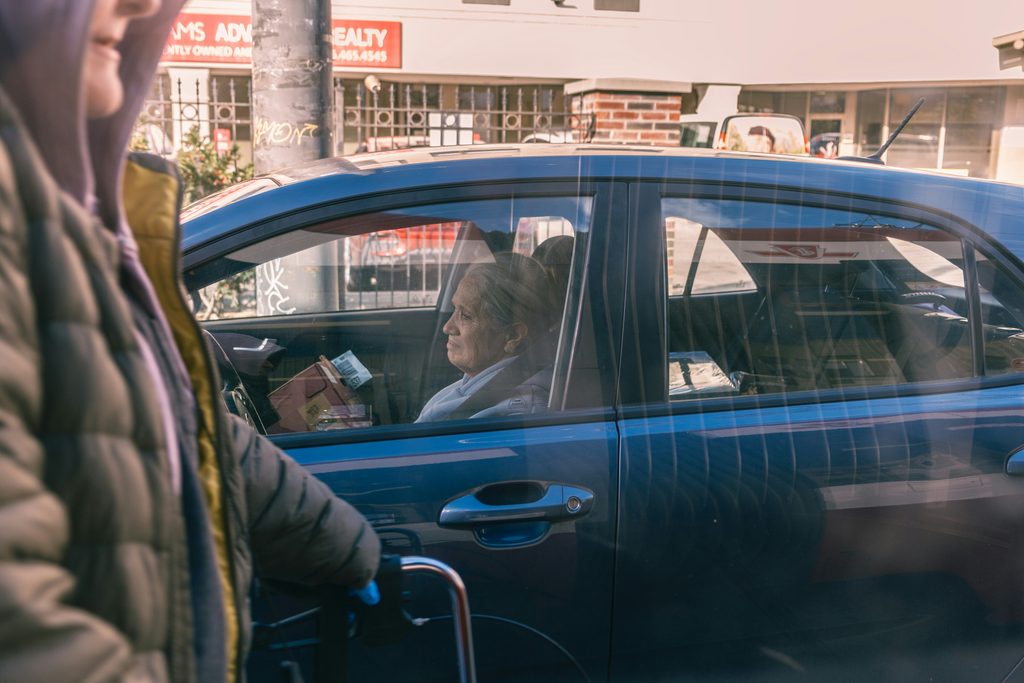
For many older adults, the last drive is remembered as the moment a door quietly closed. It meant the spontaneous trip to the hardware store, the Sunday ride to see a sister in Greenwood, and the freedom to leave the house without asking anyone for anything. When an elderly parent stopped driving, whether by choice, on a doctor’s advice, or after a frightening close call, what they lose is rarely just transportation. They lose a piece of their identity, their privacy, and the quiet confidence of running their own life.
If you are an adult child in Carmel, Fishers, Noblesville, Zionsville, Greenwood, or anywhere across Indianapolis, you may be watching this unfold while torn between safety and respect. That tension is normal, and it can be resolved with care.
Retiring from driving should never mean retiring from life. True independence isn’t about driving; it’s about having reliable, dignified access to the places and people that matter.
The Emotional Reality: When an Elderly Parent Stops Driving
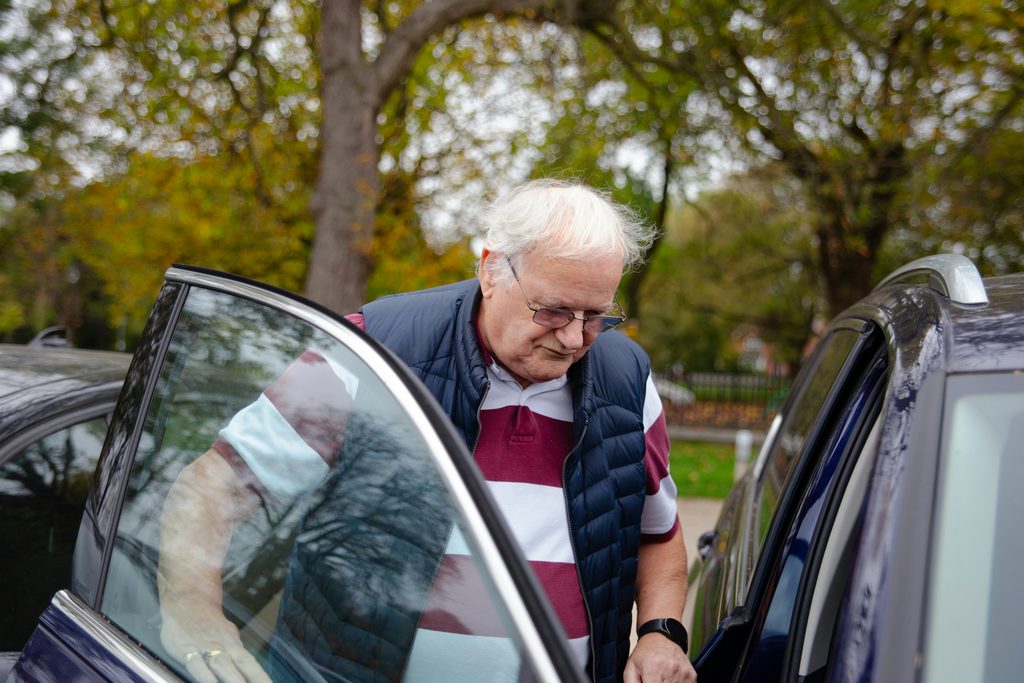
Transportation assistance for seniors is personalized, hands-on support that gets an older adult to medical appointments, grocery stores, faith services, and social outings safely and with dignity. Unlike a simple ride, it includes door-through-door help, a trained companion, and reliable routines, so an aging parent can stay independent without driving.
Before solutions, it helps to understand what your parent may be feeling. Driving cessation often moves through emotional stages that look a lot like grief:
- Anger. Frustration at the doctor, at you, or at the aging process itself. It often lands on whoever raised the subject.
- Grief. A real mourning for lost spontaneity, status, and the sense of being capable.
- Defensive withdrawal. Insisting “I don’t need to go anywhere” so no one sees how much they miss it.
- Fear of becoming a burden. The quiet worry that every ride request is an imposition on their children.
The National Institute on Aging explains that vision, hearing, reflexes, and thinking can change with age, and it offers guidance on transitioning away from driving. What it can’t capture is how personal that change feels at the kitchen table.
The danger that follows is subtle: isolation. Homebound parents begin to miss medical appointments, put off grocery runs, and drop out of the senior club or Bible study they loved. Without regular outings, days blur together, and researchers link prolonged social isolation to depression and cognitive decline. The “cognitive fog” families notice is sometimes the result of a smaller world, not just aging.
Moving Beyond Rideshares: Why Traditional Transit Often Falls Short
It’s tempting to say, “Just use Uber.” For a confident, tech-savvy senior on a good day, that can work. For many others, it quietly fails in three ways.
Digital hurdles: Requesting a ride means downloading an app, entering payment details, and reading a small touchscreen. For a parent with arthritis, low vision, or early memory changes, one confusing screen can end the whole outing.
No physical support: Standard rides are curb-to-curb. Nobody helps with a heavy winter coat, steadies a walker on the way down an icy porch step, or walks your parent through the clinic door to the front desk. In an Indiana January, that gap matters.
An unvetted stranger: A rideshare driver is rarely trained in senior care, may not recognize the signs of confusion or a fall risk, and won’t stay if your parent is disoriented at the destination. Parents also tend to hide their difficulties from strangers, so problems go unreported.
A ride gets a person from A to B. Senior transportation done well makes sure they arrive safely, do what they came to do, and get home again.
The 4 Pillars of Comprehensive Senior Transportation Assistance
Hands-on errand assistance goes well beyond a ride. With dedicated companion and transportation care, a trusted caregiver becomes an extension of your family, supporting four parts of daily life.
Pillar 1: Caregiver appointment assistance. The caregiver arrives early, helps your parent dress and gather insurance cards and medication lists, and drives safely to the appointment. If your parent wants, they take notes in the waiting room and share what the doctor said with the family accurately, so nothing is lost in translation.
Pillar 2: Help with senior errands and daily needs. A grocery trip becomes a social outing. Your caregiver navigates the aisles with your parent, reaches high shelves, carries heavy bags, and unpacks the pantry safely, so no one strains a back or trips over a bag on the kitchen floor. The same applies to pharmacy pickups, banking, and the post office.
Pillar 3: Social and faith community connections. Standing weekly plans keep a life full: Sunday services, lunch with a friend, the neighborhood library, a regular coffee in town. Routine gives your parent something to look forward to and a reason to get dressed.
Pillar 4: Restoring spontaneity. This is the pillar most services forget. Many seniors miss the unplanned afternoon drive through the old neighborhood, a scenic park, or past the house they raised their children in. A companion who has time, and no meter running, can bring that pleasure back.
Together, these pillars shift the story from “I can’t go anywhere” to “I have somewhere to be.”
Transportation Options Compared
Every option has a place. This table shows where each one helps and where it leaves gaps.
| Transportation Option | Level of Physical Assistance | Reliability & Comfort | Best Suited For | Key Limitations |
|---|---|---|---|---|
| Commercial Rideshare (Uber/Lyft) | Minimal; curb-to-curb, no hands-on help | On demand, but driver and vehicle vary; app required | Independent, tech-comfortable seniors on short trips | No senior-care training; no help inside buildings; payment and app barriers |
| Municipal Senior Shuttles / Paratransit | Low to moderate; driver may assist at the curb or door | Low-cost and dependable, but fixed schedules and advance booking | Regular, planned trips for eligible riders | Limited service areas and hours; shared rides; little flexibility for errands |
| Informal Family Chaperoning | High, from someone who knows your parent | Familiar and loving, but depends on your work and family schedule | Occasional appointments and special occasions | Caregiver burnout; missed work; strained relationships |
| In-Home Companion Care (e.g., Indy In-Homecare) | High; door-through-door, with mobility and errand support | Consistent, scheduled, and personalized | Seniors needing regular appointments, errands, and social outings | Paid service; best planned around a weekly routine |
Most families end up with a blend: paratransit for a standing trip, family for holidays, and a companion caregiver for everything that needs a steady hand.
How to Talk About Retiring from Driving Without Damaging Dignity
The words you choose can open or close the conversation. AARP’s driver safety resources include guidance for families on raising the topic, and a few principles consistently help.
Focus on health changes, not age: Birthdays aren’t the issue; reaction time, vision, medications, and stamina are. Try: “Mom, I noticed the last two trips left you really tired. I’d love to take some of that off your plate so you can save your energy for what you enjoy.”
Offer a concierge, not a chauffeur: Companion care is not “a driver for an invalid.” It’s a personal assistant who happens to have a car and good company. Try: “I found someone who can take you to the market on Tuesdays and to book club on Thursdays. You pick the schedule, and you’re in charge.”
Bring in a neutral third party: A primary care physician or optometrist can speak objectively about vision and reflexes, which takes the pressure off the family. The American Occupational Therapy Association describes community mobility as tied to independence, spontaneity, and identity, and its practitioners can conduct driving rehabilitation evaluations. Ask your parent’s doctor whether a formal assessment makes sense.
If forgetfulness, getting lost on familiar roads, or confusion are part of the picture, ask the doctor about a cognitive evaluation too. Families facing these changes often benefit from specialized dementia and memory care, where caregivers are trained to keep routines calm, familiar, and safe.
Finally, listen more than you talk. Let your parent grieve, and let them help design what happens next. A plan they helped build is a plan they’ll actually use.
Senior Transportation in Indianapolis & Central Indiana
Central Indiana’s geography makes senior transportation harder than it looks. A parent in Hamilton County may see a specialist downtown, shop in Fishers, and worship in Noblesville, while a Marion County resident may need stops across several neighborhoods in a single week. Add Hendricks and Johnson counties, plus the commute to Zionsville and Greenwood, and the idea of one fixed shuttle route stops working.
Public programs are still worth knowing. The Indiana FSSA Division of Aging is the state’s starting point for community mobility programs and for connecting with your local Area Agency on Aging, which can point you to Marion County senior support and similar services in neighboring counties. Think of those programs as one layer of the plan, not the whole plan.
That’s where Indy In-Homecare fits. Our bonded and insured caregivers provide compassionate door-through-door mobility support across Indianapolis senior care and Central Indiana elderly care, bridging the gap between medical needs and an active, engaged life. Every family begins with a customized in-home care plan built around your parent’s weekly routine: Monday pharmacy and lab visits, Wednesday lunch with friends, Friday groceries, Sunday worship. Hamilton County home care and Marion County families alike get the same consistency, so your parent always knows who’s coming and when.
Frequently Asked Questions
How can I convince my parent to stop driving when they refuse?
Start with listening, not lecturing. Focus on specific safety observations rather than age, involve their doctor as a neutral voice, and present a concrete alternative before the change happens. When a parent sees reliable rides to appointments, groceries, and friends, giving up driving feels like a trade rather than a loss. Patience matters; this often takes several conversations.
Can home caregivers drive my parent in their own car, or the caregiver’s car?
Usually either, depending on the agency’s policies and insurance. Some families prefer the parent’s familiar vehicle, while others use the caregiver’s car. Before service begins, confirm whose vehicle will be used, how it’s insured, and that the caregiver’s driving record has been checked. Indy In-Homecare can walk you through the options for your parent’s situation.
Does Medicare pay for senior transportation assistance in Indiana?
Original Medicare generally doesn’t cover routine transportation or companion care. Some Medicare Advantage plans include ride benefits to medical visits, and Indiana Medicaid may cover non-emergency medical transportation for eligible members. Check your parent’s plan, and ask your local Area Agency on Aging about other options. Some long-term care insurance policies may help with companion services.
What is the difference between curb-to-curb and door-through-door senior transit?
Curb-to-curb service drops your parent at the street and the driver’s job ends there. Door-through-door service includes help leaving the house, getting in and out of the vehicle, and walking inside to the check-in desk or store entrance. For seniors with mobility, vision, or memory challenges, that support often separates a safe trip from a stressful one.
Independence Doesn’t Need a Driver’s License
Your parent doesn’t have to choose between safety and a full life. With the right support, retiring from driving can be the start of a more connected routine, not the end of one. If your elderly parent stopped driving and you’re unsure where to begin, you don’t have to figure it out alone. Schedule a care consultation with our Indianapolis team to talk through your parent’s needs, build a plan around the places and people they love, and bring dignity, spontaneity, and peace of mind back to your whole family.